Medical Strain Analysis: Royal Blue CBD
Royal Blue CBD is a hemp-derived cannabis strain renowned for its profound medical applications, primarily owing to its rich cannabidiol (CBD) profile and its negligible psychoactive effects due to minimal tetrahydrocannabinol (THC) content. As more patients and medical professionals turn to cannabis-derived compounds to treat a variety of conditions, Royal Blue CBD has emerged as a reliable and highly valued strain in the medical cannabis community. This comprehensive analysis explores its origins, chemical profile, medical benefits, and optimal growing conditions, focusing entirely on its therapeutic value.
Origins of Royal Blue CBD
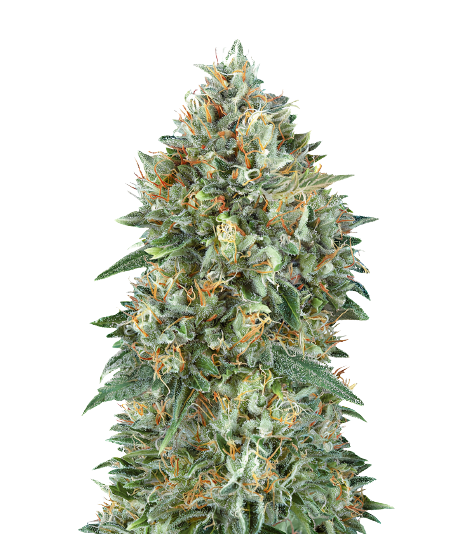
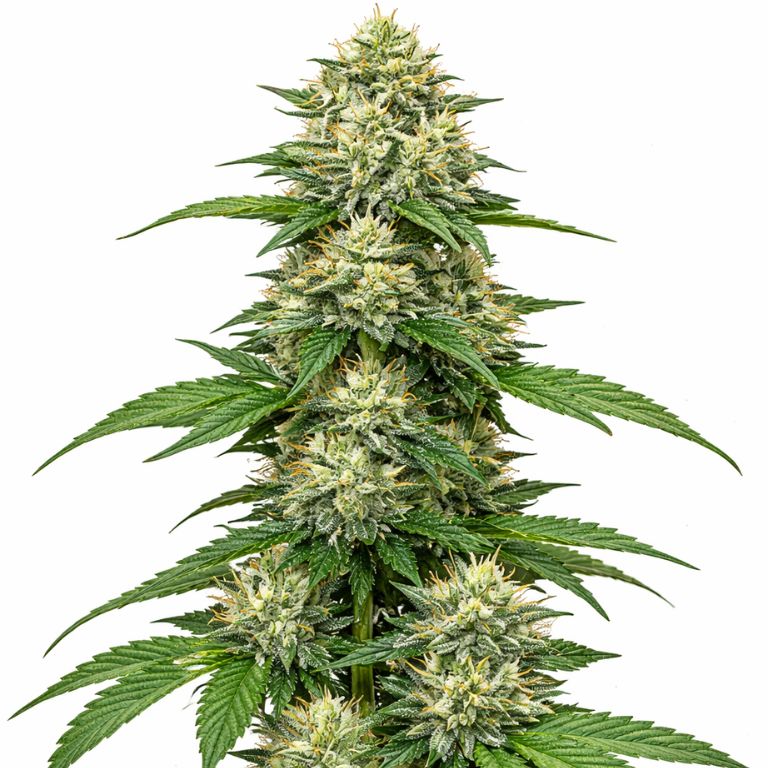
Royal Blue CBD is often considered a hybrid strain with roots in meticulously cultivated hemp genetics that prioritize high CBD content. It is believed to have descended from a lineage of cannabis strains bred specifically for therapeutic use. While its exact genetic origins are proprietary to its breeders, Royal Blue CBD inherits its name partly from its vibrant floral hue, which reflects its robust terpene profile, and partly from its association with the soothing effects often likened to calm, royal elegance.
This strain was developed during the recent surge in CBD-dominant cannabis breeding in the late 2010s and early 2020s. As legalization and acceptance of medical cannabis expanded globally, cultivators sought to develop strains that could deliver therapeutic benefits without the psychoactive “high” associated with THC. Royal Blue CBD represents the culmination of such efforts. It was designed to cater to patients needing relief from chronic conditions, stress-related disorders, and inflammatory diseases while maintaining cognitive clarity.
The breeding process for Royal Blue CBD involved selective hybridization of strains known for their low THC levels and high CBD concentrations. These strains are often derived from industrial hemp rather than traditional cannabis plants, ensuring legal compliance in jurisdictions that regulate THC content. The result is a genetically stable, non-intoxicating strain with consistent therapeutic effects.
Chemical Profile of Royal Blue CBD

The therapeutic potential of Royal Blue CBD lies in its rich chemical composition. CBD is the dominant cannabinoid in this strain, with levels typically ranging from 15% to 20%. THC content is minimal, usually below 0.3%, ensuring that the strain complies with hemp classification standards in most regions and remains non-psychoactive. However, its efficacy is not solely attributed to its CBD levels; rather, it is the synergistic interplay between its cannabinoids, terpenes, and flavonoids that makes it highly effective for medical purposes.
Cannabinoid Spectrum
- CBD (Cannabidiol): Cannabidiol, the main medicinal ingredient in Royal Blue CBD, interacts with the body’s endocannabinoid system (ECS) to control a number of physiological functions. CBD improves the body’s capacity to maintain homeostasis via modulating CB1 and CB2 receptors rather than directly binding to them like THC does.
- CBG (Cannabigerol): Found in trace amounts, CBG acts as a precursor to other cannabinoids and has anti-inflammatory and neuroprotective properties. Its presence adds to the strain’s medical versatility.
- CBC (Cannabichromene): Another non-psychoactive cannabinoid present in small amounts, CBC has demonstrated potential for pain relief and mood regulation, complementing CBD’s effects.
- THC (Tetrahydrocannabinol): The THC content in Royal Blue CBD is minimal, often below 0.3%. This ensures the absence of intoxicating effects while contributing to the “entourage effect” that enhances the therapeutic potential of the strain.
Terpene Profile
The terpene profile of Royal Blue CBD is as significant as its cannabinoid content in determining its therapeutic value. Terpenes are aromatic compounds that not only contribute to the strain’s fragrance and flavor but also have pharmacological effects.
- Myrcene: Known for its sedative and muscle-relaxing properties, myrcene plays a crucial role in alleviating insomnia, anxiety, and chronic pain.
- Limonene: This citrus-scented terpene is associated with mood elevation and stress relief, making it valuable for patients with depression and anxiety disorders.
- Beta-Caryophyllene: Unique among terpenes for its ability to bind directly to CB2 receptors, beta-caryophyllene is a powerful anti-inflammatory and analgesic compound.
- Linalool: Commonly found in lavender, linalool provides calming and anti-anxiety effects, adding to the strain’s overall therapeutic benefits.
- Pinene: Known for its anti-inflammatory and bronchodilatory effects, pinene supports respiratory health and cognitive function.
Flavonoids and Synergy
In addition to cannabinoids and terpenes, Royal Blue CBD contains flavonoids, plant compounds with antioxidant and anti-inflammatory properties. These flavonoids, such as quercetin and apigenin, work alongside terpenes and cannabinoids to create the “entourage effect,” amplifying the strain’s therapeutic efficacy.
Medical Benefits of Royal Blue CBD

The medical applications of Royal Blue CBD are vast, encompassing a wide range of conditions and symptoms. Its non-intoxicating nature makes it an ideal option for patients who wish to maintain their daily functionality while managing their ailments. Below is an in-depth examination of its medical benefits:
Chronic Pain Management
Royal Blue CBD has garnered significant attention as a natural alternative to opioids and other pain medications. CBD interacts with the ECS to modulate pain perception by influencing CB2 receptors, which are abundant in peripheral tissues and immune cells. The strain’s anti-inflammatory properties, driven by beta-caryophyllene and CBD, make it particularly effective for conditions such as:
- Arthritis: The strain reduces inflammation in joints, alleviating pain and improving mobility.
- Neuropathic Pain: Conditions like sciatica and diabetic neuropathy benefit from CBD’s neuroprotective effects.
- Fibromyalgia: Royal Blue CBD addresses the widespread pain and fatigue associated with fibromyalgia through its muscle-relaxing and analgesic properties.
Anxiety and Depression
The calming effects of Royal Blue CBD are attributed to its ability to regulate serotonin receptors and reduce overactivity in the brain’s stress-response pathways. Unlike pharmaceutical antidepressants or anti-anxiety medications, it has minimal side effects and no risk of dependency. Patients with generalized anxiety disorder (GAD), social anxiety, or post-traumatic stress disorder (PTSD) often report improved mood, reduced intrusive thoughts, and better sleep quality.
Epilepsy and Seizure Disorders
CBD’s anticonvulsant properties are well-documented, as evidenced by the FDA-approved medication Epidiolex, which uses purified CBD to treat rare forms of epilepsy such as Dravet syndrome and Lennox-Gastaut syndrome. Royal Blue CBD offers a natural alternative for managing seizures in a broader population of epilepsy patients, potentially reducing their frequency and severity.
Inflammation and Autoimmune Disorders
The anti-inflammatory properties of Royal Blue CBD are a cornerstone of its medical applications. By modulating immune responses and reducing cytokine production, the strain helps manage autoimmune conditions such as:
- Multiple Sclerosis (MS): It alleviates symptoms like muscle spasticity, pain, and fatigue.
- Inflammatory Bowel Disease (IBD): Conditions like Crohn’s disease and ulcerative colitis benefit from its ability to reduce gut inflammation.
- Lupus and Rheumatoid Arthritis: Royal Blue CBD dampens the overactive immune responses characteristic of these disorders.
Neurodegenerative Diseases
CBD’s neuroprotective properties make Royal Blue CBD a promising treatment for conditions such as Parkinson’s disease, Alzheimer’s disease, and Huntington’s disease. By reducing oxidative stress, inflammation, and neuronal damage, it slows disease progression and improves quality of life for patients.
Sleep Disorders
The sedative effects of myrcene and linalool, combined with CBD’s ability to regulate sleep cycles, make Royal Blue CBD effective for managing insomnia and other sleep disorders. Patients report deeper, more restorative sleep without the grogginess associated with traditional sleep aids.
Cancer-Related Symptoms
Royal Blue CBD offers palliative benefits for cancer patients, particularly in managing chemotherapy-induced nausea, vomiting, and pain. Its anti-inflammatory and antioxidant properties may also play a role in inhibiting tumor growth, though more research is needed in this area.
Cardiovascular Health
Preliminary studies suggest that CBD may lower blood pressure and improve overall cardiovascular health by reducing stress and inflammation. Royal Blue CBD’s high CBD content makes it a valuable option for patients at risk of hypertension and heart disease.
Growing Conditions for Royal Blue CBD

The cultivation of Royal Blue CBD requires precision and attention to detail to ensure a high-quality product rich in cannabinoids and terpenes. Below are the optimal growing conditions for this strain:
Climate and Environment
Royal Blue CBD thrives in a temperate climate with plenty of sunlight and moderate humidity. Although indoor growing offers more control over environmental parameters, it may be cultivated both indoors and outdoors. Ideal conditions include:
- Temperature: 70-80°F (21-27°C) during the day and slightly cooler at night.
- Humidity: 40-50% relative humidity during the vegetative stage, reduced to 30-40% during flowering to prevent mold and mildew.
- Light Cycle: A standard 18/6 light cycle (18 hours of light, 6 hours of darkness) during the vegetative phase, transitioning to a 12/12 cycle for flowering.
Soil and Nutrients
Royal Blue CBD performs best in well-aerated, nutrient-rich soil with a pH range of 6.0-7.0. Organic compost and amendments such as bat guano, bone meal, and kelp meal can enhance soil fertility. Balanced feeding is essential:
- Nitrogen (N): High levels during the vegetative stage to support growth.
- Phosphorus (P) and Potassium (K): Increased during flowering to promote bud development and resin production.
Pest and Disease Management
As a hemp strain, Royal Blue CBD is relatively resistant to pests and diseases but requires vigilance against common threats such as spider mites, aphids, and powdery mildew. Organic pest control methods, including neem oil and beneficial insects, are recommended to maintain plant health without compromising the strain’s medicinal quality.
Harvesting and Processing
Royal Blue CBD is typically ready for harvest within 8-10 weeks of flowering. Timing is critical; harvesting too early may result in lower CBD levels, while harvesting too late can degrade the terpene profile. Proper drying and curing processes are essential to preserve the strain’s cannabinoids and terpenes, ensuring maximum therapeutic potency.
Restrictions on Using Royal Blue CBD in the Medical Field and as a Last Resort
Royal Blue CBD, a cannabis strain renowned for its high cannabidiol (CBD) content and negligible tetrahydrocannabinol (THC) levels, offers substantial therapeutic potential. However, its medical application must be governed by stringent guidelines to ensure patient safety, efficacy, and ethical use. For medical professionals, this strain should only be prescribed as a last resort when other treatments have failed or are unsuitable for the patient’s condition. Additionally, rigorous monitoring of THC levels in medications derived from this strain is imperative to prevent any psychoactive effects. These restrictions and precautions uphold the medical integrity of Royal Blue CBD and ensure its use aligns with established medical standards.
Use as a Last Resort in Medical Treatment
The application of Royal Blue CBD in medical treatment should be approached with caution and reserved for cases where conventional therapies have proven ineffective, cause intolerable side effects, or are contraindicated due to specific patient conditions. By limiting its use to a last-resort option, medical professionals can ensure that the strain is prescribed judiciously and only for patients with genuine medical needs.
- Prioritization of Established Treatments:
Traditional pharmaceuticals, physical therapies, and other well-documented treatment methods should be the first line of intervention. These treatments often come with extensive clinical data, standardized dosages, and regulatory approval, providing a more predictable and measurable response. Royal Blue CBD should only be introduced when these options fail to deliver satisfactory outcomes or when a patient’s condition remains refractory to conventional methods. - Case-by-Case Evaluation:
Each patient’s medical history, current treatments, and overall health must be carefully evaluated before considering Royal Blue CBD. For instance, patients with chronic pain may initially benefit from non-opioid analgesics or physical rehabilitation before exploring cannabinoid-based therapy. Similarly, epilepsy patients might start with FDA-approved anticonvulsants before CBD is considered. The decision to use Royal Blue CBD should be made collaboratively between the healthcare provider and the patient, based on an exhaustive review of all other options. - Ethical Considerations:
Reserving Royal Blue CBD for last-resort scenarios ensures that its prescription is guided by medical necessity rather than external factors, such as patient preference or social trends. This approach minimizes the risk of misuse, prevents unnecessary exposure to cannabis-derived compounds, and aligns with ethical principles in medicine.
Monitoring THC Levels to Prevent Psychoactive Effects
Although Royal Blue CBD is specifically bred to have low THC content (below 0.3%), medical formulations derived from this strain must undergo continuous monitoring and testing to ensure that THC levels remain within safe limits. Even trace amounts of THC can accumulate or vary due to cultivation, extraction, or processing errors, potentially leading to unintended psychoactive effects in patients.
- Strict Regulation of THC Content:
In medications derived from Royal Blue CBD, the THC concentration should always be verified through third-party laboratory testing. Regulations often cap THC levels at 0.3% for products classified as hemp-derived. Medical formulations must comply with these limits to ensure the absence of psychoactivity, which could impair cognitive function, motor skills, or decision-making in patients. - Prevention of Cumulative Psychoactive Effects:
While the THC levels in Royal Blue CBD are generally too low to cause intoxication, patients receiving prolonged treatment or higher doses of CBD-based medications may experience cumulative effects if THC content is not carefully regulated. This is particularly critical for vulnerable populations, such as pediatric, geriatric, or immunocompromised patients, who may be more sensitive to even minimal THC exposure. - Batch Testing and Standardization:
Pharmaceutical products derived from Royal Blue CBD should undergo batch testing to ensure consistency in cannabinoid profiles. Standardization of production processes, from cultivation to final product formulation, is vital for minimizing THC variability and ensuring uniform therapeutic effects across all doses. - Patient Monitoring for Adverse Reactions:
Patients prescribed Royal Blue CBD-based medications must be closely monitored for any signs of THC-related psychoactive effects, such as dizziness, confusion, or altered perception. Such monitoring not only ensures patient safety but also provides valuable data for refining treatment protocols and mitigating risks.
Conclusion
Royal Blue CBD stands as a remarkable medical cannabis strain, valued for its high cannabidiol (CBD) content and minimal tetrahydrocannabinol (THC) levels, making it a non-intoxicating and therapeutically potent option for patients with chronic or refractory conditions. Its origins are deeply rooted in scientific efforts to develop cannabinoid-dominant strains specifically tailored for medical applications, ensuring safety, efficacy, and consistency. The strain’s chemical profile, characterized by its rich CBD concentration and synergistic terpenes, supports a wide range of medical benefits, from pain management and anti-inflammatory effects to neuroprotection and mental health improvement.
Despite its many therapeutic advantages, the use of Royal Blue CBD must be guided by a framework of restrictions and careful oversight to maintain its medical integrity. As discussed, it should only be prescribed as a last resort, after all conventional treatment options have been explored or deemed ineffective. This approach ensures that Royal Blue CBD is used judiciously and ethically, strictly for cases where patients stand to benefit significantly from cannabinoid-based therapies. Such considerations prevent its misuse and establish clear boundaries for its role in the medical field.
Furthermore, rigorous monitoring of THC levels in products derived from Royal Blue CBD is essential to prevent any psychoactive effects. Even with its naturally low THC content, ensuring compliance with regulatory thresholds and maintaining batch consistency are critical for patient safety. The importance of standardized cultivation, testing, and production methods cannot be overstated, as they safeguard the therapeutic reliability of this strain and prevent variability that could undermine its medical applications.
From its genetic origins and chemical composition to its growing conditions, therapeutic applications, and usage restrictions, Royal Blue CBD exemplifies the potential of cannabis to revolutionize modern medicine. However, its success lies in the careful balance of accessibility and responsibility. When used appropriately and ethically, Royal Blue CBD can provide profound relief for patients suffering from chronic pain, inflammation, anxiety, epilepsy, and other debilitating conditions, without compromising their cognitive function or quality of life. As research into medical cannabis continues to expand, strains like Royal Blue CBD are poised to play an increasingly significant role in healthcare, offering hope and healing to those in need.