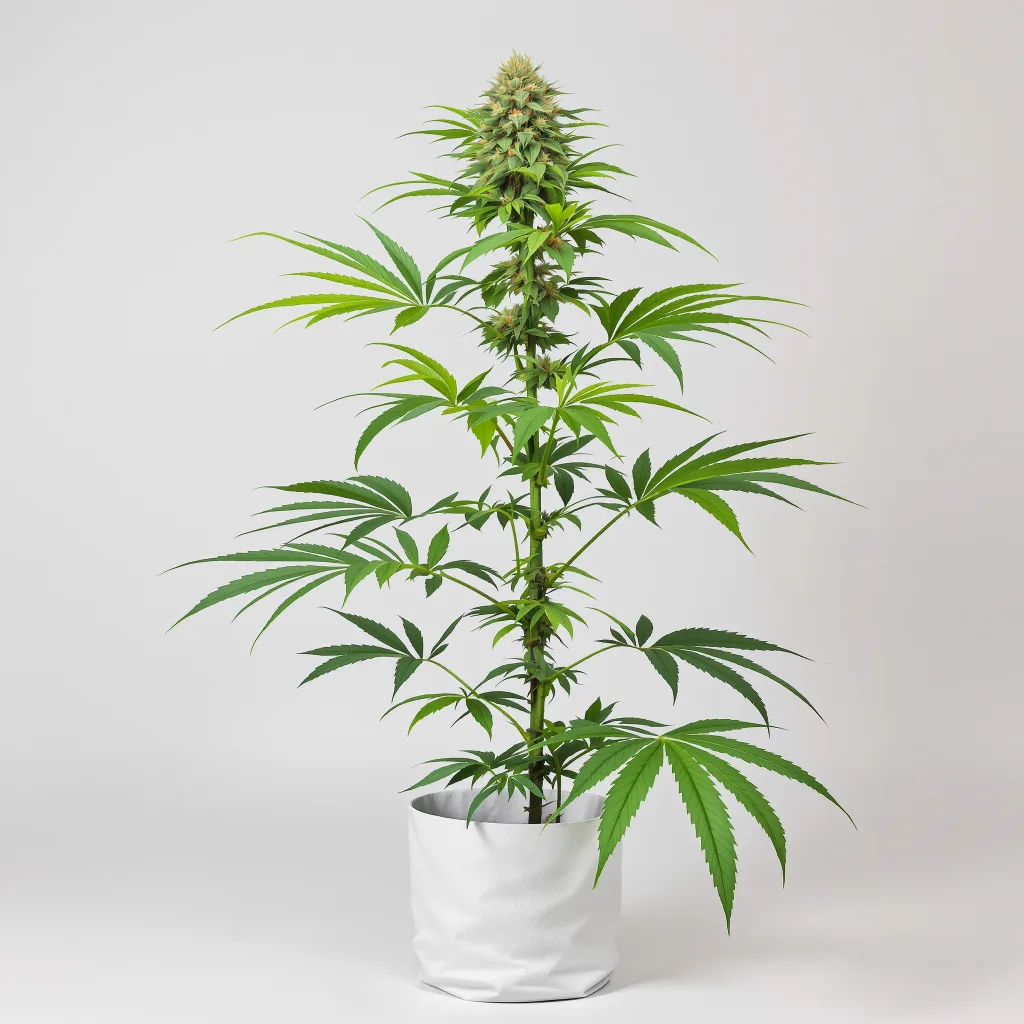
Medical Strain Analysis: Remedy CBD
-
Remedy CBD Cannabis SeedsFrom: $24.99
Origins of Remedy CBD
Remedy CBD is a specialized cannabis strain that has garnered attention primarily for its medicinal properties, particularly because of its high cannabidiol (CBD) content and very low tetrahydrocannabinol (THC) levels. Remedy CBD is often referred to as a “non-psychoactive” strain because it provides the medicinal benefits of cannabis without the intoxicating effects commonly associated with higher-THC strains.
The origin of Remedy CBD traces back to hybridization efforts focused on increasing the CBD-to-THC ratio in cannabis plants. Breeders aimed to produce a variety that minimized THC’s euphoric effects while optimizing CBD’s medicinal benefits. The strain is thought to be a hybrid of two popular cannabis strains: Afghan Skunk and Cannatonic.
Cannatonic is a hybrid cannabis strain that has a roughly 1:1 ratio of CBD to THC and is known for its mild psychoactive effects and strong therapeutic benefits. Cannatonic played a critical role in the development of high-CBD strains because it provided a stable genetic basis for boosting CBD levels in future generations.

On the other hand, Afghan Skunk is an indica-dominant strain known for its strong, sedative effects. Although Afghan Skunk has higher levels of THC, its genetics contributed to the robust nature and adaptability of Remedy CBD, making it suitable for various climates and growing conditions.

By combining these two parent strains, breeders were able to achieve a plant that maintains the resilience and growth characteristics of Afghan Skunk while enhancing the medicinal, CBD-rich profile of Cannatonic. Remedy CBD is now cultivated primarily for medical purposes and has been bred to contain as much as 15% CBD with less than 1% THC, making it an ideal candidate for patients seeking relief without the psychoactive experience.
Chemical Profile of Remedy CBD
Remedy CBD is distinguished by its unique chemical profile, which is dominated by cannabidiol (CBD) rather than tetrahydrocannabinol (THC). Its CBD concentration can range from 12% to 15%, while THC levels typically stay below 1%, often as low as 0.3%. This makes the strain compliant with regulations for medical cannabis in various jurisdictions, where high-THC products are restricted or controlled.
The primary cannabinoids present in Remedy CBD include:
- Cannabidiol (CBD): The most prominent cannabinoid in Remedy CBD, CBD is known for its broad range of therapeutic effects without the intoxicating effects associated with THC. CBD interacts with the body’s endocannabinoid system, specifically with CB1 and CB2 receptors, to regulate various physiological processes, including pain perception, inflammation, and immune responses.
- Tetrahydrocannabinol (THC): Although present in small amounts, THC contributes to the overall medicinal profile of the strain by providing a synergistic effect known as the “entourage effect.” This phenomenon occurs when multiple cannabinoids work together to enhance the therapeutic efficacy of each other. However, since THC levels in Remedy CBD are extremely low, the strain is ideal for those who want to avoid psychoactive effects.
- Other Cannabinoids: Trace amounts of other cannabinoids such as CBG (cannabigerol) and CBC (cannabichromene) may also be present in Remedy CBD. These compounds have their own unique medicinal benefits, including anti-inflammatory, antibacterial, and neuroprotective effects, which add to the overall therapeutic value of the strain.
In addition to cannabinoids, Remedy CBD contains various terpenes—aromatic compounds that contribute to both the scent and therapeutic properties of the strain. Some of the primary terpenes found in Remedy CBD include:
- Myrcene: Known for its sedative properties, myrcene is commonly associated with calming and relaxing effects. It is believed to enhance the ability of other cannabinoids to cross the blood-brain barrier, thus potentiating the effects of CBD.
- Caryophyllene: This terpene is unique because it interacts directly with the CB2 receptors in the body, much like cannabinoids. Because of its analgesic and anti-inflammatory qualities, caryophyllene is helpful in the treatment of pain and inflammation.
- Limonene: Found in citrus fruits, limonene contributes a fresh, zesty aroma to Remedy CBD. Limonene is believed to have anti-anxiety and mood-enhancing effects, which can be useful in treating conditions like anxiety and depression.
- Linalool: Known for its floral scent, linalool has anxiolytic (anxiety-reducing) and sedative properties. Additionally, it might have neuroprotective properties, which might help people with neurological illnesses.
Medical Benefits of Remedy CBD
Remedy CBD has gained widespread recognition for its potential in treating a variety of medical conditions, primarily due to its high CBD content and low THC levels. The strain is most commonly used in the treatment of the following ailments:
1. Pain Management
One of the most common problems that Remedy CBD is used to treat is chronic pain. By interacting with the body’s endocannabinoid system, which is essential for controlling pain signals, CBD has been demonstrated to lessen pain. By influencing CB2 receptors, CBD reduces inflammation and helps to modulate pain perception.
For those with fibromyalgia, arthritis, neuropathic pain, and other chronic pain disorders, Remedy CBD is very beneficial. Because the strain is non-psychoactive, patients can use it throughout the day without the concern of being impaired or unable to function.
2. Inflammation
Inflammation is a common underlying cause of many chronic diseases, including arthritis, autoimmune disorders, and even some types of cancer. CBD has demonstrated potent anti-inflammatory effects, primarily by inhibiting the production of pro-inflammatory cytokines and promoting the release of anti-inflammatory compounds in the body.
The presence of caryophyllene in Remedy CBD further enhances its anti-inflammatory properties, making it a valuable option for patients dealing with inflammatory conditions like rheumatoid arthritis, Crohn’s disease, and multiple sclerosis.
3. Anxiety and Depression
Pharmaceutical medications are frequently used to treat mental health conditions like depression and anxiety, but they can have serious negative effects or cause reliance. Remedy CBD offers a natural alternative for those looking to manage anxiety and depression without the risk of addiction or adverse effects.
The brain’s serotonin receptors, which are essential for controlling mood and anxiety, are impacted by CBD. Linalool and limonene, two terpenes found in Remedy CBD, also have calming and anxiolytic properties, making the strain especially beneficial for individuals dealing with anxiety disorders, PTSD, and panic attacks.
4. Seizure Disorders and Epilepsy
The capacity of CBD to lessen seizure frequency and intensity, especially in those with treatment-resistant epilepsy, is one of its most well-established medical applications. It has been demonstrated that kids with Dravet syndrome and Lennox-Gastaut syndrome, two types of pediatric epilepsy, experience fewer seizures when using the FDA-approved medication Epidiolex, which contains pure CBD.
While Epidiolex is a pharmaceutical product, Remedy CBD offers a more natural alternative for patients seeking to control seizures with cannabis. The strain’s high CBD content provides similar anticonvulsant effects, making it useful for patients with epilepsy, even those who have not responded to traditional medications.
5. Neuroprotection
CBD is a viable therapy option for neurological illnesses like multiple sclerosis, Parkinson’s disease, and Alzheimer’s disease since research indicates that it has neuroprotective qualities. It has been demonstrated that CBD lowers inflammation and oxidative stress in the brain, two factors that accelerate the development of many disorders.
Remedy CBD has become a popular choice for patients looking to halt the advancement of neurodegenerative disorders, especially because of CBD’s capacity to lower neuroinflammation and stop the accumulation of beta-amyloid plaques, which are linked to Alzheimer’s disease.
6. Sleep Disorders
Insomnia and other sleep disorders are often treated with sedatives or sleep aids, which can have negative side effects and lead to dependency. Remedy CBD is a great option for patients with sleep difficulties because of its high myrcene content, which is known to have relaxing and sedative properties.
CBD has also been shown to regulate the sleep-wake cycle by interacting with receptors in the brain that control circadian rhythms. For patients suffering from insomnia, REM sleep behavior disorder, or excessive daytime sleepiness, Remedy CBD can promote better sleep quality without the grogginess associated with traditional sleep medications.
7. Cancer and Chemotherapy Symptoms
Although studies on CBD’s ability to treat cancer directly are still in their infancy, there is evidence that it may help reduce pain, nausea, and appetite loss—symptoms that are common with cancer and its treatment.
Remedy CBD is particularly beneficial for patients undergoing chemotherapy, as it can reduce nausea and vomiting without the psychoactive effects of THC. Additionally, CBD’s anti-inflammatory and analgesic properties can help manage cancer-related pain, improving the overall quality of life for patients.
8. Immune System Regulation
Since CBD is thought to have immunomodulatory properties, it may aid with immune system regulation. CBD may lessen the immune system’s hyperactivity and stop additional harm in those with autoimmune illnesses like lupus or rheumatoid arthritis, in which the body’s defenses mistakenly target healthy cells.
Remedy CBD’s anti-inflammatory and immunosuppressive effects make it a valuable tool for managing autoimmune conditions and preventing flare-ups.
Growing Conditions for Remedy CBD

Remedy CBD is a relatively resilient strain that can be grown in a variety of environments, though it typically thrives best in controlled indoor settings where conditions can be carefully monitored. Because the strain was developed with medical use in mind, its cultivation emphasizes purity and consistency to ensure the highest-quality medicinal product.
1. Climate Requirements
Remedy CBD performs best in a Mediterranean-like climate, where temperatures are mild, and humidity levels are moderate. The strain prefers temperatures between 68°F and 80°F (20°C to 27°C), which can be achieved both indoors and outdoors. However, because Remedy CBD is typically grown for medicinal purposes, most cultivators choose to grow it indoors where environmental factors like temperature, light, and humidity can be more tightly controlled.
2. Light Cycle and Photoperiod
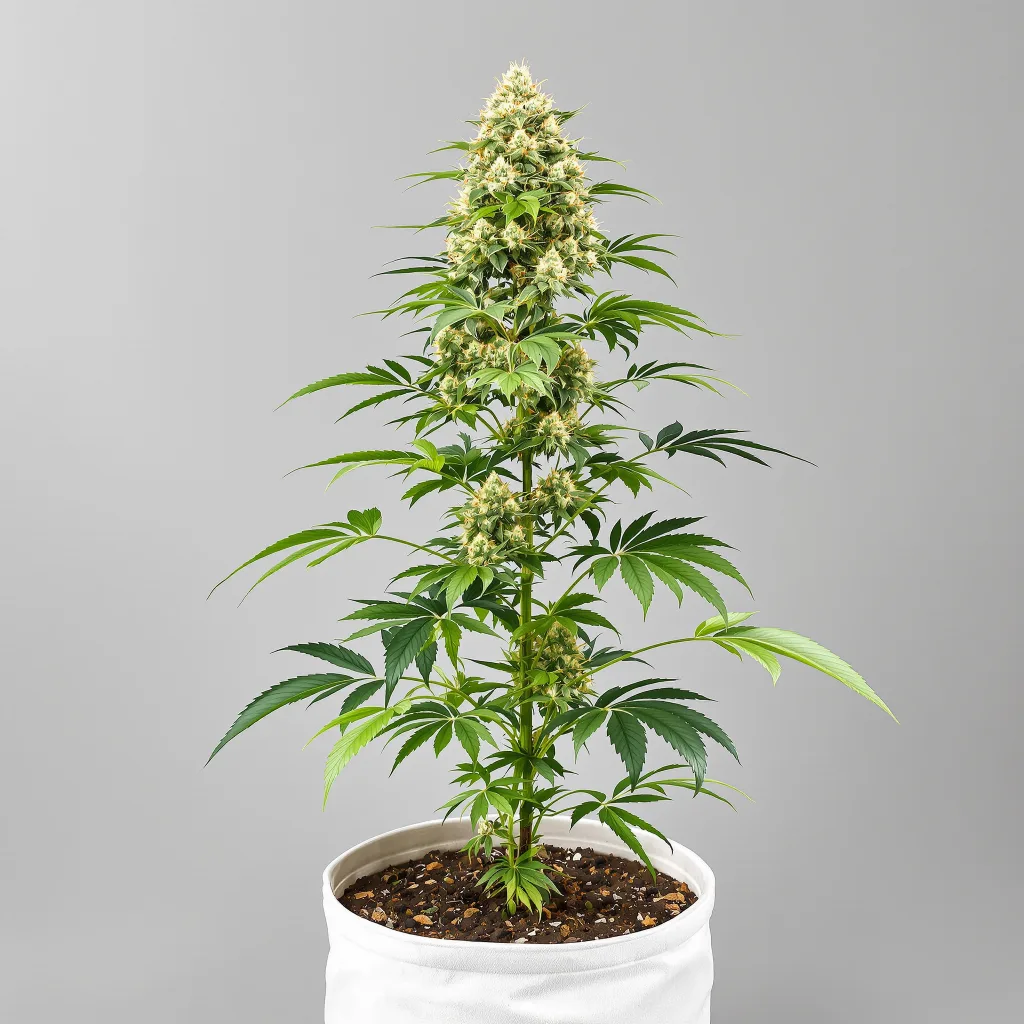
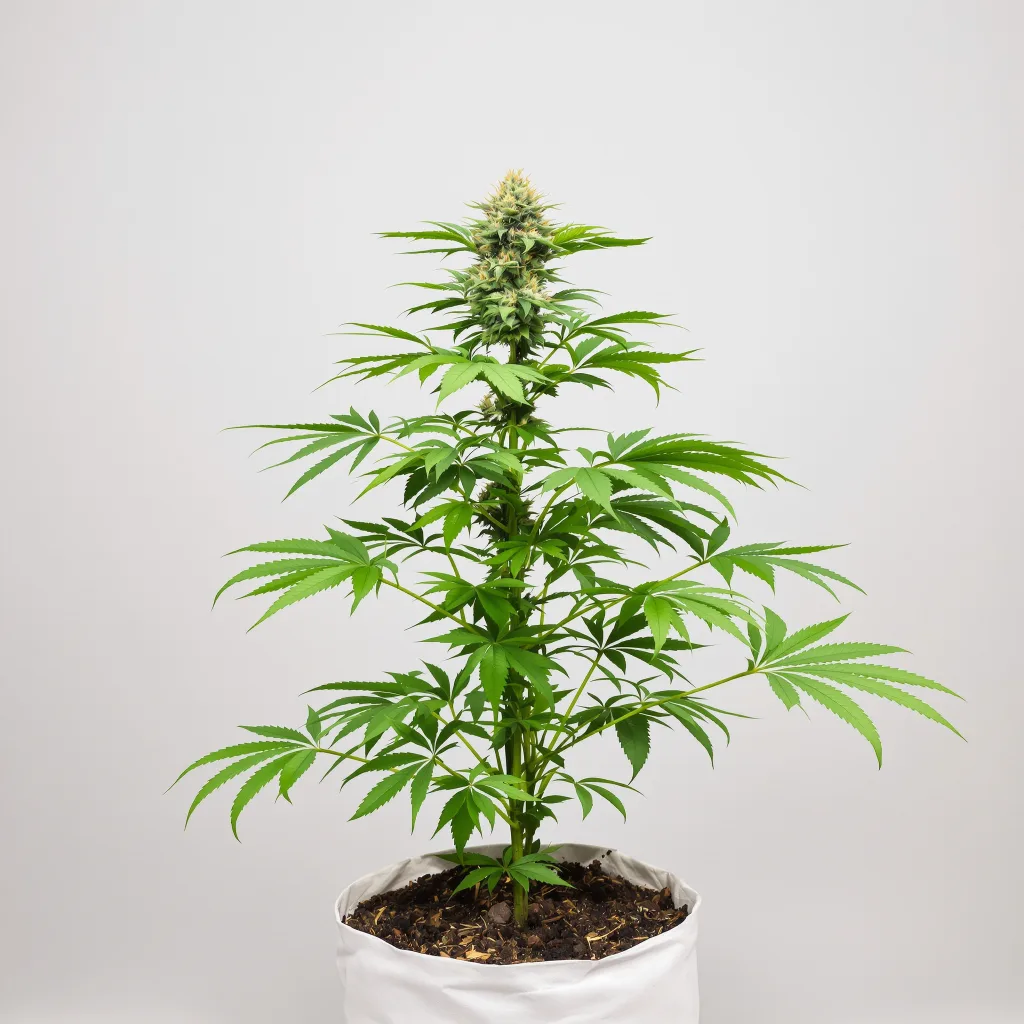
Remedy CBD is typically grown using a standard 18/6 light cycle during the vegetative stage, meaning the plants receive 18 hours of light and 6 hours of darkness each day. Once the plants transition to the flowering stage, the light cycle is reduced to 12/12 to encourage bud development.
Metal halide (MH) or high-pressure sodium (HPS) lights are examples of high-intensity discharge (HID) lights that indoor growers frequently employ to make sure the plants get the right amount of light. LED lights are also becoming popular in cannabis cultivation due to their energy efficiency and ability to provide a full spectrum of light.
3. Soil and Nutrients
Remedy CBD can be grown in soil, hydroponic systems, or other growing mediums, though soil is often preferred by medicinal growers for its natural buffering properties and ability to enhance the plant’s terpene profile. Organic soil rich in nutrients such as nitrogen, phosphorus, and potassium is ideal for cultivating healthy, high-CBD plants.
During the vegetative stage, Remedy CBD plants benefit from a nitrogen-rich fertilizer to promote leafy growth. The nutritional profile should change to greater phosphorus and potassium levels as the plants enter the blooming stage in order to promote the development of buds and the production of resin.
4. Watering and Humidity
Like most cannabis strains, Remedy CBD prefers moderate levels of humidity during the vegetative stage (around 50-60%) and lower humidity during the flowering stage (around 40-50%). During the blossoming period, high humidity levels might raise the risk of mold and mildew, which can degrade the buds’ quality.
Regular watering is necessary, but it is important to avoid overwatering the plants because cannabis plants can develop root rot if they are left in damp soil. Growers often use a “wet-dry” cycle, where the plants are watered thoroughly and then allowed to dry out slightly before the next watering.
5. Pest and Disease Management
Although Remedy CBD is a relatively hardy strain, it can still be susceptible to common cannabis pests and diseases, such as spider mites, aphids, and powdery mildew. To prevent infestations, growers should maintain a clean growing environment and regularly inspect the plants for signs of pests or disease.
Many medicinal growers prefer to use organic or natural pest control methods, such as introducing beneficial insects (like ladybugs or predatory mites) or using neem oil and other natural pesticides. This guarantees that the finished product will not contain any dangerous compounds that could lower its therapeutic value.
6. Harvesting and Processing
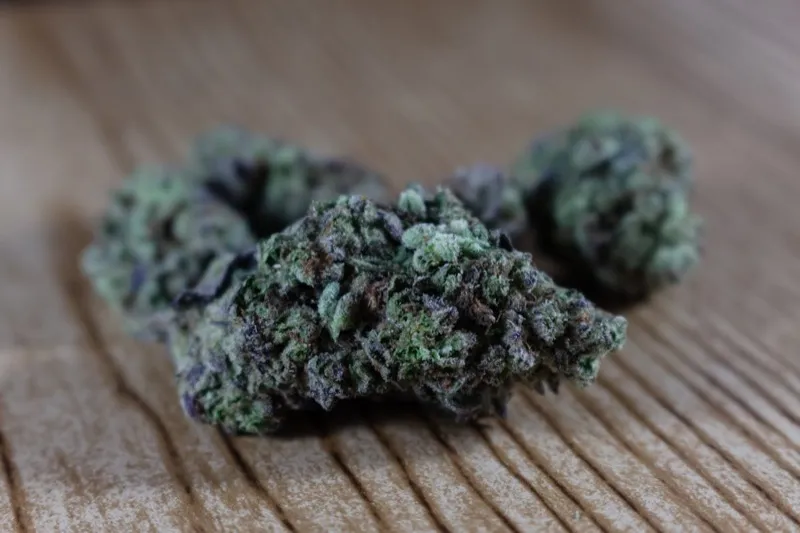
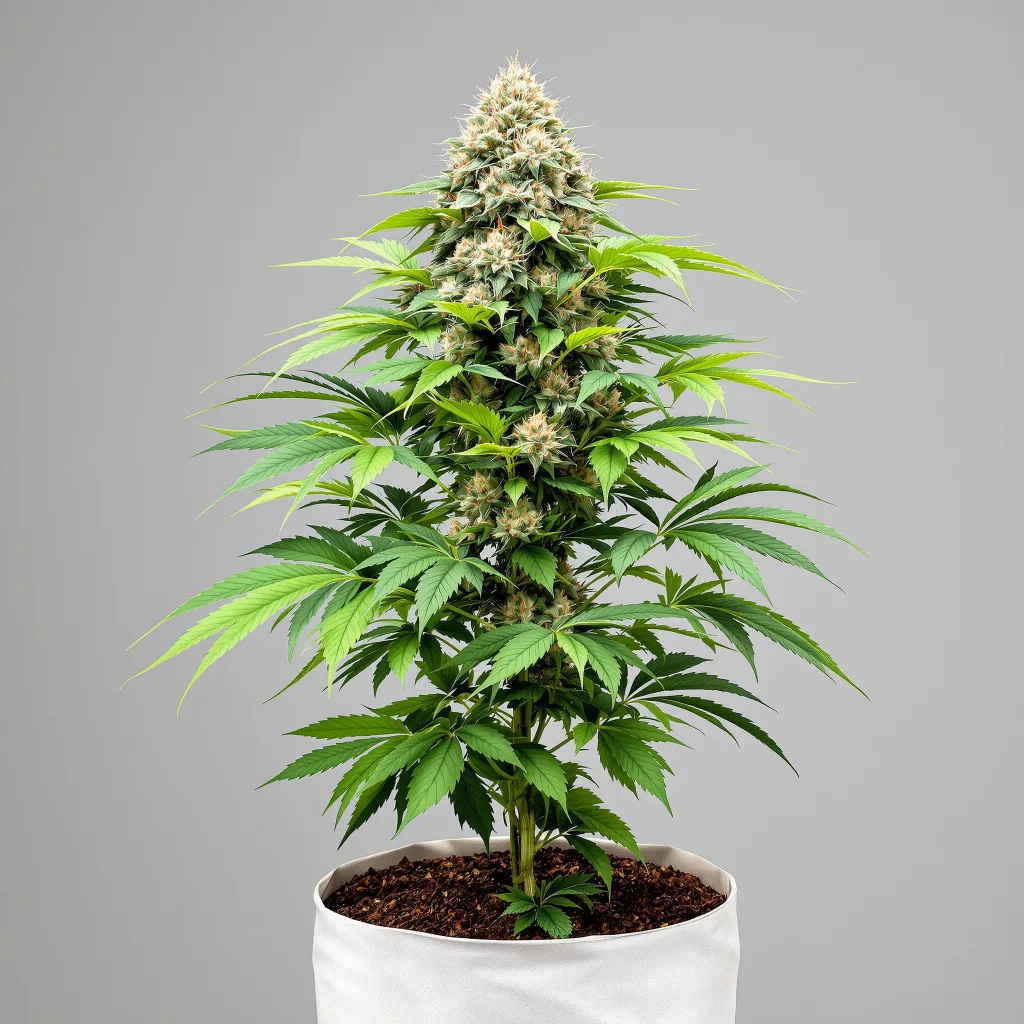
Remedy CBD is typically ready for harvest after 8 to 10 weeks of flowering. The exact timing will depend on the growing conditions and the desired cannabinoid profile. Growers frequently wait until the trichomes—the resinous glands on the buds—turn a milky white hue, signifying peak cannabinoid concentration, in order to guarantee the maximum quantities of CBD.
To improve their flavor and potency, the buds are dried and cured after harvest. In this procedure, the buds are hung in a room that is dark, well-ventilated, and has regulated humidity and temperature. The buds are then put in airtight containers to cure for a few weeks after the drying process, which typically takes seven to ten days.
Curing is an essential step in the production of high-quality medicinal cannabis, as it allows the cannabinoids and terpenes to fully develop, resulting in a more potent and flavorful product.
Restrictions on Using Cannabis in the Medical Field as a Last Resort

Cannabis use in the medical field is subject to various restrictions, especially when used as a last resort. Medical cannabis is often reserved for patients who have not responded to conventional treatments, such as those suffering from chronic pain, epilepsy, or severe anxiety disorders. Cannabis use in certain situations is, nevertheless, subject to stringent laws that differ by nation and area.
1. Prescription and Medical Supervision
In most places, medical cannabis can only be prescribed by licensed healthcare providers, and it is typically prescribed only when all other treatment options have been exhausted. In these situations, physicians are required to monitor the patient’s condition closely to assess the effectiveness of the cannabis treatment and its side effects.
2. THC Restrictions and Patient Safety
One of the primary concerns in using cannabis medicinally is the psychoactive effects caused by tetrahydrocannabinol (THC). To mitigate these effects, many medical cannabis programs set strict limits on the allowable THC content in cannabis products. In some cases, the products prescribed for medical use must contain less than 0.3% THC to ensure that patients do not experience unwanted intoxication, especially in vulnerable populations like children or the elderly.
3. Monitoring THC Levels in Medications
To prevent the psychoactive effects of THC in medical cannabis, many governments require stringent monitoring of THC levels in cannabis-derived medications. Laboratories must test cannabis products for cannabinoid content, ensuring that the prescribed medication meets the legal and medical standards for CBD and THC levels. This testing ensures that patients receive the therapeutic benefits of cannabinoids like CBD without the mind-altering effects of THC.
Conclusion
The use of cannabis, particularly high-CBD strains like Remedy CBD, has become increasingly recognized in the medical field for its therapeutic potential, especially for conditions such as chronic pain, inflammation, anxiety, seizure disorders, and neurodegenerative diseases. Remedy CBD, with its low THC content and high CBD levels, offers a safe and effective option for patients seeking relief without the psychoactive effects typically associated with cannabis.
The chemical profile of Remedy CBD, dominated by CBD and supported by beneficial terpenes like myrcene and caryophyllene, enhances its medicinal value. CBD’s interaction with the body’s endocannabinoid system provides broad therapeutic benefits, including pain management, anxiety relief, anti-inflammatory effects, and neuroprotection.
Growing Remedy CBD requires careful attention to environmental factors such as temperature, humidity, light cycles, and nutrient supply to ensure the highest quality medicinal product. Cultivators must also prioritize pest and disease management and use organic growing methods to maintain the purity of the final product.
However, the medical use of cannabis is tightly regulated to prevent misuse, with stringent restrictions on its prescription and use. Cannabis is often considered a last resort treatment option when conventional therapies fail. The psychoactive effects of THC are a major concern, necessitating strict monitoring of THC levels in medical cannabis products to protect patient safety and ensure therapeutic benefits without intoxication. Medical supervision and compliance with legal standards are essential to maintaining the credibility and safety of cannabis as a legitimate medical treatment.
In summary, the therapeutic potential of cannabis, particularly CBD-rich strains like Remedy CBD, is immense. However, its use in the medical field must be carefully regulated, with special attention given to monitoring THC levels and ensuring patient safety, especially when used as a last resort for difficult-to-treat conditions.