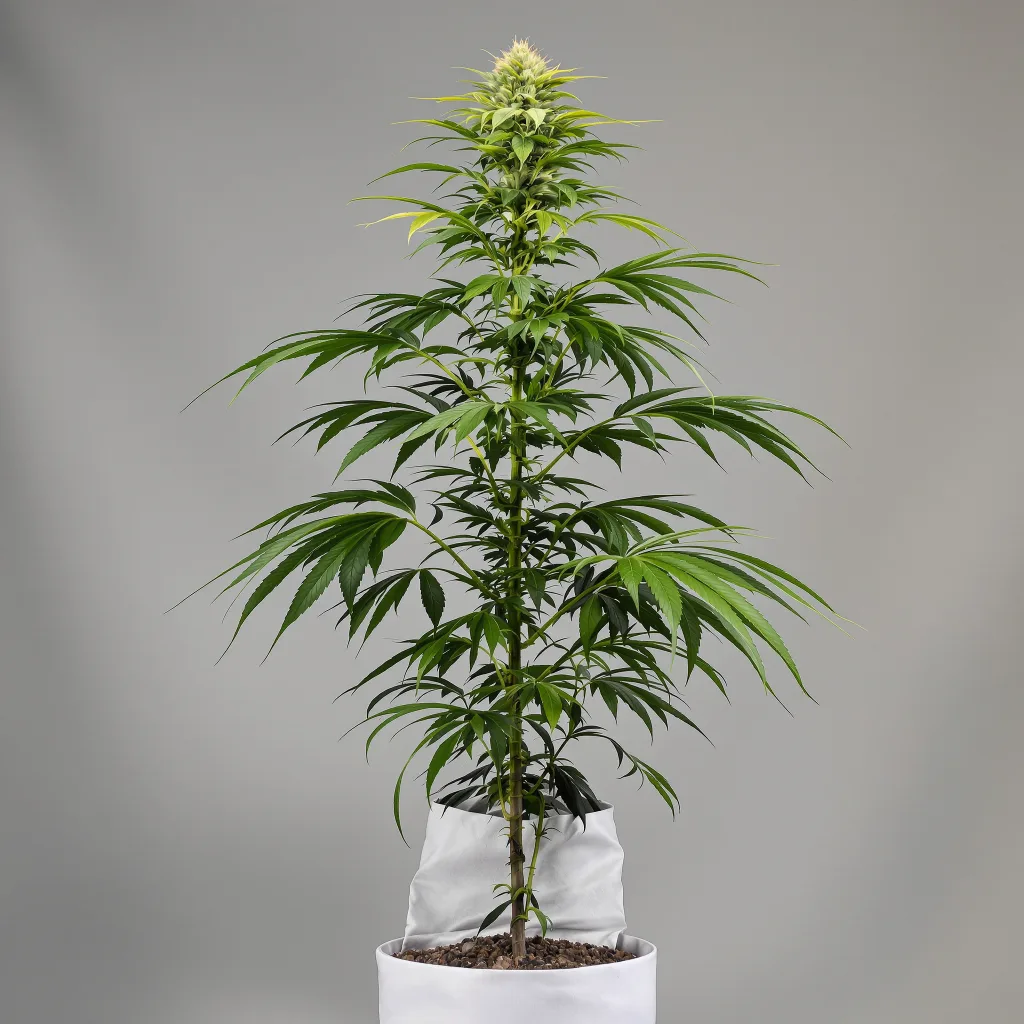
Medical Strain Analysis: Remedy
-
Remedy Cannabis SeedsFrom: $24.99
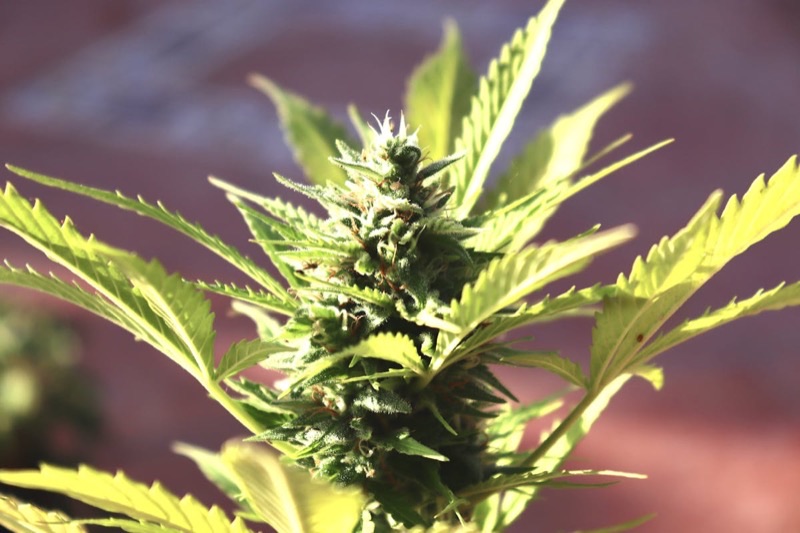
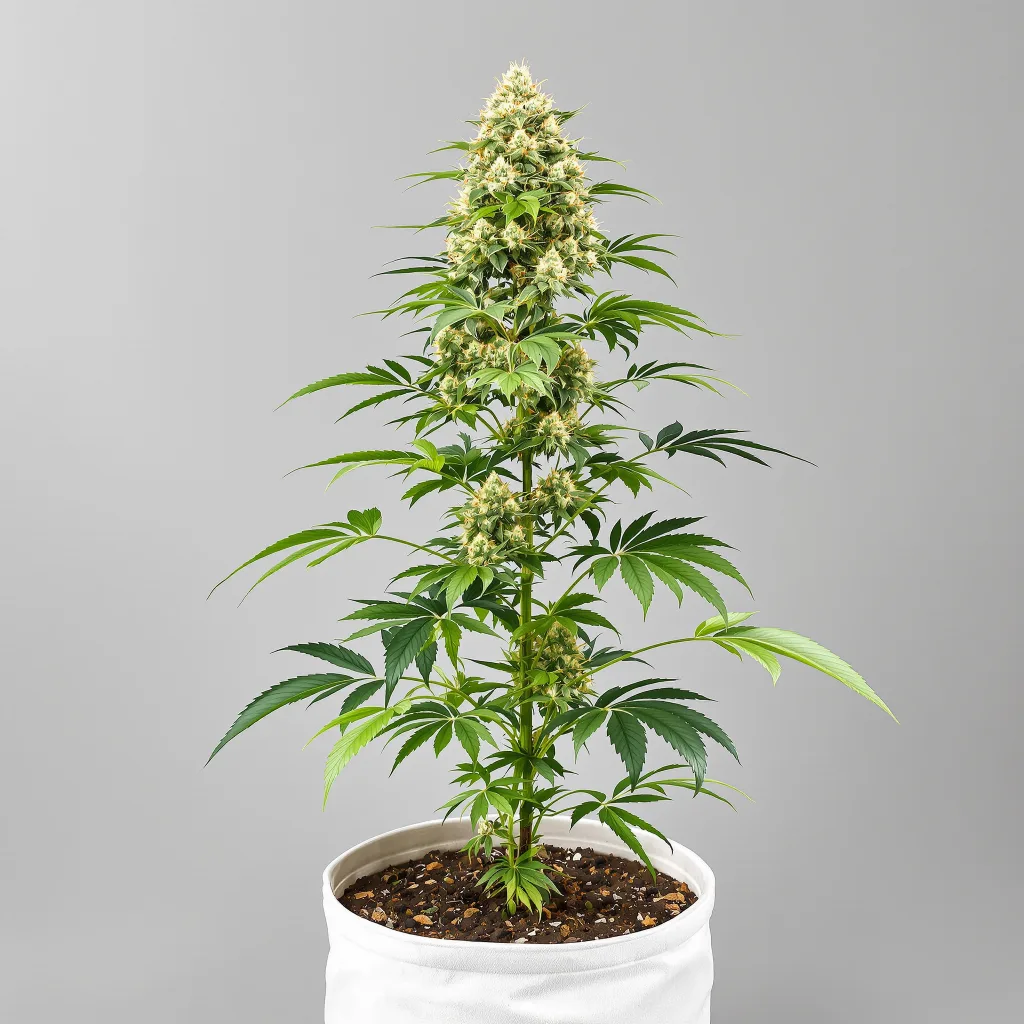
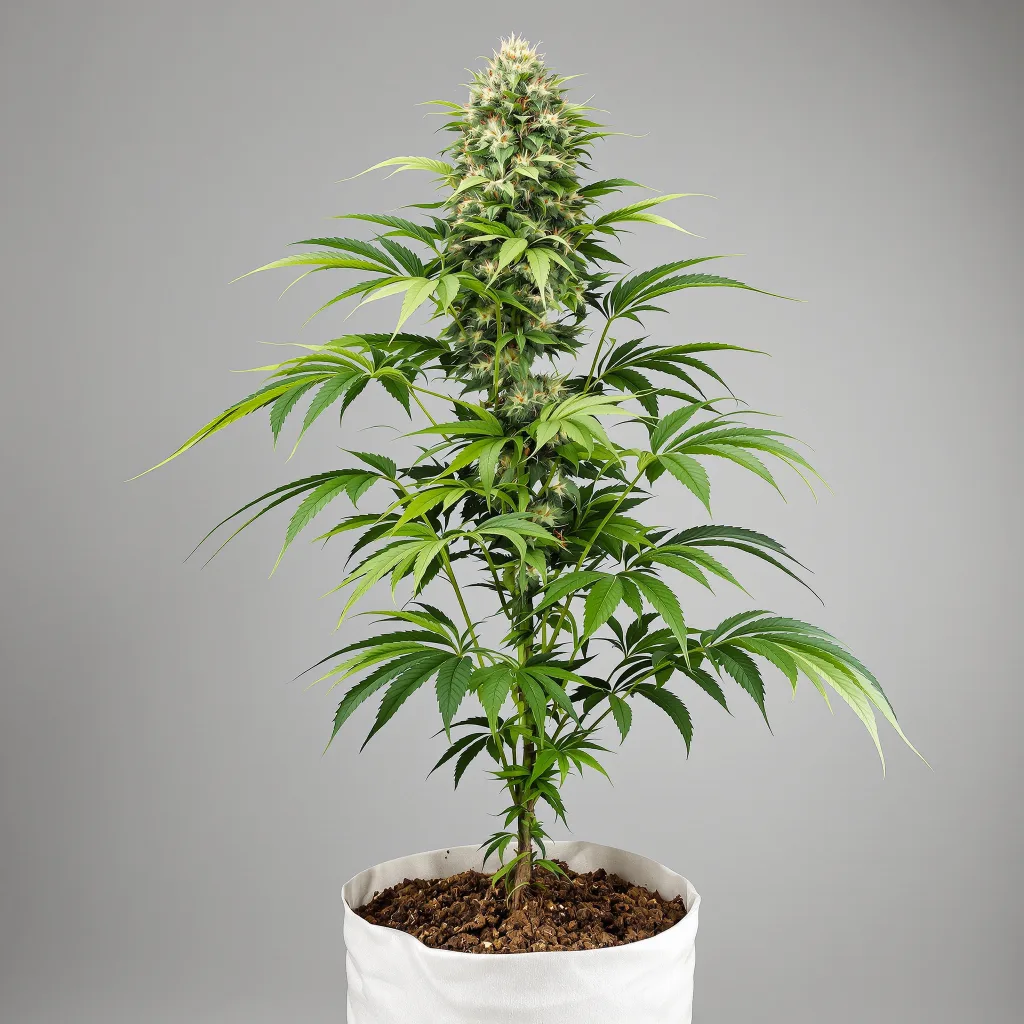
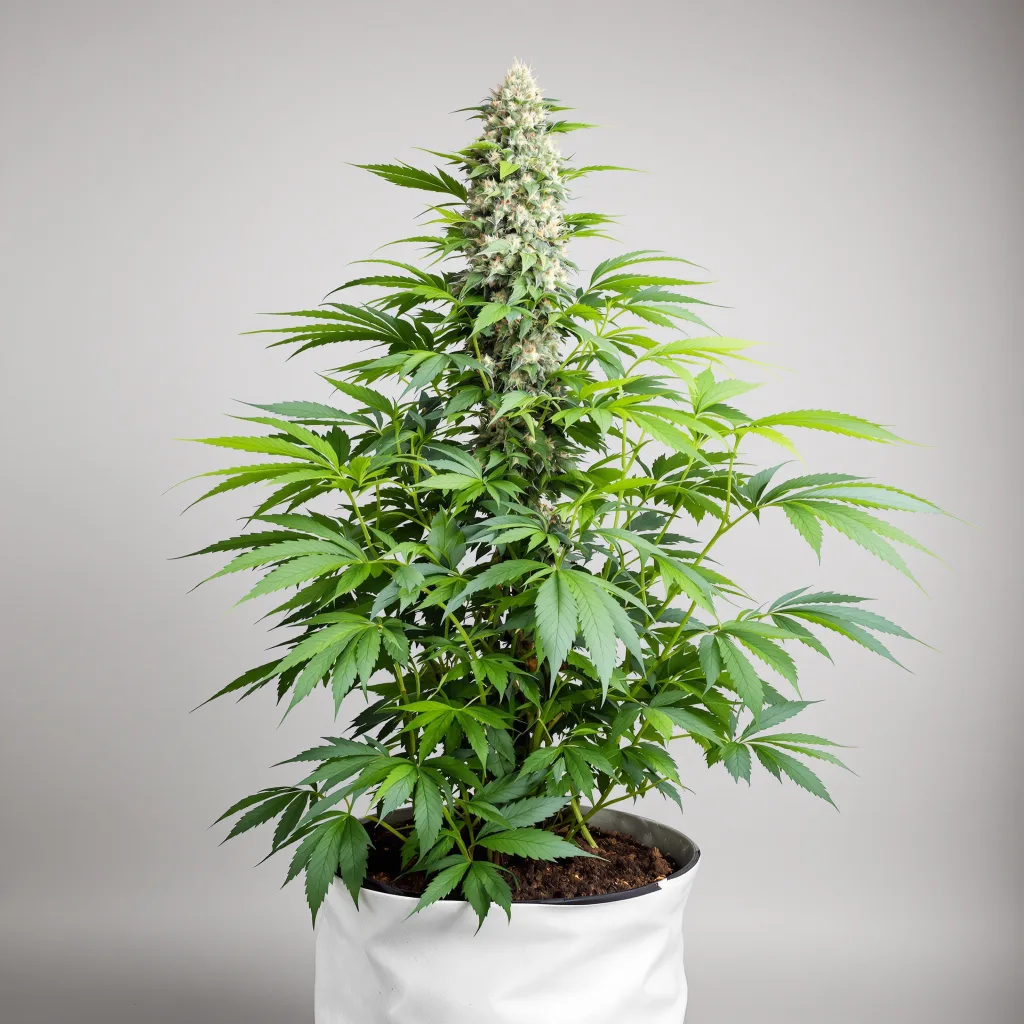
Remedy is a cannabis strain that has gained significant attention within the medical community due to its unique chemical profile and therapeutic benefits. This strain is especially valuable for its minimal psychoactive effects and high cannabidiol (CBD) content, making it an attractive option for patients seeking medicinal benefits without the intense euphoria typically associated with THC-dominant strains. Remedy’s origins, chemical composition, medical applications, and cultivation requirements combine to make it one of the most suitable strains for individuals dealing with a variety of health issues, from chronic pain and inflammation to anxiety and epilepsy.
Origins and Genetic Background of Remedy
Remedy is an indica-dominant hybrid strain that was specifically bred to emphasize high CBD content with only trace amounts of THC. This balance allows it to deliver the medicinal benefits of cannabis without the potent psychoactive effects. Remedy is the result of crossing two parent strains, Cannatonic and Afghan Skunk. Cannatonic, known for its balanced cannabinoid profile, is often used as a foundation for CBD-rich strains. It provides a significant part of Remedy’s therapeutic profile and laid the groundwork for a strain with pronounced medical properties. Afghan Skunk, on the other hand, contributes to Remedy’s resilience and growth characteristics, particularly suited to the medicinal strain market, as well as its sedative and soothing effects.
Chemical Profile of Remedy

Remedy’s chemical profile is where the strain truly shines. The most prominent cannabinoid in Remedy is cannabidiol (CBD), which can account for up to 15% of the total cannabinoid content. CBD is celebrated for its ability to interact with the endocannabinoid system without triggering a strong psychotropic response. Unlike THC, which activates CB1 receptors primarily in the brain, CBD interacts more broadly across various receptor sites, including serotonin receptors, which contributes to its anti-anxiety and anti-inflammatory properties.
Although Remedy has very low THC content (typically below 1%), it often contains several other cannabinoids and terpenes that enhance its medicinal properties. Some of these include:
- CBG (Cannabigerol): Though present in smaller quantities, CBG adds anti-inflammatory and neuroprotective benefits to the strain.
- CBC (Cannabichromene): Another non-toxic cannabinoid that has been demonstrated to help in inflammation reduction and pain management.
- Limonene: A citrusy terpene that offers mood-enhancing and anti-anxiety effects.
- Myrcene: Known for its sedative properties, myrcene can contribute to Remedy’s overall calming effect.
- Pinene: This terpene has anti-inflammatory and bronchodilator effects, which can assist patients with respiratory conditions.
Medical Benefits of Remedy

The medical benefits of Remedy stem from its rich CBD content and the unique synergy of cannabinoids and terpenes that enhance its effects. Here are some of the primary medical applications of Remedy:
- Chronic Pain Management Remedy is particularly beneficial for patients suffering from chronic pain. The high CBD content acts as a natural analgesic by modulating pain receptors and reducing inflammation. Studies show that CBD has the capacity to reduce pain perception by interacting with vanilloid receptors, which play a critical role in the body’s pain management system. Unlike opioids or NSAIDs, CBD does not carry a high risk of dependence or severe side effects, making it a safer, long-term option for pain relief. Remedy is often recommended for patients dealing with conditions like fibromyalgia, arthritis, and neuropathic pain due to its ability to target inflammatory pain.
- Anti-Inflammatory Properties CBD has well-documented anti-inflammatory effects, and Remedy’s composition makes it highly effective for patients suffering from inflammatory conditions. CBD inhibits specific enzymes that trigger inflammatory processes in the body, thus reducing inflammation without compromising immune function. Patients suffering from autoimmune conditions such as lupus, Crohn’s disease, and rheumatoid arthritis can benefit from Remedy because of this feature. Remedy can offer comfort without the negative effects of immunosuppressants and corticosteroids by regulating cytokine production and other inflammatory markers.
- Anxiety and Depression Relief Remedy’s high CBD and minimal THC content make it ideal for managing anxiety and depression. CBD’s interaction with serotonin receptors, specifically 5-HT1A receptors, contributes to its anxiolytic and antidepressant effects. Unlike traditional antidepressants and anti-anxiety medications, which can cause side effects like drowsiness, sexual dysfunction, and increased risk of dependency, Remedy provides a natural alternative that avoids these pitfalls. This strain can be particularly helpful for patients with generalized anxiety disorder (GAD), social anxiety, and mild to moderate depression. Remedy’s calming effects also help regulate mood and promote a sense of wellbeing without the need for psychoactive interference.
- Epilepsy and Seizure Disorders One of the most researched and well-documented uses of high-CBD strains like Remedy is their effectiveness in reducing seizures. CBD has demonstrated significant anticonvulsant properties, particularly for treatment-resistant forms of epilepsy, such as Dravet syndrome and Lennox-Gastaut syndrome. By stabilizing electrical impulses in the brain and modulating excitatory neurotransmitters, Remedy helps reduce the frequency and severity of seizures. The strain provides a plant-based alternative to pharmaceutical anti-seizure medications, which can often lead to severe side effects. The low THC content in Remedy minimizes the risk of psychotropic effects, making it especially safe for pediatric epilepsy patients and those with sensitivities to THC.
- Neuroprotective Benefits Remedy’s composition has demonstrated neuroprotective effects, which are particularly beneficial for individuals with neurodegenerative disorders. CBD has been shown to help reduce inflammation and oxidative stress in the brain, two factors that are connected to diseases like multiple sclerosis, Parkinson’s disease, and Alzheimer’s disease. Research suggests that CBD’s ability to enhance blood flow to the brain and reduce oxidative damage contributes to Remedy’s neuroprotective properties. By preserving brain cells and protecting against neurodegeneration, Remedy may help slow the progression of certain neurological disorders and improve the quality of life for affected individuals.
- Insomnia and Sleep Disorders Remedy’s high myrcene content enhances its sedative properties, making it an effective choice for patients dealing with insomnia and other sleep disturbances. Remedy makes it easier for people to fall asleep and stay asleep through the night by encouraging relaxation and lowering anxiety. This strain is especially helpful for patients with conditions like PTSD, chronic pain, or generalized anxiety, where sleep disturbances are a secondary symptom of their primary health issues. Remedy offers an all-natural, non-habit-forming substitute for conventional sleep aids, which can cause side effects and reliance.
- Immune Support CBD’s immunomodulatory properties make Remedy beneficial for individuals with compromised immune systems or those dealing with chronic infections. By reducing inflammation and oxidative stress, Remedy supports the body’s natural immune response without overstimulating it, which can be particularly helpful for patients with autoimmune disorders. Furthermore, studies have shown that CBD can modulate white blood cell activity, enhancing the immune system’s ability to target infections effectively. Remedy’s gentle approach to immune support makes it suitable for individuals undergoing treatments that compromise immunity, such as chemotherapy.
- Muscle Relaxation and Spasm Reduction Remedy’s combination of cannabinoids and terpenes makes it effective at relaxing muscles and reducing spasms. Patients suffering from spinal cord injuries, Parkinson’s disease, or multiple sclerosis can benefit from this application. The high CBD content works by targeting specific muscle receptors involved in involuntary contractions, providing relief from spasms and allowing for improved mobility and comfort. Remedy’s muscle-relaxing effects are enhanced by myrcene and limonene, making it a comprehensive solution for muscle-related disorders.
- Nausea and Appetite Stimulation While CBD-dominant strains like Remedy are not as well-known for appetite stimulation as THC-dominant strains, they can still help reduce nausea and improve appetite, especially in patients undergoing chemotherapy or suffering from conditions that lead to poor appetite. CBD’s antiemetic properties make it valuable for patients who experience chronic nausea due to treatments or gastrointestinal conditions. Remedy provides this benefit without the psychoactive effects of THC, which may be undesirable for individuals sensitive to THC.
Growing Conditions for Remedy

Remedy’s genetic profile makes it relatively easy to cultivate, particularly for those focused on producing medical-grade cannabis. The plant exhibits resilience against common pests and diseases, thanks in part to its Afghan Skunk heritage, which gives it a robust, hardy structure.
- Climate Requirements: Remedy may grow both indoors and outdoors and is ideally adapted to a Mediterranean climate. Outdoor growth is recommended for those seeking to produce larger yields, though indoor cultivation allows for more precise control over environmental factors. Temperatures between 70 and 80 degrees Fahrenheit during the day and a little drop at night are ideal for remedy’s growth. During the flowering period, humidity levels should be kept between 40 and 50 percent to avoid mold and mildew, which can degrade the quality of the plant.
- Lighting Needs: Remedy, like most indica-dominant strains, benefits from a balanced light cycle. Plants need at least 18 hours of light every day when they are in the vegetative stage, and 12 hours of light and 12 hours of darkness are beneficial when they are in the flowering stage. This lighting schedule encourages the plant to focus its energy on bud production, maximizing CBD content. To supply the required light intensity for optimum growth, indoor growers might utilize LED systems or high-intensity discharge (HID) lamps.
- Nutrient Requirements: Remedy’s nutrient needs are similar to those of other indica-dominant strains. During the vegetative stage, a nitrogen-rich diet is essential to support healthy leaf and stem development. As the plant transitions into the flowering stage, nutrient requirements shift toward a phosphorus and potassium-rich blend to support bud growth and cannabinoid production. Organic fertilizers and supplements such as kelp meal, bat guano, and compost teas can enhance the plant’s growth and improve the quality of its final product.
- Soil and pH Levels: Remedy plants grow well in organic soil that allows for good drainage and root aeration. A slightly acidic soil pH between 6.0 and 6.5 is ideal, as it allows optimal nutrient absorption. Some growers prefer hydroponic setups for Remedy, which can result in faster growth and larger yields, though hydroponics requires meticulous attention to pH and nutrient levels. Organic growing methods, on the other hand, tend to produce richer terpene profiles, enhancing Remedy’s medicinal effects.
- Harvesting and Curing: Remedy has a relatively short flowering time of about 8-9 weeks, which is advantageous for cultivators seeking a quick turnaround. Once the buds are fully mature, with trichomes turning from clear to milky white, they are ready for harvest. To maintain Remedy’s terpene profile and CBD potency, proper drying and curing are necessary. After harvesting, buds should be dried in a controlled environment with temperatures around 70 degrees Fahrenheit and humidity levels of 50-60%. Following drying, buds should be cured in airtight containers to allow excess moisture to escape gradually. Although it may take a few weeks, this procedure is essential for improving the strain’s strength and scent.
Restrictions on Using Remedy in the Medical Field and Ensuring Low THC Levels
Remedy, with its high CBD content and low THC levels, has become a valuable strain in the medical field. However, its use is often subject to stringent regulations, ensuring that it is prescribed appropriately and monitored closely. This section explores the guidelines for using Remedy in medical contexts, focusing on its application as a last resort and the importance of monitoring THC levels to prevent any unintended psychoactive effects on patients.
Medical-Only Use and Last-Resort Application
Due to the nature of cannabis-based treatments, Remedy and similar CBD-dominant strains are typically designated for medical use only, often reserved for patients who have exhausted conventional treatment options. Medical professionals may recommend Remedy after more standard pharmaceuticals or therapeutic interventions have proven ineffective. This approach helps ensure that Remedy is utilized responsibly, preventing its misuse and keeping it within the realm of clinical medicine.
In the medical field, physicians might consider prescribing Remedy for patients with chronic pain, anxiety, epilepsy, or inflammatory conditions who have not responded well to traditional therapies. By making Remedy a last-resort option, healthcare providers are better able to evaluate its effects on a case-by-case basis and consider whether a patient’s condition truly warrants the use of this cannabis-based remedy. This restricted use also reinforces the necessity of monitoring patients’ response to the strain to ensure that it is providing therapeutic benefits without adverse side effects.
Monitoring THC Levels to Minimize Psychoactive Effects
Although Remedy is specifically bred to have low THC levels, typically under 1%, ensuring that this threshold is maintained in all medicinal preparations is essential. THC (tetrahydrocannabinol) is the primary psychoactive component in cannabis, and even low levels of THC can cause mild psychoactive effects in some patients, especially those sensitive to cannabinoids. Monitoring THC levels in Remedy-based medications is crucial to ensure that the strain’s psychoactive properties remain minimal, thus aligning with its purpose as a non-intoxicating, medicinal strain.
Testing THC concentrations in cannabis-based medications is a critical practice in the medical field. To minimize any potential psychoactive effects, laboratories conduct regular testing to confirm that THC levels remain consistently low, well within acceptable ranges for therapeutic applications. When the THC content is reliably low, patients can benefit from the strain’s CBD and other cannabinoids without experiencing euphoria or other psychoactive reactions.
Dosage Control and Patient Monitoring
Another important aspect of using Remedy in medical settings is controlling dosages and closely monitoring patient responses. Each patient’s tolerance to cannabinoids varies, so individualized dosage plans are necessary to maximize Remedy’s benefits while minimizing any risks associated with even low levels of THC. Medical providers often start patients on small doses, increasing gradually to observe how they react to the strain’s effects.
In addition to precise dosing, periodic monitoring allows healthcare providers to detect any unwanted psychoactive effects, even if they are subtle. This might include tracking mood changes, checking for drowsiness, and assessing cognitive effects in patients. Regular follow-up appointments help ensure that the patient’s experience remains consistent with the intended therapeutic outcomes.
Regulations and Ethical Considerations
Given Remedy’s potential therapeutic applications, regulatory bodies often impose guidelines on its use, prioritizing patient safety and efficacy. These regulations stipulate that medical cannabis strains, including Remedy, be used under the strict guidance of qualified healthcare professionals, typically in cases where conventional treatments have been insufficient. This framework upholds ethical standards in the medical field, ensuring that patients are fully informed of potential risks and benefits before starting treatment with Remedy.
Ultimately, Remedy’s utility in the medical field depends on careful, regulated use that prioritizes patient well-being. Monitoring THC levels rigorously, establishing Remedy as a last-resort option, and implementing personalized dosage plans help align this strain with best practices in clinical medicine. This approach ensures that patients receive the maximum therapeutic benefit from Remedy without encountering psychoactive side effects, reinforcing its role as a valuable tool in medical cannabis therapy.
Conclusion
Remedy stands as a unique and valuable strain in the medical cannabis realm, renowned for its high CBD content, low THC levels, and therapeutic potential without pronounced psychoactive effects. As we have seen, Remedy’s origins, chemical composition, and specific medicinal benefits make it a powerful option for patients with chronic pain, anxiety, inflammation, epilepsy, and other conditions. Its formulation aligns with the needs of individuals who require the benefits of cannabis-derived compounds but must avoid the mind-altering effects associated with THC.
However, Remedy’s application in the medical field requires careful regulation and strict guidelines to ensure responsible use. Reserving Remedy as a last-resort treatment emphasizes its role as a specialized intervention for those who have not responded to traditional therapies. Monitoring THC levels is critical, as it ensures that the medicinal use of Remedy aligns with its purpose, delivering therapeutic benefits without psychoactivity. Additionally, dosage control and patient monitoring are integral to achieving positive outcomes, enabling healthcare providers to tailor treatment plans to each individual’s needs and responses.
In clinical practice, the ethical and regulatory framework surrounding Remedy supports its safe application, reinforcing the principle that cannabis-based treatments should be used only under qualified medical supervision. The emphasis on low THC levels, personalized dosing, and close patient follow-up underscores the medical community’s commitment to maximizing patient safety and therapeutic efficacy.
In summary, Remedy represents a scientifically-backed, non-intoxicating treatment option for patients needing an alternative approach. Through strict adherence to regulatory guidelines and continuous research, Remedy can continue to enhance the medical cannabis landscape, offering relief and improved quality of life to those who need it most.