Medical Strain Analysis: Purple Rose CBD
Purple Rose CBD is a distinguished and medically significant cannabis strain celebrated for its unique chemical profile, therapeutic potential, and rich genetic heritage. Known primarily for its high cannabidiol (CBD) content and low tetrahydrocannabinol (THC) levels, Purple Rose CBD has emerged as a valuable resource in the field of medical cannabis. This strain is meticulously cultivated and refined to optimize its health benefits, offering relief for a range of medical conditions without the intoxicating effects associated with higher-THC cannabis strains. This in-depth analysis delves into the origins, chemical composition, therapeutic applications, and cultivation requirements of Purple Rose CBD, offering a detailed exploration of its role in contemporary medical science.
Origins of Purple Rose CBD

The origins of Purple Rose CBD can be traced to the dedicated efforts of cultivators aiming to create a cannabis strain that maximizes therapeutic benefits while minimizing psychoactive effects. This strain is the product of years of careful breeding and genetic selection, incorporating elements of both indica and sativa lineages to achieve a balanced, versatile profile.
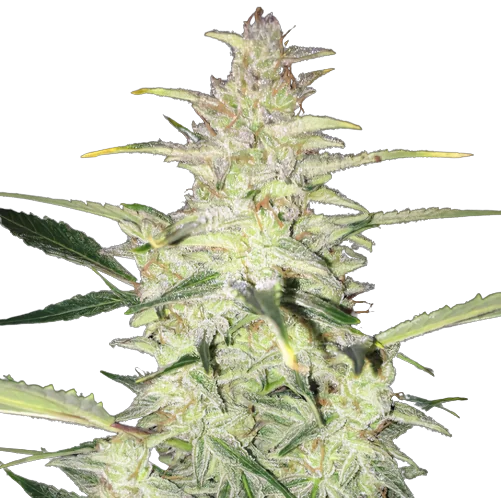
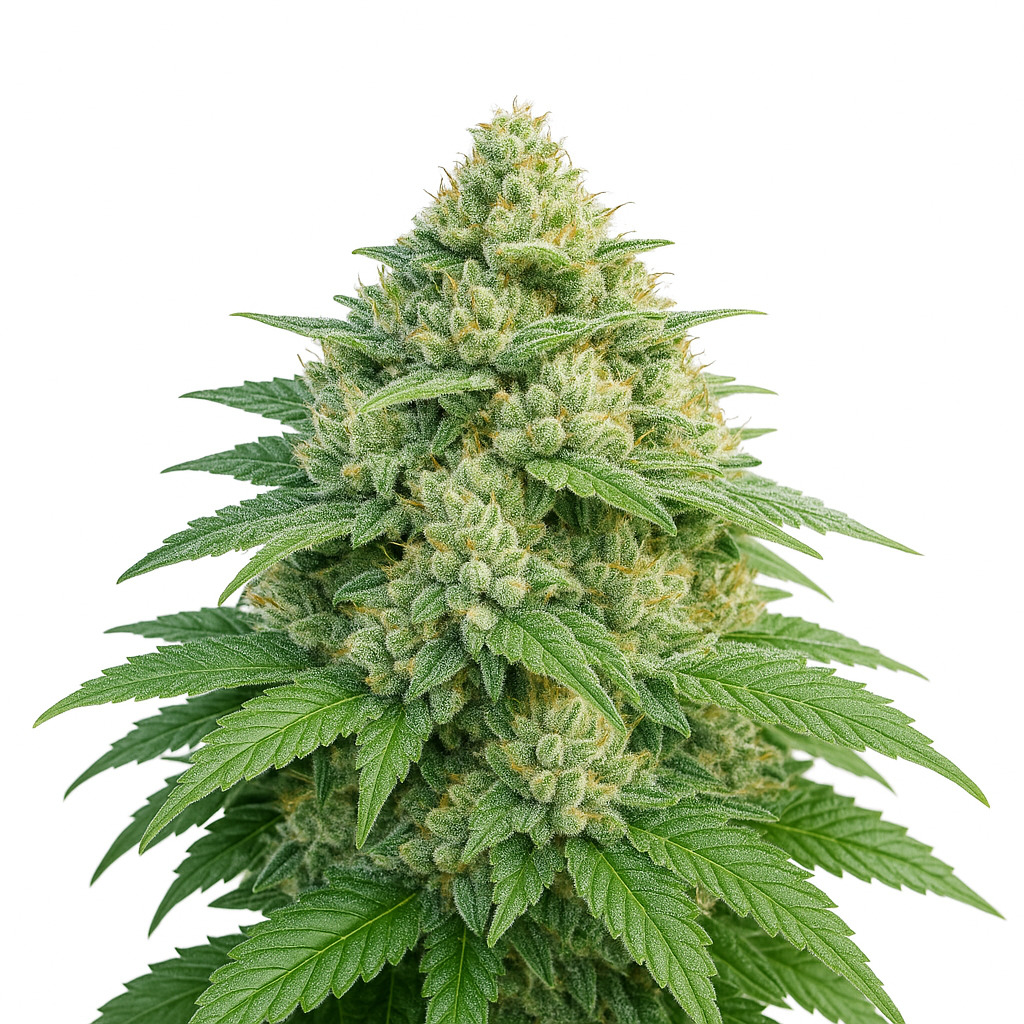
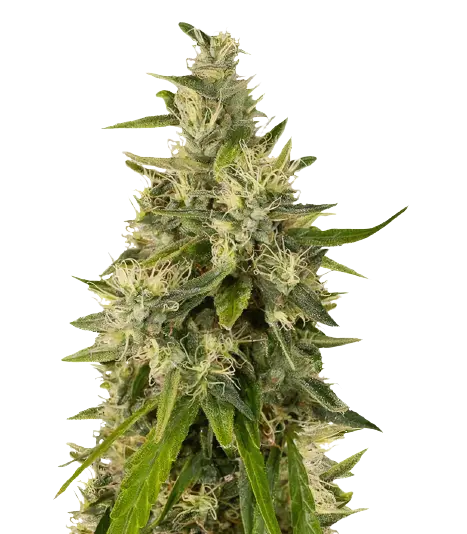
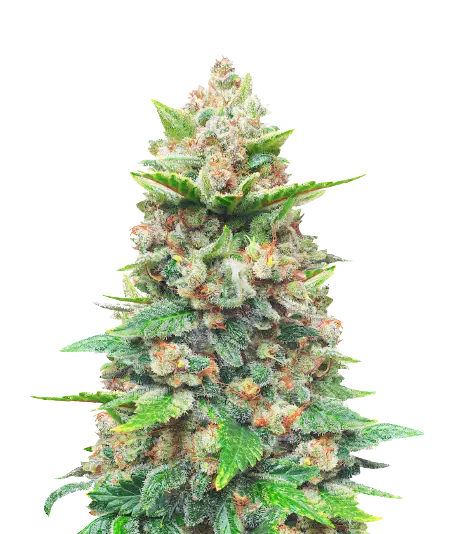
Purple Rose CBD likely descended from classic strains that are known for their CBD-rich properties, such as Cannatonic or Charlotte’s Web, combined with strains that exhibit visually striking and aromatic traits, such as Purple Kush. The inclusion of “Purple” in its name highlights the deep violet hues of its flowers, which are indicative of anthocyanin production—a pigment with its own potential health benefits, such as antioxidant properties. The “Rose” aspect likely refers to the subtle floral and earthy aromas that characterize the strain’s terpene profile. This unique combination of aesthetics, aroma, and medical efficacy underpins the strain’s growing reputation among medical cannabis patients and healthcare professionals.
The precise lineage of Purple Rose CBD may vary depending on the cultivator, but its stable genetics have been fine-tuned to produce consistent levels of CBD and negligible THC content. This consistency is critical for medical applications, as patients require predictable and reproducible effects to manage chronic conditions effectively.
Chemical Profile
Purple Rose CBD’s chemical profile is defined by its high concentration of cannabidiol (CBD) and low levels of tetrahydrocannabinol (THC), typically remaining well below the 0.3% threshold required for classification as industrial hemp in many jurisdictions. This low THC content ensures that Purple Rose CBD does not produce intoxicating effects, making it a suitable option for individuals seeking therapeutic relief without the altered mental state associated with recreational cannabis use.
In addition to its high CBD content, Purple Rose CBD boasts a robust profile of secondary cannabinoids, including cannabigerol (CBG), cannabinol (CBN), and trace amounts of other non-psychoactive compounds. Each of these cannabinoids plays a complementary role in the strain’s overall efficacy through what is known as the “entourage effect.” This phenomenon suggests that cannabinoids and terpenes work synergistically to enhance the therapeutic benefits of cannabis, creating effects that are greater than the sum of their parts.
The terpene profile of Purple Rose CBD further distinguishes it as a medical strain. Among the strain’s notable terpenes are:
- Myrcene: Known for its calming and sedative properties, myrcene may help patients manage conditions such as chronic pain, inflammation, and insomnia.
- Linalool: A terpene with a floral aroma, linalool has been shown to have anxiolytic (anti-anxiety) and analgesic effects, making it particularly beneficial for patients with mood disorders or neuropathic pain.
- Caryophyllene: This spicy, peppery terpene interacts directly with CB2 receptors in the endocannabinoid system, contributing anti-inflammatory and immune-modulating effects.
- Pinene: A terpene with a fresh, pine-like aroma, pinene may aid in respiratory conditions and improve focus and alertness.
Together, the cannabinoids and terpenes in Purple Rose CBD form a comprehensive therapeutic package, targeting a broad spectrum of medical conditions while offering minimal risk of side effects.
Medical Benefits

Purple Rose CBD is highly regarded for its versatility in managing a variety of medical conditions. Its high CBD content and carefully balanced cannabinoid profile make it a preferred choice for patients who require consistent, non-intoxicating relief. Below, we explore its applications in several key areas of medical treatment.
Pain Management
One of the most well-documented benefits of CBD is its analgesic (pain-relieving) properties, and Purple Rose CBD is no exception. Patients suffering from chronic pain conditions such as arthritis, fibromyalgia, and neuropathy often report significant relief when using this strain. CBD interacts with the body’s endocannabinoid system (ECS), modulating the activity of CB1 and CB2 receptors to reduce pain perception and inflammation. The presence of terpenes like myrcene and caryophyllene further enhances these effects, providing a multifaceted approach to pain relief.
Anxiety and Depression
Purple Rose CBD has shown promise as a natural remedy for anxiety and depression, offering a safer alternative to pharmaceutical treatments that may carry the risk of dependency or adverse side effects. CBD is believed to interact with serotonin receptors in the brain, promoting a sense of calm and well-being. The addition of linalool, a terpene known for its anxiolytic properties, further supports its effectiveness in treating mood disorders. Unlike THC-rich strains, Purple Rose CBD does not induce paranoia or heightened anxiety, making it a reliable option for individuals with sensitivity to cannabis.
Epilepsy and Seizure Disorders
The use of CBD in managing epilepsy gained widespread attention following the success of strains like Charlotte’s Web, and Purple Rose CBD offers similar benefits. CBD’s anticonvulsant properties are well-documented, and the strain’s consistent chemical composition ensures reliable results for patients with seizure disorders. The FDA-approved medication Epidiolex, which is derived from CBD, has set a precedent for the use of cannabidiol in treating rare forms of epilepsy such as Dravet syndrome and Lennox-Gastaut syndrome. Purple Rose CBD serves as a natural, whole-plant alternative for patients seeking relief from seizure activity.
Inflammation and Autoimmune Conditions
Inflammation is a common underlying factor in a wide range of medical conditions, from rheumatoid arthritis to Crohn’s disease. Purple Rose CBD’s anti-inflammatory properties make it an effective tool for managing these conditions. CBD reduces the production of pro-inflammatory cytokines and inhibits the activity of immune cells that contribute to chronic inflammation. Caryophyllene, a terpene found in this strain, further amplifies these effects by binding to CB2 receptors and modulating immune responses.
Neuroprotection
According to new research, CBD may have neuroprotective qualities that could help people with neurological diseases like multiple sclerosis, Parkinson’s disease, and Alzheimer’s disease. Because purple rose CBD lowers inflammation and oxidative stress in the brain, it may decrease the progression of certain conditions and enhance patients’ quality of life. Additionally, the calming effects of myrcene and linalool may help alleviate associated symptoms such as muscle spasms and sleep disturbances.
Sleep Disorders
Patients with insomnia or other sleep disorders may benefit from Purple Rose CBD’s calming and sedative properties. Myrcene, in particular, is known for its ability to promote relaxation and facilitate deeper, more restorative sleep. Unlike traditional sleep aids, which may cause grogginess or dependency, Purple Rose CBD offers a natural and gentle solution for improving sleep quality.
Skin Conditions
Purple Rose CBD is a promising treatment for eczema, psoriasis, and acne because of its anti-inflammatory and antioxidant qualities. When applied topically, the cannabinoids and terpenes in this strain may help reduce redness, swelling, and irritation, promoting healthier skin.
Cancer-Related Symptoms
For patients undergoing cancer treatment, Purple Rose CBD may provide relief from symptoms such as pain, nausea, and loss of appetite. While CBD itself does not have psychoactive properties, its interaction with the ECS can help regulate bodily functions disrupted by chemotherapy or radiation therapy. Additionally, the strain’s anti-inflammatory and antioxidant effects may support overall wellness during treatment.
Growing Conditions

Cultivating Purple Rose CBD requires a meticulous approach to ensure optimal cannabinoid and terpene production. The strain thrives in controlled environments where factors such as light, temperature, humidity, and nutrient levels can be precisely regulated.
Climate Requirements
Purple Rose CBD performs well in both indoor and outdoor settings, though indoor cultivation is often preferred for medical strains due to the ability to control environmental variables. This strain typically prefers a temperate climate with daytime temperatures ranging from 70 to 85°F (21 to 29°C). Cooler nighttime temperatures can enhance the development of anthocyanins, contributing to the strain’s characteristic purple coloration.
Light and Photoperiod
As a photoperiod-sensitive plant, Purple Rose CBD requires specific light cycles to transition from vegetative growth to flowering. During the vegetative stage, the strain benefits from 18 to 24 hours of light per day, while the flowering stage requires a 12-hour light/dark cycle. Full-spectrum LED grow lights are often recommended for indoor cultivation, as they provide the optimal wavelengths for photosynthesis and cannabinoid synthesis.
Nutrient Needs
Like many cannabis strains, Purple Rose CBD requires a balanced nutrient regimen to support healthy growth. Nitrogen is essential during the vegetative stage to promote leaf and stem development, while phosphorus and potassium are critical during flowering to enhance bud production and resin formation. Organic soil amendments, such as compost and worm castings, can improve nutrient availability and support beneficial microbial activity.
Humidity and Airflow
Maintaining proper humidity levels is essential for preventing mold and mildew, which can compromise the quality of medical cannabis. During the vegetative stage, humidity levels of 40% to 60% are ideal, while the flowering stage requires lower levels of 30% to 50%. Adequate airflow, achieved through the use of fans and ventilation systems, further reduces the risk of mold and ensures consistent growth.
Harvesting and Curing
Harvesting Purple Rose CBD at the right time is critical for maximizing its therapeutic potential. Growers typically monitor the trichomes on the plant’s flowers, harvesting when the majority appear milky white with a slight amber hue. Proper curing is equally important, as it enhances the strain’s flavor, aroma, and potency. Flowers are dried in a dark, temperature-controlled environment before being stored in airtight containers to preserve their cannabinoid and terpene content.
Restrictions on Using Purple Rose CBD in the Medical Field and as a Last Resort
While Purple Rose CBD is highly regarded for its therapeutic potential, its use in the medical field must be carefully regulated to ensure safety and efficacy. The strain’s high cannabidiol (CBD) content and minimal tetrahydrocannabinol (THC) levels make it a valuable option for medical treatments. However, as with any cannabis-based therapy, restrictions and guidelines must be enforced to ensure it is used appropriately and only as a last resort when conventional treatments have failed to produce desired results.
Medical Use as a Last Resort
One of the primary restrictions for using Purple Rose CBD in medical treatments is its classification as an alternative or adjunct therapy. Medical professionals often reserve cannabis-based treatments like Purple Rose CBD for patients who have exhausted standard pharmaceutical options without achieving relief or who experience severe side effects from traditional medications. For example, patients with treatment-resistant epilepsy, chronic pain syndromes, or severe anxiety disorders may turn to Purple Rose CBD when other interventions fail to provide adequate results.
This last-resort approach ensures that the use of cannabis-based therapies is justified and carefully considered within the broader context of medical practice. Physicians must assess the patient’s medical history, symptoms, and prior treatments before recommending Purple Rose CBD, prioritizing evidence-based decision-making to protect patient safety.
Monitoring THC Levels in Medications
Even though Purple Rose CBD is specifically bred to contain low THC levels—often below 0.3%—rigorous monitoring of THC content is essential in both cultivation and pharmaceutical formulations to prevent any unintended psychoactive effects on patients. THC is the compound responsible for the intoxicating “high” associated with recreational cannabis use, and its presence in medical treatments must be strictly limited.
To this end, medical-grade Purple Rose CBD products should undergo standardized testing by accredited laboratories to verify their cannabinoid profiles. This testing ensures that the THC content remains within legally permissible limits and that the products are safe for patients who require non-psychoactive therapies. Inconsistent or improperly monitored THC levels could lead to unintended side effects, such as cognitive impairment or mood alterations, which are particularly concerning for vulnerable patient populations like children or the elderly.
Patient Monitoring and Clinical Oversight
Patients using Purple Rose CBD as part of their treatment regimen must be closely monitored by healthcare professionals to assess the therapy’s effectiveness and detect any adverse effects. Regular follow-up appointments and objective assessments can help determine whether the therapy is meeting treatment goals or if adjustments are needed. Healthcare providers should also educate patients about the potential risks and benefits of cannabis-based treatments, setting clear expectations for their use.
By restricting Purple Rose CBD to medical applications, maintaining tight controls on THC levels, and using the strain as a last resort, the medical field can harness its therapeutic potential while ensuring patient safety and minimizing the risk of misuse or abuse. These measures uphold the integrity of cannabis-based medicine as a legitimate and reliable option for those in need.
Conclusion
Purple Rose CBD is an exemplary medical cannabis strain that has garnered significant attention for its therapeutic potential. With a high cannabidiol (CBD) content and negligible tetrahydrocannabinol (THC) levels, it provides safe and effective relief for a wide range of medical conditions without inducing psychoactive effects. Its origins are rooted in careful genetic selection, producing a strain that offers consistent and predictable therapeutic benefits. The strain’s chemical profile, enriched with secondary cannabinoids and a unique terpene blend, highlights its versatility in addressing chronic pain, anxiety, epilepsy, inflammation, neurodegenerative disorders, sleep disturbances, and more. By leveraging the “entourage effect,” Purple Rose CBD stands out as a holistic option for patients seeking non-intoxicating medical cannabis solutions.
Despite its benefits, the use of Purple Rose CBD must be approached with caution, particularly in the medical field. To guarantee patient safety, it is crucial that the strain is applied only as a last resort when traditional treatments have proven ineffective. This restriction emphasizes the importance of prioritizing evidence-based medicine while reserving cannabis-based therapies for cases where they are genuinely necessary. Furthermore, monitoring THC levels in Purple Rose CBD formulations is crucial to prevent any psychoactive effects, which could undermine its suitability for vulnerable patients such as children, elderly individuals, or those with sensitivity to THC. Rigorous laboratory testing and clinical oversight are essential to maintain the purity, consistency, and safety of medical-grade products derived from this strain.
Cultivation of Purple Rose CBD requires precision and expertise to maximize its therapeutic potential while preserving its unique genetic and chemical integrity. Controlled environmental conditions, balanced nutrient regimens, and proper harvesting and curing techniques ensure a final product that meets the high standards required for medical applications. Cultivators play a vital role in ensuring the strain delivers consistent relief to patients, further solidifying its value in medical cannabis programs.
Ultimately, Purple Rose CBD exemplifies the possibilities of cannabis-based medicine when carefully regulated and applied within ethical and medical guidelines. By restricting its use to medical treatments, enforcing tight controls on THC content, and emphasizing its role as a last-resort option, healthcare providers can harness the strain’s therapeutic benefits while minimizing risks. As research into cannabis and its medical applications continues to expand, Purple Rose CBD serves as a beacon of the potential for non-intoxicating, plant-based therapies to improve the lives of patients with challenging or treatment-resistant conditions.
In the years to come, Purple Rose CBD will likely continue to play a pivotal role in the evolution of medical cannabis, offering hope to those in need of effective, safe, and natural alternatives to traditional pharmaceuticals. With ongoing research, regulation, and responsible use, this strain has the potential to transform the landscape of medical treatments while maintaining the highest standards of patient care.