Get 15% OFF with code GROWNOW15
My Account Order Lookup Cannabis Guides Beginner Seeds Intermediate Seeds Master Seeds

Medical Strain Analysis: Purple Mango.

Medical Strain Analysis Purple Mango

Medical Strain Analysis: Purple Mango

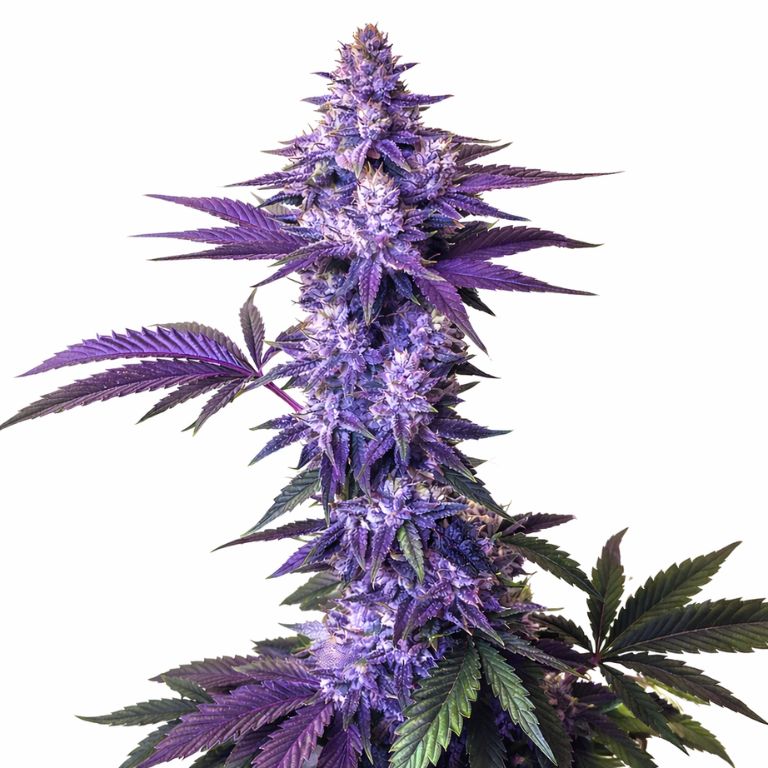
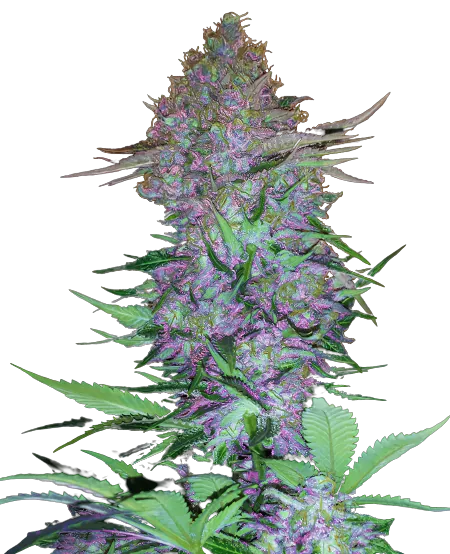
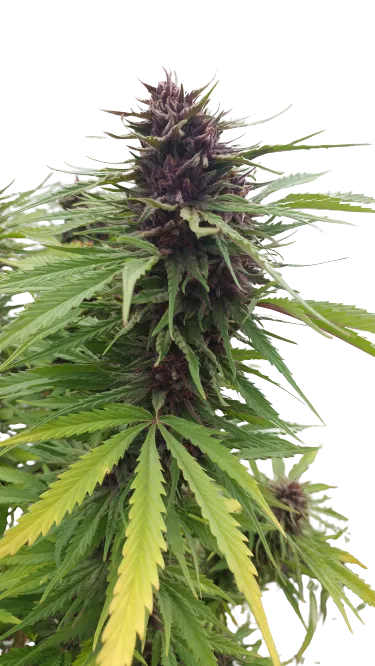
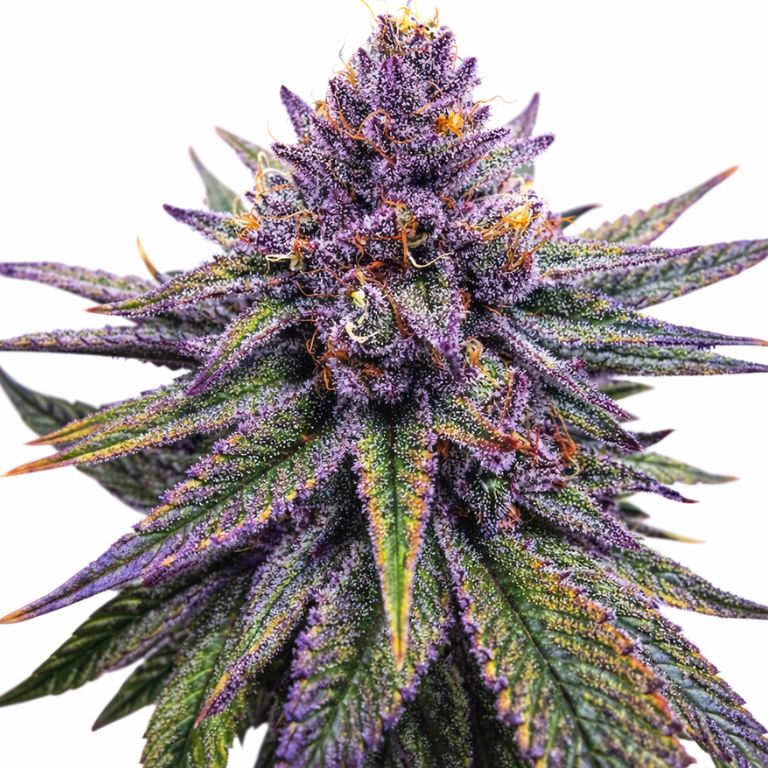
Purple Mango is an emerging strain within the medical cannabis community, celebrated for its unique chemical profile and therapeutic potential. This strain is a hybrid, characterized by its strikingly vibrant purple-hued flowers and an aroma reminiscent of ripe mangoes. It combines the best attributes of its genetic lineage, creating a harmonious blend of effects suited to a wide range of medical conditions. An in-depth analysis of Purple Mango’s origins, chemical profile, medical benefits, and growing conditions reveals a strain with significant promise for improving patient care and addressing complex medical needs.

Origins and Genetic Lineage

Purple Mango’s origins trace back to advanced selective breeding techniques aimed at enhancing its medical properties while maintaining a balanced profile suitable for diverse patient requirements. The strain is believed to have resulted from the crossbreeding of Purple Kush, a celebrated indica-dominant strain known for its deeply sedative effects, and Mango Haze, a sativa-dominant hybrid prized for its uplifting and mood-enhancing qualities.

Purple Kush Lineage: This parent strain contributes to Purple Mango’s signature purple pigmentation and its calming physical effects. In the medical cannabis community, Purple Kush has long been prized for its capacity to improve sleep, ease pain, and encourage calm. The pigmentation seen in Purple Mango is the result of anthocyanins, flavonoids that produce deep purple hues when exposed to cooler nighttime temperatures during cultivation.

Mango Haze Lineage: The sativa-dominant Mango Haze provides the tropical, fruity aroma characteristic of Purple Mango and infuses it with mood-boosting, energizing properties. Mango Haze’s cerebral effects and its ability to reduce anxiety without excessive sedation make it an excellent counterpart to Purple Kush’s more physical qualities.

The result is a strain that offers a balanced hybrid experience, leaning slightly toward indica, making it versatile enough for both daytime and nighttime medical applications.

Chemical Profile

Purple Mango’s therapeutic potential is rooted in its diverse and robust chemical profile. This strain typically features a balanced cannabinoid ratio, with moderate levels of THC (tetrahydrocannabinol) ranging from 14% to 18% and CBD (cannabidiol) levels between 0.5% and 2%. The balanced cannabinoid content ensures that patients can benefit from both without the overpowering psychoactivity associated with high-THC strains.

In addition to cannabinoids, Purple Mango boasts a complex terpene profile that includes significant concentrations of myrcene, limonene, and beta-caryophyllene, along with trace amounts of other beneficial terpenes such as linalool, humulene, and pinene.

Key Cannabinoids:

  1. THC (Tetrahydrocannabinol): THC is well-known for its pain-relieving and appetite-stimulating properties. In Purple Mango, THC works synergistically with CBD and terpenes to provide balanced, long-lasting relief for conditions such as chronic pain, inflammation, and appetite loss.
  2. CBD (Cannabidiol): CBD modulates the effects of THC and adds anti-inflammatory, neuroprotective, and anti-seizure properties. The presence of CBD in Purple Mango enhances its suitability for treating conditions like epilepsy, autoimmune disorders, and anxiety.

Key Terpenes:

  1. Myrcene: The most abundant terpene in Purple Mango, myrcene, is known for its sedative and muscle-relaxing effects. This terpene enhances the strain’s ability to manage chronic pain, reduce muscle spasms, and promote restful sleep.
  2. Limonene: Responsible for the strain’s citrus and mango-like aroma, limonene contributes mood-enhancing and anti-anxiety effects. Its ability to uplift mood while reducing stress makes it particularly effective for patients with depression or PTSD.
  3. Beta-Caryophyllene: Unique among terpenes, beta-caryophyllene interacts directly with the CB2 receptors in the endocannabinoid system, providing anti-inflammatory and analgesic effects. This terpene is especially beneficial for conditions involving inflammation, such as rheumatoid arthritis and Crohn’s disease.
  4. Linalool: Found in trace amounts, linalool adds to the calming effects of Purple Mango, aiding in stress relief and potentially reducing seizure activity.
  5. Pinene and Humulene: These terpenes contribute anti-inflammatory and bronchodilatory properties, supporting patients with respiratory conditions or inflammatory disorders.
Medical Benefits of Purple Mango

Purple Mango’s unique chemical composition positions it as a highly versatile medical strain with applications across a range of conditions. Its balanced combination of cannabinoids and terpenes allows it to address both physical and psychological ailments. Here, we explore its potential benefits in greater detail:

  1. Pain Management and Anti-Inflammatory Effects Chronic pain is one of the most common conditions treated with medical cannabis, and Purple Mango excels in this area. The synergistic effects of THC, CBD, and beta-caryophyllene modulate pain perception while reducing inflammation. Patients with conditions such as neuropathy, fibromyalgia, and post-surgical pain report significant relief without the side effects of opioid medications.
    The anti-inflammatory properties of beta-caryophyllene and pinene make the strain effective for autoimmune disorders like lupus and multiple sclerosis. By targeting inflammation at the cellular level, Purple Mango helps manage pain caused by swelling and tissue damage.
  2. Anxiety and Depression Mental health conditions such as anxiety and depression can be debilitating, and Purple Mango offers a natural alternative to pharmaceuticals. The limonene terpene is particularly effective in reducing stress and elevating mood. When combined with moderate THC levels, it provides a calming yet uplifting experience, making it an excellent choice for patients with generalized anxiety disorder (GAD) or major depressive disorder (MDD).
    Unlike many high-THC strains that can exacerbate anxiety, Purple Mango’s balanced profile ensures a more stable and predictable effect, helping patients feel grounded while alleviating emotional distress.
  3. Sleep Disorders Sleep disorders like insomnia are often linked to stress, anxiety, or chronic pain. Purple Mango’s high myrcene content induces deep relaxation, promoting a restful night’s sleep. Unlike prescription sleep aids, which can cause grogginess or dependency, Purple Mango provides natural sleep support with minimal side effects.
    Patients with sleep apnea or restless leg syndrome may also benefit from the strain’s muscle-relaxing and sedative properties.
  4. Appetite Stimulation and Nausea Relief Appetite loss and nausea are common side effects of cancer treatments, gastrointestinal disorders, and chronic illnesses. Purple Mango effectively stimulates appetite while soothing nausea, thanks to the interplay of THC and limonene. This makes it a valuable tool for patients undergoing chemotherapy or dealing with conditions like irritable bowel syndrome (IBS).
    By improving appetite and reducing discomfort, Purple Mango helps patients maintain proper nutrition and overall health during recovery.
  5. Neurological Conditions Emerging research supports the use of Purple Mango for neurological conditions such as epilepsy, Parkinson’s disease, and multiple sclerosis. The strain’s CBD content and neuroprotective terpenes like linalool help reduce seizure frequency and severity. Patients with Parkinson’s disease have reported improvements in muscle rigidity and tremors, while those with multiple sclerosis benefit from reduced muscle spasms and improved mobility.
  6. Post-Traumatic Stress Disorder (PTSD) PTSD requires a multifaceted approach to treatment, addressing symptoms such as anxiety, insomnia, and emotional dysregulation. Purple Mango’s ability to reduce anxiety, promote sleep, and stabilize mood makes it an effective option for patients managing PTSD. Its balanced profile allows patients to regain a sense of calm and control without feeling overly sedated.
  7. Cancer Symptom Management Beyond its ability to alleviate pain, nausea, and appetite loss, Purple Mango may exhibit anti-tumoral properties. Studies suggest that cannabinoids like THC and CBD can inhibit the growth of certain cancer cells and promote apoptosis (cell death). While more research is needed to fully understand these effects, Purple Mango represents a promising avenue for complementary cancer treatment.
Growing Conditions

Cultivating Purple Mango requires a careful approach to preserve its therapeutic properties and optimize its yield. The strain is moderately easy to grow, making it suitable for both novice and experienced cultivators.

Climate and Environment:
Purple Mango thrives in warm, Mediterranean-like climates, with daytime temperatures ranging from 70°F to 85°F (21°C to 29°C). Although it may be cultivated both indoors and outdoors, indoor culture offers greater control over environmental elements like light cycles, humidity, and temperature.

Soil and Nutrients:
Rich, well-draining soil with a slightly acidic pH (6.0 to 7.0) is ideal for Purple Mango. Organic nutrients high in potassium and phosphorus are recommended during the flowering phase to enhance terpene and cannabinoid production. Nitrogen levels should be reduced during flowering to avoid excessive vegetative growth.

Light Requirements:
A regular light cycle of 18 hours on and 6 hours off during the vegetative stage is ideal for indoor production. This should transition to 12 hours on and 12 hours off during the flowering stage. Full-spectrum LED or HID lighting is ideal for maximizing growth and yield.

Humidity and Ventilation:
Maintaining proper humidity levels is critical to preventing mold and mildew. During the vegetative stage, humidity should be kept between 50% and 70%, gradually decreasing to 40% to 50% during flowering. Good ventilation is essential to ensure healthy airflow and prevent pest infestations.

Harvesting and Curing:
Purple Mango typically flowers in 8 to 10 weeks, with outdoor plants ready for harvest by late September to early October. The chemical profile of the strain must be preserved through appropriate harvesting and curing methods. Buds should be dried slowly in a controlled environment with temperatures between 60°F and 70°F (15°C to 21°C) and humidity levels around 50%. After drying, curing in airtight containers for several weeks will enhance the strain’s flavor, potency, and overall quality.

Restrictions on Using Purple Mango in the Medical Field

The use of Purple Mango in the medical field comes with significant restrictions and ethical considerations to ensure that it serves as a safe, effective, and controlled therapeutic option. While the strain offers immense potential for managing a wide range of medical conditions, it must be approached cautiously, emphasizing its role as a last-resort treatment and carefully monitoring its psychoactive properties. Below is an analysis of the guidelines and best practices for its use in medical settings, including the importance of restricting THC levels to prevent psychoactive effects in patients.

Reserved as a Last Resort

Purple Mango, despite its therapeutic potential, should be reserved as a last-resort treatment when traditional medical interventions have failed or are unsuitable. This restriction stems from the limited research surrounding long-term cannabis use in medical settings, as well as its potential side effects and interactions with other medications.

  • Alternative Treatments First: Healthcare providers should exhaust conventional pharmaceutical options and non-cannabis therapies before recommending Purple Mango. For example, chronic pain might first be treated with physical therapy, non-steroidal anti-inflammatory drugs (NSAIDs), or nerve blocks. Similarly, anxiety or depression should be managed initially with cognitive behavioral therapy, selective serotonin reuptake inhibitors (SSRIs), or other standard approaches.
  • Special Cases: Purple Mango may be considered earlier in treatment protocols for certain patients, such as those undergoing chemotherapy, experiencing severe epilepsy, or living with multiple sclerosis, where traditional treatments may have limited efficacy or intolerable side effects.
  • Monitoring Guidelines: Physicians must establish strict monitoring protocols for patients using Purple Mango to ensure that its benefits outweigh the risks. Regular assessments of symptom improvement, potential side effects, and overall patient well-being are essential.
Strict Monitoring of THC Levels

A key concern in the medical use of Purple Mango is its THC content. While THC is known for its therapeutic properties, such as pain relief and appetite stimulation, it also has psychoactive effects that can impair cognition, judgment, and motor skills. To prevent these unwanted outcomes, strict monitoring of THC levels in medications derived from Purple Mango is essential.

  • Controlled Dosage: Medical cannabis products derived from Purple Mango should be standardized to ensure consistent THC levels. Healthcare providers must prescribe the lowest effective dose to minimize psychoactivity while achieving therapeutic goals.
  • Non-Psychoactive Alternatives: In some cases, formulations with higher CBD-to-THC ratios may be preferable, as CBD can counteract the psychoactive effects of THC. This makes it especially appropriate for vulnerable groups like children, the elderly, or people with mental health issues because it guarantees that patients receive treatment without suffering from cognitive impairment.
  • Monitoring Side Effects: Patients using Purple Mango-based medications should be closely monitored for signs of psychoactive effects, such as drowsiness, confusion, or changes in mood. If such effects occur, adjustments to the dosage or cannabinoid ratio may be necessary.
Ethical and Safety Concerns

The use of Purple Mango in medicine must adhere to strict ethical guidelines to prevent misuse or over-prescription. Each patient’s dangers and potential benefits must be balanced by medical specialists.

  • Patient Consent: Patients should be fully informed about the potential effects of Purple Mango, including the risk of mild psychoactivity, and provide informed consent before beginning treatment.
  • Avoiding Recreational Use: Medications derived from Purple Mango should be carefully controlled to prevent diversion for recreational purposes. This includes secure storage, prescription tracking, and limits on the amount dispensed at one time.
  • Impact on Vulnerable Groups: Special care should be taken when prescribing Purple Mango to populations that may be more susceptible to the effects of THC, such as those with a history of substance abuse, psychiatric disorders, or cognitive impairment.
Limited Scope of Use

Given its potent effects, Purple Mango should not be considered a first-line treatment for most conditions. Instead, it should be prescribed for specific cases where:

  • Traditional treatments have failed.
  • The patient’s quality of life is significantly impacted by the ailment.
  • The benefits of cannabis-based therapy clearly outweigh the risks.

Examples include severe neuropathic pain that does not respond to opioids, chemotherapy-induced nausea, or intractable seizures in conditions like Dravet syndrome.

Research and Regulation

Ongoing research into Purple Mango’s medical applications and long-term safety is essential to refine its use in clinical settings. Governments and medical boards must also establish and enforce regulations to ensure its safe application.

  • Standardization and Quality Control: Producers of medical-grade Purple Mango must adhere to stringent quality control measures, ensuring consistent cannabinoid and terpene profiles across batches.
  • Professional Training: Physicians prescribing Purple Mango should undergo specialized training to understand its effects, appropriate dosing, and potential interactions with other medications.
  • Encouraging Research: Governments and healthcare organizations should support clinical trials to explore Purple Mango’s efficacy and safety further, particularly in comparison to other treatment options.
Conclusion

Purple Mango is a remarkable medical cannabis strain with a unique chemical profile, therapeutic potential, and a versatile application in addressing chronic pain, neurological disorders, mental health conditions, and other medical challenges. However, its use comes with critical considerations and restrictions to ensure safety, ethical use, and effectiveness in clinical settings.

The strain’s origins, combining the sedative properties of Purple Kush and the uplifting effects of Mango Haze, create a balanced hybrid well-suited for diverse medical conditions. Its rich cannabinoid and terpene profile, particularly the interplay of THC, CBD, myrcene, limonene, and beta-caryophyllene, provides a robust foundation for alleviating pain, reducing inflammation, enhancing mood, and improving sleep. These properties position Purple Mango as a valuable tool in medical cannabis therapy.

However, the strain’s application must be approached cautiously, emphasizing its role as a last-resort treatment when traditional therapies fail. Limiting its use ensures that patients benefit from its properties without exposing them to unnecessary risks or substituting proven, first-line treatments. Monitoring THC levels in Purple Mango-derived medications is particularly important to prevent psychoactive side effects that could impair patients’ cognition or quality of life. Medical formulations with higher CBD-to-THC ratios, careful dosage control, and patient monitoring provide safer therapeutic options.

Cultivation of Purple Mango must also adhere to stringent standards to preserve its therapeutic efficacy. Proper growing conditions, including controlled temperatures, humidity, and nutrient management, ensure a consistent chemical profile. Producers must meet high-quality assurance standards to prevent variability that could compromise patient safety or treatment outcomes.

Finally, ethical guidelines and strict regulations are essential to manage the use of Purple Mango responsibly. Healthcare providers must prioritize patient consent, monitor for misuse, and consider the specific needs of vulnerable populations. Governments and medical institutions should continue supporting research into Purple Mango’s long-term effects, benefits, and potential risks to further refine its medical applications.

In summary, Purple Mango is a promising yet specialized option for medical cannabis therapy, offering relief for patients with severe or intractable conditions. With appropriate restrictions, careful monitoring, and adherence to ethical practices, this strain can contribute to the evolving landscape of medical cannabis, providing safe and effective treatment options for those in need.

Share

Leave a comment

Your email address will not be published. Required fields are marked *