Medical Strain Analysis: Purple Haze CBD
Purple Haze CBD is a cannabis strain known for its distinctive chemical composition, therapeutic potential, and cultivation characteristics. As its name suggests, this strain carries the legacy of its namesake, “Purple Haze,” while being specifically bred to contain high levels of cannabidiol (CBD) and negligible tetrahydrocannabinol (THC). This genetic alteration makes it particularly suitable for medical applications, providing the therapeutic benefits of cannabis without psychoactive effects. Below, we delve into the origins, chemical profile, medical benefits, and growing conditions of Purple Haze CBD, emphasizing its role in supporting human health.
Origins of Purple Haze CBD

The lineage of Purple Haze CBD can be traced back to the original Purple Haze strain, a sativa-dominant hybrid that rose to prominence in the 1960s and 1970s. Purple Haze itself likely descends from a combination of Purple Thai and Haze strains, both celebrated for their vibrant flavors and energizing effects. Breeders have worked extensively to modify the genetics of the original Purple Haze to create a version rich in CBD. This process involved crossbreeding with high-CBD strains, such as industrial hemp varieties or specialized CBD-rich cannabis strains like Charlotte’s Web.
The primary goal of creating Purple Haze CBD was to harness the therapeutic properties associated with cannabidiol while eliminating the intoxicating effects of THC. The resulting strain is a medical marvel, combining the desirable aspects of its parent strains with a unique cannabinoid profile tailored for healing.
Chemical Profile
Purple Haze CBD’s chemical profile is distinguished by its high concentration of CBD, typically ranging from 15% to 20%, and minimal THC content, often below 0.3%. This configuration aligns with legal definitions of hemp in many jurisdictions and ensures that the strain does not produce psychoactive effects. The strain also contains a diverse array of terpenes, flavonoids, and minor cannabinoids that contribute to its therapeutic properties.
Cannabinoids:
- CBD (Cannabidiol): The predominant cannabinoid in Purple Haze CBD, known for its anti-inflammatory, anxiolytic, anticonvulsant, and neuroprotective properties.
- THC (Tetrahydrocannabinol): Present only in trace amounts, ensuring the strain’s non-psychoactive nature.
- CBG (Cannabigerol): Often present in small quantities, CBG enhances the strain’s ability to reduce inflammation and promote cellular health.
- CBC (Cannabichromene): Another minor cannabinoid, CBC, contributes to the entourage effect, amplifying the strain’s overall therapeutic efficacy.
Terpenes:
Purple Haze CBD’s terpene profile is a significant contributor to its medical benefits, providing additional therapeutic effects and influencing its aroma.
- Myrcene: A terpene with sedative and muscle-relaxing properties, myrcene is often used to manage pain and insomnia.
- Pinene: Known for its anti-inflammatory and bronchodilatory effects, pinene may assist in managing respiratory conditions.
- Limonene: This terpene exhibits mood-enhancing and stress-relieving properties, making it useful in combating anxiety and depression.
- Linalool: Renowned for its calming and anti-anxiety effects, linalool adds a floral note to the strain’s aromatic profile.
- Caryophyllene: A unique terpene that acts on the endocannabinoid system, caryophyllene has potent anti-inflammatory properties.
Flavonoids:
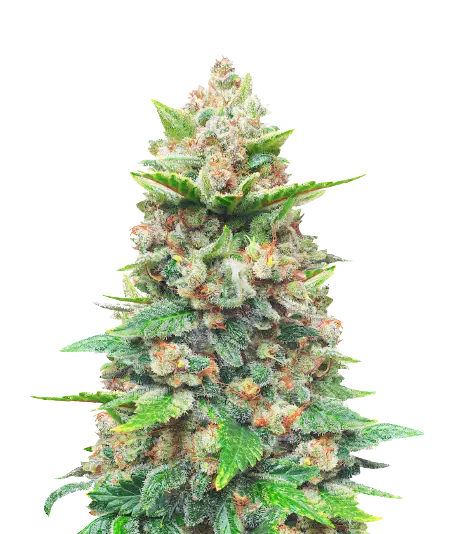
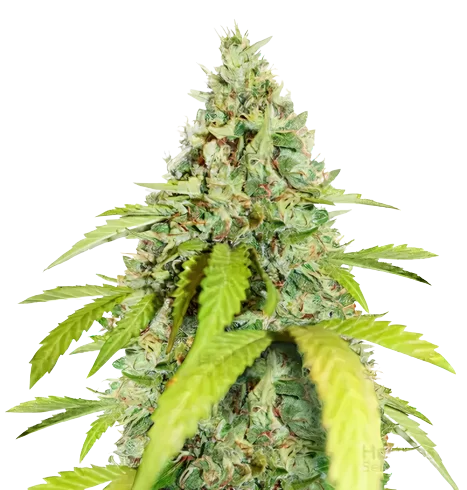
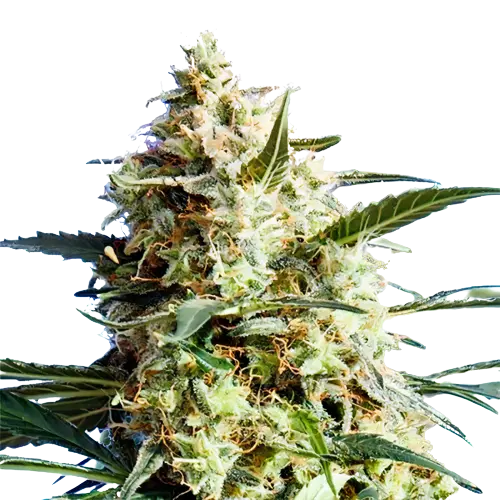
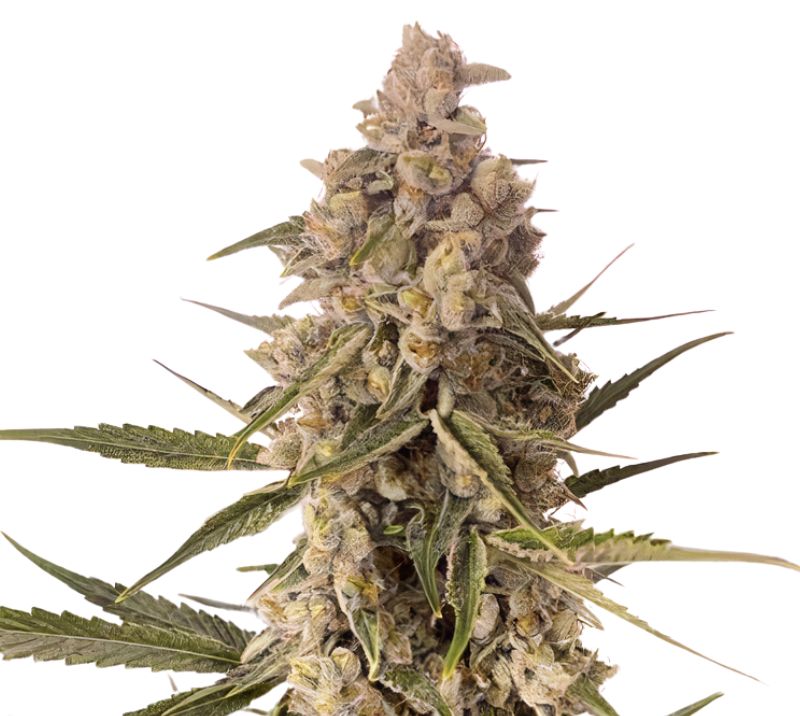
Purple Haze CBD contains a range of flavonoids, including anthocyanins, which give the strain its characteristic purple hue and provide antioxidant benefits. These compounds help reduce oxidative stress and support overall cellular health.
Medical Benefits of Purple Haze CBD

The high CBD content and diverse chemical profile of Purple Haze CBD make it a powerful tool for addressing a wide range of medical conditions. Its non-intoxicating nature allows it to be used safely by patients of all ages, including children and the elderly.
1. Pain Management
CBD’s interaction with the endocannabinoid system (ECS) plays a central role in modulating pain perception. Purple Haze CBD is particularly effective in alleviating chronic pain conditions such as arthritis, fibromyalgia, and neuropathy. Its anti-inflammatory properties help reduce the underlying causes of pain, while the entourage effect enhances its analgesic efficacy.
2. Anxiety and Depression
The ability of CBD to reduce anxiety is among its best-established advantages. Purple Haze CBD helps regulate the release of serotonin, a neurotransmitter crucial for mood stabilization. The presence of limonene and linalool further amplifies its calming effects, making it a valuable option for individuals dealing with generalized anxiety disorder, post-traumatic stress disorder, or depression.
3. Epilepsy and Seizure Disorders
Purple Haze CBD, like other high-CBD strains, has shown remarkable efficacy in reducing the frequency and severity of seizures in patients with epilepsy. This includes rare and severe forms such as Dravet syndrome and Lennox-Gastaut syndrome. CBD’s anticonvulsant properties are well-supported by clinical studies, and its use in seizure management is one of the most established medical applications of cannabis.
4. Neurodegenerative Disorders
CBD’s neuroprotective effects make Purple Haze CBD a promising option for patients with neurodegenerative conditions like Alzheimer’s disease, Parkinson’s disease, and multiple sclerosis. Its ability to reduce inflammation and oxidative stress in the brain helps slow the progression of these disorders while alleviating associated symptoms such as tremors and cognitive decline.
5. Cancer Symptom Management
While CBD is not a cure for cancer, Purple Haze CBD can significantly improve the quality of life for cancer patients. It lessens pain, helps control nausea and vomiting brought on by chemotherapy, and may even delay the growth of tumors by encouraging cancer cells to undergo apoptosis, or programmed cell death. The strain’s antioxidant properties further support overall health during cancer treatment.
6. Sleep Disorders
The sedative properties of myrcene and linalool, combined with CBD’s ability to reduce anxiety, make Purple Haze CBD an effective remedy for insomnia and other sleep disorders. It promotes restful sleep without causing grogginess, allowing patients to wake up refreshed.
7. Inflammatory Conditions
Purple Haze CBD’s potent anti-inflammatory effects make it a valuable option for treating autoimmune conditions such as rheumatoid arthritis, Crohn’s disease, and psoriasis. By modulating immune responses, the strain helps reduce inflammation and associated symptoms.
8. Cardiovascular Health
Preliminary research suggests that CBD may help regulate blood pressure and improve vascular function. Purple Haze CBD’s antioxidant and anti-inflammatory properties contribute to overall cardiovascular health, potentially reducing the risk of heart disease.
9. Skin Health
Topical applications of Purple Haze CBD can help treat skin conditions such as acne, eczema, and rosacea. Its anti-inflammatory and antimicrobial properties reduce redness and irritation while promoting skin healing.
Growing Conditions

Cultivating Purple Haze CBD requires attention to specific environmental factors to maximize its therapeutic potential. The strain is adaptable to both indoor and outdoor settings but thrives under controlled conditions.
Climate Requirements:
Purple Haze CBD prefers a warm, Mediterranean-like climate with consistent temperatures ranging from 70°F to 85°F (21°C to 29°C). It is moderately resistant to pests and diseases, making it suitable for growers with varying levels of expertise.
Soil and Nutrients:
This strain thrives in nutrient-rich, well-draining soil with a slightly acidic pH (6.0–6.5). Organic fertilizers and compost are recommended to enhance the plant’s terpene and cannabinoid production. Adequate levels of nitrogen, phosphorus, and potassium are essential during different growth stages.
Light Exposure:
For Purple Haze CBD to function at its best, it needs a lot of light. Indoors, high-intensity discharge (HID) lights or full-spectrum LED lights are ideal. Outdoors, the plant benefits from full sun exposure.
Watering and Humidity:
Proper hydration is crucial, but overwatering should be avoided to prevent root rot. During the vegetative stage, a humidity level of 60–70% is optimal, decreasing to 40–50% during flowering to prevent mold development.
Flowering Time and Yield:
Purple Haze CBD typically flowers within 8–10 weeks when grown indoors. Outdoor plants are ready for harvest in mid to late October, depending on the local climate. With proper care, the strain yields moderate to high harvests of dense, resin-coated buds.
The Future of Purple Haze CBD in Medicine
As research into the medical applications of CBD continues to evolve, strains like Purple Haze CBD are likely to play an increasingly important role in healthcare. Advances in genetic breeding and cultivation techniques will further enhance the strain’s therapeutic properties, making it more accessible to patients worldwide.
In summary, Purple Haze CBD represents a significant breakthrough in cannabis-based medicine. Its unique chemical composition, combined with its broad spectrum of therapeutic benefits, makes it an invaluable resource for managing a wide range of medical conditions. By focusing on its medical applications, researchers and healthcare providers can continue to explore its full potential while providing safe, effective treatment options for patients in need.
Restrictions on Using Purple Haze CBD in the Medical Field as a Last Resort
While Purple Haze CBD is widely recognized for its therapeutic potential, the use of this strain in medical applications is often accompanied by strict restrictions to ensure patient safety, minimize risks, and prevent misuse. In many medical settings, cannabis-based treatments are reserved as a last resort, applied only when other conventional therapies have failed. Additionally, stringent monitoring of THC levels is crucial to avoid any psychoactive effects, ensuring the strain’s suitability for diverse patient populations. Below, we explore these restrictions in detail, emphasizing the importance of controlled use and careful oversight.
Use as a Last Resort in the Medical Field
Purple Haze CBD’s application in medicine is typically considered when standard treatments are ineffective or contraindicated. Several factors influence this restriction:
1. Availability of Established Therapies
For many conditions treated with Purple Haze CBD—such as chronic pain, epilepsy, and anxiety—there are numerous well-studied pharmaceutical options available. Medical guidelines often prioritize these conventional treatments due to their extensive clinical evidence and established safety profiles. As a result, Purple Haze CBD is prescribed only after these first-line therapies fail to provide relief or cause intolerable side effects.
2. Limited Long-Term Data
Although CBD has shown promise in managing various medical conditions, long-term studies on its efficacy and safety remain limited. This lack of comprehensive data contributes to its restricted use, ensuring that it is employed only in cases where potential benefits outweigh risks.
3. Risk of Overdependence
Relying heavily on cannabis-based treatments, even non-psychoactive ones like Purple Haze CBD, raises concerns about dependency. While CBD itself is not addictive, its association with cannabis may lead to hesitancy among healthcare providers, restricting its use to scenarios where all other options have been exhausted.
4. Legal and Regulatory Barriers
In many jurisdictions, the use of cannabis-derived medicines is tightly regulated. Healthcare providers may face legal restrictions that limit the prescription of Purple Haze CBD to patients with specific diagnoses or those enrolled in controlled clinical trials. These barriers ensure that the strain is used responsibly and only when medically justified.
Monitoring THC Levels to Prevent Psychoactive Effects
The psychoactive ingredient tetrahydrocannabinol (THC), which gives recreational cannabis users their “high,” is one of the main issues with cannabis-based drugs. To ensure that medical treatments remain safe and non-intoxicating, strict monitoring of THC levels in Purple Haze CBD medications is essential.
1. THC Thresholds in Medical Formulations
Most medical cannabis regulations stipulate a maximum allowable THC content, often below 0.3%, to qualify as hemp and avoid psychoactive effects. Purple Haze CBD, specifically bred to meet these criteria, typically contains THC levels well within this range. Nevertheless, regular testing is necessary to ensure compliance with these thresholds, especially in pharmaceutical preparations.
2. Quality Control in Production
The production of Purple Haze CBD medications involves rigorous quality control measures to maintain consistent cannabinoid profiles. Advanced laboratory techniques, such as high-performance liquid chromatography (HPLC), are used to accurately measure THC and CBD concentrations. This ensures that each batch of medication adheres to legal and medical standards, preventing inadvertent exposure to psychoactive levels of THC.
3. Individual Patient Monitoring
Even with minimal THC content, some patients may exhibit heightened sensitivity to THC due to genetic factors, underlying conditions, or concurrent medications. Healthcare providers must closely monitor patients using Purple Haze CBD to detect any adverse effects. Adjustments to dosage or formulation may be necessary to ensure optimal safety and efficacy.
4. Education for Healthcare Providers
Proper training and education for healthcare providers are critical in monitoring THC levels and managing patient responses. Physicians and pharmacists must be equipped with the knowledge to prescribe Purple Haze CBD responsibly, interpret laboratory results, and address patient concerns regarding psychoactive effects.
Ensuring Responsible Use of Purple Haze CBD
To uphold the integrity of medical cannabis treatments and prevent misuse, additional safeguards are often implemented when using Purple Haze CBD:
1. Patient Selection Criteria
Strict criteria are established to identify patients who may benefit from Purple Haze CBD. These typically include a confirmed diagnosis of a qualifying condition, documented failure of conventional therapies, and a comprehensive assessment of potential risks and benefits.
2. Prescription by Specialists
In many cases, Purple Haze CBD can only be prescribed by specialists with expertise in medical cannabis or the patient’s specific condition. This ensures that the decision to use the strain is informed by a deep understanding of the patient’s needs and the available treatment options.
3. Controlled Dispensation
To prevent misuse or diversion, Purple Haze CBD medications are often dispensed through licensed pharmacies or specialized clinics. This controlled distribution system allows for accurate tracking of prescriptions and ensures that patients receive the correct dosage and formulation.
4. Ongoing Research and Evaluation
The use of Purple Haze CBD in the medical field is closely tied to ongoing research efforts. Clinical trials and observational studies are essential for building a stronger evidence base, refining treatment protocols, and identifying new applications for the strain. By prioritizing research, healthcare systems can ensure that the strain’s medical potential is fully realized while minimizing risks.
Conclusion
Purple Haze CBD stands out as a medical strain with significant potential to address various health conditions, offering a non-intoxicating option for patients seeking relief from symptoms such as chronic pain, anxiety, epilepsy, and inflammation. Its origins trace back to the iconic Purple Haze strain, modified through precise breeding to produce a high-CBD, low-THC profile tailored for therapeutic use. The chemical composition of Purple Haze CBD, characterized by its rich cannabidiol content and complementary terpenes and flavonoids, provides a robust foundation for its medical applications. These compounds work synergistically to deliver targeted benefits while avoiding the psychoactive effects associated with THC.
Despite its promising benefits, Purple Haze CBD is subject to important restrictions and regulatory measures. The strain is often reserved for use as a last resort, employed only when traditional treatments prove inadequate. This cautious approach ensures that its application is both justified and necessary, reducing the risks of overdependence, misuse, or unanticipated side effects. Strict monitoring of THC levels is integral to maintaining the strain’s safety, particularly in medical contexts where psychoactive effects must be avoided. Rigorous quality control, patient selection criteria, and controlled dispensation are all critical components of the responsible use of this strain in healthcare settings.
Cultivating Purple Haze CBD requires meticulous attention to environmental factors to maximize its therapeutic properties. From soil composition and lighting to climate and humidity, each aspect of the growing process plays a role in ensuring the quality and consistency of the final product. Advances in cultivation techniques continue to improve the accessibility and reliability of this strain for medical use.
While the medical applications of Purple Haze CBD are compelling, its role in healthcare is still evolving. Ongoing research is essential to uncover additional uses, refine dosage guidelines, and build a deeper understanding of its long-term effects. By adhering to stringent regulations and promoting evidence-based practices, the medical community can integrate Purple Haze CBD into treatment protocols while maintaining the highest standards of patient care.
In summary, Purple Haze CBD embodies the promise of cannabis-based medicine: a natural, effective, and non-intoxicating therapeutic option. Its responsible use, supported by research and regulation, ensures that patients can benefit from its healing properties without compromising safety or ethical standards. As the medical landscape continues to embrace cannabis-derived treatments, Purple Haze CBD serves as a model for how such innovations can be harnessed to improve human health.