Medical Strain Analysis: Pure CBD
Pure CBD, or cannabidiol, is a compound derived from the cannabis plant that has garnered immense attention in the medical and scientific communities for its potential therapeutic benefits. Patients looking for symptom relief without the psychoactive effects frequently associated with cannabis use may find CBD to be a safer alternative because it is non-intoxicating, unlike its psychoactive counterpart, THC (tetrahydrocannabinol). This analysis explores the origins, chemical profile, medical benefits, and growing conditions of Pure CBD, with an emphasis on its applications in the realm of medicine.
Origins of Pure CBD
Cannabidiol is one of over 100 phytocannabinoids found in the Cannabis sativa plant. The discovery of CBD dates back to 1940 when it was first isolated from wild hemp in the United States. In the decades since, extensive research has delved into its properties, separating CBD from THC and identifying its unique therapeutic potential.
Historically, cannabis has been used in traditional medicine for thousands of years. Ancient civilizations in Asia, the Middle East, and Africa utilized cannabis extracts for pain relief, inflammation, and neurological conditions. However, the distinction between different cannabinoids, including CBD and THC, emerged only in modern times with advances in analytical chemistry. Today, Pure CBD products are primarily extracted from industrial hemp plants, which are cultivated specifically for their low THC and high CBD content.
Hemp cultivation for CBD involves careful breeding to enhance the CBD concentration while minimizing THC levels to comply with legal requirements (usually less than 0.3% THC in most jurisdictions). These hemp varieties provide the foundation for producing Pure CBD, which undergoes rigorous extraction and purification processes to ensure the removal of THC and other unwanted compounds.
Chemical Profile of Pure CBD

CBD is a phytocannabinoid with the molecular formula C21H30O2. Its chemical structure includes a hydroxyl group that contributes to its solubility in lipids, making it well-suited for various formulations. CBD does not attach itself directly to the brain’s cannabinoid receptors like THC does. Instead, it modulates these receptors indirectly, contributing to its therapeutic effects without producing euphoria or impairment.
The endocannabinoid system (ECS), a sophisticated network of receptors, enzymes, and endogenous cannabinoids, is the main mode of action for CBD. The ECS is essential for preserving homeostasis and controlling bodily processes like mood, pain, immunity, and sleep. CBD interacts with two main receptor types in the ECS: CB1 (predominantly located in the central nervous system) and CB2 (primarily found in the peripheral tissues and immune system).
CBD has a low affinity for CB1 and CB2 receptors but influences them indirectly by increasing the availability of anandamide, an endogenous cannabinoid known for its anti-inflammatory and analgesic properties. It also interacts with other non-cannabinoid receptors, including serotonin receptors (5-HT1A), vanilloid receptors (TRPV1), and nuclear receptors (PPARs). These interactions underpin CBD’s wide range of therapeutic effects.
Medical Benefits of Pure CBD

The medical benefits of Pure CBD are extensive, with research supporting its efficacy in addressing various conditions. Below, we delve into its most prominent medical applications.
1. Neurological Disorders
CBD has shown significant promise in managing neurological conditions, particularly epilepsy. Rare types of epilepsy, like Dravet syndrome and Lennox-Gastaut syndrome, are treated with the FDA-approved medication Epidiolex, which is made from CBD. Clinical studies have shown that CBD can help patients who do not react to traditional antiepileptic medications by lowering the frequency and intensity of seizures.
CBD’s neuroprotective properties also extend to conditions like multiple sclerosis (MS), Parkinson’s disease, and Alzheimer’s disease. In MS, CBD has been reported to alleviate muscle spasticity, a common and debilitating symptom. For Parkinson’s disease, preclinical studies suggest that CBD may reduce tremors and improve quality of life by mitigating anxiety and sleep disturbances. In Alzheimer’s disease, CBD’s anti-inflammatory and antioxidant properties may slow disease progression by reducing neuroinflammation and oxidative stress.
2. Chronic Pain Management
Chronic pain is one of the leading causes of disability worldwide, and CBD has emerged as a potential alternative to opioids and other traditional pain relievers. Studies indicate that CBD may relieve pain associated with conditions such as arthritis, fibromyalgia, and neuropathy. Its analgesic effects are believed to result from its interaction with TRPV1 receptors, which play a role in pain perception.
Unlike opioids, CBD does not carry the risk of addiction or respiratory depression, making it a safer long-term option for pain management. Additionally, its anti-inflammatory properties may address the root causes of certain types of pain, offering a dual benefit.
3. Anxiety and Mood Disorders
Studies have demonstrated that CBD has well-established anxiolytic benefits, including a reduction in the symptoms of social anxiety disorder, PTSD, and generalized anxiety disorder (GAD). Its interaction with serotonin receptors, particularly 5-HT1A, is thought to mediate these effects. Serotonin is a key neurotransmitter involved in mood regulation, and enhancing its signaling can alleviate symptoms of anxiety and depression.
Preliminary evidence also suggests that CBD may improve sleep quality, particularly in individuals with insomnia linked to anxiety or pain. By promoting relaxation and reducing hyperarousal, CBD helps restore healthy sleep patterns.
4. Inflammatory and Autoimmune Conditions
Inflammation underlies many chronic diseases, including rheumatoid arthritis, inflammatory bowel disease (IBD), and lupus. CBD’s anti-inflammatory properties make it a valuable therapeutic agent in these contexts. By inhibiting pro-inflammatory cytokines and modulating immune cell activity, CBD helps reduce inflammation and tissue damage.
In IBD, for instance, CBD has been shown to decrease intestinal inflammation and improve symptoms such as abdominal pain and diarrhea. Its immunomodulatory effects also hold potential for conditions like lupus, where overactive immune responses cause widespread tissue damage.
5. Cardiovascular Health
Emerging research suggests that CBD may support cardiovascular health by reducing blood pressure, lowering cholesterol levels, and protecting against heart damage. Its vasodilatory effects help relax blood vessels, improving blood flow and reducing the risk of hypertension. Additionally, CBD’s antioxidant properties may prevent oxidative stress, a major contributor to atherosclerosis and heart disease.
In preclinical studies, CBD has demonstrated a protective effect against ischemia-reperfusion injury, a condition that occurs when blood supply returns to tissues after a period of oxygen deprivation. This finding highlights its potential in managing heart attack recovery and stroke prevention.
6. Cancer-Related Symptoms
Cancer patients often experience debilitating symptoms such as pain, nausea, and loss of appetite. CBD has shown promise in alleviating these symptoms, improving quality of life for patients undergoing chemotherapy and radiation. Its antiemetic properties, in particular, make it effective in reducing chemotherapy-induced nausea and vomiting.
Preclinical studies also suggest that CBD may have anticancer properties. It has demonstrated the ability to minimize tumor angiogenesis (the development of new blood vessels), trigger apoptosis (programmed cell death), and prevent the growth of cancer cells. While more research is needed to establish these effects in humans, the findings are encouraging.
7. Skin Disorders
CBD’s anti-inflammatory and antioxidant properties extend to dermatological conditions, including acne, eczema, and psoriasis. By regulating sebum production and reducing inflammation, CBD helps manage acne, a common skin condition. For eczema and psoriasis, its ability to modulate immune responses and hydrate the skin offers relief from itching and redness.
Growing Conditions for Pure CBD

The quality of Pure CBD products depends heavily on the cultivation and processing of the hemp plants from which it is derived. Key factors influencing CBD yield and quality include climate, soil composition, cultivation practices, and harvesting techniques.
Climate
Hemp is a hardy plant that thrives in a wide range of climates, but optimal growth occurs in temperate regions with well-distributed rainfall and plenty of sunlight. Excessive humidity can promote mold growth, which compromises the quality of the plant material and reduces CBD yield.
Soil Composition
Hemp prefers well-drained, nutrient-rich soils with a pH range of 6.0 to 7.5. Soil testing is essential to ensure the absence of heavy metals and contaminants, as hemp is a bioaccumulator that absorbs substances from the soil. Organic farming practices are often employed to produce high-quality hemp for medical use.
Cultivation Practices
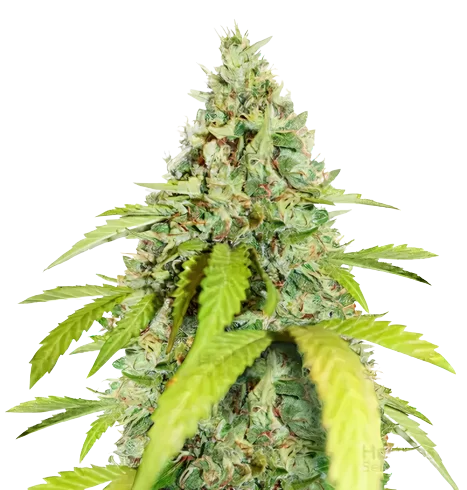
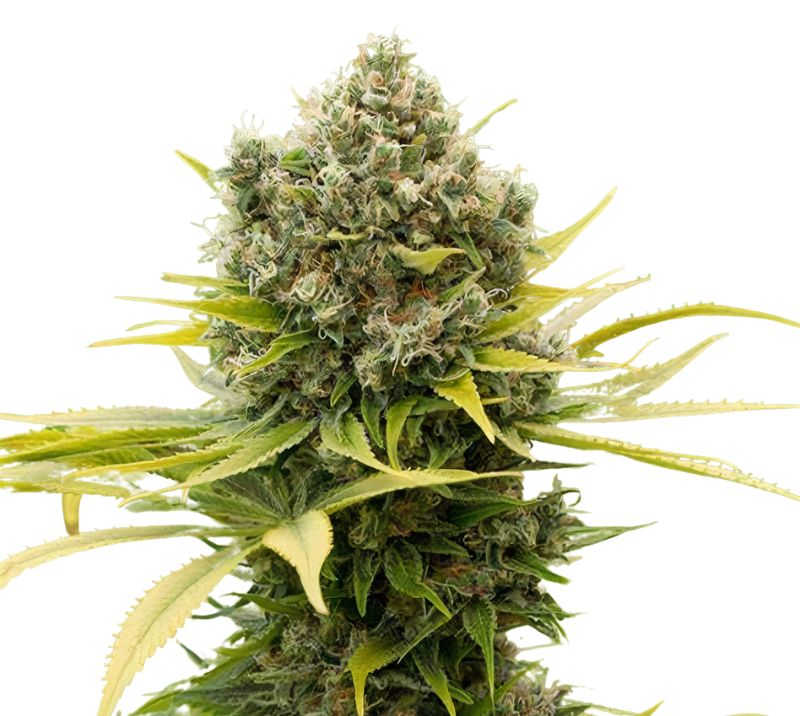
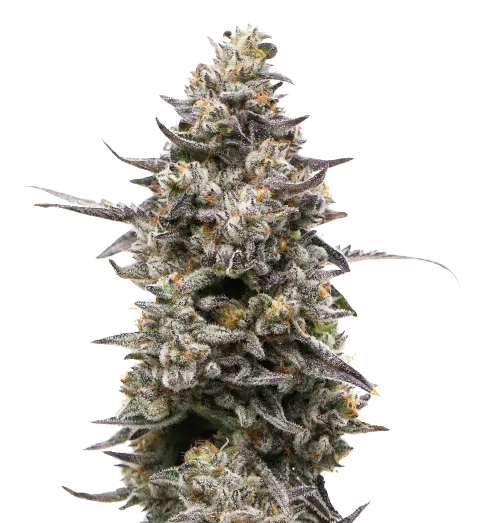
Careful selection of hemp varieties with high CBD and low THC content is crucial. Farmers often use feminized seeds to maximize flower production, as CBD is primarily concentrated in the resinous flowers of female plants. Pesticide-free cultivation is preferred to ensure the purity and safety of the final product.
Irrigation and nutrient management also play a significant role in optimizing CBD production. Overwatering can stress the plants and reduce cannabinoid content, while nutrient deficiencies can impair growth and resin production.
Harvesting and Post-Harvest Processing
Hemp plants are typically harvested when the flowers are fully mature and the trichomes (resin glands) are rich in CBD. The timing of the harvest is critical, as cannabinoid levels fluctuate during the plant’s life cycle.
After harvesting, the plant material is dried and cured to preserve cannabinoid and terpene profiles. CBD is then separated from the plant material using extraction techniques like CO2 extraction or ethanol extraction. Advanced purification techniques, including chromatography, are employed to remove THC and other impurities, yielding Pure CBD.
Restrictions on Using Pure CBD in the Medical Field and Ensuring Proper Monitoring
The utilization of Pure CBD (cannabidiol) in the medical field has gained traction due to its non-intoxicating properties and therapeutic potential. However, there are stringent restrictions and considerations to ensure its application remains ethical, safe, and within medical boundaries. Emphasizing its use as a last resort and implementing rigorous monitoring of THC levels are critical components in the responsible deployment of Pure CBD as a treatment option.
Pure CBD as a Medical Treatment of Last Resort
Despite the promising medical benefits of Pure CBD, its use is often recommended as a last-resort option. This approach stems from the principle of evidence-based medicine, which prioritizes treatments with well-established safety and efficacy profiles before resorting to less conventional therapies. Physicians are encouraged to exhaust standard treatment options, including FDA-approved medications and therapies, before prescribing CBD-based treatments.
The primary reason for this conservative approach is the relative novelty of CBD in clinical practice. While studies have demonstrated its potential benefits for conditions such as epilepsy, chronic pain, and anxiety, the long-term effects of CBD use remain under investigation. Regulatory authorities, including the FDA, have called for more comprehensive clinical trials to fully understand the safety profile of CBD, particularly at high doses or with prolonged use.
Moreover, the use of Pure CBD as a last-resort treatment minimizes the risk of over-reliance on emerging therapies at the expense of proven medical interventions. This guideline ensures that patients receive the most effective and thoroughly studied treatments first, preserving CBD for cases where other options have failed or are unsuitable.
Monitoring THC Levels in CBD-Based Medications
One of the most critical aspects of using CBD in the medical field is the stringent monitoring of THC levels in CBD-based medications. THC (tetrahydrocannabinol) is the psychoactive compound in cannabis responsible for producing a “high.” Even trace amounts of THC in medical products can raise concerns about safety, legality, and patient well-being.
Legal and Regulatory Requirements
Regulatory frameworks in many jurisdictions mandate that CBD products must contain less than 0.3% THC by dry weight to comply with legal standards. This threshold ensures that CBD medications do not produce psychoactive effects, preserving their suitability for medical use. Adherence to these guidelines is essential for maintaining public trust and preventing misuse.
To meet these requirements, manufacturers must subject their products to rigorous testing at multiple stages of production. Advanced analytical techniques, such as gas chromatography and high-performance liquid chromatography (HPLC), are used to measure THC levels with high precision. Only products that meet the legal threshold can be distributed for medical use.
Safety Considerations
Even modest doses of THC can have adverse effects on specific patient populations, such as youngsters, the elderly, or persons with a history of mental health difficulties. Psychoactive effects, even at low intensity, could impair cognitive or motor functions, creating potential risks for patients performing daily activities.
By strictly monitoring THC levels, medical professionals can minimize the risk of psychoactive side effects and ensure that the therapeutic benefits of CBD remain the focus of treatment. This precaution also helps prevent accidental THC accumulation in patients who use CBD products regularly, which could occur due to the compound’s lipophilic (fat-binding) nature.
Maintaining Medical Integrity
Another significant concern with unregulated THC levels is the potential for abuse or recreational misuse of CBD-based medications. Maintaining strict limits on THC ensures that these products remain firmly within the realm of medicine, preserving their intended purpose as therapeutic agents. Physicians and healthcare providers are pivotal in advocating for products with verified low THC content, ensuring they align with ethical medical practices.
Patient Monitoring and Individualized Treatment
The integration of Pure CBD into medical treatment requires careful patient monitoring to evaluate its efficacy and safety. Physicians must consider individual patient factors, such as medical history, current medications, and potential drug interactions, before recommending CBD-based therapies. Close observation is particularly important during the initial stages of treatment, as CBD may affect patients differently based on their unique physiology.
In addition to monitoring for side effects, regular assessments of treatment outcomes are essential. If a patient shows no improvement or experiences adverse effects, physicians may need to adjust the dosage or discontinue CBD use. This approach ensures that Pure CBD is used judiciously, maximizing its benefits while minimizing potential risks.
Education and Transparency
Educating patients about the limitations and potential risks of CBD-based treatments is a cornerstone of responsible use. Transparency about the THC content of medications, expected outcomes, and the need for ongoing monitoring fosters trust between patients and healthcare providers. Patients should be informed that Pure CBD is not a miracle cure but a therapeutic option with specific indications and constraints.
Conclusion
The exploration of Pure CBD as a medical treatment highlights its immense therapeutic potential while emphasizing the need for rigorous standards, ethical practices, and patient-focused applications. From its origins as a non-intoxicating compound derived from the cannabis plant to its chemical profile and broad medical benefits, Pure CBD has proven to be a transformative agent in modern medicine. However, its integration into healthcare requires careful consideration to ensure that its use remains safe, effective, and appropriate.
As a therapeutic compound, Pure CBD demonstrates significant efficacy in treating a wide range of conditions, including neurological disorders, chronic pain, anxiety, inflammation, and even cancer-related symptoms. Its interaction with the endocannabinoid system and other physiological pathways offers a novel mechanism for addressing complex medical issues, particularly when conventional treatments fall short. Yet, the novelty of CBD in clinical use necessitates its role as a treatment of last resort, preserving its application for cases where other options have failed and avoiding premature reliance on emerging therapies.
A critical component of responsible CBD use lies in the stringent monitoring of THC levels in CBD-based medications. By maintaining THC content within legally permissible thresholds (typically below 0.3%), healthcare providers can ensure that CBD remains a purely therapeutic agent, free from psychoactive effects. This approach not only enhances patient safety but also upholds the integrity of CBD as a medical treatment, preventing potential misuse and ensuring compliance with regulatory standards.
The cultivation and production of Pure CBD require meticulous attention to detail, from selecting high-CBD, low-THC hemp strains to employing advanced extraction and purification techniques. These processes ensure the quality and consistency of CBD products, which are vital for their safe and effective use in medical practice. The emphasis on organic farming, contaminant-free soils, and rigorous testing further underscores the importance of maintaining high standards in the production of medical-grade CBD.
Ultimately, the successful integration of Pure CBD into the medical field depends on a patient-centered approach that prioritizes safety, efficacy, and education. Patients should be informed about the limitations, risks, and realistic expectations of CBD-based treatments, fostering transparency and trust in its use. Physicians and researchers play a pivotal role in advancing the understanding of CBD through ongoing studies and clinical trials, which are essential for establishing its long-term safety and expanding its therapeutic applications.
In summary, Pure CBD represents a promising frontier in medical science, offering relief for patients across a spectrum of conditions. However, its use must be governed by strict guidelines, including its role as a last-resort treatment, the monitoring of THC levels, and adherence to evidence-based practices. By upholding these principles, the medical community can unlock the full potential of Pure CBD while safeguarding patient welfare and maintaining public trust in this remarkable compound.