Medical Strain Analysis: Platinum OG
-
Platinum OG Cannabis SeedsFrom: $24.99
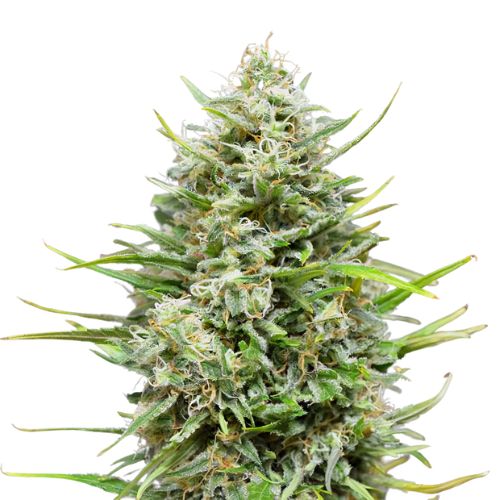
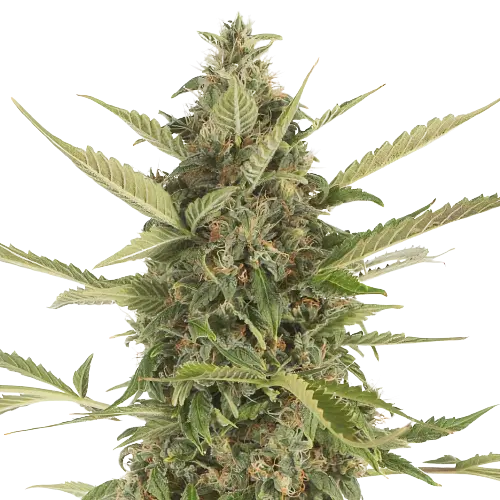
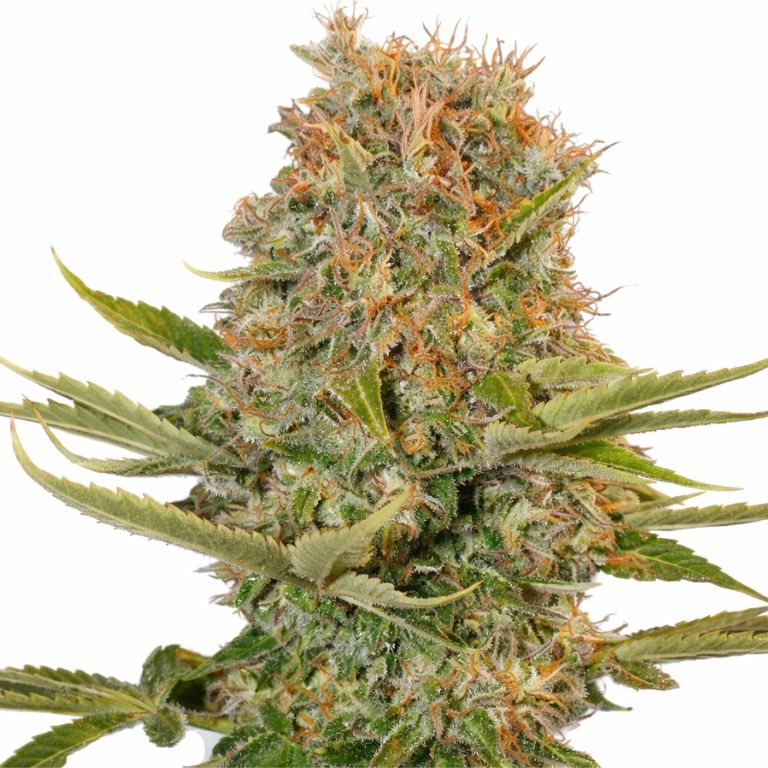
Platinum OG is a cannabis strain renowned for its unique properties, potent chemical profile, and particularly for its medical efficacy. Known as a powerful indica-dominant hybrid, Platinum OG is often lauded by patients for its ability to alleviate various physical and mental health concerns. This strain is a product of crossbreeding between Master Kush, OG Kush, and another unknown strain, resulting in a powerful, terpene-rich plant with impressive therapeutic benefits. Understanding the origin, chemical composition, medical benefits, and ideal growing conditions of Platinum OG is essential for medical cannabis patients and growers looking to maximize its therapeutic potential.
Origins of Platinum OG
Platinum OG has a complex lineage, believed to be derived from a cross of Master Kush, OG Kush, and an unknown “mystery” strain. The blend of genetics from these parent strains has created a robust plant that carries many of the desirable traits from its lineage. Master Kush, known for its heavy, relaxing effects, brings a profound sense of calm and bodily ease. OG Kush contributes to the earthy, piney flavor profile and provides a well-balanced physical and mental effect, which helps moderate the heavy indica effects of Master Kush.
This genetic combination contributes to Platinum OG’s distinct physical characteristics, intense potency, and therapeutic profile. The specific hybridization of Platinum OG has led to a robust, resilient strain, well-suited for medical use due to its stable genetics and high cannabinoid content. As such, this strain’s origins play a vital role in shaping its efficacy in managing various medical conditions.
Chemical Profile of Platinum OG

Platinum OG’s chemical profile is marked by high levels of THC, typically ranging from 18% to 24%, although some phenotypes may exhibit THC levels even higher. The strain also contains trace amounts of CBD (usually below 1%), which, while not as pronounced, can still contribute to its overall medicinal efficacy through the entourage effect. Other minor cannabinoids, including CBC, CBG, and CBN, are present in trace amounts and add to the complexity of the strain’s therapeutic effects.
The terpenes present in Platinum OG significantly contribute to its therapeutic benefits and sensory profile. Terpenes such as myrcene, limonene, and caryophyllene dominate, each bringing unique properties that enhance the strain’s overall efficacy:
- Myrcene: This terpene is commonly found in high quantities in Platinum OG, contributing to its sedative, muscle-relaxing effects. Myrcene is known for its potential to amplify the psychoactive effects of THC, increasing the overall potency of the strain. Its musky, earthy aroma with hints of herbal tones is often associated with its calming effects, making it ideal for managing chronic pain, insomnia, and stress.
- Limonene: Known for its citrusy aroma, limonene offers uplifting and mood-enhancing effects. In medical contexts, it’s known to relieve stress and provide mild anti-anxiety benefits. Limonene’s role in Platinum OG is to counterbalance some of the strain’s heavier sedative effects, making it a viable option for patients who need relaxation without complete sedation.
- Caryophyllene: Known for its peppery, spicy flavor, this terpene is one of the few that directly interacts with the body’s cannabinoid receptors, especially CB2. Caryophyllene has anti-inflammatory and analgesic properties, which make it beneficial for managing conditions involving pain and inflammation.
- Pinene: Though not as dominant, pinene contributes to the strain’s grounding effect and supports respiratory function. It also offers potential anti-inflammatory benefits and enhances alertness, which can be helpful for medical users needing to remain functional throughout the day.
The blend of these terpenes with high THC levels forms a complex chemical profile that enhances Platinum OG’s suitability for medical applications. Patients often find that the combination of cannabinoids and terpenes in this strain provides more balanced relief than THC alone.
Medical Benefits of Platinum OG

Platinum OG is highly valued in medical circles for its ability to alleviate a range of physical and psychological ailments. It is particularly noted for its efficacy in treating pain, insomnia, anxiety, and stress. Due to its potent effects, it is best suited for patients with moderate to severe symptoms, as it provides robust relief.
1. Chronic Pain Relief
One of the primary medical applications of Platinum OG is its effectiveness in managing chronic pain. This strain is a potent painkiller due to its high THC level, caryophyllene, and myrcene content. Platinum OG frequently provides significant alleviation for patients with neuropathic pain, multiple sclerosis, fibromyalgia, and arthritis. The cannabinoids in the strain interact with the body’s endocannabinoid system, reducing the perception of pain and inflammation. Myrcene enhances the strain’s overall sedative effect, which can be beneficial for patients whose pain disrupts their sleep, allowing for rest and recovery.
2. Insomnia and Sleep Disorders
Platinum OG’s sedative qualities are especially helpful for people who suffer from insomnia or other sleep-related conditions. The high myrcene content facilitates profound relaxation and drowsiness, which helps consumers fall asleep more easily. Patients who have difficulty staying asleep or experience interruptions due to pain or anxiety can benefit from the long-lasting effects of Platinum OG, which often carry through the night. Unlike some pharmaceutical sleep aids, Platinum OG promotes a more natural sleep cycle without the risk of dependence or severe side effects. However, due to its potency, this strain is recommended for evening or nighttime use for those managing sleep disorders.
3. Anxiety and Stress Relief
Platinum OG’s balanced terpene profile, especially the presence of limonene, makes it effective for managing symptoms of anxiety and stress. Limonene provides a subtle mood-boosting effect that can help counteract feelings of worry or unease. At the same time, the high THC content, modulated by other terpenes like caryophyllene, provides a deep sense of relaxation without overwhelming the user. This makes Platinum OG suitable for those with high levels of anxiety or stress who need immediate relief, though it may not be suitable for individuals prone to THC-induced anxiety due to its potency.
4. Muscle Spasms and Tension
Platinum OG is also beneficial for patients dealing with muscle spasms, cramps, and tension. The strain’s high myrcene content helps relax muscles and reduce spasticity. This is particularly helpful for individuals with conditions such as multiple sclerosis or Parkinson’s disease, where muscle spasms and stiffness are common symptoms. Additionally, the anti-inflammatory properties of caryophyllene further support muscle relaxation and pain reduction, allowing for greater ease of movement.
5. Appetite Stimulation
While less prominent than its pain-relieving and sedative effects, Platinum OG can stimulate appetite, making it a helpful option for patients experiencing appetite loss due to chemotherapy, chronic illness, or medication side effects. The entourage effect of THC and terpenes like myrcene contributes to this effect, potentially alleviating issues related to weight loss and malnutrition in medical patients.
Ideal Growing Conditions for Platinum OG

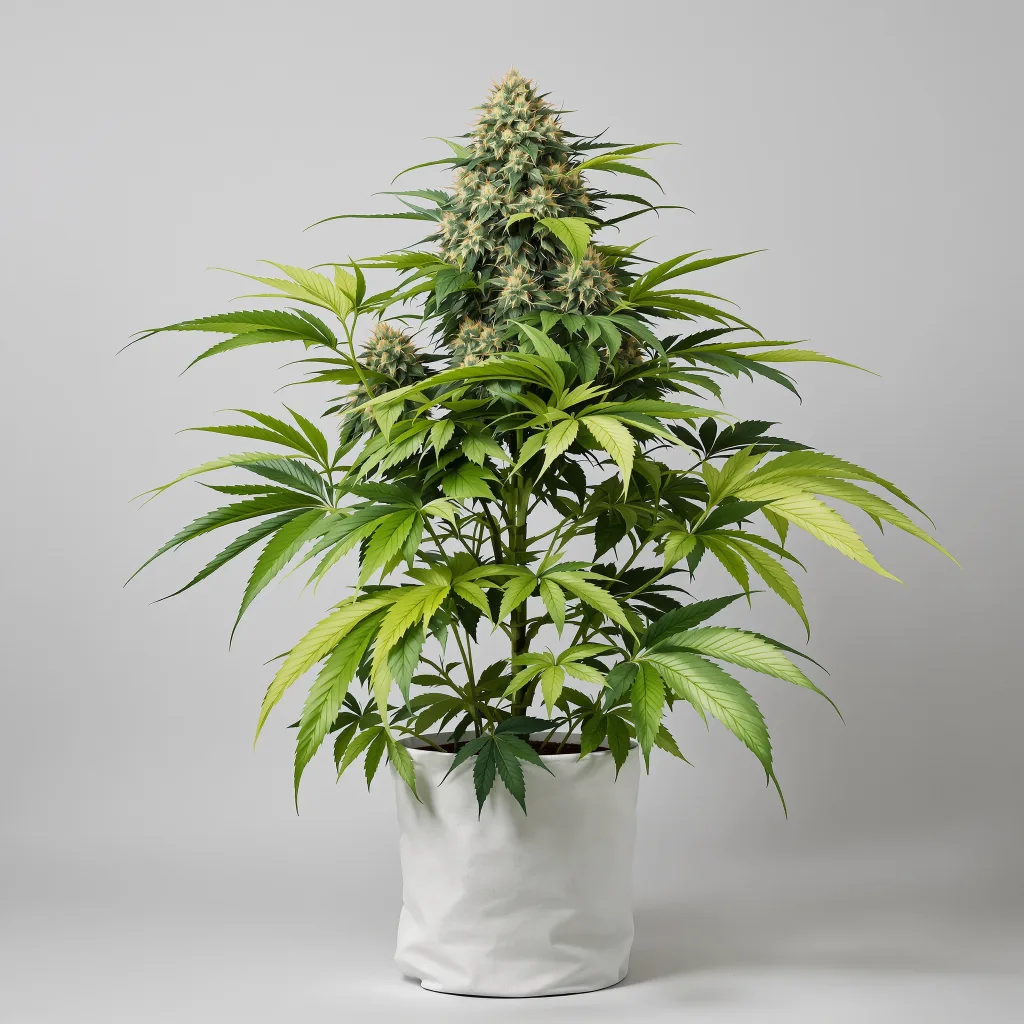
Cultivating Platinum OG can be rewarding for medical growers, though it requires attention to specific environmental conditions to thrive and produce a robust yield. Depending on the temperature, this strain may be grown both indoors and outdoors and has a moderate-to-difficult growth challenge. To maximize the strain’s therapeutic potency, growers need to focus on maintaining optimal temperature, humidity, and nutrient levels.
Indoor Growing
When grown indoors, Platinum OG typically flowers in about 8 to 9 weeks, yielding an average of 12-16 ounces per square meter. To maximize terpene production and THC levels, indoor cultivation offers exact control over environmental conditions. Ideal temperatures should range between 70-80°F (21-27°C) during the day and slightly cooler at night. Because Platinum OG’s dense buds are prone to moisture-related problems, humidity levels should be maintained between 40 and 50 percent during the vegetative stage and lowered to 30 to 40 percent during flowering to avoid mold and mildew.
Lighting is another critical factor, with a preference for high-intensity lights such as HPS (High-Pressure Sodium) or LED grow lights, which can ensure robust growth and higher cannabinoid production. Using the SCROG (Screen of Green) training technique can help maximize yield by spreading the plant’s canopy and ensuring better light distribution to lower buds.
Outdoor Growing
Outdoor cultivation of Platinum OG is possible in climates with plenty of sunlight and relatively dry conditions. The strain is typically ready for harvest by mid-October when grown outdoors. Warm, Mediterranean climates are ideal for this strain, as they provide ample sunlight and low humidity, reducing the risk of mold. Outdoor plants of Platinum OG can yield around 16 ounces per plant if grown in optimal conditions, with proper spacing to ensure airflow between plants.
Nutrient Needs
Platinum OG is a nutrient-hungry strain that requires balanced nutrition throughout its growth cycle. In the vegetative stage, it benefits from a diet rich in nitrogen to promote lush foliage. As it transitions into flowering, the nitrogen should be reduced in favor of phosphorus and potassium to encourage bud development. CalMag (calcium and magnesium) supplements are also beneficial for this strain, as it can be prone to nutrient deficiencies that affect its overall potency and yield.
Pest and Disease Management
Due to its dense bud structure, Platinum OG can be vulnerable to mold, powdery mildew, and pests like spider mites. Frequent defoliation and trimming can increase ventilation and lower the chance of mold growth. In order to guarantee that there are no hazardous residues in the finished product, organic pest management techniques like neem oil or insecticidal soaps are advised, particularly for medical-grade plants.
Restricting Platinum OG in Medical Use as a Last Resort and Monitoring THC Levels
While Platinum OG holds promise for treating a variety of medical conditions due to its potent therapeutic properties, using this strain exclusively for medical purposes and as a last resort is often advised. Due to its high THC content and strong psychoactive effects, Platinum OG presents unique considerations for medical professionals, particularly in terms of patient safety and efficacy. This restriction, along with rigorous monitoring of THC levels, can ensure that Platinum OG remains an effective medical option without compromising patient well-being.
Limited Use as a Last Resort for Specific Conditions
Medical guidelines generally recommend using Platinum OG as a last resort, primarily due to its high potency and potential for inducing sedation. Patients suffering from chronic and treatment-resistant conditions, such as severe pain, intractable insomnia, or debilitating muscle spasms, are the primary candidates for this strain. Conventional therapies, including over-the-counter medications, physical therapy, and non-psychoactive cannabis options, are typically tried first to manage symptoms. Platinum OG is only considered when other treatments have proven ineffective or insufficient, as its strong sedative properties may limit patients’ ability to perform daily activities.
Using Platinum OG as a last resort also mitigates the potential for dependency, as THC-rich strains may contribute to tolerance buildup over time. In cases where a patient relies on its sedative effects for chronic pain or sleep, rotating Platinum OG with other treatment methods or strains can prevent dependency and ensure long-term efficacy. This last-resort approach serves as a responsible measure for both patients and providers, preserving Platinum OG as a valuable treatment without making it a primary intervention.
Importance of Monitoring THC Levels to Prevent Psychoactive Effects
One of the primary considerations in using Platinum OG in a medical setting is its high THC content, which can reach levels as high as 24%. This potency requires careful THC level monitoring to avoid unwanted psychoactive effects, which may interfere with patient safety, cognition, and overall treatment goals. By controlling THC dosage, medical professionals can maximize the therapeutic benefits of Platinum OG while minimizing the risk of adverse effects, especially for patients who may be THC-sensitive.
THC’s psychoactive properties can produce side effects such as drowsiness, altered perception, and cognitive impairment. These effects may be undesirable, particularly in patients needing to remain alert or functional. To control THC levels, Platinum OG is often administered in measured, low doses in medical-grade formulations, ensuring that patients receive relief without significant psychoactivity. Specialized extraction methods can also reduce THC concentration while preserving other beneficial cannabinoids and terpenes, allowing for a more controlled and predictable experience.
Non-Psychoactive Formulations and Alternative Cannabinoid Profiles
To mitigate the psychoactive risks associated with Platinum OG, some medical-grade formulations utilize extraction processes that adjust the cannabinoid profile to contain lower THC levels or emphasize non-psychoactive cannabinoids like CBD. The entourage effect — the synergy between cannabinoids and terpenes — can still provide relief through other cannabinoids like CBD and CBG, offering therapeutic effects without the intense high associated with THC. This approach allows for Platinum OG’s terpenes, such as myrcene and caryophyllene, to still provide anti-inflammatory, analgesic, and sedative benefits while reducing psychoactive effects.
Microdosing is another method used by medical professionals to administer Platinum OG with reduced psychoactivity. By delivering the strain in very low doses, patients can benefit from Platinum OG’s therapeutic properties without experiencing pronounced cognitive or psychological effects. Microdosing also allows for flexibility in dosing adjustments based on patient response, ensuring that treatment remains within a safe and effective range.
Patient Monitoring and Individualized Care
Due to the potent nature of Platinum OG, monitoring patients closely is essential. Individual tolerance to THC can vary significantly, with some patients experiencing adverse effects at lower doses than others. Medical professionals working with Platinum OG should routinely evaluate patients for signs of THC-induced side effects, such as dizziness, confusion, or drowsiness, especially in cases where the strain is administered regularly.
In addition, personalized treatment plans are crucial for patients using Platinum OG. Medical providers should assess factors such as the patient’s history with cannabis, THC sensitivity, and the severity of their condition to determine an optimal dose and formulation. By closely monitoring each patient’s response, adjustments can be made to minimize any psychoactive effects while ensuring effective symptom relief.
Conclusion
In conclusion, Platinum OG stands out as a valuable therapeutic option within medical cannabis, particularly for patients with treatment-resistant conditions. Its origins from powerful strains like Master Kush and OG Kush contribute to its potent chemical profile, marked by high THC content and a distinctive blend of terpenes like myrcene, limonene, and caryophyllene. These compounds work synergistically to provide profound relief for chronic pain, insomnia, anxiety, and muscle spasms.
However, due to its intense sedative effects and potential for psychoactivity, Platinum OG is best used as a last-resort treatment. Patients with severe symptoms, especially those who have exhausted conventional therapies, can benefit from the deep relaxation and symptom relief this strain offers, making it a practical choice when other options prove ineffective.
To mitigate the psychoactive effects associated with high THC, medical professionals employ careful dosing, microdosing, and non-psychoactive formulations that emphasize other cannabinoids and terpenes. Adjusting the THC levels ensures patients receive the strain’s therapeutic benefits without significant cognitive impairment, allowing for controlled relief tailored to individual tolerance and sensitivity. Moreover, personalized treatment plans and consistent patient monitoring are essential to safely administering Platinum OG, allowing adjustments based on response and minimizing the risk of dependency.
The cultivation and administration of Platinum OG require stringent attention to conditions and quality to maintain its efficacy and safety in medical applications. By reserving this strain for specific cases, monitoring its THC levels, and using personalized care strategies, healthcare providers can maximize Platinum OG’s medical benefits while minimizing potential risks. Ultimately, responsible use and controlled administration of Platinum OG enhance its role as an effective therapeutic tool in managing complex medical conditions, underscoring the need for mindful practices in medical cannabis use.