Get 15% OFF with code GROWNOW15
My Account Order Lookup Cannabis Guides Beginner Seeds Intermediate Seeds Master Seeds

Medical Strain Analysis: Pineberry.

Medical Strain Analysis Pineberry

Medical Strain Analysis: Pineberry

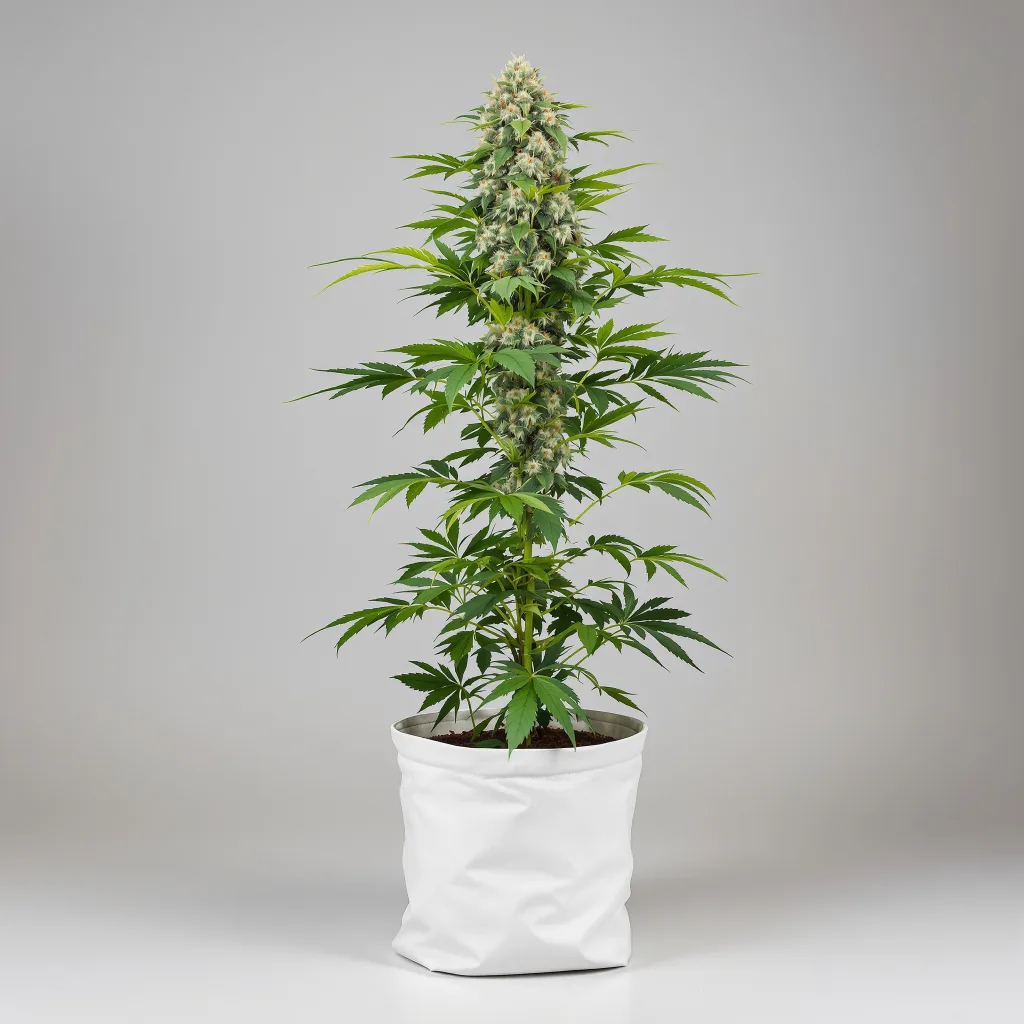
Pineberry is an increasingly notable cannabis strain that has garnered attention in the medical cannabis community due to its unique combination of therapeutic benefits, robust chemical profile, and adaptability in cultivation. This hybrid strain represents a balance of indica and sativa genetics, although it leans slightly toward the indica side, making it particularly beneficial for a wide range of medical conditions. By delving into its origins, chemical makeup, medical applications, and cultivation requirements, one can appreciate the remarkable potential of Pineberry in enhancing patient well-being.

Origins of Pineberry

The genetic lineage of Pineberry remains somewhat shrouded in mystery, which adds to its allure. It is widely believed to be a cross between well-established indica and sativa strains, selectively bred to create a harmonious balance of therapeutic properties. While the exact parent strains are not consistently documented, Pineberry is known for its rugged resilience and distinctively aromatic profile, which has likely been enhanced through crossbreeding techniques over multiple generations.

Pineberry is often associated with regions where cannabis cultivation has flourished under organic and sustainable practices, such as Canada and parts of the Pacific Northwest. These areas have contributed to the strain’s robust adaptability to various climates, which, combined with its short flowering time, makes Pineberry a favored choice among cultivators aiming to provide patients with high-quality medicinal cannabis.

Chemical Profile of Pineberry

The therapeutic potential of Pineberry stems from its rich chemical composition. Cannabis plants contain hundreds of compounds, but the primary focus for medical applications lies in cannabinoids and terpenes. Pineberry’s profile demonstrates a remarkable synergy between these compounds, providing a broad spectrum of effects that can address diverse medical conditions.

Cannabinoids
  1. CBD (Cannabidiol)
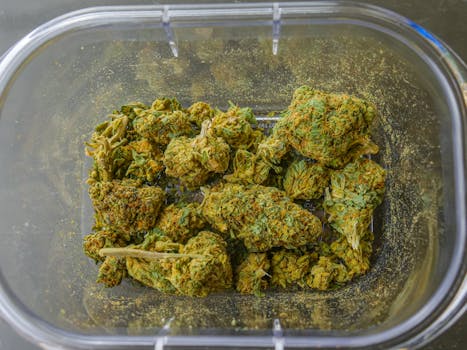
    Pineberry is celebrated for its high CBD content, which can range from 12% to 18%, depending on cultivation methods and phenotypes. CBD is a non-psychoactive cannabinoid known for its anti-inflammatory, analgesic, anxiolytic, and neuroprotective properties. This makes Pineberry particularly appealing to patients seeking relief without the intoxicating effects associated with THC.
  2. THC (Tetrahydrocannabinol)
    While Pineberry contains some THC, its levels are typically low, ranging between 0.5% and 2%. This ensures that the strain does not produce significant psychoactive effects, allowing patients to use it during the day or in professional settings without impairing their mental clarity.
  3. CBG (Cannabigerol)
    CBG, often referred to as the “mother cannabinoid,” is also present in Pineberry, albeit in smaller amounts. It is known to contribute to antibacterial properties and may play a role in reducing intraocular pressure, making it potentially useful for glaucoma patients.
  4. Other Cannabinoids
    Minor cannabinoids such as CBC (cannabichromene) and CBN (cannabinol) may be present in trace amounts, adding to Pineberry’s therapeutic versatility.
Terpenes

Terpenes are aromatic compounds that contribute to the strain’s distinctive scent and flavor while enhancing its therapeutic effects through the entourage effect.

  1. Myrcene
    Myrcene, the most abundant terpene in Pineberry, is known for its sedative and anti-inflammatory properties. It may help patients with chronic pain, insomnia, or stress.
  2. Pinene
    As the name suggests, Pineberry contains significant levels of pinene, which imparts a pine-like aroma. Pinene has anti-inflammatory, bronchodilatory, and cognitive-enhancing effects, making it beneficial for respiratory conditions and memory support.
  3. Limonene
    Limonene contributes a citrusy undertone to Pineberry’s aroma. This terpene has been linked to mood enhancement and anti-anxiety properties, complementing the calming effects of CBD.
  4. Caryophyllene
    Caryophyllene, a spicy and woody terpene, is unique in its ability to interact with the endocannabinoid system, specifically the CB2 receptors. It is hence a strong anti-inflammatory.
  5. Humulene
    Humulene adds a subtle earthiness to Pineberry’s profile and is known for its appetite-suppressant and anti-inflammatory properties.
Medical Benefits of Pineberry
Medical Benefits of Pineberry 1

The combination of cannabinoids and terpenes in Pineberry makes it highly versatile for medical use. Its effects are typically described as calming and soothing, with a focus on physical and emotional relief. The following are the primary medical applications of Pineberry, supported by anecdotal evidence and emerging research:

Pain Management

Pineberry’s anti-inflammatory and analgesic properties make it a valuable option for patients with chronic pain conditions such as arthritis, fibromyalgia, and neuropathy. The synergy between CBD and terpenes like myrcene and caryophyllene helps reduce inflammation at the source while alleviating discomfort. Patients report experiencing a noticeable reduction in muscle tension and joint pain without the sedative effects of high-THC strains.

Anxiety and Stress Relief

The high CBD content in Pineberry, combined with mood-enhancing terpenes like limonene, makes it an effective natural remedy for anxiety and stress. Unlike THC-dominant strains that may exacerbate anxiety in some individuals, Pineberry provides a calming effect without inducing paranoia. Patients with generalized anxiety disorder, social anxiety, and post-traumatic stress disorder (PTSD) often benefit from the strain’s soothing properties.

Sleep Disorders

For patients struggling with insomnia or disrupted sleep patterns, Pineberry offers a gentle sedative effect that promotes relaxation and restful sleep. Myrcene and other sedative terpenes play a crucial role in facilitating a deeper sleep cycle, while the absence of high THC levels ensures patients wake up feeling refreshed and alert rather than groggy.

Inflammatory Conditions

Pineberry is a viable treatment for autoimmune diseases, inflammatory bowel disease (IBD), and other ailments that cause chronic inflammation because of its strong anti-inflammatory qualities. By modulating the body’s inflammatory response, the strain can help reduce symptoms such as pain, swelling, and gastrointestinal discomfort.

Neurological Conditions

According to new research, CBD-rich strains like Pineberry may have neuroprotective properties, which makes them useful for diseases including Parkinson’s disease, multiple sclerosis, and epilepsy. The strain’s ability to reduce seizure frequency and severity has been particularly noted in anecdotal reports from epilepsy patients.

Mood Disorders

Patients with depression and mood disorders often find relief with Pineberry due to its uplifting yet calming effects. The combination of CBD, limonene, and pinene can help stabilize mood and provide a sense of well-being, making it easier for patients to manage daily challenges.

Skin Conditions

Topical applications of Pineberry extracts may benefit patients with skin conditions such as psoriasis, eczema, and acne. The anti-inflammatory and antibacterial properties of its cannabinoids and terpenes can reduce redness, swelling, and bacterial overgrowth on the skin.

Respiratory Support

The presence of pinene in Pineberry enhances airflow and respiratory function, potentially benefiting patients with asthma or other breathing disorders. This bronchodilatory effect, combined with its anti-inflammatory properties, makes the strain an attractive option for managing respiratory symptoms.

Growing Conditions of Pineberry

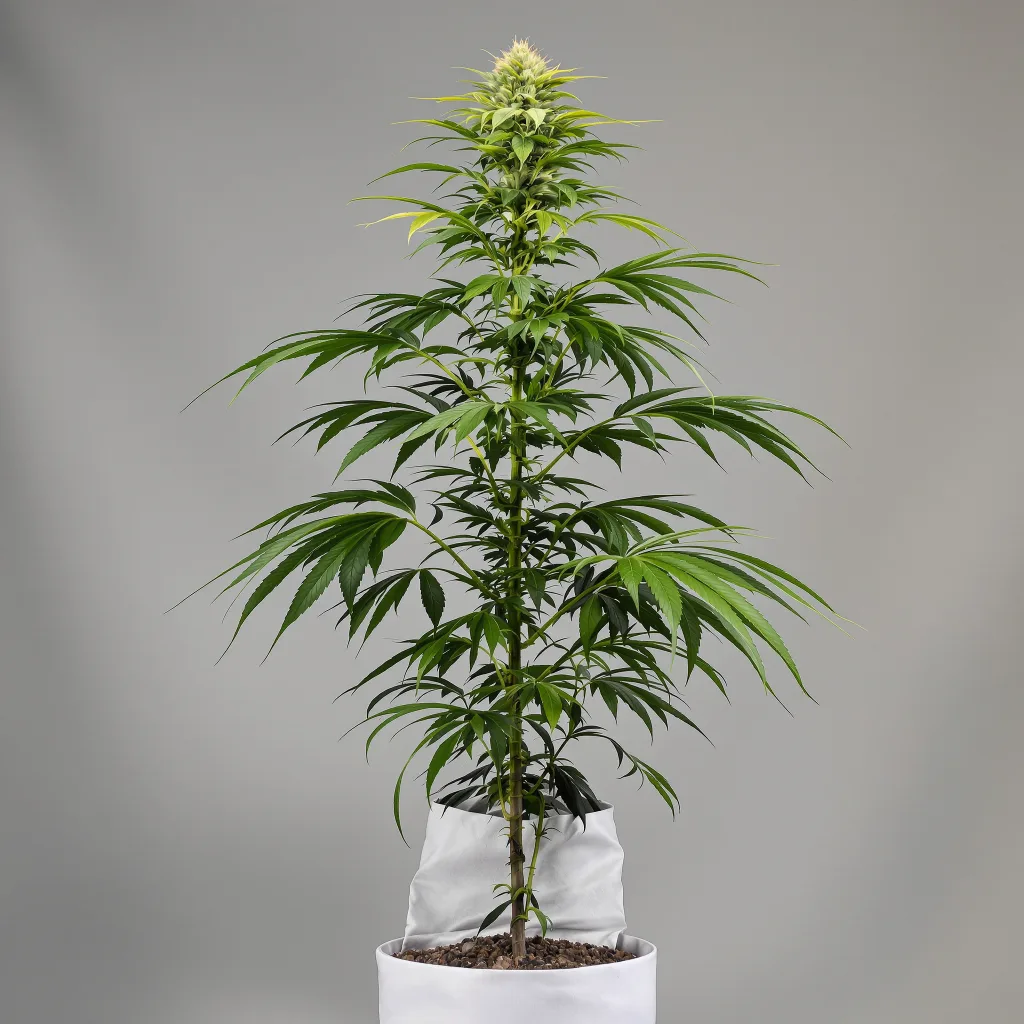
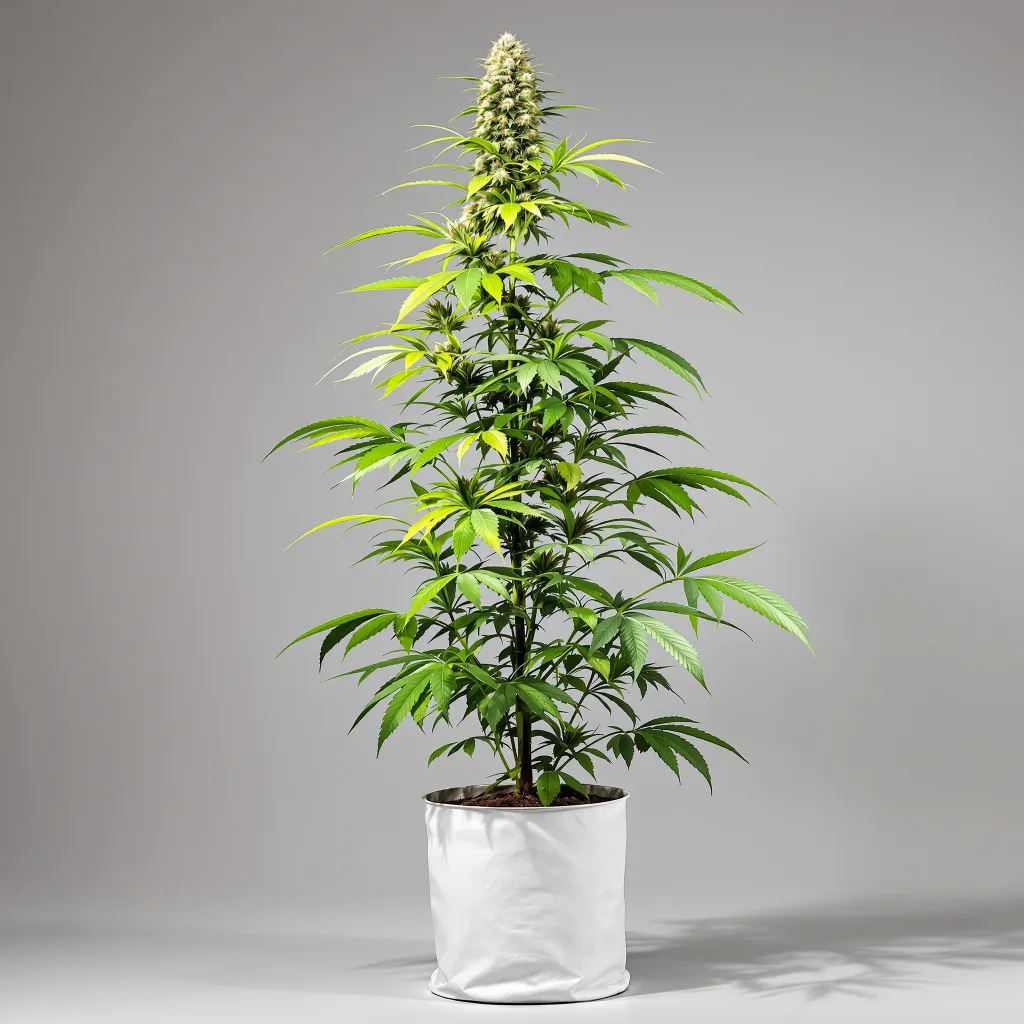
Cultivating Pineberry requires attention to its specific needs to maximize its therapeutic potential. The strain is highly adaptable, making it suitable for both indoor and outdoor cultivation. However, certain conditions optimize its yield and chemical composition.

Climate

Pineberry thrives in temperate climates with consistent sunlight and moderate humidity levels. It can tolerate cooler temperatures better than many other strains, which is a testament to its hardy genetics. This resilience makes it an ideal choice for growers in northern latitudes or regions with shorter growing seasons.

Soil and Nutrients

For optimal growth, Pineberry prefers well-aerated, nutrient-rich soil with a slightly acidic pH (around 6.0 to 6.5). Organic cultivation methods, such as using compost teas and natural fertilizers, enhance the strain’s terpene profile and overall potency. Growers should ensure that the soil contains adequate levels of nitrogen, phosphorus, and potassium, particularly during the vegetative and flowering stages.

Light Requirements

When grown indoors, Pineberry benefits from full-spectrum LED or HID lighting to mimic natural sunlight. A light cycle of 18 hours on and 6 hours off during the vegetative stage, followed by 12 hours on and 12 hours off during the flowering stage, encourages healthy growth and bud development.

Watering and Humidity

Pineberry requires regular watering, but overwatering should be avoided to prevent root rot. Humidity levels should be kept between 50% and 60% during the vegetative stage and reduced to 40% to 50% during flowering to prevent mold and mildew.

Flowering Time and Yield

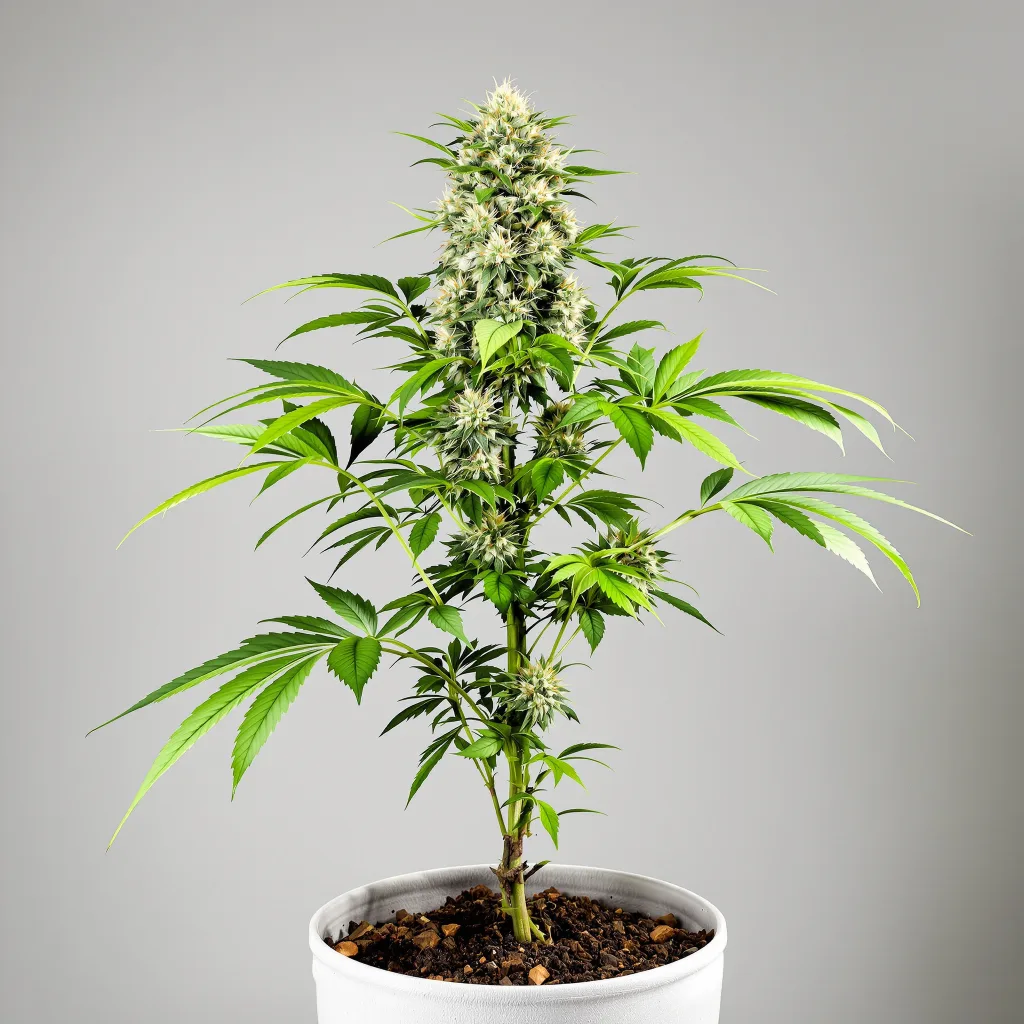
Pineberry has a relatively short flowering time of 6 to 8 weeks, making it an efficient choice for growers looking for quick harvests. Harvesting outside plants usually occurs between late September and early October. The strain produces medium to high yields, with dense, resinous buds that are rich in cannabinoids and terpenes.

Pest and Disease Resistance

Thanks to its robust genetics, Pineberry exhibits strong resistance to common pests and diseases, including powdery mildew and spider mites. However, growers should still implement preventative measures, such as proper air circulation, regular pruning, and the use of organic pest control solutions.

Restrictions on Using Pineberry in the Medical Field and Monitoring THC Levels

Pineberry, with its high CBD and low THC profile, has gained recognition as a valuable therapeutic strain for a range of medical conditions. However, its use in the medical field should be approached with caution, particularly when considering its role as a treatment of last resort and the need to monitor THC levels meticulously. These restrictions ensure the strain is utilized safely and effectively for patients requiring its unique benefits.

Pineberry as a Treatment of Last Resort

In many medical frameworks, the use of cannabis-based therapies like Pineberry is often considered a last resort. This restriction arises from the need to exhaust conventional treatments before introducing cannabis, ensuring that it is only used when patients do not respond adequately to standard medications. Such an approach aligns with regulatory standards in many countries and medical institutions, where cannabis is permitted under strict conditions for conditions that are refractory to traditional therapies.

Chronic Pain and Pineberry

For example, patients with chronic pain are typically prescribed non-steroidal anti-inflammatory drugs (NSAIDs), physical therapy, or opioids before being considered for cannabis-based treatments. Pineberry, with its potent anti-inflammatory and analgesic properties, becomes an option only after these conventional measures fail to provide relief or produce unacceptable side effects. This approach minimizes unnecessary exposure to cannabis and prioritizes established medical treatments with more robust clinical evidence.

Neurological Disorders and Seizures

Similarly, in cases of epilepsy or neurological disorders, patients are often prescribed antiepileptic drugs (AEDs) as the first line of treatment. Pineberry, or any CBD-rich cannabis strain, is introduced only when these medications are ineffective or intolerable. For example, children with drug-resistant epilepsy may benefit from Pineberry’s high CBD content under medical supervision, but only after exhausting FDA-approved cannabidiol formulations such as Epidiolex.

This “last resort” policy not only ensures responsible use of Pineberry but also provides an opportunity to gather clinical data on its efficacy and safety in specific patient populations.

Monitoring THC Levels to Prevent Psychoactive Effects

The careful monitoring of THC levels to avoid psychoactive effects is one of the most important limitations when utilizing pineberry for medical purposes. Although Pineberry naturally contains low levels of THC (typically 0.5% to 2%), the need for precise dosing and rigorous quality control is paramount, particularly for patients who are sensitive to THC or belong to vulnerable groups, such as children, the elderly, or individuals with mental health conditions.

THC and Psychoactivity

THC, or tetrahydrocannabinol, is the primary psychoactive compound in cannabis that induces euphoria, altered perception, and cognitive impairment. While Pineberry’s THC levels are low, even trace amounts can produce psychoactive effects in sensitive individuals, particularly when consumed in higher doses or combined with other medications.

To mitigate these risks, medical formulations derived from Pineberry must be carefully standardized to ensure THC levels remain within safe limits. For example, products intended for pediatric or geriatric patients might require THC levels to be below 0.3%, adhering to thresholds set for hemp-based products in many jurisdictions. This minimizes the potential for intoxication and ensures patients can safely benefit from Pineberry’s therapeutic properties.

Laboratory Testing and Compliance

Strict laboratory testing is essential to confirm that Pineberry-derived medications meet regulatory standards for THC content. Reputable producers often use third-party testing to verify cannabinoid profiles, ensuring consistency and safety. These tests measure the precise concentrations of CBD, THC, and other cannabinoids, allowing healthcare providers to recommend appropriate dosages tailored to individual patient needs.

Formulation and Delivery

To further control THC exposure, Pineberry-based medications are often formulated as oils, capsules, or topicals, which allow for precise dosing compared to raw flower or inhalable forms. Encapsulated formulations, in particular, ensure uniformity in cannabinoid content, reducing the likelihood of unintended psychoactive effects. Additionally, healthcare providers can prescribe Pineberry alongside comprehensive patient monitoring programs to assess its effects and make necessary dosage adjustments.

Restricting Use to Specific Conditions

Another key restriction is limiting Pineberry’s use to specific medical conditions where its benefits are well-supported by evidence. For example, its high CBD content makes it particularly effective for conditions like chronic pain, anxiety, epilepsy, and inflammation. However, using Pineberry indiscriminately for general wellness or mild symptoms could undermine its credibility as a medical treatment.

Regulatory agencies often establish strict guidelines on which conditions qualify for cannabis-based therapies. Healthcare providers are typically required to document a patient’s medical history, confirm the failure of conventional treatments, and demonstrate that Pineberry is a clinically appropriate option before prescribing it. This ensures the strain is reserved for patients who truly need its therapeutic benefits.

Patient Education and Consent

Another critical aspect of using Pineberry in the medical field is ensuring patients are fully informed about its benefits, risks, and restrictions. Since cannabis-based therapies are still stigmatized in some regions, patients must understand that Pineberry is not a recreational drug but a carefully regulated medicine with specific therapeutic applications.

Informed consent is a vital part of this process, where patients acknowledge potential risks, such as side effects or interactions with other medications. Healthcare providers should also educate patients on the importance of adhering to prescribed doses, avoiding self-medication, and undergoing regular follow-ups to monitor treatment outcomes.

Research and Evidence-Based Use

Pineberry’s medical use is further restricted by the need for robust clinical evidence to support its efficacy and safety. While anecdotal reports and preliminary studies highlight its therapeutic potential, large-scale clinical trials are still needed to establish its role in medical practice conclusively.

To address this, many jurisdictions require healthcare providers to document the outcomes of Pineberry-based treatments and contribute to research databases. This contributes to the development of a more robust body of evidence that can guide future recommendations and increase patients’ access to cannabis-based treatments.

Conclusion

Pineberry stands as a promising cannabis strain in the medical field, offering a wide range of therapeutic benefits due to its high CBD content, low THC levels, and rich terpene profile. It has shown significant potential in managing chronic pain, anxiety, neurological conditions, inflammatory disorders, and more. However, its use must be governed by strict guidelines and careful oversight to ensure its safety and efficacy.

The strain’s application as a treatment of last resort underscores its importance as a secondary option after conventional therapies have failed. This approach ensures that Pineberry is reserved for patients with conditions that are otherwise unresponsive to standard treatments. By positioning it as a solution for refractory conditions, medical professionals can utilize its therapeutic potential responsibly, preserving its credibility and utility in healthcare.

Monitoring THC levels is another critical aspect of Pineberry’s medical use. Despite its naturally low THC content, ensuring that medications derived from the strain adhere to strict regulatory standards minimizes the risk of psychoactive effects, particularly for vulnerable populations like children, the elderly, or individuals with psychiatric conditions. Rigorous testing, precise formulation, and patient-specific dosing protocols are necessary to achieve this goal, ensuring that Pineberry-based treatments remain safe and effective.

Further restrictions include limiting Pineberry’s use to specific, evidence-supported medical conditions and requiring exhaustive research and documentation to guide its application. This ensures that its benefits are realized without overstepping regulatory or ethical boundaries. Healthcare providers must also emphasize patient education and informed consent, empowering individuals to understand their treatment options and the potential risks associated with cannabis-based therapies.

In cultivation, Pineberry’s resilience and adaptability contribute to its appeal as a sustainable and efficient strain for medical use. However, maintaining high cultivation standards and prioritizing organic practices enhance its therapeutic quality, supporting its role in patient care.

In summary, Pineberry represents a significant advance in the medical cannabis landscape, but its application must be accompanied by stringent restrictions, ethical oversight, and evidence-based practices. By adhering to these principles, Pineberry can continue to offer life-changing benefits to patients while maintaining the integrity of medical cannabis as a controlled and respected field.

Share

Leave a comment

Your email address will not be published. Required fields are marked *