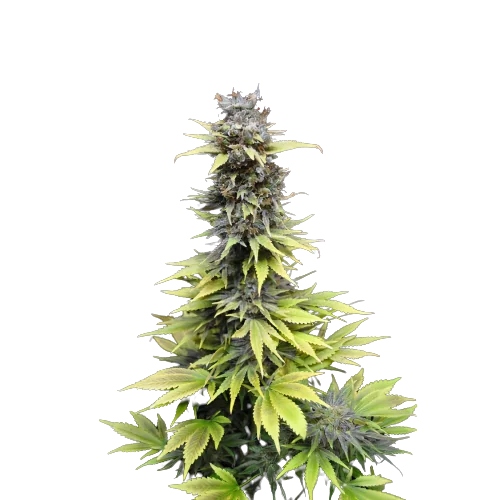
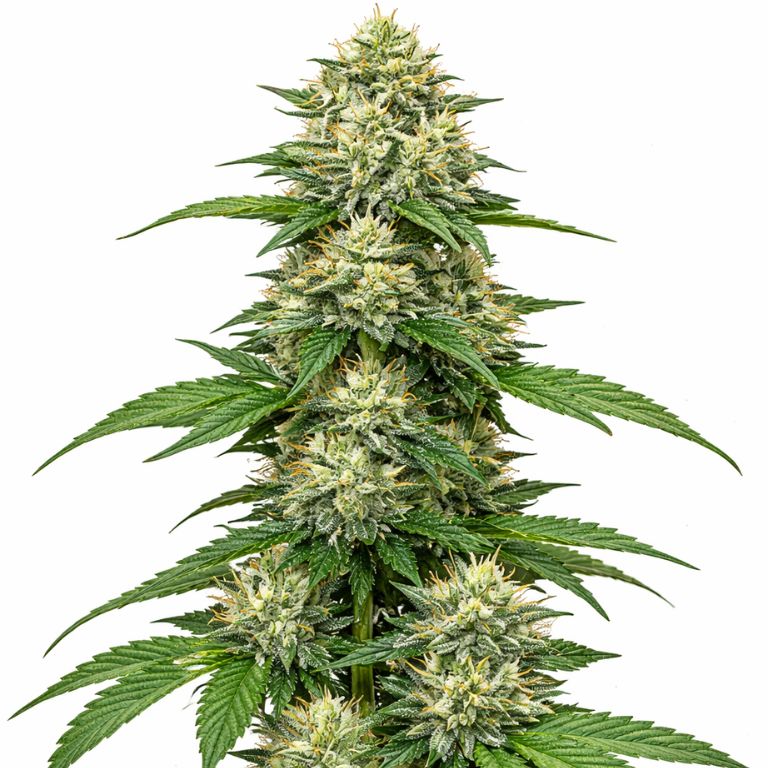
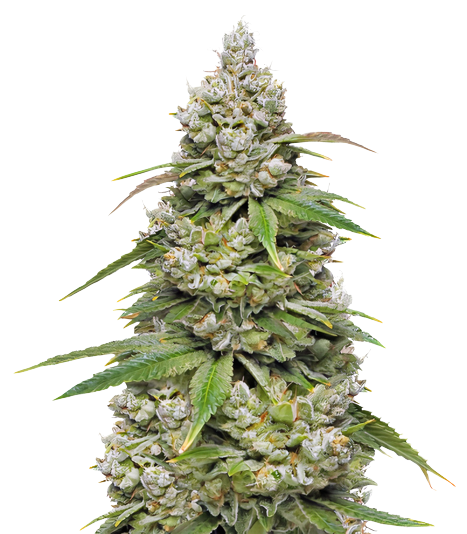
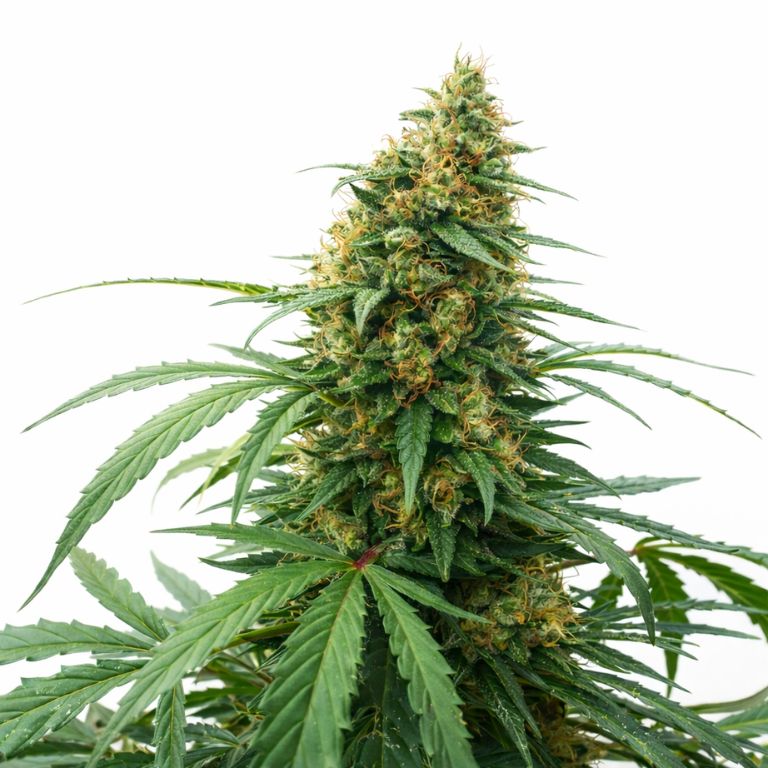
Medical Strain Analysis: Perkin’s CBD
Perkin’s CBD stands out as a specialized cannabis strain designed and cultivated explicitly for its medical potential, drawing attention for its therapeutic applications and minimal psychoactive effects. This strain has become a vital option for individuals seeking relief from various health conditions without experiencing the intoxicating effects associated with tetrahydrocannabinol (THC). Through a detailed exploration of its origins, chemical composition, medical benefits, and cultivation requirements, Perkin’s CBD exemplifies the growing sophistication and specificity in the medical cannabis sector.
Origins and Development of Perkin’s CBD

The origins of Perkin’s CBD trace back to a focused effort by breeders and geneticists to create a strain with an exceptionally high cannabidiol (CBD) content while maintaining a negligible amount of THC. CBD, one of the primary non-intoxicating cannabinoids found in cannabis, has been widely researched for its potential medical properties. However, the challenge for breeders lies in isolating this cannabinoid while minimizing THC, the compound responsible for cannabis’s psychoactive effects. Perkin’s CBD represents the culmination of years of crossbreeding high-CBD strains, rigorous phenotypic selection, and genomic analysis.
The strain’s lineage involves a combination of hemp varieties and traditional cannabis strains renowned for their CBD-heavy profiles. Hemp, a cannabis plant naturally low in THC, provided a genetic foundation for reducing psychoactive effects. At the same time, hybridization with strains such as Harlequin and Charlotte’s Web, both renowned for their therapeutic CBD concentrations, helped increase the potency and efficacy of the strain. The result is a stable genetic profile with a CBD concentration often exceeding 20% and THC levels consistently below the legal threshold of 0.3%.
Perkin’s CBD has gained acclaim for its adaptability, making it suitable for a range of climates and soil types. Moreover, its unique genetic profile has been preserved through advanced breeding techniques such as cloning and tissue culture propagation, ensuring consistency in cannabinoid production across different batches and growing environments.
Chemical Profile and Composition
Perkin’s CBD boasts an intricate chemical composition that underscores its medical potential. Cannabidiol (CBD) serves as the primary active compound, but the strain also contains a broad spectrum of other cannabinoids, terpenes, and flavonoids that contribute to its therapeutic profile. This “entourage effect” amplifies the medicinal efficacy of Perkin’s CBD, as the interaction between these compounds enhances the overall therapeutic experience.
Cannabinoids
- CBD (Cannabidiol): The dominant cannabinoid in Perkin’s CBD, CBD interacts with the endocannabinoid system (ECS) without binding directly to CB1 or CB2 receptors. Instead, it modulates receptor activity, influencing processes such as inflammation, pain perception, and neurological function. Its lack of psychoactivity makes it suitable for a wide demographic of patients.
- THC (Tetrahydrocannabinol): Present only in trace amounts (<0.3%), THC in Perkin’s CBD does not produce noticeable psychoactive effects. However, even in small quantities, THC contributes to the entourage effect, enhancing CBD’s medical benefits.
- CBG (Cannabigerol): CBG is a small cannabinoid that is present in Perkin’s CBD and has demonstrated promise in lowering inflammation, preventing bacterial infections, and fostering neuroprotection.
- CBC (Cannabichromene): Another secondary cannabinoid, CBC works synergistically with CBD to improve mood and reduce pain.
Terpenes
The terpenes in Perkin’s CBD are responsible for its subtle aroma and contribute significantly to its medical properties. Common terpenes in this strain include:
- Myrcene: Known for its sedative properties, myrcene enhances relaxation and pain relief.
- Limonene: Exhibiting anti-anxiety and anti-depressant effects, limonene also possesses anti-inflammatory properties.
- Pinene: This terpene may improve memory and cognitive function while providing anti-inflammatory benefits.
- Linalool: Often associated with lavender, linalool promotes calmness and aids in managing anxiety and stress.
Flavonoids
Flavonoids, the plant pigments responsible for color, are also present in Perkin’s CBD. These compounds exhibit antioxidant and anti-inflammatory properties, adding another layer of therapeutic potential to the strain.
Medical Benefits of Perkin’s CBD

Perkin’s CBD has been the focus of numerous studies and anecdotal reports highlighting its wide range of medical applications. The absence of significant psychoactive effects makes it a versatile option for individuals across age groups, including children and the elderly, who may benefit from cannabis-derived treatments without impairing daily function.
Neurological and Mental Health Conditions
- Epilepsy: One of the most well-documented uses of high-CBD strains like Perkin’s CBD is in managing epilepsy. It has been demonstrated that CBD lessens the frequency and intensity of seizures, especially in conditions like Dravet syndrome and Lennox-Gastaut syndrome that are resistant to treatment. The FDA-approved drug Epidiolex, derived from CBD, serves as a testament to the compound’s efficacy in this area.
- Anxiety and Depression: By modulating serotonin receptors, CBD exhibits anxiolytic and anti-depressive effects. Perkin’s CBD may be especially beneficial for individuals with generalized anxiety disorder, social anxiety, or post-traumatic stress disorder (PTSD), as it helps alleviate symptoms without the sedative or addictive properties associated with conventional medications.
- Neurodegenerative Diseases: Preliminary studies suggest that CBD can slow the progression of neurodegenerative diseases like Alzheimer’s and Parkinson’s. Its neuroprotective properties help reduce oxidative stress and inflammation in brain tissues, potentially improving cognitive function and quality of life for affected individuals.
Pain Management
Perkin’s CBD offers a potent option for managing both acute and chronic pain. Unlike opioids, which carry risks of dependence and side effects, CBD provides a non-addictive alternative for conditions such as:
- Arthritis: By reducing inflammation and modulating pain signals, Perkin’s CBD helps alleviate joint pain and stiffness.
- Neuropathic Pain: Conditions such as multiple sclerosis and diabetic neuropathy often involve nerve pain that is difficult to treat with standard medications. CBD’s ability to modulate neural pathways makes it an effective option.
- Cancer-Related Pain: Patients undergoing cancer treatments often experience severe pain and discomfort. Perkin’s CBD provides relief without interfering with chemotherapy or radiation therapy.
Inflammatory and Autoimmune Conditions
The anti-inflammatory properties of CBD make Perkin’s CBD an excellent choice for conditions characterized by excessive immune system activity:
- Crohn’s Disease and Ulcerative Colitis: CBD may help ease symptoms like diarrhea and stomach pain by lowering inflammation in the gastrointestinal tract.
- Rheumatoid Arthritis: CBD’s immunosuppressive effects help manage joint inflammation and prevent further tissue damage.
- Psoriasis and Eczema: Topical formulations of Perkin’s CBD can reduce skin inflammation and itching, promoting healing.
Cardiovascular Health
CBD’s ability to relax blood vessels and reduce oxidative stress supports cardiovascular health. Perkin’s CBD may help lower blood pressure, reduce the risk of stroke, and mitigate complications from diabetes by improving vascular function and reducing inflammation.
Cancer Support
While not a cure, Perkin’s CBD can play a supportive role in cancer treatment by:
- Reducing Tumor Growth: Preclinical studies suggest that CBD may inhibit the proliferation of certain cancer cells.
- Managing Side Effects: CBD alleviates nausea, vomiting, and loss of appetite associated with chemotherapy, improving patient quality of life.
Pediatric and Geriatric Applications
- Pediatrics: Perkin’s CBD has gained attention as a safe option for managing conditions like epilepsy and autism in children. Its non-psychoactive nature ensures that young patients can benefit without cognitive impairment.
- Geriatrics: For elderly patients, Perkin’s CBD helps manage age-related conditions such as osteoporosis, arthritis, and neurodegenerative diseases. Its safety profile minimizes the risks associated with polypharmacy.
Growing Conditions and Cultivation Requirements

The cultivation of Perkin’s CBD involves meticulous attention to detail to ensure its medical-grade quality. Growers aim to optimize cannabinoid and terpene production while minimizing contaminants and environmental stressors.
Climate and Environment
Perkin’s CBD thrives in both indoor and outdoor environments, provided that temperature and humidity levels are carefully controlled. Optimal conditions include:
- Temperature: Daytime temperatures of 70–80°F (21–27°C) promote healthy growth, while nighttime temperatures should not drop below 60°F (15°C).
- Humidity: Humidity levels between 50–60% during vegetative growth and 40–50% during flowering help prevent mold and mildew.
- Lighting: A light cycle of 18 hours of light and 6 hours of darkness during the vegetative stage, followed by 12 hours of light and darkness during flowering, supports robust growth.
Soil and Nutrients
Perkin’s CBD performs well in nutrient-rich, well-draining soil with a slightly acidic pH of 6.0–6.5. Key nutrients include:
- Nitrogen: Essential during the vegetative stage for leaf development.
- Phosphorus: Promotes flowering and root growth.
- Potassium: Promotes the general health and resilience of plants to stress.
Organic fertilizers, such as compost and bone meal, are often used to ensure a clean and uncontaminated product. Hydroponic systems also work well for indoor cultivation, offering precise control over nutrient delivery.
Pest and Disease Management
To maintain the medical-grade purity of Perkin’s CBD, growers employ organic pest control methods, including beneficial insects, neem oil, and microbial treatments. Preventative measures, such as proper spacing and ventilation, reduce the risk of mold, mildew, and pests.
Harvesting and Processing
Perkin’s CBD requires careful timing for harvest to maximize CBD content. Growers monitor trichomes—the resinous glands on the plant’s surface—for signs of maturity, typically harvesting when trichomes turn milky white. Post-harvest, the plants undergo drying and curing processes to preserve cannabinoids and terpenes while preventing mold growth.
Restricting Perkin’s CBD Use in Medical Applications: A Focus on Last-Resort Treatment and THC Monitoring
Incorporating Perkin’s CBD into medical treatments brings significant therapeutic potential, but its use must be governed by clear regulations and stringent oversight. To ensure its application remains exclusively within the medical field and avoids unintended psychoactive effects, healthcare practitioners and regulatory bodies must adhere to specific guidelines. The following discussion explores the rationale behind restricting Perkin’s CBD to last-resort medical applications and the importance of monitoring THC levels to maintain patient safety.
Medical Use as a Last Resort
While Perkin’s CBD offers a promising alternative for treating various medical conditions, it is essential to position its use as a last-resort option rather than a first-line treatment. This approach ensures that patients have exhausted conventional, well-established therapies before turning to cannabinoid-based interventions. Several factors justify this restriction:
- Regulatory Compliance and Safety:
Restricting Perkin’s CBD to cases where standard treatments have failed or are contraindicated ensures compliance with legal frameworks and minimizes public concern about the widespread use of cannabis-derived products. This approach also underscores a commitment to patient safety, as long-term data on cannabis-based therapies is still developing. - Preserving the Integrity of Evidence-Based Medicine:
Restricting Perkin’s CBD as a last-resort option aligns with the principles of evidence-based medicine, which prioritizes treatments with the most robust clinical data. By positioning Perkin’s CBD as an alternative after established therapies, medical practitioners can ensure its use remains grounded in careful consideration and research. - Reducing Overuse and Dependency Concerns:
While CBD itself is non-intoxicating and non-addictive, overreliance on cannabis-derived therapies could inadvertently contribute to dependency on alternative medications. Restricting Perkin’s CBD to specific medical scenarios mitigates this risk and emphasizes its role as a supplementary option in complex cases. - Targeted Application in Refractory Conditions:
Perkin’s CBD has shown particular efficacy in managing conditions such as treatment-resistant epilepsy, chronic neuropathic pain, and severe anxiety disorders. Restricting its use to cases where these conditions do not respond to conventional therapies helps focus its application where it is most needed.
Monitoring THC Levels to Prevent Psychoactive Effects
Perkin’s CBD is specifically bred to contain minimal THC levels, typically below 0.3%. However, even these trace amounts can have physiological effects, particularly in sensitive individuals or patients requiring prolonged treatment. Monitoring THC levels in Perkin’s CBD-derived medications is crucial to prevent any unintended psychoactive impact. The following measures ensure patient safety and maintain the medical integrity of the strain:
- Regular Batch Testing:
Rigorous batch testing of Perkin’s CBD products ensures that THC levels remain within the legal and therapeutic threshold. Independent laboratories can verify cannabinoid profiles, providing transparency and reliability to healthcare providers and patients. - Standardized Dosing Guidelines:
Establishing standardized dosing guidelines based on THC and CBD concentrations helps clinicians prescribe Perkin’s CBD more accurately. Such guidelines minimize the risk of THC-related side effects while optimizing the therapeutic benefits of CBD. - Personalized Patient Assessment:
Not all patients metabolize cannabinoids in the same way. Factors such as age, weight, metabolism, and genetic predisposition influence individual responses to THC. Monitoring patient reactions and adjusting dosages accordingly is essential for safe and effective treatment. - Enhanced Formulations:
Pharmaceutical formulations of Perkin’s CBD can undergo processes to further isolate CBD and remove residual THC. This approach ensures zero psychoactive impact, making the medication more suitable for vulnerable populations such as children and the elderly. - Education for Healthcare Providers:
Training medical professionals on the pharmacokinetics of cannabinoids, including the potential impact of trace THC, empowers them to make informed decisions. Knowledgeable practitioners are better equipped to address patient concerns and monitor outcomes effectively.
The Role of Regulation and Oversight
Governments and regulatory agencies play a critical role in ensuring Perkin’s CBD remains a controlled and ethical component of medical treatment. Policies that mandate stringent labeling, product testing, and prescription oversight prevent misuse and maintain public confidence in medical cannabis. Additionally, clear guidelines distinguishing medical use from recreational use reinforce the therapeutic intent of Perkin’s CBD.
Ensuring Ethical Use in Vulnerable Populations
Special precautions are necessary when prescribing Perkin’s CBD to vulnerable populations, such as children, pregnant women, and individuals with mental health conditions. For instance:
- Pediatrics: Use of Perkin’s CBD should be limited to conditions such as severe epilepsy, where the benefits clearly outweigh any potential risks. Pediatric patients require lower doses and heightened monitoring for any adverse effects.
- Mental Health: While CBD has anxiolytic properties, trace amounts of THC may exacerbate certain psychiatric conditions. Careful screening and follow-up are necessary when prescribing Perkin’s CBD to individuals with mental health challenges.
Conclusion
The comprehensive analysis of Perkin’s CBD underscores its exceptional potential as a medically-focused cannabis strain, characterized by its high cannabidiol (CBD) content and minimal tetrahydrocannabinol (THC) levels. With roots in meticulous breeding practices aimed at maximizing therapeutic efficacy, Perkin’s CBD has emerged as a vital option for addressing a wide range of medical conditions. Its detailed chemical profile, featuring synergistic cannabinoids, terpenes, and flavonoids, provides a robust foundation for applications in pain management, neurological health, inflammation control, and more, all without inducing psychoactive effects.
Restricting Perkin’s CBD to medical applications ensures its role remains targeted and ethical, addressing complex or treatment-resistant conditions as a last-resort option. This approach not only preserves the integrity of evidence-based medicine but also mitigates the risks of overuse and dependency, ensuring that the strain’s potential is realized in a controlled and responsible manner. By focusing on refractory cases, Perkin’s CBD highlights its unique value in addressing unmet medical needs, such as treatment-resistant epilepsy, chronic neuropathic pain, and severe anxiety disorders.
Equally critical to its medical application is the careful monitoring of THC levels. Though present only in trace amounts, THC can exert subtle effects, particularly in sensitive patients or those requiring long-term therapy. Rigorous testing, personalized dosing, and advanced formulations that isolate CBD further enhance the safety profile of Perkin’s CBD. These practices ensure that patients benefit solely from the therapeutic properties of the strain without experiencing psychoactive side effects, making it suitable for vulnerable populations such as children, the elderly, and individuals with specific health sensitivities.
The cultivation and production of Perkin’s CBD reflect the same meticulous attention to quality, emphasizing optimal growing conditions, organic practices, and strict pest and disease management. This ensures that the strain consistently delivers its intended medical benefits without contamination or variability, meeting the highest standards of medical-grade cannabis.
In conclusion, Perkin’s CBD exemplifies the evolving landscape of medical cannabis, showcasing the potential of targeted cannabinoid therapies when applied responsibly and ethically. By adhering to stringent regulations, restricting its use to medical applications as a last resort, and monitoring its THC content, Perkin’s CBD offers a powerful, non-intoxicating solution for patients seeking relief from debilitating conditions. Its role as a medical tool underscores the importance of innovation, research, and patient-centered care in realizing the future potential of cannabis in medicine.