Get 15% OFF with code GROWNOW15
My Account Order Lookup Cannabis Guides Beginner Seeds Intermediate Seeds Master Seeds

Medical Strain Analysis: Pennywise.

Medical Strain Analysis Pennywise

Medical Strain Analysis: Pennywise

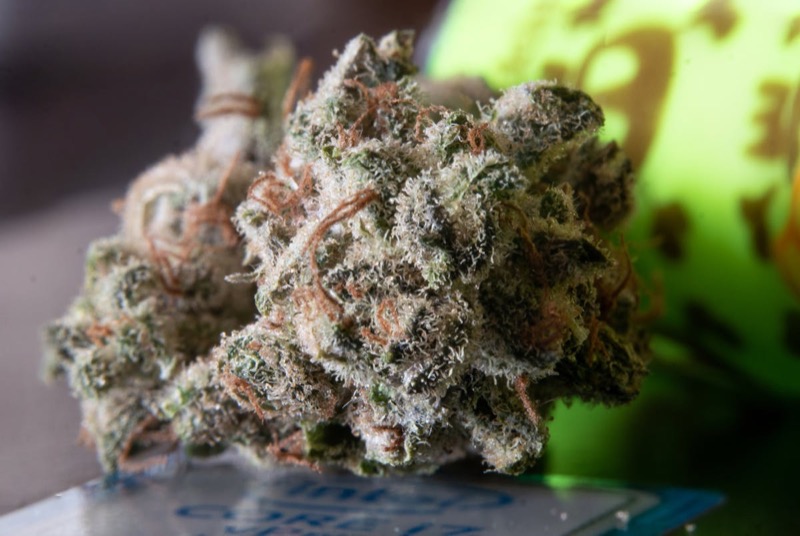
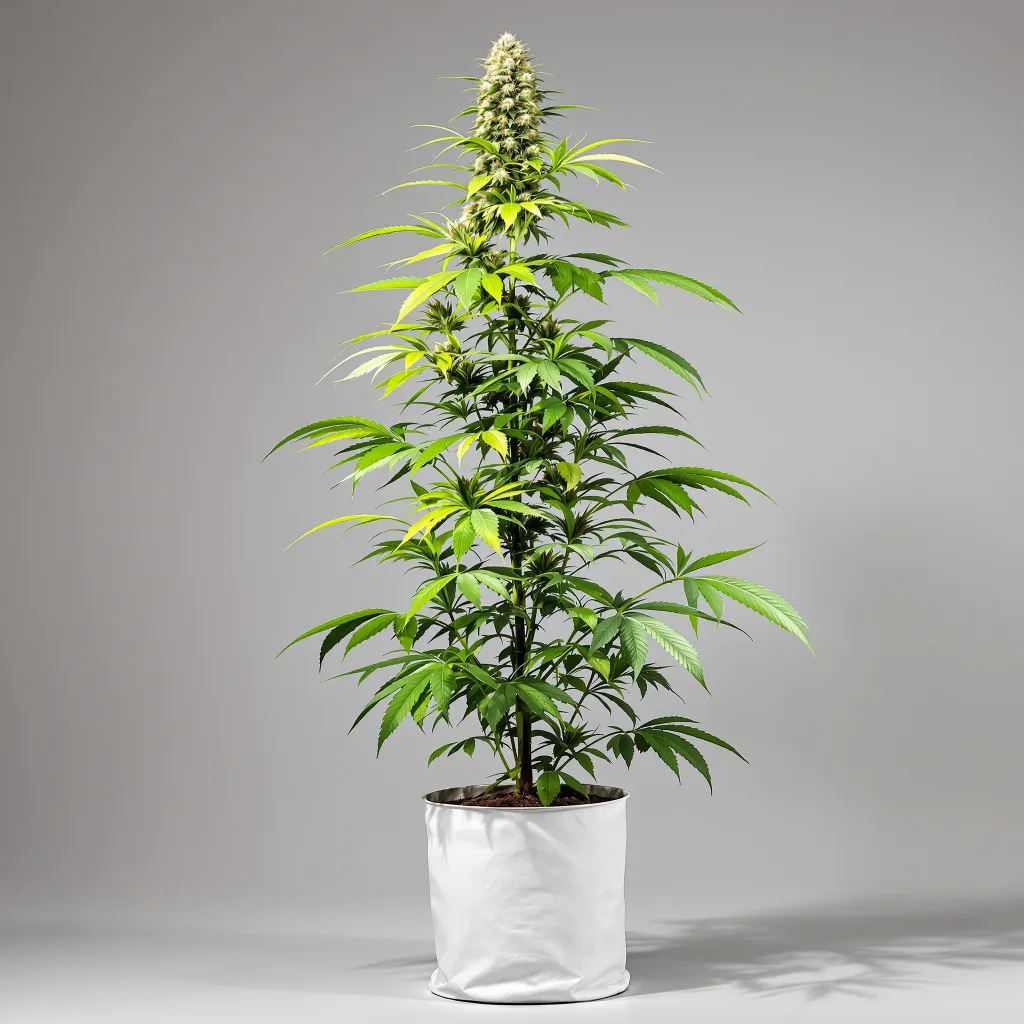
Pennywise is a hybrid cannabis strain that stands out for its unique medicinal properties, high cannabidiol (CBD) content, and balanced cannabinoid profile. A cross between Harlequin and Jack the Ripper, this strain is particularly well-suited for individuals seeking relief from a variety of medical conditions without the intense psychoactive effects associated with high tetrahydrocannabinol (THC) strains. By understanding its origins, chemical profile, medical benefits, and growing conditions, one can gain a deeper appreciation for Pennywise as a therapeutic option.

Origins of Pennywise

The development of Pennywise represents a deliberate effort to create a cannabis strain with a harmonious balance of CBD and THC. The parent strains, Harlequin and Jack the Ripper, each bring distinct characteristics to the hybrid. Harlequin is well-known in the medical cannabis community for its high CBD content and ability to deliver therapeutic effects with minimal intoxication. Jack the Ripper, on the other hand, is a potent THC-dominant strain valued for its uplifting effects and strong resistance to pests and environmental stress.

The breeder Subcool of TGA Genetics is credited with creating Pennywise. Subcool’s vision was to develop a strain that could harness the therapeutic benefits of both CBD and THC, offering relief for a range of conditions while minimizing the risk of adverse psychoactive effects. The result is a strain with a 1:1 ratio of CBD to THC, which allows it to deliver a synergistic effect often referred to as the “entourage effect.” This balance enhances the therapeutic potential of the cannabinoids while reducing the likelihood of intense intoxication.

Chemical Profile

The chemical composition of Pennywise is characterized by its balanced cannabinoid and terpene profile. The key active compounds in this strain include THC, CBD, and a variety of terpenes that contribute to its medicinal effects.

  1. Cannabinoid Content:
    • THC: Pennywise typically contains THC levels ranging from 8% to 15%. This relatively moderate concentration provides a gentle psychoactive experience while enhancing the therapeutic effects of CBD.
    • CBD: With CBD levels mirroring its THC content (8% to 15%), Pennywise is ideal for patients seeking anti-inflammatory, anxiolytic, and neuroprotective benefits. The possible negative effects of THC, such anxiety or paranoia, are mitigated by CBD.
    • CBG and CBC: While present in smaller amounts, these cannabinoids contribute additional therapeutic benefits, including antibacterial and anti-inflammatory properties.
  2. Terpene Profile:
    • Myrcene: Dominant in Pennywise, myrcene is known for its sedative and analgesic properties. It may enhance the strain’s ability to relieve pain and promote relaxation.
    • Pinene: This terpene is valued for its anti-inflammatory and bronchodilatory effects, potentially aiding patients with respiratory conditions such as asthma.
    • Limonene: Known for its uplifting and stress-relieving properties, limonene may contribute to the strain’s ability to alleviate symptoms of anxiety and depression.
    • Caryophyllene: With potent anti-inflammatory and analgesic properties, caryophyllene may be particularly useful for patients managing chronic pain or inflammatory conditions.
Medical Benefits
Medical Benefits of Pennywise

Pennywise is widely regarded as a medicinal powerhouse due to its balanced cannabinoid profile. The therapeutic effects of this strain are diverse, making it suitable for addressing a broad range of health concerns.

1. Chronic Pain Management

Pain is one of the most common reasons patients turn to medical cannabis, and Pennywise excels in this area. The combination of THC and CBD offers a comprehensive approach to pain relief:

  • THC’s Analgesic Properties: THC activates CB1 receptors in the brain and central nervous system, modulating pain perception and reducing the intensity of pain signals.
  • CBD’s Anti-Inflammatory Effects: CBD works by suppressing the production of pro-inflammatory cytokines and inhibiting the activation of pain pathways in the peripheral nervous system.
  • Terpene Contributions: Myrcene enhances the strain’s analgesic properties by relaxing muscles and reducing stiffness, while caryophyllene directly interacts with CB2 receptors to reduce inflammation.

Conditions Benefiting from Pain Relief:

  • Arthritis
  • Fibromyalgia
  • Neuropathy (e.g., diabetic neuropathy or chemotherapy-induced neuropathy)
  • Migraines and chronic headaches
  • Post-surgical recovery pain
2. Anxiety and Stress Relief

Pennywise’s balanced cannabinoid content is particularly effective in treating anxiety-related disorders. Unlike THC-dominant strains, which can sometimes exacerbate anxiety, Pennywise’s CBD counteracts this effect, promoting relaxation without excessive sedation.

  • CBD’s Anxiolytic Mechanisms: CBD modulates serotonin receptor activity (5-HT1A), improving mood and reducing feelings of worry or restlessness.
  • THC’s Role in Small Doses: Low levels of THC, as found in Pennywise, can provide mild euphoria and help alleviate stress without overwhelming psychoactive effects.
  • Terpenes Supporting Anxiety Relief:
    • Limonene: Known for its ability to elevate mood and reduce cortisol levels, which are often elevated in chronic stress.
    • Pinene: Helps improve focus and reduce racing thoughts, a common symptom of anxiety disorders.

Conditions Benefiting from Anxiety and Stress Relief:

  • Generalized anxiety disorder (GAD)
  • Social anxiety disorder (SAD)
  • Post-traumatic stress disorder (PTSD)
  • Stress-induced insomnia
3. Neuroprotection and Neurological Disorders

Pennywise shows significant promise in protecting the brain and supporting individuals with neurological conditions. Its cannabinoid and terpene composition work synergistically to mitigate neuroinflammation, oxidative stress, and excitotoxicity, which are central to many neurological disorders.

  • CBD’s Neuroprotective Effects:
    • Reduces neuroinflammation by inhibiting microglial activation.
    • Neutralizes oxidative stress, a major contributor to neuronal damage.
  • THC’s Role in Neurological Function:
    • May reduce tremors, spasticity, and muscle rigidity in conditions like multiple sclerosis and Parkinson’s disease.
    • Enhances quality of life by improving motor control and reducing the frequency of involuntary movements.
  • Terpenes Contributing to Neuroprotection:
    • Pinene: May improve cognitive function and counteract memory impairment.
    • Caryophyllene: Provides anti-inflammatory benefits specific to brain health.

Conditions Benefiting from Neuroprotective Properties:

  • Parkinson’s disease
  • Multiple sclerosis (MS)
  • Epilepsy and seizure disorders
  • Alzheimer’s disease
  • Huntington’s disease
4. Anti-Inflammatory Effects

Inflammation is a root cause of many chronic illnesses, and Pennywise’s potent anti-inflammatory properties make it an excellent choice for managing these conditions. CBD and caryophyllene are the key players in reducing inflammation:

  • CBD:
    • Reduces cytokine and chemokine production, which are molecules that drive inflammation.
    • Inhibits the migration of immune cells to inflamed tissues.
  • Caryophyllene:
    • Targets CB2 receptors in immune cells to directly suppress inflammatory responses.

Conditions Benefiting from Anti-Inflammatory Effects:

  • Rheumatoid arthritis
  • Crohn’s disease
  • Ulcerative colitis
  • Psoriasis and eczema
  • Lupus
  • Chronic obstructive pulmonary disease (COPD)
5. Cancer Symptom Relief

Cancer patients often turn to cannabis to manage the side effects of treatment, and Pennywise offers a range of benefits that can improve quality of life during this challenging time.

  • Nausea and Vomiting: THC’s antiemetic properties are well-documented and can be highly effective for reducing chemotherapy-induced nausea.
  • Pain Relief: THC and CBD work together to reduce discomfort related to cancer and its therapies.
  • Appetite Stimulation: THC can increase appetite and counteract cancer-related weight loss and cachexia.
  • Anti-Tumor Potential (Emerging Research): Preliminary studies suggest that CBD may inhibit cancer cell proliferation and induce apoptosis (programmed cell death) in some cancers.

Conditions Benefiting from Cancer Symptom Relief:

  • Chemotherapy-induced nausea and vomiting
  • Cancer pain
  • Cachexia and appetite loss
6. Insomnia and Sleep Disorders

Pennywise is highly effective for promoting restful sleep due to its sedative effects, driven primarily by myrcene and the balanced cannabinoid profile:

  • Myrcene: Myrcene, which is well-known for its relaxing and sleep-inducing qualities, can make it easier for patients to fall asleep and stay asleep for longer.
  • THC and CBD Synergy: By treating underlying issues like pain or anxiety, this combination shortens the time it takes to fall asleep while enhancing the general quality of sleep.

Conditions Benefiting from Sleep Support:

  • Insomnia
  • Sleep apnea
  • Restless leg syndrome
  • Sleep problems brought on by PTSD or chronic pain
7. Cardiovascular Health

According to new research, CBD-rich strains like Pennywise may help heart health by lowering oxidative stress and raising blood pressure:

  • CBD’s Effects on Cardiovascular Health:
    • Reduces arterial stiffness and promotes vasodilation, which can help lower blood pressure.
    • Acts as an antioxidant, reducing damage to blood vessels caused by free radicals.
  • Stress Reduction: By lowering anxiety and cortisol levels, Pennywise indirectly supports cardiovascular health, as chronic stress is a known risk factor for heart disease.

Conditions Benefiting from Cardiovascular Support:

  • Hypertension
  • Atherosclerosis
  • Post-heart attack recovery
8. Seizure Disorders

The high CBD content in Pennywise makes it an effective option for managing seizure disorders, particularly for patients who are resistant to traditional anticonvulsant medications.

  • Mechanism of Action: CBD interacts with TRPV1 receptors, which are involved in the regulation of neuronal excitability. This helps stabilize overactive neural circuits that lead to seizures.
  • Research Evidence: Studies on CBD-rich cannabis strains have shown significant reductions in seizure frequency in conditions such as Lennox-Gastaut syndrome and Dravet syndrome.

Conditions Benefiting from Anti-Seizure Effects:

  • Epilepsy
  • Lennox-Gastaut syndrome
  • Dravet syndrome
9. Appetite Stimulation

While Pennywise is not as potent an appetite stimulant as THC-dominant strains, its moderate THC content can still help patients experiencing appetite loss due to chronic illness or treatment side effects.

  • THC’s Role in Appetite: THC activates CB1 receptors in the hypothalamus, the brain’s hunger center, increasing appetite and enhancing the pleasure of eating.
  • CBD’s Supporting Role: CBD can reduce nausea and vomiting, making it easier for patients to consume and retain food.

Conditions Benefiting from Appetite Stimulation:

  • Cachexia (wasting syndrome)
  • HIV/AIDS
  • Chronic illness-related appetite loss
10. Autoimmune Disease Management

Autoimmune diseases often involve a combination of chronic inflammation and immune system dysfunction. Pennywise’s cannabinoids and terpenes can help regulate immune activity and alleviate symptoms:

  • CBD and Immune Modulation: CBD helps balance immune system activity by suppressing overactive immune responses while preserving necessary immune function.
  • Caryophyllene’s Anti-Inflammatory Role: By targeting CB2 receptors, caryophyllene reduces inflammation and immune-mediated tissue damage.

Conditions Benefiting from Immune Regulation:

  • Lupus
  • Multiple sclerosis
  • Hashimoto’s thyroiditis
  • Psoriasis
Growing Conditions
Growing Conditions 4

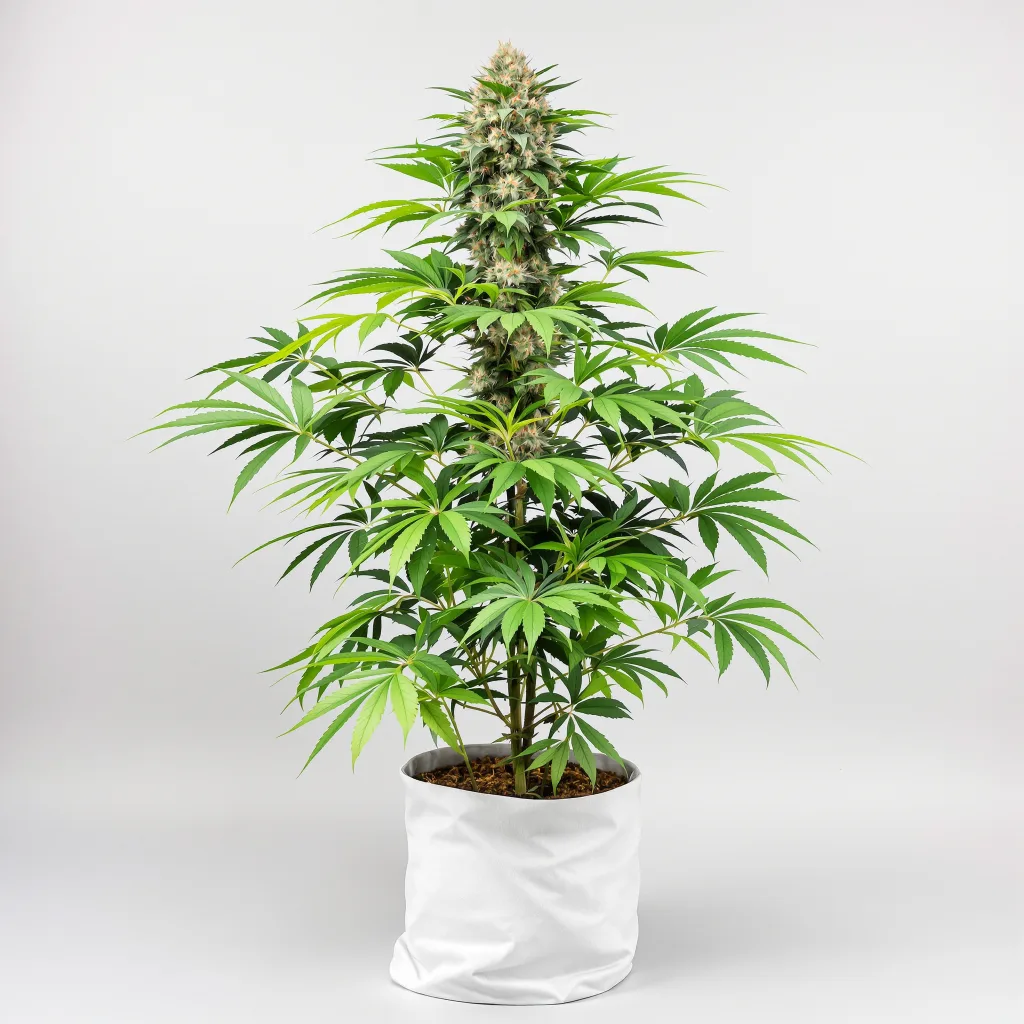
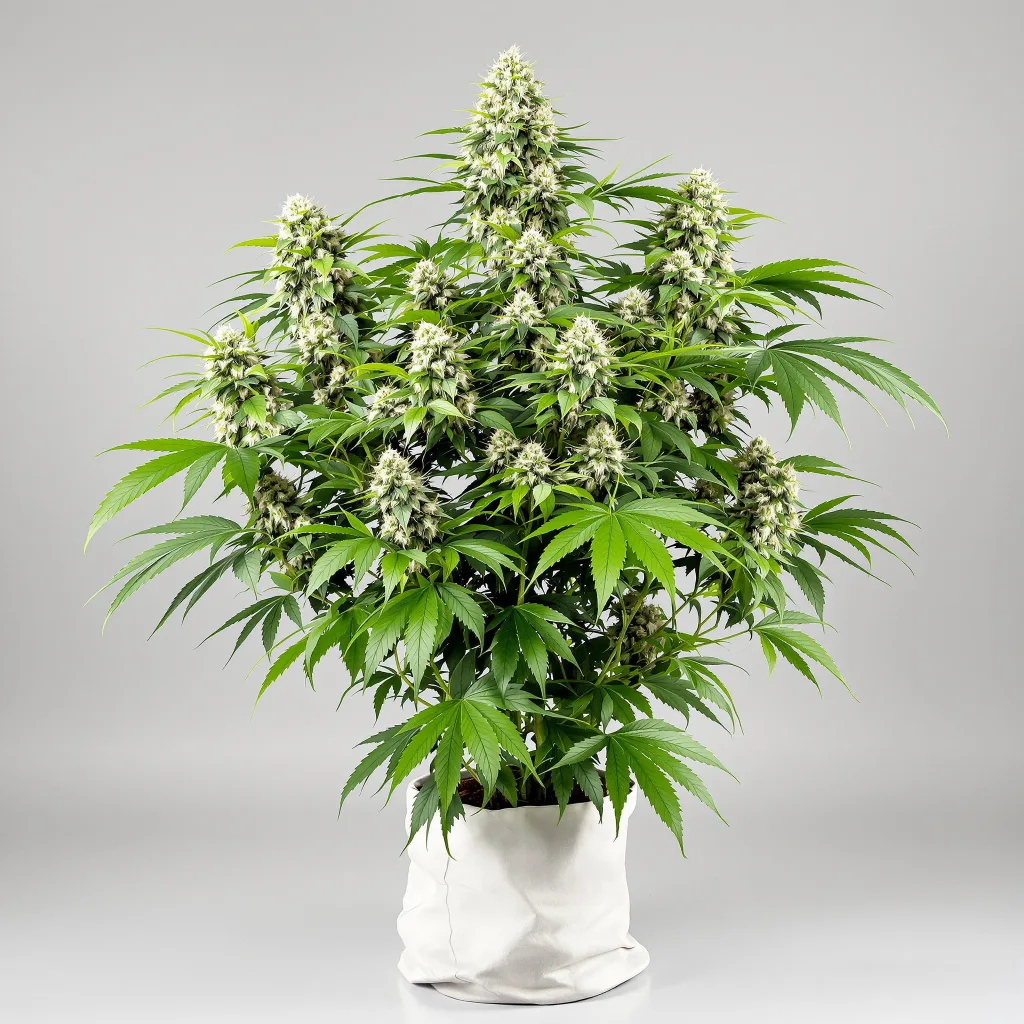
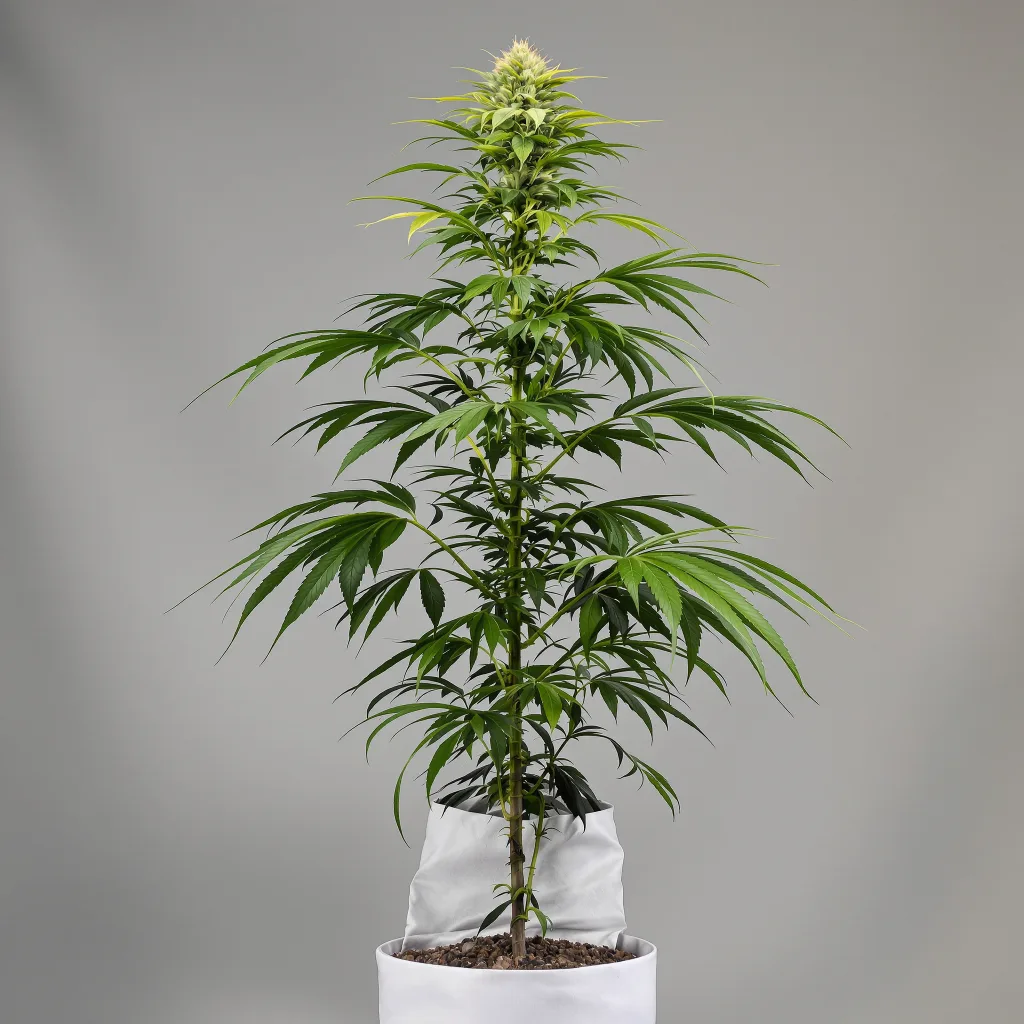
Cultivating Pennywise requires attention to detail to maximize its yield and potency. While not particularly challenging to grow, this strain does have specific needs that must be met to achieve optimal results.

  1. Climate Requirements: Pennywise thrives in a temperate climate with moderate humidity levels. Although it may be cultivated both indoors and outdoors, indoor growing gives you more control over environmental elements like humidity and temperature. The ideal temperature range for Pennywise is between 70°F and 80°F (21°C to 27°C).
  2. Soil and Nutrients: Rich, well-aerated soil is essential for healthy growth. Organic soil enriched with compost or worm castings can enhance terpene production, which contributes to the strain’s therapeutic properties. Nutrient requirements include a balanced supply of nitrogen, phosphorus, and potassium, with reduced nitrogen levels during the flowering stage to encourage bud development.
  3. Lighting: Sufficient illumination is essential for indoor gardening. Pennywise responds well to both high-intensity discharge (HID) lights and light-emitting diode (LED) systems. During the vegetative stage, a light cycle of 18 hours on and 6 hours off promotes robust growth, while a 12/12 light cycle triggers flowering.
  4. Humidity Control: Particularly during the blossoming stage, maintaining appropriate humidity levels is essential to avoiding mold and mildew. Humidity should be kept between 40% and 50% during flowering, with good air circulation to minimize the risk of fungal infections.
  5. Flowering Time and Yield: Pennywise has a relatively short flowering period of 8 to 10 weeks, making it an attractive option for growers seeking a quick turnaround. The yields are moderate; under optimum conditions, outdoor plants can produce up to 18 ounces per plant, while indoor plants can produce between 10 to 16 ounces per square meter.
  6. Pest and Disease Resistance: Thanks to its Jack the Ripper lineage, Pennywise exhibits strong resistance to pests and diseases. Growers should still keep an eye out for common problems like powdery mildew, aphids, and spider mites, though. Preventive measures include maintaining cleanliness in the grow area and using organic pest control methods.
  7. Harvesting and Curing: Harvesting Pennywise at the right time is essential to preserve its therapeutic properties. Trichome color is a reliable indicator of readiness; a mix of cloudy and amber trichomes signifies peak potency. After harvesting, the buds should be dried slowly in a dark, well-ventilated space and cured in airtight containers for several weeks to enhance flavor, potency, and shelf life.
Restrictions on Using Pennywise in Medical Applications and Monitoring THC Levels

In the medical field, the use of Pennywise as a treatment option is often approached with caution due to its THC content. While the strain is highly regarded for its balanced cannabinoid profile, which offers therapeutic benefits, its potential psychoactive effects necessitate strict regulations and monitoring.

Use as a Last Resort

Pennywise is generally recommended as a treatment option only after conventional medications or therapies have proven ineffective. Conditions such as treatment-resistant epilepsy, chronic pain, or severe anxiety disorders may justify its use under medical supervision. By positioning Pennywise as a last resort, healthcare providers can ensure that patients have explored safer or more conventional treatment pathways first.

Monitoring THC Levels

To minimize the psychoactive effects of THC, it is critical to closely monitor its concentration in any medication derived from Pennywise. THC’s psychoactivity can pose risks such as impaired cognitive function or anxiety, particularly in vulnerable populations like children, the elderly, or individuals with mental health disorders. Medical formulations should aim for a THC concentration at the lower end of the strain’s typical range (8-15%) while ensuring adequate levels of CBD to counterbalance potential side effects. This balance is essential for maintaining therapeutic efficacy without compromising patient safety.

Strict Oversight and Administration

Pennywise-derived medications should only be used under the guidance of a qualified healthcare provider. Regular assessments of the patient’s response to treatment, including mental state evaluations and symptom tracking, are vital. Furthermore, restrictions on self-administration ensure that the strain is used strictly for medical purposes and not recreationally, adhering to legal and ethical standards in medical cannabis use.

Conclusion

Pennywise stands as a prime example of how cannabis can be harnessed for medical purposes, offering a balanced and versatile therapeutic option for a wide range of conditions. Its origins as a cross between Harlequin and Jack the Ripper underscore a deliberate effort to combine high-CBD content with moderate THC levels, creating a strain that maximizes medicinal benefits while minimizing adverse psychoactive effects.

The chemical profile of Pennywise, particularly its 1:1 ratio of CBD to THC, is pivotal to its success in the medical field. This balance ensures synergistic benefits, often referred to as the “entourage effect,” where cannabinoids and terpenes work together to enhance therapeutic outcomes. Its terpene profile, dominated by myrcene, caryophyllene, and limonene, contributes additional anti-inflammatory, analgesic, anxiolytic, and neuroprotective properties.

The medical benefits of Pennywise are vast, making it a valuable tool for conditions such as chronic pain, anxiety, neurological disorders, inflammation, and cancer treatment side effects. It offers targeted symptom relief for patients who may not respond well to conventional treatments. For instance, its ability to reduce seizures, promote restful sleep, and alleviate anxiety has made it an appealing option for many patients. However, its mild THC content requires careful monitoring, especially for populations sensitive to psychoactive effects.

Cultivating Pennywise is relatively straightforward, but its therapeutic value is maximized when grown under optimal conditions. Controlled environments, organic soil, and precise nutrient management contribute to the production of high-quality medicine, rich in cannabinoids and terpenes.

Given its psychoactive potential, Pennywise is best reserved for cases where other treatments have failed. Strict oversight is necessary, including monitoring THC levels in medical formulations to ensure patient safety. Used responsibly under professional guidance, Pennywise can provide substantial relief while adhering to ethical medical practices.

In summary, Pennywise represents a compelling option in the realm of medical cannabis. Its balanced cannabinoid profile, wide-ranging therapeutic effects, and manageable cultivation make it a versatile and effective strain when used under appropriate conditions. With proper regulation and careful application, Pennywise offers a path to improved health and quality of life for countless patients.

Share

Leave a comment

Your email address will not be published. Required fields are marked *