Get 15% OFF with code GROWNOW15
My Account Order Lookup Cannabis Guides Beginner Seeds Intermediate Seeds Master Seeds

Medical Strain Analysis: Mountain Mist.

Medical Strain Analysis Mountain Mist

Medical Strain Analysis: Mountain Mist

Mountain Mist is a cannabis strain that has garnered attention in the medical community for its therapeutic benefits. This strain, with its unique chemical profile and distinct lineage, has become a subject of interest among researchers, cultivators, and patients alike. Its medical applications are rooted in its ability to address a range of conditions, offering relief for those seeking natural remedies. Here, we delve into the origins, chemical composition, medical applications, and optimal growing conditions of Mountain Mist to provide a comprehensive understanding of this medicinal strain.

Origins of Mountain Mist

The origins of Mountain Mist trace back to a meticulous breeding process that focused on combining strains with robust therapeutic profiles. While the exact parentage is often proprietary information, it is believed that Mountain Mist is the result of crossing a high-CBD landrace strain with a hybrid known for its calming and anti-inflammatory properties. This lineage was carefully selected to enhance the strain’s medicinal value, aiming to maximize the presence of cannabinoids and terpenes that support therapeutic use.

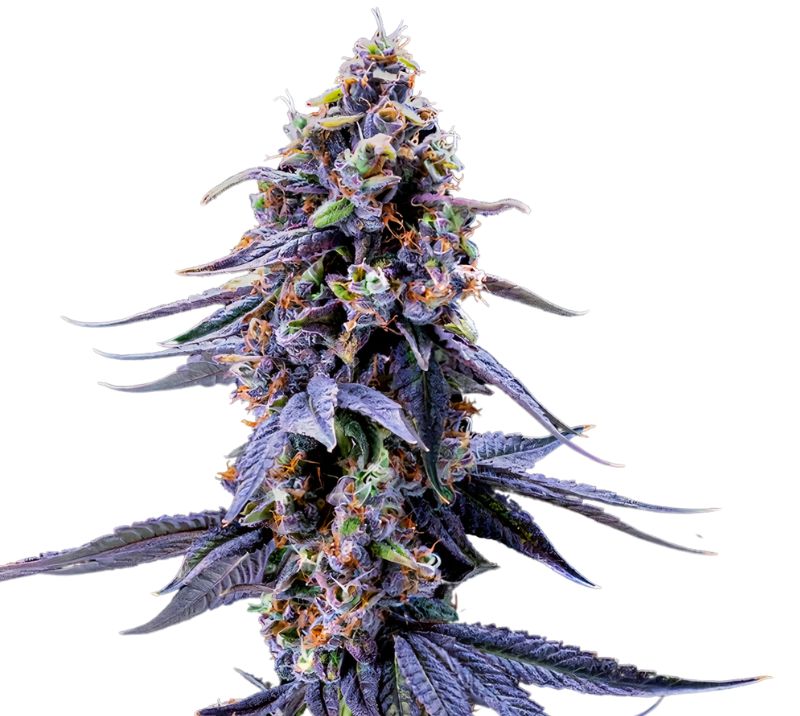
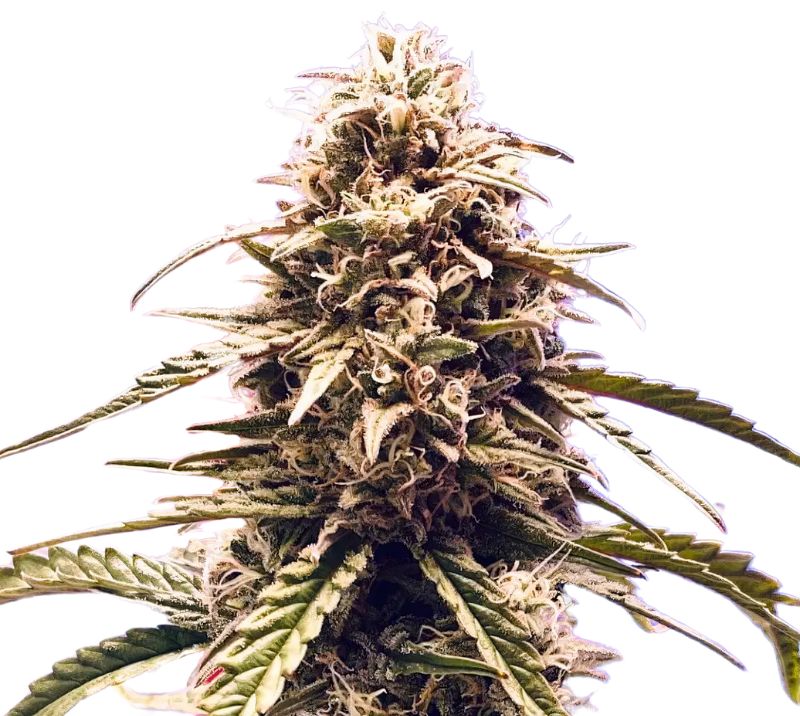
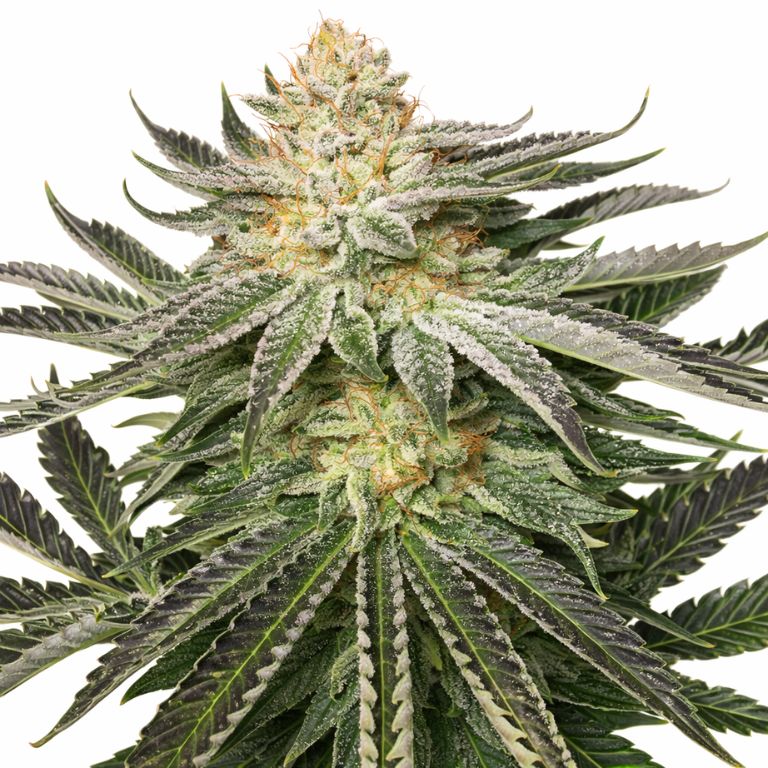
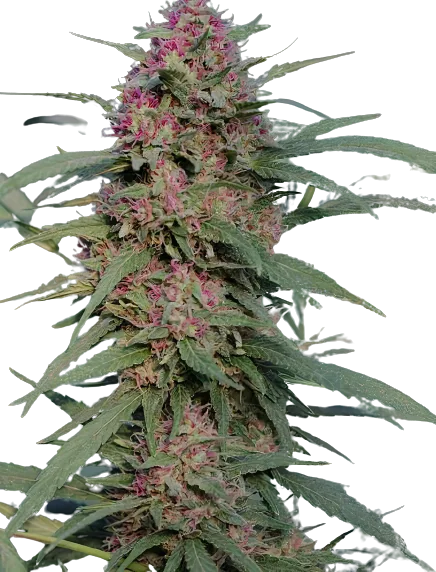
Mountain Mist owes much of its name to the environmental conditions in which it thrives. Cultivated in regions with cooler climates and moderate humidity, the strain’s growth reflects a harmonious adaptation to these environments. It is particularly well-suited to mountainous terrains, where the misty conditions foster the development of its characteristic resin-rich buds. The strain’s adaptability has allowed it to become a favorite among medical growers looking to cultivate a reliable and potent therapeutic option.

Chemical Profile of Mountain Mist

The therapeutic potential of Mountain Mist lies in its rich chemical profile, characterized by an abundance of cannabinoids and terpenes. This strain is typically high in cannabidiol (CBD), with levels often exceeding 10%, while maintaining a moderate tetrahydrocannabinol (THC) content of around 5–8%. The low THC concentration ensures minimal psychoactive effects, making it a preferred choice for patients who wish to avoid any intoxicating experiences while benefiting from the plant’s medicinal properties.

Cannabinoids
  1. CBD (Cannabidiol): The dominant cannabinoid in Mountain Mist, CBD is renowned for its anti-inflammatory, analgesic, anxiolytic, and neuroprotective properties. Its high concentration in this strain makes it particularly effective for managing chronic pain, anxiety, and neurological disorders.
  2. THC (Tetrahydrocannabinol): While present in moderate amounts, THC contributes to the strain’s therapeutic effects by enhancing pain relief and providing a mild mood uplift. Its balanced presence works synergistically with CBD to enhance the “entourage effect,” where cannabinoids work together to amplify their benefits.
  3. CBG (Cannabigerol): Found in trace amounts, CBG adds to the strain’s anti-inflammatory and antibacterial properties, further enhancing its medical utility.
Terpenes

Mountain Mist boasts a unique terpene profile that not only influences its aroma and flavor but also plays a significant role in its therapeutic effects:

  1. Myrcene: Known for its sedative and muscle-relaxing properties, myrcene is the dominant terpene in Mountain Mist. It is particularly beneficial for patients dealing with insomnia or muscle spasms.
  2. Limonene: This citrus-scented terpene is associated with mood enhancement and stress relief. Its presence in Mountain Mist complements the anxiolytic effects of CBD.
  3. Beta-Caryophyllene: A terpene with strong anti-inflammatory and analgesic properties, beta-caryophyllene interacts with the body’s endocannabinoid system, making it effective for managing pain and inflammation.
  4. Pinene: Known for its bronchodilator properties, pinene can help improve respiratory function, making Mountain Mist potentially beneficial for patients with asthma or other respiratory conditions.
Medical Benefits of Mountain Mist

The therapeutic versatility of Mountain Mist has made it a valuable strain in the realm of medical cannabis. Its balanced cannabinoid profile, combined with its rich terpene content, allows it to address a wide range of health conditions. Below are the primary medical benefits associated with Mountain Mist:

Pain Management

One of the most significant medical applications of Mountain Mist is its efficacy in managing chronic and acute pain. The high CBD content works as an effective analgesic by interacting with the endocannabinoid system to regulate pain perception. Additionally, the presence of beta-caryophyllene enhances its anti-inflammatory properties, making it suitable for conditions like arthritis, fibromyalgia, and neuropathic pain.

Patients with chronic pain often report a reduction in discomfort without the sedative side effects associated with opioids. This makes Mountain Mist a safer and more sustainable alternative for long-term pain management.

Anxiety and Stress Relief

Mountain Mist is highly regarded for its ability to alleviate anxiety and stress. The synergy between CBD and limonene creates a calming effect on the mind, helping patients manage symptoms of generalized anxiety disorder (GAD), social anxiety, and post-traumatic stress disorder (PTSD). Unlike conventional anti-anxiety medications, this strain does not produce dependency or withdrawal symptoms, offering a natural and holistic approach to mental health.

Sleep Disorders

For patients struggling with insomnia or other sleep disorders, Mountain Mist offers a gentle sedative effect that promotes restful sleep. The myrcene content enhances relaxation, while the strain’s overall calming properties help reduce racing thoughts and physical restlessness. Regular use under medical supervision can improve sleep quality and duration, particularly for individuals with sleep disruptions caused by chronic pain or anxiety.

Neurological Disorders

The neuroprotective properties of CBD make Mountain Mist a promising option for managing neurological conditions. According to preliminary research, it might assist epileptic patients—especially those who are not responding well to conventional treatments—have fewer and milder seizures. Additionally, its anti-inflammatory and antioxidant effects can slow the progression of neurodegenerative diseases such as Alzheimer’s and Parkinson’s.

Inflammatory Conditions

Mountain Mist’s strong anti-inflammatory properties make it beneficial for conditions characterized by chronic inflammation. These include autoimmune disorders like Crohn’s disease, ulcerative colitis, and multiple sclerosis. By reducing inflammation at the cellular level, this strain can help alleviate symptoms and improve overall quality of life for patients with these conditions.

Respiratory Support

While cannabis use for respiratory conditions is often approached with caution, Mountain Mist’s terpene profile, particularly the presence of pinene, suggests potential benefits for patients with asthma or other respiratory issues. Pinene’s bronchodilator effects can help improve airflow and reduce respiratory discomfort, though further research is needed to confirm these benefits.

Adjunct Therapy for Cancer Treatment

Patients undergoing cancer treatment often experience debilitating side effects such as nausea, loss of appetite, and neuropathic pain. Mountain Mist can serve as an adjunct therapy by mitigating these symptoms. Its mild THC content helps stimulate appetite and reduce nausea, while CBD provides pain relief and combats inflammation.

Growing Conditions for Mountain Mist

Mountain Mist is a versatile strain that can be grown in various conditions, though its optimal yield and potency are achieved in environments that mimic its native habitat. Cultivators aiming to grow this strain for medical purposes must pay close attention to several factors, including climate, soil quality, and nutrient management.

Climate

Mountain Mist thrives in cool, misty climates with moderate humidity levels. The optimal temperature range is 60°F to 75°F (15°C to 24°C). While it can tolerate occasional temperature fluctuations, prolonged exposure to extreme heat or cold can hinder its growth and resin production.

Outdoor cultivation is most successful in regions with a consistent mist or light rain, as these conditions enhance the development of trichomes and terpenes. By keeping controlled humidity levels between 50 and 60 percent during the vegetative period and a little lower during flowering, indoor growers may mimic these circumstances.

Soil and Nutrients

Rich, well-draining soil with a slightly acidic pH (6.0–6.5) is ideal for Mountain Mist. Organic soil amendments, such as compost and worm castings, provide essential nutrients while promoting microbial activity. The strain responds well to a balanced nutrient regimen, particularly during the flowering stage when phosphorus and potassium requirements increase.

To maximize cannabinoid and terpene production, many cultivators opt for organic or “living soil” techniques. These methods enhance the plant’s natural ability to absorb nutrients, resulting in a cleaner and more medicinally potent product.

Light and Watering

Mountain Mist requires adequate light exposure to flourish. For outdoor growers, locations with full sun exposure during the growing season are preferred. Indoor growers should use full-spectrum LED lights to simulate natural sunlight. To achieve the best growth, the light cycle should be 18 hours on and 6 hours off during the vegetative stage and 12 hours on and 12 hours off during blooming.

Watering practices should aim to maintain consistent soil moisture without over-saturating the roots. Drip irrigation systems are particularly effective for maintaining the precise hydration levels required by this strain.

Pest and Disease Management

Mountain Mist exhibits natural resistance to many common pests and diseases, but proactive management is essential to ensure a healthy crop. Without sacrificing the medicinal qualities of the strain, organic pest management techniques like employing neem oil or introducing beneficial insects can successfully repel pests. Proper air circulation and humidity control prevent the development of mold and mildew, particularly during the flowering stage.

Harvesting and Curing

The flowering period for Mountain Mist typically lasts 8–10 weeks. Harvesting at the right time is crucial to preserve the strain’s medicinal properties. Growers should monitor the trichomes, which should appear milky white with some amber hues when the plant is ready for harvest.

After harvesting, proper curing is essential to enhance the strain’s cannabinoid and terpene profile. This involves drying the buds in a dark, well-ventilated space at around 60°F (15°C) and 55–65% humidity for 7–10 days, followed by storing them in airtight containers for several weeks. Regularly burping the containers during this period helps release excess moisture and ensures a high-quality final product.

Restrictions on Using Mountain Mist in the Medical Field

Mountain Mist, despite its significant therapeutic potential, must be used with caution in the medical field. Regulatory and ethical considerations play a critical role in its application, ensuring that patient safety and efficacy are prioritized. Its use is often restricted to specific medical conditions, administered under controlled environments, and typically considered a last resort after conventional treatments have failed. This approach minimizes risks associated with its psychoactive components and optimizes patient outcomes.

Mountain Mist as a Last Resort in Medical Treatment

Mountain Mist’s medical applications are generally reserved for patients who have not responded adequately to traditional pharmaceutical treatments. This last-resort status is justified by the need to thoroughly explore and exhaust conventional options, many of which are backed by decades of research and carry predictable risk profiles. For example:

  1. Chronic Pain: Mountain Mist may be prescribed to patients with conditions like fibromyalgia or neuropathic pain only after standard analgesics, including opioids or NSAIDs, have proven ineffective or caused intolerable side effects.
  2. Epilepsy: For treatment-resistant epilepsy, such as Dravet syndrome, Mountain Mist’s high-CBD profile may be considered after multiple antiepileptic drugs fail to control seizures.
  3. Mental Health Disorders: Its use for anxiety, PTSD, or sleep disorders is generally approved only when patients experience minimal to no relief from therapy or standard medications like SSRIs, benzodiazepines, or sleep aids.

This last-resort approach not only ensures that cannabis-based treatments are used responsibly but also helps collect evidence-based data on their effectiveness in real-world scenarios.

Monitoring THC Levels to Prevent Psychoactive Effects

One of the most critical aspects of using Mountain Mist in a medical context is the careful monitoring of its THC content to avoid psychoactive effects. THC (tetrahydrocannabinol) is the primary psychoactive compound in cannabis, and even at moderate levels, it can produce euphoria, cognitive impairment, or altered perception, which may be undesirable or harmful in a medical setting.

Low-THC Formulations

To mitigate these risks, medical formulations derived from Mountain Mist are typically engineered to contain minimal THC. THC concentrations are kept below thresholds that might induce psychoactivity, generally under 1% or entirely excluded in isolated CBD formulations. This allows patients to benefit from the therapeutic effects of CBD and other cannabinoids without experiencing mental or emotional disturbances.

Titration and Microdosing

Dosages are carefully titrated, starting with the lowest possible amount to assess tolerance and efficacy. Microdosing protocols ensure that patients receive therapeutic benefits without excessive exposure to THC. Physicians monitor the patient’s response to treatment, adjusting the dosage based on symptom relief and side effect profile.

Regular Testing and Standardization

All medical cannabis products, including those derived from Mountain Mist, must undergo rigorous testing to verify cannabinoid concentrations. Standardized production methods ensure consistency across batches, eliminating variability that could compromise patient safety or efficacy. This monitoring extends to ensuring that THC levels remain compliant with regulatory limits.

Controlled Access and Prescription Guidelines

Access to Mountain Mist is tightly controlled in medical contexts. It can only be prescribed by licensed healthcare providers with expertise in cannabinoid therapies. Additionally, patients must meet strict eligibility criteria, which include:

  1. Diagnosis of a Qualifying Condition: Only patients with specific medical conditions recognized by local or national health authorities may qualify for treatment with Mountain Mist.
  2. Documentation of Previous Treatments: Medical records must demonstrate that other treatments have been attempted and failed before resorting to cannabis-based therapies.
  3. Informed Consent: Patients must be thoroughly educated about the potential risks, benefits, and side effects of using Mountain Mist. This includes discussing the possibility of THC-related psychoactive effects, even if minimal.
  4. Monitoring and Follow-Up: Continuous monitoring is essential to assess the effectiveness of the treatment and detect any adverse effects. Patients are required to attend regular follow-up appointments to ensure the therapy remains safe and effective.
Ethical and Regulatory Considerations

The use of Mountain Mist in the medical field is subject to stringent ethical and regulatory oversight. Governing bodies, such as the FDA in the United States or the EMA in Europe, mandate extensive clinical trials and scientific validation before approving cannabis-based medications. These frameworks are designed to safeguard patients while advancing the understanding of cannabis’s medical potential.

Ethical Responsibilities

Physicians prescribing Mountain Mist must balance its potential benefits with the ethical obligation to avoid harm. This includes ensuring that patients do not develop dependency, misuse, or experience unintended side effects. Comprehensive patient education and a collaborative approach to treatment decisions are vital.

Legal Restrictions

In many jurisdictions, cannabis-based treatments are heavily regulated, and their use is limited to certified medical programs. Mountain Mist’s cultivation, distribution, and prescription must comply with local laws, including restrictions on THC content and the requirement for precise labeling of cannabinoid concentrations.

Conclusion

Mountain Mist, as a medical cannabis strain, offers immense therapeutic potential, but its use must be approached with a combination of scientific rigor, ethical responsibility, and regulatory compliance. Its origins as a carefully bred strain with high CBD content and low THC levels make it uniquely suited for addressing chronic pain, anxiety, neurological disorders, and other medical conditions. The strain’s chemical profile, rich in cannabinoids and terpenes, highlights its versatility and efficacy in a wide range of medical applications.

However, the application of Mountain Mist in the medical field must adhere to strict restrictions to ensure patient safety and public trust. Limiting its use as a last resort ensures that other well-established treatments are prioritized before resorting to cannabis-based therapies. This measured approach prevents overreliance on cannabis in medical practice while gathering valuable data on its effectiveness.

The careful monitoring of THC levels in Mountain Mist formulations is another critical aspect, minimizing the risk of psychoactive effects and ensuring that patients benefit from the therapeutic properties without unwanted side effects. Strategies such as low-THC formulations, microdosing, and standardized production protocols safeguard patient well-being while optimizing the strain’s medical efficacy.

Additionally, controlled access, prescription guidelines, and robust patient monitoring are essential to the responsible use of Mountain Mist. These measures, coupled with adherence to ethical and legal frameworks, ensure that the strain is used only in cases where it is medically justified, fostering trust between healthcare providers, patients, and regulators.

Mountain Mist exemplifies the potential of cannabis to revolutionize medical treatments for challenging conditions, provided its use is handled responsibly. As research continues to uncover the complexities of cannabis-based therapies, Mountain Mist is likely to remain a significant contributor to the advancement of natural, plant-based medicine. By maintaining stringent controls and prioritizing patient safety, the medical community can maximize the benefits of this remarkable strain while minimizing potential risks, ultimately providing patients with effective and ethical care.

Share

Leave a comment

Your email address will not be published. Required fields are marked *