Get 15% OFF with code GROWNOW15
My Account Order Lookup Cannabis Guides Beginner Seeds Intermediate Seeds Master Seeds

Medical Strain Analysis: Mango Kush.

Medical Strain Analysis Mango Kush

Medical Strain Analysis: Mango Kush

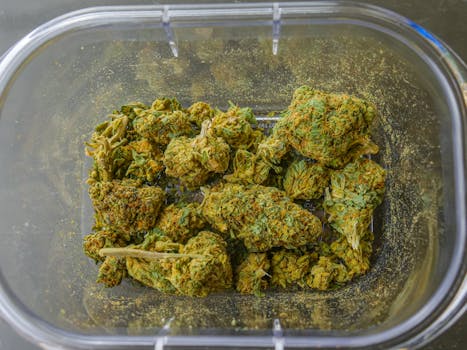
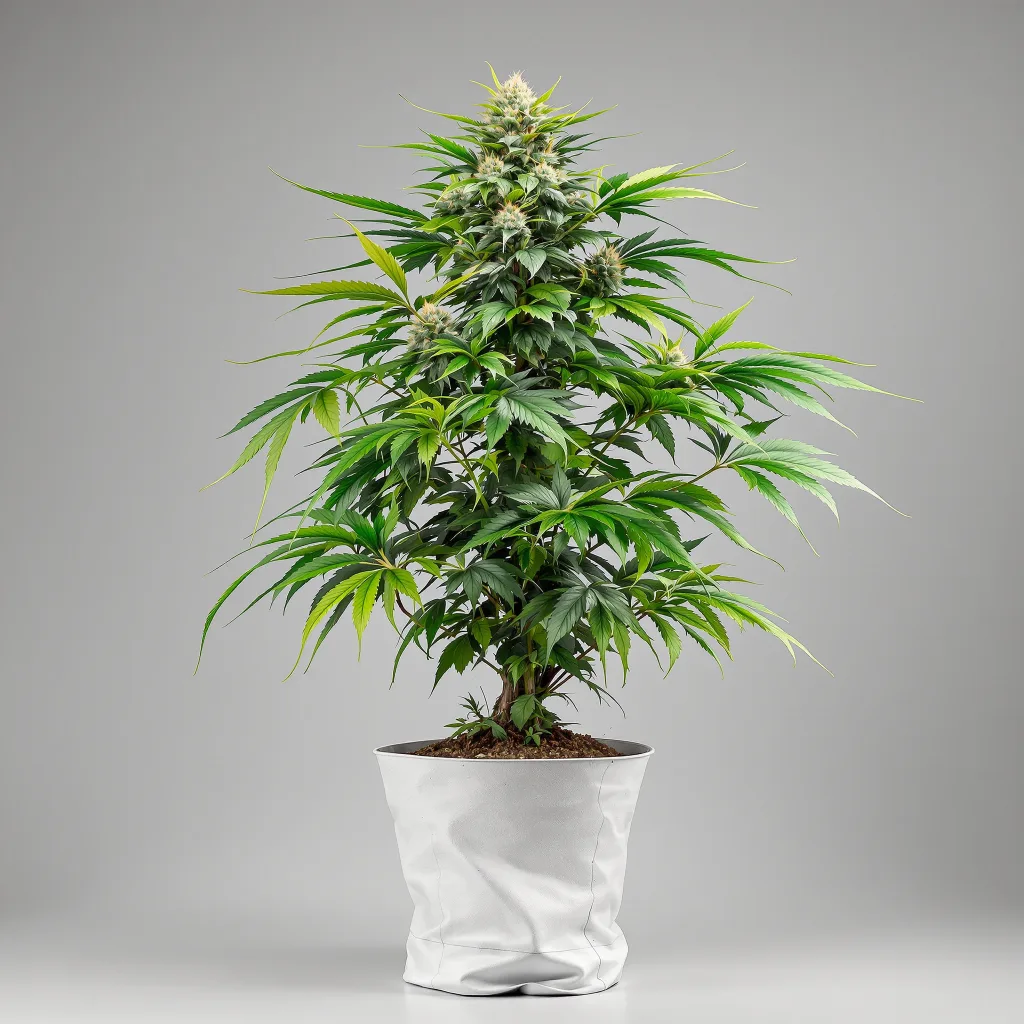
Mango Kush is a distinctive strain of cannabis known for its potential therapeutic benefits, making it a notable subject in medical strain analysis. Its unique blend of cannabinoids and terpenes, along with its robust growing profile, has made Mango Kush an appealing choice in medicinal contexts. This strain, while popularly associated with relaxation, has gained attention in the medical cannabis community for its application in managing various health conditions. The analysis here emphasizes its origins, chemical makeup, and potential medical benefits, followed by an in-depth examination of the cultivation conditions essential for optimizing its therapeutic properties.

Origins and Genetics of Mango Kush

Mango Kush is believed to be a hybrid strain, primarily composed of Indica genetics, with a small Sativa influence that provides a balanced, therapeutic effect profile. It originates from a cross between the Mango strain and Hindu Kush, both of which have unique properties that contribute to the overall effect of Mango Kush. The Hindu Kush lineage, which traces back to the mountainous region between Pakistan and Afghanistan, is known for its high resin content and potential to relieve pain and induce relaxation. Meanwhile, the Mango strain contributes a rich terpene profile, especially abundant in myrcene, that adds to the strain’s potential medicinal properties.

Mango Kush is generally known to be a 65% Indica-dominant hybrid, meaning its primary effects are rooted in the relaxing, physically calming properties associated with Indica strains. However, its Sativa ancestry brings a gentle elevation of mood, which can be advantageous for those suffering from conditions that affect both physical and mental health. The combination of these genetic influences makes Mango Kush an ideal strain for those seeking relief from a variety of symptoms without excessive sedation or mental cloudiness.

Chemical Profile of Mango Kush

The unique chemical profile of Mango Kush comprises cannabinoids and terpenes, both of which are key to understanding the strain’s medicinal value. Cannabinoids like as THC (tetrahydrocannabinol) and CBD (cannabidiol) are among the key chemicals responsible for the medicinal effects of the strain.

Mango Kush typically has a THC concentration that varies between 16% and 24%, depending on the cultivation conditions and phenotypic variations. This moderate to high THC content gives it potent analgesic and anti-inflammatory properties, making it effective for alleviating chronic pain, muscle tension, and conditions that involve inflammation. Its CBD levels are relatively low, often below 1%, which makes the strain more suitable for conditions where the psychoactive properties of THC are desirable or acceptable in a therapeutic setting.

In addition to cannabinoids, Mango Kush boasts a rich terpene profile. The primary terpenes include:

  1. Myrcene: This is the most prominent terpene in Mango Kush, contributing to its distinct mango-like aroma. Myrcene is well-known for its sedative, muscle-relaxing, and anti-inflammatory qualities. Its presence enhances the strain’s potential to relieve pain and discomfort while promoting relaxation.
  2. Limonene: Present in moderate concentrations, limonene adds a citrusy note to the strain’s aroma and provides uplifting and mood-stabilizing effects. Limonene is often associated with anti-anxiety benefits, which can help counteract the potential for THC-induced paranoia while also supporting stress relief.
  3. Caryophyllene: This terpene has anti-inflammatory properties and interacts with CB2 receptors, which play a crucial role in managing pain and inflammation throughout the body. Caryophyllene’s presence further amplifies Mango Kush’s effectiveness in providing analgesic effects.
  4. Linalool: Known for its relaxing and anxiety-relieving qualities, linalool adds a floral undertone to Mango Kush’s scent profile. It is often used in aromatherapy for its calming effects and contributes to the overall sedative impact of the strain, especially in managing symptoms of anxiety and stress.

Together, these terpenes create an “entourage effect” that enhances the medicinal potential of Mango Kush, allowing the cannabinoids to work synergistically for more effective symptom relief.

Medical Benefits and Therapeutic Applications of Mango Kush

The primary appeal of Mango Kush lies in its broad application for various medical conditions. With its balanced properties stemming from the combined effects of cannabinoids and terpenes, Mango Kush has been recognized for its potential to address both physical and psychological health concerns effectively.

1. Chronic Pain Management

Mango Kush is widely regarded as a useful strain for managing chronic pain due to its combination of THC and pain-relieving terpenes like caryophyllene and myrcene. Chronic pain problems, such as fibromyalgia, arthritis, and neuropathic pain, can be severe, impacting both quality of life and mental health. The high THC content interacts with the body’s endocannabinoid receptors, providing analgesic benefits that reduce discomfort. Caryophyllene’s role in targeting CB2 receptors further supports this, helping to modulate pain and inflammation without causing cognitive impairment.

Myrcene, in particular, has been shown to have muscle-relaxant properties, which are helpful in treating conditions that involve muscle spasms and stiffness. Patients who suffer from multiple sclerosis, for instance, may benefit from Mango Kush as it not only reduces muscle spasms but also improves sleep quality, which can be compromised due to persistent pain and discomfort.

2. Stress Relief and Anxiety Management

Anxiety and stress-related disorders are increasingly prevalent, and many individuals find conventional pharmaceuticals either ineffective or accompanied by undesirable side effects. Mango Kush offers a natural alternative that provides relaxation without excessive sedation. The presence of limonene and linalool is particularly beneficial for stress relief. Limonene promotes an uplifted mood and combats feelings of stress, while linalool’s calming effect can help reduce anxiety symptoms.

For those with social anxiety disorder or generalized anxiety disorder, Mango Kush can offer a balance that allows the user to remain calm without feeling overly drowsy. This property is especially useful for patients who need anxiety relief during the day, as the strain does not typically induce couch-lock or heavy sedation, allowing for normal daily functioning.

3. Sleep Disorders

The sedative qualities of Mango Kush, primarily due to its high myrcene content, make it an ideal strain for treating insomnia and other sleep disorders. Insomnia, which can be caused by pain, anxiety, or other underlying conditions, can greatly reduce quality of life and overall health. By using Mango Kush, patients can experience muscle relaxation and mental calmness that make it easier to fall asleep and stay asleep. Unlike many pharmaceutical sleep aids, Mango Kush does not lead to morning grogginess or cognitive impairment, which can be particularly helpful for individuals who need to maintain alertness during the day.

Additionally, myrcene has been found to increase the sedative effects of THC, making the combination effective for individuals who struggle to achieve deep, restorative sleep. For patients with restless leg syndrome, the muscle relaxant effects of myrcene also contribute to a more restful night, reducing discomfort that might otherwise disrupt sleep.

4. Anti-inflammatory and Immunomodulatory Effects

Mango Kush is rich in anti-inflammatory compounds, particularly caryophyllene, which interacts directly with CB2 receptors in the body to reduce inflammation. This makes the strain ideal for people with autoimmune illnesses like as rheumatoid arthritis, Crohn’s disease, and lupus. In these conditions, inflammation can cause chronic pain and tissue damage, which traditional anti-inflammatory medications may only partially address. By modulating immune response and inflammation through caryophyllene, Mango Kush offers a complementary approach that can reduce reliance on non-steroidal anti-inflammatory drugs (NSAIDs) and their associated side effects.

Furthermore, the presence of THC in Mango Kush can help improve mood and appetite in individuals dealing with chronic illnesses. This can be particularly helpful for patients with cancer or HIV/AIDS, where inflammation and a compromised immune system are significant concerns. Mango Kush’s immunomodulatory effects allow for symptom relief without the psychoactive impact that might hinder daily activities.

5. Gastrointestinal Health and Appetite Stimulation

The terpenes and cannabinoids in Mango Kush also make it effective for managing nausea, vomiting, and loss of appetite. These symptoms are common in patients undergoing chemotherapy or dealing with gastrointestinal disorders like irritable bowel syndrome (IBS) or Crohn’s disease. The high THC content helps stimulate appetite, making it easier for patients to maintain a balanced diet and avoid weight loss associated with their condition.

Mango Kush’s calming effect on the digestive system can help reduce cramping and other discomforts associated with gastrointestinal disorders. The strain’s balance between physical and mental relaxation is beneficial for patients who need to manage stress-related digestive issues, as anxiety and stress can exacerbate symptoms of IBS and other digestive disorders.

Optimal Growing Conditions for Mango Kush

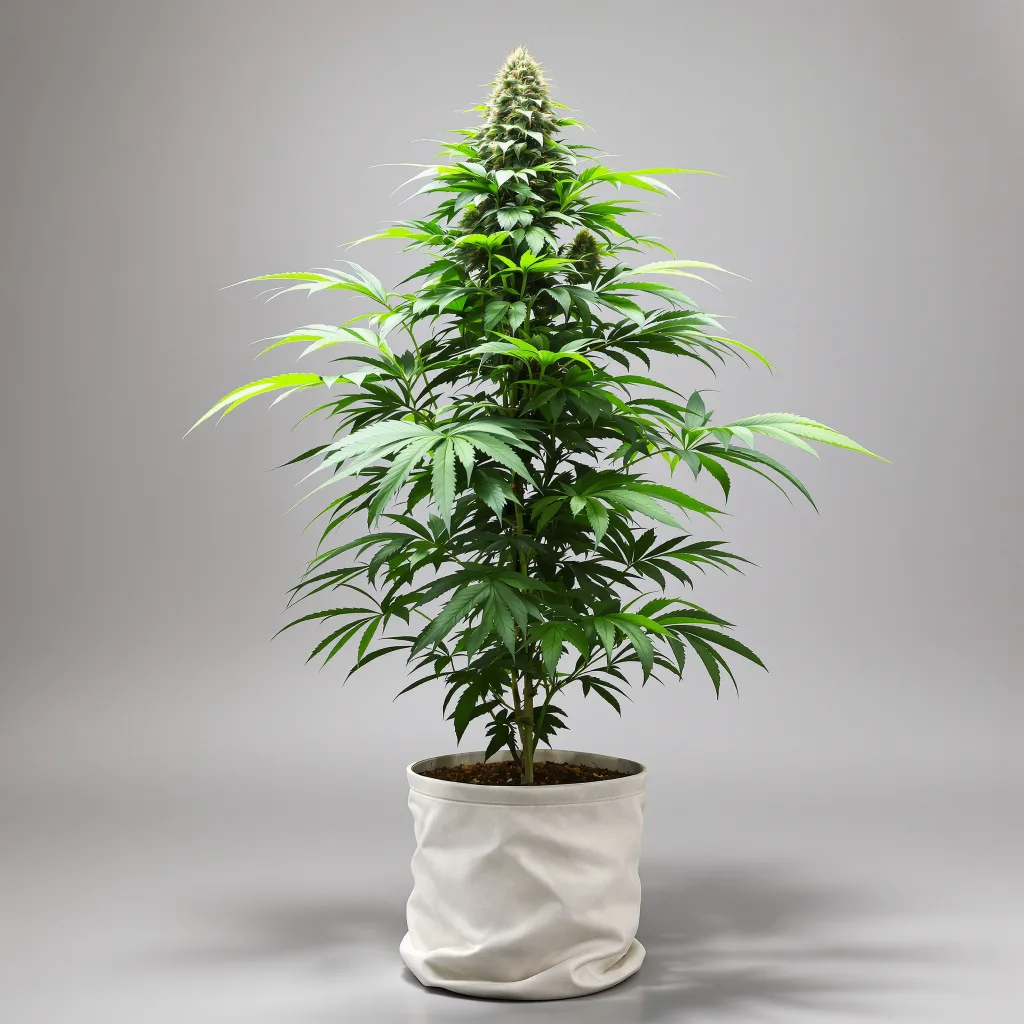
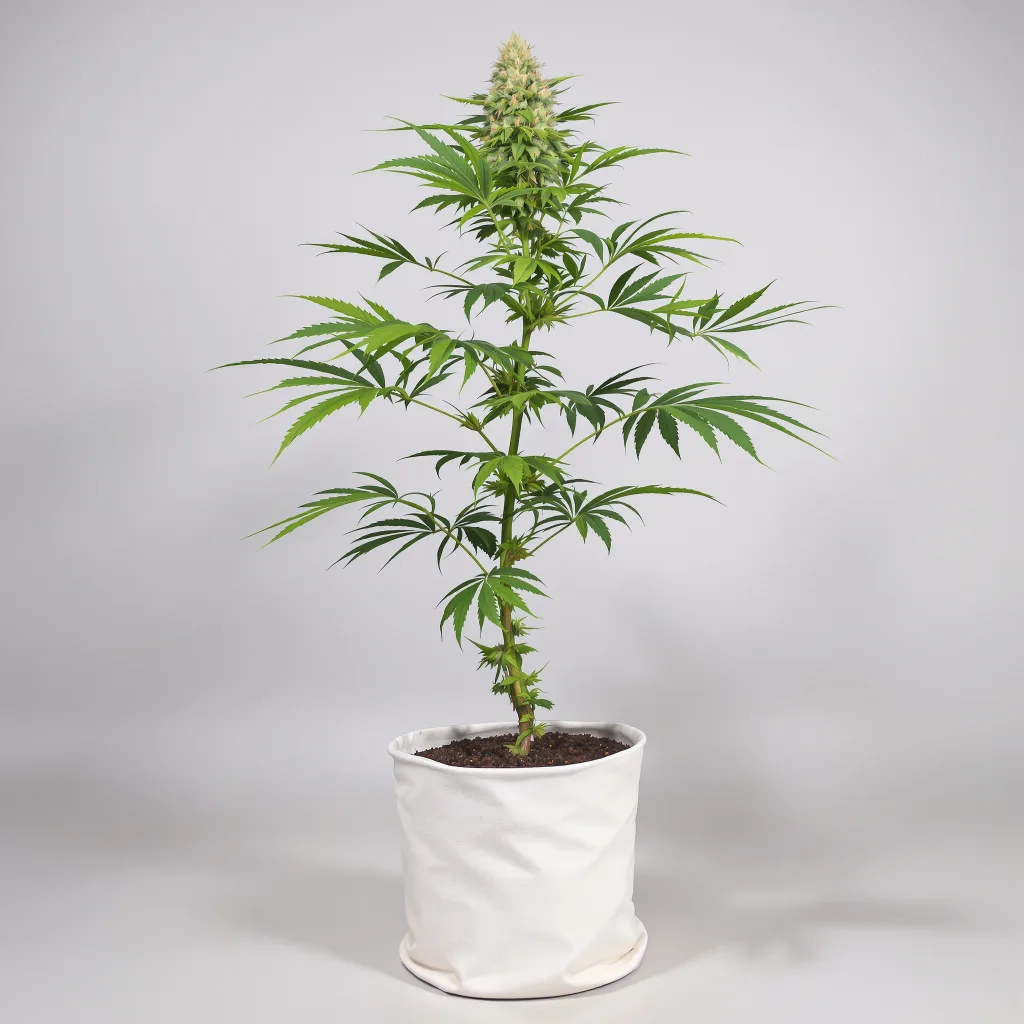
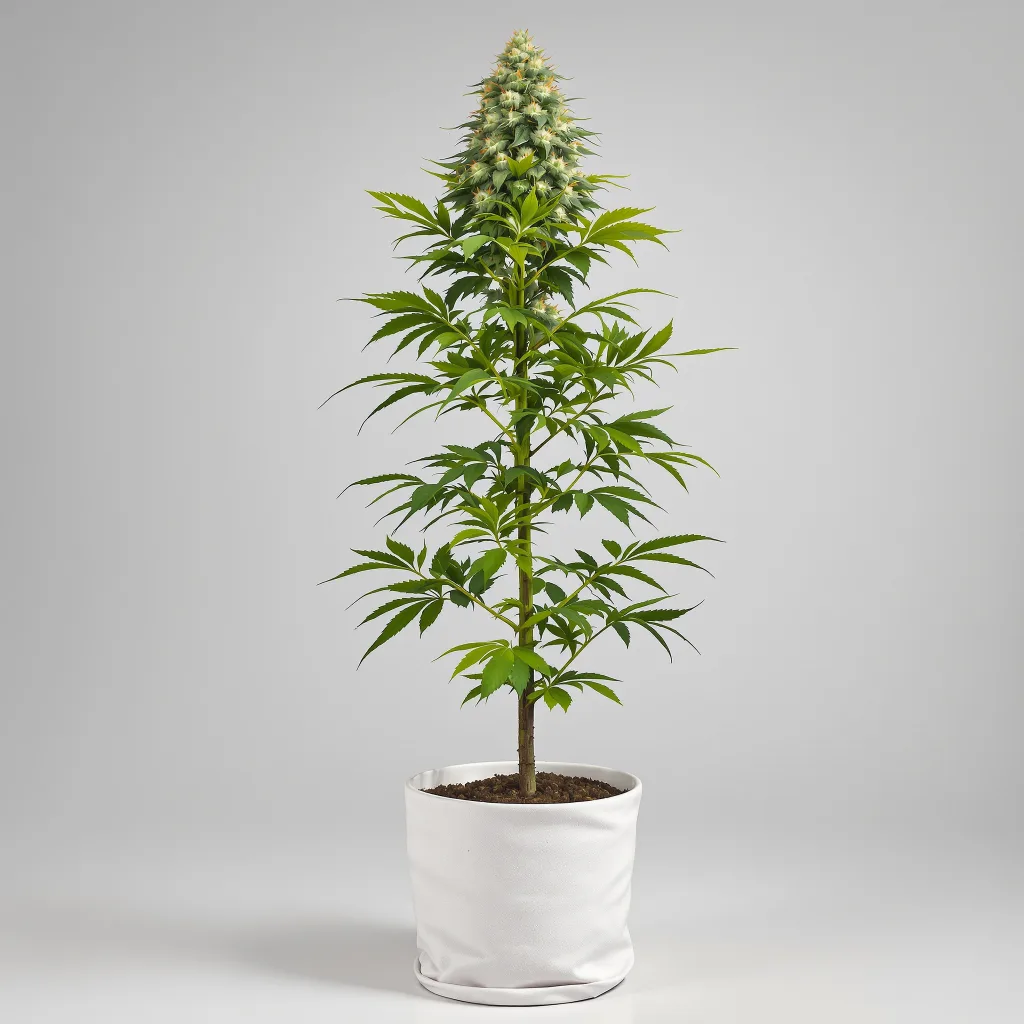
Growing Mango Kush to optimize its medicinal potential requires specific environmental conditions and practices to maximize its cannabinoid and terpene profile. Mango Kush is known to be a relatively easy strain to cultivate, making it a viable choice for both indoor and outdoor growing setups.

Climate and Environmental Needs

Mango Kush thrives in a warm, semi-humid climate, typically with temperatures between 70°F to 80°F (21°C to 27°C) during the day. In outdoor settings, it flourishes in regions with long, warm summers and plenty of sunlight. Indoor growers can replicate these conditions with controlled lighting and temperature settings.

Humidity levels should be kept moderate since high humidity can increase the risk of mold and mildew, particularly during the blossoming stage. During the vegetative stage, humidity can be higher (around 60%), but it should be lowered to around 40-50% as the plant enters the flowering stage to avoid issues with moisture retention.

Light and Nutrient Requirements

Mango Kush requires a balanced light schedule during its growth stages. During the vegetative phase, the plant benefits from an 18-hour light, 6-hour dark cycle, while a 12-hour light, 12-hour dark schedule is best for the flowering stage. LED or HID lights work well for indoor setups, as they provide the intensity needed for robust growth and high yields.

In terms of nutrients, Mango Kush has moderate feeding requirements. It benefits from a nitrogen-rich nutrient mix during the vegetative phase to support leafy growth, while phosphorus and potassium become increasingly important as the plant moves into flowering because they support bud development and increase resin production, both of which are essential for improving the strain’s medicinal qualities. Organic nutrients or slow-release fertilizers are preferred by some growers, as they promote the development of a richer terpene profile, thereby enhancing the strain’s aroma and potential therapeutic benefits.

Harvesting and Post-Harvest Handling

Mango Kush typically has a flowering period of around 8-9 weeks, after which it reaches full maturity and is ready for harvest. Trichome inspection is a reliable method for determining harvest readiness; when the trichomes turn cloudy with a few amber heads, the plant is at its peak for potency.

After harvest, proper drying and curing are essential to retain Mango Kush’s terpenes and cannabinoids. The drying process should be conducted in a dark room with good airflow and a temperature between 60°F to 70°F (15°C to 21°C). Humidity should be kept around 50% to prevent mold while preserving the integrity of the buds. The curing process, which involves storing dried buds in airtight jars and periodically opening them to release moisture, enhances the flavor and potency of Mango Kush, making it optimal for medicinal use.

Restricting Mango Kush for Medical Use as a Last Resort and Monitoring THC Levels

The therapeutic application of Mango Kush, while promising, requires careful regulation and restrictions, particularly in the medical field. Given its moderate to high THC levels, which can vary between 16% and 24%, this strain’s psychoactive effects may raise concerns when used in treatment settings. To address this, healthcare professionals advocate for using Mango Kush as a “last resort” option in the medical field, particularly for patients who have not responded to conventional therapies.

Last Resort Treatment Protocols

Mango Kush is primarily considered for patients with conditions that have proven resistant to traditional medications or other forms of cannabis treatments with lower THC concentrations. Patients with chronic pain, anxiety, insomnia, and inflammation-related illnesses may find significant relief through Mango Kush; however, strict protocols necessitate that this strain only be used when alternative treatments fail to provide adequate relief. This last-resort approach minimizes unnecessary exposure to THC and limits the risk of side effects associated with its psychoactive properties, such as dizziness, confusion, or impaired cognitive function, which may impact daily activities and safety.

THC Level Monitoring and Standardization

To further control potential psychoactive effects, it is critical to monitor and adjust THC levels in medical formulations derived from Mango Kush. Medical preparations often use extraction techniques that allow for precise cannabinoid concentration adjustments. This process involves isolating THC and CBD to create formulations with a controlled, lower THC concentration, thus limiting the psychoactive impact while retaining therapeutic properties.

In some instances, THC levels may be diluted or combined with higher levels of CBD, which has been shown to mitigate THC’s psychoactivity through its interaction with the endocannabinoid system. CBD-dominant preparations or balanced THC

ratios can help reduce psychoactive side effects, making the formulation more suitable for vulnerable patients, such as those prone to anxiety or patients with low tolerance to THC. This practice not only enhances safety but also allows medical practitioners to fine-tune dosages for specific conditions, particularly in pain management or sleep disorders, without compromising patient comfort.

Comprehensive Patient Monitoring and Education

Using Mango Kush, even in a regulated medical setting, necessitates ongoing patient monitoring to ensure effective therapeutic outcomes while minimizing adverse effects. Medical professionals carefully assess each patient’s response, regularly adjusting doses or considering alternative strains if psychoactive side effects become problematic. Educating patients on expected effects and proper usage can also improve adherence to treatment protocols and encourage responsible use.

Conclusion

In summary, Mango Kush is a compelling strain in the medical cannabis landscape due to its unique cannabinoid and terpene profile, which holds significant potential for treating various medical conditions. Originating from a cross of the Mango strain and Hindu Kush, Mango Kush combines a predominantly Indica influence with a slight Sativa component, offering balanced effects that can relieve physical discomfort and improve mood without excessive sedation. Its chemical composition, rich in THC and essential terpenes like myrcene, limonene, caryophyllene, and linalool, supports its use in managing chronic pain, anxiety, insomnia, inflammation, and digestive health. Together, these components create a synergistic “entourage effect” that amplifies the strain’s therapeutic benefits.

However, the use of Mango Kush in the medical field is accompanied by necessary restrictions to prioritize patient safety. The strain’s moderate to high THC content requires careful regulation, particularly to prevent psychoactive effects that could interfere with a patient’s daily life or mental clarity. Therefore, its medical application is typically reserved as a last-resort treatment, especially for patients who have not found relief through conventional therapies or lower-THC strains. By carefully monitoring THC levels and adjusting formulations to control its psychoactive properties, healthcare providers can maximize Mango Kush’s medicinal benefits while minimizing potential side effects.

Cultivating Mango Kush under optimal conditions, including controlled lighting, nutrient balance, and proper humidity levels, further enhances its therapeutic efficacy. Proper post-harvest handling, particularly drying and curing, preserves the strain’s rich terpene profile, ensuring a consistent, high-quality product suitable for medical use.

Overall, Mango Kush offers substantial promise in the medical field when used responsibly and as part of a well-monitored treatment plan. Its targeted therapeutic effects make it a valuable option for those suffering from resistant medical conditions, while its regulatory protocols safeguard patients against unwanted psychoactive effects. This careful approach allows healthcare providers to leverage the medicinal benefits of Mango Kush, contributing to a more holistic and effective range of treatment options in modern medicine.

Share

Leave a comment

Your email address will not be published. Required fields are marked *