Get 15% OFF with code GROWNOW15
My Account Order Lookup Cannabis Guides Beginner Seeds Intermediate Seeds Master Seeds

Medical Strain Analysis: Lime Bliss CBD.

Medical Strain Analysis Lime Bliss CBD

Medical Strain Analysis: Lime Bliss CBD

Medical strain analysis is a critical aspect of understanding how specific cannabis strains can contribute to health and wellness. One such strain, Lime Bliss CBD, has garnered significant attention in recent years due to its high cannabidiol (CBD) content, low tetrahydrocannabinol (THC) profile, and potential medical benefits. Lime Bliss CBD is a standout in the world of therapeutic cannabis strains, primarily because it offers an abundance of therapeutic effects without the psychoactive properties associated with higher-THC strains. This document explores Lime Bliss CBD in depth, covering its origins, chemical profile, medical applications, and optimal growing conditions, with a specific focus on its use in improving health and managing medical conditions.

The Origins of Lime Bliss CBD

Lime Bliss CBD is a hybrid strain that emerged as part of the growing interest in medical cannabis cultivars emphasizing CBD over THC. The strain was developed through meticulous breeding to maximize its medicinal properties. Originating from a cross of CBD-dominant and citrus-forward cannabis lineages, Lime Bliss CBD embodies the best qualities of its genetic heritage. Its lineage typically includes strains such as Harlequin, known for its balanced CBD:THC ratio, and Lemon Haze, recognized for its uplifting and refreshing citrus terpene profile.

The creation of Lime Bliss CBD came during a period when cultivators and researchers were seeking to meet the demands of medical patients looking for relief without intoxication. It was specifically bred to address conditions such as chronic pain, inflammation, anxiety, and seizures. The strain’s development involved selecting parent plants with robust CBD production, minimal THC levels, and desirable terpene profiles that enhance therapeutic effects.

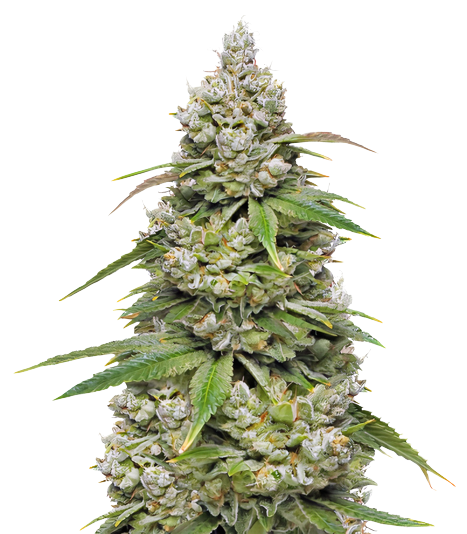
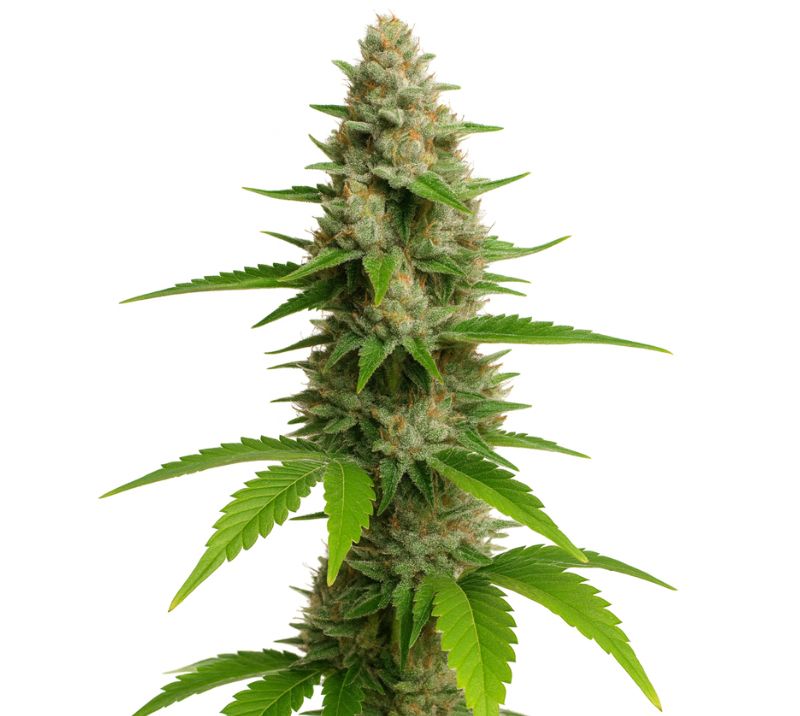
What sets Lime Bliss CBD apart is its unique citrusy aroma, derived from its rich terpene content. It combines a dominant CBD profile with flavorful terpenes like limonene, myrcene, and beta-caryophyllene, creating a strain that is as pleasant as it is effective. Over time, Lime Bliss CBD has become a preferred choice among patients and healthcare providers alike, reflecting its credibility as a medical-grade strain.

The Chemical Profile of Lime Bliss CBD

Understanding Lime Bliss CBD’s chemical composition is essential to appreciating its medical potential. The strain features a CBD:THC ratio typically around 20:1, meaning it contains a significantly higher concentration of cannabidiol than tetrahydrocannabinol. This low THC level ensures that Lime Bliss CBD does not induce psychoactive effects, making it ideal for patients who want to remain functional while managing their symptoms.

The primary cannabinoids present in Lime Bliss CBD include:

  1. Cannabidiol (CBD): The most dominant cannabinoid in Lime Bliss CBD, CBD is non-psychoactive and widely recognized for its anti-inflammatory, anxiolytic, neuroprotective, and anticonvulsant properties. This makes it highly suitable for treating conditions such as epilepsy, anxiety disorders, and chronic pain.
  2. Tetrahydrocannabinol (THC): Although present in trace amounts, THC in Lime Bliss CBD plays a complementary role in the entourage effect. Even at low levels, THC can enhance the efficacy of CBD without causing intoxication.
  3. Cannabigerol (CBG): A minor cannabinoid found in Lime Bliss CBD, CBG contributes to the strain’s anti-inflammatory and neuroprotective effects. CBG has shown promise in preliminary research for conditions such as glaucoma and inflammatory bowel disease.
  4. Cannabinol (CBN): Also present in small quantities, CBN is mildly sedative and may assist in improving sleep quality.

In addition to cannabinoids, Lime Bliss CBD owes much of its therapeutic impact to its terpene profile, which enhances its medical properties through synergistic interactions with cannabinoids. The most prominent terpenes include:

  1. Limonene: This citrus-scented terpene is known for its mood-boosting and anti-anxiety effects. Limonene has been studied for its potential to alleviate stress, promote focus, and reduce inflammation.
  2. Myrcene: A terpene with sedative and analgesic properties, myrcene contributes to Lime Bliss CBD’s ability to reduce pain and promote relaxation. It is also believed to enhance cannabinoid absorption, increasing the strain’s effectiveness.
  3. Beta-Caryophyllene: This terpene interacts directly with the endocannabinoid system’s CB2 receptors, making it particularly effective in reducing inflammation and pain. Beta-caryophyllene also contributes to the strain’s stress-relieving properties.
  4. Pinene: Known for its anti-inflammatory and bronchodilatory effects, pinene can improve airflow and respiratory function, making Lime Bliss CBD a potential option for individuals with asthma or similar conditions.

The synergy of these compounds—commonly referred to as the “entourage effect”—ensures that Lime Bliss CBD delivers comprehensive therapeutic benefits. This chemical complexity is key to its effectiveness in addressing a wide range of medical conditions.

Medical Benefits of Lime Bliss CBD

Lime Bliss CBD is widely regarded as a versatile and effective medical strain. Its therapeutic effects are supported by both anecdotal reports and scientific research into the components of CBD-rich cannabis. Below are some of the key medical benefits associated with Lime Bliss CBD, organized by condition:

1. Chronic Pain Management

Chronic pain is one of the most common reasons patients seek medical cannabis, and Lime Bliss CBD excels in this area. The strain’s high CBD content acts on the body’s endocannabinoid system (ECS) to reduce pain perception and inflammation. By interacting with CB1 and CB2 receptors, CBD modulates pain signals and dampens inflammatory responses, providing relief without the risk of addiction or side effects associated with opioids. Lime Bliss CBD is particularly effective for conditions such as arthritis, fibromyalgia, and neuropathic pain.

2. Anxiety and Stress Relief

Because of its relaxing properties, Lime Bliss CBD is a well-liked option for people with anxiety disorders, such as PTSD, social anxiety, and generalized anxiety disorder (GAD). The strain’s limonene and CBD content work together to regulate serotonin levels in the brain, promoting a sense of relaxation and emotional stability. Its low THC content ensures that users do not experience heightened anxiety, which can sometimes occur with high-THC strains.

3. Epilepsy and Seizure Disorders

The FDA approved Epidiolex, a CBD-based drug, to treat severe epileptic syndromes like Dravet syndrome and Lennox-Gastaut syndrome, demonstrating the well-established anticonvulsant qualities of CBD. With its high CBD content, Lime Bliss CBD can offer comparable advantages, lessening seizure frequency and intensity without producing euphoric side effects.

4. Inflammatory Conditions

Inflammation is a root cause of many chronic diseases, including autoimmune disorders like rheumatoid arthritis and inflammatory bowel disease (IBD). Lime Bliss CBD’s anti-inflammatory properties, largely driven by its CBD and beta-caryophyllene content, make it an effective option for reducing inflammation. By targeting CB2 receptors in the immune system, this strain helps modulate immune responses and alleviate symptoms.

5. Neuroprotection

Emerging research suggests that CBD has neuroprotective properties, making Lime Bliss CBD a potential therapeutic option for neurodegenerative diseases such as Alzheimer’s disease, Parkinson’s disease, and multiple sclerosis (MS). By reducing oxidative stress, inflammation, and excitotoxicity in the brain, Lime Bliss CBD may help slow disease progression and improve quality of life for patients with these conditions.

6. Sleep Disorders

For patients struggling with insomnia or other sleep disturbances, Lime Bliss CBD offers a natural alternative to pharmaceutical sleep aids. The strain’s myrcene content, combined with CBD’s anxiolytic and sedative effects, promotes relaxation and supports healthy sleep cycles. Unlike THC-heavy strains, Lime Bliss CBD does not disrupt REM sleep, ensuring a restorative sleep experience.

7. Cardiovascular Health

CBD has been shown to reduce blood pressure and improve overall cardiovascular health by relaxing blood vessels and reducing inflammation. Lime Bliss CBD’s high CBD content and limonene’s stress-reducing effects may contribute to better heart health, particularly in individuals with hypertension or stress-related cardiac issues.

8. Skin Conditions

Lime Bliss CBD can also be effective for managing skin conditions such as eczema, psoriasis, and acne. CBD’s anti-inflammatory and sebostatic properties help regulate oil production and reduce skin irritation, while its antioxidant effects protect against environmental damage.

9. Cancer-Related Symptoms

While not a cure for cancer, Lime Bliss CBD may help alleviate symptoms associated with cancer and its treatments, including pain, nausea, and loss of appetite. Its anti-inflammatory and anti-emetic properties make it particularly useful for patients undergoing chemotherapy or radiation therapy.

Optimal Growing Conditions for Lime Bliss CBD

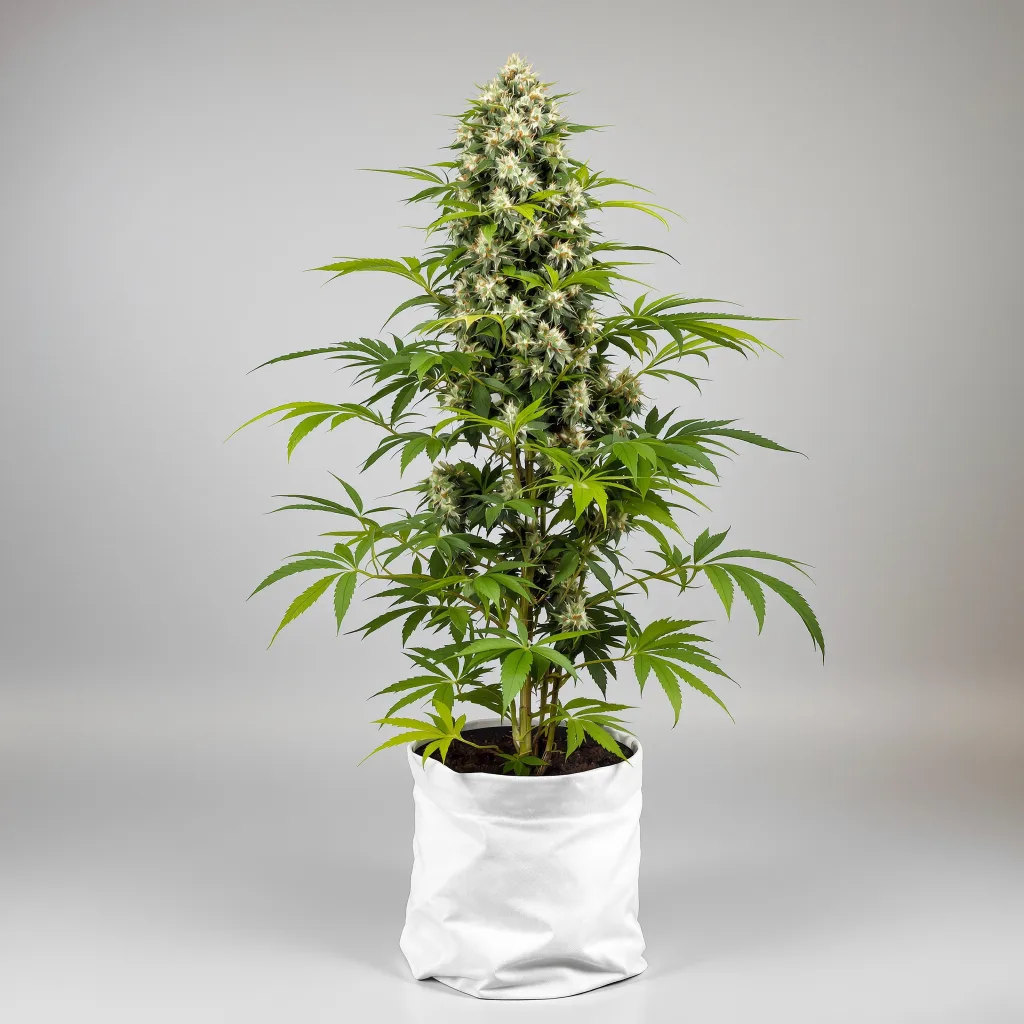
The cultivation of Lime Bliss CBD requires careful attention to environmental factors to maximize its therapeutic potential. As a hybrid strain, it thrives in both indoor and outdoor settings, but specific conditions must be met to ensure optimal growth and cannabinoid production.

1. Climate

Lime Bliss CBD prefers a warm, Mediterranean climate with plenty of sunlight. Outdoor growers should aim for temperatures between 70-85°F (21-29°C) during the day, with minimal fluctuations at night. Indoor growers can replicate these conditions using high-quality grow lights and temperature control systems.

2. Soil and Nutrients

Rich, well-draining soil is essential for cultivating Lime Bliss CBD. Organic soil enriched with compost or natural fertilizers provides the nutrients necessary for healthy growth. Key nutrients include nitrogen, phosphorus, and potassium, as well as micronutrients like calcium and magnesium.

3. Watering and Humidity

Consistent watering is crucial, but overwatering can lead to root rot and other issues. Lime Bliss CBD requires moderate humidity levels—around 40-50% during the vegetative stage and 30-40% during flowering. Proper ventilation and humidity control are essential for preventing mold and mildew.

4. Lighting

Lime Bliss CBD benefits from a light schedule of 18 hours of light and 6 hours of darkness during the vegetative stage, transitioning to 12 hours of light and 12 hours of darkness during flowering. High-intensity discharge (HID) lights or full-spectrum LED grow lights are recommended for indoor cultivation.

5. Harvesting

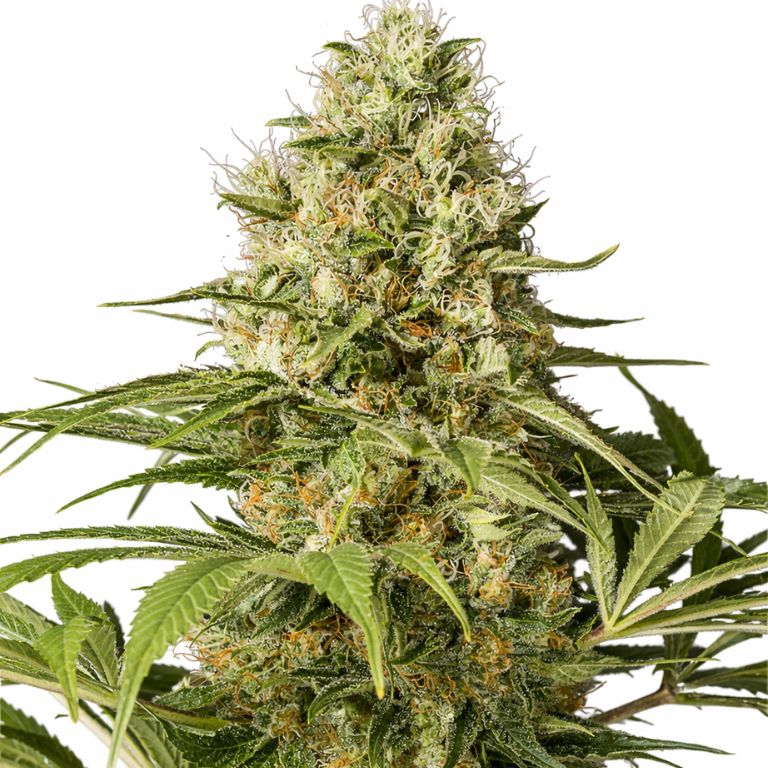
The flowering period for Lime Bliss CBD typically lasts 8-10 weeks. The best time to harvest should be determined by growers by tracking trichome development. When the majority of trichomes appear milky with a few amber hues, the plant is ready for harvest. Proper drying and curing are critical for preserving the strain’s terpene profile and cannabinoid content.

Restrictions on Using Lime Bliss CBD in the Medical Field: A Focus on Last Resort Application and THC Monitoring
Restrictions on Using Lime Bliss CBD in the Medical Field A Focus on Last Resort Application and THC Monitoring

The medical application of cannabis-based products, including CBD-dominant strains such as Lime Bliss CBD, has gained global attention for its potential to treat a variety of conditions. However, the integration of cannabis-derived treatments into clinical practice requires strict regulatory oversight to ensure patient safety and avoid unintended consequences. Given the complexities associated with cannabis use in healthcare, Lime Bliss CBD should be used exclusively within strict medical frameworks, reserved as a last resort option for patients who have not responded to conventional therapies. Additionally, careful monitoring of THC levels in Lime Bliss CBD-derived medications is critical to prevent psychoactive effects, preserving the strain’s therapeutic value while minimizing risks.

Reserved Use as a Last Resort in Medical Treatment

The use of Lime Bliss CBD should be limited to patients for whom traditional medical interventions have proven ineffective. While its high CBD content and negligible THC levels make it an appealing option for various conditions, cannabis remains a controlled substance in many jurisdictions, and its use in the medical field must follow rigorous standards.

1. Prioritizing Conventional Treatments

Lime Bliss CBD is best viewed as a complementary or alternative treatment when mainstream options, such as pharmaceuticals or physical therapies, fail to yield satisfactory outcomes. For example, patients suffering from chronic pain who do not respond to nonsteroidal anti-inflammatory drugs (NSAIDs) or opioids—or cannot tolerate their side effects—may benefit from Lime Bliss CBD. Similarly, patients with severe epilepsy who fail to improve with anti-seizure medications, or those with treatment-resistant anxiety or post-traumatic stress disorder (PTSD), may find relief with this strain.

By limiting Lime Bliss CBD to last-resort use, healthcare providers maintain adherence to evidence-based medicine while ensuring that cannabis-based treatments are applied cautiously and responsibly. This approach also minimizes the risk of overprescribing or misuse, particularly in cases where alternative treatments are available and effective.

2. Informed Consent and Supervised Use

Patients who are prescribed Lime Bliss CBD must be fully informed about its benefits, limitations, and potential risks. They should also be monitored closely by healthcare professionals to assess treatment efficacy and adjust dosages if necessary. Supervised use is especially critical for vulnerable populations, including children, elderly individuals, and patients with pre-existing mental health conditions, to avoid unintended consequences.

Monitoring THC Levels in Lime Bliss CBD Medications

While Lime Bliss CBD is specifically bred to have a low THC content—typically less than 0.3%—even trace amounts of THC can raise concerns in the medical field. Psychoactive effects, even mild ones, are not acceptable for many patients, particularly those seeking to maintain cognitive clarity or those at risk of THC sensitivity. For these reasons, stringent monitoring and control of THC levels in Lime Bliss CBD-derived products are essential.

1. Maintaining Non-Psychoactive Standards

Regulations governing medical cannabis often stipulate THC limits to ensure that patients do not experience psychoactive effects. In the case of Lime Bliss CBD, medications and extracts should undergo rigorous testing to confirm THC concentrations remain within permissible thresholds. Advanced laboratory techniques such as high-performance liquid chromatography (HPLC) or gas chromatography (GC) can accurately measure cannabinoid content, ensuring compliance with regulatory standards.

By enforcing these measures, healthcare providers can confidently prescribe Lime Bliss CBD products knowing that they will deliver therapeutic benefits without impairing the patient’s mental state or functionality.

2. Tailoring Formulations for Specific Needs

To further mitigate risks, pharmaceutical companies and producers of medical-grade Lime Bliss CBD products can develop formulations that isolate CBD while removing THC entirely. These formulations, known as CBD isolates or broad-spectrum extracts, can be particularly useful for patients who require the medical benefits of CBD but cannot tolerate even minimal THC exposure. Such precision in product formulation aligns with the medical community’s commitment to individualized, patient-centered care.

Reducing the Risk of Misuse or Overuse

Another important consideration when using Lime Bliss CBD in the medical field is the potential for misuse or over-reliance on cannabis-based treatments. While Lime Bliss CBD is non-intoxicating, its association with cannabis culture and recreational use necessitates safeguards to prevent inappropriate use. Healthcare providers must carefully evaluate each patient’s medical history and monitor ongoing use to ensure that the strain is utilized strictly for medical purposes.

1. Avoiding Unregulated Products

The medical application of Lime Bliss CBD should rely exclusively on products that are manufactured and tested in accordance with pharmaceutical-grade standards. Unregulated or black-market products often lack consistent cannabinoid profiles and may contain contaminants such as heavy metals, pesticides, or residual solvents, posing additional health risks. Restricting Lime Bliss CBD use to approved and monitored settings reduces the likelihood of patients accessing unreliable or unsafe products.

2. Encouraging Responsible Research

As Lime Bliss CBD gains recognition in the medical community, ongoing research is essential to validate its safety and efficacy across different patient populations. Clinical trials and longitudinal studies can help establish dosing guidelines, uncover potential side effects, and refine its applications for specific conditions. Until a robust evidence base is developed, healthcare providers should proceed with caution when recommending Lime Bliss CBD, particularly for off-label uses.

Conclusion

Lime Bliss CBD represents a significant advancement in medical cannabis, offering a safe, non-psychoactive option for patients seeking relief from a variety of chronic and debilitating conditions. Its high CBD content, coupled with negligible THC levels and a robust terpene profile, makes it particularly effective for addressing chronic pain, inflammation, anxiety, seizures, and neurodegenerative disorders, among others. By leveraging the entourage effect, Lime Bliss CBD provides comprehensive therapeutic benefits while ensuring patients can maintain cognitive clarity and functionality.

Despite its promise, Lime Bliss CBD’s use in the medical field must be approached with caution. It should only be used as a last resort, prescribed only in cases where other treatments have failed, in order to maintain its integrity as a medical-grade strain. Moreover, strict monitoring of THC levels in Lime Bliss CBD-derived medications is essential to eliminate the risk of psychoactive effects, ensuring safe and predictable outcomes for patients.

Cultivation of Lime Bliss CBD requires meticulous environmental controls to maximize its cannabinoid and terpene profiles, underscoring the need for pharmaceutical-grade quality assurance. Through responsible use, rigorous oversight, and continued research, Lime Bliss CBD has the potential to redefine how medical cannabis is integrated into healthcare, offering hope and relief to patients who need it most.

Share

Leave a comment

Your email address will not be published. Required fields are marked *