Get 15% OFF with code GROWNOW15
My Account Order Lookup Cannabis Guides Beginner Seeds Intermediate Seeds Master Seeds

Medical Strain Analysis: Island Sweet CBD.

Medical Strain Analysis Island Sweet CBD

Medical Strain Analysis: Island Sweet CBD

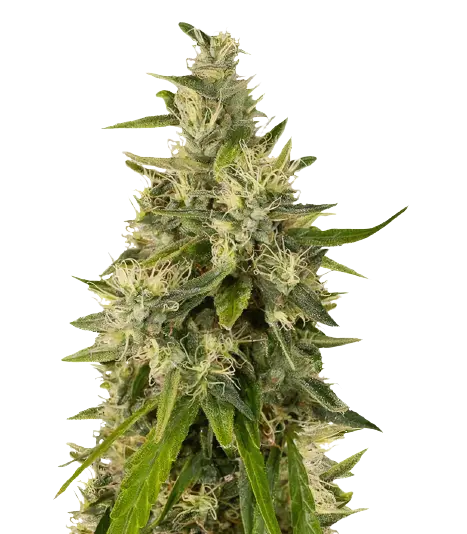
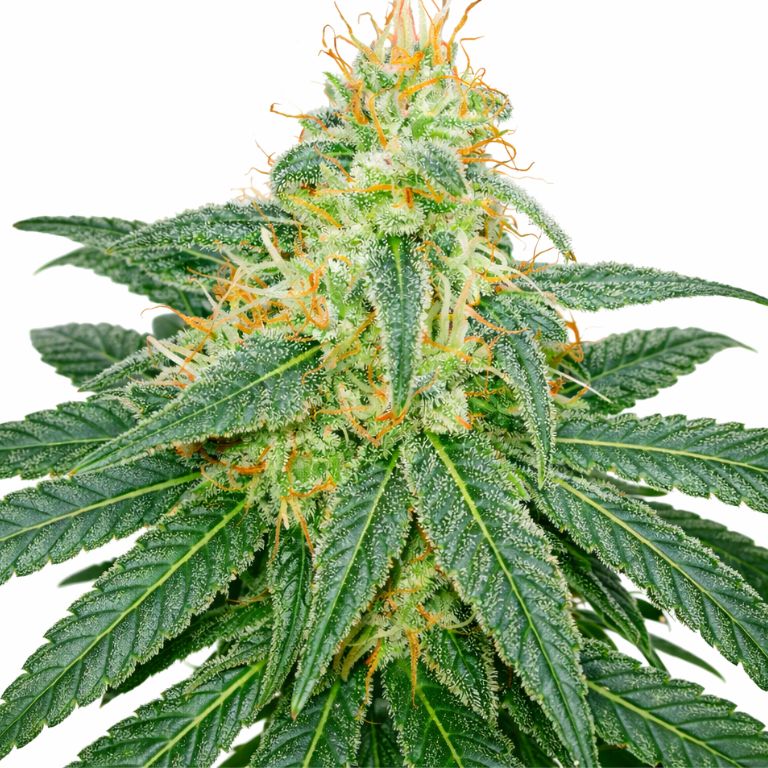
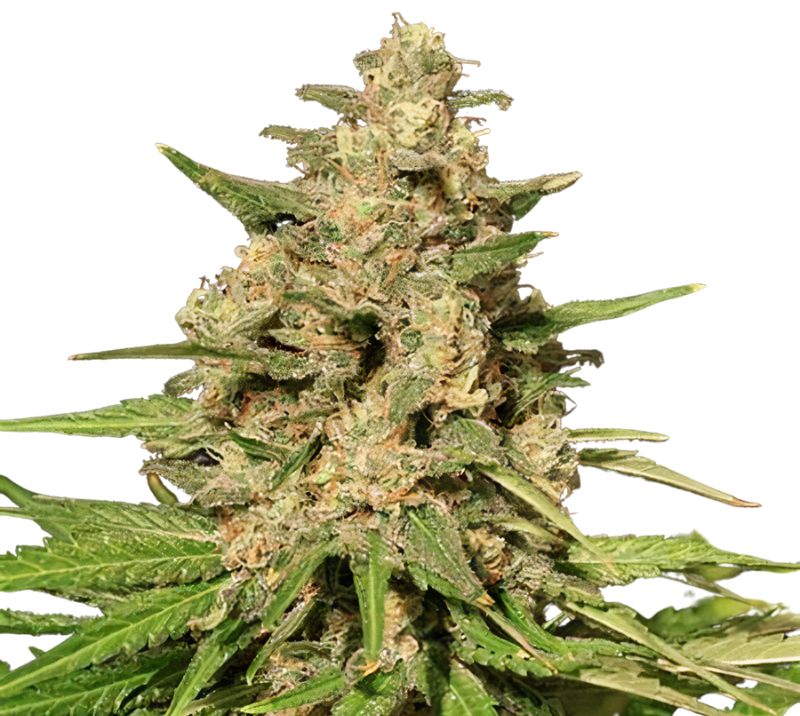
Island Sweet CBD is a unique cannabis strain gaining significant attention in the medical community for its therapeutic properties. As a strain renowned for its high cannabidiol (CBD) content and relatively low tetrahydrocannabinol (THC) concentration, Island Sweet CBD has emerged as a safe and effective option for patients seeking relief from a variety of medical conditions. This strain not only offers numerous health benefits but also serves as an example of how breeding advancements in cannabis cultivation have led to specialized strains designed for medicinal purposes. Its chemical composition, origins, medical advantages, and growing requirements make Island Sweet CBD a critical focus for researchers, patients, and cultivators who are dedicated to exploring the medical applications of cannabis.

Origins and Genetic Background

Island Sweet CBD has a lineage that is thought to originate from the genetic base of Island Sweet Skunk, a classic sativa-dominant strain, with targeted breeding to enhance CBD levels. The original Island Sweet Skunk is well-known for its uplifting effects, sweet citrus-like flavor, and strong aroma. By carefully crossing Island Sweet Skunk with CBD-rich strains, cultivators have been able to develop Island Sweet CBD, which retains the pleasant sensory qualities of its parent strain while shifting its primary focus from recreational to medicinal use.

The breeding process to create Island Sweet CBD likely involved selecting phenotypes of Island Sweet Skunk that exhibited a high CBD:THC ratio, followed by crossbreeding with other CBD-rich cultivars such as Cannatonic, ACDC, or Harlequin. These strains are known for their medicinal potency due to high CBD levels. The result is a well-balanced hybrid that exhibits therapeutic properties without causing the psychoactive effects typically associated with THC-dominant strains.

Island Sweet CBD is considered a sativa-dominant hybrid, with genetic ratios often leaning toward sativa characteristics in its growth structure and effects. The emphasis on CBD, however, ensures that this strain provides relaxation and symptom relief without the cerebral intoxication that may hinder certain patient populations. This strain exemplifies the growing trend of engineering cannabis genetics to suit medical needs and reduce psychoactivity.

Chemical Profile

The chemical profile of Island Sweet CBD is what makes it stand out as a premier choice for medical use. The key cannabinoids and terpenes present in this strain work synergistically to provide a host of therapeutic benefits. Cannabidiol (CBD), the non-psychoactive cannabinoid, is the primary active compound in Island Sweet CBD. While the exact CBD content may vary depending on cultivation practices, phenotypic variation, and testing methods, it is generally measured at 12–18%, with THC levels kept minimal, often below 1%. This results in a CBD:THC ratio that is highly favorable for medical purposes.

Cannabinoids
  • CBD (Cannabidiol): The star compound of Island Sweet CBD, cannabidiol interacts with the endocannabinoid system to provide anti-inflammatory, analgesic, anti-anxiety, and neuroprotective effects. CBD has been extensively studied for its ability to manage conditions such as chronic pain, epilepsy, multiple sclerosis, and anxiety disorders. It also exhibits anti-seizure properties and has gained approval for treating certain forms of epilepsy, such as Dravet syndrome and Lennox-Gastaut syndrome, in the form of pharmaceutical-grade CBD products.
  • THC (Tetrahydrocannabinol): Though present in minimal amounts, THC plays an important supportive role. Research suggests that even small amounts of THC can enhance CBD’s effectiveness through the “entourage effect,” where the combined presence of cannabinoids and terpenes amplifies their therapeutic potential. The low THC content ensures that the strain remains non-intoxicating.
  • Other Cannabinoids: Trace amounts of minor cannabinoids, such as cannabigerol (CBG) and cannabichromene (CBC), may also contribute to Island Sweet CBD’s medical benefits. These compounds have been associated with antibacterial, anti-inflammatory, and neuroprotective properties.
Terpenes

Terpenes, the aromatic compounds found in cannabis and many other plants, play a vital role in the therapeutic profile of Island Sweet CBD. This strain’s predominant terpenes are:

  1. Myrcene: Known for its sedative and anti-inflammatory effects, myrcene is a key contributor to Island Sweet CBD’s ability to alleviate pain and promote relaxation. It is also thought to enhance the absorption of cannabinoids, increasing their bioavailability.
  2. Limonene: This citrus-scented terpene has anti-anxiety, mood-enhancing, and immune-boosting properties. It helps create the uplifting and refreshing aroma that Island Sweet CBD inherits from its parent strain.
  3. Pinene: Pinene is associated with anti-inflammatory and bronchodilator effects, making it particularly useful for respiratory conditions. It also has cognitive-enhancing properties, helping to improve focus and mental clarity.
  4. Caryophyllene: Unique among terpenes for its ability to interact directly with the CB2 receptors of the endocannabinoid system, caryophyllene exhibits strong anti-inflammatory and analgesic effects.
  5. Linalool: With its calming and anti-anxiety properties, linalool complements the effects of CBD, making this strain particularly effective for stress and anxiety management.

The combination of cannabinoids and terpenes in Island Sweet CBD demonstrates the importance of whole-plant medicine, where the interaction between various chemical components results in enhanced therapeutic benefits.

Medical Benefits of Island Sweet CBD

Island Sweet CBD has been widely recognized for its versatility in treating a broad range of medical conditions. Its high CBD content and minimal psychoactivity make it suitable for patients of all ages, including children and the elderly, as well as individuals who are sensitive to THC or require a clear state of mind for daily activities. Below are some of the medical conditions for which Island Sweet CBD has shown promise:

1. Chronic Pain and Inflammation

CBD’s ability to modulate the endocannabinoid system makes Island Sweet CBD an effective option for managing chronic pain. By interacting with CB1 and CB2 receptors, CBD reduces pain perception and alleviates inflammation, which is a root cause of many chronic conditions such as arthritis, fibromyalgia, and neuropathy. The strain’s anti-inflammatory properties also make it a potential treatment for autoimmune disorders like Crohn’s disease and lupus, which are characterized by systemic inflammation.

2. Anxiety and Stress

The anxiolytic properties of CBD are well-documented, and Island Sweet CBD is no exception. By regulating serotonin levels in the brain and reducing hyperactivity in the amygdala (the part of the brain responsible for the stress response), CBD helps patients manage anxiety disorders, post-traumatic stress disorder (PTSD), and generalized stress. The presence of calming terpenes like linalool and myrcene further enhances its stress-relieving effects.

3. Epilepsy and Seizure Disorders

CBD has been extensively studied for its potential to lessen the frequency and intensity of seizures in people with epilepsy. Island Sweet CBD is an excellent choice for such conditions, as its high CBD content provides anti-convulsant effects without the risk of intoxication. This makes it a viable alternative for pediatric epilepsy patients and others who may not tolerate THC.

4. Neurodegenerative Disorders

CBD’s neuroprotective properties have made it a focus of research for conditions like Alzheimer’s disease, Parkinson’s disease, and multiple sclerosis (MS). Island Sweet CBD’s ability to reduce inflammation, protect neural pathways, and improve mitochondrial function positions it as a potential adjunct therapy for these progressive disorders.

5. Sleep Disorders

For patients struggling with insomnia or disrupted sleep patterns due to pain, anxiety, or other conditions, Island Sweet CBD offers a natural solution. The presence of myrcene and linalool induces relaxation and improves sleep quality without the risk of dependency often associated with pharmaceutical sedatives.

6. Cancer-Related Symptoms

Cancer patients often experience severe pain, nausea, and loss of appetite due to both the disease and its treatment (e.g., chemotherapy). Island Sweet CBD’s antiemetic and analgesic properties can provide significant relief from these symptoms. Additionally, preclinical studies suggest that CBD may inhibit tumor growth and induce apoptosis (programmed cell death) in certain types of cancer cells, although more research is needed to confirm these effects in humans.

7. Dermatological Conditions

The anti-inflammatory and antimicrobial properties of CBD make Island Sweet CBD a promising option for skin conditions such as eczema, psoriasis, and acne. Topical applications or systemic use can help reduce inflammation, soothe irritated skin, and promote healing.

8. Cardiovascular Health

CBD’s ability to regulate blood pressure and reduce oxidative stress may benefit individuals with cardiovascular conditions such as hypertension and atherosclerosis. Island Sweet CBD’s combination of CBD and heart-friendly terpenes like limonene enhances its potential to support cardiovascular health.

Growing Conditions
Growing Conditions 15

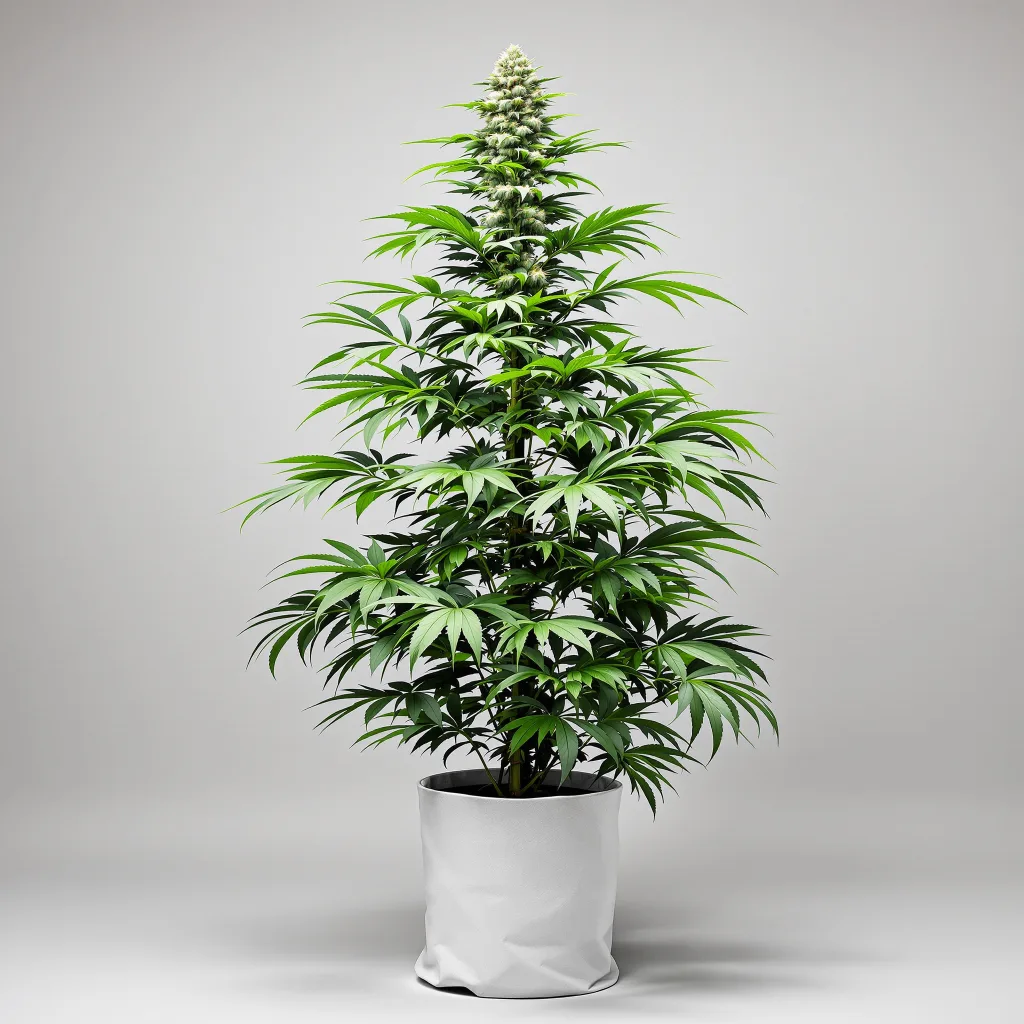
The cultivation of Island Sweet CBD requires attention to detail to ensure that its medicinal properties are fully realized. The strain thrives in controlled environments where temperature, humidity, light, and nutrient levels can be optimized to promote the production of CBD and terpenes.

Environmental Requirements
  • Climate: Island Sweet CBD prefers a warm, temperate climate. Indoor cultivation is often recommended for medical-grade production, as it allows for precise control over environmental variables.
  • Temperature: Optimal daytime temperatures range from 70 to 85°F (21 to 29°C), while nighttime temperatures should not drop below 60°F (15°C).
  • Humidity: During the vegetative stage, relative humidity levels should be kept between 50-60%. As the plant enters the flowering stage, humidity should be gradually reduced to 40-50% to prevent mold and mildew.
  • Light: Island Sweet CBD requires ample light during its vegetative and flowering stages. Indoor growers often use high-intensity discharge (HID) lights or full-spectrum LED lights to simulate natural sunlight.
Soil and Nutrients

The quality of the growing medium significantly impacts the cannabinoid and terpene profile of Island Sweet CBD. Organic soil rich in nutrients is ideal for maximizing terpene production. Key nutrients include:

  • Nitrogen (N): Essential during the vegetative stage for promoting leafy growth.
  • Phosphorus (P): Essential for bud growth throughout the flowering period.
  • Potassium (K): Promotes the resilience and general health of plants.

Additionally, micronutrients such as calcium, magnesium, and sulfur should be provided to prevent deficiencies.

Flowering Time and Yield

Island Sweet CBD has a flowering time of approximately 8 to 10 weeks. Depending on the local environment, outdoor gardeners can anticipate harvesting in late September or early October. The strain is known for its generous yields, producing up to 16 ounces per plant outdoors or up to 18 ounces per square meter indoors.

Restrictions on Using Island Sweet CBD in the Medical Field

While Island Sweet CBD offers numerous therapeutic benefits, its use in the medical field must be approached with caution and strict regulatory oversight. The strain’s high cannabidiol (CBD) content and minimal tetrahydrocannabinol (THC) levels make it an excellent candidate for addressing medical conditions, but its application should remain restricted to specific circumstances. Generally speaking, Island Sweet CBD should only be used as a last resort when traditional therapies are unable to produce satisfactory relief or cause unbearable adverse effects. Additionally, stringent monitoring of THC levels in medications derived from this strain is critical to prevent any psychoactive effects on patients.

Use as a Last-Resort Option in Medical Treatments

Cannabis-based therapies, including those derived from Island Sweet CBD, are still a subject of ongoing research. Despite the promising medical applications of CBD, medical professionals are advised to prioritize traditional, evidence-based treatments before considering cannabis as an option. Island Sweet CBD should only be recommended when standard therapies, such as pharmaceuticals or non-invasive procedures, fail to achieve the desired outcomes or pose significant risks to the patient.

For instance, patients suffering from chronic pain or inflammation who do not respond to analgesics like acetaminophen or NSAIDs may benefit from Island Sweet CBD as an alternative. Similarly, epilepsy patients who experience insufficient seizure control with FDA-approved anti-epileptic drugs may find relief through high-CBD strains like this one. However, such use must be guided by a thorough evaluation of the patient’s medical history, condition severity, and potential for adverse effects.

Limiting the use of Island Sweet CBD as a last-resort therapy ensures that it is prescribed only for cases where its benefits clearly outweigh potential risks. This approach also helps maintain a focus on evidence-based medicine while minimizing any overreliance on cannabis in clinical practice.

Monitoring THC Levels in Medications

One of the most critical aspects of using Island Sweet CBD in the medical field is ensuring that THC levels are tightly controlled. Although the strain naturally has low THC concentrations—typically below 1%—strict quality assurance measures are necessary during the extraction and manufacturing processes to prevent variations that could result in unintended psychoactive effects.

Psychoactivity, even at low levels, can be detrimental in certain patient populations, including children, elderly individuals, and those with mental health conditions such as anxiety or psychosis. To mitigate this risk, any medication derived from Island Sweet CBD must undergo rigorous testing to verify THC levels and maintain compliance with legal and medical standards. The target ratio of CBD to THC should remain sufficiently high to ensure therapeutic efficacy without compromising mental clarity or cognitive function in patients.

Additionally, patient monitoring is essential during treatment to detect any unintended side effects, such as sedation, dizziness, or altered mental states, which could indicate elevated THC exposure. Medical professionals should educate patients about the importance of adhering to prescribed dosages and avoiding self-medication to reduce the likelihood of psychoactive effects.

By restricting the use of Island Sweet CBD to last-resort cases and maintaining vigilant control over THC levels, healthcare providers can harness the strain’s therapeutic potential while safeguarding patient safety.

Conclusion: A Comprehensive Overview of Island Sweet CBD’s Medical Potential and Responsible Use

Island Sweet CBD represents a milestone in the evolution of cannabis as a therapeutic agent, offering an alternative for patients who require relief from a variety of medical conditions without experiencing psychoactive effects. Through its high cannabidiol (CBD) content, minimal tetrahydrocannabinol (THC) levels, and a synergistic terpene profile, this strain has demonstrated significant potential for treating chronic pain, inflammation, anxiety, epilepsy, neurodegenerative disorders, sleep issues, and other medical conditions. Its origins, rooted in careful genetic engineering, reflect the strides made in cannabis cultivation to focus on medical efficacy while minimizing psychoactivity.

However, with its immense potential come necessary restrictions to ensure its safe and responsible use. The strain should be viewed as a last-resort option in medical practice, reserved for cases where traditional treatments have proven ineffective or cause intolerable side effects. This measured approach ensures that Island Sweet CBD does not replace conventional therapies unnecessarily, maintaining the integrity of evidence-based medicine.

Equally important is the strict monitoring of THC levels in medications derived from Island Sweet CBD. Even though the strain is naturally low in THC, variations during cultivation or extraction could lead to unintended psychoactive effects, which may be detrimental to certain patients. Rigorous quality control and frequent testing are essential to ensure that the final product adheres to medical standards and prioritizes patient safety. Additionally, physicians must carefully evaluate and monitor patients to mitigate risks and optimize therapeutic outcomes.

In terms of cultivation, Island Sweet CBD requires precise environmental conditions to preserve its medical-grade chemical profile. Its terpene-rich structure and high CBD concentration depend on proper temperature, humidity, light, and nutrient management, making indoor or controlled-environment agriculture the ideal method for growing this strain. The resulting product provides a robust combination of cannabinoids and terpenes that work synergistically to enhance its medical benefits, demonstrating the importance of meticulous cultivation techniques.

Ultimately, Island Sweet CBD exemplifies the potential of cannabis to improve lives through targeted medical applications. Yet, its use must remain guided by stringent oversight, rigorous scientific evaluation, and ethical considerations. By restricting its use to appropriate cases, monitoring THC levels to prevent psychoactivity, and continuing research to deepen our understanding of its mechanisms, Island Sweet CBD can fulfill its promise as a powerful tool in modern medicine. This strain, and others like it, underscores the importance of balancing innovation with responsibility in the expanding field of cannabinoid-based therapeutics.

Share

Leave a comment

Your email address will not be published. Required fields are marked *