Medical Strain Analysis: Hercules
-
Hercules Cannabis SeedsFrom: $24.99
Hercules is a cannabis strain that has earned a notable reputation for its medical efficacy. Known for its balanced cannabinoid profile and diverse terpene composition, it is a versatile option in therapeutic cannabis treatment. Hercules offers potential relief for a range of conditions, including chronic pain, inflammation, neurological disorders, and anxiety. By focusing exclusively on its medical applications, this analysis provides an in-depth exploration of its origins, chemical profile, therapeutic potential, and cultivation requirements.
Origins of Hercules
The Hercules strain is a hybrid bred from two well-established parent strains: Guava Chem and Harlequin Bx4. These parent strains were carefully selected for their distinct properties, combining the therapeutic potential of CBD-rich cannabis with the multifaceted benefits of a more balanced cannabinoid profile.
- Guava Chem: A descendant of the legendary Chemdawg lineage, Guava Chem is a strain known for its potency and uplifting effects. It contributes its characteristic high terpene concentration, including limonene and myrcene, to Hercules. Guava Chem’s anti-inflammatory and mood-stabilizing properties enhance Hercules’ versatility in medical applications.
- Harlequin Bx4: Harlequin is one of the most recognized CBD-rich strains in medical cannabis. It is known for its ability to deliver relief without significant psychoactivity. As a parent strain, Harlequin brings high CBD levels, making Hercules a suitable choice for patients seeking therapeutic benefits without the disorienting effects of THC.
The hybridization of these two strains creates a harmonious profile that caters specifically to medical needs. Hercules is regarded as a balanced hybrid, offering the benefits of both indica and sativa genetics, which manifest in its ability to address both physical and mental conditions.
Chemical Profile of Hercules

The therapeutic potential of Hercules is derived from its chemical makeup, including cannabinoids and terpenes. These compounds interact synergistically through the “entourage effect,” amplifying their individual benefits to create a more comprehensive treatment option.
Cannabinoids in Hercules
The cannabinoid profile of Hercules is characterized by a balanced ratio of THC and CBD, with notable contributions from minor cannabinoids such as CBG and CBN.
- THC (Tetrahydrocannabinol): THC is the most well-known cannabinoid and is responsible for many of the strain’s analgesic and anti-inflammatory properties. In Hercules, THC levels typically range between 12-18%, offering sufficient potency to manage severe symptoms such as chronic pain and inflammation. Importantly, the moderate THC content minimizes the risk of adverse psychoactive effects, allowing patients to experience relief while remaining functional.
- CBD (Cannabidiol): With CBD levels ranging from 5-10%, Hercules is an excellent choice for conditions requiring anti-inflammatory, anti-anxiety, or anticonvulsant effects. CBD also acts as a counterbalance to THC, reducing the risk of anxiety or paranoia that may arise in THC-sensitive individuals.
- CBG (Cannabigerol): Often referred to as the “stem cell cannabinoid,” CBG is a precursor to THC and CBD. Its presence in Hercules enhances its anti-inflammatory and neuroprotective properties, making it particularly beneficial for neurological conditions such as multiple sclerosis and Alzheimer’s disease.
- CBN (Cannabinol): A derivative of THC, CBN is known for its sedative effects and is beneficial in promoting sleep and relaxation. Its role in Hercules makes the strain effective for managing insomnia and other sleep disorders.
This combination of cannabinoids creates a versatile strain suitable for addressing a wide range of symptoms while minimizing side effects.
Terpenes in Hercules
Hercules boasts a diverse terpene profile, with each compound contributing to its therapeutic efficacy. The most prominent terpenes include:
- Myrcene: The dominant terpene in Hercules, myrcene is known for its sedative and pain-relieving properties. It enhances the strain’s ability to address chronic pain and promote restful sleep, making it ideal for patients with fibromyalgia, arthritis, or insomnia.
- Caryophyllene: By attaching itself to CB2 receptors, caryophyllene, unlike other terpenes, directly engages with the endocannabinoid system. This interaction results in potent anti-inflammatory and anxiolytic effects, making Hercules effective for treating inflammatory disorders like Crohn’s disease and rheumatoid arthritis.
- Limonene: Known for its mood-enhancing properties, limonene provides an uplifting effect that helps manage anxiety and depression. Its citrus aroma also adds to the sensory appeal of Hercules.
- Pinene: Pinene is a terpene associated with improved focus and cognitive clarity. It also has anti-inflammatory properties, making it beneficial for neurodegenerative conditions such as Parkinson’s and Alzheimer’s disease.
- Linalool: With its calming and anti-anxiety effects, linalool contributes to Hercules’ ability to promote relaxation and stress relief. It is particularly effective for patients with PTSD or generalized anxiety disorder.
These terpenes work in concert with cannabinoids to produce a comprehensive therapeutic effect, addressing both physical and psychological symptoms.
Medical Benefits of Hercules

Hercules has demonstrated efficacy in managing a broad spectrum of medical conditions. Its balanced chemical profile allows for targeted symptom relief without overwhelming psychoactivity, making it an ideal option for patients seeking functional relief.
Chronic Pain Management
Hercules is highly effective in managing chronic pain conditions due to its analgesic properties. THC, CBD, and myrcene work together to reduce pain signals in the brain and decrease inflammation at the source.
- Arthritis: Patients with arthritis benefit from Hercules’ ability to reduce joint inflammation and alleviate pain, improving mobility and quality of life.
- Neuropathic Pain: Conditions such as diabetic neuropathy or nerve damage respond well to the pain-relieving effects of THC and CBD.
- Post-Surgical Recovery: Hercules aids in managing post-operative pain while promoting relaxation and sleep, essential for recovery.
Anxiety and Stress Relief
The presence of CBD, limonene, and linalool makes Hercules particularly effective for managing anxiety and stress-related conditions.
- Generalized Anxiety Disorder (GAD): Patients report a significant reduction in symptoms, as the strain promotes a sense of calm without cognitive impairment.
- Post-Traumatic Stress Disorder (PTSD): Hercules helps reduce hyperarousal and intrusive thoughts associated with PTSD, allowing patients to regain a sense of normalcy.
Inflammatory Disorders
The anti-inflammatory properties of caryophyllene, CBD, and THC make Hercules a powerful option for managing chronic inflammatory conditions.
- Crohn’s Disease and Ulcerative Colitis: By targeting inflammation in the gastrointestinal tract, Hercules helps reduce symptoms such as abdominal pain and diarrhea.
- Psoriasis and Eczema: Topical applications of Hercules extracts may alleviate skin inflammation and irritation.
Neurological Conditions
Hercules has shown promise in treating neurological disorders due to its neuroprotective and anti-inflammatory properties.
- Epilepsy: The high CBD content helps reduce seizure frequency and intensity, making it an alternative to traditional anticonvulsants.
- Multiple Sclerosis (MS): Patients with MS benefit from Hercules’ ability to reduce muscle spasticity and neuropathic pain.
- Parkinson’s Disease and Alzheimer’s Disease: By lowering inflammation in the brain, pinene and CBD enhance cognitive function and may even prevent the progression of disease.
Sleep Disorders
For patients with insomnia or disrupted sleep cycles, Hercules offers a natural alternative to pharmaceutical sleep aids. The sedative effects of myrcene and linalool promote relaxation and improve sleep quality without the risk of dependency.
Appetite Stimulation
Hercules is particularly beneficial for patients undergoing treatments like chemotherapy, which often lead to appetite loss. The moderate THC content stimulates appetite, helping patients maintain a healthy weight and nutritional intake.
Growing Conditions for Hercules

Cultivating Hercules involves understanding its specific environmental needs. While it is moderately easy to grow, attention to detail ensures optimal yields and potency.
Climate Requirements
Hercules thrives in a Mediterranean-like climate, with daytime temperatures between 70-80°F (21-27°C). It is well-suited for both indoor and outdoor cultivation, provided humidity levels are carefully controlled to prevent mold and mildew.
Light and Photoperiod
As a photoperiod strain, Hercules requires distinct light cycles to transition between vegetative and flowering stages:
- Vegetative Stage: Vigorous development is encouraged by 18 hours of sunshine and 6 hours of darkness.
- Flowering Stage: A 12/12 light-dark cycle triggers flowering and resin production.
Soil and Nutrients
Hercules grows best in nutrient-rich, well-aerated soil with a pH range of 6.0-6.5. Organic nutrients, including compost and microbial additives, enhance terpene production and overall plant health. Key nutrient requirements include:
- Nitrogen (N): Supports vegetative growth by promoting the development of lush foliage.
- Phosphorus (P): Essential during the flowering stage for robust bud formation.
- Potassium (K): Improves overall plant health and supports resin production.
Watering and Drainage
Proper hydration is crucial for the healthy development of Hercules. In contrast to underwatering, which can impede growth, overwatering can cause root rot. Employing a watering schedule and using a well-draining soil mix help maintain optimal moisture levels.
Pest and Disease Management
While Hercules is naturally resistant to many pests and diseases, proactive measures are essential. Common issues include spider mites and powdery mildew, which can be managed with organic pesticides and proper ventilation. Regular inspections ensure early detection and treatment.
Yield and Flowering Time
Hercules has a flowering period of approximately 8-10 weeks. When grown under optimal conditions:
- Indoor Yields: Up to 16 ounces per square meter.
- Outdoor Yields: Up to 20 ounces per plant.
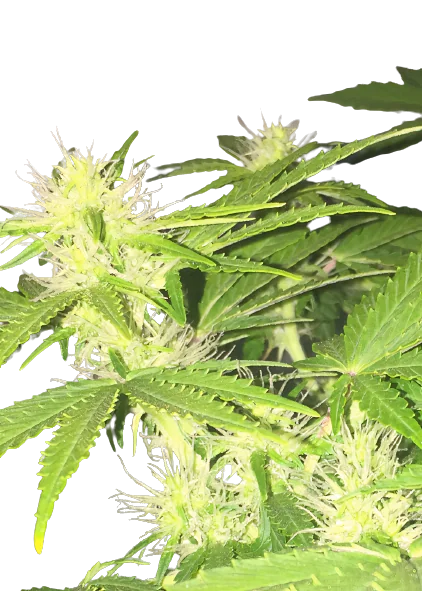
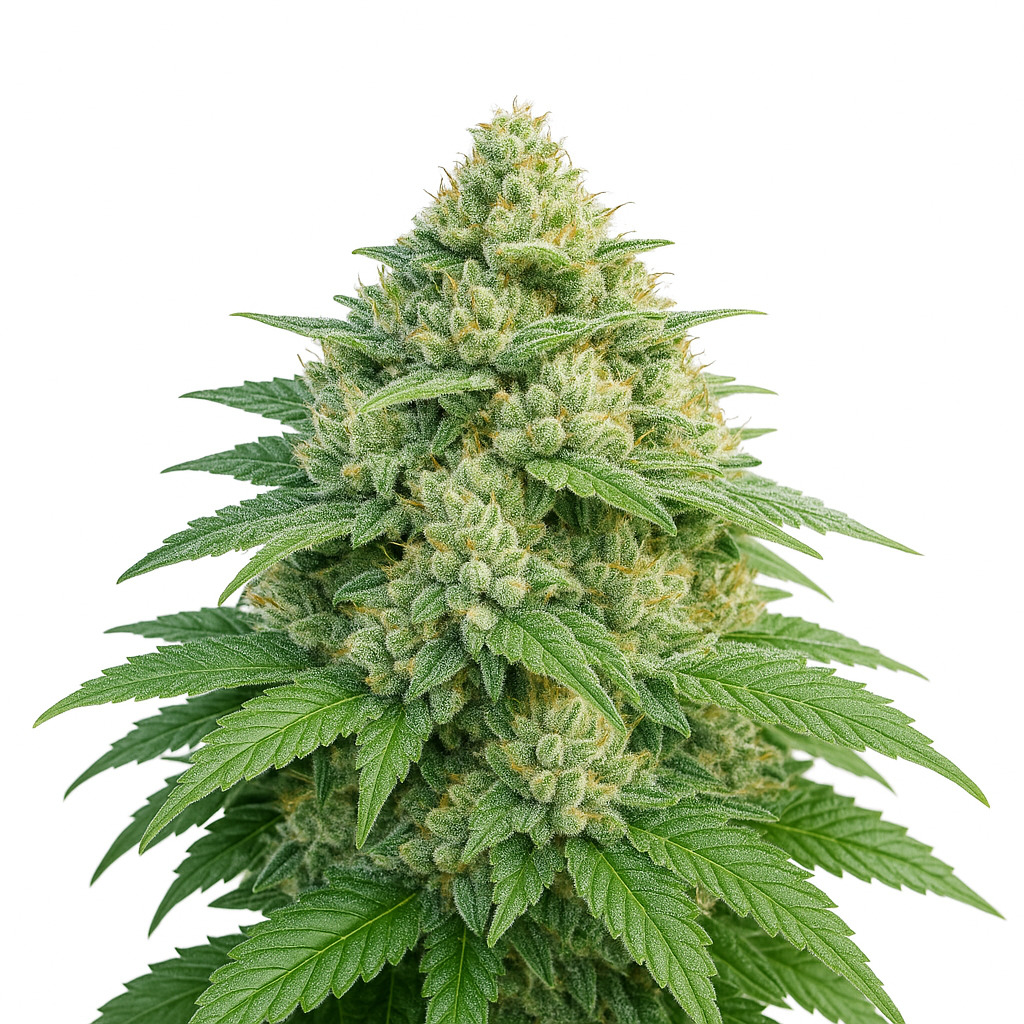
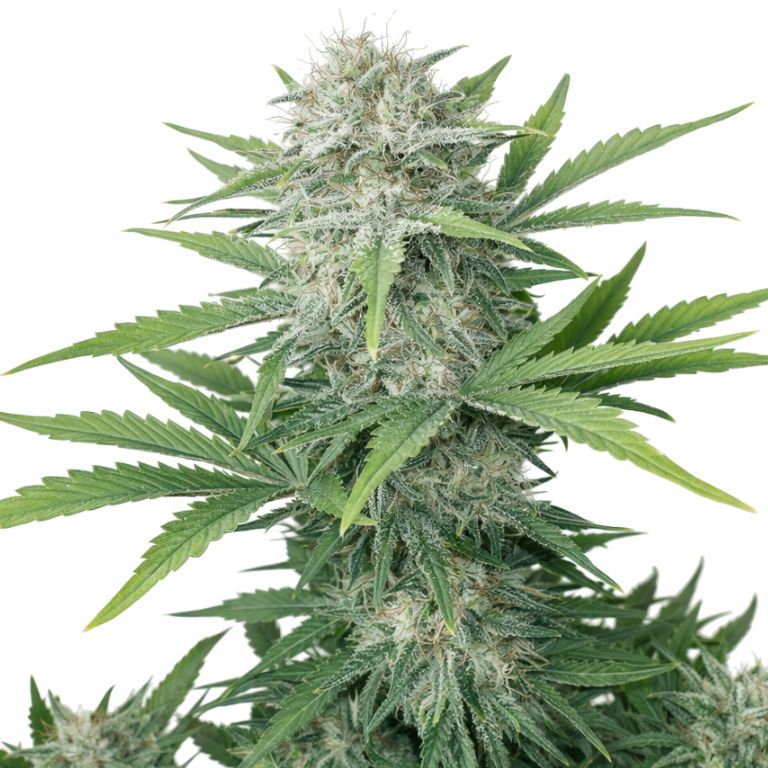
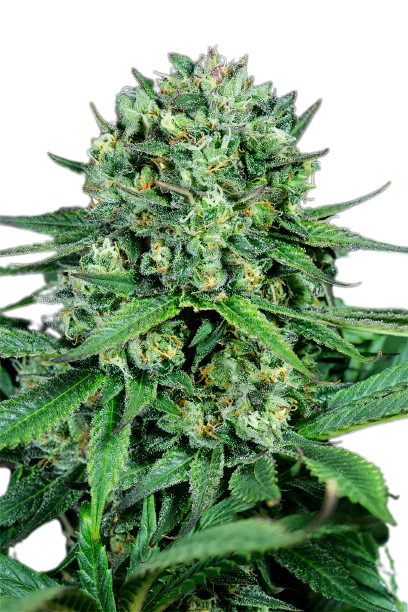
The buds are dense, resinous, and rich in cannabinoids and terpenes, making them highly potent for medical use.
Restrictions on Using Hercules Strain in the Medical Field and as a Last Resort
Hercules, a hybrid cannabis strain renowned for its therapeutic properties, is increasingly utilized in the medical field to treat a variety of conditions. However, due to its moderate THC content and potential psychoactive effects, the use of Hercules in medical treatment is often subject to strict regulations. This strain is recommended primarily as a last-resort option for patients who have not responded well to conventional treatments. Furthermore, rigorous monitoring of THC levels in medications derived from Hercules is essential to ensure safety, efficacy, and minimal psychoactive impact on patients. Below, we explore the restrictions and guidelines for using Hercules in medical applications.
Hercules as a Last-Resort Medical Option
The application of cannabis-based therapies, including those utilizing the Hercules strain, is often reserved for patients who have exhausted traditional treatment options. This restriction is rooted in the need to prioritize well-established medical protocols and minimize exposure to potential risks associated with cannabis use.
Limitations in Treatment Protocols
Hercules is not considered a first-line treatment in most medical scenarios. Conventional pharmaceutical treatments, physical therapy, and other non-cannabis interventions are typically explored before cannabis-based options are considered. This cautious approach ensures that cannabis is used only when the potential benefits outweigh the risks, such as when:
- Chronic pain does not respond to opioids or nonsteroidal anti-inflammatory drugs (NSAIDs).
- Anxiety or PTSD symptoms persist despite psychotherapy and pharmacological interventions.
- Neurological conditions, such as epilepsy, are not controlled with standard anti-seizure medications.
By designating Hercules as a last-resort option, medical professionals emphasize patient safety while recognizing its potential for managing treatment-resistant conditions.
Special Populations
For vulnerable populations, including children, elderly patients, and those with a history of substance use disorders, the use of Hercules is even more tightly regulated. For instance, pediatric epilepsy patients may benefit from CBD-dominant therapies derived from Hercules, but only under strict medical supervision and as part of a carefully designed treatment plan.
Monitoring THC Levels to Prevent Psychoactive Effects
One of the primary concerns in using Hercules medically is its moderate THC content, which can induce psychoactive effects. While THC is an effective cannabinoid for pain relief, appetite stimulation, and inflammation reduction, its psychoactivity may lead to undesirable side effects, such as dizziness, confusion, or anxiety, particularly in sensitive patients. As such, monitoring and controlling THC levels in medical formulations is a critical aspect of using Hercules in treatment.
Standardized Extracts and Dosage Control
To minimize psychoactive effects, medications derived from Hercules are often standardized to specific THC and CBD concentrations. This standardization ensures that the therapeutic benefits of THC are retained while limiting its impact on cognition and mood. For example:
- Low-THC Extracts: These formulations prioritize CBD and minor cannabinoids like CBG, with THC levels below 1%, to offer therapeutic benefits without psychoactivity. Such extracts are ideal for patients with high sensitivity to THC or those requiring prolonged treatment.
- Balanced Formulations: For conditions requiring the combined analgesic effects of THC and CBD, balanced extracts with a 1:1 ratio are used. These formulations are prescribed in low doses to prevent psychoactive effects.
Medical Oversight and Patient Monitoring
Patients prescribed medications derived from Hercules must be closely monitored by healthcare professionals to evaluate their response to treatment and detect any adverse effects. Regular assessments may include:
- THC Sensitivity Testing: Evaluating how patients react to small doses of THC ensures that their treatment plan minimizes unwanted effects.
- Cognitive and Behavioral Monitoring: Assessing changes in mood, cognition, or motor function helps determine whether THC levels need to be adjusted.
- Symptom Tracking: Keeping detailed records of symptom improvement and side effects provides insights into the efficacy and safety of the treatment.
Capsules, Tinctures, and Topicals
The delivery method of medications derived from Hercules can influence the likelihood of psychoactive effects. Non-inhalation methods, such as capsules, tinctures, and topicals, allow for more precise dosing and controlled THC delivery, reducing the risk of psychoactivity. Topical applications, for example, can provide localized relief for conditions like arthritis without introducing THC into the bloodstream at significant levels.
Regulatory Oversight and Compliance
The use of cannabis strains like Hercules in the medical field is subject to rigorous regulatory oversight to protect patient safety and ensure ethical practices. Governments and medical boards establish clear guidelines for prescribing cannabis-based treatments, including the following restrictions:
- Prescription-Only Access: Hercules-derived medications are available only through a licensed healthcare provider, ensuring that their use is medically justified and carefully supervised.
- THC Threshold Limits: Many jurisdictions impose strict limits on the THC content in medical cannabis products. For example, some countries cap THC levels at 5% for medical use, while others allow higher concentrations under specific conditions.
- Controlled Substance Classification: Hercules and its derivatives are classified under controlled substance regulations, requiring detailed tracking from cultivation to dispensing. This ensures that the strain is used exclusively for medical purposes.
Ethical Considerations in Medical Use
In addition to regulatory compliance, ethical considerations play a critical role in the medical use of Hercules. Physicians must weigh the potential benefits of using Hercules against the risks, especially when alternative treatments are available. Shared decision-making with the patient is essential, ensuring they fully understand the rationale for using cannabis-based treatment, the expected outcomes, and any potential side effects.
Avoiding Recreational Misuse
By enforcing strict controls on the cultivation, production, and distribution of Hercules, authorities can minimize the risk of recreational misuse. Labeling medical products clearly and maintaining secure supply chains helps ensure that Hercules-derived medications are used solely for their intended purpose.
Prioritizing Patient Safety
Above all, patient safety must remain the priority in using Hercules in medical settings. This involves not only monitoring THC levels but also educating patients and caregivers about safe usage practices. Clear guidelines on dosage, frequency, and potential interactions with other medications are critical to preventing misuse or adverse outcomes.
Conclusion
Hercules stands as a remarkable cannabis strain with significant potential in medical applications. Its origins from the hybridization of Guava Chem and Harlequin Bx4 have resulted in a balanced cannabinoid profile, enriched with THC, CBD, and beneficial minor cannabinoids like CBG and CBN. This combination, complemented by a robust terpene profile featuring myrcene, caryophyllene, limonene, and linalool, offers wide-ranging therapeutic benefits. From managing chronic pain, inflammation, and neurological disorders to alleviating anxiety, PTSD, and sleep disorders, Hercules demonstrates versatility as a medical strain.
However, the use of Hercules in the medical field is appropriately restricted. It is considered a last-resort treatment, reserved for patients who have not responded adequately to conventional therapies. This prioritization underscores the need for evidence-based practices in cannabis medicine while allowing for the innovative use of this strain for treatment-resistant conditions.
A critical consideration in the medical application of Hercules is the monitoring and regulation of THC levels. While THC contributes significantly to the strain’s therapeutic potential, its psychoactive effects can pose challenges, particularly for sensitive populations. The development of standardized formulations, including low-THC and balanced THC-CBD ratios, has mitigated these risks, allowing patients to benefit from Hercules’ medicinal properties without undesirable cognitive or behavioral side effects. Additionally, alternative delivery methods, such as tinctures and topicals, further reduce the likelihood of psychoactivity, ensuring that the strain remains accessible and safe for medical use.
Regulatory oversight and ethical considerations remain paramount in ensuring that Hercules is used exclusively for medical purposes. Governments and medical boards enforce strict controls on cultivation, production, and prescribing practices to safeguard public health while maximizing the therapeutic potential of cannabis-based treatments. By adhering to these guidelines, healthcare providers can effectively harness the benefits of Hercules for their patients while minimizing risks and preventing misuse.
In sum, Hercules exemplifies the promise of cannabis in modern medicine. Its balanced chemical composition, therapeutic versatility, and regulated use make it a valuable tool for addressing a wide range of medical conditions. With proper monitoring, ethical practices, and ongoing research, Hercules can continue to serve as a cornerstone of cannabis-based therapies, offering hope and relief to patients who need it most.