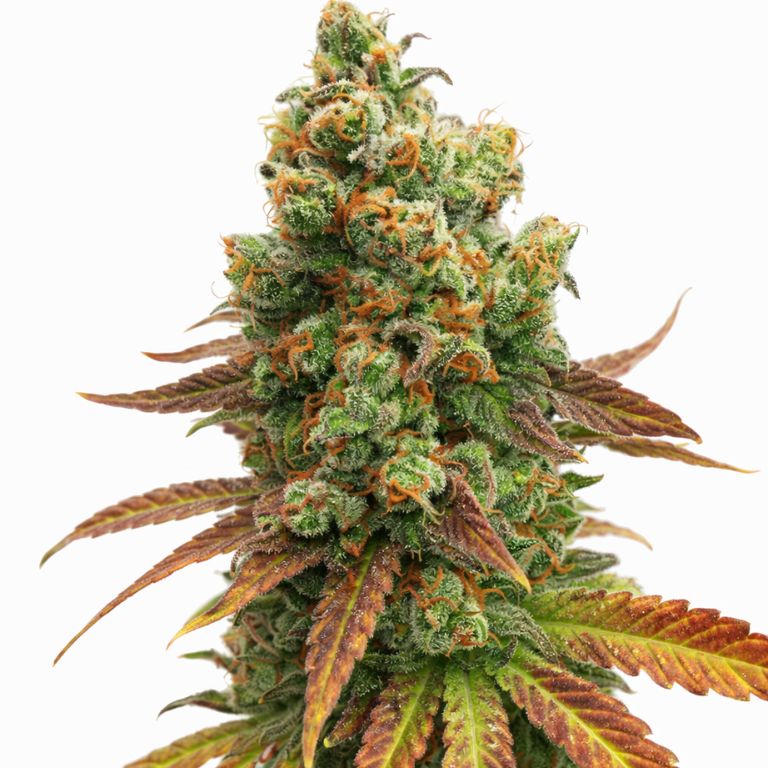
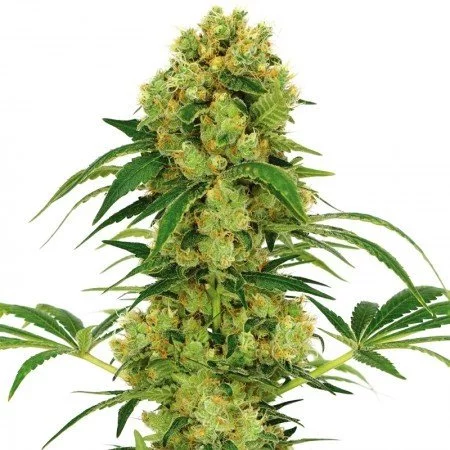
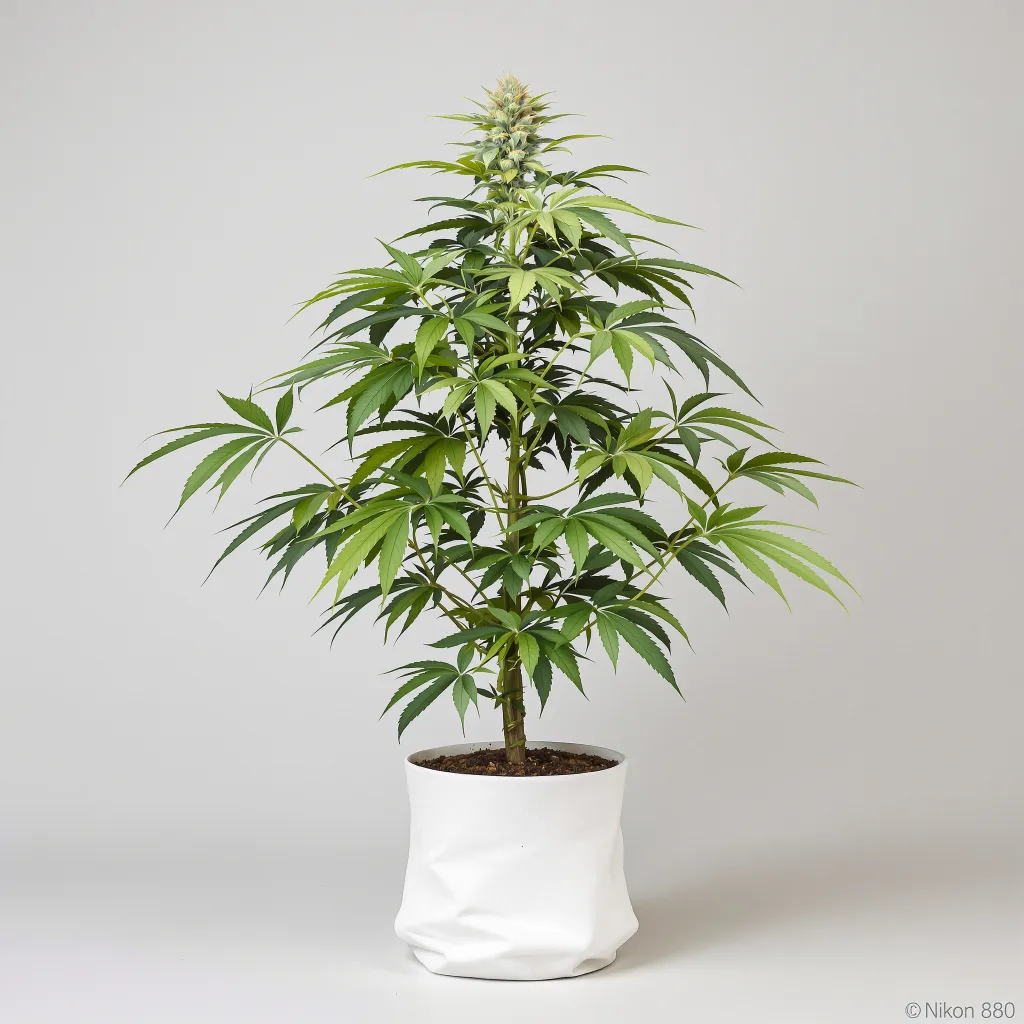
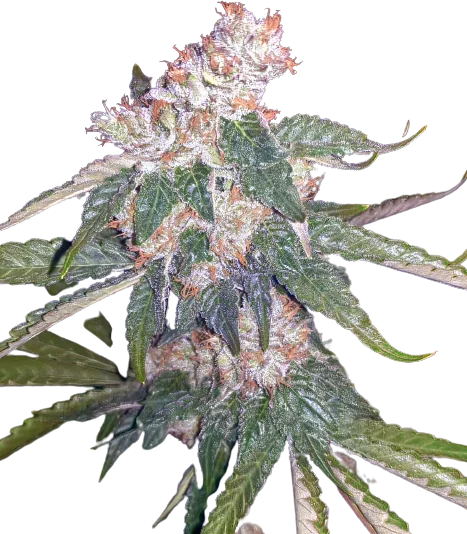
Medical Strain Analysis: Hemp Queen
Hemp Queen is an emerging medical cannabis strain that has garnered significant attention for its therapeutic potential, particularly among patients seeking natural alternatives for chronic conditions, pain management, and neurological disorders. While relatively new to the market, this strain has quickly gained popularity within the medical cannabis community due to its unique chemical profile and consistent therapeutic effects. In this comprehensive analysis, we will explore the origins of Hemp Queen, its distinctive chemical composition, the wide array of medical benefits it offers, and the environmental and cultivation factors required to optimize its growth. This examination is designed to provide a detailed understanding of the strain’s applications and how its cultivation directly impacts its medicinal quality.
The Origins of Hemp Queen
Hemp Queen is the product of meticulous breeding practices aimed at enhancing the medicinal properties of cannabis while minimizing psychoactive effects. While the exact genetic lineage of Hemp Queen remains proprietary in many cases, it is believed to have been derived from a careful cross of high-CBD hemp cultivars with low-THC strains. These parent strains were selected for their ability to produce a cannabinoid profile rich in cannabidiol (CBD), with trace amounts of tetrahydrocannabinol (THC), ensuring that the psychoactive effects remain negligible while the medicinal properties are maximized.
Hemp Queen is often classified as a hemp strain because its THC content falls below the legal limit of 0.3% in most jurisdictions. However, it is distinct from industrial hemp varieties, which are typically grown for fiber or seed production. Instead, Hemp Queen is cultivated specifically for its cannabinoid and terpene content, making it an ideal strain for medical use. Breeders prioritized stability in its chemical makeup to ensure consistent therapeutic outcomes, regardless of growing conditions or harvest cycles. The result is a strain that patients and medical professionals can rely on for predictable and effective symptom relief.
Chemical Profile: Cannabinoids and Terpenes

Hemp Queen’s efficacy as a medicinal strain lies in its rich chemical profile, which is dominated by CBD but also includes other minor cannabinoids and a diverse array of terpenes. Together, these compounds work synergistically to provide a range of health benefits through the entourage effect.
Cannabinoid Composition
- CBD (Cannabidiol): Hemp Queen typically boasts a CBD content of 15–20%, making it a high-CBD strain. CBD is non-intoxicating and has been extensively studied for its anti-inflammatory, analgesic, anti-anxiety, and neuroprotective properties. It interacts with the endocannabinoid system, particularly the CB1 and CB2 receptors, to regulate various physiological processes such as pain perception, immune response, and mood stabilization.
- THC (Tetrahydrocannabinol): As a hemp strain, Hemp Queen contains less than 0.3% THC. This negligible amount ensures that the strain is non-psychoactive while still allowing for a subtle contribution to the entourage effect, which enhances the therapeutic potential of the other cannabinoids and terpenes.
- CBG (Cannabigerol): While present in smaller amounts (typically less than 1%), CBG is another significant cannabinoid found in Hemp Queen. Known as the “mother cannabinoid,” CBG serves as a precursor to both THC and CBD during the biosynthetic process. It has its own set of medical benefits, including anti-inflammatory and antibacterial effects.
- CBC (Cannabichromene): Another minor cannabinoid in Hemp Queen, CBC, is noted for its potential to alleviate pain and inflammation. It may also promote neurogenesis and support mental health by enhancing the brain’s ability to form new connections.
Terpene Profile
Hemp Queen’s terpene composition plays a crucial role in its therapeutic efficacy. Terpenes are aromatic compounds that not only give the strain its distinctive smell but also contribute to its medicinal properties by interacting with cannabinoids to produce a synergistic effect.
- Myrcene: Because of its well-known soothing and calming effects, this terpene is especially helpful for people who suffer from anxiety disorders, chronic pain, or insomnia.
- Limonene: Limonene’s zesty scent is linked to stress reduction and mood enhancement. It also exhibits anti-inflammatory and antioxidant properties.
- Beta-Caryophyllene: Unique among terpenes, beta-caryophyllene binds directly to CB2 receptors in the endocannabinoid system. It is highly effective in reducing inflammation and pain, making it a key component of Hemp Queen’s medical profile.
- Linalool: This floral-scented terpene contributes to relaxation and may help manage symptoms of anxiety and depression. It also possesses anti-convulsant and anti-inflammatory properties.
- Pinene: As the name suggests, pinene has a pine-like aroma and is known for its bronchodilator effects, which can benefit patients with respiratory conditions such as asthma or COPD.
Medical Benefits of Hemp Queen

Hemp Queen’s robust cannabinoid and terpene profile make it an exceptionally versatile strain for medical use. Below are the primary therapeutic benefits associated with its use:
Pain Management
Chronic pain is one of the most common conditions treated with medical cannabis, and Hemp Queen excels in this area due to its potent anti-inflammatory and analgesic properties. The high CBD content works to modulate pain signals in the central nervous system by interacting with CB1 and CB2 receptors. The presence of terpenes like beta-caryophyllene and myrcene further enhances its effectiveness in reducing pain, making it suitable for conditions such as arthritis, fibromyalgia, and neuropathy.
Anti-Inflammatory Effects
Inflammation is a root cause of many chronic illnesses, including autoimmune disorders, inflammatory bowel disease (IBD), and neurodegenerative conditions. Hemp Queen’s ability to reduce inflammation is attributed to the combined action of CBD, beta-caryophyllene, and CBG. These compounds work together to suppress pro-inflammatory cytokines and promote an anti-inflammatory response, offering relief to patients with conditions such as Crohn’s disease, multiple sclerosis, and rheumatoid arthritis.
Neurological Support
Hemp Queen shows great promise in the treatment of neurological disorders, thanks to CBD’s neuroprotective and anticonvulsant properties. The strain has been used to manage symptoms of epilepsy, Parkinson’s disease, and Alzheimer’s disease. By reducing oxidative stress and promoting neuronal health, Hemp Queen may slow the progression of neurodegenerative diseases and improve the quality of life for affected patients.
Anxiety and Stress Relief
The anxiolytic effects of Hemp Queen are well-documented, making it a preferred choice for patients with anxiety disorders, PTSD, or generalized stress. By interacting with the brain’s serotonin receptors, CBD helps control mood and lessen anxiety. The calming terpenes, such as linalool and myrcene, enhance these effects, providing a natural alternative to pharmaceutical anxiolytics, which often come with significant side effects.
Sleep Disorders
Insomnia and other sleep disturbances can severely impact overall health and well-being. Hemp Queen’s sedative properties, primarily driven by its myrcene and linalool content, make it an effective aid for improving sleep quality and duration. Unlike many over-the-counter sleep aids, Hemp Queen does not cause grogginess or dependency, making it a safer option for long-term use.
Immune Modulation
CBD and other cannabinoids in Hemp Queen have been shown to modulate immune system activity, making the strain beneficial for patients with autoimmune conditions. By balancing immune responses, Hemp Queen can help reduce the severity of autoimmune flare-ups and promote overall immune health.
Anti-Tumor Potential
Preliminary research suggests that CBD and certain terpenes in Hemp Queen may possess anti-tumor properties. While more studies are needed to confirm these effects, early evidence indicates that the strain could potentially inhibit the growth of cancer cells and improve outcomes for patients undergoing conventional cancer treatments.
Growing Conditions for Optimal Medical Quality
The therapeutic efficacy of Hemp Queen is directly influenced by its growing conditions. Cultivators must carefully control environmental factors to ensure the strain produces a consistent and potent chemical profile. Below are the key considerations for cultivating Hemp Queen for medical use:
Climate Requirements
Hemp Queen thrives in a temperate climate with ample sunlight and moderate humidity levels. Ideal temperatures range from 70–85°F (21–29°C) during the day, with cooler nights to enhance terpene production. Excessive humidity should be avoided to prevent mold and mildew, which can compromise the medicinal quality of the crop.
Soil and Nutrients
Rich, well-draining soil is essential for growing Hemp Queen. Organic soil amendments, such as compost and natural fertilizers, are preferred to ensure the absence of harmful chemicals or pesticides that could affect the strain’s medicinal purity. Key nutrients include nitrogen, phosphorus, and potassium, along with trace minerals like magnesium and calcium.
Light Exposure
Hemp Queen requires abundant light during its vegetative and flowering stages. Outdoor cultivation should take advantage of natural sunlight, while indoor growers can use full-spectrum LED lights to mimic sunlight and optimize cannabinoid and terpene production.
Watering and Irrigation
Consistent watering is crucial for healthy plant growth, but overwatering can lead to root rot and other issues. Drip irrigation systems are often recommended for medical cannabis strains like Hemp Queen, as they allow for precise water delivery and reduce the risk of over-saturation.
Pest and Disease Management
Pesticides and fungicides should be avoided or used sparingly in the cultivation of Hemp Queen, as residues can compromise the safety and efficacy of the final product. Instead, integrated pest management (IPM) practices, such as introducing beneficial insects or using natural deterrents, are preferred.
Harvesting and Curing
Timing the harvest is critical to achieving Hemp Queen’s full therapeutic potential. Harvesting too early can result in reduced CBD levels, while harvesting too late can degrade cannabinoids and terpenes. Once harvested, the plants should be carefully dried and cured to preserve their chemical profile. This process involves maintaining a controlled environment with specific humidity and temperature levels to prevent mold and enhance potency.
Restrictions on Using Hemp Queen in the Medical Field and its Role as a Last Resort

The use of Hemp Queen, a high-CBD hemp strain, in medical applications comes with significant restrictions to ensure safety, efficacy, and ethical practice. Despite its therapeutic benefits, regulatory guidelines and medical protocols emphasize that this strain must only be used in specific situations, typically as a last resort when other treatment options have proven ineffective. Additionally, strict monitoring of THC levels is essential to prevent any psychoactive effects on patients. These measures help maintain the strain’s suitability as a medical tool while avoiding misuse or unintended side effects.
Limited Use in Medical Practice
Hemp Queen is predominantly utilized for its high cannabidiol (CBD) content and minimal tetrahydrocannabinol (THC) levels, which makes it a non-intoxicating option for medical treatment. However, regulatory agencies, healthcare providers, and policymakers enforce several restrictions on its use in clinical settings.
One primary restriction is the requirement for a medical diagnosis and thorough evaluation before a physician can recommend Hemp Queen-based treatment. Healthcare providers are instructed to explore conventional pharmaceuticals and therapies before turning to cannabis-based treatments. This ensures that Hemp Queen is reserved for cases where other medications or interventions have failed to produce satisfactory results. For example, patients suffering from chronic pain, epilepsy, or treatment-resistant anxiety may be prescribed Hemp Queen as a secondary or tertiary treatment option, but only after traditional therapies, such as opioids, anti-epileptic drugs, or selective serotonin reuptake inhibitors (SSRIs), have been thoroughly tried and evaluated.
In addition to being a last-resort option, Hemp Queen’s use is also limited by medical guidelines that specify its suitability for particular conditions. Current research supports its use for managing neurological disorders, chronic inflammation, and certain autoimmune diseases, but evidence for its effectiveness in other conditions may remain insufficient. Medical institutions often require rigorous documentation of the patient’s condition, treatment history, and therapeutic goals to justify the use of this strain. Such protocols prevent the indiscriminate prescription of Hemp Queen and uphold its integrity as a specialized medical treatment.
Monitoring THC Levels to Prevent Psychoactive Effects
Another critical restriction in the medical application of Hemp Queen involves the careful monitoring of THC levels in formulations and medications derived from the strain. By definition, Hemp Queen contains less than 0.3% THC, ensuring that it does not produce the psychoactive effects associated with high-THC cannabis strains. However, even trace amounts of THC must be managed carefully in medical applications, particularly for sensitive populations such as children, elderly patients, or individuals with a history of psychiatric conditions.
Healthcare providers and pharmaceutical companies involved in the production of Hemp Queen-based medications are mandated to test for THC content at various stages of the cultivation, extraction, and manufacturing process. Regulatory bodies, such as the U.S. Food and Drug Administration (FDA) or equivalent agencies in other countries, require compliance with stringent standards to ensure that THC levels remain within legal limits. Regular testing not only ensures product safety but also reinforces public confidence in medical cannabis treatments.
The risk of THC-related side effects, even at trace levels, is particularly concerning in vulnerable patients. For example, children with epilepsy who are treated with high-CBD cannabis extracts may be more susceptible to the psychoactive effects of THC if its levels are not adequately controlled. To mitigate this risk, advanced extraction methods, such as CO2 extraction, are often employed to isolate CBD while removing THC and other potentially undesirable compounds. The resulting formulations are then subjected to rigorous quality control measures to confirm their cannabinoid profile.
Ethical Implications of Restricting Use
The restrictions on Hemp Queen’s use and the monitoring of THC levels reflect the ethical considerations inherent in medical cannabis treatment. The goal is to balance patient safety with the potential benefits of cannabis-based therapies while minimizing risks and misuse. By mandating its use only as a last resort and under strict monitoring protocols, healthcare providers can ensure that Hemp Queen remains a reliable and controlled option in the medical field. In addition to safeguarding the strain’s integrity, these rules aid in drawing a distinct line between cannabis use for medical purposes and recreational purposes.
Conclusion
Hemp Queen stands as a remarkable advancement in the field of medical cannabis, offering significant therapeutic potential through its carefully engineered chemical profile and high-CBD, low-THC composition. By addressing its origins, chemical makeup, medical applications, growing conditions, and regulatory restrictions, this comprehensive analysis highlights the strain’s role as a highly targeted and reliable option for patients seeking natural alternatives for chronic conditions, neurological disorders, and inflammation-related diseases.
The origins of Hemp Queen underscore its purpose-built design for medical use, with breeding efforts focused on maximizing CBD’s therapeutic potential while minimizing psychoactive effects. This meticulous approach ensures consistency in its cannabinoid and terpene profile, which underpins its versatility and effectiveness. The chemical composition of Hemp Queen, dominated by CBD but bolstered by minor cannabinoids like CBG and CBC, as well as terpenes such as myrcene, beta-caryophyllene, and linalool, creates a synergistic “entourage effect” that enhances its medicinal benefits.
From pain management and anti-inflammatory effects to neurological support, anxiety relief, and immune modulation, Hemp Queen’s medical benefits are diverse and well-supported by emerging research. It offers hope to patients with chronic and treatment-resistant conditions, providing an alternative where conventional pharmaceuticals have failed or caused intolerable side effects. Its non-intoxicating nature makes it particularly suitable for sensitive populations, including children, the elderly, and individuals who cannot tolerate THC’s psychoactive effects.
The cultivation of Hemp Queen plays a critical role in ensuring its therapeutic quality. Strict adherence to optimal growing conditions—such as controlling light, temperature, humidity, and soil composition—ensures that the strain produces its desired chemical profile. Furthermore, environmentally conscious and organic farming practices preserve the purity of Hemp Queen, safeguarding it for medical applications.
Restrictions on the use of Hemp Queen in the medical field underscore its role as a specialized intervention. By mandating its application only as a last resort, healthcare providers ensure that its use is justified and evidence-based. Similarly, rigorous monitoring of THC levels ensures that patients do not experience any psychoactive effects, further enhancing the strain’s safety profile. These regulations serve to preserve public confidence in medicinal cannabis as a valid therapeutic choice in addition to protecting patients.
In sum, Hemp Queen represents a significant step forward in natural medicine. Its precision-engineered profile and broad-spectrum therapeutic effects make it a cornerstone for addressing a wide range of medical conditions. However, its application requires careful stewardship, both in cultivation and clinical use, to ensure its benefits are maximized while risks are minimized. As research into medical cannabis continues to evolve, Hemp Queen’s place in the medical field is likely to grow, providing hope and healing to countless patients who need it most.