Get 15% OFF with code GROWNOW15
My Account Order Lookup Cannabis Guides Beginner Seeds Intermediate Seeds Master Seeds

Medical Strain Analysis: Hawaiian Haze CBD.

Medical Strain Analysis Hawaiian Haze CBD 1

Medical Strain Analysis: Hawaiian Haze CBD

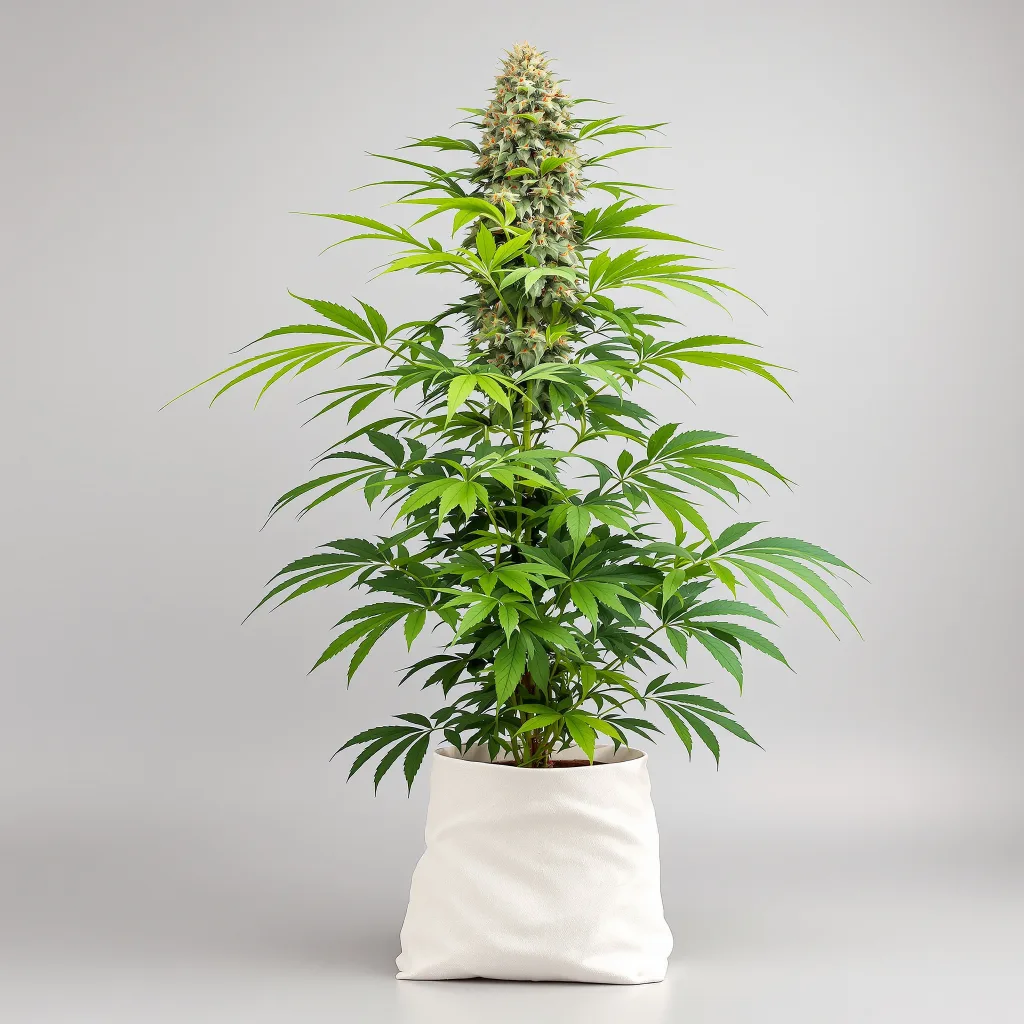
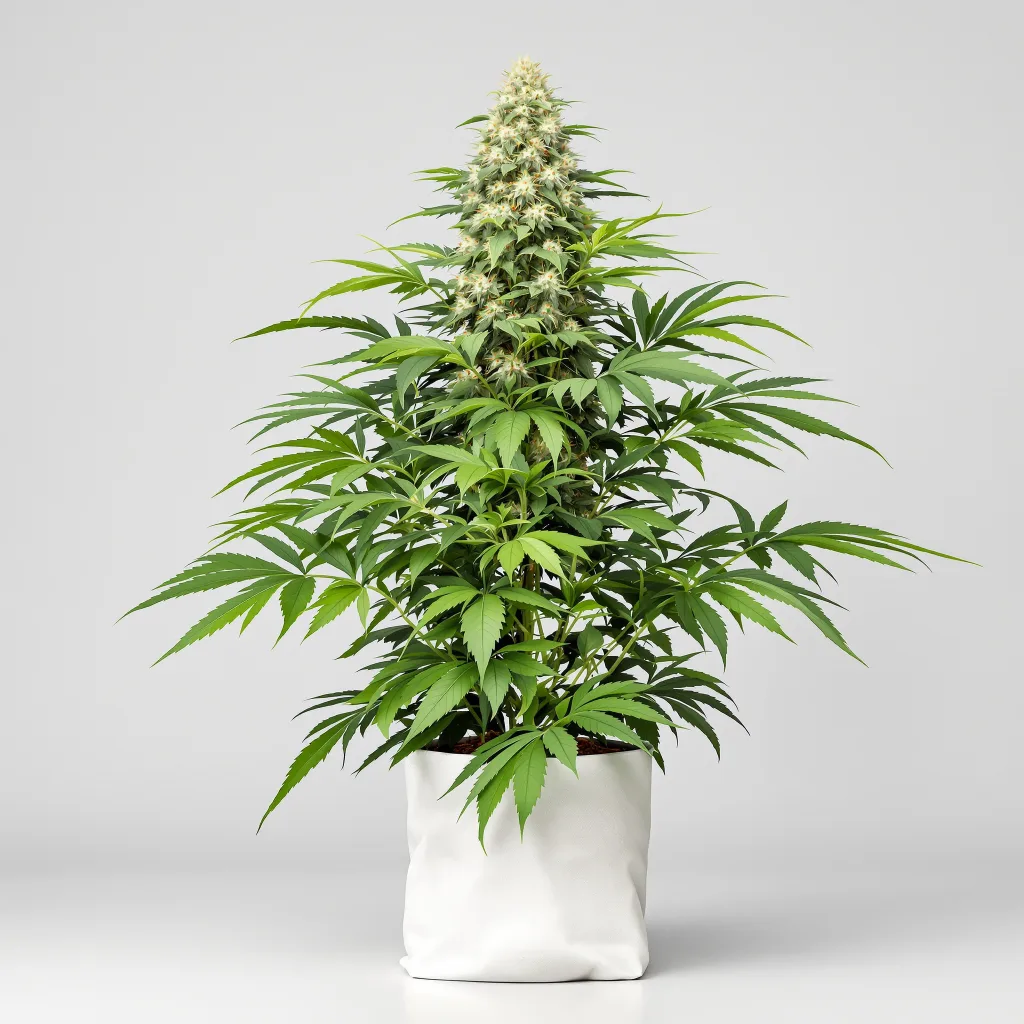
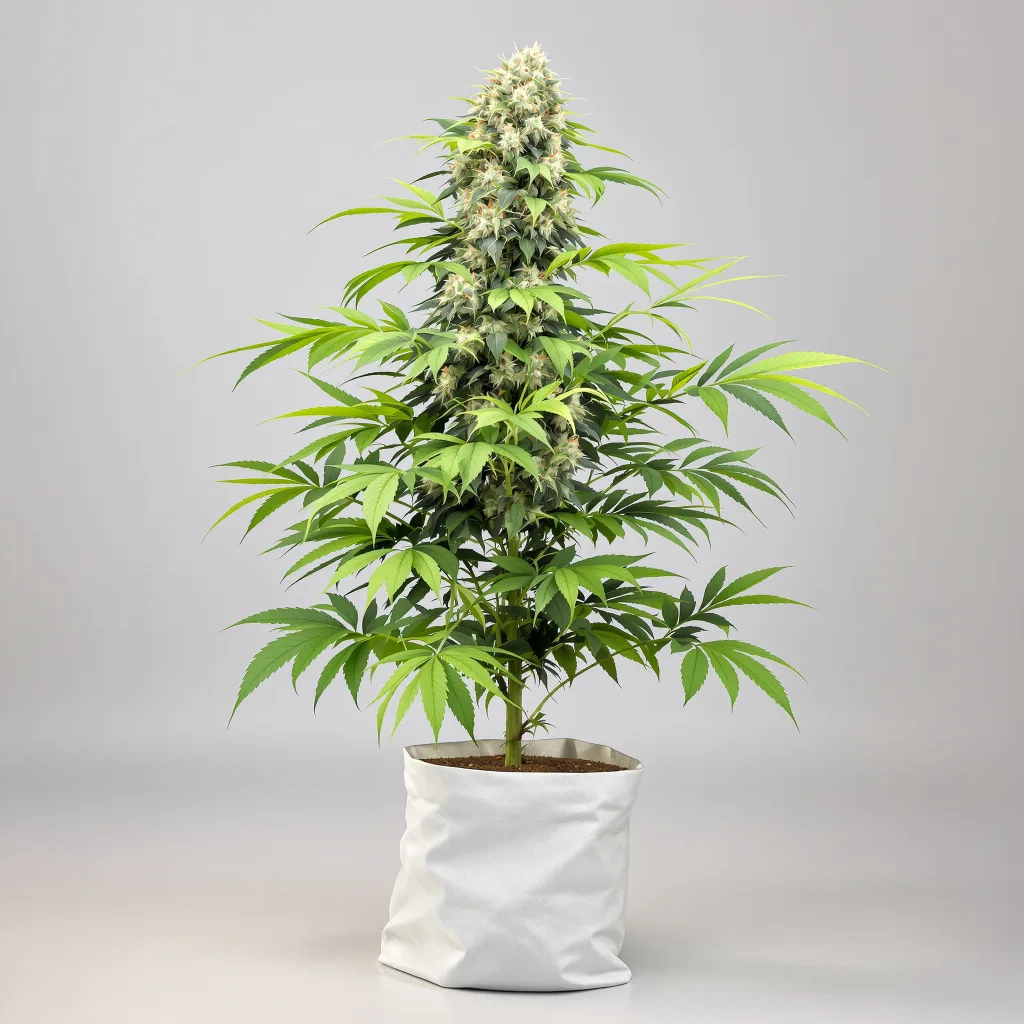
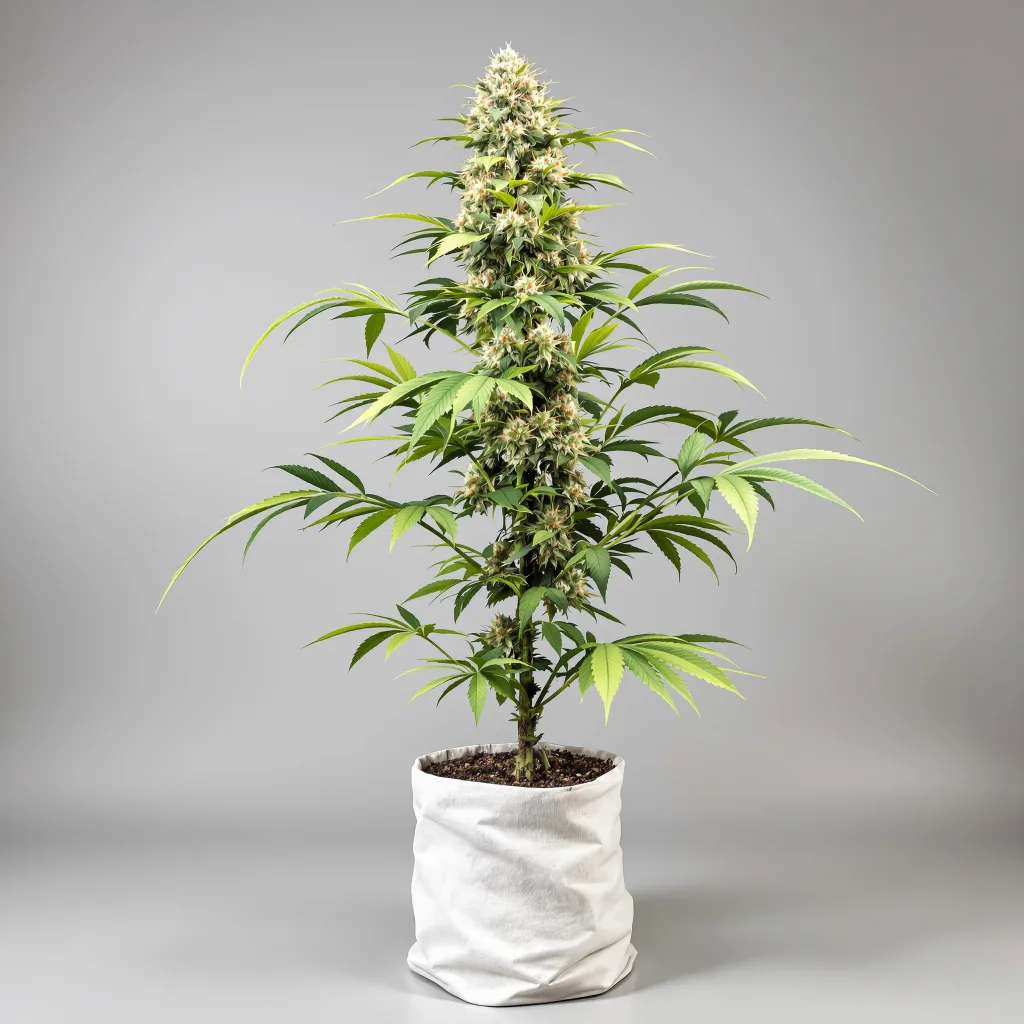
Hawaiian Haze CBD is a prominent strain in the world of therapeutic hemp, known for its unique chemical profile, compelling medical benefits, and adaptability in cultivation. Its growing popularity among medical professionals and patients alike stems from its ability to deliver substantial therapeutic effects without the psychoactive properties of THC. This strain embodies a harmonious blend of rich genetic origins, a sophisticated cannabinoid and terpene profile, and a reputation for supporting a variety of medical conditions. Below, we explore its origins, chemical composition, medical applications, and growing conditions in an exhaustive analysis.

Origins of Hawaiian Haze CBD

Hawaiian Haze CBD is a hybrid strain, bred specifically for its high CBD content and negligible THC levels. The strain derives its name from its genetic lineage and tropical aroma. Its genetic background is a combination of Hawaiian and Haze varieties, two strains known for their complementary characteristics. Hawaiian genetics contribute to its tropical and fruity profile, while Haze brings a spicy and earthy undertone. These attributes are not merely aesthetic but serve as indicators of the therapeutic compounds present in the strain.

Hawaiian Haze CBD is primarily cultivated for medical use, distinguishing itself from recreational strains by its emphasis on CBD rather than THC. With breeding techniques focused on maximizing cannabidiol while minimizing psychoactive compounds, it offers a therapeutic experience tailored to patients seeking relief without intoxication. The careful selection of parent strains reflects decades of innovation in the cultivation of hemp and cannabis, where growers aim to amplify medicinal properties while minimizing adverse effects.

Chemical Profile of Hawaiian Haze CBD

Hawaiian Haze CBD boasts a well-rounded chemical profile that supports its medical applications. The cannabinoid profile is dominated by cannabidiol (CBD), often ranging between 15% and 20%, depending on the cultivation conditions and genetic stability. Its THC content is minimal, typically below 0.3%, making it federally compliant under the 2018 Farm Bill in the United States and suitable for medical use without psychoactive side effects.

Cannabinoids
  1. CBD (Cannabidiol):
    The primary therapeutic compound in Hawaiian Haze CBD, cannabidiol, is renowned for its anti-inflammatory, anxiolytic, and neuroprotective properties. CBD interacts with the body’s endocannabinoid system (ECS), particularly the CB1 and CB2 receptors, modulating a range of physiological processes, including pain perception, immune response, and mood regulation. This interaction is non-intoxicating, allowing patients to harness its benefits without impairment.
  2. CBG (Cannabigerol):
    Although present in smaller quantities, cannabigerol adds a synergistic effect to the strain’s therapeutic potential. CBG is often referred to as the “mother cannabinoid” because it acts as a precursor to other cannabinoids. It has shown promise in reducing inflammation, combating bacterial infections, and supporting digestive health.
  3. CBC (Cannabichromene):
    Another minor cannabinoid, CBC enhances the anti-inflammatory and analgesic properties of CBD. It also contributes to neurogenesis and overall brain health, which can be beneficial for patients managing neurodegenerative diseases.
  4. THC (Tetrahydrocannabinol):
    Although THC is present in trace amounts, its role in the “entourage effect” cannot be overlooked. This phenomenon describes the synergistic interaction between cannabinoids and terpenes, enhancing their overall efficacy.
Terpenes

Terpenes are aromatic compounds found in Hawaiian Haze CBD that contribute to its therapeutic effects and distinct aroma. Prominent terpenes include:

  1. Myrcene:
    Known for its earthy and musky scent, myrcene has sedative properties and can amplify the anti-inflammatory effects of CBD. It is particularly beneficial for patients with chronic pain and insomnia.
  2. Pinene:
    This terpene provides a pine-like aroma and has anti-inflammatory and bronchodilatory effects. Pinene supports respiratory health, making Hawaiian Haze CBD suitable for patients with asthma or other pulmonary conditions.
  3. Limonene:
    Limonene contributes a citrusy note and has mood-enhancing properties. It is effective in reducing anxiety and depression and may also support gut health through its antimicrobial action.
  4. Caryophyllene:
    Caryophyllene is a spicy, peppery terpene that acts as a natural anti-inflammatory and analgesic. Unlike other terpenes, caryophyllene directly interacts with CB2 receptors, enhancing the strain’s efficacy in treating pain and inflammation.
  5. Humulene:
    With its woody aroma, humulene is known for its appetite-suppressing and anti-inflammatory properties, making it a unique addition to Hawaiian Haze CBD’s profile.
Medical Benefits of Hawaiian Haze CBD
Medical Benefits of Hawaiian Haze CBD 1

The therapeutic potential of Hawaiian Haze CBD spans multiple domains, from mental health to physical wellness. Its non-psychoactive nature and broad-spectrum effects make it a versatile option for various medical conditions.

Pain Management

Chronic pain is one of the most common reasons patients seek out CBD products, and Hawaiian Haze CBD is particularly effective in this area. Its high CBD content, combined with the anti-inflammatory properties of myrcene and caryophyllene, provides relief from both nociceptive and neuropathic pain. Patients with conditions like arthritis, fibromyalgia, and multiple sclerosis have reported significant improvements in pain levels and overall quality of life.

Anxiety and Stress Reduction

Anxiety disorders affect millions worldwide, often leading to decreased productivity and quality of life. Hawaiian Haze CBD’s anxiolytic properties stem from its interaction with serotonin receptors, which regulate mood and stress responses. The presence of limonene and myrcene further enhances its calming effects, making it an excellent choice for managing generalized anxiety disorder (GAD), social anxiety, and post-traumatic stress disorder (PTSD).

Anti-Inflammatory Effects

Inflammation is a common factor in numerous medical conditions, including autoimmune diseases, gastrointestinal disorders, and neurodegenerative illnesses. The anti-inflammatory properties of CBD, bolstered by terpenes like humulene and caryophyllene, help reduce inflammation at the cellular level. Hawaiian Haze CBD is particularly beneficial for patients with conditions like Crohn’s disease, ulcerative colitis, and rheumatoid arthritis.

Neurological Support

Emerging research highlights the neuroprotective potential of CBD, making Hawaiian Haze CBD a valuable option for patients with neurological disorders. Its ability to reduce oxidative stress and inflammation in the brain supports conditions like epilepsy, Alzheimer’s disease, and Parkinson’s disease. Additionally, the presence of CBC and CBG may contribute to neurogenesis and cognitive enhancement.

Sleep Aid

For patients struggling with insomnia or disrupted sleep cycles, Hawaiian Haze CBD offers a natural alternative to pharmaceutical sleep aids. Its calming properties, attributed to myrcene and CBD, help regulate the sleep-wake cycle and promote restorative sleep without causing dependency or grogginess.

Immune System Modulation

Hawaiian Haze CBD’s ability to modulate the immune system is particularly beneficial for patients with autoimmune diseases, such as lupus or multiple sclerosis. CBD’s interaction with CB2 receptors helps balance immune responses, reducing overactivity that leads to tissue damage.

Digestive Health

The combination of CBD and terpenes like limonene and pinene supports digestive health by reducing inflammation in the gastrointestinal tract and enhancing gut motility. Patients with irritable bowel syndrome (IBS), Crohn’s disease, and other digestive disorders may find relief with Hawaiian Haze CBD.

Skin Health

Topical applications of Hawaiian Haze CBD can support skin health by reducing inflammation, soothing irritation, and promoting cell regeneration. Conditions like eczema, psoriasis, and acne may benefit from the strain’s anti-inflammatory and antimicrobial properties.

Growing Conditions for Hawaiian Haze CBD

Cultivating Hawaiian Haze CBD requires attention to specific environmental conditions to ensure optimal yield and chemical composition. Its tropical origins make it a robust strain, but growers must consider climate, soil, and maintenance techniques.

Climate Requirements

Hawaiian Haze CBD thrives in warm, sunny climates with consistent temperatures between 70°F and 85°F. While it can adapt to indoor and greenhouse cultivation, outdoor growth allows the strain to develop its full terpene profile. Humidity levels should be moderate, as excessive moisture can lead to mold and mildew.

Soil Composition

Well-draining, nutrient-rich soil is essential for Hawaiian Haze CBD. The soil should have a pH level between 6.0 and 7.0 to support optimal nutrient uptake. Adding organic compost or worm castings can enhance the soil’s fertility and microbial activity, ensuring healthy plant growth.

Lighting and Photoperiod

Hawaiian Haze CBD requires ample sunlight or artificial light for indoor growth. A 12/12 photoperiod during the flowering stage encourages robust bud development. Growers should use full-spectrum LED lights for indoor cultivation to mimic natural sunlight and enhance cannabinoid and terpene production.

Nutrient Requirements

The strain benefits from a balanced feeding regimen during its vegetative and flowering stages. Nitrogen is crucial during the vegetative phase, while phosphorus and potassium are essential during flowering. Micronutrients like calcium, magnesium, and sulfur also play a vital role in overall plant health.

Pest and Disease Management

Although Hawaiian Haze CBD is relatively resistant to pests and diseases, proactive measures are necessary to ensure healthy growth. Organic pest control methods, such as neem oil and beneficial insects, can help manage common issues like spider mites and aphids. Maintaining proper airflow and humidity levels reduces the risk of fungal infections.

Harvesting and Curing

Harvesting Hawaiian Haze CBD at the right time is critical to preserving its chemical profile. The trichomes on the buds should appear milky white, indicating peak cannabinoid and terpene levels. After harvesting, buds should be dried in a controlled environment with a temperature of 60°F to 70°F and humidity levels around 50%. Curing the dried buds in airtight containers for two to four weeks enhances their potency and flavor.

Restrictions on Using Hawaiian Haze CBD in the Medical Field: A Last Resort Approach

The application of Hawaiian Haze CBD in the medical field has garnered significant attention for its therapeutic benefits, but its use is not without restrictions. Regulatory frameworks and medical guidelines emphasize its role as a last-resort treatment, prioritizing conventional therapies before introducing cannabinoid-based options. Additionally, stringent monitoring of THC levels in medications derived from this strain is crucial to prevent psychoactive effects on patients. Below, we delve into the restrictions, the rationale for its use as a last resort, and the importance of THC monitoring in medical applications.

Restricting Hawaiian Haze CBD to Medical Use Only

Hawaiian Haze CBD is specifically cultivated and utilized for its medical potential, and its use is tightly regulated to prevent misuse. Unlike recreational strains, Hawaiian Haze CBD contains high levels of cannabidiol (CBD) and minimal tetrahydrocannabinol (THC), the compound responsible for psychoactive effects. This distinction is essential in maintaining its classification as a therapeutic agent.

Regulatory bodies, including the U.S. Food and Drug Administration (FDA) and international health organizations, mandate that cannabinoid-based treatments be administered under medical supervision. This ensures that Hawaiian Haze CBD is used solely for conditions where its benefits outweigh the risks. Physicians are advised to prescribe it only when conventional treatments have proven ineffective or inadequate.

Medical practitioners must also document the necessity for CBD therapy and provide justification for its inclusion in a patient’s treatment plan. This involves conducting thorough assessments, including a review of the patient’s medical history, response to prior treatments, and specific symptoms that warrant cannabinoid-based interventions. Such measures are critical to ensuring that Hawaiian Haze CBD is reserved for legitimate medical purposes and not diverted for non-medical use.

Hawaiian Haze CBD as a Last-Resort Treatment

One of the primary restrictions surrounding Hawaiian Haze CBD is its classification as a last-resort treatment. This means it should only be prescribed when standard medical interventions have failed to provide relief or when conventional options pose significant risks to the patient.

Rationale for Last-Resort Use

The reasoning behind this restriction lies in the current state of research and the need for comprehensive clinical evidence. While studies have demonstrated the efficacy of CBD in managing conditions such as chronic pain, anxiety, epilepsy, and inflammation, long-term safety data is still evolving. Medical professionals are encouraged to exhaust established therapies before resorting to Hawaiian Haze CBD to ensure that patients receive evidence-based care.

Moreover, the last-resort classification minimizes the risk of overprescription or reliance on cannabinoid-based treatments as a first-line therapy. It also addresses ethical concerns, ensuring that Hawaiian Haze CBD is introduced only when other treatments have been thoroughly evaluated and deemed unsuitable. This approach aligns with the principle of medical conservatism, prioritizing patient safety and the responsible integration of emerging therapies into mainstream medicine.

Conditions for Last-Resort Use

Hawaiian Haze CBD is typically considered for patients with the following conditions, provided that other therapies have been unsuccessful:

  • Chronic pain: For individuals who have not responded to analgesics or who experience intolerable side effects from opioids.
  • Epilepsy: Particularly in treatment-resistant forms such as Dravet syndrome or Lennox-Gastaut syndrome.
  • Anxiety disorders: When traditional anxiolytics fail to provide relief or cause dependency.
  • Neurodegenerative diseases: In cases where conventional neuroprotective agents are ineffective.
  • Autoimmune disorders: When inflammation and immune dysregulation persist despite standard therapies.
Monitoring THC Levels in Medications

A critical aspect of using Hawaiian Haze CBD in the medical field is the need to monitor THC levels in medications. Although the strain is specifically bred to contain low THC levels, even trace amounts of this compound can pose risks, particularly for vulnerable populations such as children, the elderly, and individuals with a history of mental health disorders.

Importance of Low THC Levels

THC is the psychoactive compound in cannabis that can cause euphoria, altered perception, and cognitive impairment. While Hawaiian Haze CBD typically contains less than 0.3% THC, strict monitoring is essential to ensure that medications derived from this strain do not exceed this threshold. Even small variations in THC levels could result in unintended psychoactive effects, undermining the therapeutic intent of the medication.

For patients requiring high doses of CBD, cumulative THC exposure can become significant. Therefore, medical formulations derived from Hawaiian Haze CBD must undergo rigorous testing to confirm that THC levels remain within permissible limits. This testing is particularly important in pharmaceutical-grade products, where consistency and safety are paramount.

Regulatory Requirements for THC Monitoring

To address these concerns, regulatory agencies impose strict requirements on the cultivation, extraction, and manufacturing processes of Hawaiian Haze CBD products:

  1. Cultivation Standards: Growers must use certified seeds and adhere to agricultural practices that minimize THC production. Regular testing of plants during growth ensures compliance with legal limits.
  2. Extraction Processes: Advanced extraction techniques, such as supercritical CO₂ extraction, are employed to isolate CBD while removing excess THC. This guarantees that there will not be any psychoactive contamination in the finished product.
  3. Product Testing: Each batch of medication is subject to third-party laboratory testing to verify its cannabinoid profile. These tests include quantifying THC levels to confirm compliance with regulatory thresholds.

Mitigating Psychoactive Risks

Monitoring THC levels is particularly crucial in populations where psychoactive effects could have severe consequences. For example:

  • Children: Pediatric patients are more susceptible to the adverse effects of THC, including impaired cognitive development and behavioral changes.
  • Elderly Patients: THC can exacerbate confusion, memory impairment, and fall risk in older adults.
  • Mental Health Patients: Individuals with anxiety, depression, or psychotic disorders may experience worsening symptoms if exposed to THC.

By ensuring that THC levels are meticulously controlled, healthcare providers can maximize the therapeutic benefits of Hawaiian Haze CBD while minimizing potential risks.

Conclusion

Hawaiian Haze CBD represents a pivotal advancement in therapeutic hemp, offering substantial medical benefits while minimizing risks associated with psychoactive compounds like THC. Its origins, as a hybrid strain bred for high CBD content and low THC levels, underscore its purpose as a medical tool rather than a recreational product. The strain’s sophisticated chemical profile, dominated by cannabidiol and enhanced by a diverse terpene array, provides a broad spectrum of therapeutic effects, including pain relief, anti-anxiety properties, anti-inflammatory benefits, neurological support, and immune system modulation.

However, the use of Hawaiian Haze CBD in the medical field is not without restrictions. To ensure patient safety and maintain ethical standards, its application is confined to medical use, with a strict emphasis on its role as a last-resort treatment. This approach ensures that Hawaiian Haze CBD is only considered when conventional therapies have been exhausted or deemed unsuitable, aligning its use with the principles of evidence-based medicine and patient-centered care.

The critical need to monitor THC levels in medications derived from Hawaiian Haze CBD further reinforces its safety profile. Rigorous cultivation, extraction, and testing protocols ensure that the strain remains compliant with legal thresholds and free from psychoactive risks. These measures are particularly vital for vulnerable populations, such as children, the elderly, and individuals with mental health disorders, who are most susceptible to THC’s adverse effects.

In conclusion, Hawaiian Haze CBD stands as a valuable addition to the medical field, offering hope to patients with challenging conditions while adhering to stringent regulatory and ethical guidelines. Its responsible use, combined with ongoing research and careful monitoring, ensures that it fulfills its therapeutic potential without compromising patient safety. This balance of innovation, caution, and care positions Hawaiian Haze CBD as a leading example of how cannabinoid-based treatments can be effectively integrated into modern medicine.

Share

Leave a comment

Your email address will not be published. Required fields are marked *