Get 15% OFF with code GROWNOW15
My Account Order Lookup Cannabis Guides Beginner Seeds Intermediate Seeds Master Seeds

Medical Strain Analysis: Haleigh’s Hope.

Medical Strain Analysis Haleighs Hope

Medical Strain Analysis: Haleigh’s Hope

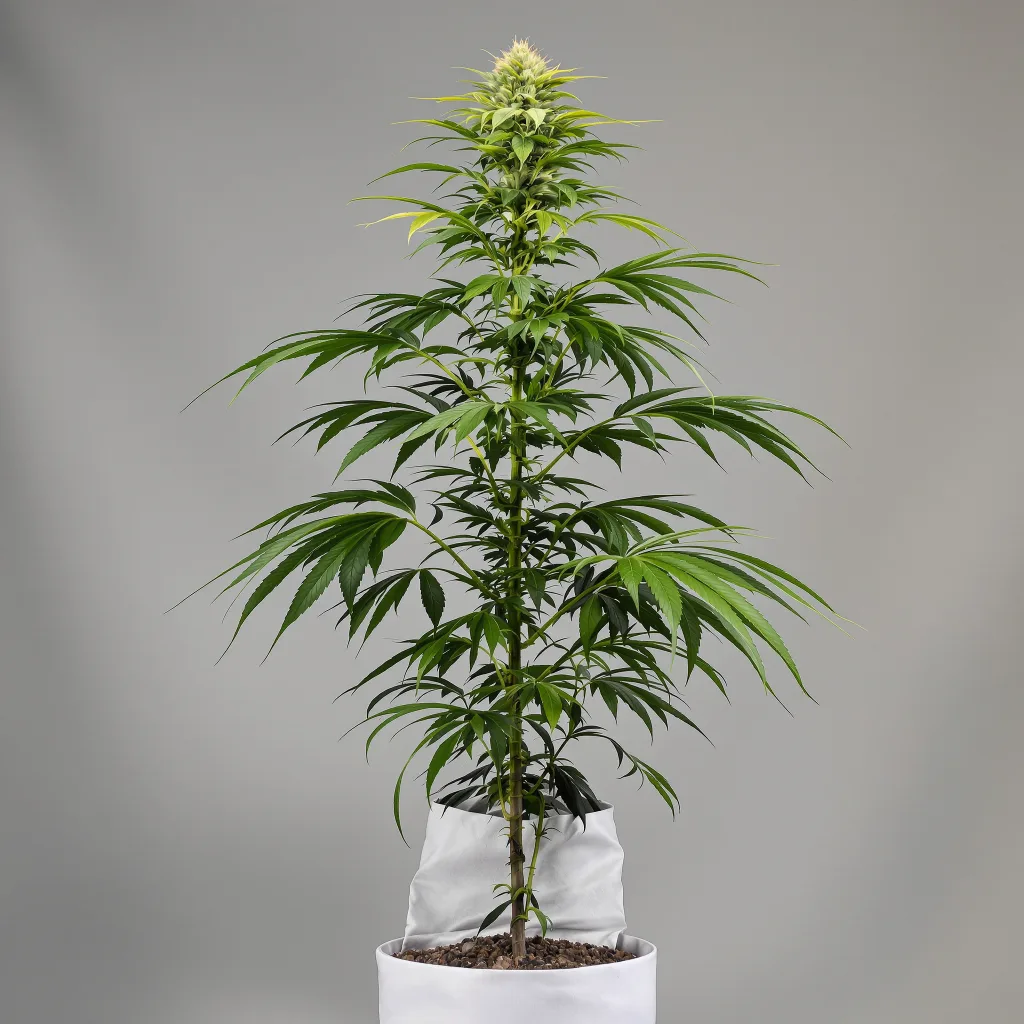
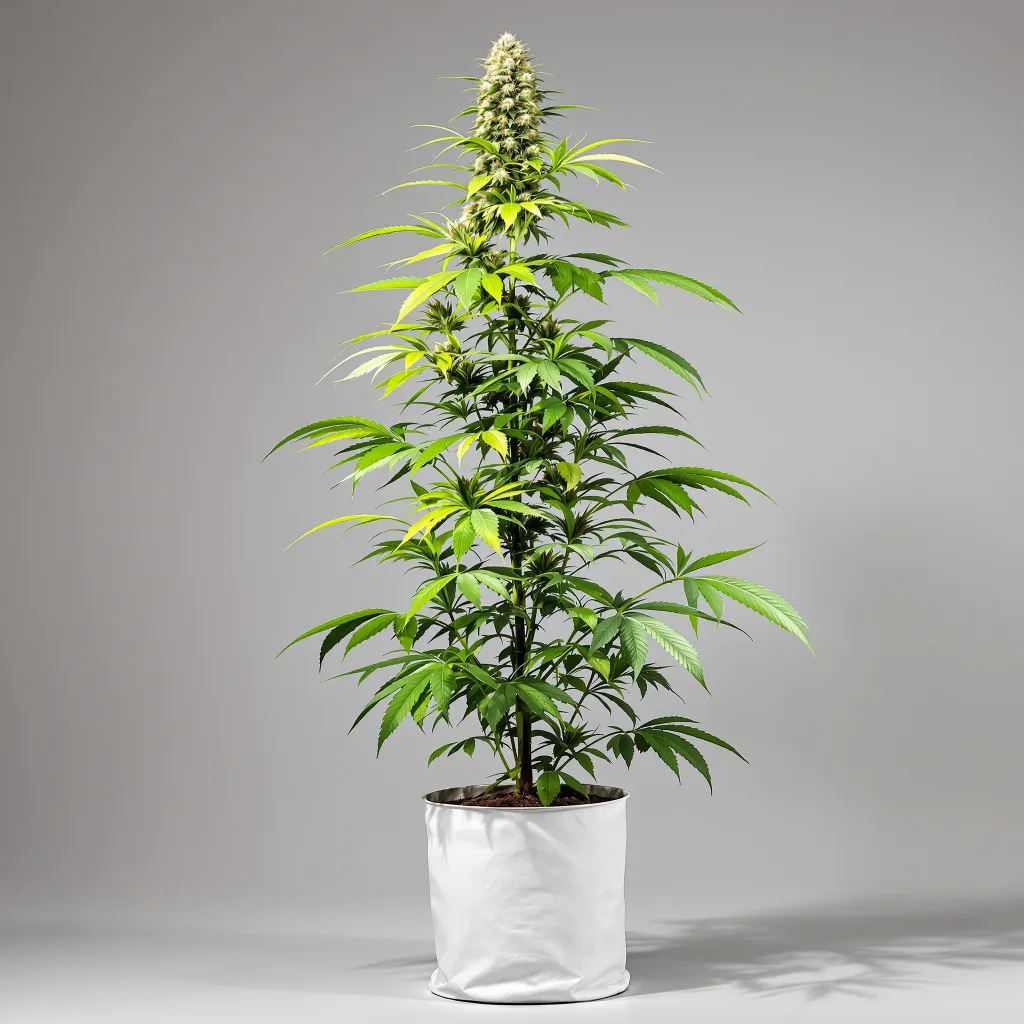
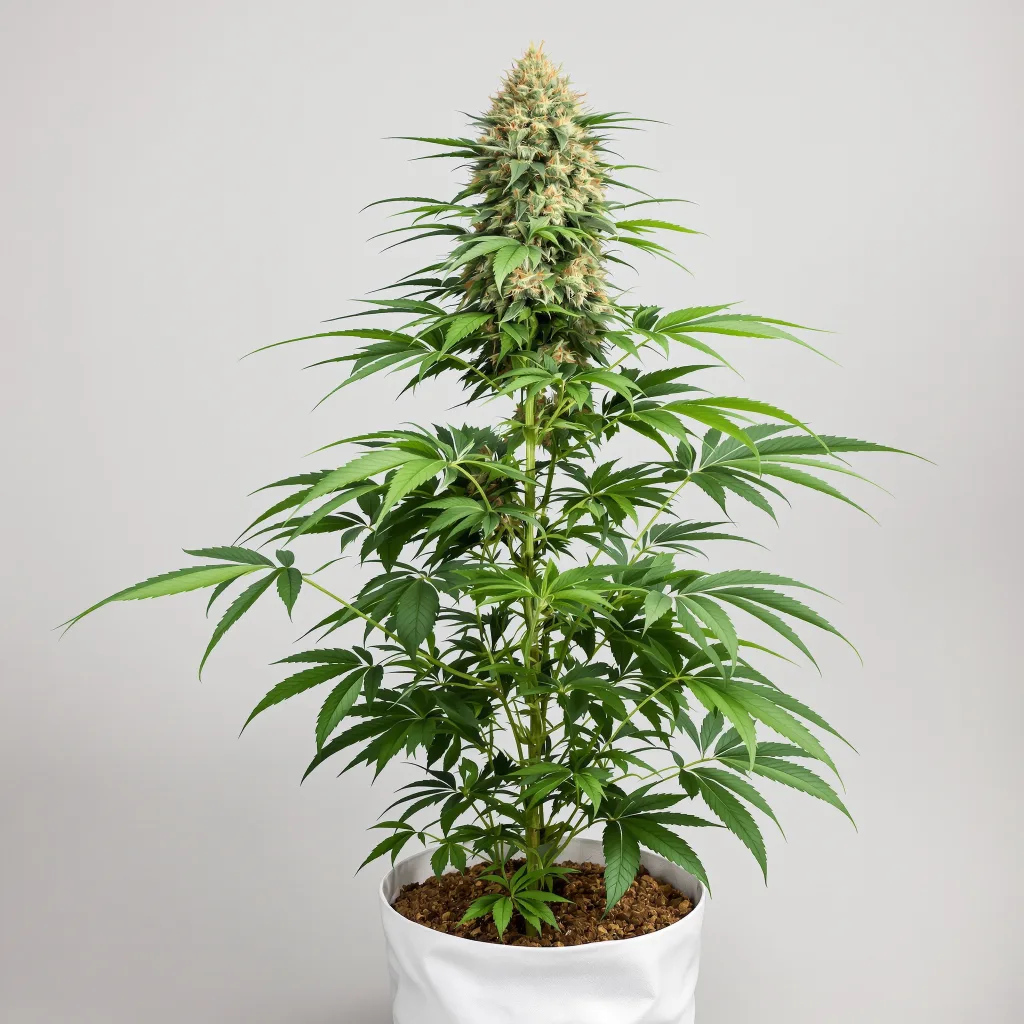
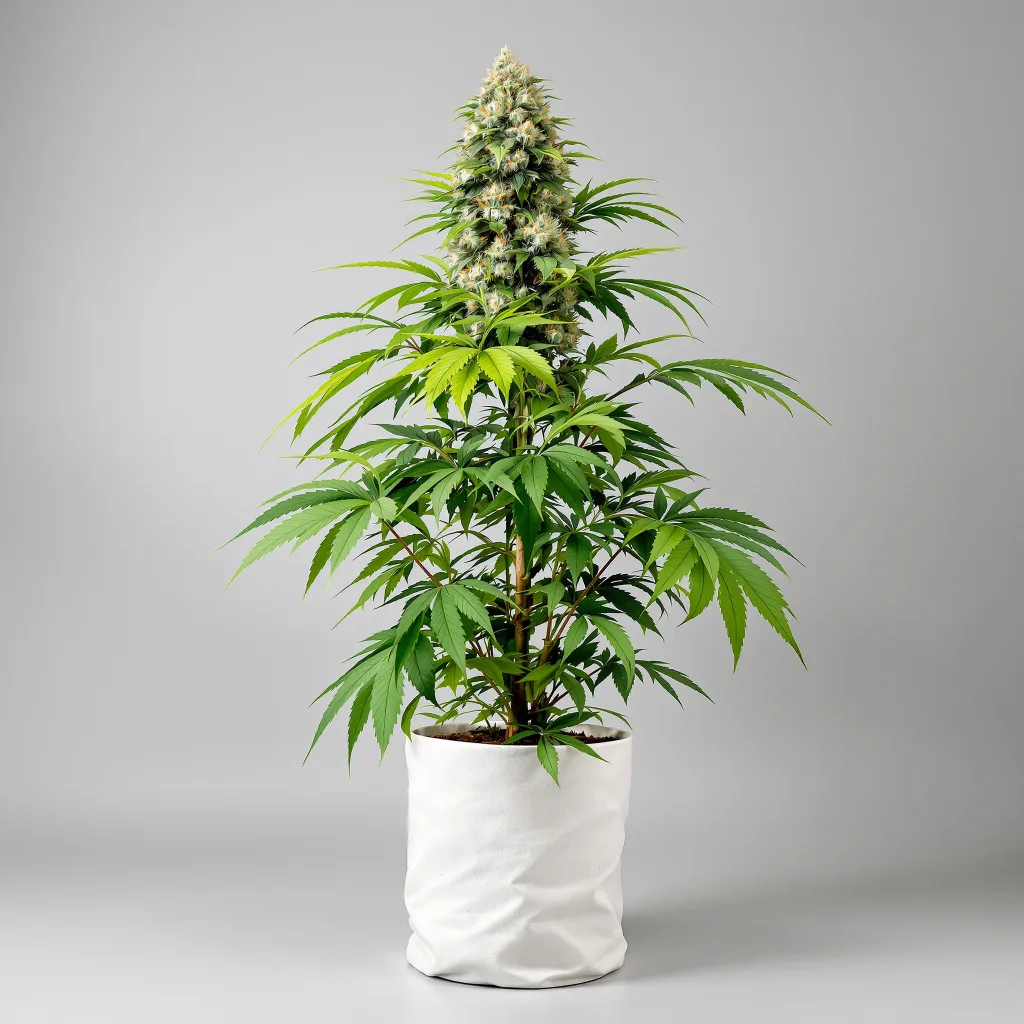
Haleigh’s Hope is a groundbreaking cannabis strain developed specifically for its potential medical applications. Unlike strains typically associated with recreational use, Haleigh’s Hope is celebrated for its therapeutic value, offering patients relief from debilitating symptoms without the psychoactive effects often associated with high-THC cannabis. Its story, chemical profile, therapeutic applications, and cultivation requirements make it a notable subject in the medical cannabis industry. This analysis delves deeply into its origins, unique chemical composition, medical benefits, and the conditions required for its optimal cultivation.

Origins of Haleigh’s Hope

Haleigh’s Hope was named after Haleigh Cox, a young girl who suffered from Lennox-Gastaut syndrome, a severe form of epilepsy characterized by frequent, treatment-resistant seizures. Her case garnered significant attention in the medical and cannabis communities, becoming a rallying point for those advocating for cannabis as a legitimate medical treatment. Haleigh’s family was desperate to find relief for her condition after traditional pharmaceutical treatments failed to provide significant improvements and often caused debilitating side effects.

The strain was developed by Jason Cranford, a cannabis cultivator and founder of the Haleigh’s Hope Foundation, who is deeply committed to creating cannabis products tailored to medical needs. Cranford’s goal was to create a cannabis strain with a high concentration of cannabidiol (CBD) and minimal tetrahydrocannabinol (THC). Patients can benefit from cannabis’s therapeutic qualities without having to deal with the psychoactive side effects that are usually connected to THC because to this chemical balance.

Haleigh’s Hope is bred from a combination of hybrid and landrace strains, carefully selected for their CBD-rich profiles. Over several years, breeders refined the strain to achieve its unique chemical composition, stability, and consistency, making it suitable for medical purposes. It was one of the first strains specifically designed and marketed to treat conditions like epilepsy, making it a pioneering force in the medical cannabis movement.

Chemical Profile of Haleigh’s Hope
Chemical Profile of Haleighs Hope

The chemical profile of Haleigh’s Hope is one of its most distinguishing features. It is a CBD-dominant strain, with CBD concentrations often ranging between 18% and 20%. In contrast, its THC levels are exceptionally low, typically below 0.3%. This CBD-to-THC ratio ensures that the strain provides therapeutic benefits without inducing psychoactive effects, making it suitable for children and adults sensitive to THC.

Cannabinoids
  • CBD (Cannabidiol): The high CBD content is the cornerstone of Haleigh’s Hope’s medical efficacy. CBD is a non-psychoactive cannabinoid known for its anti-inflammatory, anticonvulsant, neuroprotective, and anxiolytic properties. In order to control physiological functions and reestablish equilibrium, it interacts with the body’s endocannabinoid system, specifically the CB1 and CB2 receptors.
  • THC (Tetrahydrocannabinol): The strain’s minimal THC levels ensure that it does not produce intoxication. While THC has its own set of therapeutic benefits, its psychoactive effects can be undesirable for medical patients, especially children or those needing to maintain cognitive clarity.
Terpenes

The terpene profile of Haleigh’s Hope complements its cannabinoid content and enhances its therapeutic potential through the entourage effect. Some of the prominent terpenes found in Haleigh’s Hope include:

  • Myrcene: Known for its sedative and anti-inflammatory properties, myrcene can help alleviate pain and promote relaxation.
  • Limonene: This terpene with a citrus fragrance offers anti-anxiety and mood-enhancing properties.
  • Beta-Caryophyllene: As a selective CB2 receptor agonist, beta-caryophyllene exhibits anti-inflammatory and analgesic properties, making it particularly useful for conditions involving chronic pain or inflammation.
  • Pinene: This terpene helps with respiratory problems because of its well-known bronchodilatory and anti-inflammatory properties.
  • Linalool: With its calming and anti-anxiety properties, linalool adds to the strain’s suitability for treating neurological and mood disorders.
Flavonoids

Haleigh’s Hope also contains a diverse range of flavonoids, compounds that contribute to its therapeutic profile. These include quercetin, cannflavins, and apigenin, which have antioxidant, anti-inflammatory, and neuroprotective properties.

Medical Benefits of Haleigh’s Hope
Medical Benefits of Haleighs Hope

The primary appeal of Haleigh’s Hope lies in its wide-ranging medical applications. Its unique chemical composition makes it particularly effective for managing neurological conditions, inflammatory disorders, and other chronic illnesses.

Epilepsy and Seizure Disorders

Haleigh’s Hope is perhaps best known for its efficacy in treating epilepsy, especially refractory forms like Lennox-Gastaut syndrome and Dravet syndrome. Numerous anecdotal reports and a growing body of scientific evidence support its ability to reduce the frequency and severity of seizures. CBD’s anticonvulsant properties work by modulating the activity of neurotransmitters in the brain, stabilizing neuronal excitability, and reducing abnormal electrical discharges that lead to seizures.

For Haleigh Cox and other patients with similar conditions, the strain has been transformative. Families have reported dramatic reductions in seizure frequency, sometimes as high as 90%, after starting treatment with Haleigh’s Hope. This has not only improved the quality of life for patients but has also provided relief for caregivers who previously struggled with the emotional and logistical challenges of managing severe epilepsy.

Neurological Disorders

Beyond epilepsy, Haleigh’s Hope shows promise in treating a range of neurological disorders, including:

  • Parkinson’s Disease: CBD’s neuroprotective properties may help alleviate symptoms such as tremors, rigidity, and bradykinesia, while its anti-inflammatory effects address underlying neuroinflammation.
  • Multiple Sclerosis (MS): The strain’s ability to reduce muscle spasticity and neuropathic pain makes it a valuable option for MS patients.
  • Alzheimer’s Disease: Preliminary research suggests that CBD may slow the progression of Alzheimer’s by reducing amyloid plaque buildup and neuroinflammation.
Inflammatory and Pain Disorders

The anti-inflammatory properties of Haleigh’s Hope make it effective for conditions like arthritis, fibromyalgia, and Crohn’s disease. CBD modulates immune responses, reducing the production of pro-inflammatory cytokines and alleviating chronic pain. The presence of beta-caryophyllene further enhances its ability to target inflammation at the molecular level.

Patients with chronic pain conditions report significant relief without the risk of dependence or side effects associated with opioid medications. This makes Haleigh’s Hope a safer alternative for long-term pain management.

Anxiety and Mood Disorders

Haleigh’s Hope’s high CBD content provides anxiolytic effects, making it beneficial for individuals with anxiety disorders, post-traumatic stress disorder (PTSD), and depression. CBD’s interaction with serotonin receptors helps regulate mood, while the calming terpenes like linalool and limonene enhance its efficacy.

Pediatric Applications

One of the most significant aspects of Haleigh’s Hope is its safety profile, which allows it to be used in pediatric care. The strain’s low THC content eliminates the risk of intoxication, making it a viable option for children with severe medical conditions, such as epilepsy, autism spectrum disorder (ASD), and even certain developmental disorders.

Other Potential Benefits

Emerging research suggests that Haleigh’s Hope may have applications in managing conditions such as:

  • Cancer: While not a cure, CBD can help alleviate cancer-related symptoms like pain, nausea, and loss of appetite. Its anti-inflammatory and antioxidant properties may also complement traditional cancer treatments.
  • Diabetes: CBD’s ability to regulate blood sugar levels and reduce inflammation in the pancreas suggests potential benefits for managing type 1 and type 2 diabetes.
  • Cardiovascular Health: The strain’s anti-inflammatory and antioxidant effects may help reduce the risk of cardiovascular disease by improving vascular health and lowering blood pressure.
Growing Conditions for Haleigh’s Hope
Growing Conditions for Haleighs Hope

Cultivating Haleigh’s Hope requires meticulous attention to detail to maintain its unique chemical profile and therapeutic properties. This strain thrives in controlled environments where growers can optimize variables like temperature, humidity, and light exposure.

Climate Requirements

Haleigh’s Hope prefers a temperate climate with daytime temperatures ranging between 70°F and 85°F. Excessive heat or cold can stress the plants, affecting cannabinoid and terpene production. Growers in regions with unpredictable weather often opt for indoor or greenhouse cultivation to maintain consistency.

Soil and Nutrients

The strain grows best in nutrient-rich, well-aerated soil with a slightly acidic to neutral pH (6.0–7.0). Organic soil amendments like compost, worm castings, and bat guano are recommended to promote healthy microbial activity and enhance terpene production. Nutrient regimens should focus on balanced levels of nitrogen, phosphorus, and potassium, with trace amounts of calcium, magnesium, and sulfur.

Watering and Humidity

Consistent watering is crucial for Haleigh’s Hope, but overwatering can lead to root rot and other issues. The strain requires moderate humidity levels during the vegetative stage (50%–60%) and lower humidity during flowering (40%–50%) to prevent mold and mildew.

Lighting

Haleigh’s Hope benefits from a well-planned light cycle. During the vegetative stage, plants require 18–20 hours of light daily. As they transition to flowering, a 12-hour light/12-hour dark cycle is recommended. Full-spectrum LED lights or high-pressure sodium (HPS) lamps are ideal for indoor setups.

Pest and Disease Management

To ensure a clean, medical-grade product, growers must avoid chemical pesticides and fungicides. Integrated pest management (IPM) practices, including the use of beneficial insects, neem oil, and microbial fungicides, are recommended. Maintaining cleanliness in the grow area and ensuring proper airflow can also reduce the risk of pest infestations and fungal diseases.

Harvesting and Processing

The timing of harvest is critical for preserving the strain’s therapeutic properties. Growers should monitor trichome development, harvesting when trichomes are mostly cloudy with some amber. After harvest, buds must be dried and cured carefully to retain cannabinoids and terpenes. The final product should undergo rigorous testing to ensure it meets medical-grade standards.

Restrictions on Using Haleigh’s Hope in the Medical Field and as a Last Resort

Haleigh’s Hope, while celebrated for its therapeutic potential, is subject to specific restrictions and guidelines when used in the medical field. Its high cannabidiol (CBD) and low tetrahydrocannabinol (THC) content make it suitable for patients who require relief without the psychoactive effects typically associated with cannabis. However, due to the evolving regulatory landscape, ethical considerations, and concerns about safety, this strain is often reserved as a treatment of last resort. Strict monitoring of THC levels in medications derived from Haleigh’s Hope is essential to ensure it remains a safe and effective option for patients.

Reserved as a Last Resort

One of the primary restrictions associated with Haleigh’s Hope is its designation as a last-resort treatment. This guideline arises from the need to exhaust conventional medical therapies before turning to cannabis-based interventions. The cautious approach ensures that patients have explored all FDA-approved treatments, which are often backed by extensive clinical trials and long-term safety data.

Medical professionals are generally required to document the patient’s history of treatment-resistant conditions before prescribing or recommending Haleigh’s Hope. For example:

  • Epilepsy: Patients must demonstrate resistance to traditional anticonvulsant medications before being considered for CBD-based treatments. Haleigh’s Hope may only be prescribed when seizures remain uncontrolled despite the use of approved drugs.
  • Neurological Disorders: For conditions like Parkinson’s disease or multiple sclerosis, Haleigh’s Hope is typically recommended only after conventional therapies fail to provide adequate relief from symptoms such as tremors, spasticity, or chronic pain.

This last-resort approach ensures that cannabis-based treatments are used judiciously and only when necessary, preserving their reputation as viable medical options while avoiding unnecessary risks.

Monitoring THC Levels in Medications

To prevent any psychoactive effects in patients, particularly vulnerable populations like children or individuals with neurological disorders, the THC levels in Haleigh’s Hope-derived medications must be closely monitored. While the strain is naturally low in THC (typically under 0.3%), manufacturing processes and storage conditions can influence the final cannabinoid profile of derived products.

Regulatory Standards for THC Content

Many jurisdictions mandate strict regulatory standards for THC levels in medical cannabis products. For products derived from Haleigh’s Hope, this means ensuring that:

  • THC Levels Remain Below 0.3%: This threshold minimizes the likelihood of psychoactive effects while maintaining the therapeutic efficacy of CBD.
  • Batch Testing is Conducted: Manufacturers are required to test each batch of the medication to confirm its cannabinoid content. This ensures that the final product adheres to medical-grade standards and avoids unintended variability in THC levels.

Importance of Accurate Labeling

Accurate labeling is critical to ensure patient safety and trust. Medical cannabis products derived from Haleigh’s Hope must clearly indicate the precise levels of THC and CBD, along with other cannabinoids and terpenes. This transparency allows healthcare providers to make informed decisions about dosage and suitability for specific patients.

Pediatric and Sensitive Populations

The need for strict THC monitoring is particularly acute for children and individuals with conditions that make them more susceptible to the effects of THC. Even minimal psychoactive exposure can cause anxiety, dizziness, or impaired cognitive function, which could exacerbate the underlying condition or lead to adverse outcomes. By ensuring THC levels remain negligible, Haleigh’s Hope can be safely administered to these populations.

Ethical Considerations in Restricting Access

Restricting the use of Haleigh’s Hope to last-resort cases and enforcing THC monitoring reflects broader ethical considerations in medical cannabis use. These include:

  • Patient Safety: The primary concern is to protect patients from potential side effects or long-term risks associated with cannabis-based treatments, particularly in populations where the effects of cannabinoids are not yet fully understood.
  • Avoiding Overprescription: Limiting access to Haleigh’s Hope helps prevent its misuse or overprescription, ensuring that it is reserved for those who truly need it.
  • Balancing Innovation with Caution: While the therapeutic potential of Haleigh’s Hope is well-documented, ongoing research is necessary to establish its full safety and efficacy profile. Restricting its use allows researchers and regulators to gather more data without widespread, premature adoption.
Physician Oversight and Monitoring

The successful implementation of Haleigh’s Hope in the medical field relies on robust physician oversight. Doctors must:

  1. Evaluate Suitability: Assess the patient’s medical history, current condition, and previous treatment outcomes before recommending Haleigh’s Hope.
  2. Monitor Progress: Regular follow-ups are essential to monitor the strain’s efficacy and identify any side effects or complications.
  3. Adjust Treatment Plans: Physicians may need to adjust dosage or consider alternative therapies if the desired therapeutic effects are not achieved or if adverse effects occur.
Conclusion

Haleigh’s Hope represents a pivotal development in the medical cannabis landscape, offering patients a strain specifically designed to address severe, treatment-resistant conditions. Its origins in compassion and advocacy, inspired by Haleigh Cox’s battle with epilepsy, highlight the potential of cannabis to provide relief where conventional therapies fail. With its unique chemical profile dominated by cannabidiol (CBD) and minimal tetrahydrocannabinol (THC), Haleigh’s Hope delivers therapeutic benefits without the psychoactive effects, making it particularly suitable for pediatric patients and others sensitive to THC.

The strain’s medical applications are vast, ranging from managing epilepsy and neurological disorders to alleviating chronic pain, inflammation, and anxiety. However, its use in the medical field is appropriately restricted to ensure safety and ethical integrity. Reserving Haleigh’s Hope as a last-resort treatment ensures that patients first explore conventional options backed by extensive research and long-term safety data. This cautious approach protects its reputation as a legitimate medical therapy and prevents misuse or overprescription.

Monitoring THC levels in Haleigh’s Hope-derived medications is crucial to maintaining its non-intoxicating profile, especially for vulnerable populations like children. Rigorous testing, accurate labeling, and physician oversight ensure that the product meets medical-grade standards and provides consistent, safe results. These measures not only safeguard patient well-being but also contribute to the credibility of cannabis-based treatments in mainstream medicine.

Cultivating Haleigh’s Hope requires precision and dedication, as growers strive to preserve its therapeutic properties through optimal growing conditions and careful processing. Its success as a medical-grade strain underscores the importance of quality control and adherence to regulatory standards in the cannabis industry.

In summary, Haleigh’s Hope exemplifies the potential of cannabis to transform lives, offering hope to patients and families facing severe medical challenges. By adhering to strict guidelines for use, cultivation, and monitoring, it serves as a model for how cannabis can be responsibly integrated into modern medicine. As research continues and regulations evolve, Haleigh’s Hope stands as a beacon of innovation, compassion, and the promise of relief for those in need.

Share

Leave a comment

Your email address will not be published. Required fields are marked *