Get 15% OFF with code GROWNOW15
My Account Order Lookup Cannabis Guides Beginner Seeds Intermediate Seeds Master Seeds

Medical Strain Analysis: Green Ribbon.

Medical Strain Analysis Green Ribbon

Medical Strain Analysis: Green Ribbon

Green Ribbon is a unique cannabis strain often recognized for its balanced cannabinoid profile and nuanced therapeutic benefits. While cannabis strains each have distinct origins, chemical compositions, and effects, Green Ribbon has become especially valued in the medical community for its reliable therapeutic outcomes. This strain offers relief across a spectrum of medical conditions, making it particularly attractive to patients seeking natural alternatives to conventional treatments. Below is an in-depth examination of Green Ribbon’s history, chemical profile, specific medical benefits, and ideal growing conditions, offering a comprehensive view of what makes this strain remarkable for medical use.

Origins and Genetics of Green Ribbon

Green Ribbon originated as a hybrid strain, combining both sativa and indica genetics to produce a well-rounded profile that offers a range of effects. While its exact parentage is sometimes debated, it is generally accepted that Green Ribbon was initially cultivated by breeders aiming to develop a strain that balanced the uplifting qualities typical of sativas with the grounding, soothing effects of indicas. There are suggestions that it may share lineage with strains like Green Crack, Afgooey, or Trainwreck, each known for their potent and dynamic therapeutic effects. This combination of genetics gives Green Ribbon a balanced experience, enabling it to cater to multiple medical applications.

Breeders meticulously selected the strain’s genetics to create a profile that was stable, resilient, and productive. By carefully crossbreeding strains with complementary effects, they produced Green Ribbon with a unique chemical makeup that delivers both immediate relief and sustained benefits. The stability of this strain also makes it easier to cultivate for consistent quality, an essential factor for medical applications, where patients rely on predictable effects.

Chemical Profile and Cannabinoid Analysis

The chemical profile of Green Ribbon is characterized by a well-balanced combination of cannabinoids, with THC and CBD being the primary compounds. The strain typically exhibits THC levels ranging between 18-22%, providing moderate potency suited for patients needing relief from chronic conditions without excessive psychoactivity. This balanced THC concentration allows patients to manage symptoms while maintaining mental clarity. While not as high in CBD as some purely medicinal strains, Green Ribbon usually contains around 1-2% CBD, enhancing its anti-inflammatory and neuroprotective effects without significantly diminishing the benefits associated with THC.

In addition to THC and CBD, Green Ribbon contains a complex blend of minor cannabinoids like CBG, CBN, and CBC. Each of these cannabinoids contributes unique therapeutic properties, often enhancing the strain’s overall efficacy through what’s known as the “entourage effect,” where cannabinoids work synergistically. For example, CBG (cannabigerol) is noted for its anti-inflammatory and antibacterial properties, making Green Ribbon suitable for conditions associated with inflammation and infection.

The terpene profile of Green Ribbon is equally important in its therapeutic action. Terpenes are fragrant substances that add to the strain’s flavor and scent as well as its physiological and psychological benefits. Myrcene, beta-caryophyllene, and limonene are the dominant terpenes in Green Ribbon, each with established medical benefits:

  • Myrcene: Known for its sedative and muscle-relaxing properties, myrcene helps enhance Green Ribbon’s potential for pain relief and relaxation, making it useful for treating chronic pain and sleep disorders.
  • Beta-Caryophyllene: There are analgesic and anti-inflammatory qualities to this terpene. Beta-caryophyllene binds directly to CB2 receptors, which are predominantly found in the immune system. This binding interaction allows Green Ribbon to act as a strong anti-inflammatory, making it effective for treating inflammatory conditions like arthritis.
  • Limonene: Recognized for its mood-enhancing and anti-anxiety effects, limonene offers mental clarity and relaxation. Additionally, this terpene possesses antifungal and antibacterial qualities, which could enhance general wellbeing.

Together, these terpenes support Green Ribbon’s versatility in treating a wide range of medical symptoms and conditions, enhancing both the physical and mental therapeutic benefits.

Medical Benefits of Green Ribbon

Green Ribbon is recognized for its broad spectrum of therapeutic effects, addressing both physical and psychological conditions. Patients have experienced alleviation from a variety of conditions, including sleep difficulties, anxiety, depression, chronic pain, and inflammation. Below, we delve into each of these therapeutic applications in detail, explaining how Green Ribbon’s chemical makeup specifically targets these conditions.

Chronic Pain and Inflammation

The balanced combination of THC, CBD, and beta-caryophyllene in Green Ribbon makes it highly effective for managing chronic pain. The THC component interacts with the body’s endocannabinoid system by binding to CB1 receptors in the brain, which modulates pain perception. Meanwhile, beta-caryophyllene’s interaction with CB2 receptors further enhances this effect by reducing inflammation at the source, rather than just masking the pain. This dual approach to pain relief is particularly beneficial for conditions like arthritis, fibromyalgia, and chronic migraines, where both pain and inflammation are present.

Patients with neuropathic pain have also found relief with Green Ribbon due to THC’s ability to decrease pain signals along nerve pathways. The strain’s myrcene content adds a muscle-relaxing element, which is especially valuable for patients with muscle spasms or tension-related pain. For example, patients with multiple sclerosis, a condition often characterized by muscle spasticity, may experience significant improvement in mobility and comfort.

Anxiety and Depression

Green Ribbon’s moderate THC levels, combined with its terpene profile, make it suitable for alleviating symptoms of anxiety and depression without inducing excessive psychoactivity. The presence of limonene plays a significant role in uplifting mood and reducing anxiety. Limonene is known for promoting serotonin production, a neurotransmitter responsible for mood regulation. By increasing serotonin levels, Green Ribbon can counterbalance feelings of anxiety and depression, making it an effective natural alternative for mood disorders.

For patients with social anxiety disorder or generalized anxiety disorder, Green Ribbon’s effects can help reduce symptoms without causing sedation. Instead of creating a “high,” the strain provides gentle euphoria that enhances mood and emotional stability. This effect is especially helpful for patients who struggle with mood swings or persistent negative thoughts. Additionally, Green Ribbon’s effects can last for several hours, offering prolonged symptom relief that can improve overall quality of life.

Sleep Disorders

Insomnia and sleep disorders are common issues among patients with chronic illnesses, pain, and stress. Green Ribbon’s myrcene and THC content contribute to its ability to induce relaxation, which can help patients achieve restful sleep. Myrcene’s sedative qualities, which assist to soothe the nervous system and get the body ready for sleep, are well-established. When taken in the evening, Green Ribbon can assist with falling asleep faster and maintaining sleep throughout the night.

Unlike other sedative strains, however, Green Ribbon does not induce an overwhelming sense of drowsiness or mental fog. Instead, it provides a smooth transition to restfulness, making it suitable even for patients with mild sleep disturbances. By improving sleep quality, Green Ribbon indirectly benefits a wide array of conditions, as proper rest is essential for immune function, mental health, and physical recovery.

Neurological Conditions

The combination of THC, CBD, and CBG in Green Ribbon also makes it a valuable option for patients with neurological conditions. The anti-inflammatory and neuroprotective properties of these cannabinoids are beneficial in managing conditions like epilepsy, multiple sclerosis, and Parkinson’s disease. THC’s interaction with the endocannabinoid system can reduce the frequency and severity of seizures, while CBD provides additional neuroprotection without psychoactivity. CBG has been shown to inhibit the growth of certain neurological disorders, making it an emerging cannabinoid in the treatment of neurodegenerative diseases.

Patients with conditions like multiple sclerosis, characterized by inflammation of the nervous system, often report improvements in both pain and spasticity when using Green Ribbon. Similarly, individuals with Parkinson’s disease may benefit from Green Ribbon’s muscle-relaxing and mood-enhancing properties, which can alleviate symptoms such as tremors and depression.

Growing Conditions for Green Ribbon
Growing Conditions for Green Ribbon 1

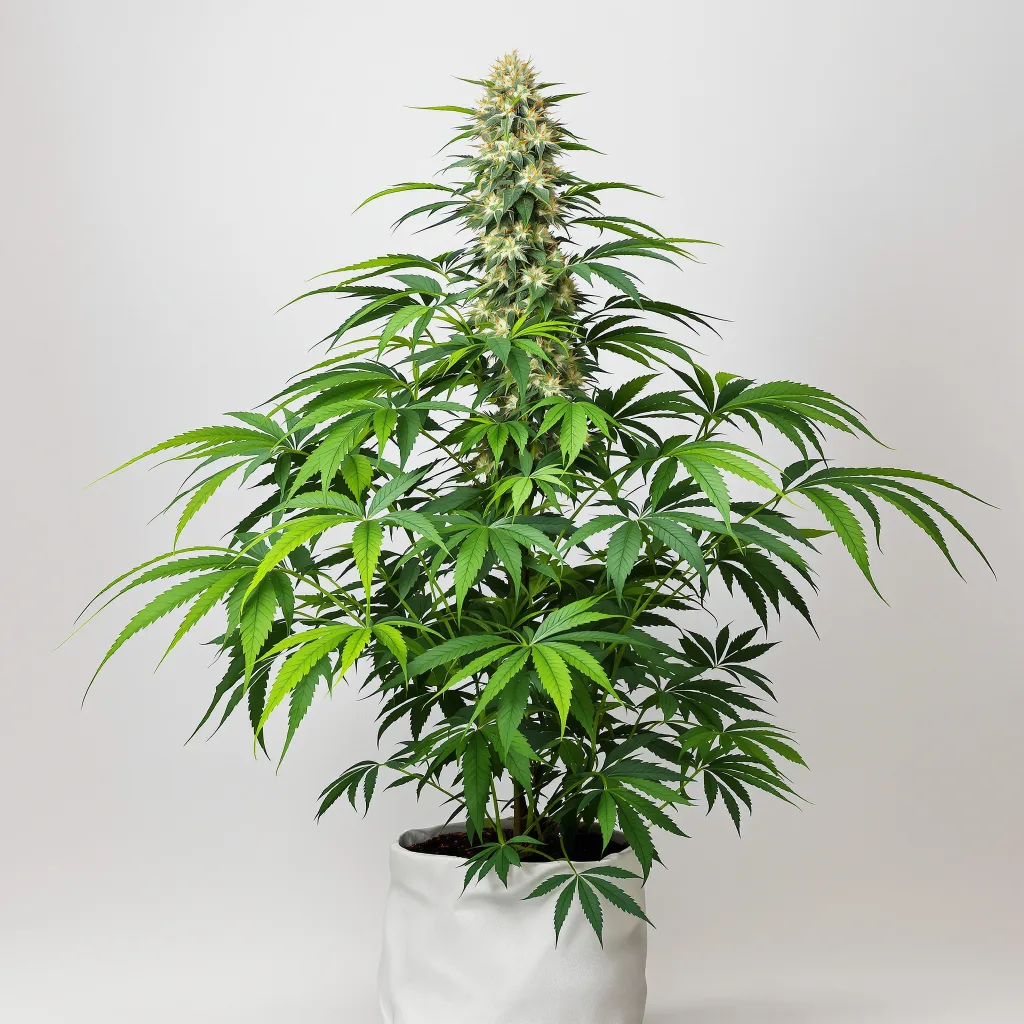
Growing Green Ribbon requires specific conditions to maximize its medicinal properties. Like many hybrid strains, Green Ribbon can be cultivated indoors or outdoors, although it generally thrives better in controlled indoor environments where factors like temperature, humidity, and light can be meticulously managed. Below are the ideal growing conditions for Green Ribbon, ensuring it develops its full therapeutic potential.

Light Requirements

Green Ribbon requires a balanced light schedule during its vegetative and flowering stages. In the vegetative stage, it benefits from a 18/6 light cycle (18 hours of light, 6 hours of darkness), promoting healthy growth and structure. During the flowering stage, a 12/12 light cycle is optimal, encouraging the plant to develop dense, cannabinoid-rich buds. Full-spectrum LED lights are recommended for indoor grows, as they provide the necessary light wavelengths for robust growth and terpene production, essential for Green Ribbon’s therapeutic potency.

Temperature and Humidity

Maintaining an optimal temperature is crucial for Green Ribbon, as excessive heat can degrade THC and terpenes, diminishing its therapeutic effects. The ideal temperature range during the vegetative stage is 70-85°F (20-29°C), while slightly lower temperatures of 65-80°F (18-26°C) are preferable during the flowering stage to enhance resin production. A moderate humidity level of 40-50% is recommended during the vegetative stage, gradually lowering to 30-40% during flowering to prevent mold and mildew on the buds.

The temperature and humidity must be closely monitored, as fluctuations can lead to stress, which could compromise the plant’s chemical profile. Controlled airflow and proper ventilation are also important to maintain these conditions, particularly in indoor environments.

Nutrient Requirements

Green Ribbon requires a balanced nutrient regimen tailored to its growth stage. During the vegetative stage, it benefits from a nitrogen-rich fertilizer, promoting leafy growth and structural integrity. As the plant transitions to the flowering stage, the nutrient focus should shift to higher phosphorus and potassium levels, supporting bud formation and resin production. Micronutrients such as magnesium, calcium, and iron are also essential for overall plant health and optimal cannabinoid and terpene development.

Organic nutrients and soil enhancers are often recommended for growing Green Ribbon, as they can improve the strain’s flavor profile and cannabinoid potency. Organic growth media also aid in avoiding chemical residues, which is crucial for those with weakened immune systems or sensitivities.

Harvesting and Curing

Harvest timing is critical to ensure that Green Ribbon achieves its full medicinal potential. Growers should wait until the trichomes on the buds are cloudy with a few turning amber, indicating peak cannabinoid and terpene levels. While waiting too long can result in deteriorated THC levels and changed effects, harvesting too early may result in reduced potency.

After harvesting, the buds should be carefully dried and cured. A slow curing process, lasting several weeks, allows chlorophyll and residual moisture to dissipate gradually, preserving terpenes and cannabinoids. This process enhances the strain’s therapeutic value and improves the overall quality of the medication.

Restrictive Use of Green Ribbon in Medical Treatment: A Last-Resort Option

While Green Ribbon offers promising therapeutic benefits, the medical community often recommends this strain as a last-resort option, particularly for patients who have exhausted conventional treatments. The restriction of cannabis strains, including Green Ribbon, within the medical field stems from concerns about psychoactivity, side effects, and the regulatory challenges associated with using THC-based treatments. To address these concerns, medical professionals carefully monitor THC levels in cannabis-derived medications to minimize psychoactive effects and ensure safe and controlled patient outcomes.

The Role of Green Ribbon as a Last-Resort Treatment

Green Ribbon, like other cannabis strains, is commonly viewed as a last-resort treatment in the medical field. This categorization is largely due to the stigma associated with cannabis use and the limited, though growing, body of research supporting its efficacy. Most physicians reserve Green Ribbon for patients who have not responded to standard therapies, such as prescription medications, physical therapies, or alternative treatments. This approach not only ensures that patients receive conventional, evidence-based care first but also addresses concerns about the potential risks associated with long-term cannabis use, including dependency and cognitive effects.

In addition to being a last-resort option, the use of Green Ribbon is typically limited to specific conditions that are resistant to other forms of treatment. For instance, patients with chronic pain, neurological disorders, or inflammatory conditions that do not improve with traditional therapies may be considered for cannabis-based treatments. Even in such cases, medical practitioners apply strict guidelines to control the dosage, frequency, and administration of Green Ribbon to minimize unwanted effects.

Monitoring THC Levels to Reduce Psychoactivity

THC, the primary psychoactive compound in cannabis, is a significant concern for medical professionals using Green Ribbon in treatment plans. Elevated THC levels can lead to psychoactive effects, which may be undesirable or counterproductive in medical contexts. To address this, clinicians carefully monitor and control the THC content in cannabis-derived medications. By doing so, they aim to harness the therapeutic benefits of Green Ribbon without subjecting patients to psychoactive experiences that could impair cognitive function, concentration, or mental clarity.

The recommended THC level for medical cannabis varies based on the patient’s needs and condition, but most healthcare providers aim for a moderate THC concentration in the range of 1-10%. This dosage is often sufficient to deliver therapeutic effects, such as pain relief and anti-inflammatory benefits, without inducing strong psychoactivity. In the case of Green Ribbon, which naturally contains 18-22% THC, dilution methods or combination with high-CBD strains may be applied to achieve an optimal cannabinoid balance. CBD (cannabidiol) is known to counteract some of the psychoactive effects of THC, making it an effective way to modulate Green Ribbon’s impact on the patient.

Furthermore, advancements in extraction and formulation techniques allow for the creation of cannabis-based medications with precisely controlled THC and CBD ratios. Medical practitioners often prefer these standardized extracts, as they provide a more predictable effect profile compared to raw or smoked cannabis. By using formulations with lower THC content and higher CBD ratios, healthcare providers can administer Green Ribbon’s benefits more effectively, ensuring patients receive symptom relief without the cognitive impairment typically associated with higher THC strains.

Stringent Monitoring and Regulation for Safe Usage

In addition to THC monitoring, the use of Green Ribbon in medical settings is subject to rigorous regulation and oversight. Healthcare providers assess each patient’s condition, medical history, and response to previous treatments before prescribing cannabis-based therapies. This stringent assessment process ensures that only those who truly require cannabis as a last-resort treatment receive it. Physicians also closely monitor patients during their use of Green Ribbon, adjusting dosages or discontinuing treatment if adverse effects arise.

The controlled use of Green Ribbon within the medical field represents a cautious approach that prioritizes patient safety, symptom management, and evidence-based care. By limiting the use of this strain to cases where other therapies have failed and carefully monitoring THC levels to prevent psychoactivity, healthcare providers aim to integrate cannabis into medicine in a safe and responsible manner.

Conclusion

Green Ribbon stands out in the medical field as a versatile cannabis strain with potential therapeutic benefits for various conditions, including chronic pain, inflammation, anxiety, depression, and neurological disorders. However, its use remains heavily restricted, often reserved as a last-resort option for patients who have not found relief through conventional treatments. This cautious approach reflects the need to balance the strain’s promising benefits with potential risks associated with psychoactive THC content and the broader challenges of cannabis-based therapies.

To harness the therapeutic properties of Green Ribbon while minimizing psychoactive effects, medical practitioners meticulously monitor THC levels in cannabis-derived medications. By adjusting THC concentrations and leveraging high-CBD formulations, they aim to provide symptom relief without compromising cognitive function or mental clarity. This control over THC levels is crucial in delivering the benefits of Green Ribbon safely, especially in a clinical setting where predictable and manageable outcomes are paramount.

The stringent guidelines surrounding Green Ribbon’s medical use, from controlled dosages to careful patient assessments, ensure its application is both safe and effective. This regulated approach underscores a commitment within the medical community to integrate cannabis therapies responsibly, providing patients with alternative relief options while prioritizing safety and evidence-based practices. In sum, Green Ribbon serves as a valuable tool in the arsenal of medical treatments, but one that requires mindful administration to maximize its benefits and mitigate its risks.

Share

Leave a comment

Your email address will not be published. Required fields are marked *