Get 15% OFF with code GROWNOW15
My Account Order Lookup Cannabis Guides Beginner Seeds Intermediate Seeds Master Seeds

Medical Strain Analysis: Forbidden Fruit.

Medical Strain Analysis Forbidden Fruit

Medical Strain Analysis: Forbidden Fruit

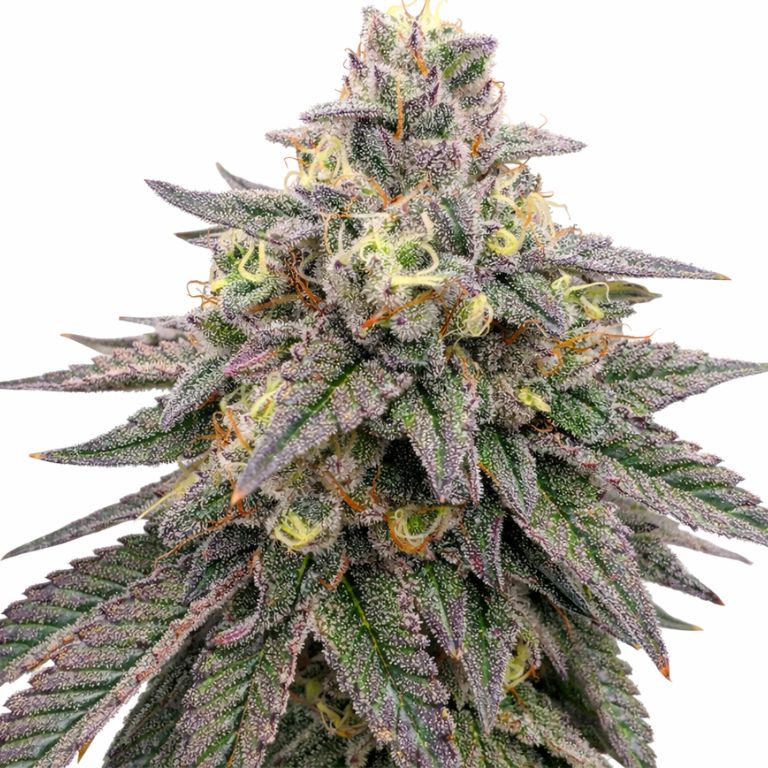
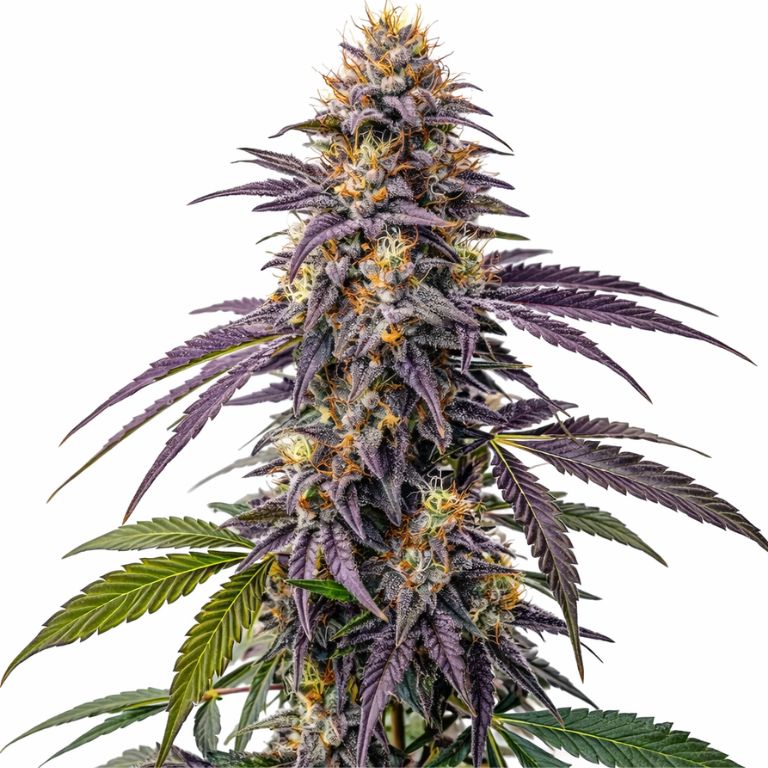
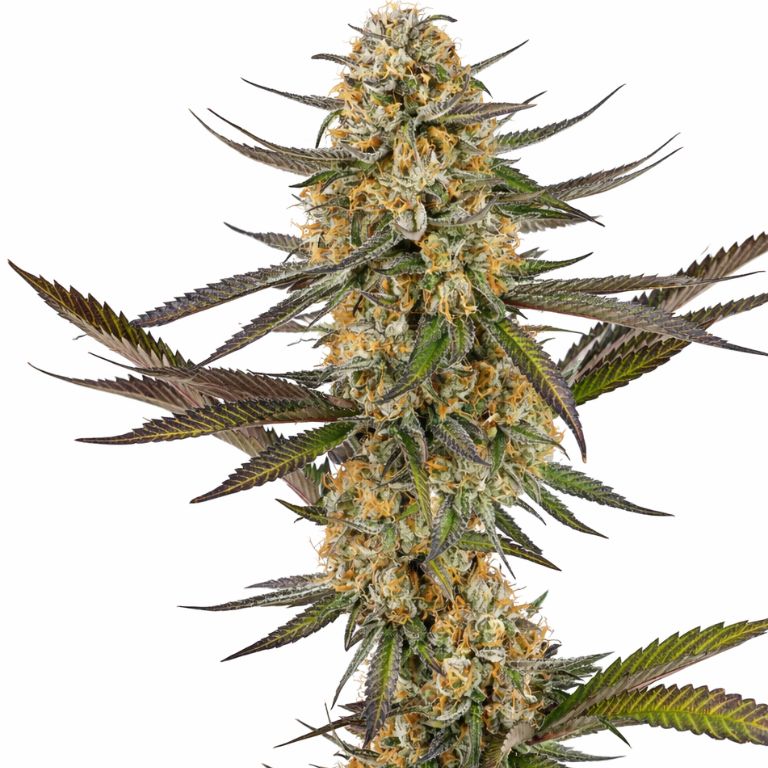
Forbidden Fruit is a cannabis strain known for its unique chemical composition, potential therapeutic benefits, and complex cultivation requirements. It has captured the attention of medical researchers, cultivators, and patients due to its promising properties in pain management, stress reduction, and anti-inflammatory applications. Unlike other strains traditionally used for recreational purposes, Forbidden Fruit holds specific attributes in its cannabinoid and terpene profile that make it a notable candidate in the medical cannabis landscape. Below is a detailed analysis covering the strain’s origins, chemical profile, therapeutic benefits, and optimal growing conditions.

Origins of Forbidden Fruit

Forbidden Fruit is a hybrid strain created from a cross between Cherry Pie and Tangie, two well-regarded strains with distinct qualities. Cherry Pie, known for its sweet flavor and strong pain-relieving effects, brings a significant Indica presence. In contrast, Tangie, a Sativa-dominant strain, is celebrated for its citrusy aroma and uplifting effects. This combination of Indica and Sativa heritage results in a balanced hybrid that showcases unique characteristics tailored to therapeutic applications.

The strain’s development aimed to blend the calming, relaxing effects of Cherry Pie with the invigorating attributes of Tangie, ultimately creating a well-rounded hybrid with both physical and mental therapeutic properties. Originating from the West Coast, particularly in areas where cannabis cultivation has thrived due to favorable climates and lenient regulations, Forbidden Fruit has gained popularity within medical circles. Its distinctive profile and high-quality genetics make it a strong candidate for therapeutic applications, appealing to patients seeking an effective alternative for chronic pain, insomnia, stress, and inflammation.

Chemical Profile of Forbidden Fruit

The chemical makeup of Forbidden Fruit is one of the main factors behind its medical potency. This strain boasts a balanced cannabinoid profile alongside a rich terpene profile that enhances its therapeutic potential. Let’s delve into the details:

  1. Cannabinoid Composition
    Forbidden Fruit typically has a balanced THC content ranging between 16-20%, though some variations may reach slightly higher levels depending on cultivation conditions. While THC is commonly associated with psychoactive effects, it also plays a crucial role in pain management and can have sedative effects at higher doses, which makes it beneficial for patients with sleep disturbances or severe chronic pain. The moderate-to-high THC concentration in Forbidden Fruit is balanced by other cannabinoids, which modulate its effects and reduce any potential adverse reactions.
    • THC (Δ9-tetrahydrocannabinol): As the primary cannabinoid in Forbidden Fruit, THC contributes significantly to its analgesic, anti-inflammatory, and sedative properties. By interacting with CB1 receptors in the brain and central nervous system, THC can reduce the perception of pain and induce a state of relaxation. This makes Forbidden Fruit a suitable option for patients dealing with severe pain, muscle spasms, or sleep disorders.
    • CBD (Cannabidiol): Though CBD is present in lower concentrations in Forbidden Fruit, it plays an essential role in balancing the effects of THC. CBD has well-documented anti-anxiety, anti-inflammatory, and neuroprotective properties. Its presence in this strain may help reduce anxiety and counteract some of the psychoactive effects of THC, offering a more controlled therapeutic experience.
    • CBG (Cannabigerol): A minor cannabinoid found in Forbidden Fruit, CBG is known for its potential antibacterial and anti-inflammatory properties. According to recent research, CBG may be useful in the treatment of glaucoma and inflammatory bowel disease (IBD). Its presence in Forbidden Fruit further enhances its therapeutic spectrum, particularly for patients with inflammation-related conditions.
  2. Terpene Profile
    The terpene profile of Forbidden Fruit is equally significant in its therapeutic applications. Terpenes, aromatic compounds found in cannabis, not only contribute to the strain’s unique scent and flavor but also work synergistically with cannabinoids to enhance medical effects through the “entourage effect.” The primary terpenes in Forbidden Fruit are Myrcene, Limonene, and Caryophyllene.
    • Myrcene: Known for its sedative effects, myrcene is a dominant terpene in Forbidden Fruit. Myrcene’s properties include muscle relaxation, anti-inflammatory effects, and sedative action, making it beneficial for patients with chronic pain and sleep issues. It works in harmony with THC to enhance the strain’s relaxing qualities.
    • Limonene: This terpene with a citrus fragrance is linked to stress reduction and improved mood. Its anti-anxiety and antidepressant properties add value to Forbidden Fruit’s medicinal potential, especially for patients dealing with mood disorders or high-stress levels. Limonene also has anti-inflammatory and antioxidant properties, further amplifying the strain’s medicinal efficacy.
    • Caryophyllene: A spicy, peppery terpene with notable anti-inflammatory and analgesic properties, caryophyllene is unique in that it binds directly with CB2 receptors in the body, contributing to pain relief without psychoactive effects. This terpene is beneficial for individuals suffering from conditions like arthritis, gastrointestinal issues, and inflammatory disorders, as it helps modulate pain and inflammation.
  3. Together, these terpenes complement the cannabinoid profile of Forbidden Fruit, creating a holistic effect that enhances the strain’s potential as a therapeutic agent. The combination of myrcene, limonene, and caryophyllene ensures that Forbidden Fruit offers a rounded profile suitable for treating both physical and psychological ailments.
Medical Benefits of Forbidden Fruit

The therapeutic benefits of Forbidden Fruit are extensive, with its applications ranging from pain management to anti-inflammatory treatment. An extensive examination of Forbidden Fruit has particular medical applications is provided below.

  1. Pain Management
    Forbidden Fruit’s balanced THC and CBD levels, combined with its terpene profile, make it effective in managing various types of pain. THC’s analgesic properties, enhanced by myrcene and caryophyllene, help reduce both acute and chronic pain. This strain may be particularly beneficial for conditions such as:
    • Neuropathic Pain: Conditions like multiple sclerosis, nerve damage, and diabetes can cause severe neuropathic pain, which is often difficult to treat. Forbidden Fruit’s THC content and the presence of caryophyllene offer pain relief by modulating pain signals in the nervous system.
    • Chronic Pain: Conditions like fibromyalgia and arthritis cause persistent pain that can disrupt daily life. Forbidden Fruit’s anti-inflammatory and analgesic properties make it a suitable strain for patients seeking long-term pain management without the addictive risks of opioids.
    • Muscle Spasms and Cramps: Myrcene’s muscle-relaxant properties aid in relieving muscle tension and spasms, making it beneficial for patients with muscle-related issues or conditions like spasticity due to multiple sclerosis.
  2. Anti-Inflammatory Properties
    Chronic inflammation is a common feature of many conditions, including autoimmune diseases, arthritis, and gastrointestinal issues. Forbidden Fruit’s terpene profile, particularly caryophyllene, contributes to its anti-inflammatory effects, making it a suitable choice for patients with inflammation-driven health issues. This strain may lessen pain and suffering by decreasing inflammation, which could enhance general quality of life.
  3. Stress and Anxiety Reduction
    Forbidden Fruit has notable anxiolytic properties due to its balanced cannabinoid and terpene profile. The combination of limonene and CBD is known for its calming effects, making this strain beneficial for patients experiencing high levels of stress or anxiety. Limonene, in particular, has shown promise in reducing anxiety symptoms by modulating serotonin and dopamine receptors, which are critical in regulating mood.
    • Generalized Anxiety Disorder (GAD): Patients with GAD can experience constant worry and unease. Forbidden Fruit’s calming properties may provide relief from anxiety symptoms, allowing patients to experience a greater sense of relaxation and focus.
    • Post-Traumatic Stress Disorder (PTSD): Forbidden Fruit may be beneficial for individuals with PTSD due to its sedative effects, helping to ease hyperarousal and reduce sleep disturbances. THC’s interaction with the brain’s CB1 receptors plays a role in processing fear and memory, which may alleviate symptoms of PTSD.
  4. Insomnia Relief
    For patients with insomnia or sleep disturbances, Forbidden Fruit offers a sedative effect, largely due to myrcene’s influence. This terpene has been studied for its ability to enhance sleep quality, helping patients fall asleep faster and stay asleep longer. Combined with the calming effects of THC and CBD, this strain may be a valuable option for individuals struggling with sleep issues. By promoting restful sleep, Forbidden Fruit can indirectly benefit other health areas, such as mood regulation and pain perception, which are often exacerbated by lack of sleep.
  5. Appetite Stimulation
    Certain medical conditions, including cancer, HIV/AIDS, and eating disorders, can cause a significant loss of appetite. THC has appetite-stimulating properties, often beneficial for patients experiencing nausea or a lack of appetite. Forbidden Fruit’s moderate THC levels and uplifting effects may help stimulate appetite, supporting patients in maintaining a balanced diet and improving their overall well-being.
  6. Potential Neuroprotective Benefits
    Emerging research suggests that cannabinoids like THC and CBD may have neuroprotective properties, which could be valuable for patients with neurodegenerative conditions like Alzheimer’s and Parkinson’s disease. Forbidden Fruit’s combination of cannabinoids and terpenes may help protect nerve cells from oxidative stress and inflammation, which are common features in these diseases.
Growing Conditions of Forbidden Fruit

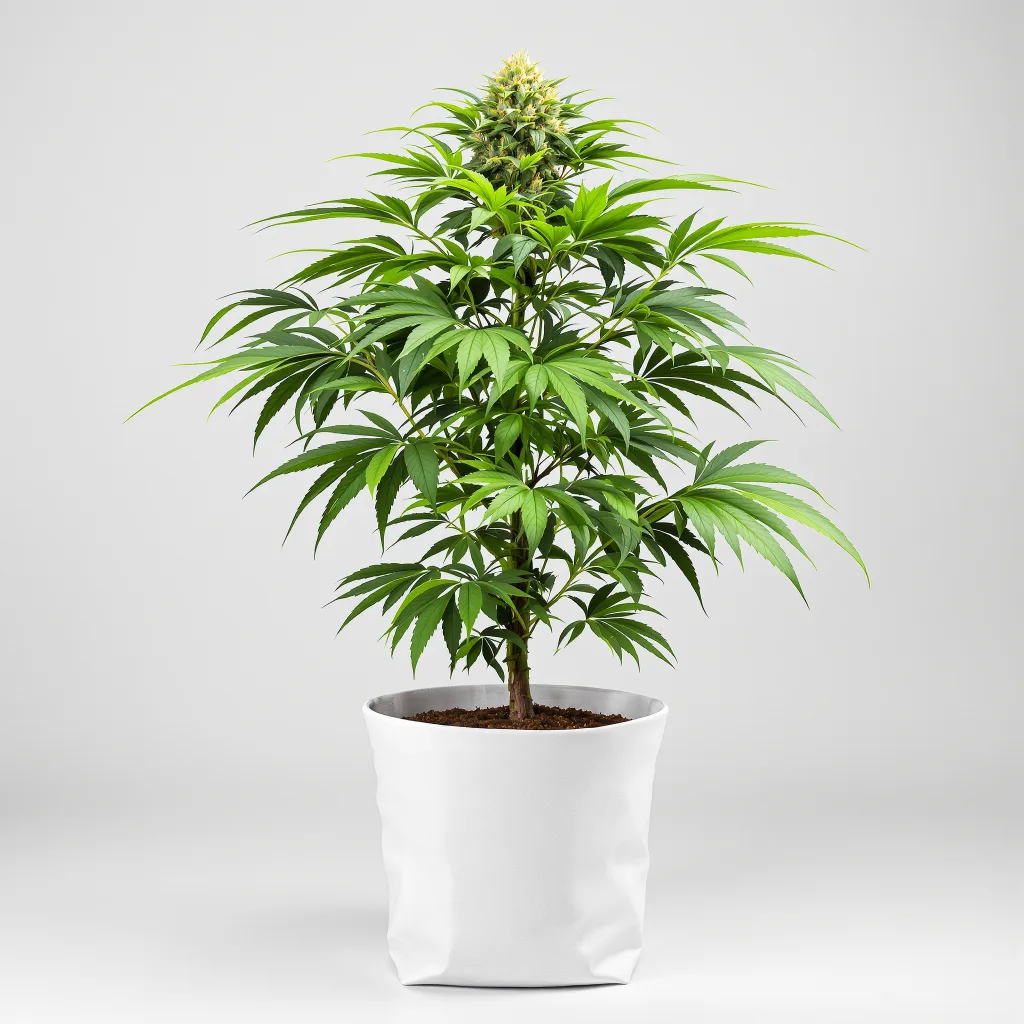
Forbidden Fruit is a moderately challenging strain to cultivate, requiring careful attention to environmental factors to optimize its cannabinoid and terpene profile. A closer look at the optimal growing conditions for this strain is provided below:

  1. Climate Requirements
    Forbidden Fruit thrives in a Mediterranean-like climate, with warm, sunny, and slightly humid conditions. It requires an environment with consistent temperatures between 70-80°F (21-27°C) during the day, and slightly cooler temperatures at night. Excessive humidity can lead to mold growth, especially during the flowering stage, so it’s important to maintain controlled humidity levels between 40-50%.
  2. Soil or Hydroponic Systems
    While Forbidden Fruit can be grown in soil or hydroponic systems, each medium offers unique advantages. Because of the “entourage effect,” organic soil may improve the terpene profile and have a stronger therapeutic impact. On the other side, hydroponic systems frequently result in faster growth and offer more control over fertilizer intake.
    The choice of medium can affect the strain’s chemical composition, so cultivators aiming for specific therapeutic qualities should consider the growing method that best suits their needs.
  3. Lighting and Photoperiod
    As an indoor strain, Forbidden Fruit requires a controlled light cycle to stimulate flowering. During the vegetative stage, it requires 18-20 hours of light, while the flowering stage calls for a 12-hour light and 12-hour dark cycle. High-quality LED lights can help optimize growth and cannabinoid production while minimizing heat, which is especially important for terpene preservation.
  4. Nutrient Requirements
    Forbidden Fruit is a nutrient-sensitive strain, requiring balanced nitrogen, phosphorus, and potassium (N-P-K) levels during different growth stages. During the vegetative phase, a nitrogen-rich fertilizer promotes healthy foliage growth, while phosphorus and potassium become essential during the flowering phase for optimal bud production.
  5. Harvesting and Curing
    Forbidden Fruit typically has a flowering period of 8-10 weeks. Harvesting at the right time, when the trichomes are cloudy and amber, ensures that cannabinoid potency is maximized. The curing process is equally crucial, as it preserves the strain’s terpene profile and reduces moisture content, preventing mold growth. Curing should be done in a dark, cool space with moderate humidity, which helps maintain the strain’s potency and aromatic profile.
Restrictions on Using Cannabis in the Medical Field: Last-Resort Applications and THC Monitoring

The use of cannabis in the medical field has grown significantly, with numerous studies revealing its potential therapeutic benefits. However, to prevent misuse and ensure patient safety, restrictions are necessary. Particularly in medical contexts, cannabis is often viewed as a last-resort treatment, and measures are taken to monitor the psychoactive component, THC, to avoid unintended effects on patients. Below, we explore the restrictions governing medical cannabis use, the circumstances that qualify it as a last-resort treatment, and the importance of monitoring THC levels to manage psychoactivity.

Medical Cannabis as a Last-Resort Treatment

In many healthcare systems, cannabis-based medications are prescribed only when conventional treatments have proven ineffective, or when the potential benefits of cannabis outweigh the risks involved. Physicians often resort to cannabis for conditions like chronic pain, chemotherapy-induced nausea, severe epilepsy, and muscle spasticity in multiple sclerosis, particularly when these conditions have not responded well to other therapies. The rationale behind this last-resort approach is rooted in the need to prevent dependency, control side effects, and manage the ethical implications surrounding cannabis use.

The restrictive last-resort stance also reflects an effort to maintain high standards in medical care, ensuring that patients receive only those treatments that have been rigorously tested and approved for their conditions. Medical cannabis, while promising, remains under evaluation, with varied responses across patients. Therefore, medical cannabis is typically prescribed with caution, often accompanied by comprehensive consultations and informed consent, where patients are advised of both the potential benefits and risks involved.

Monitoring THC Levels to Minimize Psychoactivity

Many of the “high” effects frequently linked to cannabis use are caused by delta-9-tetrahydrocannabinol (THC), the main psychoactive ingredient in cannabis. For medical applications, controlling THC levels is crucial to ensure that patients can benefit from cannabis’s therapeutic properties without experiencing undesirable psychoactive effects. Excessive THC can cause dizziness, altered judgment, and impaired cognitive function, which can be particularly problematic in medical settings, where the goal is therapeutic relief without cognitive disruption.

To minimize psychoactivity, many medical cannabis formulations are designed with a controlled THC concentration, often in combination with higher levels of cannabidiol (CBD), a non-psychoactive cannabinoid that is known to counterbalance some of THC’s effects. Studies indicate that CBD can modulate the interaction of THC with CB1 receptors in the brain, potentially reducing the psychoactive effects and enhancing cannabis’s therapeutic profile. Formulations with low THC and high CBD are especially valued in treating conditions where psychoactivity is a concern, such as pediatric epilepsy and elderly care, as they offer medicinal benefits with minimal impact on cognitive function.

Regulatory Measures for THC Control

To ensure safe THC levels in medical cannabis products, regulatory bodies enforce strict quality control and labeling standards. Each product must undergo testing to verify its THC and CBD concentrations, ensuring that patients and healthcare providers are aware of the precise cannabinoid content. Labeling requirements often mandate that THC levels be clearly displayed, allowing doctors to prescribe appropriate doses and patients to make informed decisions about their treatment.

Many countries have set legal limits on THC concentrations in medical cannabis products. In some cases, low-THC or even THC-free cannabis products are preferred for patients who are vulnerable to psychoactive effects, such as children, elderly patients, or individuals with a history of mental health disorders. In these cases, physicians might opt for CBD-dominant or THC-restricted formulations, minimizing psychoactivity while preserving therapeutic value.

Additionally, ongoing patient monitoring is often recommended, especially for those new to cannabis treatments. Regular assessments help doctors track any adverse effects and adjust dosages as needed to maintain patient comfort and safety. By closely monitoring THC levels and patient responses, medical professionals can ensure that cannabis-based treatments remain within therapeutic ranges, achieving efficacy without compromising cognitive or physical function.

Conclusion

In conclusion, the medical use of cannabis, specifically strains like Forbidden Fruit, demonstrates both promise and complexity. With its unique cannabinoid and terpene profile, this strain offers potential therapeutic benefits across a range of conditions, from chronic pain and inflammation to anxiety and insomnia. However, strict regulatory measures and usage guidelines are essential to ensure patient safety and efficacy.

Medical cannabis is generally restricted to last-resort treatment scenarios, only prescribed when conventional therapies fail to provide adequate relief. This cautious approach minimizes the risk of dependency, side effects, and other ethical concerns, maintaining high standards of medical care. Monitoring THC levels in cannabis-based medications is critical to managing its psychoactive effects, ensuring that patients receive therapeutic relief without cognitive impairment. In many formulations, higher CBD levels are combined with controlled THC to balance psychoactivity while enhancing the medicinal profile, particularly important for vulnerable populations like children and the elderly.

Growing conditions, including climate, nutrient balance, and post-harvest care, play a crucial role in optimizing the strain’s therapeutic properties. Proper cultivation preserves its chemical integrity, making it suitable for medical use. Meanwhile, regulatory oversight enforces quality control, ensuring that patients receive accurately labeled products with consistent cannabinoid levels.

By integrating these practices—restricted use, careful THC monitoring, rigorous cultivation, and regulatory oversight—the medical community is working to harness cannabis’s therapeutic potential safely and effectively. With further research and continued refinement in cannabinoid therapy, medical cannabis like Forbidden Fruit holds significant potential to contribute to patient-centered care for those suffering from challenging, treatment-resistant conditions.

Share

Leave a comment

Your email address will not be published. Required fields are marked *