Get 15% OFF with code GROWNOW15
My Account Order Lookup Cannabis Guides Beginner Seeds Intermediate Seeds Master Seeds

Medical Strain Analysis: Dutch Treat.

Medical Strain Analysis Dutch Treat 2

Medical Strain Analysis: Dutch Treat

Dutch Treat is a renowned cannabis strain with notable characteristics and benefits that make it particularly relevant in the medical field. Originating from the Netherlands, Dutch Treat has gained international recognition due to its unique chemical composition and potential health benefits. In exploring Dutch Treat as a medical strain, this analysis delves into its origins, chemical profile, therapeutic properties, and optimal cultivation conditions, each critical in understanding why it has become a preferred strain among medical users.

Origins and Lineage

Dutch Treat is believed to have originated in Amsterdam, where breeders initially developed it to meet the demands of the Dutch cannabis scene. Though the exact lineage remains somewhat unclear, Dutch Treat is often classified as an indica-dominant hybrid with sativa-like cerebral qualities. It is widely regarded as a cross between Northern Lights and Haze, both respected and influential strains in the cannabis community. Northern Lights, known for its relaxing effects, provides Dutch Treat with its calming, indica characteristics, while Haze contributes uplifting and invigorating effects more commonly associated with sativa strains. This combination results in a balanced hybrid, offering a nuanced profile that caters well to various medical needs.

Chemical Profile of Dutch Treat

A critical component of Dutch Treat’s appeal is its distinctive chemical profile, which includes a rich blend of cannabinoids and terpenes. In terms of cannabinoids, Dutch Treat commonly contains moderate to high levels of tetrahydrocannabinol (THC), typically ranging from 18% to 25%. This high THC concentration is balanced by modest amounts of cannabidiol (CBD), typically less than 1%. Although THC is often associated with psychoactive effects, it also provides considerable medical benefits. Additionally, some phenotypes of Dutch Treat may contain trace amounts of other cannabinoids, such as cannabinol (CBN) and cannabigerol (CBG), which can further enhance its therapeutic potential.

The terpene profile of Dutch Treat is equally important in understanding its medical applications. Terpenes are aromatic compounds found in cannabis that contribute to its effects by interacting with cannabinoids, a phenomenon known as the entourage effect. Dutch Treat’s primary terpenes include myrcene, pinene, and caryophyllene:

  • Myrcene: Known for its sedative and anti-inflammatory properties, myrcene is prevalent in Dutch Treat and contributes to its calming, relaxing effects. This terpene is also thought to enhance the permeability of cell membranes, which may help cannabinoids and other therapeutic compounds to penetrate the body more effectively.
  • Pinene: This terpene is associated with anti-inflammatory and bronchodilator effects. Pinene may help alleviate respiratory issues and improve airflow, making Dutch Treat beneficial for individuals with asthma or other respiratory conditions.
  • Caryophyllene: Known for its potential anti-inflammatory and analgesic properties, caryophyllene interacts with CB2 receptors in the body, which may contribute to the strain’s ability to relieve pain and inflammation. Unlike other terpenes, caryophyllene can directly engage the endocannabinoid system, adding to the medical utility of Dutch Treat.

Other terpenes that may be present in smaller amounts include limonene, which has mood-enhancing properties, and linalool, which can provide a calming effect. Together, this combination of cannabinoids and terpenes creates a profile well-suited for a variety of medical applications.

Medical Benefits of Dutch Treat

The unique cannabinoid and terpene profile of Dutch Treat allows it to address a wide range of medical conditions, making it a versatile option for patients. Below are some of the most common medical benefits associated with Dutch Treat:

  1. Pain Management

One of the primary uses of Dutch Treat in medical applications is for pain relief. Because of its high THC level and caryophyllene content, the strain has strong analgesic effects that may help those with chronic pain illnesses like fibromyalgia, neuropathic pain, and arthritis. By binding with CB2 receptors in the peripheral nervous system, caryophyllene, in particular, may help lessen pain and inflammation without having the euphoric effects that THC is known for. Dutch Treat’s myrcene content also contributes to its analgesic effects, providing an additional layer of relief for individuals struggling with pain-related issues.

  1. Anxiety and Depression

Dutch Treat’s unique blend of cannabinoids and terpenes can have mood-stabilizing effects, making it a popular option for individuals dealing with mental health conditions like anxiety and depression. Although THC is generally associated with psychoactive effects, Dutch Treat’s balanced profile can provide calming and uplifting sensations that do not overwhelm the user. Myrcene and limonene work synergistically to produce a relaxed, positive mental state, while THC provides an initial boost in mood, potentially alleviating symptoms of depression. Additionally, Dutch Treat’s anxiolytic properties may help individuals who experience social anxiety or generalized anxiety, promoting relaxation without the intense psychoactive effects that might exacerbate anxiety.

  1. Insomnia and Sleep Disorders

Dutch Treat’s sedative properties make it effective for patients who suffer from sleep disorders, particularly insomnia. Myrcene, one of the most abundant terpenes in Dutch Treat, is known for its sedative effects and can help patients fall asleep more quickly and stay asleep for longer periods. The calming effect induced by the combination of THC and myrcene makes Dutch Treat an ideal strain for evening use, as it can help ease both the body and mind into a restful state, facilitating a deeper and more restorative sleep. By promoting longer and more uninterrupted sleep cycles, Dutch Treat may also improve overall sleep quality, making it beneficial for those suffering from sleep disturbances related to other medical conditions.

  1. Muscle Spasms and Spasticity

For individuals dealing with muscle spasms or spasticity, Dutch Treat can offer notable relief due to its muscle relaxant properties. Conditions such as multiple sclerosis, Parkinson’s disease, and certain forms of muscular dystrophy can benefit from Dutch Treat’s ability to reduce muscle tension and spasms. Myrcene and THC work together to relax the muscles, potentially relieving painful spasms and improving overall mobility. This muscle-relaxing effect can also be beneficial for individuals recovering from injuries or surgeries, as it may alleviate discomfort associated with prolonged immobility.

  1. Nausea and Appetite Stimulation

Dutch Treat is also useful for individuals experiencing nausea or a loss of appetite, which are common side effects of cancer treatments, HIV/AIDS, and other debilitating conditions. THC, the primary psychoactive compound in Dutch Treat, has well-documented antiemetic and appetite-stimulating effects. THC helps patients maintain a healthy diet throughout treatment by reducing nausea and increasing hunger by activating CB1 receptors in the brain. For those who must put on or keep on weight while recovering, this is very beneficial.

  1. Anti-Inflammatory and Respiratory Benefits

The presence of pinene in Dutch Treat may offer respiratory benefits, especially for individuals suffering from asthma or other breathing difficulties. Pinene acts as a bronchodilator, which can help open up the airways and improve breathing. Additionally, Dutch Treat’s anti-inflammatory properties, largely attributed to caryophyllene and myrcene, make it a beneficial option for individuals suffering from inflammatory conditions like Crohn’s disease, ulcerative colitis, and irritable bowel syndrome (IBS). By reducing inflammation in various parts of the body, Dutch Treat can alleviate symptoms and improve overall quality of life for individuals with chronic inflammatory conditions.

Growing Conditions for Dutch Treat

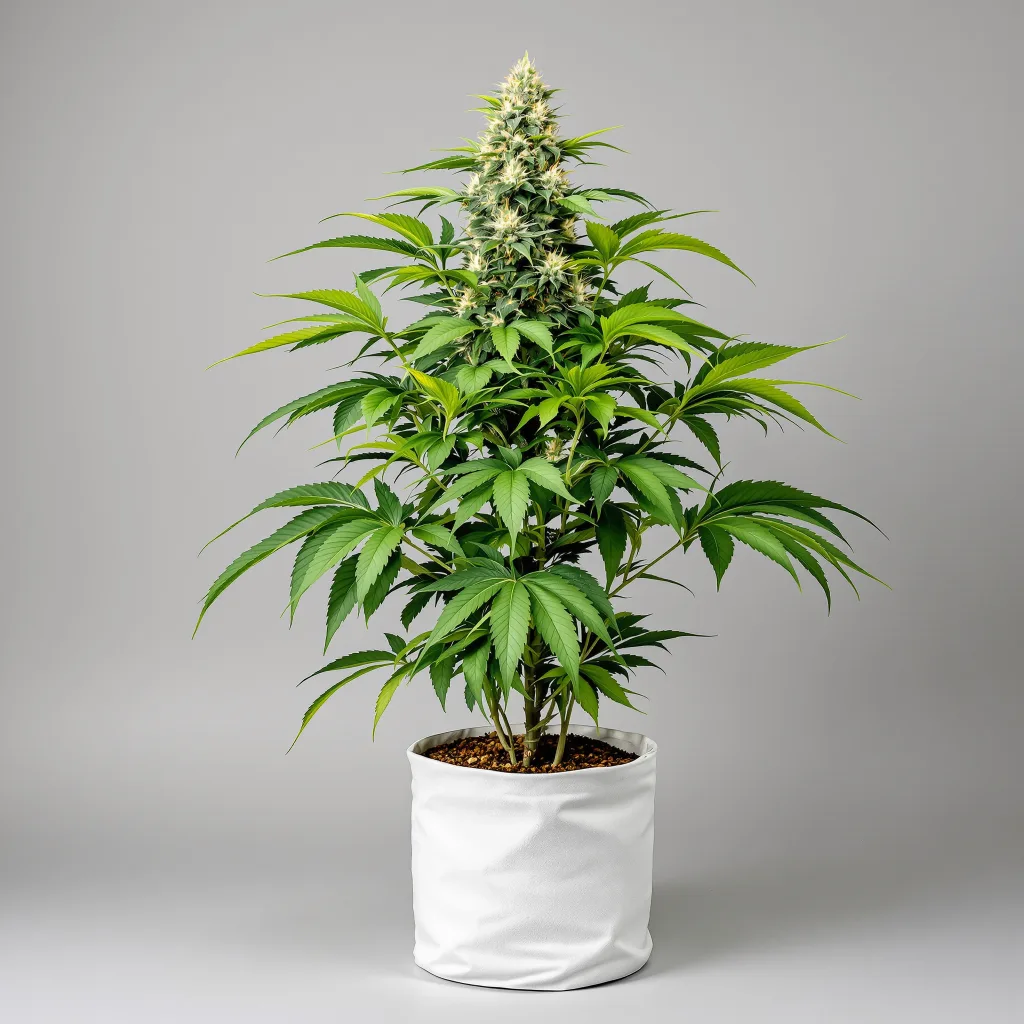
Dutch Treat is moderately challenging to grow, making it suitable for cultivators with some experience. It does best in a regulated indoor setting where light, humidity, and temperature can all be precisely adjusted. However, it can also be grown outdoors in regions with a warm, Mediterranean-like climate. Below is a detailed look at the ideal growing conditions for Dutch Treat:

  1. Temperature and Humidity

Dutch Treat prefers a temperate environment with daytime temperatures ranging between 70°F and 80°F (21°C to 27°C) during the vegetative stage. During the flowering stage, temperatures should be slightly lower, around 65°F to 75°F (18°C to 24°C), to encourage the development of dense, resinous buds. Humidity levels should be kept moderate, with a relative humidity (RH) of around 50-60% during the vegetative stage and reduced to 40-50% during flowering. Maintaining lower humidity levels during flowering is essential to prevent mold and mildew, as Dutch Treat’s dense buds are particularly susceptible to these issues.

  1. Lighting and Photoperiod

Dutch Treat is typically grown indoors under high-intensity lighting to maximize its yield potential. During the vegetative stage, Dutch Treat requires 18-24 hours of light per day, while the flowering stage should be induced with a 12/12 light-dark cycle. Many growers opt for LED or high-pressure sodium (HPS) lights, which provide the spectrum and intensity necessary to encourage robust growth. Because it directly affects bud size and potency, it is imperative to ensure adequate light during the flowering stage.

  1. Nutrient Requirements

Dutch Treat is a relatively heavy feeder and requires a balanced diet of nutrients, particularly during the flowering stage. Nitrogen is essential during the vegetative stage to support leaf and stem growth, while higher levels of phosphorus and potassium are required during the flowering stage to promote bud formation and resin production. Dutch Treat also benefits from trace minerals like calcium, magnesium, and sulfur, which can support overall plant health and enhance terpene production. To prevent nutrient burn, it’s important to monitor pH levels closely; Dutch Treat thrives with a soil pH of 6.0-6.5 or a hydroponic pH of 5.5-6.0.

  1. Soil vs. Hydroponics

Dutch Treat can be cultivated in both soil and hydroponic systems, though each method offers unique advantages. Soil tends to enhance the strain’s terpene profile, producing a richer flavor and aroma, while hydroponic systems often yield higher potency and faster growth rates. Growers who prioritize terpene content may prefer soil, while those seeking maximum yield and potency may opt for hydroponics. Both methods can produce high-quality plants as long as nutrient levels, pH, and environmental conditions are carefully managed.

  1. Flowering Time and Yield

Dutch Treat has a relatively short flowering period of about 8 to 9 weeks, making it an attractive option for growers looking for a quick turnaround. Indoor cultivation typically yields around 12-16 ounces per square meter, while outdoor plants can produce up to 16 ounces per plant under optimal conditions. The compact structure of Dutch Treat makes it ideal for indoor growing methods such as the Sea of Green (SOG) technique, which maximizes space efficiency and yield by encouraging early flowering in multiple smaller plants.

  1. Pest and Disease Resistance

While Dutch Treat is moderately resistant to pests, it is somewhat vulnerable to mold and mildew due to the density of its buds. Implementing good airflow, adequate spacing, and regular pruning can help mitigate the risk of mold. It is also advisable to inspect the plants regularly for pests such as spider mites, aphids, and fungus gnats, which can damage the plants if left unchecked. Integrated pest management (IPM) practices, including the use of beneficial insects and organic pest control solutions, can be effective in maintaining a healthy garden without compromising the quality of the final product.

Restrictions on Medical Cannabis Use and THC Monitoring: Ensuring Safety and Efficacy

In recent years, cannabis has gained acceptance for its potential therapeutic effects, particularly in managing chronic pain, anxiety, and various neurological conditions. However, to ensure that cannabis is used responsibly and effectively within the medical field, many countries and healthcare institutions enforce stringent restrictions, treating it as a last-resort option only when other treatment avenues have been exhausted. Furthermore, the psychoactive component of cannabis, tetrahydrocannabinol (THC), is closely monitored to prevent unwanted cognitive and psychological effects on patients.

Restricting Cannabis Use as a Last-Resort Treatment

The medical field views cannabis as an alternative treatment that is generally reserved for cases where conventional medications have proven ineffective or caused intolerable side effects. This restriction aims to prioritize traditional, evidence-based treatments with established safety profiles before turning to cannabis, whose long-term effects are still under extensive research. For example, patients with chronic pain often start with physical therapy, non-opioid analgesics, or nerve blockers before considering cannabis. Similarly, patients with conditions like epilepsy may only be eligible for cannabis-based medications if standard anti-seizure medications fail to control their symptoms adequately.

The last-resort approach is particularly important in vulnerable populations, such as minors, pregnant women, and individuals with a history of psychiatric disorders, where cannabis use may pose additional risks. This cautious stance is intended to minimize potential harm and only introduce cannabis as a medical intervention when the benefits significantly outweigh the risks. To enforce this, many healthcare providers adhere to strict protocols, requiring multiple levels of approval from medical practitioners before a cannabis-based treatment can be initiated.

Monitoring and Limiting THC Levels in Medications

One of the major challenges in medical cannabis use is managing the psychoactive effects associated with THC, the cannabinoid responsible for the “high” sensation. In medical applications, it is essential to balance the therapeutic effects of THC without triggering significant psychoactivity, especially in patients who may be sensitive to its effects or who need to maintain mental clarity.

To address this, medical cannabis formulations are often standardized to contain low levels of THC, with a preference for higher cannabidiol (CBD) content. CBD is non-psychoactive and has shown promise in treating conditions such as epilepsy, anxiety, and inflammation, often enhancing the therapeutic effects of THC through the entourage effect without adding to its psychoactive properties. By adjusting the THC-to-CBD ratio, medical cannabis can provide effective relief while minimizing the likelihood of cognitive impairment or euphoria.

Furthermore, THC levels are strictly monitored during production and administration. In many regions, regulations limit the amount of THC permissible in medical cannabis products, and healthcare providers must follow dosing guidelines tailored to each patient’s specific condition and tolerance. For instance, cancer patients using cannabis for nausea and appetite stimulation may require precise doses with minimal THC content to alleviate symptoms without causing sedation or mental alteration. This controlled approach ensures that patients receive the benefits of THC without the potentially adverse psychoactive side effects, promoting safe and effective medical use.

Implementing Monitoring Systems for Safe Use

To ensure patient safety, healthcare providers employ monitoring systems to track cannabis use, dosages, and patient responses over time. Many medical institutions require regular evaluations to assess the effectiveness and side effects of cannabis-based treatment. Electronic health records (EHR) systems may also integrate THC monitoring data, allowing providers to adjust treatment plans based on real-time observations and reported outcomes. This systematic approach provides a layer of accountability and safety, especially for patients in long-term cannabis-based treatments.

Conclusion

In conclusion, Dutch Treat exemplifies the promise and complexity of medical cannabis as a therapeutic option. Its unique origins and carefully balanced chemical profile of THC, CBD, and terpenes provide it with versatile applications for pain relief, anxiety management, sleep disorders, muscle spasticity, and anti-inflammatory support. However, the use of cannabis in medical contexts requires stringent safeguards, given its psychoactive properties and the potential for side effects in vulnerable populations.

To ensure that cannabis is used responsibly in the medical field, healthcare providers often view it as a last-resort treatment, only introducing it when conventional options have proven ineffective. This conservative approach prioritizes patient safety while allowing those with persistent symptoms to benefit from the therapeutic properties of cannabis. Monitoring THC levels in medical cannabis formulations further ensures that patients experience the desired relief without unwanted psychoactive effects, striking a careful balance between efficacy and safety. By adjusting THC-to-CBD ratios and implementing regular patient assessments, healthcare providers can tailor cannabis treatment to individual needs while minimizing the risk of cognitive impairment.

Finally, the cultivation of Dutch Treat—while moderately challenging—also underscores the importance of precision in growing conditions to optimize its therapeutic potential. By adhering to specific temperature, humidity, nutrient, and lighting requirements, cultivators can enhance Dutch Treat’s medical efficacy, ensuring a consistent and high-quality product for patients.

As research and understanding of medical cannabis advance, strains like Dutch Treat reveal how cannabis can be integrated into healthcare as a powerful, targeted therapy. Through controlled applications and diligent monitoring, the medical community can responsibly harness cannabis, offering patients effective relief and improved quality of life in ways that complement or augment traditional medical treatments.

Share

Leave a comment

Your email address will not be published. Required fields are marked *