Get 15% OFF with code GROWNOW15
My Account Order Lookup Cannabis Guides Beginner Seeds Intermediate Seeds Master Seeds

Medical Strain Analysis: Cobbler CBD.

Medical Strain Analysis Cobbler CBD

Medical Strain Analysis: Cobbler CBD

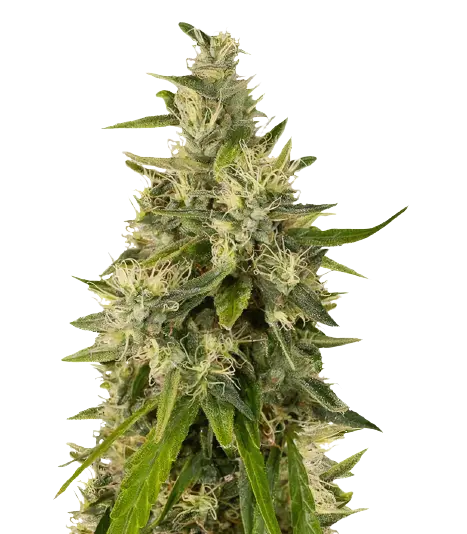
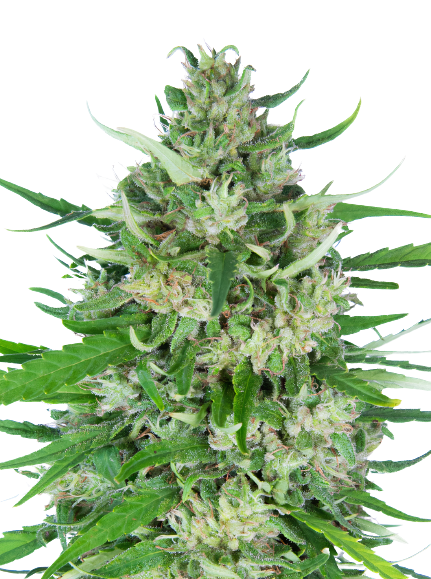
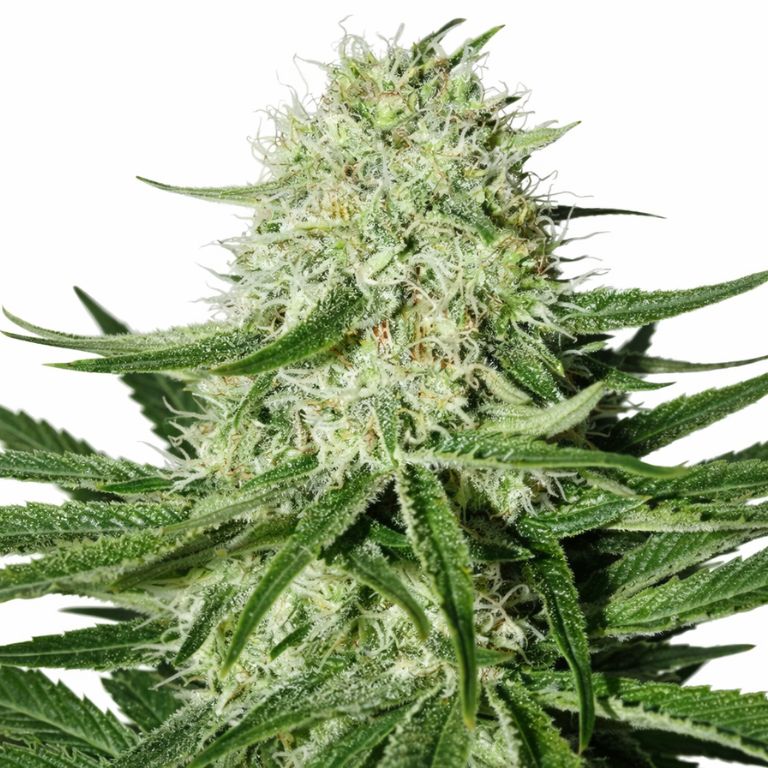
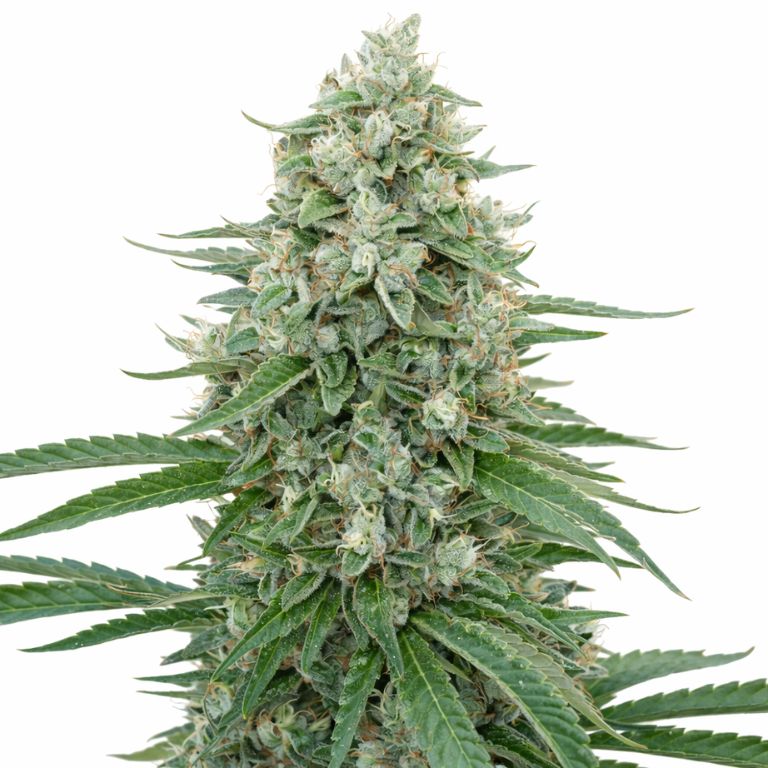
Cobbler CBD, a strain renowned for its significant therapeutic potential, embodies the progress made in the cultivation of hemp plants for medical use. It is highly regarded for its high cannabidiol (CBD) concentration, extremely low tetrahydrocannabinol (THC) levels, and a robust chemical profile that amplifies its medicinal properties. This in-depth analysis explores Cobbler CBD’s origins, chemical characteristics, medical applications, and cultivation requirements, emphasizing its vital role in addressing various health conditions.

Origins and Development

Cobbler CBD is a product of deliberate crossbreeding and genetic optimization to produce a hemp strain with unparalleled medical utility. It was developed by combining two celebrated hemp varieties: Charlotte’s Cherries and Tangistan R4. Charlotte’s Cherries is recognized for its high CBD concentration and subtle, soothing aromatic qualities, while Tangistan R4 is prized for its resilience, adaptability, and consistent cannabinoid content. The result is a robust and reliable strain that thrives in diverse environments while maintaining its therapeutic value.

The name “Cobbler” reflects its unique terpene profile, which exudes sweet, fruity aromas reminiscent of a warm fruit cobbler dessert. However, the strain’s development was driven by the need to enhance medical applications rather than recreational appeal. By ensuring the THC content remains below the federally legal limit of 0.3%, Cobbler CBD provides maximum health benefits without the psychoactive effects associated with cannabis use. This makes it an ideal option for patients who seek relief without intoxication.

Chemical Profile
Chemical Profile

Cobbler CBD is characterized by its rich and well-balanced chemical composition, making it one of the most effective strains for medical purposes. Its cannabinoid and terpene content work synergistically to create a powerful therapeutic experience without psychoactivity.

Cannabinoids

The defining feature of Cobbler CBD is its high concentration of cannabidiol (CBD), which typically ranges from 15% to 20%. CBD is a non-psychoactive cannabinoid renowned for its broad spectrum of health benefits, including anti-inflammatory, anxiolytic, anti-epileptic, and neuroprotective effects. In Cobbler CBD, THC levels are maintained below 0.3%, ensuring no intoxicating effects while preserving the entourage effect—the synergistic interaction of cannabinoids, terpenes, and other phytochemicals that enhances therapeutic outcomes.

In addition to CBD, Cobbler CBD contains trace amounts of other cannabinoids, such as:

  • Cannabigerol (CBG): Known for its antibacterial and neuroprotective properties.
  • Cannabichromene (CBC): Exhibits anti-inflammatory, antifungal, and antidepressant effects.

These minor cannabinoids play supporting roles in enhancing the therapeutic profile of Cobbler CBD.

Terpenes

The terpene profile of Cobbler CBD is another critical factor in its medicinal potency. Terpenes not only contribute to the strain’s aroma but also possess therapeutic properties. The most abundant terpenes in Cobbler CBD include:

  • Myrcene: Known for its sedative, anti-inflammatory, and analgesic properties, myrcene is especially effective in reducing pain and promoting relaxation.
  • Caryophyllene: A unique terpene that interacts directly with the endocannabinoid system, caryophyllene is a powerful anti-inflammatory and analgesic agent.
  • Limonene: This citrus-scented terpene enhances mood, reduces stress, and exhibits antibacterial properties.
  • Pinene: An anti-inflammatory terpene that supports respiratory function and cognitive clarity.

These terpenes work alongside cannabinoids to address various medical conditions, offering a comprehensive, multifaceted approach to healing.

Medical Benefits
Medical Benefits 7

Cobbler CBD has garnered attention as a highly effective therapeutic strain, demonstrating significant potential in managing a wide range of medical conditions. Its high CBD content, combined with its diverse terpene profile, ensures a broad spectrum of applications.

Pain Management

Chronic pain is a pervasive issue affecting millions worldwide, often stemming from conditions such as arthritis, fibromyalgia, and neuropathy. Cobbler CBD provides a natural alternative to traditional pain management approaches, which often rely on opioids and other pharmaceuticals with severe side effects. The anti-inflammatory properties of CBD, bolstered by caryophyllene and myrcene, reduce inflammation at its source while desensitizing pain receptors. This dual mechanism of action provides relief without the risk of addiction or dependency.

Studies have shown that CBD influences pain perception by interacting with the endocannabinoid system (ECS), which regulates homeostasis. By modulating ECS receptors, Cobbler CBD can reduce the transmission of pain signals, offering a sustainable and non-invasive approach to chronic pain management.

Anxiety and Stress

Mental health conditions such as anxiety disorders and chronic stress are among the most prevalent health issues today. Cobbler CBD has proven to be a natural anxiolytic, providing relief by interacting with serotonin receptors (specifically 5-HT1A) in the brain. This interaction promotes a sense of calm and balance, alleviating symptoms of generalized anxiety disorder (GAD), social anxiety, and post-traumatic stress disorder (PTSD).

The inclusion of limonene in its terpene profile enhances Cobbler CBD’s ability to elevate mood and reduce cortisol levels, further supporting emotional well-being. Unlike many pharmaceuticals, which often come with undesirable side effects, Cobbler CBD offers a safe, non-addictive alternative for individuals struggling with anxiety and stress-related disorders.

Sleep Disorders

Cobbler CBD’s calming effects also make it highly effective in addressing sleep disorders such as insomnia. Poor sleep often results from underlying issues like chronic pain, anxiety, or stress. By addressing these root causes, Cobbler CBD helps individuals achieve restorative sleep. Myrcene, a sedative terpene, works synergistically with CBD to promote relaxation and lengthen sleep duration without causing morning grogginess. Long-term use may help regulate circadian rhythms, improving overall sleep quality.

Neurological Conditions

One of the most exciting areas of research on Cobbler CBD is its potential to support neurological health. CBD’s neuroprotective properties make it a promising treatment for conditions such as epilepsy, multiple sclerosis (MS), and neurodegenerative diseases like Parkinson’s and Alzheimer’s.

The FDA-approved drug Epidiolex, which is based on CBD, has already demonstrated efficacy in treating rare forms of epilepsy. Cobbler CBD, with its high CBD concentration, offers similar benefits in reducing seizure frequency and severity. Additionally, CBD’s ability to reduce neuroinflammation and oxidative stress has profound implications for preventing and managing neurodegenerative disorders.

Inflammatory Disorders

Inflammation underpins many chronic conditions, including autoimmune diseases like rheumatoid arthritis, Crohn’s disease, and lupus. Cobbler CBD’s anti-inflammatory properties, attributed to CBD and caryophyllene, inhibit the production of pro-inflammatory cytokines. This action not only alleviates symptoms but also addresses the underlying causes of inflammation. Patients with gastrointestinal conditions like irritable bowel syndrome (IBS) may benefit from Cobbler CBD’s soothing effects on the digestive tract.

Skin Conditions

Topical applications of Cobbler CBD extracts have shown promise in managing dermatological conditions such as eczema, psoriasis, and acne. Its anti-inflammatory and antimicrobial properties help reduce redness, irritation, and bacterial growth, promoting healthier skin. Furthermore, the antioxidants in CBD may slow the aging process by reducing damage caused by free radicals.

Cardiovascular Health

CBD’s potential to support cardiovascular health is an emerging area of research. Cobbler CBD may help lower blood pressure, reduce inflammation in blood vessels, and prevent oxidative stress—all factors that contribute to cardiovascular diseases. Regular use could improve vascular function and reduce the risk of conditions like atherosclerosis and heart disease.

Growing Conditions

The cultivation of Cobbler CBD requires precision and care to maximize its medicinal properties. While it is a hardy and adaptable strain, specific environmental parameters and cultivation techniques can optimize its cannabinoid and terpene production.

Climate and Soil

Cobbler CBD thrives in a temperate climate with consistent temperatures between 70°F and 85°F (21°C to 29°C). It requires ample sunlight or equivalent artificial lighting and prefers moderate humidity levels. Well-drained soil with a pH between 6.0 and 7.0 is ideal for its growth. Organic soil rich in essential nutrients like nitrogen, phosphorus, and potassium supports the development of robust plants with high cannabinoid yields.

Light Requirements

For indoor cultivation, full-spectrum LED grow lights are recommended to replicate natural sunlight. Vigorous development is supported during the vegetative stage by a light cycle of 18 hours on and 6 hours off. In the flowering stage, the light cycle should shift to 12 hours on and 12 hours off to encourage bud formation and resin production.

Watering and Nutrients

While regular watering is necessary, excessive watering should be avoided in order to avoid root rot. Nutrient requirements vary across growth stages:

  • Vegetative Stage: High nitrogen levels support leaf and stem growth.
  • Flowering Stage: Increased levels of phosphorus and potassium promote the development of resin-rich buds.
Pest and Disease Management

Cobbler CBD is naturally resistant to many pests and diseases, but growers should remain vigilant against threats like spider mites, aphids, and powdery mildew. Organic pest control methods, such as neem oil and beneficial insects, are effective in maintaining plant health without compromising cannabinoid or terpene content.

Harvesting and Post-Harvest Processing

Cobbler CBD typically reaches maturity in 8 to 10 weeks, depending on environmental conditions. Harvesting at the right time—when trichomes transition from clear to milky white—ensures peak potency. Proper drying and curing are critical for preserving the strain’s therapeutic properties and aromatic profile. Curing involves storing the dried buds in a controlled environment to enhance flavor, potency, and shelf life.

Restrictions on Using Cobbler CBD in the Medical Field

As medical cannabis gains traction for its therapeutic benefits, specific measures must be established to ensure the safe and ethical use of strains like Cobbler CBD in the medical field. While Cobbler CBD offers substantial promise for treating various conditions, its application should be reserved as a last-resort option after other treatments have been explored. Additionally, the monitoring of THC levels in medications derived from this strain is essential to eliminate the risk of psychoactive effects on patients. This article outlines the restrictions and considerations necessary for integrating Cobbler CBD into medical practice responsibly.

Medical Use as a Last Resort

The introduction of Cobbler CBD into a patient’s treatment plan should follow a structured approach. Its usage should only be considered after traditional medical treatments and pharmaceuticals have been evaluated and deemed ineffective, unsuitable, or intolerable for the patient. This restriction is crucial to maintain a balance between evidence-based medicine and the emerging potential of cannabis-based therapies.

Rationale for Last-Resort Use

  1. Lack of Comprehensive Research: While initial studies support the therapeutic efficacy of CBD, long-term clinical trials are still limited. To uphold patient safety and adhere to medical standards, Cobbler CBD should be employed only when other well-studied interventions fail.
  2. Individualized Treatment Needs: Not all patients respond uniformly to cannabinoids. Healthcare providers must ensure that patients exhaust other options before turning to Cobbler CBD to minimize unnecessary exposure to unproven treatments.
  3. Potential Legal and Ethical Concerns: Despite its legality under federal regulations due to low THC levels, the use of any cannabis-derived product can invite legal scrutiny in certain regions or medical institutions. Limiting its application to last-resort scenarios reduces potential legal risks and aligns with ethical medical practice.
Monitoring THC Levels in Medications

Cobbler CBD’s therapeutic appeal lies in its high CBD concentration and negligible THC levels. However, ensuring that THC levels remain consistently below 0.3% is vital to prevent psychoactive effects and maintain compliance with federal and medical guidelines.

Importance of THC Monitoring

  1. Preventing Psychoactivity: Although Cobbler CBD is bred to contain less than 0.3% THC, fluctuations during cultivation, processing, or extraction could inadvertently increase THC levels. Medications derived from this strain must undergo rigorous testing to prevent any unintended psychoactive impact on patients.
  2. Ensuring Patient Safety: Patients with conditions like anxiety or PTSD may be particularly sensitive to THC, even in trace amounts. Elevated THC levels could exacerbate symptoms or lead to adverse psychological effects, such as heightened anxiety or paranoia.
  3. Preserving Medical Integrity: Strict monitoring reinforces the legitimacy of using CBD-based treatments in medicine, protecting the reputation of cannabis therapies as safe and reliable options for healthcare.

Techniques for Monitoring THC

Modern analytical tools, such as high-performance liquid chromatography (HPLC) and gas chromatography-mass spectrometry (GC-MS), allow precise measurement of THC and CBD levels in medications. Regular testing during each stage of production—from cultivation to final product formulation—is critical to maintain consistency and safety.

Guidelines for Safe and Ethical Use

To regulate the use of Cobbler CBD in the medical field, healthcare providers and policymakers must establish clear guidelines. These include:

  1. Prescription Oversight: Cobbler CBD medications should only be prescribed by licensed healthcare professionals with expertise in cannabis-based therapies. Prescribers must document why other treatments were deemed unsuitable and justify the use of Cobbler CBD as a last resort.
  2. Patient Monitoring: Continuous monitoring of patients using Cobbler CBD is essential to evaluate its effectiveness and detect potential side effects. This includes regular assessments of symptom improvement, mental state, and overall well-being.
  3. Education for Providers: Physicians and pharmacists must receive adequate training on the pharmacological properties, potential risks, and ethical considerations of cannabis-based treatments. This ensures informed decision-making and proper patient care.
  4. Stringent Quality Control: Growers and manufacturers must adhere to strict quality standards, including monitoring cannabinoid content, avoiding contamination, and maintaining transparency in labeling. This safeguards patient trust and ensures therapeutic consistency.
  5. Regulatory Compliance: Healthcare institutions should implement policies to align with local and federal cannabis laws. This includes maintaining records of prescriptions and reporting adverse effects to appropriate regulatory bodies.
Balancing Innovation and Caution

The inclusion of Cobbler CBD in the medical field reflects a growing recognition of the potential benefits of cannabis-based treatments. However, caution must be exercised to prevent misuse and ensure patient safety. By restricting its use to last-resort scenarios and enforcing rigorous monitoring of THC levels, the medical community can harness the therapeutic power of Cobbler CBD while mitigating risks.

These restrictions not only promote the ethical integration of cannabis-based therapies into mainstream medicine but also pave the way for more comprehensive research and development. As scientific understanding deepens, Cobbler CBD and similar strains may become an integral part of medical practice, but their use must always be guided by the principles of safety, efficacy, and patient-centered care.

Conclusion

Cobbler CBD emerges as a groundbreaking medical strain, embodying the promise of cannabis-based therapies in modern medicine. Its origins in carefully engineered genetics, combining the strengths of Charlotte’s Cherries and Tangistan R4, underscore the meticulous effort to create a strain that prioritizes health benefits while minimizing psychoactive effects. With a chemical profile dominated by high CBD content, trace THC levels, and a robust terpene profile, Cobbler CBD offers a holistic therapeutic approach to addressing conditions ranging from chronic pain and anxiety to inflammatory and neurological disorders.

The strain’s application in medicine, however, must be carefully regulated to ensure patient safety and uphold medical integrity. Restricting its use to last-resort scenarios ensures that established, evidence-based treatments are prioritized while maintaining Cobbler CBD as a viable alternative when other options fail. This cautious approach mitigates risks associated with incomplete research and ensures that patients benefit from its therapeutic properties without unnecessary exposure to potential uncertainties.

Monitoring THC levels in medications derived from Cobbler CBD is essential for preserving its non-psychoactive nature, a critical factor for its acceptance in the medical field. Rigorous testing protocols, quality control measures, and adherence to legal standards reinforce the safety and reliability of treatments based on this strain.

The cultivation and processing of Cobbler CBD also play a pivotal role in its success as a medical strain. From selecting optimal growing conditions to implementing stringent harvesting and post-harvest techniques, each step contributes to maintaining the chemical consistency necessary for predictable medical outcomes.

Finally, the integration of Cobbler CBD into medical practice must be guided by ethical principles, regulatory compliance, and a commitment to patient well-being. Comprehensive education for healthcare providers, careful patient monitoring, and adherence to prescription oversight protocols ensure that the strain is used responsibly and effectively.

Cobbler CBD exemplifies the potential of hemp-derived therapies to revolutionize patient care, offering a non-intoxicating, plant-based solution to a range of health challenges. By balancing innovation with caution, the medical community can harness its benefits while paving the way for further research and acceptance of cannabis-based medicine. This approach ensures that Cobbler CBD serves as a reliable, safe, and ethical option in advancing healthcare.

Share

Leave a comment

Your email address will not be published. Required fields are marked *