Get 15% OFF with code GROWNOW15
My Account Order Lookup Cannabis Guides Beginner Seeds Intermediate Seeds Master Seeds

Medical Strain Analysis: Cherry Skunk CBD.

Medical Strain Analysis Cherry Skunk CBD

Medical Strain Analysis: Cherry Skunk CBD

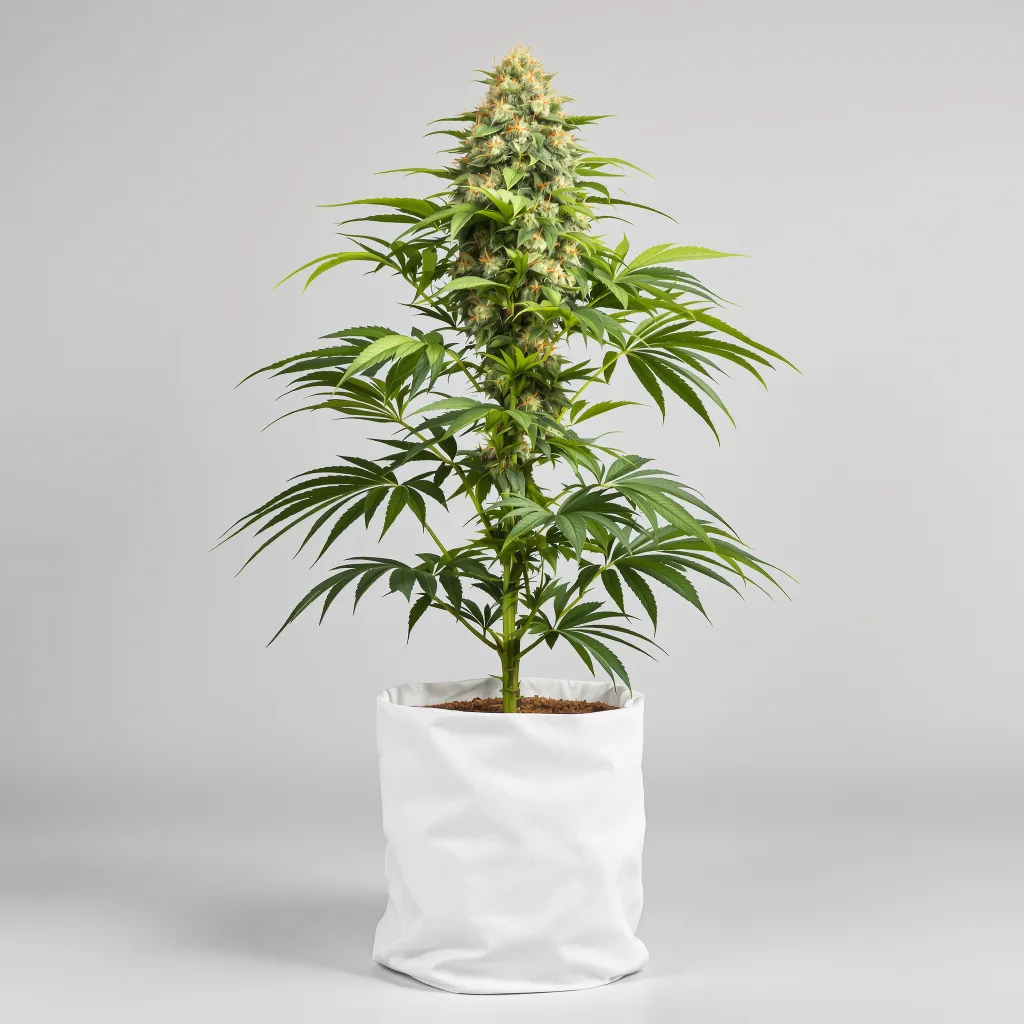
Cherry Skunk CBD is a unique cannabis strain that has garnered attention for its therapeutic applications and its distinctive genetic and chemical composition. With the growing acceptance of medical cannabis globally, strains like Cherry Skunk CBD are being increasingly studied and appreciated for their potential to provide relief for a myriad of health conditions. Unlike many cannabis strains associated with recreational use, Cherry Skunk CBD is specifically tailored for medicinal purposes. Its balanced CBD-dominant profile, robust terpene composition, and specific growing conditions make it a valuable resource in the arsenal of alternative medical treatments.

Cherry Skunk CBD combines a carefully bred lineage, an intricate chemical structure, and a tailored terpene profile to deliver specific therapeutic effects. This detailed exploration delves into the strain’s origins, chemical profile, medical benefits, and optimal growing conditions, with a focus on its applications in alleviating various health concerns.

Origins of Cherry Skunk CBD

Cherry Skunk CBD owes its name and qualities to its parent strains. It is a hybrid resulting from the careful combination of Cherry Kush and Skunk #1. Both of these parent strains are notable in the cannabis world for their robust genetics and distinctive characteristics. Cherry Kush is known for its rich flavor profile and high resin production, while Skunk #1 is a legendary strain recognized for its balanced effects and genetic stability. Cherry Skunk CBD, however, is bred to favor cannabidiol (CBD) content over tetrahydrocannabinol (THC), making it a non-intoxicating variety suitable for medical use.

The strain inherits the characteristic cherry aroma and flavor from Cherry Kush, alongside the earthy and musky undertones of Skunk #1. However, unlike its THC-heavy predecessors, Cherry Skunk CBD has been selectively bred to minimize THC content while maximizing CBD levels. This selective breeding approach ensures that patients using the strain can benefit from its therapeutic effects without experiencing psychoactive side effects, which are generally associated with high-THC strains.

Cherry Skunk CBD represents a growing trend in medical cannabis: tailoring strains to emphasize medicinal properties. Its genetic lineage has been stabilized to ensure consistency in cannabinoid and terpene profiles, which is crucial for medical applications requiring precise dosing and predictable effects.

Chemical Profile of Cherry Skunk CBD
Chemical Profile of Cherry Skunk CBD 2

The therapeutic potential of Cherry Skunk CBD is rooted in its chemical composition, which includes a high CBD-to-THC ratio, diverse terpenes, flavonoids, and other cannabinoids. Cannabidiol (CBD) is the primary cannabinoid present in this strain, with levels typically ranging between 12% and 18%, depending on cultivation and environmental factors. THC content, on the other hand, remains below 0.3%, ensuring compliance with medical cannabis regulations in many regions and eliminating the risk of intoxication.

Cannabinoids
  • CBD (Cannabidiol): CBD is the dominant cannabinoid in Cherry Skunk CBD and is responsible for most of the strain’s therapeutic effects. Unlike THC, CBD does not bind directly to CB1 receptors in the brain but instead interacts with other pathways in the endocannabinoid system to modulate pain, inflammation, mood, and other physiological processes. Its anti-inflammatory, anxiolytic, and anticonvulsant properties make it particularly valuable for patients with chronic pain, anxiety, epilepsy, and neurodegenerative conditions.
  • CBG (Cannabigerol): Cannabigerol, sometimes referred to as the “mother cannabinoid” due to its role as a precursor to both THC and CBD, is also present in lesser amounts in Cherry Skunk CBD. CBG has shown promise in preclinical studies for its neuroprotective, anti-inflammatory, and antibacterial properties.
  • CBC (Cannabichromene): Another minor cannabinoid found in Cherry Skunk CBD, CBC contributes to its potential as an anti-inflammatory and analgesic agent. CBC also interacts synergistically with CBD and other cannabinoids in what is known as the entourage effect.
  • THC (Tetrahydrocannabinol): Although present in trace amounts (below 0.3%), THC in Cherry Skunk CBD plays a subtle but important role in enhancing the efficacy of other cannabinoids through the entourage effect.
Terpene Profile

The terpene profile of Cherry Skunk CBD enhances both its therapeutic potential and its aromatic and flavor qualities. Terpenes are aromatic compounds found in cannabis and other plants, and they often contribute to the overall medicinal properties of a strain by interacting with cannabinoids. The most prominent terpenes in Cherry Skunk CBD include:

  • Myrcene: Known for its earthy aroma, myrcene has anti-inflammatory, sedative, and muscle relaxant properties. Its presence in Cherry Skunk CBD makes the strain particularly effective for pain management and conditions involving muscle tension or spasms.
  • Limonene: With its citrusy aroma, limonene is associated with mood enhancement and stress relief. Additionally, it possesses antibacterial and anti-inflammatory qualities.
  • Caryophyllene: A spicy and peppery terpene, caryophyllene has been shown to interact with CB2 receptors in the endocannabinoid system, contributing to its anti-inflammatory and analgesic effects.
  • Pinene: Pinene is another notable terpene in Cherry Skunk CBD. It has been studied for its anti-inflammatory, bronchodilatory, and neuroprotective properties, making it beneficial for conditions like asthma and cognitive decline.

The synergistic interaction between these terpenes and the cannabinoids in Cherry Skunk CBD amplifies its therapeutic effects. This phenomenon, known as the entourage effect, underscores the importance of the strain’s chemical diversity.

Medical Benefits of Cherry Skunk CBD

The medical applications of Cherry Skunk CBD are extensive due to its high CBD content, balanced terpene profile, and minimal THC levels. This strain is a prime example of how cannabis can be used to address various health issues without the psychoactive effects that are often a concern for patients.

Pain Management

Cherry Skunk CBD is particularly effective in managing both acute and chronic pain. The combination of CBD, caryophyllene, and myrcene works to reduce inflammation and modulate pain signaling pathways. Patients with conditions such as arthritis, fibromyalgia, and neuropathy have reported significant relief when using this strain. Its lack of psychoactivity makes it an excellent choice for individuals who need to manage pain without compromising their mental clarity or daily functioning.

Anxiety and Stress

CBD is well-known for its anxiolytic properties, and Cherry Skunk CBD is no exception. The strain’s high CBD content helps to regulate the production of serotonin in the brain, promoting a sense of calm and reducing symptoms of anxiety. Limonene further enhances this effect by contributing to stress relief and mood stabilization. This makes Cherry Skunk CBD a suitable option for patients with generalized anxiety disorder (GAD), post-traumatic stress disorder (PTSD), or social anxiety.

Anti-Inflammatory Properties

Inflammation is a common underlying factor in many chronic conditions, including autoimmune diseases, arthritis, and even neurodegenerative disorders. The anti-inflammatory properties of Cherry Skunk CBD are mediated by CBD, myrcene, and caryophyllene. These compounds work together to inhibit pro-inflammatory cytokines and pathways, providing relief from inflammation-related symptoms.

Neurological Disorders

Among the most important medical applications of cherry skunk CBD is the treatment of neurological disorders like Parkinson’s disease, multiple sclerosis, and epilepsy. The anticonvulsant effects of CBD have been thoroughly investigated; Cherry Skunk CBD’s high CBD content makes it especially useful in lowering seizure frequency and intensity. Additionally, its neuroprotective properties may slow the progression of neurodegenerative diseases.

Sleep Disorders

Cherry Skunk CBD can also be beneficial for patients suffering from insomnia or other sleep disorders. Myrcene, known for its sedative effects, combines with CBD to promote relaxation and improve sleep quality. Unlike pharmaceutical sleep aids, Cherry Skunk CBD does not produce dependency or next-day grogginess, making it a safer alternative for long-term use.

Gastrointestinal Issues

CBD has been shown to reduce inflammation and pain in the gastrointestinal tract, making Cherry Skunk CBD useful for conditions such as Crohn’s disease, irritable bowel syndrome (IBS), and ulcerative colitis. The strain’s caryophyllene content further enhances its potential to soothe gastrointestinal discomfort.

Cardiovascular Health

Emerging research suggests that CBD may have cardioprotective effects, including the ability to reduce blood pressure and improve vascular health. The anti-inflammatory and antioxidant properties of Cherry Skunk CBD may contribute to its ability to support cardiovascular health, particularly in patients with hypertension or atherosclerosis.

Growing Conditions for Cherry Skunk CBD

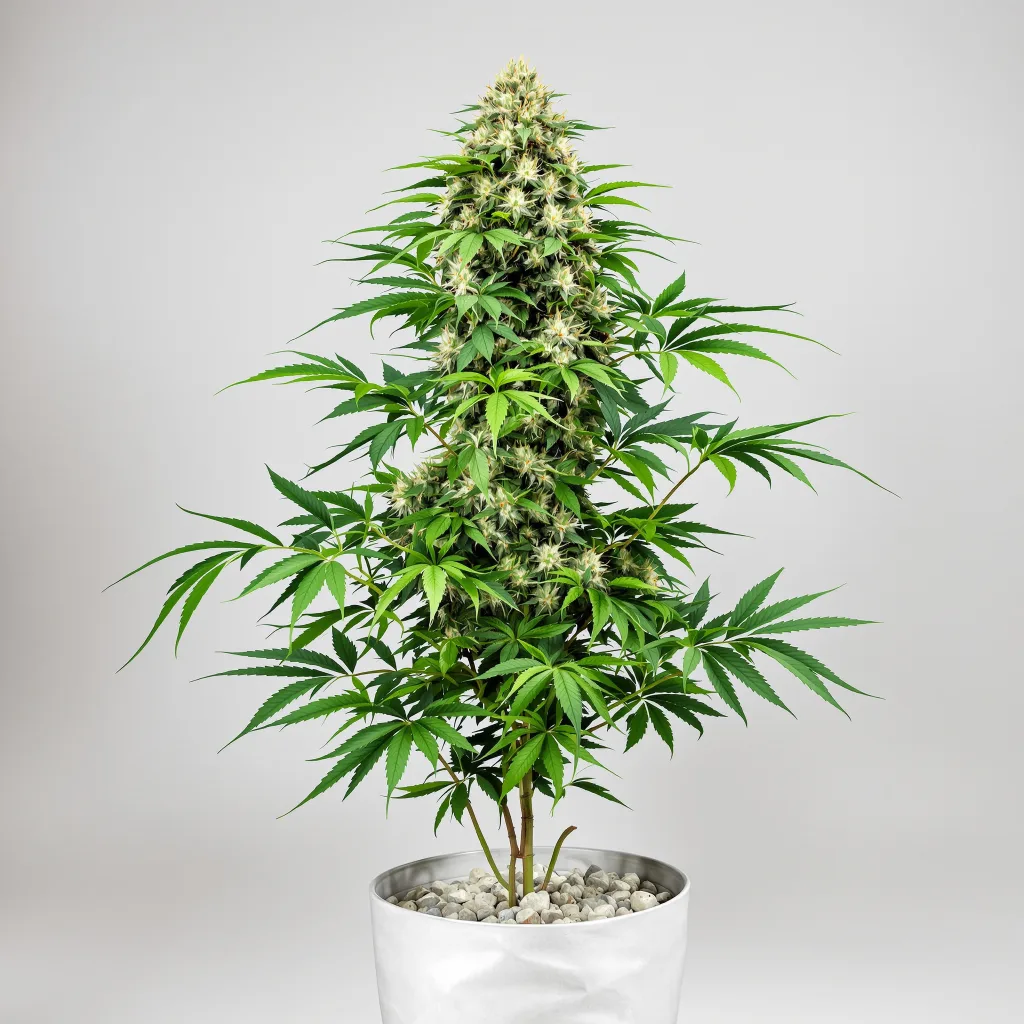
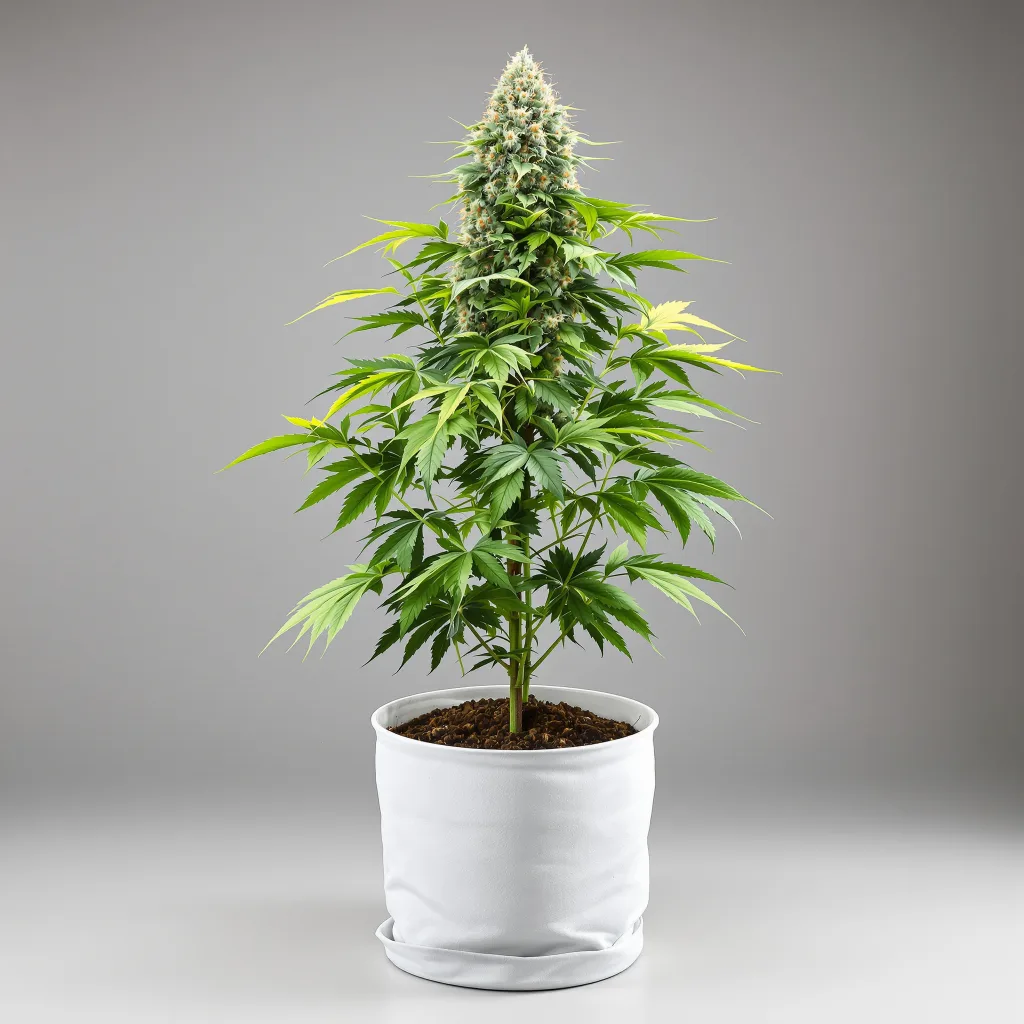
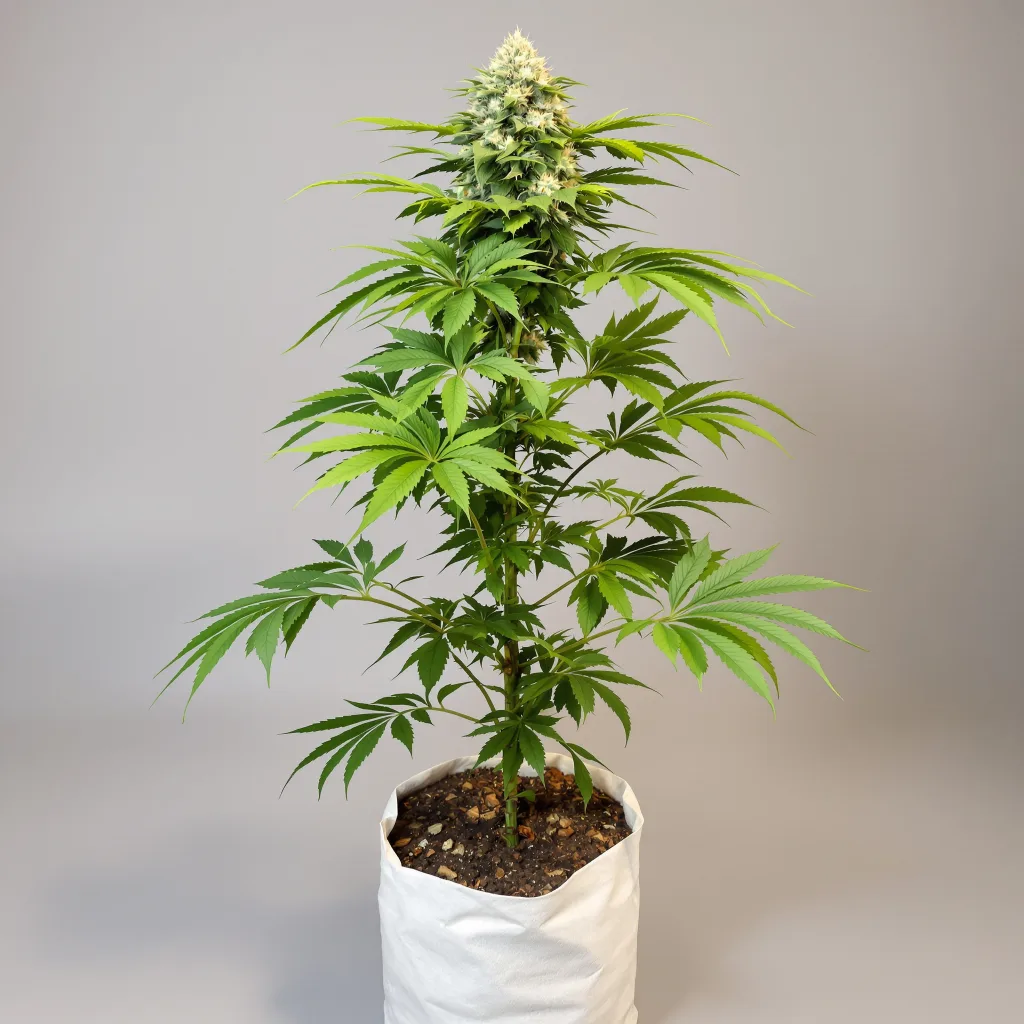
Cultivating Cherry Skunk CBD requires careful attention to environmental conditions and cultivation techniques to ensure the production of high-quality medical cannabis. This strain is versatile and can be grown both indoors and outdoors, although indoor cultivation allows for more precise control over environmental factors.

Climate and Environment

Cherry Skunk CBD thrives in a Mediterranean-like climate with moderate temperatures and low humidity. It requires ample sunlight and consistent airflow to prevent mold and mildew. When grown indoors, temperatures should be maintained between 70°F and 80°F during the day, with slightly cooler temperatures at night.

Soil and Nutrients

The strain prefers well-aerated, nutrient-rich soil with a slightly acidic pH (6.0–6.5). Organic compost or amendments such as bat guano, kelp meal, and bone meal can provide the nutrients necessary for robust growth. In hydroponic systems, growers should ensure that the nutrient solution contains adequate levels of nitrogen, phosphorus, and potassium, along with essential micronutrients like magnesium and calcium.

Light and Photoperiod

Cherry Skunk CBD requires ample light to maximize its CBD content and terpene production. It is best to have a light cycle of 18 hours on and 6 hours off during the vegetative stage. In the flowering stage, the photoperiod should be adjusted to 12 hours on and 12 hours off to encourage bud development.

Watering and Humidity

Proper watering is essential for Cherry Skunk CBD. Overwatering can lead to root rot, while underwatering can stress the plant and reduce yield. The strain also requires moderate humidity levels: 50–60% during the vegetative stage and 40–50% during flowering.

Harvesting and Curing

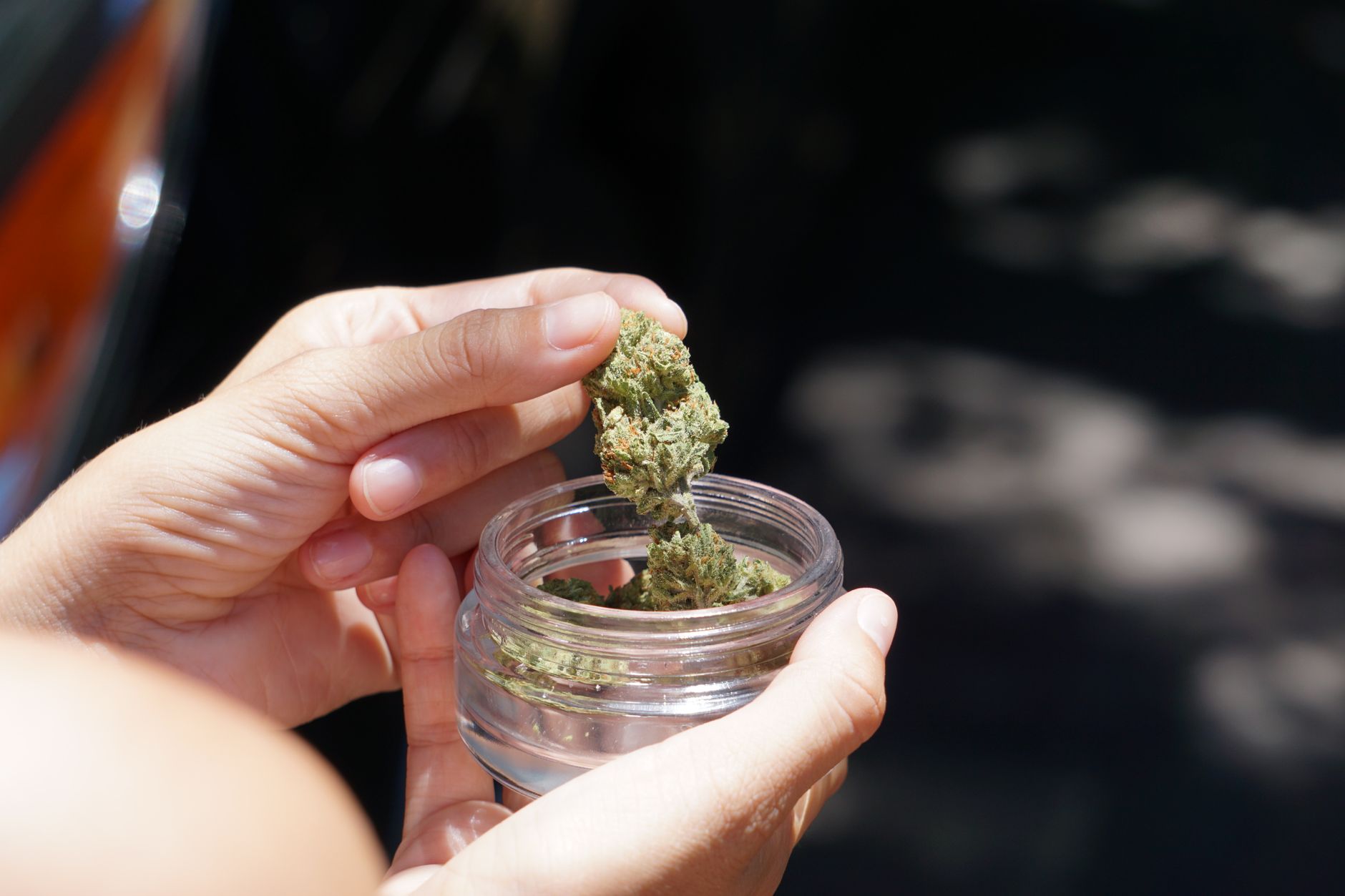
Cherry Skunk CBD is typically ready for harvest after 8–10 weeks of flowering. Growers should monitor trichome development to determine the optimal harvest time; trichomes should appear milky with some amber hues. Proper curing is crucial to preserve the strain’s CBD content and terpene profile. This involves drying the harvested buds in a controlled environment (60°F–70°F, 50–60% humidity) before sealing them in airtight containers for at least two weeks.

Restrictions on Using Cherry Skunk CBD in the Medical Field and as a Last Resort

While Cherry Skunk CBD has shown significant potential in the medical field for addressing a variety of conditions, its use is often subject to restrictions and guidelines aimed at ensuring patient safety and minimizing risks. As cannabis-based treatments continue to gain acceptance, regulators and healthcare providers emphasize using strains like Cherry Skunk CBD strictly within a medical framework and often as a last resort when conventional treatments have failed. This approach balances the benefits of cannabinoid therapies with the need to prevent misuse or unintended psychoactive effects. Below, we discuss the limitations and monitoring protocols that apply to Cherry Skunk CBD in medical practice.

Medical Use as a Last Resort

Cherry Skunk CBD, like many other medical cannabis strains, is typically prescribed or recommended only after traditional treatments have proven insufficient or ineffective. This “last resort” approach ensures that cannabis is not used as a first-line treatment, but rather as an alternative when other therapies have been exhausted or have caused adverse effects.

  1. Chronic Conditions: For patients suffering from chronic pain, anxiety, or inflammation-related illnesses, Cherry Skunk CBD is considered only when standard medications such as opioids, anti-anxiety drugs, or anti-inflammatories fail to provide relief or cause intolerable side effects.
  2. Neurological Disorders: In conditions like epilepsy, multiple sclerosis, or Parkinson’s disease, Cherry Skunk CBD is generally prescribed after trials with FDA-approved medications (e.g., antiepileptics or muscle relaxants) have failed to control symptoms effectively.
  3. Pediatric and Vulnerable Populations: In pediatric cases, such as treating childhood epilepsy, Cherry Skunk CBD’s use is even more tightly regulated. Physicians must ensure that no viable pharmaceutical alternatives are available before introducing cannabis-based therapy.

This “last resort” status also limits over-prescription or misuse, ensuring that patients receive cannabis-based treatments only when genuinely necessary.

Monitoring THC Levels to Prevent Psychoactive Effects

One of the primary reasons Cherry Skunk CBD is considered safe for medical use is its high CBD content and extremely low levels of tetrahydrocannabinol (THC). THC, the psychoactive compound in cannabis, can cause intoxication, impair cognitive function, and present risks, particularly for vulnerable patients. To ensure patient safety, the THC content in Cherry Skunk CBD-based medications is carefully monitored and regulated.

  1. Strict Thresholds for THC Content: Cherry Skunk CBD typically contains less than 0.3% THC, which is below the psychoactive threshold. In many jurisdictions, medical cannabis products must meet this criterion to be legally prescribed or sold. Regular lab testing is conducted to confirm THC levels and ensure compliance with regulatory standards.
  2. Avoiding Psychoactivity: Even trace amounts of THC in cannabis-based medications can potentially contribute to psychoactive effects if consumed in large doses. For this reason, healthcare providers recommend precise dosing and carefully monitor patients’ responses, particularly in populations sensitive to THC, such as children, elderly individuals, or those with mental health conditions.
  3. Patient Education: Patients using Cherry Skunk CBD must be educated about its chemical composition, particularly the THC content, to avoid concerns or misconceptions about possible psychoactive effects. Medical professionals must clarify that the strain is CBD-dominant and will not induce the “high” associated with recreational cannabis use.
  4. Regular Testing and Transparency: Cannabis producers and dispensaries supplying Cherry Skunk CBD for medical use must adhere to stringent testing protocols. Lab results documenting THC and CBD levels should be made available to physicians and patients to ensure transparency and confidence in the product’s safety.
Medical Oversight and Controlled Usage

Medical oversight is critical to ensure that Cherry Skunk CBD is used safely and effectively. Physicians are tasked with carefully evaluating patients’ conditions, medical histories, and any potential risks associated with cannabis-based therapies. For example, patients with a history of substance abuse or mental health disorders are often excluded from cannabis treatment unless the benefits clearly outweigh the risks.

Additionally, regular follow-ups are essential for monitoring treatment efficacy and any potential side effects. This allows healthcare providers to adjust dosages, switch to alternative therapies if necessary, or discontinue use if adverse reactions occur.

Conclusion

Cherry Skunk CBD stands as a prime example of how cannabis-based therapies are evolving to meet the needs of patients in the medical field. Through a detailed analysis of its origins, chemical profile, medical benefits, cultivation requirements, and the restrictions placed on its use, it becomes clear that this strain offers significant therapeutic potential. However, its application in medicine is not without limitations, as its use is carefully monitored and restricted to ensure safety, efficacy, and ethical compliance.

The origins of Cherry Skunk CBD highlight its carefully bred genetics, designed to produce a high CBD content with minimal THC. By leveraging the therapeutic properties of its parent strains, Cherry Kush and Skunk #1, Cherry Skunk CBD has been fine-tuned to meet medical requirements, eliminating the psychoactive effects associated with THC while retaining the medicinal value of CBD. Its rich cannabinoid and terpene profile amplifies its therapeutic efficacy through the entourage effect, providing a multi-dimensional approach to healing.

The medical benefits of Cherry Skunk CBD are extensive, offering relief for conditions ranging from chronic pain and inflammation to anxiety, neurological disorders, and gastrointestinal issues. Its anti-inflammatory, anxiolytic, anticonvulsant, and neuroprotective properties have made it a valuable alternative for patients who have not responded to traditional medications. Furthermore, the strain’s low THC content ensures that patients can use it without experiencing intoxication, making it particularly suitable for those seeking relief without impairing cognitive or physical functioning.

Cultivating Cherry Skunk CBD requires careful attention to environmental factors, nutrient requirements, and proper harvesting techniques. By maintaining optimal growing conditions, cultivators can maximize the strain’s therapeutic compounds, ensuring consistency and quality for medical use. This level of precision is critical in the medical field, where consistency in cannabinoid and terpene profiles is essential for predictable and safe outcomes.

Despite its potential, Cherry Skunk CBD’s use is subject to important restrictions, emphasizing its role as a last resort when conventional treatments have failed. This approach prevents over-reliance on cannabis-based therapies while ensuring that patients have access to safe and effective options when other treatments are inadequate. Monitoring THC levels is a critical aspect of its medical use, ensuring that the strain remains non-intoxicating and suitable for patients of all ages, including vulnerable populations such as children and the elderly. Strict regulatory oversight and patient education further enhance the safety and efficacy of Cherry Skunk CBD in medical settings.

In conclusion, Cherry Skunk CBD is a valuable tool in the growing field of medical cannabis, offering targeted relief for a variety of conditions without the psychoactive effects of THC. However, its use must be approached with care, guided by medical oversight, and limited to situations where traditional treatments have proven insufficient. By adhering to these principles, Cherry Skunk CBD can continue to serve as an effective, safe, and scientifically grounded option for patients seeking alternative medical solutions. Its careful cultivation, regulated application, and emphasis on therapeutic value over recreational use underscore its role as a cornerstone in the future of cannabis-based medicine.

Share

Leave a comment

Your email address will not be published. Required fields are marked *