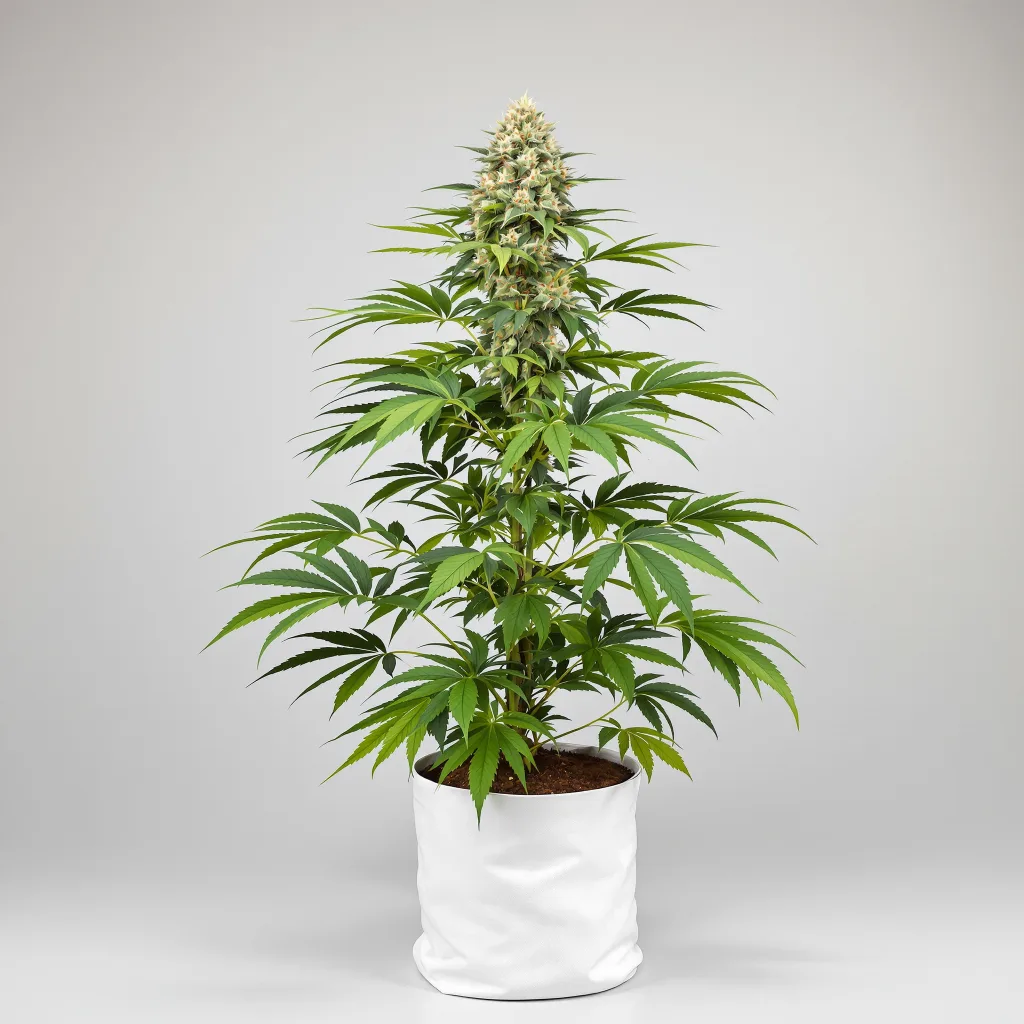
Medical Strain Analysis: CBD Therapy
-
CBD Therapy Cannabis SeedsFrom: $24.99
Cannabidiol (CBD), one of the many active cannabinoids found in the Cannabis sativa plant, has emerged as a cornerstone in modern medical research and therapeutic interventions. Unlike its psychoactive counterpart tetrahydrocannabinol (THC), CBD is non-intoxicating and has shown profound potential in treating a wide range of medical conditions. This analysis delves into the origins of CBD therapy, its intricate chemical profile, extensive medical benefits, and the critical growing conditions necessary for optimal CBD yield. Through an in-depth exploration, this document underscores the value of CBD in medicine, excluding recreational perspectives and focusing entirely on its clinical and therapeutic significance.
Origins of CBD Therapy

The historical roots of CBD therapy trace back thousands of years. Cannabis sativa has been utilized for medicinal purposes in various ancient civilizations, including those in China, India, and Egypt. According to ancient Chinese writings like the “Shennong Ben Cao Jing,” cannabis was used to treat conditions like gout, rheumatism, and pain. Similarly, Ayurvedic medicine in India integrated cannabis for its healing properties, recognizing its efficacy in alleviating digestive issues and improving mental clarity.
Modern interest in CBD emerged in the mid-20th century when Dr. Roger Adams successfully isolated CBD in 1940. This groundbreaking discovery was pivotal in separating the plant’s intoxicating effects from its potential therapeutic benefits. The true potential of CBD became evident when Dr. Raphael Mechoulam and his team synthesized CBD and THC in the 1960s, identifying their distinct roles within the endocannabinoid system (ECS). This system, comprising cannabinoid receptors (CB1 and CB2) distributed throughout the body, governs various physiological processes such as immune response, mood regulation, and pain perception.
By the 21st century, advancements in cannabis genetics and cultivation allowed for the development of strains specifically high in CBD, making it possible to harness the cannabinoid for medical use without the intoxicating effects of THC. Countries such as Canada spearheaded clinical trials, paving the way for the widespread adoption of CBD-based therapies.
Chemical Profile of CBD
Cannabidiol belongs to a class of chemical compounds known as cannabinoids, which are unique to the Cannabis sativa plant. CBD’s molecular formula is C21H30O2, and it has a molar mass of 314.47 g/mol. CBD does not create intoxicating effects since it does not attach directly to the brain’s CB1 receptors like THC does. Instead, it modulates receptor activity and influences various non-cannabinoid receptors and ion channels.
Key components of CBD’s chemical profile include:
- Interaction with the ECS: CBD interacts with CB2 receptors predominantly found in the immune system, contributing to its anti-inflammatory and immunomodulatory effects. Additionally, CBD inhibits the enzyme fatty acid amide hydrolase (FAAH), increasing levels of anandamide, an endocannabinoid known for its mood-stabilizing properties.
- Affinity for Non-Cannabinoid Receptors: CBD activates serotonin receptors, particularly 5-HT1A, which play a crucial role in anxiety and pain management. Its activation of TRPV1 (vanilloid receptor) contributes to its ability to mediate pain and inflammation.
- Antioxidant Properties: CBD exhibits robust antioxidant activity, protecting cells from oxidative stress. This attribute underpins its neuroprotective potential in conditions like Alzheimer’s disease and Parkinson’s disease.
- Anti-Proliferative Effects: Through processes like autophagy (cellular breakdown) and apoptosis (programmed cell death), research has shown that CBD prevents the growth of cancer cells.
The chemical complexity of CBD allows it to target multiple physiological pathways, making it a versatile therapeutic agent.
Medical Benefits of CBD

The therapeutic potential of CBD has been extensively studied, resulting in a growing body of evidence supporting its efficacy across a spectrum of medical conditions. Below, key areas of its medical application are discussed in detail:
Chronic Pain Management
CBD’s analgesic properties are among its most researched and clinically validated attributes. By interacting with TRPV1 receptors and modulating the ECS, CBD effectively reduces pain perception. Studies have shown its efficacy in managing neuropathic pain, fibromyalgia, and arthritis. Unlike opioids, CBD provides pain relief without the risk of addiction or severe side effects, making it a safer alternative.
Anti-Inflammatory Effects
Inflammation underpins many chronic diseases, including autoimmune disorders, cardiovascular conditions, and neurodegenerative diseases. CBD’s ability to inhibit cytokine production and suppress immune cell activation contributes to its anti-inflammatory effects. Conditions like rheumatoid arthritis, inflammatory bowel disease (IBD), and multiple sclerosis have shown significant improvement with CBD therapy.
Epilepsy and Seizure Disorders
One of the most groundbreaking applications of CBD is in the treatment of epilepsy, particularly drug-resistant forms like Dravet syndrome and Lennox-Gastaut syndrome. The FDA-approved drug Epidiolex, derived from CBD, has demonstrated remarkable success in reducing seizure frequency. Its mechanism involves modulating neuronal excitability and reducing inflammation in the brain.
Mental Health and Neurological Disorders
CBD’s anxiolytic and antidepressant properties stem from its interaction with serotonin receptors. Clinical trials have shown its efficacy in treating generalized anxiety disorder (GAD), post-traumatic stress disorder (PTSD), and social anxiety. Furthermore, its neuroprotective effects offer promise in managing Alzheimer’s, Parkinson’s, and Huntington’s diseases. By reducing oxidative stress and inflammation, CBD protects neuronal integrity and function.
Cancer Symptom Management
While research is ongoing, preliminary studies indicate that CBD may inhibit cancer cell proliferation and angiogenesis. Additionally, it is widely used to alleviate cancer treatment side effects, such as chemotherapy-induced nausea, vomiting, and pain. By modulating the ECS and serotonin receptors, CBD enhances the quality of life for cancer patients.
Cardiovascular Health
CBD has shown potential in reducing blood pressure, improving vascular function, and preventing oxidative damage to cardiac tissues. Its anti-inflammatory properties are particularly beneficial in conditions like atherosclerosis and ischemic heart disease.
Skin Conditions
Topical CBD applications have proven effective in managing conditions like acne, eczema, and psoriasis. Its anti-inflammatory and sebostatic properties regulate sebum production and mitigate skin irritation.
Sleep Disorders
By modulating cortisol levels and influencing serotonin pathways, CBD promotes restful sleep. It is particularly effective in conditions like insomnia, sleep apnea, and restless leg syndrome.
Growing Conditions for Optimal CBD Yield

Producing high-quality CBD starts with cultivating cannabis strains specifically bred for their CBD content. The following factors are critical in achieving optimal CBD yield:
Genetics
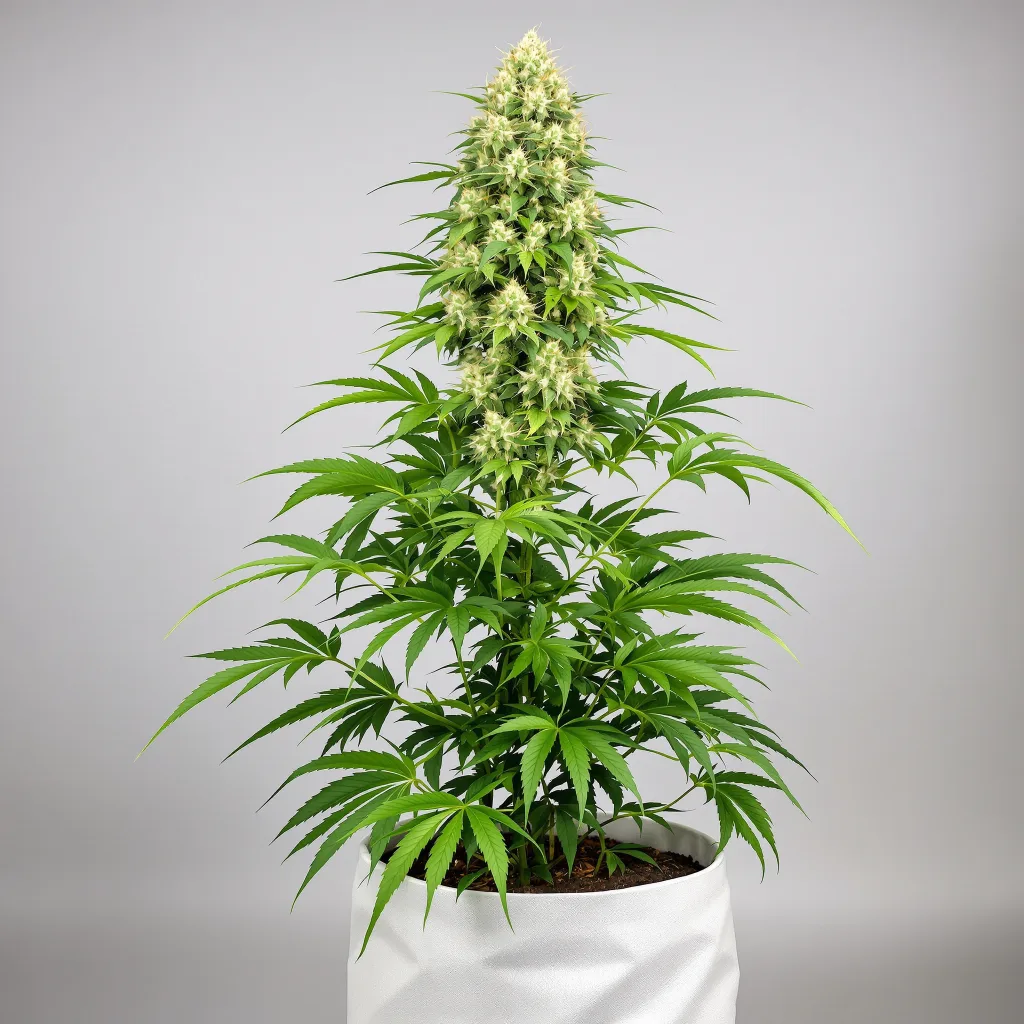
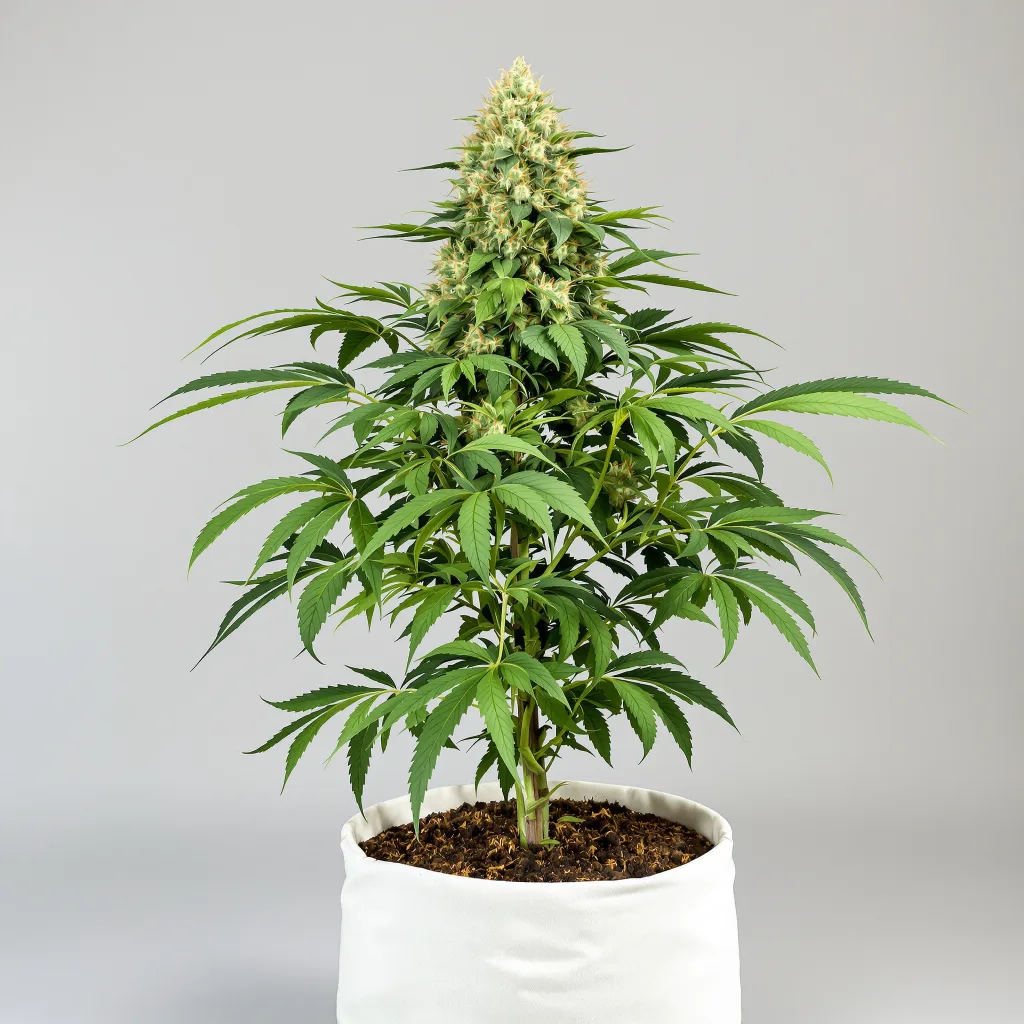
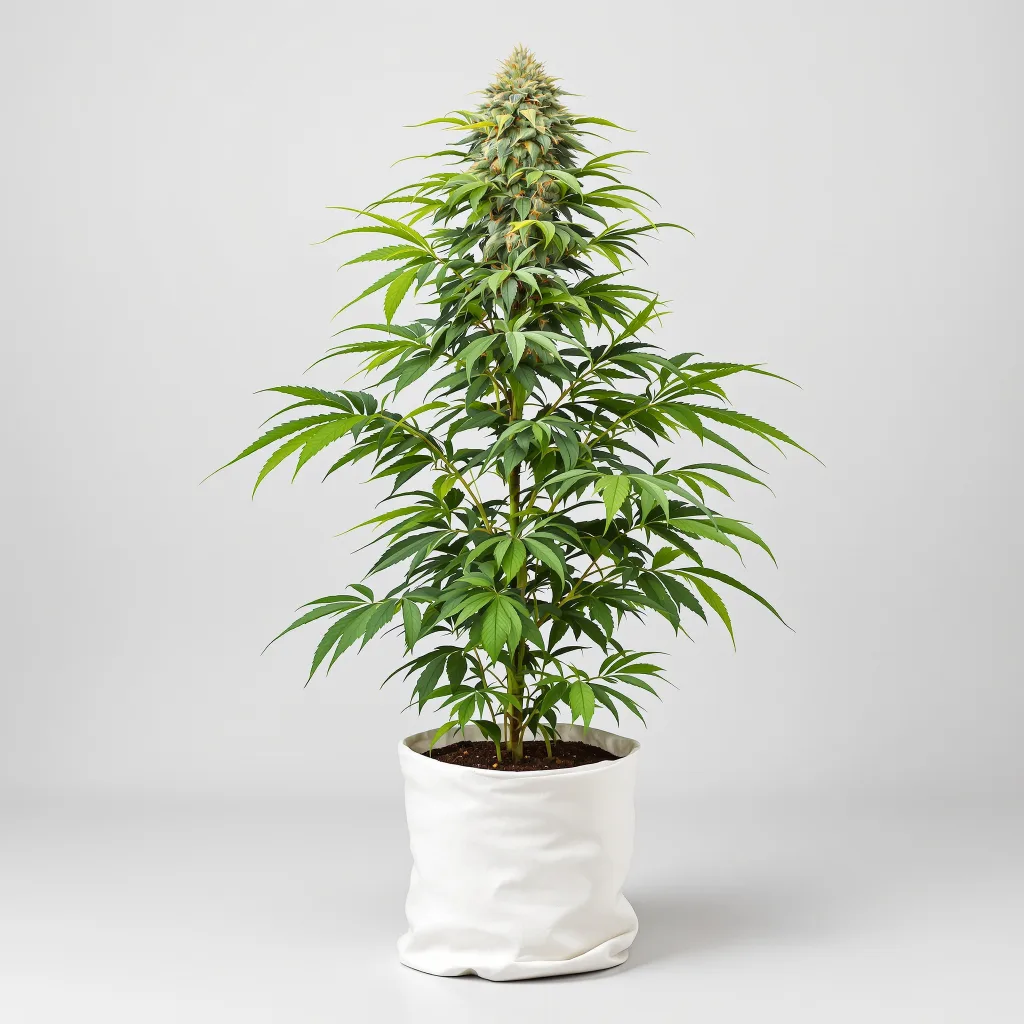
Strains like Charlotte’s Web, ACDC, and Harlequin are renowned for their high CBD and low THC content. Breeders have meticulously developed these strains to ensure a robust cannabinoid profile suitable for medical applications.
Climate
Cannabis thrives in a temperate climate with consistent sunlight and moderate humidity. Excessive heat or moisture can stress the plants, leading to reduced cannabinoid production.
Soil
Rich, well-aerated soil with a balanced pH (6.0–7.0) is essential for healthy plant growth. Organic soil enriched with compost and natural fertilizers supports robust cannabinoid synthesis.
Light
During the vegetative phase, cannabis plants require long daylight hours (18–24 hours of light). In the flowering phase, a 12-hour light cycle triggers bud formation, which is critical for cannabinoid accumulation.
Watering and Drainage
Consistent watering is vital, but overwatering can lead to root rot and nutrient deficiencies. Proper drainage ensures the roots receive adequate oxygen.
Nutrients
Cannabis plants require nitrogen, phosphorus, and potassium (NPK) in varying ratios throughout their growth cycle. Micronutrients like calcium, magnesium, and sulfur also play a crucial role in cannabinoid biosynthesis.
Pest and Disease Management
Organic pest control methods, such as neem oil and predatory insects, help maintain plant health without introducing harmful chemicals. Proper ventilation and spacing reduce the risk of fungal infections.
Harvesting and Curing
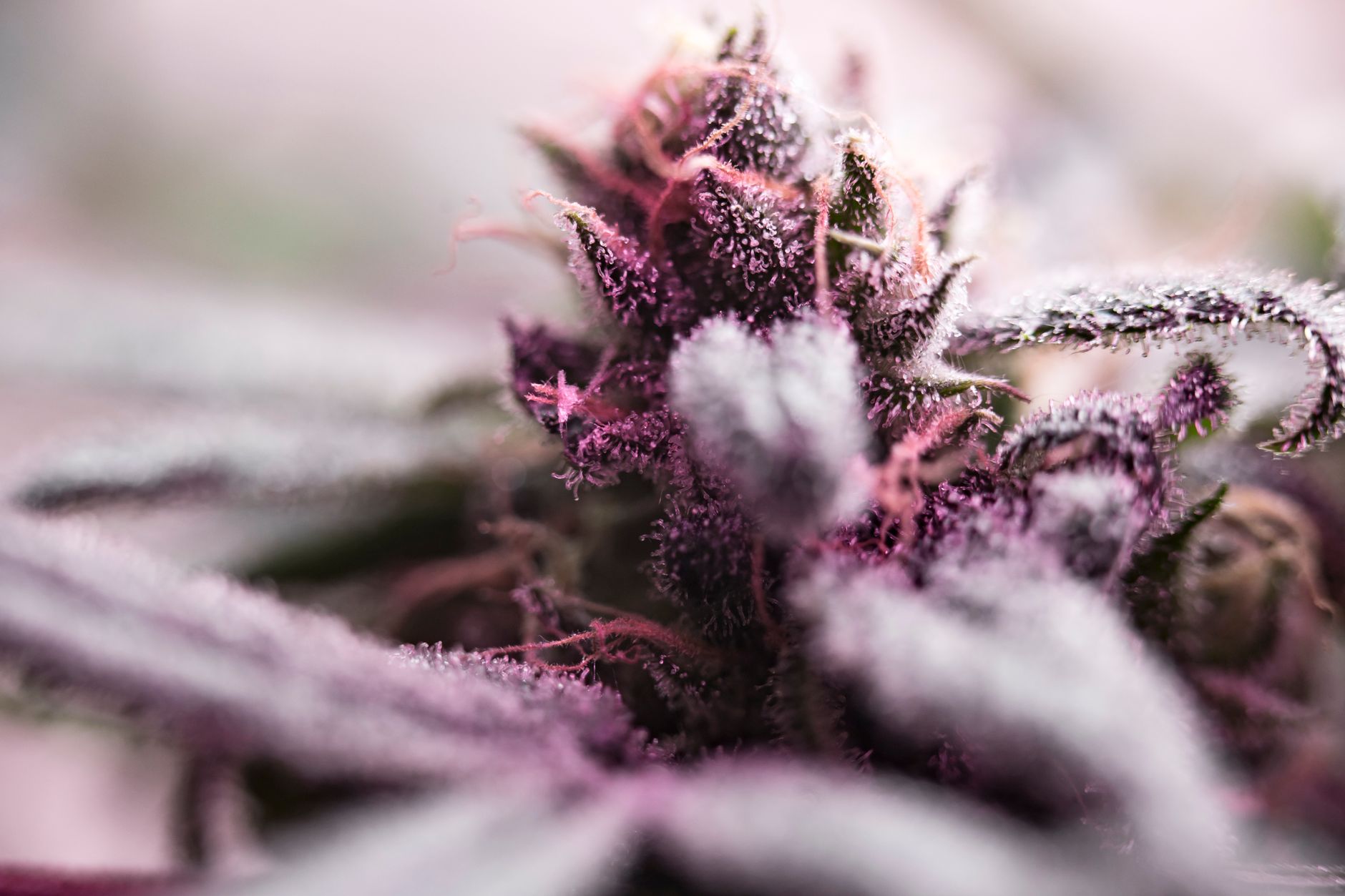
Harvest timing significantly impacts CBD potency. Trichomes (resin glands) should be milky-white for peak cannabinoid content. After harvest, curing the buds in a controlled environment enhances their chemical stability and therapeutic properties.
Restrictions on Using CBD Strains in the Medical Field: Ensuring Responsible and Effective Applications
The integration of cannabidiol (CBD) strains into the medical field has been transformative for many chronic and debilitating conditions. However, due to the potential for misuse, regulatory and ethical restrictions must guide its use exclusively for therapeutic purposes and ensure that its psychoactive counterpart, tetrahydrocannabinol (THC), is minimized. This approach not only prioritizes patient safety but also underscores the principle that CBD therapy should be reserved as a last resort when conventional treatments have failed. By closely monitoring THC levels in CBD medications, healthcare systems can prevent psychoactive effects and uphold the integrity of cannabinoid-based medicine.
CBD Therapy as a Last Resort in Medicine
One of the most critical restrictions on the use of CBD strains in the medical field is their designation as a last-line treatment. While CBD has shown efficacy in managing conditions like epilepsy, chronic pain, and anxiety, its use is often reserved for patients who do not respond adequately to first-line or even second-line therapies. The following factors form the basis of this prioritization:
- Evidence-Based Medicine: Although the therapeutic potential of CBD is well-documented, many conditions lack large-scale, randomized clinical trials to establish it as a first-line therapy. Until more robust data is available, CBD is best utilized when conventional treatments fail or produce intolerable side effects.
- Cost and Accessibility: CBD-based treatments, particularly pharmaceutical-grade options, can be costly and may not always be covered by insurance. Using CBD as a last resort ensures that resources are allocated judiciously.
- Preserving Traditional Therapeutics: By reserving CBD for refractory cases, healthcare systems can continue to rely on well-established pharmacological interventions and integrate CBD as part of a complementary or alternative treatment plan.
- Patient Safety and Monitoring: As a last resort, CBD therapy can be administered under strict medical supervision, allowing clinicians to monitor its effects and adjust dosages as needed. This approach minimizes risks associated with improper use or self-medication.
Monitoring THC Levels in CBD Medications
One of the most significant concerns regarding the medical use of CBD strains is the potential for THC contamination. Even trace amounts of THC can produce psychoactive effects in sensitive individuals, compromising the therapeutic intent of CBD therapy. To address this, strict protocols for monitoring and limiting THC levels in CBD medications are essential:
Legal Restrictions on THC Content
Many jurisdictions define medical-grade CBD products as those containing less than 0.3% THC by dry weight. Adhering to this threshold ensures that the product remains non-intoxicating while retaining its therapeutic properties. In some cases, CBD isolates, which are entirely free of THC, are preferred for medical applications, particularly for pediatric or elderly patients.
Standardized Testing Procedures
Regular testing of CBD products by certified laboratories ensures compliance with THC limits. These tests typically involve advanced analytical techniques such as high-performance liquid chromatography (HPLC) or gas chromatography (GC), which can detect THC concentrations with high precision. Manufacturers of medical CBD products are required to provide certificates of analysis (COAs) to validate the cannabinoid profile of their offerings.
Patient-Specific Formulations
For patients particularly vulnerable to THC’s effects, such as those with a history of psychosis or children with epilepsy, CBD formulations must be carefully tailored to exclude any psychoactive components. Broad-spectrum CBD and isolates are commonly prescribed in such cases to ensure safety without compromising efficacy.
Regulatory Oversight
Government agencies and healthcare organizations play a crucial role in regulating the production and distribution of CBD medications. Policies mandating strict labeling, batch testing, and product recalls in case of THC contamination protect patients and maintain trust in CBD therapy.
Ethical and Clinical Considerations
The restriction of CBD therapy to medical use, particularly as a last resort, aligns with ethical principles in healthcare. Physicians are tasked with balancing the potential benefits of CBD against its limitations and risks, ensuring that the treatment is in the patient’s best interest. Some of the key ethical and clinical considerations include:
Informed Consent
Patients must be fully informed about the nature of CBD therapy, including its status as an emerging treatment, the potential for side effects, and the importance of THC monitoring. Informed consent ensures that patients and caregivers understand the rationale for using CBD as a last resort.
Avoiding Recreational Misuse
Strict regulations on prescribing CBD therapies help prevent their diversion for recreational purposes. By limiting access to verified medical cases and requiring detailed documentation, healthcare providers can minimize the risk of misuse.
Monitoring and Follow-Up
Continuous monitoring of patients receiving CBD therapy is essential to evaluate its effectiveness and detect any adverse effects. Regular follow-ups allow physicians to adjust treatment plans as needed and provide evidence-based feedback to inform future guidelines.
The Role of Education and Awareness
Educating healthcare professionals about the pharmacological differences between CBD and THC is critical in preventing misunderstandings and ensuring responsible prescribing practices. Workshops, certifications, and continuing medical education (CME) programs can equip practitioners with the knowledge needed to integrate CBD therapy into patient care responsibly.
Public education campaigns can also dispel myths about CBD and reinforce its role as a medical intervention rather than a recreational substance. By promoting accurate information, these initiatives help build public trust and acceptance of cannabinoid-based therapies.
Conclusion
The emergence of CBD therapy has revolutionized the medical field, offering a promising solution for a wide range of conditions that have historically been difficult to manage. Its roots in ancient medicinal practices and its subsequent development through rigorous scientific exploration highlight CBD’s potential to bridge traditional and modern medicine. Unlike its psychoactive counterpart THC, CBD’s non-intoxicating properties make it an ideal candidate for therapeutic applications, provided its use is carefully regulated and monitored.
CBD’s chemical profile reveals its ability to interact with the body’s endocannabinoid system and other receptor pathways, providing a multifaceted mechanism of action. Its modulation of CB2 receptors, influence on serotonin and vanilloid receptors, and inhibition of FAAH enzyme activity underscore its versatility. These interactions enable CBD to exhibit analgesic, anti-inflammatory, neuroprotective, and anxiolytic effects, making it a powerful agent in addressing conditions such as chronic pain, epilepsy, anxiety, and neurodegenerative diseases.
In clinical settings, CBD is often reserved as a last-resort treatment for patients who have exhausted conventional options. This cautious approach reflects the need for further robust clinical trials to solidify its position as a frontline therapy. By prioritizing evidence-based medicine and ensuring that CBD therapy is administered under strict medical supervision, healthcare professionals can maximize its benefits while minimizing risks. The emphasis on using CBD as a complementary or alternative treatment reinforces its role as a vital yet judiciously applied tool in patient care.
One of the most critical considerations in the medical use of CBD is the management of THC levels. Even trace amounts of THC can produce psychoactive effects, potentially undermining the therapeutic intent of CBD-based medications. Stringent regulations on THC content, typically capped at 0.3% or lower, ensure that patients receive the therapeutic benefits of CBD without intoxication. Advanced testing methods such as HPLC and GC provide precise cannabinoid profiling, guaranteeing the safety and efficacy of medical-grade products. Tailored formulations, particularly those using CBD isolates or broad-spectrum products, further address the needs of vulnerable populations, such as children or individuals with a history of psychosis.
The cultivation of CBD-rich strains involves meticulous attention to genetics, soil quality, climate, and pest control to optimize cannabinoid yields. Strains like Charlotte’s Web and Harlequin, bred specifically for high CBD and low THC content, are prime examples of how advancements in agricultural science support medical applications. By adhering to best practices in cannabis cultivation and processing, growers and manufacturers contribute to the consistent quality of CBD medications.
Restrictions on the use of CBD strains in the medical field, coupled with its designation as a last-resort therapy, uphold the ethical principles of patient safety and responsible prescribing. By preventing misuse and ensuring that CBD remains focused on therapeutic applications, healthcare systems can protect the integrity of cannabinoid-based medicine. Continuous education for healthcare providers and public awareness campaigns further reinforce the understanding that CBD is a medical intervention rather than a recreational substance.
In conclusion, CBD therapy represents a paradigm shift in medicine, offering hope to patients with refractory conditions while adhering to strict ethical, clinical, and regulatory standards. By leveraging its unique chemical properties, tailoring its applications to individual needs, and ensuring responsible cultivation and processing practices, CBD has the potential to transform healthcare. Its role as a last-resort treatment ensures that it remains a targeted, patient-centered solution, maximizing benefits and minimizing risks. As research continues to expand, CBD therapy stands poised to solidify its place as a cornerstone of modern medical practice.