Get 15% OFF with code GROWNOW15
My Account Order Lookup Cannabis Guides Beginner Seeds Intermediate Seeds Master Seeds

Medical Strain Analysis: CBD Shark.

Medical Strain Analysis CBD Shark 3

Medical Strain Analysis: CBD Shark

Introduction

CBD Shark is a highly regarded medical cannabis strain that has become a staple in therapeutic settings for its balanced cannabinoid profile and minimal psychoactive effects. Bred specifically to provide maximum medical benefits with limited intoxication, this hybrid strain contains a roughly equal ratio of cannabidiol (CBD) and tetrahydrocannabinol (THC), generally in the range of 6–10% for both cannabinoids. This balanced profile allows CBD Shark to deliver effective relief for various medical conditions while minimizing the euphoria or impairment typically associated with higher-THC strains.

CBD Shark has earned widespread acclaim for its ability to address conditions such as chronic pain, inflammation, anxiety, and neurological disorders. Its relatively simple cultivation requirements and high resin production make it a favorite among both patients and growers. This comprehensive guide delves into the origins, chemical composition, medical applications, and cultivation techniques for CBD Shark, emphasizing its role as a therapeutic option for patients.

Origins of CBD Shark
Origins of CBD Shark 1

CBD Shark is a hybrid strain bred from the legendary Shark Shock and a high-CBD parent. The result is a strain that inherits Shark Shock’s renowned qualities, such as its robust structure and high resin production, while also introducing significant levels of CBD to its genetic makeup.

Parent Strain: Shark Shock

Shark Shock is a celebrated strain with an illustrious lineage. A cross between two cannabis classics, White Widow and Skunk #1, Shark Shock is known for its dense, resinous buds and skunky aroma. These characteristics translate well to CBD Shark, providing a strong foundation for its therapeutic potential.

Breeding Focus

The creation of CBD Shark was driven by the growing demand for medical cannabis strains with high CBD content. By pairing Shark Shock with a high-CBD genetic donor, breeders succeeded in producing a strain that retains the desirable traits of Shark Shock—such as its vigor and yield—while optimizing its medical properties. The balanced cannabinoid profile exemplifies the “entourage effect,” where CBD and THC work synergistically with terpenes and other cannabinoids to enhance therapeutic outcomes.

Popularity in Medical Use

Since its introduction, CBD Shark has become a preferred option for patients and caregivers seeking a strain that can deliver meaningful symptom relief without significant psychoactive effects. Its widespread adoption reflects the success of intentional breeding in meeting the needs of the medical cannabis community.

Chemical Profile

CBD Shark’s chemical composition is carefully tuned to maximize its therapeutic potential. Its balanced cannabinoid levels and robust terpene profile make it a versatile strain for various medical applications.

Cannabinoids

The primary cannabinoids in CBD Shark include:

  1. CBD (6–10%)
    A non-intoxicating substance, cannabidiol (CBD) has a variety of therapeutic benefits by interacting with the body’s endocannabinoid system. These include anti-inflammatory, analgesic, anxiolytic, antispasmodic, and neuroprotective properties.
  2. THC (6–10%)
    Tetrahydrocannabinol (THC) is a psychoactive cannabinoid, but in moderate concentrations and balanced with CBD, it contributes to the strain’s effectiveness in pain relief and mood regulation. The moderate THC levels help to amplify CBD’s benefits without causing significant psychoactivity.
  3. Other Cannabinoids
    Trace levels of other cannabinoids, such as:
    • CBG (Cannabigerol): Known for its anti-inflammatory and neuroprotective effects.
    • CBC (Cannabichromene): Exhibits anti-inflammatory and antifungal properties.
    • THCV (Tetrahydrocannabivarin): May contribute to appetite modulation and energy balance.
Terpenes

Terpenes are aromatic compounds found in cannabis that also contribute to its medical effects. CBD Shark’s terpene profile includes:

  1. Myrcene:
    • Sedative and muscle-relaxant properties.
    • May amplify the strain’s ability to relieve anxiety and promote restful sleep.
  2. Caryophyllene:
    • Anti-inflammatory and pain-relieving properties.
    • Acts on CB2 receptors, which play a role in immune response and inflammation.
  3. Pinene:
    • Improves focus and alertness while reducing inflammation.
    • Acts as a bronchodilator, which may benefit patients with asthma.
  4. Limonene:
    • Provides mood-enhancing and stress-relieving effects.
    • Potentially aids digestion and reduces nausea.
  5. Humulene:
    • Anti-inflammatory and appetite-suppressant effects.
    • Complements the strain’s overall therapeutic profile.

The combined effects of these cannabinoids and terpenes produce a strain that is not only effective but also versatile in addressing a wide range of medical conditions.

Medical Benefits
Medical Benefits 3

CBD Shark is recognized for its exceptional versatility in managing medical conditions. Its balanced profile makes it particularly effective for patients who require relief without the overwhelming psychoactive effects of high-THC strains.

1. Pain Management

Pain relief is one of CBD Shark’s primary applications. It is especially effective for chronic pain conditions due to its synergistic effects from CBD, THC, and terpenes like caryophyllene and myrcene. It can address:

  • Neuropathic Pain: Common in conditions such as multiple sclerosis, diabetes, and nerve injuries.
  • Inflammatory Pain: Seen in conditions like arthritis, fibromyalgia, and Crohn’s disease.
  • Post-Surgical Pain: Offers an alternative to opioids for managing recovery pain.
2. Inflammation Reduction

CBD Shark’s anti-inflammatory properties make it valuable for a wide array of conditions, including:

  • Autoimmune Diseases: Rheumatoid arthritis, lupus, and multiple sclerosis.
  • Digestive Disorders: Crohn’s disease, ulcerative colitis, and irritable bowel syndrome (IBS).
  • Chronic Skin Conditions: Eczema and psoriasis, benefiting from its ability to calm inflammation.
3. Anxiety and Stress Relief

CBD’s anxiolytic effects, complemented by the terpenes myrcene and limonene, make CBD Shark a useful tool for managing anxiety and stress-related conditions. It can help with:

  • Generalized Anxiety Disorder (GAD).
  • Post-Traumatic Stress Disorder (PTSD).
  • Panic Disorders and Social Anxiety.
4. Sleep Disorders

CBD Shark offers a natural substitute for prescription sleep aids for people who suffer from insomnia or irregular sleep patterns. The sedative properties of myrcene, combined with CBD’s calming effects, promote restful sleep and reduce nighttime awakenings.

5. Neurological Conditions

CBD Shark is particularly promising for neurological conditions, thanks to CBD’s neuroprotective and antispasmodic properties. It has shown potential in managing:

  • Epilepsy: Reducing seizure frequency and intensity.
  • Parkinson’s Disease: Alleviating tremors, rigidity, and bradykinesia.
  • Alzheimer’s Disease: Potentially slowing cognitive decline through neuroprotective mechanisms.
6. Cancer Symptom Relief

CBD Shark offers symptom relief for cancer patients, especially those undergoing chemotherapy or radiation therapy. Benefits include:

  • Nausea and Vomiting: Mitigates the effects of chemotherapy.
  • Pain Relief: Helps manage cancer-related pain.
  • Appetite Stimulation: Encourages eating in patients experiencing cachexia (wasting syndrome).
7. Cardiovascular Health

CBD Shark may support cardiovascular health by reducing inflammation and oxidative stress. Its potential benefits include:

  • Lowering Blood Pressure: Promoting vascular relaxation and reducing hypertension.
  • Protecting Heart Tissue: Through antioxidant effects that combat free radical damage.
8. Gastrointestinal Health

CBD Shark’s anti-inflammatory and antispasmodic properties make it suitable for managing gastrointestinal disorders such as:

  • Irritable Bowel Syndrome (IBS).
  • Crohn’s Disease and Ulcerative Colitis.
  • Acid Reflux and Peptic Ulcers.
9. Immune Modulation

By regulating the immune system, CBD Shark can help manage autoimmune diseases and chronic inflammation. This effect can reduce the severity of symptoms and improve overall quality of life for patients with immune-related conditions.

Growing Conditions for CBD Shark

CBD Shark is considered an accessible strain for cultivators due to its manageable size, resistance to pests, and relatively short flowering time. Its ease of growth makes it a suitable choice for both novice and experienced growers.

1. Growing Difficulty

CBD Shark is rated as easy to moderate in terms of cultivation difficulty. Its resilience to pests and diseases makes it forgiving for new growers, while experienced cultivators can optimize its yield and cannabinoid profile.

2. Environmental Requirements
  • Indoor Cultivation:
    • Preferred for its controlled environment, allowing growers to optimize lighting, humidity, and temperature.
    • Ideal temperature range: 70–80°F (21–27°C).
    • Humidity: Between 50 and 60 percent during vegetative growth, and 40 to 50 percent during flowering.
  • Outdoor Cultivation:
    • Thrives in warm, Mediterranean climates.
    • Requires protection from heavy rainfall to prevent mold and mildew.
3. Growth Characteristics
  • Height: CBD Shark remains short to medium in stature, making it ideal for indoor grows and spaces with height restrictions.
  • Flowering Time: A relatively short period of 8–9 weeks.
  • Yield: Produces moderate to high yields depending on cultivation methods.
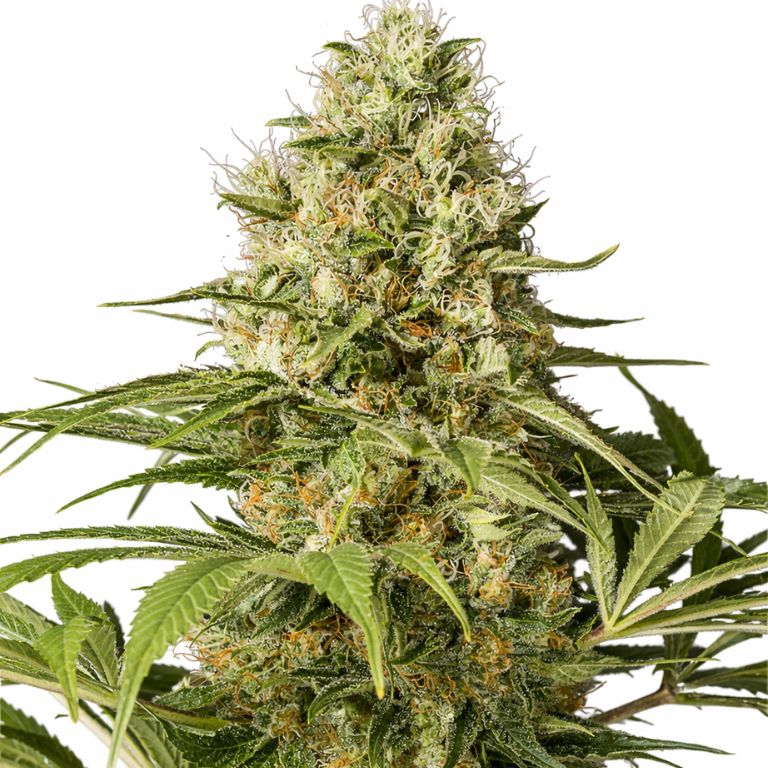
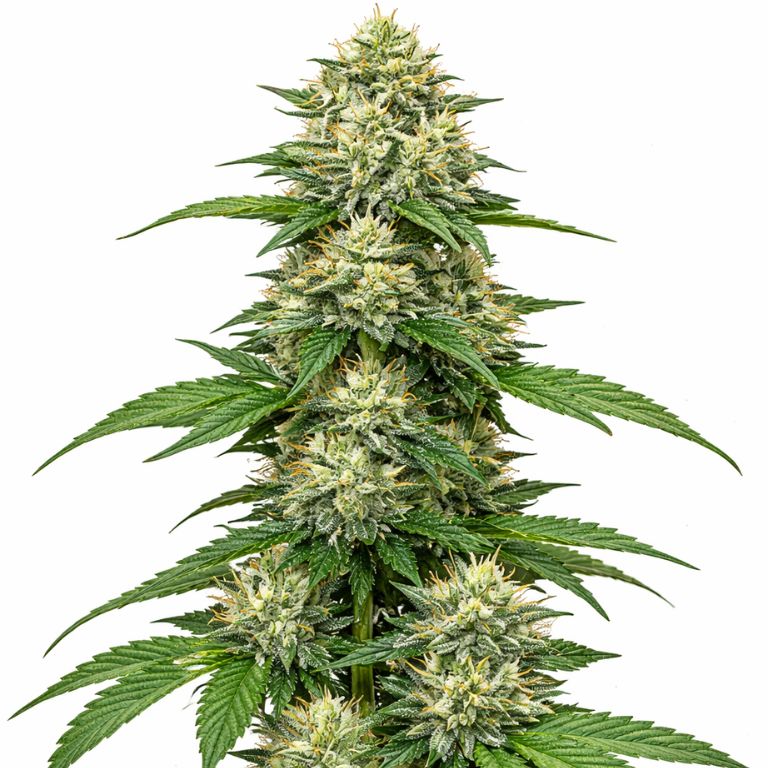
  • Structure: Dense, resin-coated buds indicative of its Shark Shock heritage.
4. Nutrient Needs

CBD Shark performs well with a balanced nutrient regimen:

  • Vegetative Stage: High nitrogen levels to support growth.
  • Flowering Stage: Increased phosphorus and potassium to boost bud development.
  • Organic Growing: Many cultivators use organic soil and fertilizers to enhance the strain’s natural terpene expression.
5. Resistance to Pests and Diseases

CBD Shark is naturally resistant to common pests like spider mites and aphids. It also demonstrates resilience against mold and mildew, making it suitable for humid climates with proper care.

6. Harvest and Post-Harvest Care
  • Harvest Timing: When trichomes turn milky with a few amber heads, signaling peak cannabinoid levels.
  • Curing Process: Slow drying and curing over 2–4 weeks enhance potency, flavor, and shelf life.
Restrictions on Using Cannabis in the Medical Field as a Last Resort

The integration of cannabis into the medical field has been met with both enthusiasm and caution. While cannabis offers therapeutic potential for numerous conditions, its use is often restricted to cases where conventional treatments have failed or where its unique properties provide unmatched benefits. To ensure patient safety and minimize potential misuse, regulatory frameworks emphasize cannabis as a last-resort medication, with strict monitoring of tetrahydrocannabinol (THC) levels to prevent psychoactive effects. This article explores these restrictions, highlighting the rationale behind these policies and their implications for patient care.

Cannabis as a Last-Resort Medical Treatment

Medical cannabis is generally reserved for cases where conventional therapies are insufficient or contraindicated. This restriction is rooted in a commitment to prioritize well-established treatments with extensive clinical validation. The rationale for cannabis as a last-resort option includes:

  1. Limited Long-Term Data:
    Although cannabis has shown promise in treating conditions such as chronic pain, epilepsy, and multiple sclerosis, long-term studies on its safety and efficacy are still evolving. Reserving cannabis for refractory cases ensures that it is used judiciously while minimizing potential risks.
  2. Potential Side Effects:
    Even with therapeutic use, cannabis may cause side effects such as dizziness, dry mouth, or fatigue. In cases involving high THC content, there is also a risk of cognitive impairment or anxiety. Using cannabis only when other treatments fail helps mitigate unnecessary exposure to these effects.
  3. Patient-Centered Care:
    Cannabis is often introduced when patients experience chronic or severe conditions that are resistant to standard treatments. For example, it may be prescribed to manage chemotherapy-induced nausea after antiemetic medications have proven ineffective.
  4. Regulatory Safeguards:
    Governments and medical organizations impose restrictions to ensure cannabis use aligns with evidence-based practices. This includes requiring physicians to document failed attempts with first-line therapies before prescribing cannabis.
Monitoring THC Levels to Prevent Psychoactive Effects

The euphoric effect of THC, the substance that gives recreational marijuana users their “high,” is one of the biggest worries when it comes to medical cannabis use. For patients to benefit from cannabis therapy without experiencing cognitive or behavioral impairment, THC levels in pharmaceutical formulations must be closely monitored. Important elements of THC monitoring consist of:

  1. Defining THC Thresholds:
    Regulatory agencies often set limits on THC concentrations in medical cannabis products. For example, many jurisdictions allow CBD-dominant strains or products with a THC content of less than 0.3% for therapeutic use, as these formulations minimize psychoactivity while retaining medical efficacy.
  2. Balancing the Entourage Effect:
    THC works synergistically with cannabidiol (CBD) and other cannabinoids in what is known as the entourage effect. Low to moderate THC levels can enhance CBD’s therapeutic potential, such as in pain management or seizure reduction, without overwhelming psychoactive effects. This balance is carefully maintained in medical formulations.
  3. Formulation Types and Delivery Methods:
    Medical cannabis products are often designed to limit THC’s impact by controlling dosage and absorption rates. For instance:
    • Capsules or Tablets: Offer precise dosing to ensure consistent THC levels.
    • Topicals: Deliver cannabinoids locally without systemic psychoactive effects.
    • High-CBD Oils: Contain trace amounts of THC, reducing the risk of intoxication.
  4. Regular Testing and Quality Control:
    Licensed producers of medical cannabis are required to test their products for cannabinoid content, including THC levels. These tests ensure that patients receive medications with predictable and safe effects.
Challenges in Implementing Restrictions

While restrictions on medical cannabis use and THC monitoring aim to enhance patient safety, they also pose challenges for healthcare providers and patients:

  1. Access Limitations:
    Requiring cannabis to be a last-resort option can delay access for patients who may benefit from early intervention. For instance, children with refractory epilepsy might have to endure prolonged seizures while waiting to meet eligibility criteria for cannabis-based treatments.
  2. Standardization Issues:
    Cannabis is a plant-based medicine with natural variability in its chemical composition. Ensuring consistent THC levels across batches requires rigorous cultivation and processing standards, which can increase costs.
  3. Training for Healthcare Providers:
    Physicians may lack sufficient training or experience in prescribing medical cannabis. This can lead to hesitation in its use, even in cases where it may be an appropriate last resort.
  4. Patient Misconceptions:
    Patients may perceive cannabis as a harmless, natural alternative to pharmaceuticals, leading to unrealistic expectations or pressure on physicians to prescribe it prematurely.
Regulatory Frameworks and Best Practices

Effective management of medical cannabis use involves a combination of policy, education, and research. Best practices for ensuring safe and appropriate use include:

  1. Strict Prescribing Guidelines:
    Physicians should adhere to established guidelines, ensuring that cannabis is prescribed only when other treatments have failed. These guidelines should include thorough documentation of prior treatment attempts and patient response.
  2. Cannabinoid Education:
    Healthcare professionals need training on the pharmacology of cannabinoids, the risks and benefits of THC, and appropriate dosing strategies. This knowledge empowers providers to make informed decisions about cannabis use.
  3. Patient Monitoring:
    Patients prescribed medical cannabis should be monitored regularly to evaluate its efficacy and identify any adverse effects. Adjustments to dosage or cannabinoid ratios can be made based on individual needs.
  4. Ongoing Research:
    Continued research into the medical applications of cannabis is essential for expanding its evidence base. Studies focusing on low-THC or THC-free formulations can help identify new therapeutic options without psychoactive risks.
Conclusion

The evolving role of cannabis in the medical field underscores the importance of a cautious and evidence-based approach. CBD Shark, as a representative strain, exemplifies the potential of targeted breeding to create cannabis formulations that prioritize therapeutic benefits while minimizing psychoactive effects. With its balanced cannabinoid profile, CBD Shark offers relief for a wide array of medical conditions, from chronic pain and inflammation to neurological disorders and cancer-related symptoms. Its low THC levels and high CBD content highlight the importance of careful chemical composition in ensuring patient safety and efficacy.

Restrictions on cannabis use in the medical field, particularly its designation as a last-resort treatment, are rooted in patient-centric principles and the need for long-term safety data. This approach ensures that cannabis is integrated into medical practice responsibly, emphasizing its use only when conventional therapies fail or are contraindicated. Monitoring THC levels in cannabis-based medications is a critical safeguard to prevent psychoactive effects and maintain a clear therapeutic focus. Tools such as standardized dosing, high-CBD formulations, and quality testing ensure that medical cannabis is both effective and controlled.

The challenges associated with medical cannabis—including access limitations, variability in chemical profiles, and gaps in provider education—highlight the need for ongoing research, training, and refinement of regulatory frameworks. By addressing these challenges, the medical community can better leverage cannabis’s therapeutic potential while mitigating risks.

In summary, cannabis holds significant promise as a medical treatment, but its integration must be guided by strict regulations, patient monitoring, and scientific rigor. Strains like CBD Shark and policies that prioritize safety, such as THC monitoring, exemplify the strides made toward responsible medical use. As research continues and evidence grows, cannabis is poised to become an invaluable tool in improving patient care, especially when applied judiciously and as part of a comprehensive treatment plan.

Share

Leave a comment

Your email address will not be published. Required fields are marked *