Medical Strain Analysis: Carmagnola
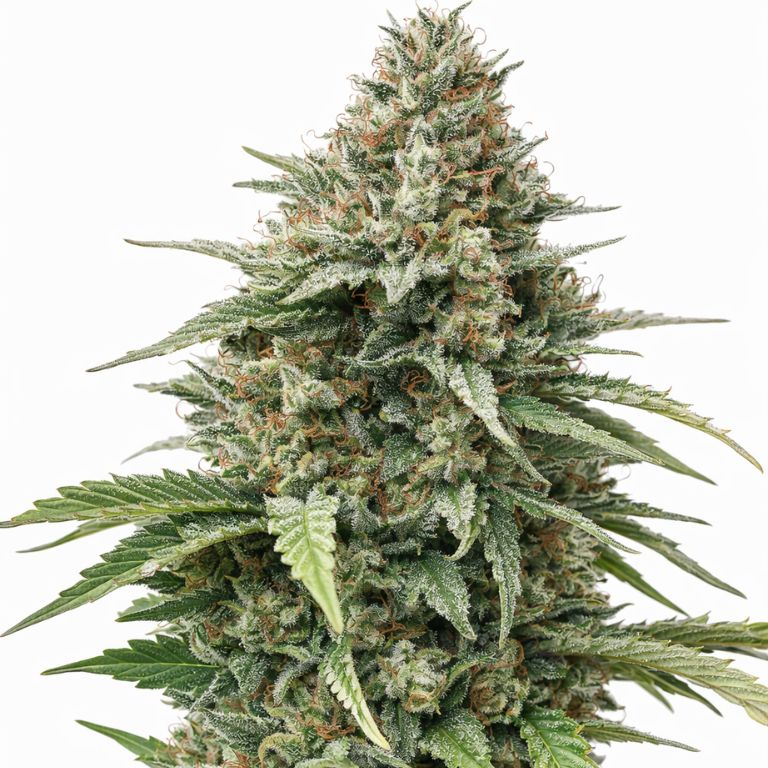
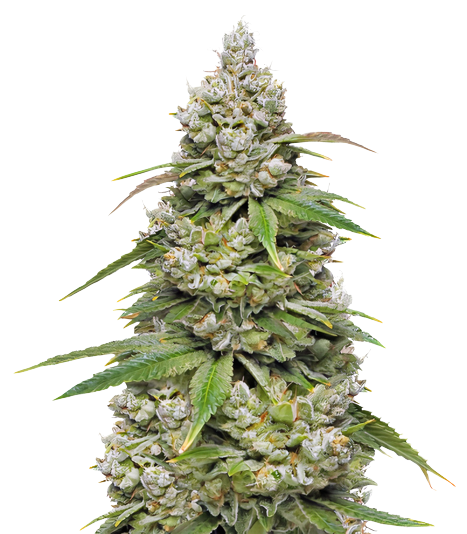
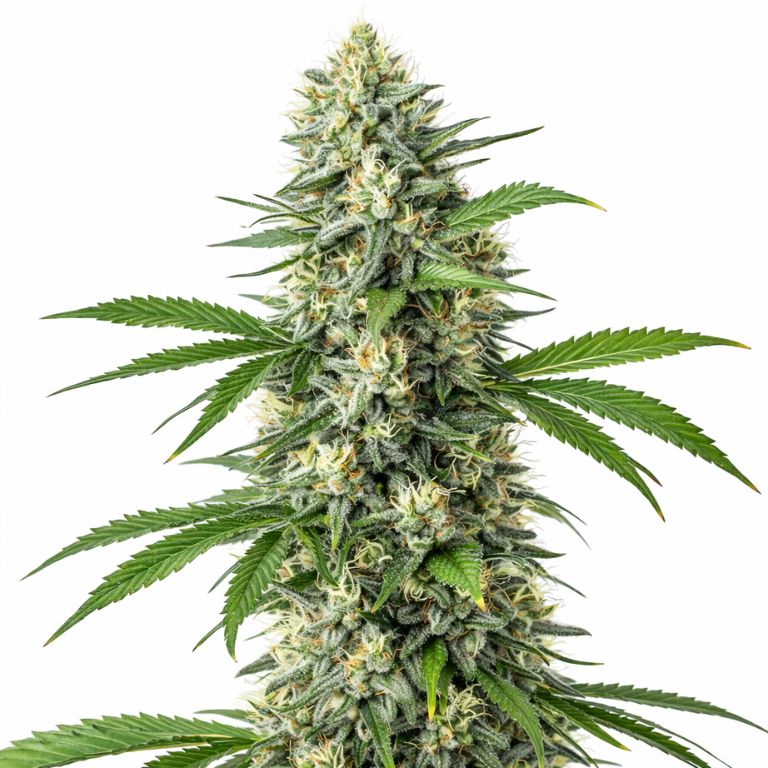
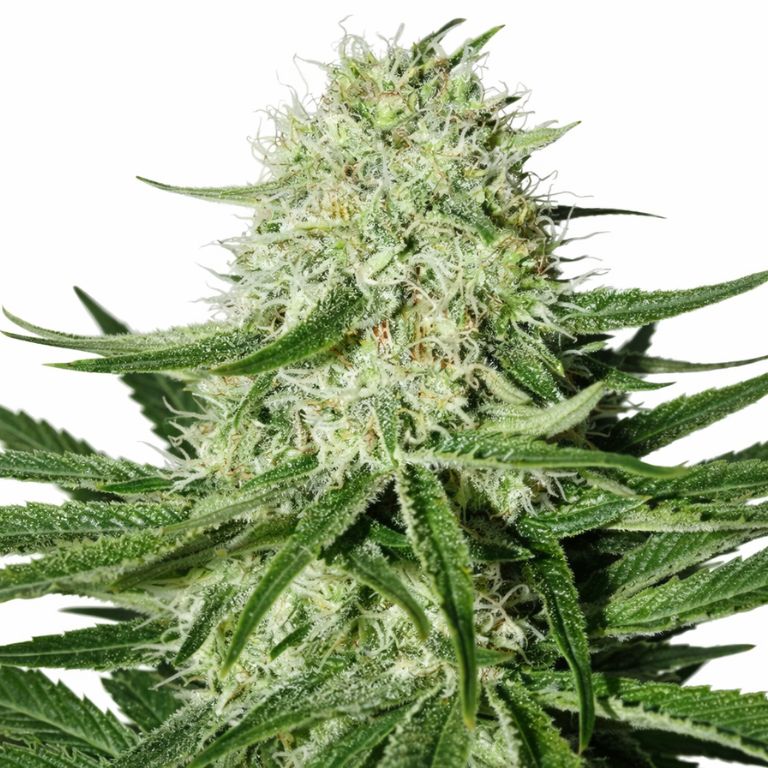
Carmagnola is a distinguished hemp variety revered for its medicinal applications. Unlike modern hybrids that are often tailored for recreational purposes, Carmagnola holds a unique place as a strain with significant therapeutic benefits. It owes its prominence to its rich cannabidiol (CBD) content, extremely low tetrahydrocannabinol (THC) levels, and the versatility that has sustained its agricultural and medical value for centuries. By revisiting its origins, chemical properties, medical benefits, and cultivation specifics, one can appreciate the profound potential Carmagnola holds in modern medicine.
Origins of Carmagnola
The historical significance of Carmagnola is deeply intertwined with Italy’s legacy as a major hemp-producing nation. Its name is derived from the town of Carmagnola in the Piedmont region, where the strain was cultivated extensively for industrial and agricultural purposes. The strain’s documented cultivation dates back centuries, where it was grown for producing textiles, ropes, sails, and other hemp-derived materials crucial for the economy of pre-industrial Europe.
Carmagnola gained particular recognition for its remarkable adaptability and high yields, qualities that allowed it to become one of the primary hemp varieties grown throughout Italy. During the 19th and early 20th centuries, Italy was among the largest producers of hemp globally, with Carmagnola serving as one of the cornerstones of its agricultural success.
However, the mid-20th century saw a decline in hemp cultivation worldwide. The rise of synthetic materials, alongside increasingly restrictive regulations on cannabis cultivation, led to a dramatic decrease in the strain’s agricultural prominence. Despite these challenges, Carmagnola survived as a result of preservation efforts by traditional farmers and seed conservationists. Today, with the resurgence of interest in industrial hemp and medicinal cannabis, Carmagnola has reemerged as an invaluable strain, particularly for its medicinal properties.
Chemical Profile of Carmagnola
The defining characteristic of Carmagnola is its cannabinoid profile, which sets it apart from other cannabis strains. Its chemical composition has been meticulously analyzed, making it a preferred strain for medical use. Below is a detailed breakdown of its chemical attributes:
- High CBD Content: Carmagnola is known for producing CBD levels ranging between 10% and 15%. CBD is a non-intoxicating compound with significant therapeutic potential, influencing various physiological processes, including inflammation, pain perception, and immune response.
- Low THC Levels: One of Carmagnola’s most distinctive features is its extremely low THC concentration, typically less than 0.2%. This characteristic ensures the strain is non-psychoactive, making it suitable for patients who require symptom management without altered mental states.
- Cannabigerol (CBG): Though present in trace amounts (0.1–0.3%), CBG contributes to the strain’s overall therapeutic effects. CBG is the precursor to other cannabinoids and has shown promise in addressing conditions like glaucoma, inflammatory bowel disease, and bacterial infections.
- Terpene Profile: Terpenes are aromatic compounds that contribute to a plant’s scent and therapeutic properties. In Carmagnola, dominant terpenes include:
- Myrcene: Known for its sedative and anti-inflammatory properties, myrcene enhances the relaxing effects of CBD.
- Pinene: Associated with cognitive enhancement and anti-inflammatory benefits, pinene also supports respiratory function.
- Caryophyllene: This unique terpene interacts directly with CB2 receptors in the endocannabinoid system, providing potent anti-inflammatory and analgesic effects.
This combination of cannabinoids and terpenes produces a synergistic effect, often referred to as the “entourage effect,” where the compounds work together to amplify the therapeutic benefits.
Medical Benefits of Carmagnola

Carmagnola’s medical benefits are largely attributed to its high CBD content and complementary terpene profile. The strain offers a natural, non-intoxicating alternative for managing a wide range of conditions. Here is an in-depth exploration of its therapeutic potential:
1. Chronic Pain Relief
One of the most well-researched applications of CBD is its role in pain management. Chronic pain, whether caused by conditions such as fibromyalgia, arthritis, or neuropathy, is often debilitating and difficult to treat with traditional medications. CBD modulates the endocannabinoid system, reducing pain perception and suppressing inflammatory pathways. Carmagnola’s terpene profile, particularly caryophyllene, enhances this effect by targeting CB2 receptors linked to inflammation and pain relief.
2. Anti-Inflammatory Properties
Inflammation is a core factor in numerous diseases, including autoimmune disorders (e.g., rheumatoid arthritis, lupus), cardiovascular diseases, and chronic inflammatory conditions like Crohn’s disease and ulcerative colitis. CBD from Carmagnola has been shown to reduce the production of pro-inflammatory cytokines while promoting an anti-inflammatory response. This makes the strain a valuable tool in managing both acute and chronic inflammatory states.
3. Anxiety and Mood Disorders
CBD’s anxiolytic properties stem from its ability to interact with serotonin receptors (specifically 5-HT1A), which play a key role in mood regulation. Anxiety disorders such as generalized anxiety disorder (GAD), social anxiety disorder, and PTSD can significantly impair quality of life. Carmagnola’s high CBD levels provide a natural way to reduce anxiety symptoms without the side effects associated with traditional anxiolytic medications. Its terpene myrcene may also contribute to its calming effects, promoting relaxation and stress relief.
4. Sleep Disorders
Many individuals with chronic conditions also struggle with sleep disturbances. Carmagnola’s calming and sedative properties make it an effective option for improving sleep quality. By addressing underlying issues such as pain or anxiety, the strain indirectly supports better sleep patterns.
5. Epilepsy Management
CBD’s role in treating epilepsy is well-documented, with regulatory approval for CBD-based medications like Epidiolex highlighting its efficacy. Carmagnola, with its consistently high CBD content, offers a natural alternative for individuals with treatment-resistant forms of epilepsy, such as Dravet syndrome and Lennox-Gastaut syndrome. Its ability to reduce the frequency and severity of seizures has been transformative for many patients.
6. Neuroprotection and Cognitive Health
Emerging research suggests that CBD has neuroprotective properties, which could be beneficial in conditions such as Alzheimer’s disease, Parkinson’s disease, and multiple sclerosis. By reducing oxidative stress, inflammation, and excitotoxicity in the brain, Carmagnola may help preserve cognitive function and slow disease progression.
7. Skin Health
Topical applications of Carmagnola-derived CBD have gained popularity for addressing skin conditions such as acne, eczema, and psoriasis. CBD’s anti-inflammatory and sebostatic properties help regulate oil production, reduce redness, and soothe irritation, making it a valuable ingredient in skincare formulations.
8. Support for Cancer Patients
While CBD is not a cure for cancer, it has demonstrated potential in alleviating symptoms associated with cancer and its treatments, such as chemotherapy-induced nausea, vomiting, and pain. Additionally, preclinical studies suggest that CBD may have anti-proliferative effects on certain cancer cell lines, warranting further investigation into its role as an adjunct therapy.
9. Cardiovascular Health
CBD’s ability to reduce stress, lower blood pressure, and improve vascular function positions Carmagnola as a potential tool for supporting cardiovascular health. Chronic inflammation and oxidative stress, both of which contribute to cardiovascular diseases, can be mitigated by CBD’s anti-inflammatory properties.
Growing Conditions for Carmagnola

Carmagnola’s adaptability and resilience are among the reasons for its continued cultivation. It thrives in a variety of environments, making it a reliable choice for cultivators. Below is a detailed exploration of its growing requirements:
1. Climate and Weather Tolerance
Carmagnola performs best in temperate climates with moderate humidity. Its Mediterranean origins make it particularly suited to warm summers and mild winters. However, the strain’s robust genetic makeup allows it to grow in cooler climates, provided there is sufficient sunlight and proper soil preparation.
2. Soil Requirements
This strain prefers well-drained, fertile soils with a pH range of 6.0 to 7.0. Soil rich in organic matter enhances nutrient availability, promoting healthy growth and optimal cannabinoid production. Farmers often use compost or organic fertilizers to improve soil quality.
3. Watering and Irrigation
While Carmagnola is drought-tolerant, consistent watering is crucial during its early growth stages and flowering phase. Overwatering should be avoided to prevent root rot and fungal infections. In regions with irregular rainfall, drip irrigation systems are often employed to ensure efficient water use.
4. Sunlight and Photoperiod
As a photoperiodic plant, Carmagnola relies on specific light cycles to trigger flowering. For best growth, it needs 6–8 hours of direct sunlight per day. In controlled environments, growers use artificial lighting systems to replicate these conditions.
5. Growth Cycle and Harvest
Carmagnola has a relatively long growth cycle, with flowering periods lasting 8 to 12 weeks. Harvesting typically occurs in late summer to early fall. Proper timing is crucial to ensure that CBD levels are maximized while maintaining compliance with THC regulations.
6. Pest and Disease Resistance
One of Carmagnola’s strengths is its natural resistance to pests and diseases, reducing the need for chemical interventions. Regular monitoring and the use of organic pest control measures can further enhance crop health.
The Role of Carmagnola in Modern Medicine
Carmagnola’s reemergence as a medical strain reflects the growing recognition of hemp’s therapeutic potential. Its high CBD content and low THC levels align with the needs of patients seeking natural remedies without psychoactive effects. Unlike synthetic pharmaceuticals, which often come with significant side effects, Carmagnola offers a holistic approach to wellness.
Pharmaceutical companies and wellness brands are increasingly using Carmagnola-derived extracts to create products ranging from tinctures and capsules to topicals and dietary supplements. The strain’s compliance with stringent THC regulations makes it accessible in regions with strict cannabis laws, broadening its appeal.
Future Perspectives and Research
Continued research into Carmagnola’s chemical properties and medical applications is likely to uncover even more benefits. Areas of interest include its potential role in gut health, autoimmune disorders, and metabolic diseases. As global regulations evolve, Carmagnola may also play a key role in standardizing CBD-rich hemp products for medical use.
Restrictions on Using Carmagnola in the Medical Field and as a Last Resort

The use of Carmagnola in the medical field comes with specific restrictions to ensure patient safety and therapeutic efficacy. While this strain offers immense medicinal potential due to its high CBD content and low THC levels, its application is often regulated to ensure compliance with medical standards and prevent misuse. Moreover, it is commonly reserved as a last-resort treatment option, particularly when conventional therapies prove ineffective. This cautious approach underscores the need for responsible use, especially in cases involving sensitive populations.
Reserved for Last-Resort Use in Medical Treatment
Carmagnola’s inclusion in medical treatment protocols is often limited to scenarios where other therapeutic options have failed to provide satisfactory results. This restriction is due to several factors, including the limited availability of high-quality, standardized extracts and the necessity of thorough clinical validation for specific medical conditions.
For conditions like epilepsy, chronic pain, or severe anxiety, Carmagnola-based treatments may be considered only after first-line and second-line therapies, such as conventional medications or non-invasive treatments, have been exhausted. This last-resort designation helps medical practitioners prioritize well-established treatments with more extensive research and a longer history of use. Additionally, it aligns with medical ethics, which emphasize using new or alternative therapies judiciously and only when the potential benefits outweigh the risks.
Monitoring THC Levels in Medications to Prevent Psychoactive Effects
One of the critical considerations in using Carmagnola for medical purposes is the strict regulation of THC levels in its derivatives. THC, the psychoactive component of cannabis, is present in Carmagnola at naturally low concentrations (less than 0.2%). However, the extraction and processing of cannabinoids can inadvertently alter this balance, necessitating rigorous monitoring to ensure that the final product remains non-intoxicating.
- Compliance with Legal Limits: Regulations governing medical cannabis often stipulate maximum allowable THC concentrations to prevent psychoactive effects. Carmagnola-based medications must adhere to these limits, with frequent testing during production to maintain consistency and compliance.
- Standardization of Extracts: Pharmaceutical-grade CBD extracts derived from Carmagnola undergo strict quality control measures. Advanced laboratory techniques such as high-performance liquid chromatography (HPLC) are used to quantify THC and CBD levels, ensuring that the product meets medical standards.
- Impact on Vulnerable Populations: Ensuring low THC levels is particularly important when treating vulnerable populations, such as children, elderly patients, or those with psychiatric conditions. Even trace amounts of THC can exacerbate symptoms in these groups, highlighting the need for meticulous formulation and monitoring.
Regulatory Oversight and Prescription Control
Carmagnola-derived medications are subject to stringent regulatory oversight, including requirements for prescription-only access. This strategy guarantees that only those with verified medical needs—as established by trained healthcare professionals—may use the strain for medical purposes. Prescribing physicians are responsible for:
- Assessing Patient Suitability: Doctors must evaluate a patient’s medical history, current treatments, and potential risks before prescribing Carmagnola-based therapies.
- Monitoring Treatment Outcomes: Regular follow-ups are necessary to assess the effectiveness of the treatment and adjust dosages or discontinue use if adverse effects arise.
Ethical and Practical Considerations
Limiting Carmagnola’s use to the medical field and last-resort scenarios aligns with ethical principles of patient care, ensuring that the strain is used responsibly and only when its benefits are clear. This cautious approach also prevents its misuse for recreational purposes, protecting the strain’s reputation as a medical asset rather than a recreational product.
Conclusion
Carmagnola stands as a unique and valuable strain in the world of medical cannabis, offering a wealth of therapeutic benefits while maintaining compliance with strict regulations due to its low THC and high CBD content. Its rich history, stretching back centuries to its origins in Italy, underscores its enduring agricultural and medicinal significance. Today, as the medical community increasingly embraces natural and alternative therapies, Carmagnola serves as a vital tool in addressing a wide range of health challenges.
The chemical profile of Carmagnola, characterized by its high cannabidiol (CBD) concentration, negligible THC levels, and a synergistic terpene blend, makes it ideal for treating conditions such as chronic pain, anxiety, inflammation, neurodegenerative diseases, and epilepsy. Its therapeutic potential is further enhanced by its interaction with the endocannabinoid system, providing holistic relief without psychoactive effects. The strain’s unique properties and minimal side effects have positioned it as an attractive option for patients and practitioners seeking effective, non-intoxicating solutions.
However, the use of Carmagnola in medical applications comes with necessary restrictions to ensure patient safety and uphold medical standards. By reserving it as a last-resort treatment, the strain is utilized only in cases where conventional therapies have failed, reinforcing its role as a specialized therapeutic option. Additionally, rigorous monitoring of THC levels in Carmagnola-derived medications ensures compliance with legal limits and protects vulnerable populations from unintended psychoactive effects. These precautions underscore the importance of maintaining high standards in the cultivation, processing, and application of this strain in the medical field.
Carmagnola’s resilience and adaptability make it an exemplary strain for cultivation, thriving in diverse climates and soil conditions. Its inherent tolerance to illnesses and pests adds to its allure and makes it a sustainable option for producers and farmers. The strain’s long growth cycle and careful harvesting practices ensure the preservation of its rich cannabinoid and terpene profile, critical for medical use.
The modern resurgence of Carmagnola reflects the growing recognition of hemp’s potential as a medicinal resource. Its inclusion in pharmaceutical products, wellness formulations, and clinical trials demonstrates its versatility and promise as a cornerstone of natural medicine. However, ethical considerations and strict regulatory oversight remain essential to ensure its responsible use and to prevent its diversion into non-medical contexts.
In conclusion, Carmagnola represents the harmonious blend of tradition and innovation in the field of medical cannabis. Its therapeutic potential, bolstered by a robust chemical composition and historical significance, underscores its value as a reliable and effective option for managing a wide range of medical conditions. With continued research and responsible application, Carmagnola is poised to play a pivotal role in advancing natural medicine and improving patient outcomes worldwide.