Get 15% OFF with code GROWNOW15
My Account Order Lookup Cannabis Guides Beginner Seeds Intermediate Seeds Master Seeds

Medical Strain Analysis: Canna Bliss.

Medical Strain Analysis Canna Bliss

Medical Strain Analysis: Canna Bliss

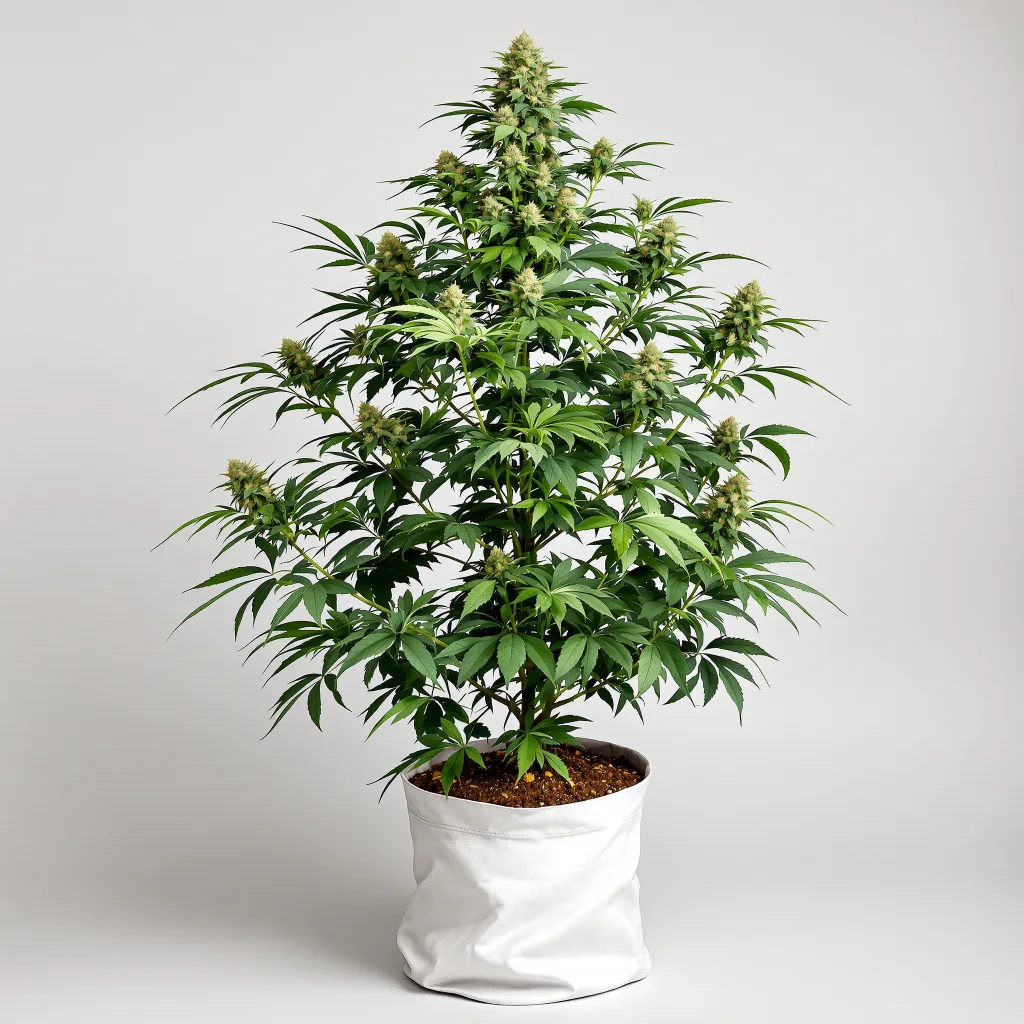
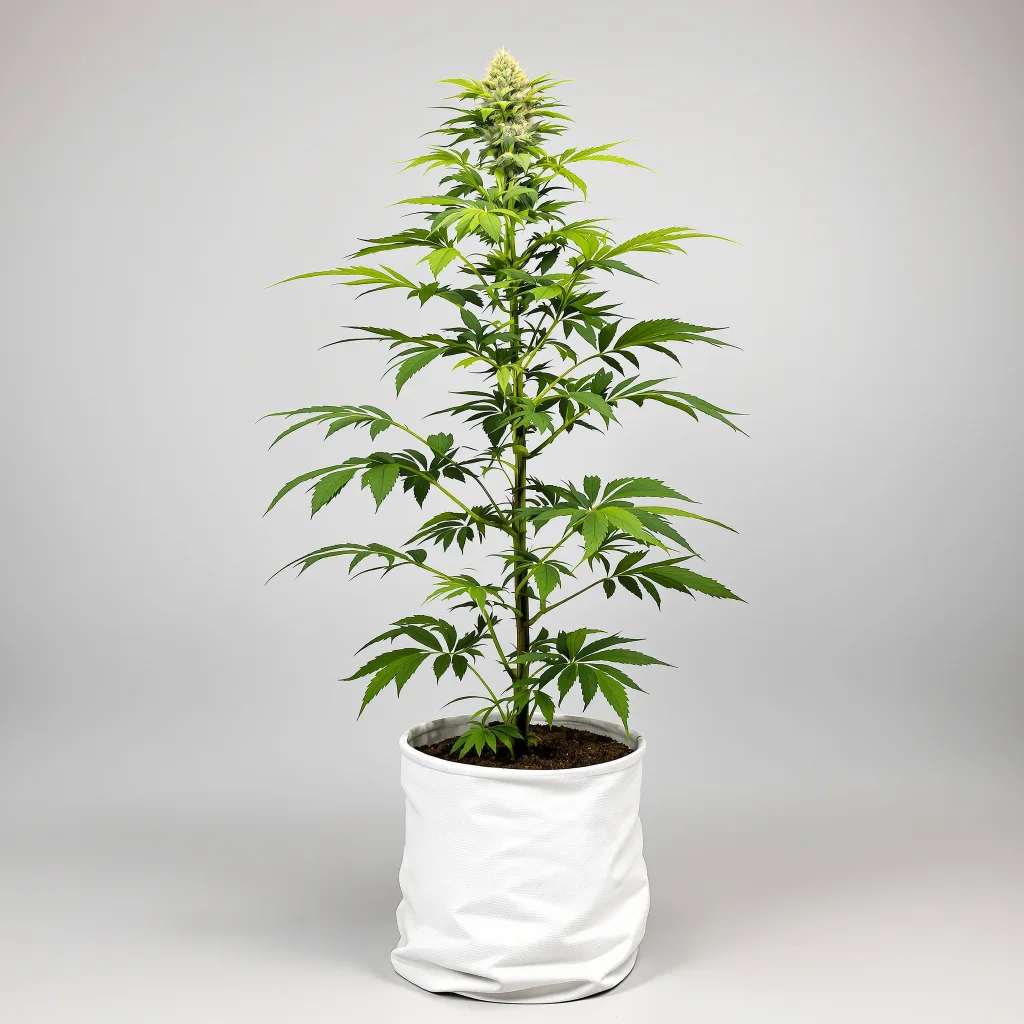
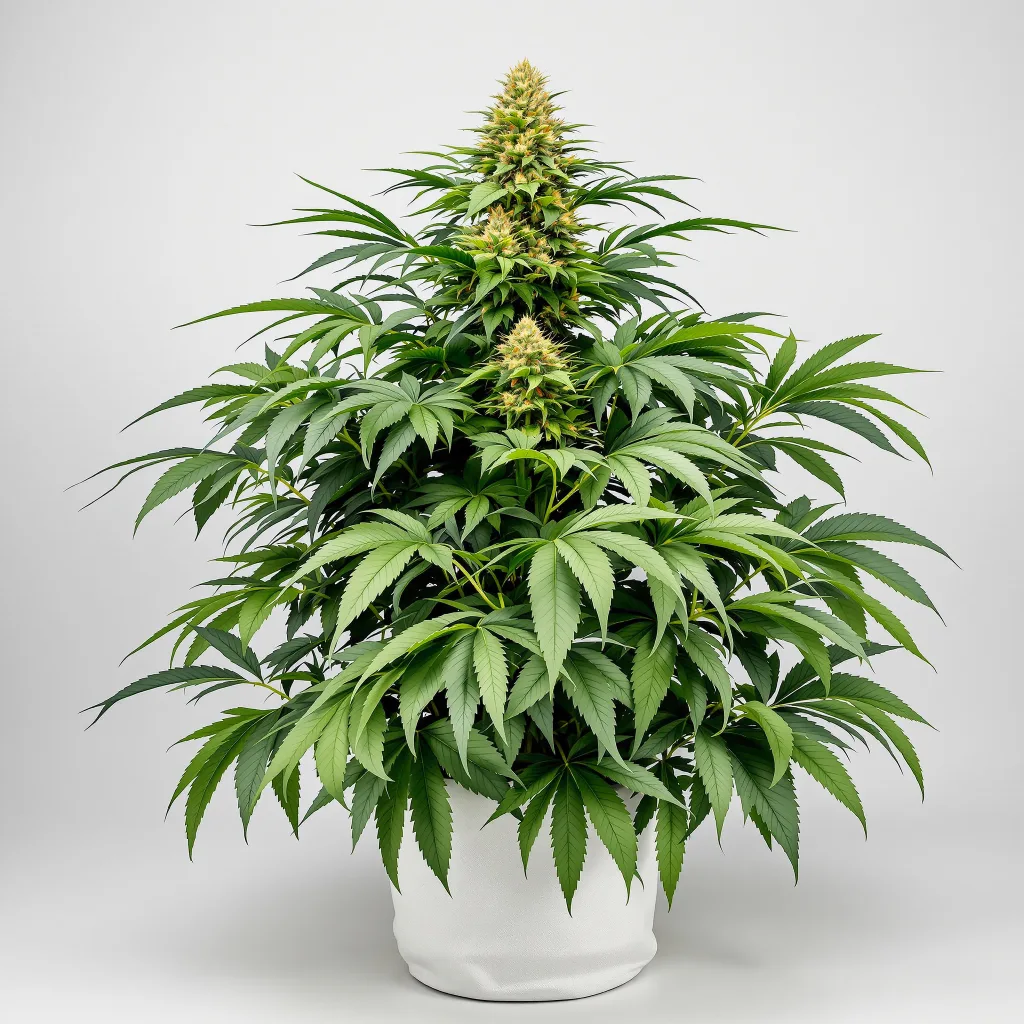
Canna Bliss, a strain revered in the medical cannabis community, has earned its reputation as a reliable and versatile therapeutic option. Its creation was driven by the need for a strain that delivers targeted medical benefits without overwhelming psychoactive effects. With a thoughtfully crafted chemical composition, exceptional medical benefits, and unique growing requirements, Cannacre Bliss continues to serve as a prime example of the strides made in cannabis research and cultivation. This detailed analysis explores its origins, chemical makeup, and medical efficacy, along with the specialized conditions required to cultivate it, focusing entirely on its role in enhancing patient care.

Origins of Canna Bliss

Canna Bliss was born from a deliberate and rigorous breeding process aimed at harnessing the medicinal potential of cannabis while minimizing its psychoactive impact. Created in the late 2000s, the strain emerged as a result of careful crossbreeding between Harlequin, a sativa dominant strain known for its high CBD content, and Afghan Kush, an indica strain celebrated for its profound analgesic and sedative properties. The hybridization process resulted in a balanced strain that retains the best characteristics of its parent strains, offering relief for a broad spectrum of medical conditions.

The name “Canna Bliss” encapsulates its purpose: to provide patients with a sense of relief and tranquility. Early iterations of the strain underwent extensive genetic stabilization, ensuring consistency across batches. This effort was spearheaded by a team of botanists and medical researchers who understood the importance of reliability in medical applications. Canna Bliss was first cultivated in controlled laboratory environments to fine-tune its cannabinoid and terpene profile before being released for broader licensed cultivation under strict regulatory oversight.

Canna Bliss rapidly gained recognition within the medical community, becoming a go-to strain for conditions ranging from chronic pain to neurological disorders. Its development marked a turning point in the medical cannabis industry, demonstrating the potential of cannabis to act as a sophisticated and targeted therapeutic tool.

Chemical Profile of Canna Bliss

The effectiveness of Canna Bliss lies in its carefully balanced chemical profile. By harmonizing the levels of cannabinoids and terpenes, the strain delivers therapeutic benefits tailored to medical needs. Its composition reflects a priority on patient safety and efficacy, with a higher emphasis on cannabidiol (CBD) than tetrahydrocannabinol (THC).

  1. Primary Cannabinoids:
    • CBD (Cannabidiol): Accounting for 12-14% of its composition, CBD is the cornerstone of Canna Bliss’s medical utility. Non-psychoactive and widely regarded for its anti-inflammatory, analgesic, and neuroprotective properties, CBD offers relief without impairing cognitive function.
    • THC (Tetrahydrocannabinol): Present at moderate levels (8-10%), THC complements CBD’s effects by enhancing pain relief, modulating mood, and addressing nausea and appetite loss. Its lower concentration reduces the risk of unwanted psychoactive effects.
  2. Secondary Cannabinoids:
    • CBG (Cannabigerol): Known for its antibacterial and neuroprotective properties, CBG further supports the strain’s versatility in treating medical conditions.
    • CBC (Cannabichromene): Enhances the anti-inflammatory effects of CBD and contributes to overall cell regeneration.
  3. Terpene Profile: Terpenes play a pivotal role in defining the therapeutic potential of Canna Bliss. The most abundant terpenes include:
    • Myrcene: Known for its sedative and muscle-relaxant effects, myrcene is instrumental in managing conditions like chronic pain and insomnia.
    • Pinene: This terpene, found in pine needles, offers anti-inflammatory and bronchodilatory effects, aiding in respiratory health.
    • Limonene: With its citrusy aroma, limonene provides uplifting effects and is known to reduce anxiety and improve mood.
    • Caryophyllene: This unique terpene interacts directly with CB2 receptors in the endocannabinoid system, offering potent anti-inflammatory and pain-relieving properties.

Together, the cannabinoids and terpenes in Canna Bliss create what is known as the entourage effect, a synergistic interaction that enhances the overall therapeutic impact of the strain.

Medical Benefits of Canna Bliss

Canna Bliss has transformed the lives of patients suffering from various chronic conditions. Its ability to target multiple pathways in the human body makes it one of the most versatile strains in medical cannabis. Unlike many recreational strains, its formulation prioritizes therapeutic outcomes, addressing conditions ranging from pain management to neurological disorders and inflammatory diseases.

  1. Pain Management: Chronic pain conditions, including arthritis, neuropathy, and fibromyalgia, are among the most common reasons patients turn to Canna Bliss. The combination of CBD, THC, and caryophyllene in the strain targets pain at its source. CBD works to desensitize pain receptors in the nervous system, while THC blocks pain signals and provides immediate relief. Patients often report that the strain helps reduce the need for opioids or other prescription painkillers, which are often accompanied by adverse side effects.
  2. Neurological Disorders: The neuroprotective properties of Canna Bliss make it a valuable option for treating epilepsy, multiple sclerosis (MS), and Parkinson’s disease. CBD’s anticonvulsant effects have been widely documented, reducing the frequency and severity of seizures in epileptic patients. For MS patients, the strain alleviates muscle spasms and tremors while enhancing mobility and overall comfort. In Parkinson’s disease, its anti-inflammatory effects help manage tremors and rigidity, improving patients’ quality of life.
  3. Anxiety and Mood Disorders: Mental health conditions, such as anxiety and depression, are increasingly treated with cannabis strains like Canna Bliss. CBD’s calming effects work to stabilize overactive neural circuits, while terpenes like limonene and pinene uplift mood and restore mental clarity. The strain’s carefully balanced THC levels help modulate mood without inducing overwhelming psychoactive effects, making it a preferred option for patients seeking mental health support.
  4. Cancer Support: Cancer patients undergoing chemotherapy often experience debilitating side effects, including nausea, vomiting, and appetite loss. Canna Bliss offers a multifaceted approach to managing these symptoms. THC stimulates appetite and reduces nausea, while CBD combats pain and inflammation. Its neuroprotective properties also help mitigate chemotherapy-induced neuropathy, a condition that can severely affect a patient’s quality of life.
  5. Inflammatory Conditions: Chronic inflammation is at the root of many conditions, including Crohn’s disease, ulcerative colitis, and lupus. The anti-inflammatory properties of CBD, bolstered by caryophyllene, make Canna Bliss an effective treatment for these disorders. By modulating the body’s immune response, the strain alleviates symptoms such as pain, swelling, and fatigue.
  6. Sleep Disorders: Insomnia and other sleep disturbances are effectively managed with Canna Bliss. Myrcene’s sedative properties, combined with CBD’s calming effects, promote restorative sleep without the risk of dependency or morning grogginess. For patients with chronic pain or anxiety-induced insomnia, the strain addresses the underlying issues, allowing for more natural sleep cycles.
  7. Neurodegenerative Diseases: Emerging research suggests that Canna Bliss may have long-term benefits for patients with neurodegenerative conditions like Alzheimer’s and Huntington’s disease. Its anti-inflammatory and antioxidant properties reduce oxidative stress and inflammation in the brain, potentially slowing disease progression.
Growing Conditions for Canna Bliss

The cultivation of Canna Bliss requires precision and care, as its chemical profile depends heavily on environmental factors. Licensed growers adhere to strict protocols to ensure that the strain’s medical integrity remains uncompromised.

  1. Environmental Requirements:
    • Temperature: Canna Bliss thrives in moderate temperatures of 70-80°F (21-27°C). Extreme fluctuations can stress the plants, affecting their cannabinoid and terpene production.
    • Lighting: The strain benefits from controlled indoor environments where the light cycle can be carefully managed. During the vegetative stage, it requires 18 hours of light, transitioning to 12 hours during the flowering stage.
    • Humidity: A humidity level of 40-50% during flowering helps prevent mold and mildew, ensuring the safety and quality of the final product.
  2. Soil and Nutrients:
    • Soil Composition: Organic soil rich in nutrients like nitrogen, phosphorus, and potassium supports optimal growth. A mix of compost, peat moss, and perlite is commonly used.
    • Nutritional Needs: During the vegetative stage, nitrogen promotes lush foliage, while phosphorus and potassium are essential during flowering for robust bud development.
  3. Watering and pH Balance: Proper hydration is critical, as both overwatering and underwatering can harm the plants. The soil’s pH should be maintained between 6.0 and 6.5 to optimize nutrient absorption and prevent deficiencies.
  4. Harvesting and Curing:
    • Harvest Timing: The ideal time to harvest is when the trichomes transition from clear to milky white, signaling peak potency.
    • Curing Process: After harvest, the buds are dried slowly in a controlled environment. This process stabilizes the cannabinoids and terpenes, enhancing the strain’s therapeutic potential.
  5. Pest and Disease Management: To avoid contamination, growers employ integrated pest management techniques, such as introducing beneficial insects and using organic sprays. Regular monitoring and maintenance prevent issues like mold and pests from compromising the crop.
  6. Regulatory Compliance: As a medical-grade strain, Canna Bliss undergoes rigorous testing for contaminants, including pesticides, heavy metals, and mold. Cultivators adhere to stringent quality control standards to ensure patient safety.
Impact on Patients and the Medical Community

Canna Bliss has revolutionized the lives of patients by providing relief where traditional therapies have failed. Its consistent efficacy across a wide range of conditions has established it as a cornerstone of medical cannabis treatment. Patients often report a marked improvement in their quality of life, with reduced symptoms and a lower dependency on pharmaceutical medications, many of which come with harsh side effects.

Healthcare providers are increasingly recognizing the value of strains like Canna Bliss in their treatment protocols. The strain’s balanced chemical profile allows for precise dosing, tailored to individual patient needs. Moreover, its safety and efficacy have contributed to a broader acceptance of cannabis in mainstream medicine, paving the way for further research and integration.

Restrictions on Using Canna Bliss in the Medical Field and Its Role as a Last Resort Treatment

While Canna Bliss has demonstrated immense potential as a medical cannabis strain, its application in the medical field comes with specific restrictions and ethical considerations. To ensure patient safety and maintain the integrity of its medical use, Canna Bliss is often prescribed as a last-resort treatment after other conventional therapies have been exhausted. Additionally, stringent monitoring of its THC content in medications is crucial to minimize psychoactive effects, which can interfere with patient well-being and medical outcomes.

Prescribing Canna Bliss as a Last-Resort Treatment

Medical practitioners are guided by a hierarchy of treatment options to ensure that cannabis-based therapies like Canna Bliss are employed responsibly. In many jurisdictions, regulatory frameworks mandate that Canna Bliss and similar strains be reserved for patients who have not responded adequately to conventional treatments. These restrictions are driven by the need to prioritize established medical therapies that have undergone extensive clinical trials and possess robust safety profiles.

Why Canna Bliss is a Last Resort:

  1. Limited Clinical Data: Despite growing evidence supporting medical cannabis, it remains less studied than traditional pharmaceutical interventions. Using Canna Bliss only as a last resort helps limit reliance on therapies with less comprehensive clinical backing.
  2. Potential for Dependency: Although the strain’s CBD content minimizes psychoactive risks, moderate THC levels necessitate caution. Reserving it for critical cases reduces the risk of dependency.
  3. Optimization of Standard Therapies: Before introducing Canna Bliss, physicians are required to explore all available conventional treatments, such as prescription medications, physical therapy, or surgical interventions, to ensure optimal use of established practices.

By positioning Canna Bliss as a last-resort therapy, healthcare providers uphold a conservative approach that aligns with medical ethics, emphasizing patient safety and evidence-based practices.

Monitoring THC Levels to Prevent Psychoactive Effects

One of the primary concerns surrounding medical cannabis is the potential for psychoactive effects caused by THC. In Canna Bliss, the THC content is moderate, ranging between 8-10%, which is lower than recreational strains but sufficient to raise concerns in medical contexts. Psychoactive effects, such as altered perception, mood changes, and cognitive impairment, can be counterproductive for patients, particularly those with sensitive medical conditions.

To address these concerns, medical professionals and regulatory agencies implement stringent protocols to monitor THC levels in Canna Bliss-based medications. These measures ensure that the strain’s therapeutic benefits are delivered without compromising the patient’s mental and physical stability.

Key Strategies for Monitoring THC Levels:

  1. Formulation Control:
    • Medical formulations derived from Canna Bliss, such as tinctures, capsules, or oils, undergo rigorous testing to confirm that THC concentrations remain within therapeutic thresholds.
    • Pharmaceutical manufacturers often isolate or reduce THC content to ensure a minimal risk of psychoactive effects while preserving its medicinal properties.
  2. Dosage Regulation:
    • Physicians prescribe Canna Bliss in carefully controlled doses, tailored to the patient’s condition and tolerance. Regular assessments are conducted to adjust the dosage as needed, ensuring that THC exposure remains limited.
  3. Screening and Monitoring:
    • Patients using Canna Bliss are frequently monitored for signs of THC-induced side effects, such as drowsiness, anxiety, or impaired coordination. Regular follow-ups help physicians identify any adverse reactions early.
    • Advanced laboratory testing methods, including gas chromatography and mass spectrometry, are employed to verify the consistency of THC levels in medications.
  4. Patient Education:
    • Educating patients about the potential effects of THC and the importance of adhering to prescribed dosages is critical. By understanding how THC may impact their condition, patients are better equipped to report side effects and avoid misuse.
Ethical and Regulatory Considerations

The medical use of Canna Bliss is also subject to strict ethical guidelines and regulatory oversight to prevent misuse or overprescription. Many healthcare systems require physicians to document the failure of other therapies before prescribing cannabis-based treatments. Additionally, compliance with licensing laws and medical cannabis policies ensures that Canna Bliss is accessible only to patients who genuinely need it.

Ethical Practices in Prescribing Canna Bliss:

  • Informed Consent: Physicians are obligated to discuss the potential benefits and risks of using Canna Bliss, including the psychoactive effects of THC, with their patients. Patients are able to make well-informed decisions regarding their care because of this transparency.
  • Minimizing Harm: Medical professionals aim to minimize harm by prescribing strains with the lowest effective THC levels, especially for vulnerable populations such as children, the elderly, or those with mental health conditions.

Regulatory Safeguards:

  • Cannabinoid Testing Standards: Regulatory agencies mandate third-party testing of all medical cannabis products to verify their cannabinoid profiles, including THC and CBD levels.
  • Restricted Access: Access to Canna Bliss is often limited to licensed dispensaries or healthcare facilities, ensuring that it is used exclusively for legitimate medical purposes.
The Role of Canna Bliss in the Medical Landscape

Despite its restrictions, Canna Bliss occupies a vital role in the medical cannabis landscape. For patients who have exhausted all other options, it offers a lifeline, providing relief from chronic pain, inflammation, neurological disorders, and other debilitating conditions. Its high CBD content, combined with its manageable THC levels, makes it an effective option for balancing therapeutic efficacy with patient safety.

By treating Canna Bliss as a last-resort therapy and implementing rigorous THC monitoring protocols, the medical field ensures that the strain remains a valuable and responsible tool for improving patient outcomes. These restrictions also foster greater acceptance of medical cannabis within the healthcare community, paving the way for continued research and innovation.

Conclusion

Canna Bliss stands as a powerful testament to the medical potential of cannabis when approached with scientific rigor, ethical responsibility, and regulatory oversight. From its carefully designed origins to its meticulously balanced chemical profile, this strain exemplifies the strides made in medical cannabis research. Its therapeutic effects, ranging from pain relief and anti-inflammatory benefits to neuroprotection and mental health support, make it a versatile tool for addressing chronic and treatment-resistant conditions.

However, the application of Canna Bliss is not without limitations. Its designation as a last-resort treatment ensures that it is used judiciously, only after conventional therapies have proven insufficient. This cautious approach reflects a commitment to prioritizing well-studied, evidence-based medical interventions while preserving the strain’s potential for patients in critical need. Ethical prescribing practices, including informed consent and patient education, further emphasize the importance of transparency and patient safety.

A central focus in the responsible use of Canna Bliss lies in the careful monitoring of its THC content. By ensuring that THC levels are controlled within therapeutic thresholds, the risk of psychoactive side effects is minimized, making the strain suitable for medical use across diverse patient populations. This balance between efficacy and safety is critical for maintaining the trust of patients and healthcare providers alike.

The cultivation of Canna Bliss, with its specific environmental and nutritional requirements, underscores the precision needed to produce a consistent, high-quality medical product. Regulatory safeguards and cannabinoid testing standards play a pivotal role in ensuring that every batch meets the stringent criteria required for medical applications.

Ultimately, the restricted use of Canna Bliss, combined with rigorous oversight and a patient-centered approach, underscores its value as a transformative medical option. It offers hope to those suffering from chronic and debilitating conditions while fostering a broader acceptance of cannabis as a legitimate therapeutic agent. As research and innovation continue to advance, Canna Bliss serves as a model for how cannabis can be integrated responsibly into modern medicine, striking a harmonious balance between nature’s potential and scientific advancement.

Share

Leave a comment

Your email address will not be published. Required fields are marked *