Get 15% OFF with code GROWNOW15
My Account Order Lookup Cannabis Guides Beginner Seeds Intermediate Seeds Master Seeds

Medical Strain Analysis: Boax.

Medical Strain Analysis

Medical Strain Analysis: Boax

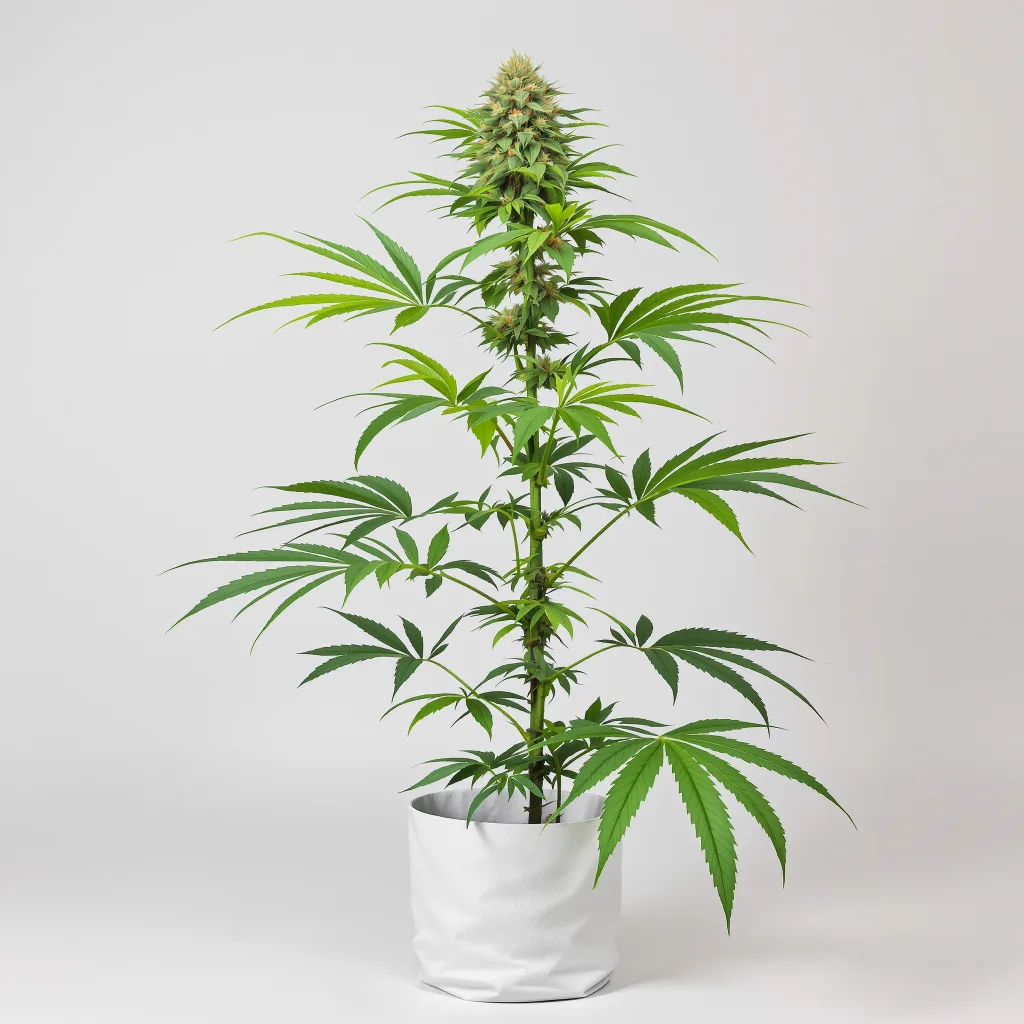
Boax, a strain celebrated for its exceptional medicinal qualities, has emerged as a cornerstone in the realm of therapeutic cannabis. Its origins, chemical profile, medical benefits, and cultivation requirements make it a remarkable choice for those seeking relief from various health conditions. This comprehensive analysis delves into Boax in detail, emphasizing its medicinal applications while excluding recreational uses or methods of consumption.

Origins of Boax
Origins of

The lineage of Boax traces back to a deliberate genetic cross between Hindu Kush and Otto II, two strains with distinct yet complementary characteristics. The Hindu Kush, an ancient and robust landrace strain originating from the mountainous regions between Afghanistan and Pakistan, is revered for its indica-dominant traits. Traditional medicine has been using this parent strain for generations because of its reputation for promoting relaxation and reducing pain. Otto II, on the other hand, is a hybrid strain engineered for its high CBD content and minimal THC presence. Its genetics ensure therapeutic efficacy without inducing psychoactive effects.

The development of Boax aimed to combine the best of these two strains, resulting in a hybrid with potent medicinal properties and resilience in cultivation. The strain was initially cultivated in the United States during the hemp resurgence, a movement driven by the demand for legal, high-CBD cannabis cultivars. Breeders meticulously selected phenotypes that exhibited consistent cannabinoid profiles, robust growth, and resistance to environmental stressors.

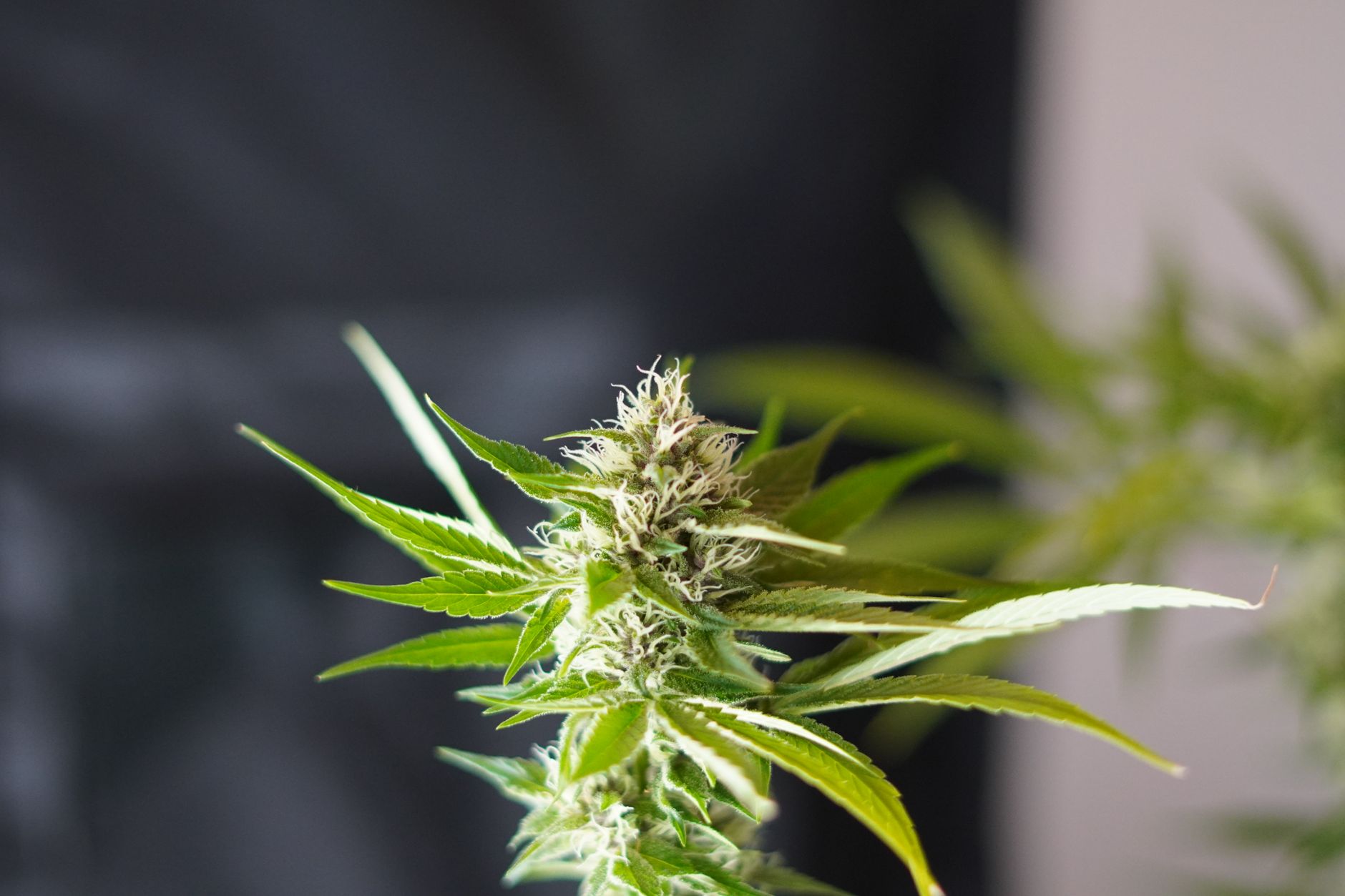
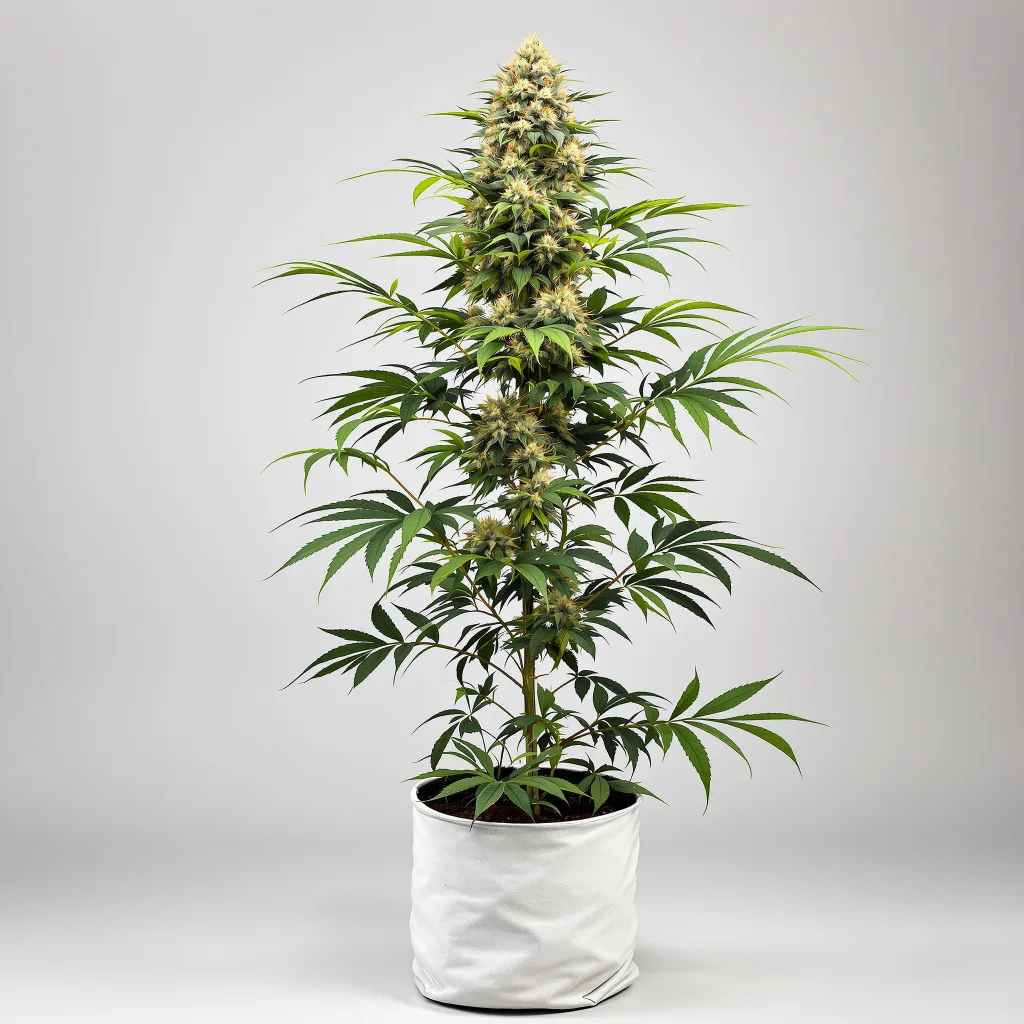
The name “Boax” reflects its dense, robust bud structure and the hardiness inherited from its parent strains. Over time, Boax has earned a stellar reputation in medical cannabis circles, praised for its ability to address a broad spectrum of health conditions while maintaining a non-intoxicating profile. It represents a new era of cannabis genetics, designed specifically for therapeutic use.

Chemical Profile

Boax is distinguished by a rich chemical profile that includes high levels of cannabidiol (CBD), trace amounts of tetrahydrocannabinol (THC), and a diverse array of terpenes. This composition makes it a versatile tool in the management of numerous medical conditions, with effects enhanced by the entourage effect.

Cannabinoid Composition:
  • CBD (15-20%): Cannabidiol is the dominant cannabinoid in Boax, renowned for its ability to modulate the endocannabinoid system. CBD interacts with receptors throughout the body, reducing inflammation, pain, and anxiety without causing intoxication.
  • THC (<0.3%): Present in negligible amounts, THC in Boax complies with legal hemp classifications in many regions. While its concentration is low, even small amounts can enhance CBD’s therapeutic effects through synergy.
  • CBG (0.5-1%): Cannabigerol is often referred to as the “mother of cannabinoids” because it serves as a precursor to other cannabinoids. In Boax, CBG contributes to its anti-inflammatory, antibacterial, and neuroprotective properties.
  • CBC (0.1-0.5%): Cannabichromene is a minor cannabinoid with unique antidepressant and antifungal attributes. It works in tandem with CBD and terpenes to expand Boax’s medicinal potential.
Terpene Profile:
  1. Myrcene: Found in high concentrations, myrcene is a terpene known for its sedative effects and ability to relax muscles. Its presence makes Boax particularly effective for sleep disorders and chronic pain conditions.
  2. Caryophyllene: Unique among terpenes, caryophyllene interacts directly with CB2 receptors in the endocannabinoid system. It delivers potent anti-inflammatory and anxiolytic effects, making it a valuable component for managing autoimmune and stress-related disorders.
  3. Pinene: As its name suggests, pinene contributes a pine-like aroma and offers anti-inflammatory and bronchodilatory effects. It may help patients with respiratory conditions, such as asthma or chronic obstructive pulmonary disease (COPD).
  4. Limonene: This terpene’s citrusy aroma is indicative of its uplifting and mood-enhancing properties. It is often utilized for stress and anxiety relief, complementing Boax’s calming effects.
  5. Humulene: Commonly found in hops, humulene offers appetite-suppressant and anti-inflammatory effects. Its inclusion broadens the strain’s applications in metabolic and gastrointestinal disorders.

This precise balance of cannabinoids and terpenes is a hallmark of Boax’s medical efficacy. Its high CBD-to-THC ratio ensures a therapeutic experience devoid of significant psychoactivity, making it suitable for patients who need to maintain cognitive clarity.

Medical Benefits of Boax
Medical Benefits of

Boax’s medical benefits are as diverse as its chemical composition, making it a preferred choice for patients seeking natural remedies for chronic conditions. Below is an expanded exploration of its therapeutic applications.

1. Chronic Pain Management

One of the primary uses of Boax is in the management of chronic and acute pain. CBD interacts with receptors in the endocannabinoid system, modulating pain signaling pathways and reducing sensitivity to pain stimuli. Its non-addictive nature provides a safer alternative to opioid-based pain medications. Myrcene and caryophyllene further enhance Boax’s analgesic properties by reducing inflammation and muscle tension.

Conditions treated:

  • Osteoarthritis and rheumatoid arthritis
  • Fibromyalgia
  • Neuropathic pain (e.g., diabetic neuropathy, sciatica)
  • Migraines and cluster headaches
2. Inflammatory Conditions

Inflammation is a common underlying factor in many chronic diseases, and Boax’s anti-inflammatory properties make it highly effective in addressing such conditions. CBD suppresses the production of inflammatory cytokines, while terpenes like caryophyllene and humulene offer localized anti-inflammatory effects.

Conditions treated:

  • Inflammatory bowel diseases (e.g., Crohn’s disease, ulcerative colitis)
  • Autoimmune diseases (e.g., lupus, multiple sclerosis)
  • Chronic inflammatory conditions (e.g., tendinitis, bursitis)
3. Anxiety, Depression, and Stress

Boax has proven particularly effective in managing mood disorders and stress-related conditions. CBD’s anxiolytic properties stem from its ability to regulate serotonin receptors in the brain. Limonene and myrcene provide additional calming effects, creating a balanced state of relaxation and mental clarity.

Conditions treated:

  • Generalized anxiety disorder (GAD)
  • Social anxiety disorder
  • Post-traumatic stress disorder (PTSD)
  • Panic disorder
4. Neurological Disorders

The neuroprotective potential of Boax makes it a promising option for individuals suffering from neurological disorders. CBD and CBG, combined with the antioxidant properties of terpenes, help reduce oxidative stress and inflammation in the nervous system. This makes Boax a potential therapeutic option for conditions with neurodegenerative or neuroinflammatory components.

Conditions treated:

  • Epilepsy and seizure disorders
  • Parkinson’s disease
  • Alzheimer’s disease
  • Amyotrophic lateral sclerosis (ALS)
5. Sleep Support

For patients struggling with sleep disorders, Boax offers a natural solution without the side effects associated with pharmaceutical sleep aids. Myrcene’s sedative properties and CBD’s calming effects create an optimal environment for restful sleep.

Conditions treated:

  • Insomnia
  • Sleep apnea
  • Restless leg syndrome (RLS)
  • Nighttime anxiety
6. Metabolic and Digestive Health

Boax’s appetite-regulating effects, combined with its ability to reduce gastrointestinal inflammation, make it valuable for metabolic and digestive conditions. Humulene’s appetite-suppressant properties are particularly beneficial for patients seeking weight management solutions.

Conditions treated:

  • Obesity and metabolic syndrome
  • Irritable bowel syndrome (IBS)
  • Nausea (including chemotherapy-induced nausea)
  • Gastroesophageal reflux disease (GERD)
7. Skin Conditions

Topical applications of Boax-derived products have shown promise in treating inflammatory and autoimmune skin conditions. CBD’s anti-inflammatory and antibacterial properties help soothe irritated skin and promote healing.

Conditions treated:

  • Psoriasis
  • Eczema
  • Acne
  • Dermatitis
Cultivation Requirements for Boax

Boax’s unique chemical composition is not just a product of its genetics but also the result of precise cultivation techniques. Understanding and optimizing its growing conditions are critical for producing high-quality medicinal cannabis.

Climate

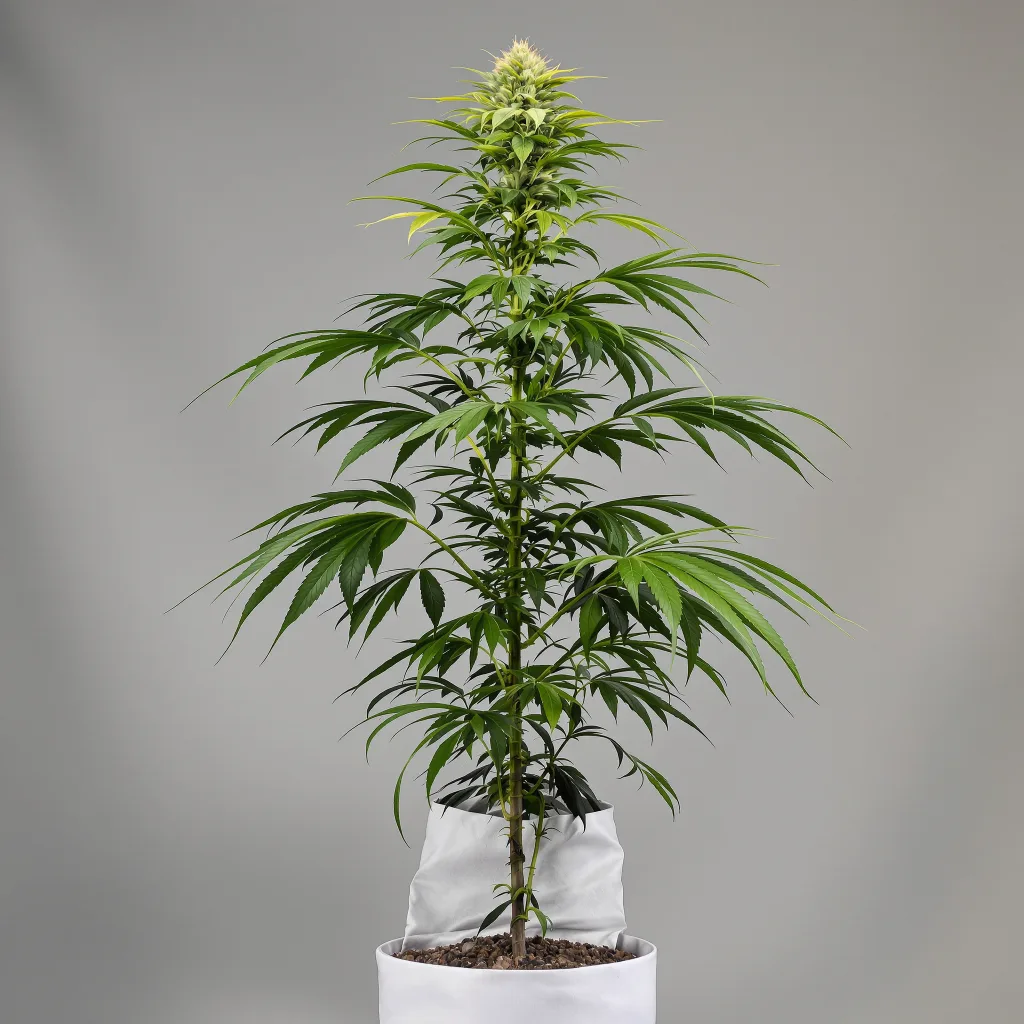
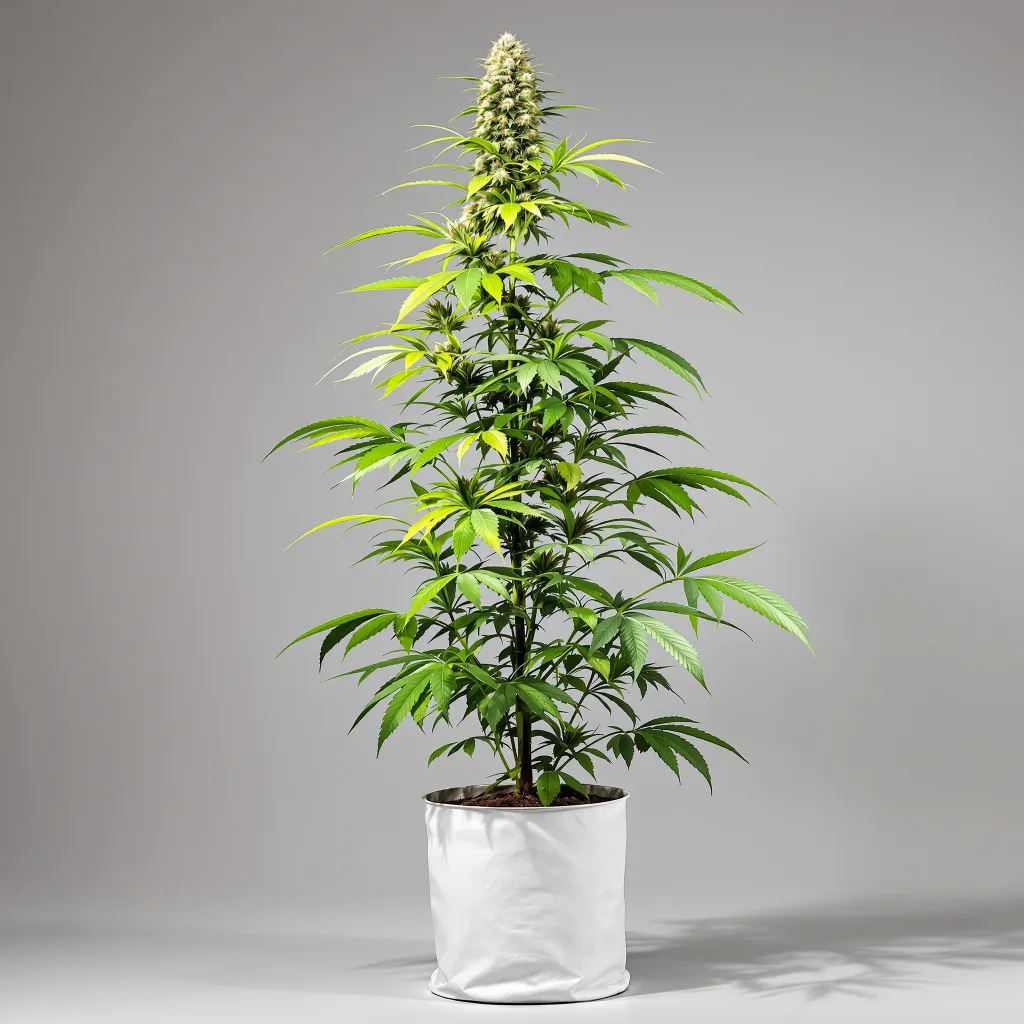
Boax thrives in regions with a Mediterranean climate, characterized by warm, sunny days and cool nights. Ideal temperatures range from 70°F to 85°F during the growing season. While it is tolerant of moderate humidity levels, maintaining a relative humidity between 40% and 50% during flowering is crucial to prevent mold and mildew.

Soil and Nutrients

This strain performs best in well-drained, nutrient-rich soil with a pH level of 6.0 to 7.0. Organic soil amendments, such as compost, bat guano, and kelp meal, enhance nutrient availability and promote vigorous plant growth. During the vegetative stage, Boax requires a nitrogen-rich nutrient mix, transitioning to higher levels of phosphorus and potassium during flowering to support resin production.

Light and Photoperiod

Boax is a photoperiod-sensitive strain, meaning its transition to flowering is triggered by changes in light exposure. In indoor settings, growers use an 18-hour light cycle during vegetative growth and switch to a 12/12 light cycle to induce flowering. Full-spectrum LED lights are preferred for their ability to replicate natural sunlight and maximize cannabinoid and terpene synthesis.

Watering

Watering plants properly is crucial to their best health. Boax requires consistent moisture but is susceptible to overwatering, which can lead to root rot and nutrient lockout. Drip irrigation systems allow for precise water delivery, ensuring that plants receive adequate hydration without waterlogging.

Pest and Disease Management

Boax exhibits natural resistance to many common pests and diseases, thanks to its hardy genetic lineage. However, preventive measures, such as companion planting, regular inspections, and the use of organic pest control methods, are recommended. Proper airflow and humidity control further reduce the risk of fungal infections.

Harvesting and Curing

Harvesting Boax at the right time is crucial for maximizing its medicinal potential. Trichomes should be examined under magnification and harvested when they appear milky white with a slight amber hue. Post-harvest curing involves drying the buds in a controlled environment and storing them in airtight containers to enhance flavor, aroma, and potency.

Future Potential of Boax in Medicine

The future of Boax lies in its potential to serve as a foundation for precision medicine. With ongoing research into the therapeutic applications of cannabinoids and terpenes, Boax is poised to play a pivotal role in the development of personalized cannabis therapies. Its high CBD content and non-intoxicating nature make it an ideal candidate for further study and clinical application.

Moreover, as regulatory frameworks continue to evolve, Boax is likely to gain broader acceptance in mainstream medicine. Its versatility in addressing chronic pain, inflammation, anxiety, and neurological disorders positions it as a key player in the global shift toward natural and integrative healthcare solutions.

In conclusion, Boax exemplifies the possibilities of modern cannabis breeding—creating strains tailored to meet the complex needs of medical patients. Its origins, chemical profile, and cultivation requirements reflect the careful balance of science and nature, resulting in a strain that delivers consistent and reliable therapeutic benefits.

Restrictions on Using Boax in the Medical Field and as a Last Resort

The use of cannabis strains like Boax in the medical field has garnered significant attention due to their therapeutic benefits. However, to ensure responsible usage and patient safety, restrictions and guidelines must be in place, particularly in medical settings. Boax, with its high cannabidiol (CBD) content and low tetrahydrocannabinol (THC) levels, is a prime candidate for medical applications, but its use should be limited to specific circumstances. Below, we explore the restrictions on using Boax strictly for medical purposes, emphasizing its role as a last resort and the importance of monitoring THC levels in medications to prevent psychoactive effects.

Medical Use as a Last Resort

Boax, despite its low THC content, should not be used indiscriminately in the medical field. It is essential to reserve its application for patients who have exhausted other conventional treatments and therapies. The rationale for this restriction lies in the medical community’s ethical responsibility to use treatments that are evidence-based and well-studied. While Boax offers numerous benefits, its use in modern medicine is still subject to ongoing research, and clinical trials are needed to fully understand its long-term effects.

Criteria for Last-Resort Use:

  1. Exhaustion of Traditional Therapies: Boax should only be prescribed when patients have not found relief from first-line and second-line treatments. For example, patients with chronic pain, epilepsy, or severe anxiety should have tried other approved medications and therapies before turning to Boax.
  2. Severe or Treatment-Resistant Conditions: Its use should be limited to conditions that are debilitating and have not responded to existing medical treatments. Examples include refractory epilepsy, severe neuropathic pain, or treatment-resistant PTSD.
  3. Specialist Oversight: A specialist in the relevant medical field (e.g., neurology, pain management, or psychiatry) should evaluate and approve the use of Boax, ensuring it is the most appropriate course of action for the patient.

By adhering to these restrictions, healthcare providers can ensure that Boax is used responsibly and ethically, maintaining its integrity as a medical tool rather than a generalized remedy.

Monitoring THC Levels in Medications

One of the most critical aspects of using Boax in the medical field is the strict monitoring of THC levels in medications. Although Boax is known for its high CBD content and minimal THC presence (<0.3%), it is imperative to ensure that this threshold is consistently maintained in any derivative products. Even trace amounts of THC, if not carefully controlled, could accumulate in the body over time or cause unintended psychoactive effects in sensitive patients.

Importance of Monitoring THC:

  1. Preventing Psychoactive Effects: THC is the primary psychoactive compound in cannabis, and its presence, even in small amounts, can potentially alter a patient’s mental state. For patients seeking medical relief, the goal is therapeutic efficacy without cognitive impairment or the risk of addiction.
  2. Regulatory Compliance: Many jurisdictions classify cannabis products with THC levels above 0.3% as psychoactive and subject them to stricter regulations. Monitoring ensures that Boax-based medications remain within legal limits, making them accessible to patients without the stigma or legal hurdles associated with high-THC cannabis.
  3. Safety for Vulnerable Populations: Certain patient groups, such as children, the elderly, or individuals with mental health disorders, are particularly sensitive to THC. Careful monitoring protects these populations from potential adverse effects, ensuring the medication is both safe and effective.

Methods for Monitoring:

  • Laboratory Testing: Routine third-party laboratory testing of Boax-derived products ensures that THC levels remain compliant with established thresholds.
  • Standardized Extraction Processes: Using advanced extraction techniques, manufacturers can isolate CBD and other beneficial compounds while minimizing THC content.
  • Batch Consistency: Each batch of medication derived from Boax must be tested for cannabinoid consistency, ensuring patients receive predictable and safe dosages.
Ethical Considerations and Patient Safety

Restricting the use of Boax to medical applications and maintaining rigorous THC monitoring reflects the ethical commitment to prioritize patient safety. These measures are particularly crucial in a field where the therapeutic potential of cannabis is still under scrutiny. By reserving Boax for cases where traditional treatments have failed and maintaining strict quality control, healthcare providers can responsibly integrate this strain into medical practice.

Boax represents a promising avenue for patients with complex medical conditions, but its use must be carefully managed to avoid unintended consequences. The integrity of cannabis-based medicines is maintained by such limitations and oversight procedures, guaranteeing that they continue to be a practical choice for individuals who actually require them.

Conclusion

Boax stands as a beacon of therapeutic potential within the medical cannabis landscape. Its origins, deeply rooted in a deliberate crossbreeding of Hindu Kush and Otto II, highlight the meticulous effort to create a strain rich in cannabidiol (CBD) with minimal tetrahydrocannabinol (THC). This genetic profile, combined with a robust terpene composition, makes Boax an ideal candidate for addressing a wide array of medical conditions, ranging from chronic pain and inflammation to neurological and mood disorders.

The chemical profile of Boax emphasizes its versatility and safety in medical applications. High CBD content ensures effective therapeutic outcomes, while negligible THC levels eliminate the risk of significant psychoactive effects, making it suitable for a broad demographic, including vulnerable populations like children and the elderly. Its terpenes, particularly myrcene, caryophyllene, and limonene, contribute to the strain’s anti-inflammatory, anxiolytic, and neuroprotective properties, further solidifying its role in integrative medicine.

Despite its many benefits, restrictions on Boax’s use in the medical field are vital to maintain ethical standards and ensure patient safety. Its application as a last-resort treatment underscores the importance of exhausting conventional therapies before exploring cannabis-based options. This approach not only aligns with evidence-based medical practices but also prevents over-reliance on cannabis therapies without sufficient justification. Monitoring THC levels in Boax-derived medications is equally critical, safeguarding patients against unintended psychoactive effects while adhering to legal and regulatory standards.

Cultivating Boax requires precision and care to preserve its therapeutic potential. From selecting optimal environmental conditions to implementing advanced extraction techniques, growers and manufacturers must prioritize consistency and quality. Such efforts ensure that patients receive safe and effective products tailored to their specific medical needs.

In conclusion, Boax exemplifies the future of medical cannabis: a strain designed with intention and care to provide maximum therapeutic benefits without compromising safety or ethical considerations. By implementing restrictions, maintaining rigorous quality controls, and positioning Boax as a last-resort medical tool, healthcare providers can harness its potential responsibly. This balanced approach ensures that Boax continues to serve as a reliable and innovative solution for patients with complex, treatment-resistant conditions, paving the way for further advancements in cannabis-based medicine.

Share

Leave a comment

Your email address will not be published. Required fields are marked *