Get 15% OFF with code GROWNOW15
My Account Order Lookup Cannabis Guides Beginner Seeds Intermediate Seeds Master Seeds

Medical Strain Analysis: Black Cherry.

Medical Strain Analysis Black Cherry

Medical Strain Analysis: Black Cherry

Black Cherry is an exceptional cannabis strain renowned for its therapeutic potential, unique chemical profile, and suitability for a variety of medical conditions. Known for its calming effects and aromatic appeal, it has emerged as a valuable option in the medical cannabis community. This in-depth analysis explores its origins, chemical makeup, medical applications, and optimal growing conditions, highlighting why it is a preferred choice for patients and cultivators alike.

Origins of Black Cherry

Black Cherry is a hybrid strain with strong Indica dominance, developed through meticulous breeding to maximize its medicinal benefits. While its exact lineage may vary depending on the specific cultivar, it often features a blend of legendary strains such as Granddaddy Purple and Cherry Pie. These parent strains are celebrated for their high potency, rich terpene profiles, and ability to alleviate a variety of medical symptoms.

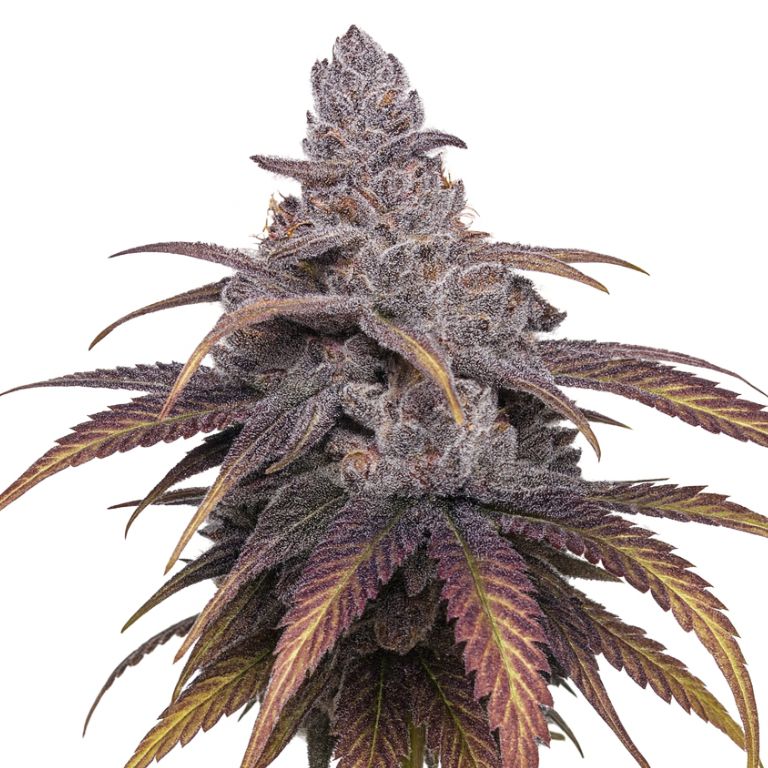
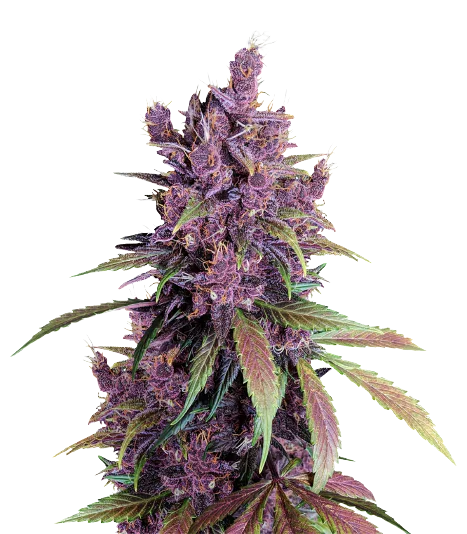
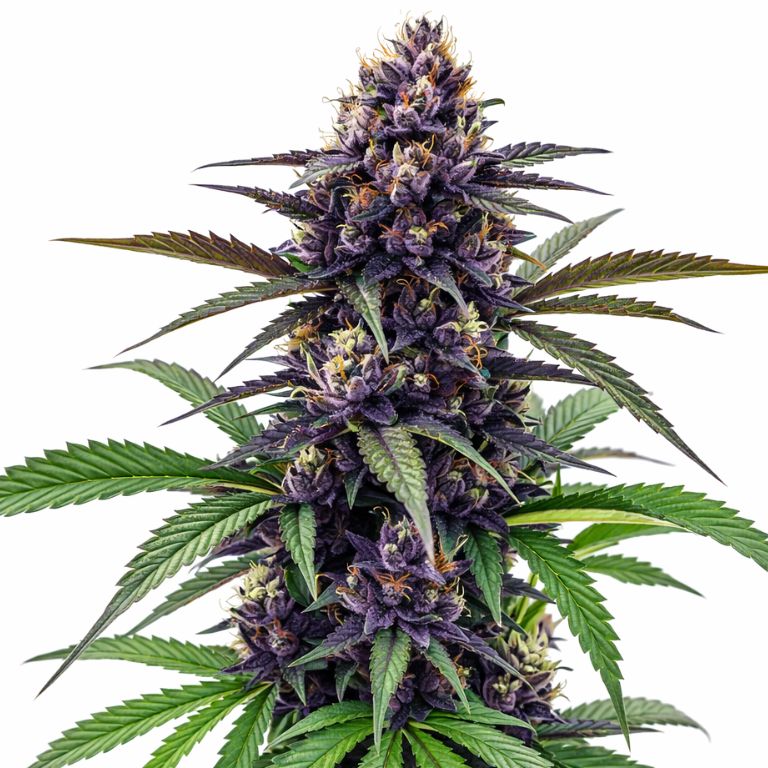
The name “Black Cherry” aptly reflects the strain’s signature traits: a deep, sweet aroma reminiscent of ripe cherries and dark, resinous buds that often appear in shades of purple, black, and green. These hues are not just aesthetic but indicative of the strain’s rich anthocyanin content—a group of flavonoids with potential antioxidant properties.

Black Cherry’s origins highlight the intersection of traditional cannabis genetics with modern cultivation techniques, resulting in a strain tailored for therapeutic use. Its balance of calming Indica effects and uplifting Sativa properties makes it a versatile option for medical patients seeking relief without overwhelming sedation.

Chemical Profile of Black Cherry

The therapeutic potential of Black Cherry lies in its complex chemical composition, which includes cannabinoids, terpenes, and flavonoids working together to produce a range of medicinal effects.

Cannabinoid Composition
  • THC (Tetrahydrocannabinol): Black Cherry typically contains THC levels between 16-22%, which is substantial enough to deliver significant relief for pain, inflammation, and nausea. THC is known for its ability to activate CB1 receptors in the endocannabinoid system, offering analgesic and anti-inflammatory benefits.
  • CBD (Cannabidiol): Although present in lower concentrations, CBD complements THC by counteracting its psychoactive effects and adding its own anti-inflammatory and anxiolytic properties. This balance is crucial for patients seeking relief without an overpowering “high.”
  • Minor Cannabinoids: Black Cherry may also contain trace amounts of CBG (Cannabigerol) and CBC (Cannabichromene), both of which contribute to its medicinal versatility. CBG is known for its neuroprotective properties, while CBC enhances anti-inflammatory effects.
Terpene Profile

Terpenes are aromatic compounds that play a significant role in the strain’s therapeutic effects. Black Cherry’s terpene profile is both diverse and potent, amplifying its medical applications:

  1. Myrcene: The most abundant terpene in Black Cherry, myrcene is known for its sedative and muscle-relaxing properties. It enhances cannabinoid absorption and is particularly effective for insomnia, pain, and stress relief.
  2. Limonene: This citrus-scented terpene adds mood-enhancing and anti-anxiety effects. It is particularly beneficial for patients managing depression or stress-related disorders.
  3. Beta-Caryophyllene: A unique terpene with the ability to bind directly to CB2 receptors, beta-caryophyllene provides powerful anti-inflammatory and analgesic benefits. It is especially useful for conditions involving chronic pain and autoimmune inflammation.
  4. Linalool: Known for its calming and anti-epileptic properties, linalool helps reduce anxiety and promotes relaxation. It also contributes to Black Cherry’s efficacy in managing sleep disorders.
  5. Pinene: While present in smaller amounts, pinene helps enhance cognitive clarity and memory retention, counteracting potential THC-induced mental fog.

The combination of these terpenes contributes to Black Cherry’s wide-ranging medicinal properties, making it suitable for addressing both physical and psychological ailments.

Medical Benefits of Black Cherry

Black Cherry’s therapeutic potential has made it a favorite among patients seeking natural, plant-based remedies for chronic and acute conditions. Its effectiveness spans a variety of medical applications, thanks to its unique chemical synergy. Here’s a detailed look at its specific benefits:

1. Pain Management

Black Cherry is very effective in treating chronic pain, which is one of the most prevalent reasons people use medical cannabis. Its high THC content and anti-inflammatory terpenes like beta-caryophyllene and myrcene work together to reduce pain perception and inflammation. Because of this, it is a good choice for handling:

  • Fibromyalgia: The strain’s muscle-relaxing properties help alleviate the widespread pain and tenderness associated with this condition.
  • Arthritis: Its anti-inflammatory effects reduce joint swelling and stiffness, improving mobility and quality of life.
  • Neuropathy: Patients suffering from nerve pain, often caused by diabetes or injuries, have reported significant relief with Black Cherry.
2. Anti-Inflammatory Effects

Inflammation is at the root of many chronic diseases, including autoimmune disorders like Crohn’s disease, ulcerative colitis, and rheumatoid arthritis. The interaction of cannabinoids with CB2 receptors, combined with the anti-inflammatory properties of beta-caryophyllene, makes Black Cherry a powerful ally in reducing inflammation and mitigating flare-ups.

3. Anxiety and Depression Relief

Black Cherry offers a calming yet uplifting effect, making it an excellent choice for patients dealing with anxiety or depression. Unlike strains that may exacerbate anxiety due to high THC levels, Black Cherry’s balanced profile and limonene content promote relaxation without overwhelming sedation. This can help improve mood, reduce panic attacks, and enhance overall emotional well-being.

4. Insomnia and Sleep Disorders

Sleep is crucial for healing and overall health, and Black Cherry is particularly effective for patients struggling with insomnia or other sleep disorders. The sedative effects of myrcene and linalool, combined with THC’s ability to induce drowsiness, create the perfect recipe for restful, restorative sleep. Patients with conditions like restless leg syndrome or sleep apnea may also benefit from its use.

5. Appetite Stimulation

Patients undergoing treatments like chemotherapy often struggle with appetite loss and nausea. Black Cherry’s THC content stimulates appetite by interacting with CB1 receptors in the brain, helping patients regain their desire to eat and maintain proper nutrition.

6. Neuroprotective Properties

Emerging research suggests that cannabinoids like THC and CBD may have neuroprotective effects, potentially slowing the progression of neurodegenerative diseases. Black Cherry’s chemical composition holds promise for conditions such as:

  • Alzheimer’s Disease: By reducing inflammation and oxidative stress in the brain, Black Cherry may help protect neurons and improve cognitive function.
  • Parkinson’s Disease: Its calming effects can reduce tremors and muscle stiffness, enhancing motor function and quality of life.
  • Multiple Sclerosis: Black Cherry’s ability to reduce inflammation and pain makes it a valuable option for managing MS symptoms.
7. Anti-Seizure Potential

The anti-epileptic properties of linalool and other terpenes present in Black Cherry make it a potential option for patients with seizure disorders. While further research is needed, anecdotal evidence supports its ability to reduce the frequency and severity of seizures.

8. Nausea and Vomiting Relief

Black Cherry has demonstrated significant efficacy in alleviating nausea and vomiting, particularly for patients undergoing chemotherapy or dealing with gastrointestinal conditions. Its ability to regulate the body’s response to these symptoms provides much-needed relief and improves quality of life.

Growing Conditions for Black Cherry

Cultivating Black Cherry requires attention to detail to ensure its medicinal properties are fully realized. By optimizing environmental factors, nutrient regimens, and genetic stability, growers can produce high-quality Black Cherry plants with maximum therapeutic potential.

1. Climate Preferences

Black Cherry thrives in a warm, Mediterranean-like climate, requiring temperatures of 70-80°F (21-27°C) during its vegetative stage. During the flowering stage, slightly cooler temperatures (65-75°F or 18-24°C) encourage the development of anthocyanins, which not only enhance the strain’s visual appeal but also its medicinal profile.

2. Light Cycles

Proper lighting is essential for maximizing the strain’s yield and potency. During the vegetative stage, Black Cherry benefits from 18 hours of light and 6 hours of darkness. When transitioning to flowering, a 12-12 light cycle triggers bud development.

3. Soil and Nutrient Requirements

Black Cherry thrives in nutrient-rich, well-draining soil with a pH level of 6.0-6.5. Organic soil amendments such as compost and worm castings enhance its nutrient content. During the vegetative phase, high nitrogen levels promote healthy foliage growth. As the plant enters the flowering stage, phosphorus and potassium become crucial for bud development and resin production.

4. Humidity and Airflow

Maintaining proper humidity levels is critical to prevent mold and mildew, which can compromise the medicinal quality of the buds. During the vegetative phase, a relative humidity of 50-70% is ideal, while the flowering stage requires lower humidity levels of 40-50%. Adequate airflow further reduces the risk of fungal infections.

5. Training and Pruning

To optimize light penetration and airflow, Black Cherry plants benefit from training techniques such as topping and low-stress training (LST). Pruning excess foliage allows the plant to focus its energy on bud production, enhancing yield and potency.

6. Harvest Timing

Harvesting Black Cherry at the right time is crucial for preserving its medicinal properties. Trichome color is a key indicator: milky-white trichomes signify peak cannabinoid content, while amber trichomes produce a more sedative effect.

7. Curing and Storage

Proper curing enhances the strain’s terpene profile and therapeutic efficacy. After harvesting, buds should be dried in a dark, well-ventilated space at 60-70°F (15-21°C) with 50-60% humidity. Once dried, curing in airtight containers allows the buds to develop their full aroma, flavor, and potency.

Restrictions on Using Black Cherry in the Medical Field: Emphasizing Its Role as a Last Resort and Monitoring THC Levels
Restrictions on Using Black Cherry in the Medical Field Emphasizing Its Role as a Last Resort and Monitoring THC Levels

Black Cherry, as a medical cannabis strain, possesses notable therapeutic potential for addressing a variety of chronic and debilitating conditions. However, its use in the medical field should be approached with caution and structured restrictions to ensure patient safety and maximize efficacy while minimizing risks. This discussion explores the restrictions on Black Cherry’s use in medical treatments, emphasizing its role as a last-resort option and the importance of monitoring THC levels to prevent unwanted psychoactive effects on patients.

Use as a Last-Resort Option

One of the primary restrictions on using Black Cherry in medical treatments is its designation as a last-resort option. While cannabis-based therapies have shown promise in addressing various conditions, healthcare providers and policymakers often advocate for a tiered approach to treatment. This involves prioritizing conventional medications and therapies before considering cannabis-based options, including Black Cherry.

  1. Conventional Treatments First: Traditional medications, including nonsteroidal anti-inflammatory drugs (NSAIDs), opioids (for severe pain), or antidepressants (for mood disorders), are typically the first line of treatment. Only when these treatments prove ineffective or cause significant side effects should Black Cherry be introduced as an alternative.
  2. Clear Justification for Use: Medical professionals prescribing Black Cherry must provide documented justification, demonstrating that other treatments have failed or are contraindicated for the patient. This ensures the use of cannabis remains a well-considered and carefully monitored decision rather than a primary treatment approach.
  3. Targeted Conditions: The use of Black Cherry should be limited to specific conditions with robust evidence supporting cannabis efficacy. Examples include chronic pain syndromes (e.g., neuropathy), chemotherapy-induced nausea and vomiting, severe insomnia, and certain neurodegenerative disorders. Its use outside these indications should be discouraged unless emerging research provides strong evidence to the contrary.
Monitoring THC Levels in Medications

A significant concern with medical cannabis, including Black Cherry, is its THC content, which is responsible for its psychoactive effects. High THC levels can lead to cognitive impairment, anxiety, and unwanted psychoactive experiences, especially in patients who are sensitive to its effects. To address this concern, strict monitoring and regulation of THC levels in medical formulations derived from Black Cherry are essential.

  1. Standardizing THC Content: Medications using Black Cherry extracts must adhere to strict standards regarding THC concentration. Regulatory bodies should mandate limits on THC content, ensuring that doses remain within therapeutic thresholds without causing psychoactive side effects.
  2. Formulations for Non-Psychoactive Use: To minimize the risk of psychoactivity, formulations can be designed to emphasize other cannabinoids like CBD, which counteract THC’s psychoactive effects. This balance can maintain therapeutic efficacy while enhancing safety.
  3. Patient-Specific Dosing: THC tolerance varies significantly among patients. Medical professionals should adopt a patient-specific approach to dosing, starting with the lowest effective dose and gradually titrating up if necessary. This minimizes the risk of adverse effects while ensuring the desired therapeutic outcomes.
  4. Development of Low-THC Strains: Ongoing research and breeding programs could focus on producing Black Cherry phenotypes with lower THC content and higher CBD concentrations. This would expand the strain’s utility for medical applications while reducing the potential for psychoactive effects.
Patient Monitoring and Safety Protocols

In addition to regulating THC levels, healthcare providers should implement robust monitoring and safety protocols to ensure that Black Cherry is used responsibly and effectively.

  1. Comprehensive Patient Assessment: Before prescribing Black Cherry, medical professionals should conduct thorough assessments of the patient’s medical history, including potential contraindications like a history of substance abuse or psychiatric disorders that could be exacerbated by THC.
  2. Ongoing Monitoring: Patients using Black Cherry should be closely monitored throughout their treatment. Regular check-ins can help identify any adverse effects or psychoactive responses, allowing for timely adjustments to the treatment plan.
  3. Education and Informed Consent: Patients should be fully informed about the potential effects of THC, including both its therapeutic and psychoactive properties. They should also be educated on the importance of adhering to prescribed doses to avoid misuse.
  4. Restricting Self-Medication: To prevent overuse or recreational misuse, Black Cherry-based medications should only be dispensed through licensed medical professionals and approved dispensaries. This ensures that patients receive products with verified potency and purity.
Balancing Benefits and Risks

While Black Cherry holds immense promise as a medical cannabis strain, its use must be carefully balanced against potential risks. Ensuring it is used as a last-resort treatment and implementing strict regulations around THC levels are key to achieving this balance. By prioritizing patient safety, healthcare providers can leverage Black Cherry’s therapeutic benefits without exposing patients to undue risks.

Restricting its use to medically justified cases and emphasizing patient-specific protocols underscores the need for cannabis-based therapies to remain a complementary, rather than a primary, approach in medical treatments. This cautious and structured use of Black Cherry can enhance its acceptance and integration into modern medicine while maintaining the highest standards of patient care.

Conclusion

The medical cannabis strain Black Cherry exemplifies the evolving potential of cannabis-based therapies in addressing complex and chronic medical conditions. From its origins rooted in careful genetic cultivation to its unique chemical profile and targeted therapeutic applications, Black Cherry offers significant benefits when used responsibly and within clearly defined medical guidelines.

Its chemical composition, rich in cannabinoids like THC and CBD and supported by a diverse terpene profile, underscores its suitability for conditions such as chronic pain, inflammation, anxiety, sleep disorders, and neurodegenerative diseases. These properties have made it a valuable option for patients seeking relief from debilitating conditions. However, its application demands thoughtful restrictions to ensure that its benefits are not overshadowed by risks associated with improper use.

Key restrictions emphasize Black Cherry’s role as a last-resort treatment, reserved for cases where traditional therapies have failed or caused intolerable side effects. By requiring healthcare professionals to document and justify its use, the medical field can maintain the integrity of cannabis as a therapeutic tool rather than a first-line treatment.

Central to its responsible use is the monitoring of THC levels in medications. The psychoactive nature of THC necessitates stringent regulations to prevent cognitive and psychological side effects, ensuring that the therapeutic advantages of Black Cherry are delivered without compromising patient safety. Strategies such as developing low-THC formulations, emphasizing CBD-rich profiles, and adopting patient-specific dosing protocols enhance its viability as a medical treatment.

The importance of patient monitoring and education cannot be overstated. By conducting comprehensive assessments, providing clear guidance on use, and enforcing regular follow-ups, healthcare providers can maximize therapeutic outcomes while minimizing risks. Additionally, restricting self-medication and ensuring controlled distribution through licensed dispensaries safeguard against misuse.

In cultivating Black Cherry for medical use, adherence to optimal growing conditions ensures the consistency, potency, and safety of its therapeutic compounds. By following best practices in environmental control, nutrient management, and harvesting, growers can support the strain’s medicinal potential.

In conclusion, Black Cherry is a potent and versatile medical strain that represents the future of cannabis in modern healthcare. However, its use must remain anchored in evidence-based practices, rigorous monitoring, and a patient-centric approach. Through these measures, Black Cherry can be leveraged as a powerful therapeutic tool, bringing relief to patients while upholding the highest standards of medical care and safety.

Share

Leave a comment

Your email address will not be published. Required fields are marked *