Medical Cannabis vs. Carnivorous Plants: Unusual Plant Strategies in Medical Science
Medical science has a long history of utilizing plants to treat illnesses, alleviate symptoms, and improve patient outcomes. Among the vast kingdom of flora, some plants have developed unique strategies to interact with their environments and, in turn, have found remarkable applications in the medical field. Two such fascinating plant types are medical cannabis (Cannabis sativa and Cannabis indica) and carnivorous plants such as Venus flytraps (Dionaea muscipula), pitcher plants (Nepenthes), and sundews (Drosera). While these plants belong to entirely different ecological niches and employ vastly different strategies for survival, they have one shared characteristic: their ability to produce specialized metabolites and compounds that can be harnessed for medical purposes.
This discussion will delve into the role of medical cannabis as a highly cultivated and researched plant for treating numerous medical conditions. At the same time, it will contrast this with carnivorous plants’ lesser-known, yet equally intriguing, contributions to medicine, particularly through the secondary metabolites they produce. The focus will remain on their unique strategies as living organisms and how these strategies have translated into applications in the realm of human health. By understanding the interplay between botany, biochemistry, and medicine, we can uncover the potential of these unusual plant strategies to revolutionize healthcare.
Medical Cannabis: A Masterclass in Adaptation for Medicine

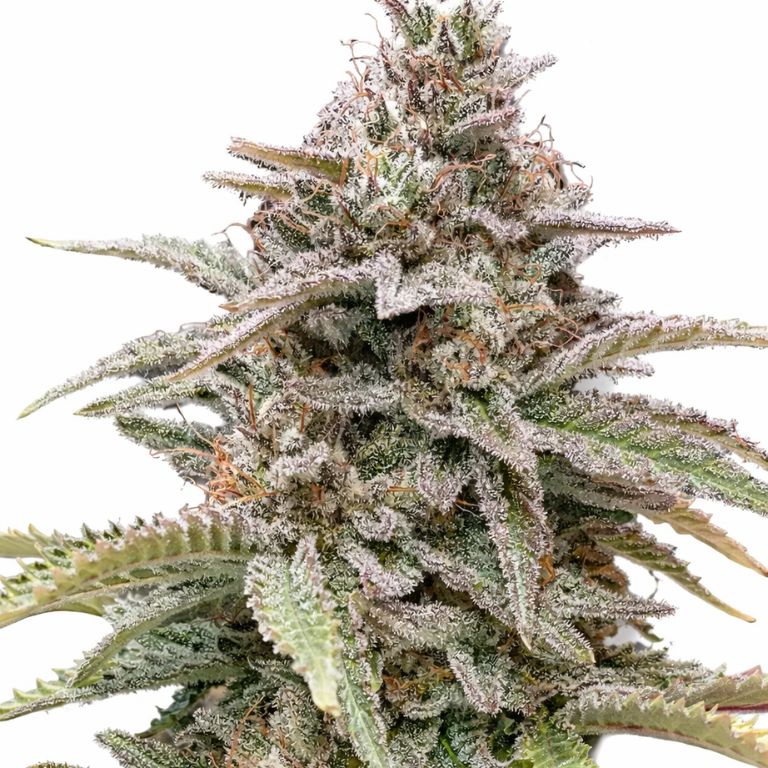
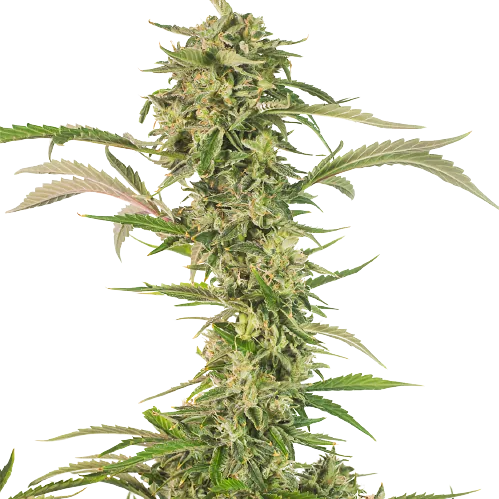
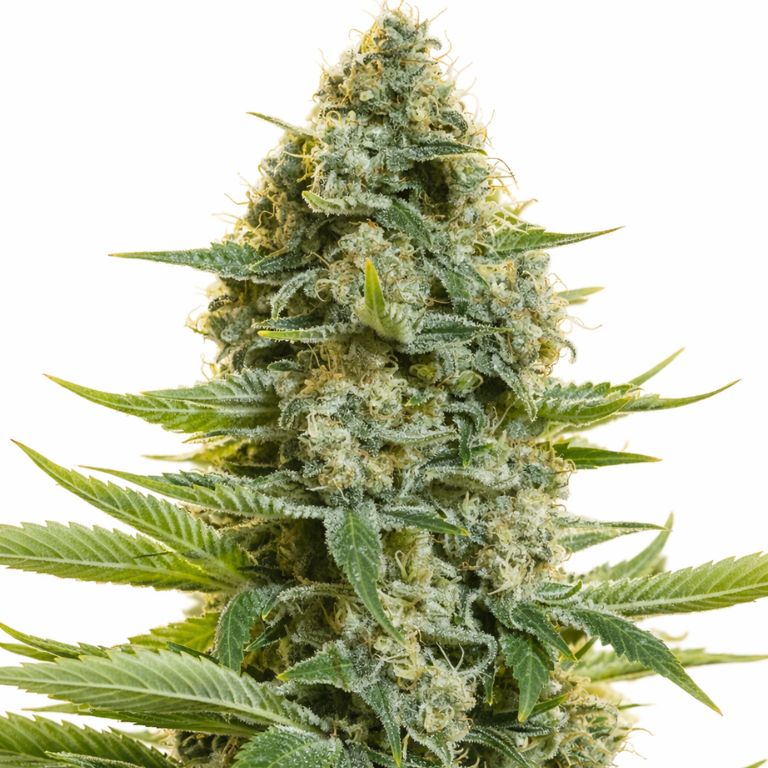
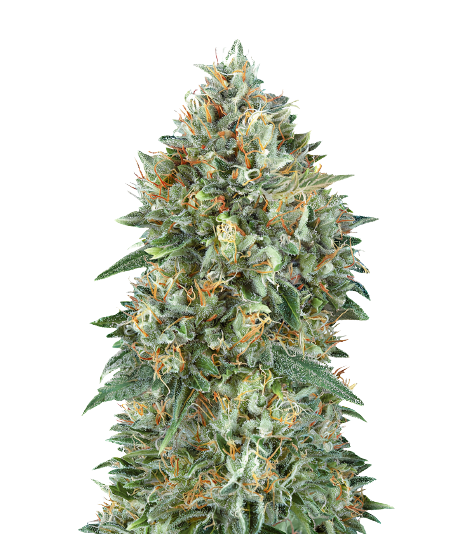
Medical cannabis (Cannabis sativa and Cannabis indica) is an annual flowering plant that has garnered attention for its profound medicinal applications. Unlike many other medicinal plants, cannabis has been actively cultivated, studied, and selectively bred to maximize its therapeutic potential. The plant’s unique profile of cannabinoids, terpenes, and flavonoids gives it a wide range of applications, from pain management to anti-inflammatory treatments, neuroprotection, and more.
The Unique Biochemistry of Cannabis
The primary active compounds in cannabis are cannabinoids, a group of over 100 compounds found exclusively in the plant. The two most studied cannabinoids are cannabidiol (CBD) and tetrahydrocannabinol (THC), although others such as cannabigerol (CBG), cannabichromene (CBC), and tetrahydrocannabivarin (THCV) are emerging as important therapeutic agents.
- Cannabidiol (CBD): Non-psychoactive, CBD has gained recognition for its anti-inflammatory, anti-anxiety, and anticonvulsant properties. It interacts with the body’s endocannabinoid system (ECS), a network of receptors (CB1 and CB2) and endogenous cannabinoids that regulate homeostasis, without producing the “high” associated with THC.
- Tetrahydrocannabinol (THC): While THC is responsible for cannabis’s psychoactive effects, it also has significant medical uses, particularly in reducing chronic pain, nausea, and muscle spasticity. Its interaction with CB1 receptors in the brain leads to its psychoactive and pain-relieving effects.
- Terpenes and Flavonoids: Terpenes, the aromatic compounds in cannabis, are thought to have therapeutic effects of their own and also influence the overall efficacy of cannabinoids through the “entourage effect.” For example, myrcene has sedative properties, while limonene has mood-elevating effects.
Cultivation and Growing for Medical Purposes
Cultivating medical cannabis is a precise science, as the therapeutic efficacy of the plant depends heavily on the growing environment and genetic makeup. Specialized cultivation techniques have been developed to ensure that the plants produce the desired cannabinoid and terpene profiles.
- Controlled Environments: Medical cannabis is often grown indoors or in greenhouses where temperature, humidity, light cycles, and nutrient levels are meticulously controlled. This ensures consistency and prevents contamination with pesticides, heavy metals, or mold, all of which are crucial for pharmaceutical-grade cannabis.
- Strain Selection and Breeding: Specific strains of cannabis are bred to enhance particular cannabinoids or terpene profiles. For example, high-CBD strains like Charlotte’s Web are used for epilepsy and neurodegenerative conditions, while strains high in THC may be employed for chronic pain.
- Tissue Culture and Micropropagation: Advanced techniques like tissue culture are used to clone genetically identical plants with consistent cannabinoid and terpene profiles. This ensures reliability and standardization in medical products.
- Harvesting and Processing: Timing the harvest is critical, as cannabinoid levels fluctuate as the plant matures. Post-harvest, the plant material is carefully dried, cured, and extracted to produce oils, tinctures, and other pharmaceutical formulations.
Medical Applications of Cannabis
The medical uses of cannabis are extensive and continue to expand as more research emerges. Some of the most significant applications include:
- Chronic Pain Management: Cannabis is increasingly used as an alternative to opioids for managing chronic pain. Cannabinoids modulate pain signals in the nervous system, offering relief without the risk of opioid addiction.
- Epilepsy and Seizure Disorders: It has been demonstrated that CBD dramatically lowers seizures in epilepsy types that are resistant to therapy, such as Dravet syndrome and Lennox-Gastaut syndrome. The FDA has approved Epidiolex, a CBD-based drug, for this use.
- Neuroprotection: Cannabis’s anti-inflammatory and antioxidant properties make it a promising candidate for treating neurodegenerative diseases such as Alzheimer’s, Parkinson’s, and multiple sclerosis.
- Cancer Support: Cannabis can alleviate chemotherapy-induced nausea, vomiting, and loss of appetite. Additionally, some cannabinoids are being studied for their potential to inhibit cancer cell growth.
- Mental Health Disorders: CBD shows promise in treating anxiety, depression, and post-traumatic stress disorder (PTSD). By modulating serotonin receptors, it exerts anxiolytic effects without the side effects of traditional pharmaceuticals.
- Autoimmune Diseases: Cannabis’s immunomodulatory properties make it beneficial for conditions like rheumatoid arthritis and inflammatory bowel disease (IBD).
Carnivorous Plants: An Unlikely Contributor to Medicine

Carnivorous plants are known for their ability to capture and digest animal prey, an adaptation to nutrient-poor environments. However, their medicinal properties, often overlooked, stem from the same biochemical ingenuity that allows them to thrive in harsh conditions. Carnivorous plants produce secondary metabolites—chemicals that deter herbivores, attract prey, and inhibit microbial growth—that have potential applications in human medicine.
The Biochemistry of Carnivorous Plants
The medicinal potential of carnivorous plants lies in the compounds they produce to survive their nutrient-poor habitats. These include digestive enzymes, antimicrobial peptides, and phenolic compounds with antioxidant and anti-inflammatory properties.
- Digestive Enzymes: Carnivorous plants produce enzymes like proteases, phosphatases, and chitinases to break down prey into absorbable nutrients. These enzymes have been studied for their potential to treat conditions such as cystic fibrosis, where mucus digestion is impaired.
- Phenolic Compounds: Plants like sundews (Drosera) produce phenolic acids with antioxidant and anti-inflammatory properties. These compounds are being researched for their potential in treating conditions like arthritis and cardiovascular disease.
- Antimicrobial Peptides: To prevent the prey they capture from rotting, carnivorous plants produce antimicrobial compounds. These peptides are being explored as alternatives to traditional antibiotics, especially against drug-resistant bacteria.
Cultivation and Harvesting
The cultivation of carnivorous plants for medicinal purposes is less developed than that of cannabis, but interest is growing. These plants require highly specific conditions, including acidic soils, high humidity, and adequate sunlight. Tissue culture techniques are also being employed to propagate carnivorous plants for research and pharmaceutical use.
Medical Applications of Carnivorous Plants
Although their use in mainstream medicine is still in its infancy, carnivorous plants have shown promise in several areas:
- Respiratory Disorders: Extracts from sundews (Drosera) have been traditionally used to treat respiratory conditions like asthma, bronchitis, and coughs. The plant’s phenolic compounds and flavonoids are thought to reduce inflammation and relax bronchial muscles.
- Wound Healing: The antimicrobial properties of carnivorous plant extracts can aid in wound healing by preventing infections and promoting tissue regeneration.
- Antimicrobial Therapies: With the rise of antibiotic-resistant bacteria, the antimicrobial peptides and secondary metabolites of carnivorous plants are being studied as potential new antibiotics.
- Cancer Research: Some compounds found in carnivorous plants exhibit cytotoxic effects on cancer cells, making them candidates for chemotherapy drugs.
- Anti-Inflammatory Agents: The anti-inflammatory properties of carnivorous plant extracts may have applications in treating chronic inflammatory diseases.
Contrasts in Medical Use and Cultivation
The divergence in the medical applications and cultivation strategies of cannabis and carnivorous plants highlights the diversity of plant strategies in medical science. Cannabis has become a highly commercialized and regulated crop, with robust infrastructure supporting its cultivation, extraction, and formulation. In contrast, carnivorous plants remain a niche area of research, with their medicinal potential still largely untapped.
- Scale of Cultivation: Cannabis is cultivated on an industrial scale, with entire industries dedicated to its growth, processing, and distribution. Carnivorous plants, by comparison, are primarily grown for research or conservation purposes.
- Regulation and Acceptance: Cannabis has achieved mainstream acceptance in many parts of the world as a legitimate medical treatment, supported by extensive clinical research. Carnivorous plants, however, remain on the periphery of medical science, with limited clinical trials and applications.
- Biodiversity and Sustainability: The cultivation of cannabis focuses on a few highly bred strains, while the potential of carnivorous plants spans hundreds of species with unique biochemistries. However, overharvesting of wild carnivorous plants for traditional medicine or horticulture poses a threat to their biodiversity.
The Future of Unusual Plant Strategies in Medicine
As the medical potential of plants continues to be explored, both cannabis and carnivorous plants represent promising frontiers. Cannabis, with its well-established cultivation systems and growing body of research, is likely to see continued growth in its medical applications. Carnivorous plants, while less developed in their use, hold the potential to address challenges such as antibiotic resistance and chronic inflammation through their unique biochemical strategies.
Integrating these plants into modern medicine requires a multidisciplinary approach, combining botany, pharmacology, and biotechnology. Advances in genetic engineering, synthetic biology, and cultivation techniques will play critical roles in unlocking the full potential of these remarkable plants. As science continues to probe the depths of the plant kingdom, it becomes increasingly clear that the most unusual strategies in nature often hold the keys to solving humanity’s most pressing medical challenges.
Restrictions on Growing and Using Cannabis in the Medical Field: Emphasizing Last-Resort Treatment and Monitoring THC Levels

The use of cannabis in the medical field has emerged as a promising avenue for treating various chronic and debilitating conditions. However, due to its psychoactive properties, particularly those linked to tetrahydrocannabinol (THC), and its history of recreational misuse, strict regulations govern its cultivation, processing, and application in medical treatment. These restrictions aim to balance the plant’s therapeutic benefits with the need to minimize potential risks to patients and society. This discussion focuses on the restrictive framework surrounding medical cannabis, emphasizing its use as a last-resort treatment, the cultivation of pharmaceutical-grade cannabis, and stringent monitoring of THC levels to avoid psychoactive effects.
Growing Cannabis for Medical Use: Strict Guidelines
The cultivation of cannabis for medical purposes is a tightly regulated process. Governments and regulatory agencies worldwide impose stringent guidelines to ensure the quality, safety, and efficacy of cannabis-derived medications. These regulations address several key aspects:
- Licensing and Permits: Only licensed growers with government-issued permits can cultivate cannabis for medical purposes. These licenses are typically granted to companies or institutions that meet strict criteria, such as having secure facilities, traceable supply chains, and compliance with agricultural regulations.
- Controlled Environments: Medical cannabis must be grown in controlled environments such as indoor facilities or greenhouses to ensure the plants meet pharmaceutical-grade standards. This includes regulating temperature, humidity, light exposure, and nutrient levels to produce consistent cannabinoid and terpene profiles.
- Pesticide and Contaminant-Free Cultivation: The use of pesticides, heavy metals, and other contaminants is strictly prohibited to ensure patient safety. Rigorous testing protocols are enforced to ensure that medical cannabis is free of harmful substances.
- Record-Keeping and Traceability: Every step of the cultivation and processing process is documented to ensure traceability. This guarantees that the final product meets regulatory standards and can be recalled if any issues arise.
- Strain Selection for Medical Applications: Licensed growers focus on cultivating specific cannabis strains bred for medical purposes. These strains are often rich in cannabidiol (CBD) for its therapeutic effects and low in THC to minimize psychoactive properties.
Restricting Cannabis Use as a Last-Resort Treatment
In the medical field, cannabis is often reserved as a last-resort option for patients who have not responded to conventional therapies. This restriction stems from a need to prioritize evidence-based treatments with well-established safety and efficacy profiles, while also ensuring that cannabis is not overprescribed or misused.
- Eligibility Criteria for Patients: Many countries and healthcare systems only allow cannabis prescriptions for specific medical conditions, such as treatment-resistant epilepsy, chronic pain, multiple sclerosis, or chemotherapy-induced nausea. Patients must demonstrate that other treatments have been ineffective or caused intolerable side effects before being eligible for cannabis-based therapies.
- Medical Supervision: Cannabis use in the medical field is strictly supervised by licensed healthcare professionals. Physicians must carefully assess the risks and benefits for each patient, and prescriptions are typically issued in controlled doses tailored to the individual’s needs.
- Monitoring for Dependency Risks: Even when used for medical purposes, cannabis can pose risks of dependency or misuse. Healthcare providers closely monitor patients to ensure that cannabis is used strictly for its intended medical purpose and that there is no escalation in use.
- Legal Protections: Many jurisdictions require additional documentation, such as medical cannabis cards or special authorizations, to ensure that only eligible patients have access to cannabis-based treatments.
Monitoring THC Levels to Prevent Psychoactive Effects
One of the most essential limits in medicinal cannabis use is the rigorous control of THC levels in drugs to prevent psychoactive effects. THC is the primary compound responsible for the “high” associated with cannabis, and its presence in medical treatments must be tightly controlled.
- Low-THC Formulations: Many medical cannabis products are designed to have minimal THC content, often below 0.3% to 1%. Instead, these products prioritize non-psychoactive cannabinoids such as CBD, which offer therapeutic benefits without altering the patient’s mental state.
- Precise Dosage Control: Medications derived from cannabis, such as oils, tinctures, or capsules, undergo rigorous testing to ensure that THC levels remain within safe, therapeutic ranges. This precise dosage control minimizes the risk of unintended psychoactive effects.
- Regular Testing and Quality Assurance: Licensed producers are required to test their products regularly to verify cannabinoid content. Independent laboratories often conduct these tests to ensure transparency and compliance with regulatory standards.
- Avoiding Cumulative THC Exposure: For conditions that require repeated or long-term use of cannabis-based medications, healthcare providers monitor cumulative THC exposure to prevent any buildup of psychoactive effects over time.
- Balancing the Entourage Effect: While low-THC formulations are preferred, some medical products incorporate small amounts of THC to enhance the “entourage effect,” where cannabinoids work synergistically to improve therapeutic outcomes. Even in these cases, the THC content is kept at levels that do not impair the patient’s cognitive or psychological function.
Ethical Considerations and Patient Safety
The use of cannabis in the medical field is underpinned by ethical considerations that prioritize patient safety and well-being. By imposing restrictions on cultivation, prescribing, and THC content, regulators and healthcare providers aim to mitigate risks such as dependency, misuse, or adverse psychoactive effects. At the same time, these measures ensure that patients who genuinely need cannabis-based therapies can access them in a controlled and responsible manner.
Restricting cannabis use to a last-resort treatment aligns with the principle of medical conservatism, ensuring that cannabis is only employed when other treatments have failed or are unsuitable. Similarly, monitoring THC levels in medications reflects a commitment to providing effective relief while minimizing harm. As research into medical cannabis continues, these restrictions may evolve, but the overarching goal will remain the same: to harness the plant’s therapeutic potential safely and responsibly.
Conclusion
In conclusion, the use of plants like medical cannabis and carnivorous species in the medical field highlights the diverse and innovative strategies plants employ to benefit human health. With its diverse range of terpenes and cannabinoids, medical cannabis has transformed the way that ailments including neurodegenerative disorders, epilepsy, and chronic pain are treated. However, its cultivation and use are tightly regulated to ensure patient safety, with restrictions emphasizing its role as a last-resort treatment and careful monitoring of THC levels to avoid psychoactive effects. The highly controlled cultivation of pharmaceutical-grade cannabis and precise formulations underscore the importance of standardization and patient-centric care.
In contrast, carnivorous plants, though less mainstream in medicine, offer untapped potential through their unique biochemistries. Their digestive enzymes, antimicrobial peptides, and phenolic compounds present opportunities for addressing challenges such as antibiotic resistance, chronic inflammation, and wound healing. While research into carnivorous plants is still developing, their survival strategies in nutrient-poor environments provide inspiration for novel medical solutions.
Ultimately, both cannabis and carnivorous plants demonstrate the remarkable ways in which nature can contribute to medicine. Through careful regulation, ongoing research, and ethical considerations, these plants’ therapeutic properties can be harnessed safely and effectively, paving the way for a future where botanical innovations continue to enhance human health.