Get 15% OFF with code GROWNOW15
My Account Order Lookup Cannabis Guides Beginner Seeds Intermediate Seeds Master Seeds

Medical Cannabis Growth on Urban Rooftops vs. Rural Farms.

Medical Cannabis Growth on Urban Rooftops vs Rural Farms

Medical Cannabis Growth on Urban Rooftops vs. Rural Farms: An In-Depth Analysis of Cultivation for Medical Use

The cultivation of medical cannabis has become a rapidly expanding sector within the healthcare and agricultural industries, driven by growing global recognition of its therapeutic potential for managing conditions such as chronic pain, epilepsy, multiple sclerosis, and certain psychiatric disorders. As this industry evolves, stakeholders are exploring diverse cultivation methods to optimize the production of high-quality medical cannabis. Two prominent approaches have emerged as contenders in this landscape: urban rooftop cultivation and rural farming. Each method offers unique advantages and challenges, particularly when considered through the lens of medical cannabis production.

This analysis delves into the complexities of cultivating medical cannabis on urban rooftops versus rural farms, focusing exclusively on its medical applications. It evaluates factors such as cultivation environment, resource efficiency, regulatory compliance, and scalability, and discusses the potential implications of each method for ensuring consistent supply chains of pharmaceutical-grade cannabis products.

The Cultivation Environment: Urban Rooftops vs. Rural Farms
Controlled Urban Rooftop Environments

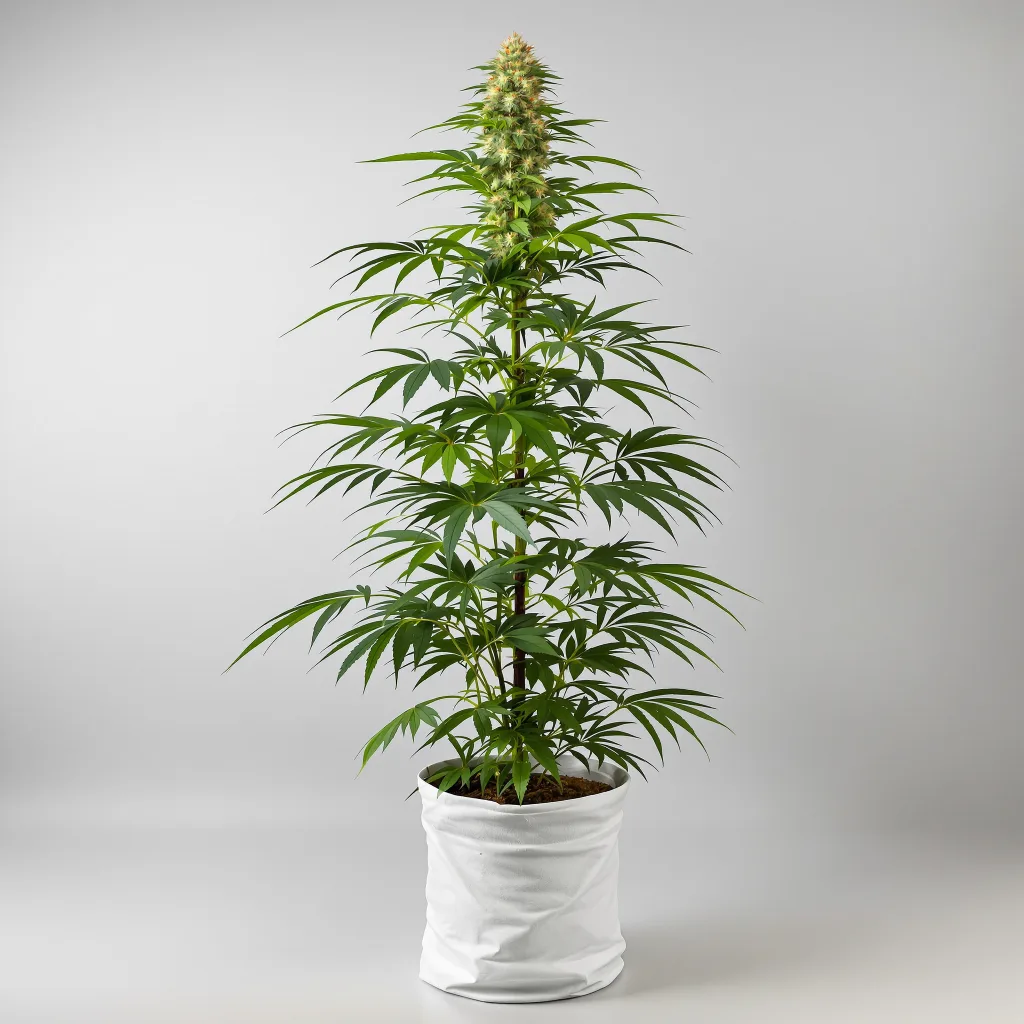
Urban rooftop cultivation of medical cannabis typically relies on advanced agricultural technologies such as hydroponics, aeroponics, and climate-controlled greenhouses. These methods enable growers to manipulate key variables like temperature, humidity, light intensity, and nutrient delivery to optimize plant growth. Because urban environments are characterized by limited space, vertical farming techniques are often employed to maximize yield per square meter.

The advantage of this highly controlled environment is the ability to produce cannabis plants with consistent chemical profiles—a critical factor for medical use. Cannabinoid content, including therapeutic compounds like cannabidiol (CBD) and tetrahydrocannabinol (THC), must remain consistent to meet pharmaceutical standards and provide predictable outcomes for patients. Urban rooftop farms, equipped with cutting-edge monitoring systems and automation, make this precision possible.

Another important factor is urban microclimates, which can present challenges for rooftop cultivation. Rooftop farms must address urban heat islands, where city temperatures can exceed those of surrounding rural areas, potentially stressing cannabis plants. Advanced greenhouse technologies and insulation materials help mitigate these effects, but they can increase initial setup costs.

Rural Farming’s Natural Advantages
Rural Farmings Natural Advantages 1

In contrast, rural farms offer a more traditional approach to medical cannabis cultivation. Outdoor or greenhouse-based systems in rural settings benefit from expansive land availability, natural sunlight, and access to nutrient-rich soils. While rural farms are often associated with more cost-effective operations due to economies of scale, the reliance on natural conditions can result in variability in cannabinoid profiles, which may pose challenges for meeting pharmaceutical-grade consistency.

However, rural farms also allow for the production of large-scale crops, making them an attractive option for industries requiring bulk cannabis biomass for medical extracts. With access to wide-open spaces, rural cultivators can experiment with sustainable practices such as organic farming, rainwater harvesting, and crop rotation, which are challenging in urban environments.

Despite these advantages, rural farms face challenges such as pest control, extreme weather events, and the environmental impact of large-scale agricultural practices. These variables necessitate robust risk management and sustainable farming techniques to ensure the integrity of medical cannabis crops.

Resource Efficiency and Sustainability
Urban Rooftop Resource Optimization

Urban rooftop cultivation is inherently resource-efficient when paired with innovative techniques like hydroponics and closed-loop water systems. Hydroponic systems, for example, use up to 90% less water compared to traditional soil-based farming. This is particularly valuable in water-scarce urban areas. Additionally, the integration of renewable energy systems, such as solar panels, into rooftop farms can reduce reliance on fossil fuels, aligning with sustainability goals.

Another critical advantage of urban rooftop cultivation is the reduction in transportation emissions. Producing cannabis within city limits allows for direct distribution to local medical facilities, reducing the carbon footprint associated with long-distance logistics. Furthermore, urban farms can repurpose underutilized spaces, converting barren rooftops into productive agricultural hubs.

However, energy consumption for maintaining climate-controlled environments in urban settings can be significant, particularly during peak seasons. To address this, growers often implement energy-efficient LED lighting and insulated structures to reduce energy costs while ensuring optimal growing conditions.

Rural Farms and the Sustainability Paradigm

Rural farms, while often perceived as less technologically advanced, can also adopt sustainable practices. The use of natural sunlight and well-managed irrigation systems significantly reduces energy and water consumption compared to indoor urban systems. Additionally, rural farms often have the space to implement biodynamic agricultural methods, including companion planting and composting, which improve soil health and reduce dependency on chemical fertilizers.

However, rural cannabis farms must contend with issues such as deforestation and land-use changes, which can lead to biodiversity loss and soil erosion if not managed responsibly. Implementing regenerative agricultural practices, such as cover cropping and no-till farming, can mitigate these impacts and enhance the long-term sustainability of rural operations.

Regulatory Compliance and Quality Assurance
The Urban Rooftop Advantage in Meeting Standards

Medical cannabis production is subject to stringent regulations aimed at ensuring the safety, efficacy, and consistency of pharmaceutical-grade products. Urban rooftop farms, with their controlled environments, are well-positioned to meet these requirements. Climate-controlled systems allow growers to avoid contamination from pests, pathogens, and environmental pollutants—issues that are more challenging to manage in open-field rural farms.

Moreover, urban cultivation facilities can be designed to comply with Good Agricultural and Collection Practices (GACP) and Good Manufacturing Practices (GMP), which are essential for medical cannabis intended for pharmaceutical use. The proximity of rooftop farms to testing laboratories and regulatory agencies in urban areas also facilitates timely compliance inspections and quality assurance processes.

Regulatory Challenges in Rural Settings

Rural farms face unique challenges in adhering to pharmaceutical-grade standards due to their exposure to environmental variables. Outdoor crops are more susceptible to contamination from pesticides, heavy metals in the soil, and airborne pollutants. As a result, rural growers often need to invest in rigorous testing and post-harvest processing to ensure their products meet medical standards.

However, rural farms also benefit from established agricultural expertise and existing infrastructure, which can streamline compliance efforts. For instance, rural areas with a history of agricultural production may already have access to trained agronomists, testing labs, and supply chain networks, reducing the learning curve for cannabis cultivators.

Scalability and Economic Viability
Urban Scalability Through Technological Innovation

Urban rooftop cultivation is inherently limited by space constraints, but advancements in vertical farming and modular greenhouse designs have made scalability possible. By stacking growing levels and employing automation systems, urban farms can achieve higher yields per square meter, making them economically competitive with rural farms.

Furthermore, urban cultivation aligns with the rising demand for localized production. Medical cannabis producers in urban areas can directly supply nearby hospitals, research institutions, and pharmacies, creating a localized supply chain that minimizes distribution costs. However, the high upfront costs of establishing rooftop farms, including real estate expenses and advanced infrastructure, can be a barrier for small-scale operators.

Rural Farms and Large-Scale Production

Rural farms excel in scalability due to their access to expansive land resources. For medical cannabis companies aiming to produce large quantities of biomass for extraction purposes, rural cultivation is often the most viable option. Large-scale rural farms can achieve lower production costs per gram of cannabis, particularly when leveraging natural sunlight and rain-fed irrigation systems.

However, rural scalability also depends on access to labor, transportation infrastructure, and market demand. In remote areas, logistical challenges can arise, including difficulties in transporting raw materials and finished products to processing facilities or urban markets. Despite these obstacles, rural farms often serve as the backbone of the medical cannabis supply chain, providing the bulk material needed for manufacturing pharmaceutical-grade extracts, tinctures, and oils.

Economic and Social Impacts
Urban Rooftop Farms as Community Assets

Urban rooftop farms contribute to economic revitalization by transforming underutilized spaces into productive agricultural sites. They generate employment opportunities for urban residents, including skilled positions in horticulture, agronomy, and biotechnology. Additionally, rooftop farms can serve as educational and research centers, fostering innovation in medical cannabis cultivation techniques.

Moreover, urban farms can enhance food security and community health by co-cultivating edible crops alongside cannabis. This diversification not only offsets operational costs but also provides local communities with access to fresh produce, creating a dual benefit. However, the social acceptance of cannabis cultivation in urban areas can vary, necessitating public education campaigns to address stigma and misconceptions.

Rural Farms and Rural Development

In rural areas, medical cannabis cultivation can drive economic development by creating jobs and supporting ancillary industries such as transportation, manufacturing, and retail. For economically disadvantaged regions, cannabis farming offers a lucrative alternative to traditional crops, potentially lifting entire communities out of poverty.

However, the introduction of large-scale cannabis farms in rural areas must be managed carefully to prevent social and environmental conflicts. Issues such as water rights, land use, and community opposition can arise, particularly if local residents feel excluded from the economic benefits of cannabis farming. Collaborative approaches that involve local stakeholders in decision-making processes can help mitigate these challenges.

Implications for Medical Cannabis Supply Chains

The choice between urban rooftop cultivation and rural farming has significant implications for the medical cannabis supply chain. Urban farms excel in producing small-batch, high-quality cannabis with consistent cannabinoid profiles, making them ideal for specialized medical applications. These facilities can supply research institutions and pharmaceutical companies with precise raw materials for developing novel cannabis-based therapies.

Conversely, rural farms are indispensable for meeting the growing global demand for medical cannabis. Their ability to produce large volumes of biomass supports the production of oils, tinctures, and other medical products at scale. By leveraging a combination of urban and rural cultivation methods, the medical cannabis industry can achieve a balanced supply chain that meets diverse market needs while ensuring quality and sustainability.

Restrictions on Growing and Using Cannabis in the Medical Field: A Focus on Responsible Use and THC Monitoring
Restrictions on Medical Cannabis

The use of cannabis in the medical field has been a subject of global interest due to its potential to alleviate symptoms for a variety of conditions, including chronic pain, epilepsy, multiple sclerosis, and certain psychiatric disorders. However, its psychoactive properties, primarily due to the tetrahydrocannabinol (THC) component, have raised concerns regarding misuse, patient safety, and unintended side effects. To address these concerns, strict regulations govern the cultivation, production, and use of medical cannabis. These restrictions often emphasize its use as a last resort, along with rigorous monitoring of THC levels to minimize the psychoactive effects on patients.

Restrictions on Medical Cannabis Cultivation
Licensing and Permits for Cultivation

Governments worldwide require strict licensing and permitting processes for the cultivation of medical cannabis. Growers must meet stringent criteria to demonstrate that their operations adhere to Good Agricultural and Collection Practices (GACP) and are compliant with national and international laws. This includes submitting detailed plans for security, quality control, and environmental sustainability.

In addition, cultivation is often limited to specific, government-authorized facilities where environmental factors such as temperature, humidity, and light are controlled to ensure the production of high-quality medical-grade cannabis. These facilities are routinely inspected to verify that crops are free from contaminants such as heavy metals, pesticides, and pathogens.

Monitoring Cannabinoid Levels in Crops

One of the primary restrictions placed on medical cannabis cultivation is the mandated monitoring of cannabinoid levels, particularly THC. Growers must ensure that plants meet the required chemical composition standards for medical use. This is typically achieved through frequent testing of plant material at various stages of growth. High-precision analytical tools such as high-performance liquid chromatography (HPLC) are used to quantify THC and cannabidiol (CBD) levels, ensuring that the end product adheres to regulatory limits.

In many countries, regulations specify a maximum allowable THC concentration for cannabis intended for medical purposes. This threshold is set to minimize psychoactive effects while preserving the therapeutic benefits of other cannabinoids like CBD. Non-compliance with these restrictions can result in severe penalties, including revocation of cultivation licenses and criminal charges.

Restrictions on the Medical Use of Cannabis
Cannabis as a Last Resort in Treatment

Medical cannabis is often restricted to use as a last resort when all conventional therapies have failed. This cautious approach ensures that cannabis is not over-prescribed and that patients explore evidence-based alternatives before resorting to cannabinoid-based treatments. Physicians are typically required to document a comprehensive treatment history for patients, demonstrating that other interventions were either ineffective or unsuitable.

In many jurisdictions, medical cannabis can only be prescribed by licensed specialists, such as pain management doctors, neurologists, or oncologists. Each patient’s risks and benefits must be evaluated by these experts, who must also consider the patient’s age, medical history, and possible drug interactions. By positioning cannabis as a last-line treatment, regulators aim to balance its therapeutic potential with concerns about misuse and dependence.

Strict Monitoring of THC Levels in Medications

To further minimize risks, medical cannabis products are often required to have carefully controlled THC levels. Low-THC or CBD-dominant formulations are generally preferred for medical use, as they provide therapeutic benefits without causing significant psychoactive effects. For instance, products with a THC concentration of less than 0.2% or 0.3% (depending on the country) are widely accepted as safe for medical use.

Manufacturers are required to conduct batch testing of all medical cannabis products to ensure consistency in THC and CBD content. This testing is critical for producing pharmaceutical-grade formulations with predictable therapeutic effects. In addition, many countries mandate the inclusion of detailed labeling on cannabis products, specifying cannabinoid concentrations and providing warnings about potential side effects.

Patient Monitoring and Outcome Evaluation
Controlled Access and Use

Medical cannabis use is often closely monitored through prescription registries or tracking systems to prevent misuse and diversion to unauthorized channels. Patients receiving medical cannabis are typically enrolled in programs where their progress and treatment outcomes are regularly evaluated. This allows physicians to adjust dosages or discontinue treatment if side effects or lack of efficacy are observed.

For conditions requiring prolonged use, patients may be required to undergo periodic assessments to evaluate the necessity of continuing cannabis therapy. These evaluations often include monitoring for signs of dependency, cognitive impairment, or other adverse effects associated with THC.

Conclusion

The cultivation and use of medical cannabis, whether on urban rooftops or rural farms, are governed by stringent regulations to ensure safety, quality, and therapeutic efficacy. Urban rooftop cultivation excels in controlled environments, enabling precise cannabinoid profiling and consistent production for pharmaceutical-grade cannabis. This method suits localized and high-quality demands but is limited by space and initial setup costs. Rural farms, on the other hand, offer scalability and cost efficiency, essential for bulk production of biomass for medical formulations. However, they face challenges such as environmental variability and stricter requirements for contamination control.

Restrictions on the use of medical cannabis emphasize its application as a last-resort therapy, ensuring it is only prescribed when other treatments fail. Strict monitoring of THC levels in medical formulations minimizes psychoactive effects, prioritizing safety while preserving the therapeutic properties of CBD and other non-intoxicating cannabinoids. These measures ensure consistency, quality, and patient safety, while minimizing risks of misuse.

Sustainability, resource efficiency, and compliance with Good Agricultural and Collection Practices (GACP) and Good Manufacturing Practices (GMP) are vital for both cultivation models. By integrating the strengths of urban and rural farming, coupled with strict restrictions, the medical cannabis industry can achieve a sustainable balance, meeting therapeutic needs while upholding public health and regulatory standards.

Share

Leave a comment

Your email address will not be published. Required fields are marked *