High-Altitude Home Grows: 7 Seeds Above 5,000 ft
Royal King Seeds Editorial Team

Growing above 5,000 feet changes three things at once: the season is shorter because fall frost comes earlier, the day-to-night temperature swing is much larger, and the air is thinner and drier. None of those is a small adjustment. Together they decide which cultivars can finish, how often you water, and how the plant behaves in its last month.
Below are seven cultivars we currently stock that suit those conditions, chosen for published flowering time first and structure second, followed by what actually changes at altitude and what changes if you move the same grow back down to sea level.
Jump to Section
Legality varies sharply across the mountain states. Some permit adult home cultivation within a plant limit, some restrict it to registered patients, and some prohibit it. Check your current state and city rules before planting. Our state cannabis law pages are an orientation point, not legal advice.
Seven Cultivars for Above 5,000 ft
The selection criteria are simple and in this order: it has to finish inside a compressed season, it has to handle cold nights without stalling, and a compact habit helps because wind is a bigger factor up here than most people expect. Every flowering time, height and yield below is the figure published by the breeder or seed bank named on the product page, not a measurement of our stock, and your own conditions will move it.
| Cultivar | Published flowering | Published height | Why it fits altitude |
| Hindu Kush Feminized | 45–50 days | Short | The shortest published flowering time in the catalog, from a landrace background in a mountain region with a comparably short season |
| Master Kush Feminized | 50–55 days | Short | Nearly as fast, published as easy to grow and high yielding for its size, and short enough to shelter from wind |
| Afghani Feminized | 7–8 weeks | up to 100 cm | Compact and forgiving, from the same mountain-region background, easy to keep out of the wind |
| Northern Lights Feminized | 55–60 days | 100–160 cm | Fast, heavy yielding and unusually tolerant of imperfect conditions; the safe pick if you only run one plant |
| Early Skunk Feminized | 55–65 days | over 2 m | Bred specifically to finish ahead of northern first frost. Published as tall, so it needs staking and a sheltered site |
| Northern Lights Auto | 70–85 days seed to harvest | 80–120 cm | Flowers on age, so a late spring or an early fall does not derail the plan. The most reliable option for a marginal season |
| Blueberry Auto | 8–10 weeks seed to harvest | 50–75 cm | Small enough to grow in a container you can carry indoors when a September storm arrives |
Photoperiod rows give flowering time from the flip; autoflower rows give seed to harvest, which includes the three to four weeks before flowering begins. Each product page names its source.
If you take one thing from that table: the two autoflowers are the low-risk choices. A mountain season that arrives late or ends early is exactly the situation a plant that ignores daylength is built for. The photoperiods will give you more per plant if the season cooperates.
Season Length Is the Binding Constraint
Most high-elevation locations in the US, mountain Colorado, Montana, northern Idaho, the Sierras above 6,000 feet, have an outdoor window running from roughly late May to mid-September. Call it sixteen weeks. Take four off for getting a seedling established and you have around twelve weeks for everything else.
That rules out anything published past about eight or nine weeks of flowering unless you start indoors and transplant after the last frost, or you have a greenhouse or hoop house to extend the shoulder. It also means treating the published flowering time as a floor rather than a target, because cool weather stretches ripening rather than compressing it.
Autoflowers avoid the problem rather than solving it: they finish nine to twelve weeks from seed whenever you start them, so they fit a window that a photoperiod would only just squeeze into. Fast-flowering photoperiods are the middle option, finishing ahead of standard lines while still giving you the plant size that a full season allows. Our outdoor planting and harvest timing guide has the arithmetic for working backwards from your own frost date.
Cold Nights, and What They Actually Do
Large day-to-night swings are characteristic of high-elevation and high-desert locations, often in the range of 25 to 35°F between the afternoon high and the pre-dawn low. Thin, dry air holds very little heat once the sun goes down.
Cannabis handles cool nights down to around 50°F without much complaint, and a moderate differential is often described as beneficial: cooler nights slow transpiration, and cool nights are the trigger for anthocyanin color expression in cultivars that carry the genetics for it, which is why mountain-grown plants from a purple genetics background often color up more strongly than the same seed in a warm lowland garden.
Below about 45°F, growth slows noticeably: root uptake drops off and flowering stretches out past the published timeline. At and below freezing, ice forms inside the tissue and ruptures cell walls, which destroys flower structure outright and cannot be undone. That is the number that matters for planning, and it is why the harvest deadline at altitude is set by the forecast rather than by the calendar.
UV at Altitude: What Is Established and What Is Not
Ultraviolet intensity does increase with elevation, because there is less atmosphere above you to absorb it. The commonly quoted figure is on the order of 10% more UV per 1,000 meters of elevation gain, with the exact amount depending on latitude, season, time of day and how much cloud and haze is around.
The claim that this drives higher trichome and cannabinoid production is much less settled than the way it is usually stated. The reasoning is plausible: trichomes do have a protective function, and plants generally respond to UV stress by producing protective compounds.
But controlled work testing supplemental UV on cannabis has produced mixed results, with some trials reporting increases in some compounds and others finding little or no effect, and there is no consensus that a grower can expect a reliable potency gain from more UV exposure. Treat it as an interesting possibility rather than a reason to build a grow around, and be skeptical of any equipment sold on that promise.
What is not in doubt is the other direction. Intense UV can stress plants that are not adapted to it, and the symptoms get misread as nutrient problems: bleaching on the uppermost leaves, curling, and purpling on the most exposed surfaces only. The tell is the distribution. UV stress affects the tissue getting the most direct light and nothing else, while a nutrient problem progresses through the canopy in a pattern set by how mobile the element is. Our nutrient deficiency guide covers those patterns.
Also worth saying plainly: high-intensity UV is a hazard to you as well as to the plant. Eye and skin protection outdoors at elevation is not optional, and it applies to a long afternoon in the garden as much as to anything else.
Watering, Feeding and Wind
Watering. Containers and soil dry faster at elevation, and the reason is low humidity and lower air pressure driving faster evaporation, not anything to do with boiling points. Expect to water more often than a guide written for a lowland garden suggests, mulch the surface of containers, and judge by lifting the pot rather than by a schedule. Our container growing guide covers judging the dry-back.
Feeding. A plant photosynthesizing hard through long, bright mountain days will use more than one in a dimmer garden, so demand can run ahead of a generic feeding chart. Read the plant rather than the schedule, and increase in response to what you see rather than in anticipation.
Wind. This is the underrated one. Mountain sites are windier than lowland ones, and wind dries foliage, stresses stems and physically damages flowering tops late in the season. A windbreak, a sheltered aspect, or simply choosing a shorter cultivar makes a bigger difference to the outcome than most of the fine-tuning growers spend their time on.
How Low-Altitude Grows Differ
If you are comparing the same cultivar at elevation and near sea level, four things change, and only one of them is UV.
The season gets longer. This is the biggest difference by far. A lowland garden may have four to six more frost-free weeks than a mountain site at the same latitude, which puts nine and ten week flowering cultivars back on the table and removes most of the pressure that makes altitude growing a timing exercise. Longer-flowering sativa-leaning lines that simply cannot finish above 5,000 feet are perfectly practical lower down.
Nights get warmer and the swing narrows. Lowland nights hold more heat, so growth does not slow the way it does at altitude, but you also lose the large differential that brings out color in cultivars carrying anthocyanin genetics. The same seed will often finish greener at sea level than it does in the mountains.
Humidity goes up, and so does disease pressure. This is the trade that matters most. Dry mountain air suppresses bud rot and powdery mildew; humid lowland air, particularly in the eastern and southeastern US and the Pacific Northwest, does the opposite. A low-altitude grower usually needs to think harder about airflow, plant spacing and bud structure than a mountain grower does, and open, airy flower becomes worth more than dense flower.
Watering and feeding ease off. Slower evaporation means less frequent watering and less risk of a container drying out between visits.
Which is better depends entirely on what you are up against. Altitude gives you dry air and cool nights at the cost of a short season and wind. Low elevation gives you a long season and gentler conditions at the cost of humidity and the disease pressure that comes with it. The cultivar choice follows from that rather than from the elevation itself: fast and compact up high, rot-resistant and open-structured down low.
Rot Is Rarer Up Here, Not Absent
Low humidity is a real advantage at elevation, and indoor grows in mountain regions benefit from it too, along with cool ambient temperatures that make heat management easier. It is not a guarantee. A late-summer monsoon pattern, an early wet snow, or simply a dense cola that holds moisture after a storm can all produce bud rot above 5,000 feet, and a container plant sitting against a wall with no air movement is vulnerable wherever it is.
If you open a bud and find gray or brown collapsed tissue, that flower is finished. Do not smoke, vape or extract it, and do not assume the clean-looking part of the same cola is fine, because the growth runs further through the tissue than what you can see. Drying it out, curing it or trimming it does not decontaminate it. Along with Botrytis, cannabis can be colonized by Aspergillus species, which can cause serious lung infection in people who are immunocompromised or who have existing lung disease; the CDC's overview of aspergillosis sets out the risk groups. Bag the affected material where it stands, seal it, put it out with the outdoor trash, and get the rest of the plant into a dry, ventilated space.
Mistakes That Are Specific to Altitude
Planting on the first warm week. Mountain spring runs later than valley spring and is far less linear. A warm April week followed by a hard May frost kills transplants that went out early. Wait until overnight lows are consistently above about 45°F, and keep frost cloth to hand well past the date you think you need it.
Choosing a long-flowering cultivar. An eleven-week plant started outdoors in June is still flowering in mid-October, which is past first frost in most mountain locations. Without a greenhouse, stay inside eight to nine weeks of published flowering time, or use an autoflower.
Shading out of habit. Growers arriving from a hot lowland climate often shade plants reflexively. Unless heat is the actual problem, which at elevation it usually is not, that costs you light without buying anything. Shade the container to keep the root zone cool instead of shading the canopy.
Ignoring wind. The most common unforced error. Site selection and a windbreak do more for a mountain grow than almost any input you can buy.
Frequently Asked Questions
Which seeds are best above 5,000 feet?
Does altitude really increase trichome production?
Do plants grow faster or slower at altitude?
Will my plants turn purple at altitude?
How is growing at low altitude different?
Can I grow indoors at altitude year-round?
When should I plant outdoors in the mountains?
Shop Strains Featured in This Guide
Hand-picked seeds from our catalog that match this article's topic. Free shipping on eligible orders of $150 or more.
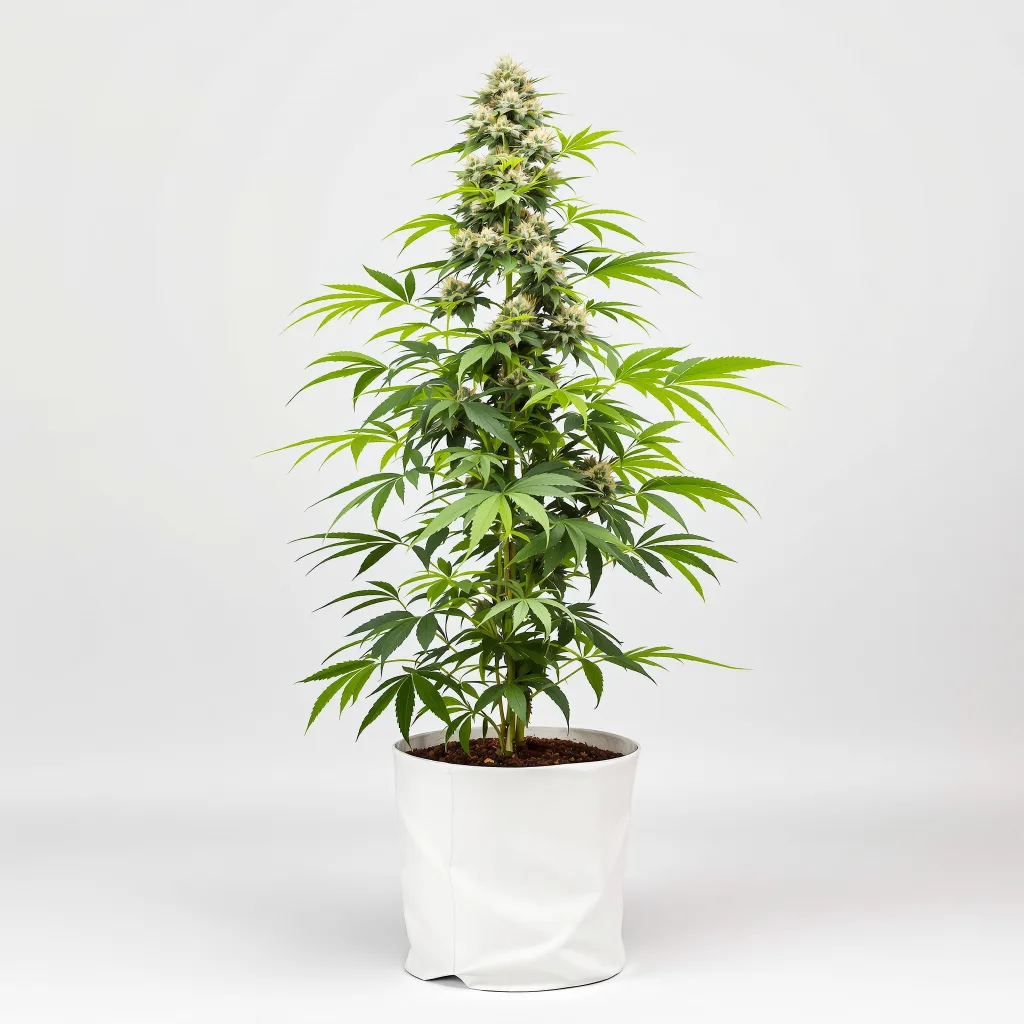
hybrid
High Resin Pack
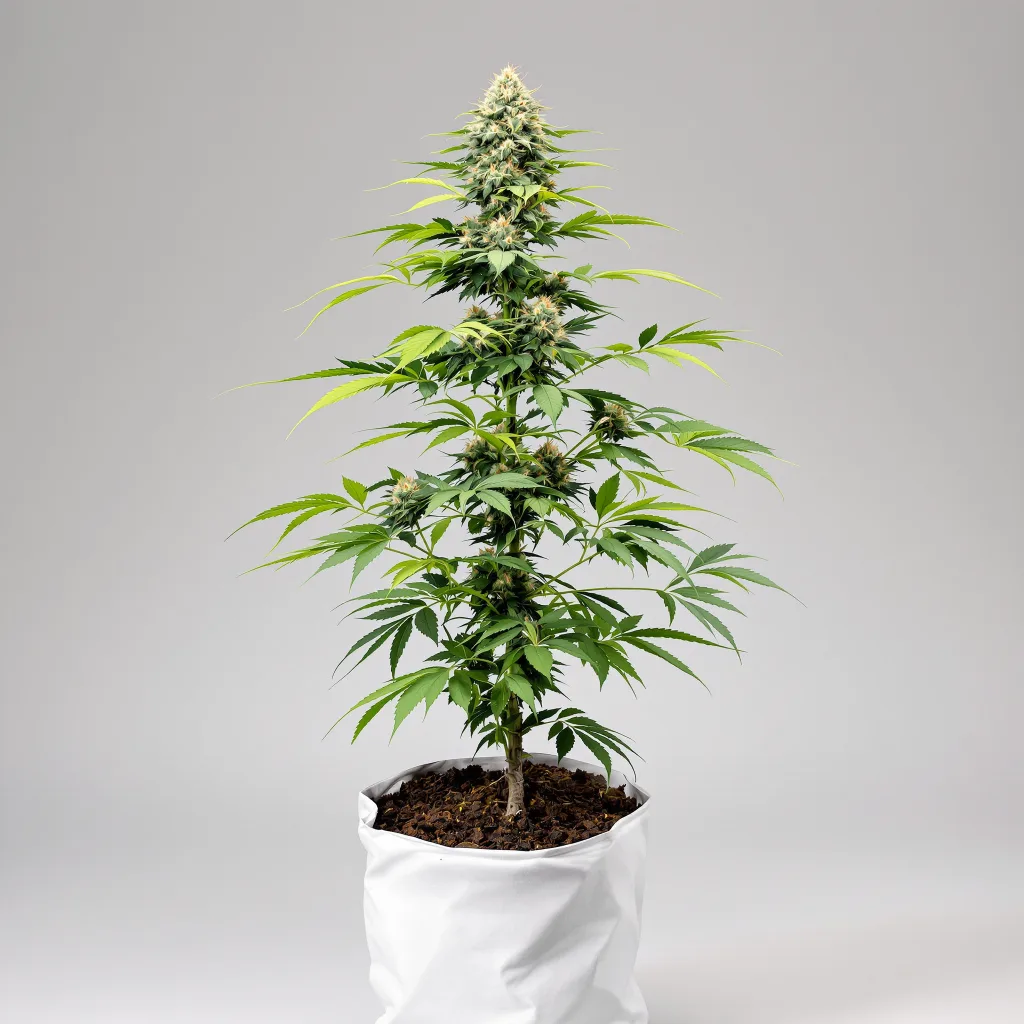
hybrid
Royal Highness Feminized
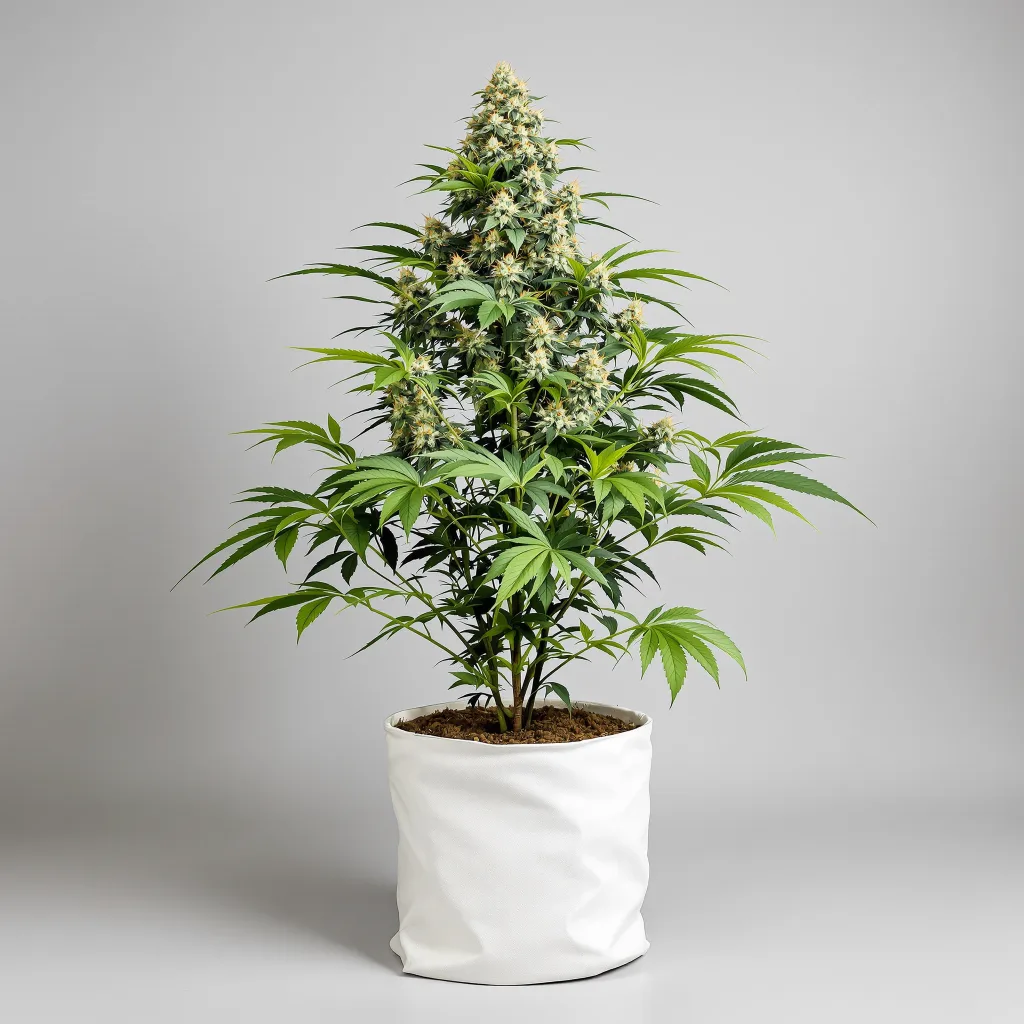
indica
Highwayman Feminized
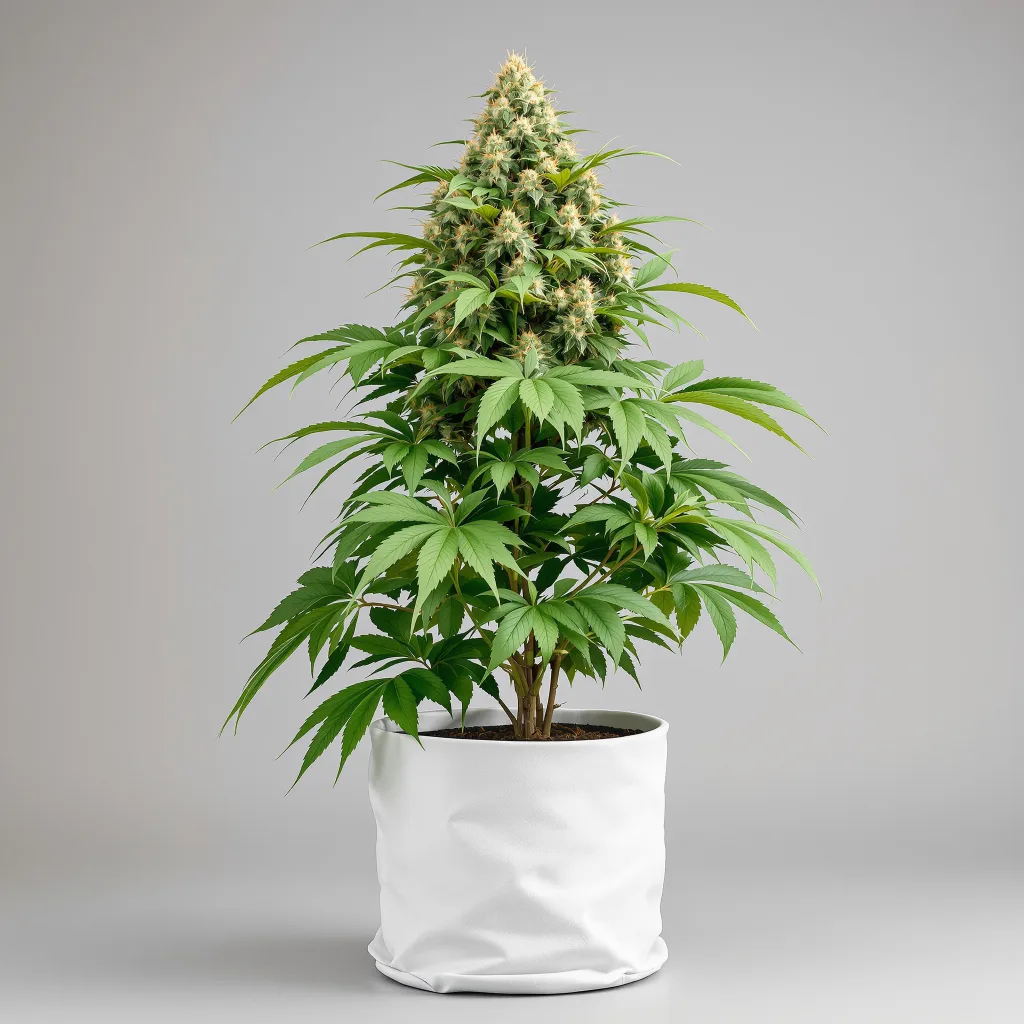
indica
High Resin Strains Mixpack Feminized
Browse the full High THC Seeds collection
Premium genetics, shipped from within the US.
Related Articles
VPD and Humidity Control for Cannabis Grows
support-trainBest Cannabis Strains for Fall 2026: High-Yield
support-growLow-Watt Grows (150–300 W): 7 Seeds That Still Deliver
general5 Top Snacks to Eat While You're High
generalTop 5 Sativa-Dominant Seeds for Creative Daytime Use
support-trainBest Cannabis Strains to Plant This Fall 2026 for Huge
Ready to Start Growing?
Shop feminized, autoflower, and CBD strains with 95% germination and free delivery on eligible orders of $150 or more.
Shop Cannabis Seeds