Get 15% OFF with code GROWNOW15
My Account Order Lookup Cannabis Guides Beginner Seeds Intermediate Seeds Master Seeds

Demystifying Medical Cannabis Seeds: Regular, Autoflowering, and Feminized.

R 23

Demystifying Medical Cannabis Seeds: Regular, Autoflowering, and Feminized

More and more people are realizing the potential therapeutic benefits of medical cannabis for a variety of illnesses. However, cultivating cannabis for medical purposes involves choosing the right type of seeds to match specific growing conditions and desired outcomes. Understanding the differences between regular, autoflowering, and feminized seeds is essential for medical cannabis growers to optimize their yield, potency, and quality. This detailed exploration will break down these three seed types, their unique characteristics, advantages, and considerations in the context of medical cannabis cultivation and use.

1. Understanding Medical Cannabis Seeds

Medical cannabis seeds are bred specifically to yield plants with higher concentrations of medically beneficial cannabinoids such as cannabidiol (CBD) and cannabigerol (CBG) while managing the levels of tetrahydrocannabinol (THC) to avoid unwanted psychoactive effects. These seeds are the starting point for producing cannabis plants that can be used for various medical purposes, such as pain relief, anti-inflammatory effects, seizure management, and alleviation of anxiety or depression symptoms.

Before diving into the specifics of regular, autoflowering, and feminized seeds, it is crucial to understand what differentiates medical cannabis seeds from others. The term “medical cannabis seeds” typically refers to strains that have been selectively bred to produce higher concentrations of certain cannabinoids or terpenes beneficial for medical use. The choice of seed type (regular, autoflowering, or feminized) will impact the growth cycle, cannabinoid profile, and final product quality.

2. Regular Cannabis Seeds
2.1 Definition and Characteristics

The most common kind of cannabis seeds that are available are regular seeds. They are created through the mating of a male and female cannabis plant. Regular seeds can therefore develop into either male or female plants, usually with a 50/50 probability of either.

Regular seeds are known for their genetic stability and are favored by breeders and growers who wish to maintain genetic diversity or develop new strains. They tend to produce robust plants that are resistant to stress and disease, making them a suitable option for many medical cannabis growers.

2.2 Advantages of Regular Seeds in Medical Use
  • Genetic Stability: Regular seeds offer genetic stability, which is beneficial for breeders who want to create new medical cannabis strains with specific cannabinoid and terpene profiles. This stability ensures that the plants retain desirable traits over generations.
  • Strain Purity and Quality: Regular seeds are ideal for maintaining the purity of a strain. Medical cannabis growers looking to cultivate a specific strain known for its medical benefits (e.g., high CBD strains for anxiety relief) often prefer regular seeds to maintain the genetic integrity of the plant.
  • Cloning Potential: Regular seeds are perfect for cloning purposes. Growers can select the best female plants that exhibit desired traits, such as high CBD content or specific terpene profiles, and create clones to produce consistent crops for medical use.
2.3 Considerations for Growing Regular Seeds
  • Sex Identification and Management: One of the main challenges of using regular seeds is the need to identify and remove male plants promptly. Male plants do not produce the cannabinoid-rich flowers used for medical purposes and can pollinate female plants, leading to seedy buds that are less potent and less desirable for medical use.
  • Time and Space Requirements: Regular seeds require more time and space because growers must germinate more seeds than needed to compensate for the 50% male-to-female ratio. This additional space and effort can be a consideration for those with limited growing areas.
3. Autoflowering Cannabis Seeds
Autoflowering Medical Cannabis Seed
3.1 Definition and Characteristics

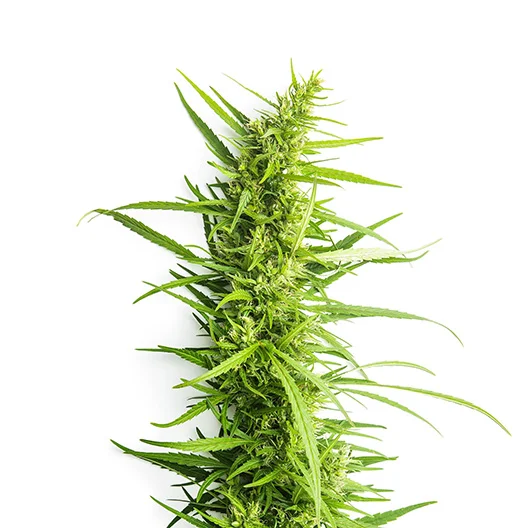
Cannabis seeds that autonomously transition from the vegetative to the flowering stages without requiring a change in the light cycle are known as autoflowering seeds. These seeds are the result of a hybrid between conventional photoperiod cannabis strains and Cannabis ruderalis, a wild species that flowers according to age as opposed to exposure to light.

Autoflowering seeds are ideal for growers seeking a fast and efficient way to produce medical cannabis. They are generally smaller and have a shorter growth cycle, which makes them well-suited for limited spaces or climates with shorter growing seasons.

3.2 Advantages of Autoflowering Seeds in Medical Use
  • Faster Harvest Cycles: Autoflowering seeds typically have shorter growth cycles, often reaching maturity in 8-12 weeks from germination. This rapid turnaround allows medical cannabis growers to produce multiple harvests in a single year, ensuring a steady supply of medicinal plants.
  • Resilience to Environmental Stress: Generally speaking, these plants are more resistant to environmental stresses including pests, illnesses, and changes in light or temperature. They are suited for inexperienced growers or those growing under less than ideal circumstances because of their resilience.
  • No Light Cycle Management: Autoflowering seeds do not require a specific light schedule to induce flowering, simplifying the growing process. This is especially beneficial for indoor growers who may struggle to maintain strict light schedules.
3.3 Considerations for Growing Autoflowering Seeds
  • Lower Yield Potential: Autoflowering plants tend to be smaller and may produce lower yields compared to regular or feminized seeds. For medical growers needing large quantities of cannabis, this could mean needing to plant more seeds to achieve the desired output.
  • Limited Time for Corrections: Due to their fast growth cycle, there is less time to correct any mistakes or deficiencies in nutrition, light, or water. Medical cannabis growers must maintain optimal conditions from the start to ensure high-quality plants.
  • Reduced Cannabinoid and Terpene Profiles: Some autoflowering strains may have a less complex cannabinoid and terpene profile compared to photoperiod strains. For medical cannabis, where specific profiles are often sought after, this could limit the choice of suitable strains.
4. Feminized Cannabis Seeds
feminized seeds 2
4.1 Definition and Characteristics

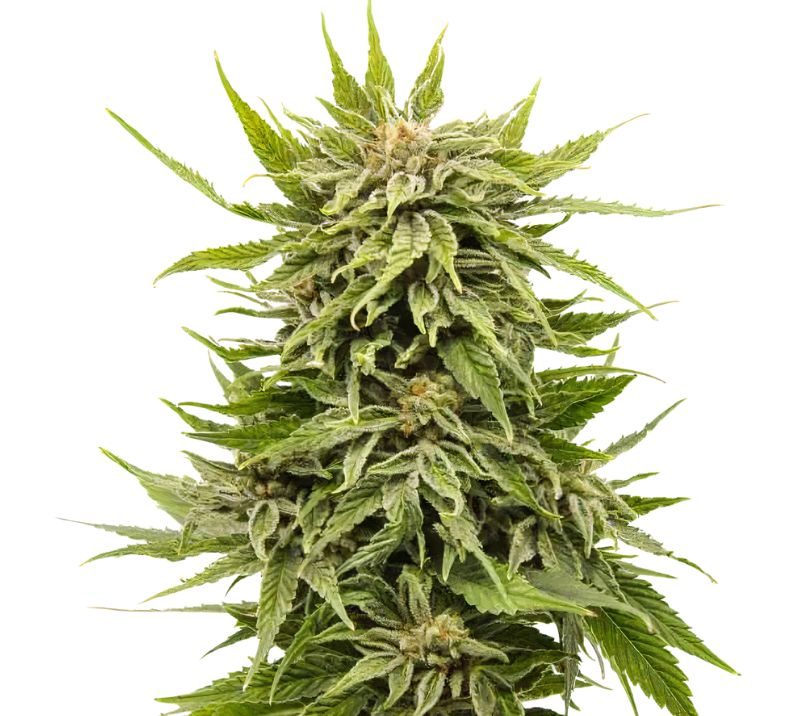
The purpose of feminized cannabis seeds is to remove male chromosomes, guaranteeing that the plants cultivated from these seeds are almost exclusively female. This is significant for medical cannabis cultivation since only female plants produce the resinous buds rich in cannabinoids like CBD and THC.

Growers that wish to optimize their production without running the danger of male plants fertilizing females and producing seeds instead of the intended blossoms high in cannabinoids often choose fertilized seeds.

4.2 Advantages of Feminized Seeds in Medical Use
  • Guaranteed Female Plants: With feminized seeds, growers are virtually guaranteed to produce female plants. This ensures that all plants contribute to the yield, maximizing the potential for harvesting medically valuable flowers.
  • Higher Cannabinoid Content: Since feminized seeds eliminate the need to cull male plants, all the resources can be devoted to producing and optimizing the cannabinoid content of the female plants. This is especially crucial for medical applications when large concentrations of a certain cannabinoid are required.
  • Simplified Growing Process: Feminized seeds simplify the growing process by removing the step of identifying and removing male plants, saving time, effort, and resources.
4.3 Considerations for Growing Feminized Seeds
  • Less Genetic Diversity: Feminized seeds can result in less genetic diversity, which might limit the plant’s ability to adapt to changing conditions or resist diseases. This could be a concern for growers interested in developing new medical strains or maintaining long-term genetic health.
  • Cost: Because extra stages are involved in the manufacture of feminized seeds, they are typically more expensive than ordinary seeds. Medical growers need to balance this higher cost with the potential benefits of a guaranteed female crop.
  • Potential for Hermaphroditism: If stressed, feminized plants may develop hermaphroditic characteristics, producing both male and female flowers. This can lead to accidental pollination and reduced quality and yield of the medical cannabis crop.
5. Key Considerations for Medical Cannabis Growers
5.1 Choosing the Right Seed Type

Selecting the right type of seed—regular, autoflowering, or feminized—depends on several factors, including:

  • Medical Goals: The intended medical use of the cannabis (e.g., pain relief, anxiety reduction, seizure control) should guide the choice of strain and seed type. For example, strains high in CBD are often preferred for their non-psychoactive therapeutic effects.
  • Growing Environment: The local climate, available growing space, and whether the grow will be indoors or outdoors can impact the choice of seed. Autoflowering seeds may be ideal for limited spaces or short growing seasons, while regular or feminized seeds may be better for larger, more controlled environments.
  • Experience Level: Novice growers may benefit from the simplicity of feminized or autoflowering seeds, while more experienced growers may prefer regular seeds for their genetic stability and breeding potential.
5.2 Optimizing Growth Conditions

Regardless of the seed type, optimizing growth conditions is crucial for maximizing the medical potential of the cannabis crop. Key factors include:

  • Light: Medical cannabis plants require adequate light, whether natural or artificial. Photoperiod strains need specific light schedules, while autoflowering plants do not. Understanding light requirements is essential for achieving optimal cannabinoid and terpene levels.
  • Nutrients: Proper nutrition is essential for healthy plant growth. Medical cannabis plants benefit from a balanced mix of macronutrients (nitrogen, phosphorus, potassium) and micronutrients (calcium, magnesium, iron). Autoflowering plants, due to their rapid growth, may require less intense feeding regimens.
  • Watering: Overwatering or underwatering can stress plants, leading to reduced quality and yield. Growers should monitor moisture levels and adjust watering schedules to maintain optimal plant health.
  • Temperature and Humidity: Medical cannabis plants thrive in specific temperature and humidity ranges. Controlling these factors is vital to prevent mold, mildew, or stress, which can compromise the plant’s medical qualities.
5.3 Ensuring Compliance with Medical Standards

Medical cannabis cultivation requires adherence to strict standards to ensure the safety, efficacy, and quality of the final product. Growers should:

  • Monitor Cannabinoid Content: Regular testing of cannabinoid levels, especially THC and CBD, is essential to ensure that the product meets medical standards and does not produce unwanted psychoactive effects.
  • Prevent Contamination: Medical cannabis should be free from contaminants such as pesticides, heavy metals, and mold. Using organic growing methods, safe pest control measures, and maintaining clean growing environments are critical.
  • Follow Legal Guidelines: Medical cannabis growers must adhere to all local, state, and federal regulations regarding cultivation, including licensing, plant limits, and testing requirements.
1. Restrictions on Growing Cannabis for Medical Use
Medical Cannabis 2022

Growing cannabis for medical purposes involves adhering to strict guidelines to prevent misuse, ensure product safety, and maintain therapeutic efficacy. The regulations governing the cultivation of medical cannabis can vary significantly by country, state, or region. Below are some common restrictions:

1.1 Licensing and Permits
  • Mandatory Licensing: Medical cannabis growers are typically required to obtain a special license or permit from a regulatory authority. This license is often subject to stringent conditions, such as background checks, security measures, and compliance with agricultural standards.
  • Production Quotas: Licensed growers may be limited to cultivating a certain number of plants or a specific quantity of cannabis to prevent overproduction and diversion to the recreational market. These quotas are often determined by the medical demand within a specific jurisdiction.
  • Cultivation Site Requirements: The location for growing medical cannabis must meet strict criteria, such as being away from schools, residential areas, or places frequented by minors. The cultivation site must also comply with security requirements, including fencing, surveillance, and controlled access.
1.2 Quality Control Standards
  • Good Agricultural and Collection Practices (GACP): Medical cannabis growers must adhere to GACP guidelines, which outline standards for cultivation, harvesting, and post-harvest handling to ensure the safety and quality of the final product.
  • Pesticide and Contaminant Regulations: The use of pesticides and fertilizers is heavily regulated, with only specific, approved substances allowed. Medical cannabis must also be tested for contaminants such as heavy metals, mold, and bacteria to ensure it meets health standards.
  • Record-Keeping and Traceability: Detailed records of all cultivation activities, from planting to harvesting, must be maintained. These records help ensure traceability and accountability, enabling authorities to monitor the production process and recall products if necessary.
1.3 Restrictions on Seed and Strain Selection
  • Approved Strains Only: In some regions, only specific cannabis strains that meet predefined medical criteria (e.g., high CBD and low THC content) are approved for cultivation. This ensures that the cannabis grown has a consistent and predictable therapeutic profile.
  • Genetic Modification and Breeding: The cultivation of genetically modified or experimental strains may be restricted or prohibited. Breeding new strains may require additional approvals to ensure that the resulting plants meet medical standards.
2. Restrictions on Using Cannabis in the Medical Field as a Last Resort

When cannabis is considered a “last resort” in medical treatment, it is generally used only after other conventional therapies have failed or are deemed unsuitable. Restrictions in these cases are intended to protect patients, ensure therapeutic efficacy, and prevent misuse.

2.1 Criteria for Last-Resort Use
  • Exhaustion of Conventional Treatments: Physicians must typically demonstrate that all other standard treatments have been tried and either failed or produced intolerable side effects. Cannabis may only be prescribed when there is documented evidence that no other effective options are available.
  • Specific Medical Conditions: Cannabis as a last-resort treatment is often limited to certain medical conditions, such as severe chronic pain, epilepsy, multiple sclerosis, or cancer-related symptoms. The list of qualifying conditions may vary by jurisdiction.
  • Specialist Referral and Approval: The prescription of cannabis as a last resort may require referral to and approval by a specialist in the relevant field (e.g., a neurologist for epilepsy). This helps ensure that the decision to use cannabis is based on expert medical judgment.
2.2 Prescribing and Dosage Regulations
  • Strict Prescribing Guidelines: Physicians must follow strict guidelines when prescribing cannabis, including detailed documentation of the patient’s medical history, prior treatments, and the rationale for using cannabis. These guidelines may also dictate the form and dosage of cannabis to be used.
  • Low-THC Formulations: To minimize the risk of psychoactive effects, cannabis prescribed as a last resort often has low THC levels. The focus is usually on high-CBD strains or extracts that provide therapeutic benefits without significant intoxication.
  • Ongoing Monitoring and Assessment: Patients using cannabis as a last resort are typically subject to regular monitoring and assessment to evaluate the efficacy of the treatment, manage side effects, and adjust dosages as needed.
3. Monitoring THC Levels in Medications to Prevent Psychoactive Effects

Tetrahydrocannabinol, or THC, is the psychoactive ingredient in cannabis that gives it its euphoric properties. While THC has some medical benefits, such as pain relief and appetite stimulation, its psychoactive properties can be undesirable, especially in medical settings. Monitoring and controlling THC levels in cannabis-based medications is essential to prevent unwanted side effects and ensure patient safety.

3.1 Regulatory Limits on THC Content
  • Defined THC Limits: Many jurisdictions set strict limits on the allowable THC content in medical cannabis products. For example, some countries limit THC levels to below 0.3% for products classified as hemp, while others may permit higher levels for specific medical conditions.
  • Standardized Testing: Medical cannabis products must undergo standardized testing to measure THC levels. Accredited laboratories perform these tests to guarantee accuracy and adherence to legal requirements.
3.2 Formulation Control
  • THC-CBD Ratios: Medical cannabis products are often formulated with specific THC-to-CBD ratios to achieve the desired therapeutic effect while minimizing psychoactivity. For instance, products with a high CBD and low THC ratio are preferred for conditions like anxiety or pediatric epilepsy, where psychoactive effects are particularly undesirable.
  • Non-Intoxicating Cannabinoid Preparations: In some cases, cannabis-derived medications are made using only non-intoxicating cannabinoids such as CBD or CBG, eliminating THC altogether. This ensures that patients receive therapeutic benefits without any risk of psychoactive effects.
3.3 Patient Education and Monitoring
  • Patient Education: It is imperative to inform patients about the possible side effects of THC, even at modest dosages. This includes informing them about the possibility of mild psychoactive effects, such as dizziness or drowsiness, and how to manage them.
  • Regular Monitoring and Dosage Adjustments: Patients receiving cannabis-based medications are typically monitored regularly by healthcare providers. This includes evaluating therapeutic outcomes, side effects, and adjusting dosages to maintain efficacy while minimizing any psychoactive effects.
  • Use of Digital Tools for Monitoring: Some healthcare providers use digital tools and applications to monitor patients’ responses to cannabis-based treatments in real-time. These tools can track symptoms, side effects, and compliance, providing data that helps in fine-tuning treatment plans.
Conclusion

The cultivation and use of cannabis in the medical field are tightly regulated to ensure patient safety, maintain therapeutic efficacy, and prevent misuse. Understanding the distinctions between different types of medical cannabis seeds—regular, autoflowering, and feminized—is crucial for optimizing growth conditions and achieving desired medical outcomes. Regular seeds offer genetic stability and are suitable for breeding and maintaining strain purity, while autoflowering seeds provide a fast turnaround and resilience, ideal for less experienced growers or challenging environments. Feminized seeds guarantee female plants, maximizing yield and simplifying cultivation for medical use.

Restrictions on growing cannabis for medical purposes are designed to maintain high standards of quality and safety. This includes obtaining licenses, adhering to Good Agricultural and Collection Practices (GACP), and selecting approved strains. When cannabis is considered a “last resort” treatment, additional criteria, such as the exhaustion of conventional therapies, specialist approval, and strict prescribing guidelines, are enforced to ensure it is used appropriately and effectively.

Monitoring THC levels in cannabis-based medications is essential to prevent unwanted psychoactive effects, especially in vulnerable patient populations. Regulatory frameworks typically impose THC content limits, mandate standardized testing, and encourage the use of formulations with controlled THC-to-CBD ratios or non-intoxicating cannabinoids. International variations in regulations reflect local laws, cultural attitudes, and specific medical cannabis frameworks, but all aim to balance the therapeutic benefits of cannabis with the need for patient safety.

Overall, navigating the complexities of medical cannabis cultivation and use requires adherence to strict regulations, careful seed selection, and a focus on patient-centered care. By understanding and complying with these regulations, growers and healthcare providers can ensure that cannabis remains a safe, effective, and viable option for patients who have exhausted other treatment avenues, while minimizing the risk of psychoactive effects and maintaining the highest standards of medical practice.

Share

Leave a comment

Your email address will not be published. Required fields are marked *