Mediterranean Growing: Selecting Seeds for Heat, Wind, and Late Rains

I grow where summers run hot and dry, nights cool off just enough to reset the canopy, and autumn rains arrive late but fast. After a decade of dialing in outdoor cannabis under these Mediterranean-style conditions, I’ve learned that choosing the best seeds for Mediterranean climates is more than picking early finishers. It’s about matching plant architecture, root vigor, and terpene stability to a season that serves relentless sun, episodic wind, and brief but decisive fall storms. This article breaks down exactly how I choose genetics and run my garden so the crop crosses the finish line clean, aromatic, and consistent.
How Mediterranean conditions shape genetic choices
Mediterranean seasons typically deliver long photoperiods in late spring, high PPFD in midsummer, and a gentle slide into shorter days with cool nights. That pattern rewards plants with strong root systems, moderate internodal spacing, and cuticles that tolerate UV intensity. When I evaluate the best seeds for Mediterranean climates, I favor lines that hold turgor through afternoon heat yet keep stomata responsive at dusk. In real terms, that means I look for heat resistant weed varieties and drought tolerant marijuana strains that don’t fold during a hot northerly breeze.
Three traits guide my selection:
- 1) Early-mid flowering with predictable finish dates before the first substantial October storm.
- 2) Resin that sets and stays under high UV; some phenos smell perfect in mild climates but fade in heat.
- 3) Open-structure colas that allow airflow during ocean-influenced night humidity.
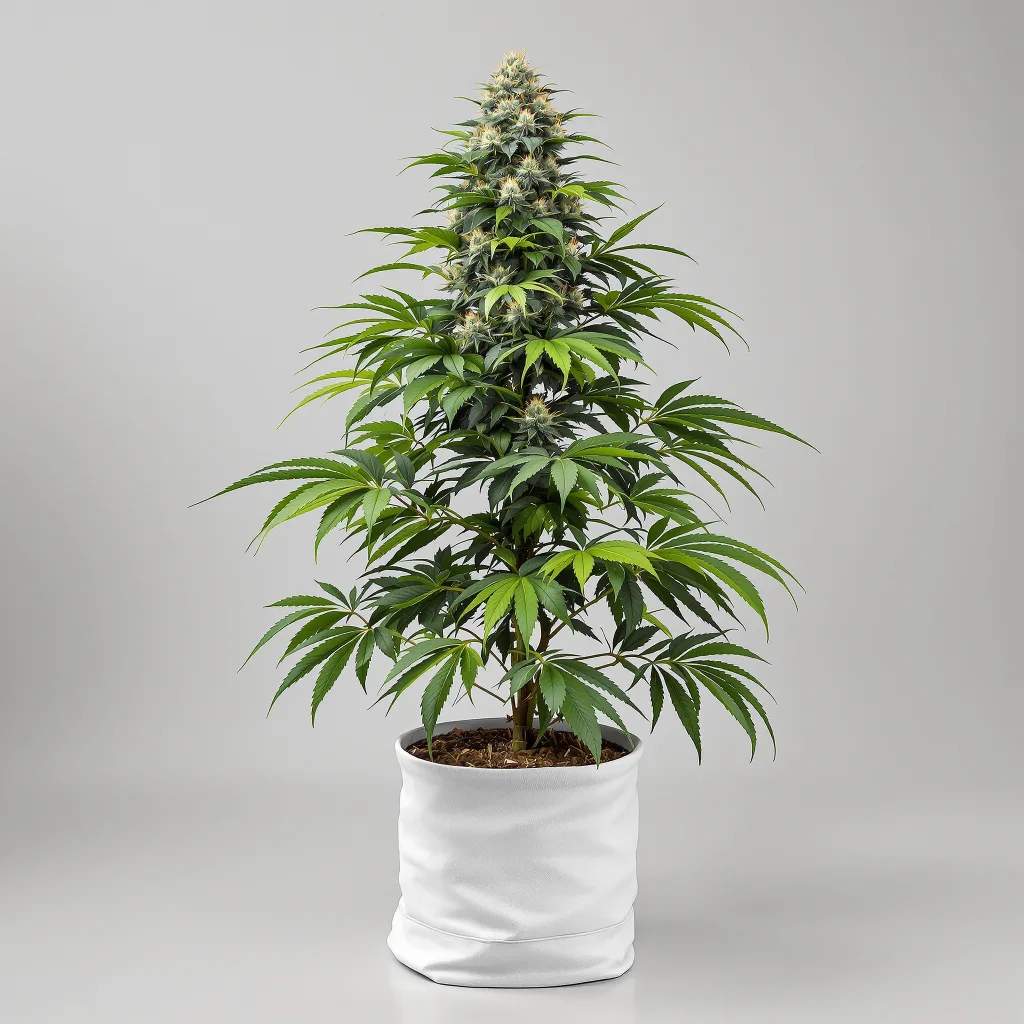
Across many seasons, these traits have pointed me toward a balanced canopy: a base of feminized seeds for uniformity and canopy planning, a wave of autoflower seeds for early jars, and a handful of indica sativa hybrid cultivars that split the difference between vigor and speed.
Why I start with feminized seeds and when I mix in autos

Feminized seeds let me design the layout weeks ahead of time. In a climate where every square meter counts, I don’t want to gamble on gender and cull later. I typically pop a surplus of feminized seeds in late March, select the best seedlings, and transplant outdoors after hardening off. Running feminized seeds reduces plant count churn and keeps my trellis, irrigation, and feeding schedule synchronized. In Mediterranean summers, predictability is priceless.
Autoflower seeds play a different role. I deploy autoflower seeds in two specific windows: a quick early season run that harvests before the hottest weeks, and a late spring planting that wraps before autumn rains. Because autoflower seeds ignore photoperiod, I can slide them into otherwise idle parts of the calendar and still hit quality benchmarks, provided I manage EC and VPD carefully.
Building a canopy with indica, sativa, and hybrids
Mediterranean light and heat respond well to an indica sativa hybrid canopy. A slightly sativa-leaning indica sativa hybrid often stretches enough to fill a trellis bay without becoming unmanageable. Meanwhile, an indica-forward indica sativa hybrid pheno tends to finish quicker and stack denser, which is perfect when October is unforgiving. I track each indica sativa hybrid by start-of-flower date, height gain during the first three weeks, and response to defoliation. Over time, a few keepers have proven themselves season after season.
Environmental targets that actually hold up outside

Even outdoors, I manage microclimate aggressively. These are the targets I chase, learned by logging data through good years and hard ones:
- Day temperature: 24–31°C in flower.
- Night temperature: 14–18°C; I avoid nights below 12°C in late flower to reduce dew.
- Relative humidity: 45–55% daytime; 55–65% nighttime in late summer.
- VPD: 1.2–1.6 kPa mid-flower, easing toward 1.0–1.2 kPa in the final two weeks if aromatics are delicate.
- Sunlight/PPFD: mid-season clear days regularly exceed 1,800 µmol/m²/s at noon; I rely on training and leaf management to keep the canopy productive without photobleach.
These parameters favor heat resistant weed varieties and drought tolerant marijuana strains, but they also help standard photoperiods maintain pace when the mercury climbs.
Medium, irrigation, and the soil vs hydro decision outdoors
I’ve run nearly every combination, and Mediterranean summers have a way of exposing weaknesses. The soil vs hydro for cannabis debate outdoors comes down to resilience, not just speed. For my main beds, I use a living soil with high-quality compost, aeration amendments, and balanced mineralization. That choice solves two problems typical of hot, dry climates: erratic EC after heat spikes and rapid dry-down that stresses roots. The soil vs hydro for cannabis decision tilts toward soil when afternoon wind and high VPD can strip moisture in hours.
That said, I still use hydro-style fertigation in fabric pots for my autos and test plants. The key is discipline. Hydro outside demands shade cloth during extreme heat and precise irrigation timing. In mid-July, a hydro pot can go from perfect to stressed in an afternoon, which is why soil vs hydro for cannabis must be assessed plant by plant. When I want forgiveness and flavor, soil wins. When I want rapid vegetative push for a quick run, a light hydro blend can shine.
Nutrients that beat the heat

I anchor my program with organic nutrients for cannabis. Mediterranean soils respond well to steady, microbe-friendly feeding. Organic nutrients for cannabis help buffer uptake during temperature swings and keep flavors consistent. I top-dress with a balanced bloom mix at flip, add calcium and magnesium as foliar during early flower if the forecast turns hot, and provide a light potassium bump around week five. Organic nutrients for cannabis, combined with living mulch and proper irrigation, have consistently given me resin-rich flowers without harshness.
Typical EC targets in my system:
- Vegetative: 1.2–1.6 EC in soilless/hydro pots; in living soil I measure runoff to keep salts gentle.
- Early bloom: 1.6–1.9 EC for containerized plants; living beds get top-dress and teas with measured conductivity.
- Late bloom: taper to 1.2–1.4 EC if feeding; living soil receives water-only or microbe teas.
Irrigation playbook for long, dry summers
Mediterranean dryness tempts growers to overwater early and underwater late. My approach:
- Deep, infrequent watering in living beds to build depth in the root zone.
- Pulse irrigation for containers during heat waves to keep root temps stable.
- Mulch with washed pea straw or shredded bark to cut surface evaporation.
- Morning irrigation only; evening moisture in heat can invite pests.
Drought tolerant marijuana strains endure light stress, but I avoid hard wilts that stall growth. The best seeds for Mediterranean climates do their part, but an even moisture curve is what lets them express fully.
Training and structure: the wind-and-sun solution

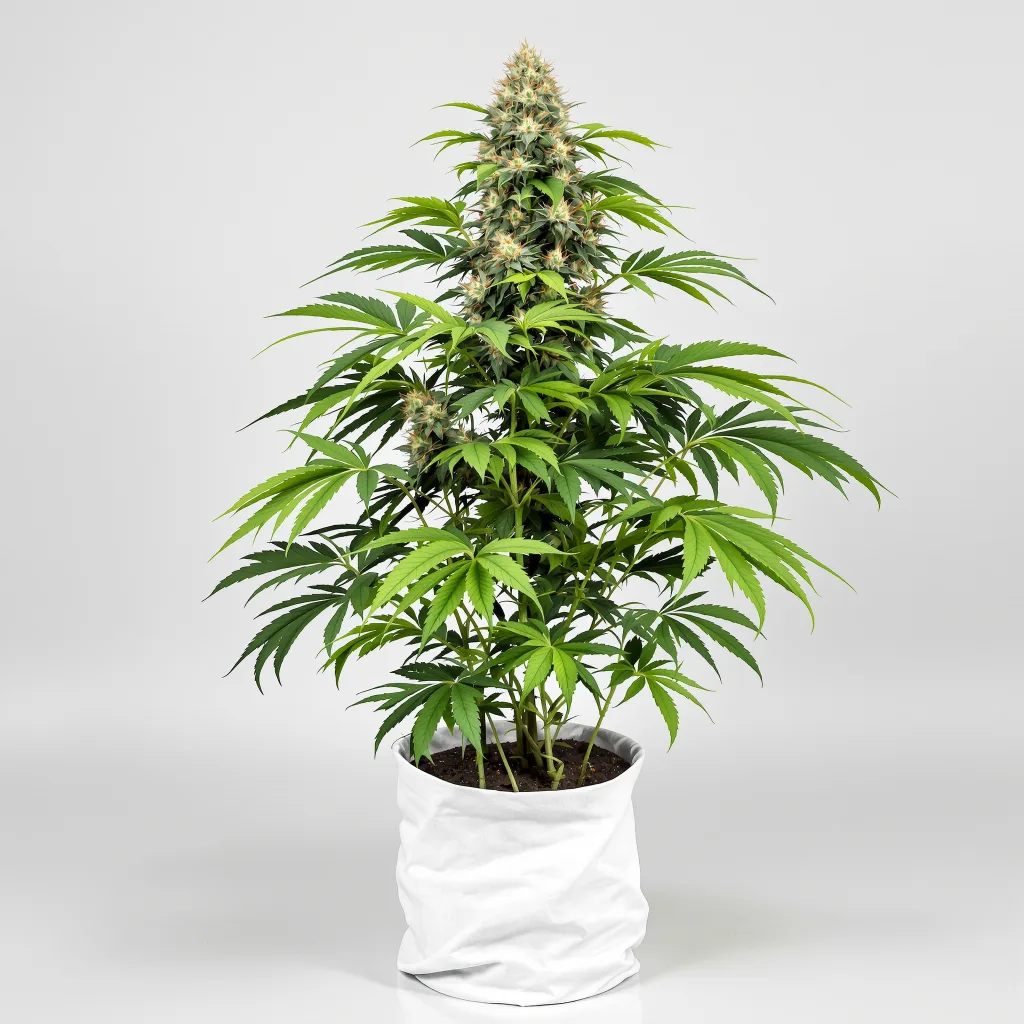
Mediterranean winds shape canopies, so I plan for it. I top once or twice in veg, then low-stress train to flatten the canopy and widen laterals. A two-tier trellis keeps colas upright and spaced. This strategy lowers leaf temperature by enhancing airflow and converts oppressive midday sun into usable PPFD. Heat resistant weed varieties still get some leaf-edge crisping in August, but with good structure the plant keeps photosynthesizing into the afternoon.
Key training moves:
- Top early to distribute vigor.
- Tuck fan leaves rather than strip aggressively; defoliate only to prevent microclimates.
- Space colas 25–40 cm to reduce humidity spikes at night.
Pest and pathogen management that respects the climate
Mediterranean gardens see periodic thrips, mites, and caterpillars, with mildew pressure late in the season. My program is preventative and rotation-based:
- Weekly scouting with a headlamp and a small loupe.
- Biologicals early, contact controls mid-season if thresholds are exceeded.
- Sanitation at the skirt line to reduce splash and habitat.
- Harvest-time triage when ocean fog rolls in.
Genetics matter as much as products. Heat resistant weed varieties often come with thicker cuticles that deter pests, and drought tolerant marijuana strains tend to hold stomatal control under stress, which reduces opportunistic infections.
Germination and transplant timing for the coast-influenced spring

Healthy starts set the tone. My germination tips for Mediterranean growers are based on keeping roots warm and leaves modestly lit until transplant:
- 1) Soak seeds 12–18 hours at 20–22°C, then into pre-warmed starter cubes.
- 2) Keep root-zone at 24–26°C; canopy around 22–24°C.
- 3) Provide 250–350 µmol/m²/s PPFD with a gentle blue-heavy spectrum for tight internodes.
- 4) Avoid saturated media; aim for 0.8–1.0 EC and stable pH.
These germination tips help seedlings build dense roots without stretch. When they show aggressive white roots on cube edges, I up-pot. I repeat these germination tips for each wave, including autos.
Choosing where to buy and how to ship when the heat is on
Reliable sourcing is non-negotiable. In a narrow planting window, delays hurt. I choose vendors with transparent cannabis seed banks shipping timelines and protective packaging. Clear cannabis seed banks shipping details let me back-plan germination, order soil, and stage the trellis on time. In peak summer, I prefer carriers that deliver before noon; seed viability dislikes hot trucks. When a company publishes robust cannabis seed banks shipping FAQs—including heat-mitigation steps—I pay attention.
I also buy feminized seeds for my main canopy and a handful of autoflower seeds for early harvests. The combination—the right feminized seeds for anchor plants and well-timed autoflower seeds for shoulder seasons—has consistently fit Mediterranean calendars.
Field-tested cultivars by type and why they thrive here

I don’t name proprietary lines, but I do categorize what works and why.
Autoflowers:
- Compact frames finish before peak heat if planted in April–May.
- Narrow leaflets and open calyxes handle late spring wind.
- Respond well to 600–900 µmol/m²/s outdoor PPFD without bleaching.
Photoperiods:
- Medium-height plants that finish in 7–9 weeks are the backbone.
- Spear-shaped colas with modest bract stacking resist late-season humidity.
- Indica-leaning indica sativa hybrid phenos give reliable weight while staying manageable.
Across both classes, heat resistant weed varieties with waxier leaves and drought tolerant marijuana strains with deep taproots have been the most forgiving.
Harvest timing, wash, dry, and cure in a Mediterranean fall
The first fall storm often arrives with wind and salt-laden air. I front-run it. When the 10-day forecast shows a converging low, I assess trichomes every morning. If I’m at cloudy with 5–10% amber and aromatics are loud, I take them. Waiting for a perfect amber ratio in a Mediterranean storm cycle can be the difference between jars and disappointment.
My post-harvest process:
- Harvest mid-morning after dew lifts.
- Optional bud wash if wind has carried dust: brief dunk in clean water with a splash of citric acid, then rinse and drip-dry.
- Dry at 17–19°C and 55–60% RH for 10–14 days; aim for 0.9–1.1 kPa VPD.
- Cure in airtight containers with daily burps the first week.
This slow, controlled approach protects terpenes that can flash off after hot summers.
Seed selection checklist for Mediterranean growers

Use this when you’re evaluating the best seeds for Mediterranean climates:
- Favor feminized seeds for canopy planning and uniform timing.
- Slot autoflower seeds into spring and late spring for early jars and calendar flexibility.
- Look for phrases like heat resistant weed varieties and drought tolerant marijuana strains in breeder notes.
- Choose indica sativa hybrid lines with moderate stretch and open colas.
- Confirm realistic finish times relative to your first fall storm.
- Review cannabis seed banks shipping policies for heat-season handling and tracking.
- Align feeding with organic nutrients for cannabis to buffer summer swings.
- Decide on soil vs hydro for cannabis based on your ability to babysit containers during heat waves.
Natural-language questions I hear from new growers
Will feminized seeds handle summer heat better than regular seeds?
Feminized seeds and regular seeds handle heat similarly if the genetics are equal. I choose feminized seeds for planning and uniformity, not heat tolerance. Heat performance comes from selecting heat resistant weed varieties and training the canopy for airflow.
Do autoflower seeds finish before peak heat?
They can. I start autoflower seeds early so they stack in mild weather and finish before the hottest weeks. If you miss the window, plant another round to finish before fall. Autoflower seeds shine in Mediterranean calendars because they ignore photoperiod.
Which works better outdoors here: soil vs hydro for cannabis?
In sustained heat and wind, soil is more forgiving. Hydro can excel with strict irrigation and shade management, but soil vs hydro for cannabis outdoors should reflect how much time you can spend monitoring pots in July.
What EC targets make sense in living soil during summer?
I avoid chasing EC in living soil and lean on organic nutrients for cannabis, applied as top-dress and teas. When I do measure runoff, I keep it modest and focus on plant cues: leaf posture, color, and aromatic intensity.
How do I keep seedlings happy in spring wind?
Follow germination tips that protect roots and stems: steady warmth, modest PPFD, and staged hardening-off. A temporary windbreak can make the difference between sturdy starts and stunted ones.
FAQs for search-driven queries
What are the best seeds for Mediterranean climates if I can only grow two plants?
Pick stable feminized seeds from a line known for heat resistant weed varieties and an indica sativa hybrid that finishes in 8 weeks. Add a pot of autoflower seeds for an early harvest if space allows.
Are drought tolerant marijuana strains less flavorful?
Not in my experience. When fed with organic nutrients for cannabis and irrigated consistently, drought tolerant marijuana strains often exhibit dense resin and strong terpenes because they maintain metabolism during brief stress.
How soon should I order before planting season?
Order at least a month ahead. Choose a vendor with clear cannabis seed banks shipping timelines so you can align your germination tips and transplant dates with the weather.
Do autos or photos yield better outdoors in this climate?
Both can produce excellent weight. Autos deliver speed; photos deliver canopy control. I use both, with autoflower seeds for shoulder seasons and feminized seeds for my main summer canopy.
How do I prevent late-season mold near the coast?
Select open-cola genetics, keep spacing at 25–40 cm, and harvest ahead of the first major storm. Heat resistant weed varieties with waxy cuticles help, and so does gentle defoliation to reduce microclimates.
Putting it all together
The through-line is simple: align genetics and schedule to the environment you actually have, not the one you want. The best seeds for Mediterranean climates combine steady metabolism under heat with predictable finishes and structures that breathe at night. Build your plan around feminized seeds for reliability, layer in autoflower seeds to capture calendar gaps, and favor an indica sativa hybrid mix for balanced performance. Support it all with organic nutrients for cannabis, a clear-eyed soil vs hydro for cannabis decision, disciplined irrigation, and relentless scouting.
Mediterranean summers reward patience and planning. When you choose wisely, those long, golden evenings don’t just warm the garden—they finish it.