Autoflower Cannabis Seeds: Complete Growing Guide | Royal King Seeds
Royal King Seeds Editorial Team
Cannabis Cultivator & Seed Specialist
Autoflowering cannabis has crossed a threshold. The first commercial autos in the mid-2000s were novelties, short, compact, fast, but with THC levels that rarely broke 12% and terpene profiles that experienced growers charitably described as "functional." The genetics that the best breeders are producing in 2026 are categorically different.
Published cannabis research tests autos from our seed catalog that rival our photoperiod phenotypes in THC (23-27%), produce terpene profiles that are complex and genetics-specific rather than generic, and finish in 9-11 weeks from seed. The one-time tradeoff of quality for convenience has narrowed to a single practical consideration: yield per plant is lower than a well-trained photoperiod, which some growers compensate for with plant count.
What has not changed: autos require a different growing approach than photoperiods. Not more difficult, different. The fixed developmental timeline that makes autos convenient also means that mistakes cost more, because there is no recovery time you can add by extending veg. A stress event that would set a photoperiod plant back a week costs an auto 10-15% of its yield potential permanently. Once you understand the rules, and there are not many, autos are the most forgiving, fastest, and in many setups the highest-efficiency path to quality cannabis you can take.
Modern Autoflower Performance, Our Indoor Results
9-11
weeks seed to harvest
23-27%
THC achievable in top genetics
4-6 oz
per plant (optimized indoor)
Modern autos are not a compromise. They are a category shift, same quality potential as photoperiods, radically different growing logistics.
Indoor auto data from optimized runs, 20/4 light schedule, coco/perlite, 480W LED. Results vary by genetics and environment.
This guide is based on autoflower cultivation data from our indoor facility across multiple strains and growing seasons. Yield and potency figures reflect optimized conditions with premium genetics, results vary significantly by genetics quality, environment, and growing technique. Individual results will differ.
Jump to Section
What Makes Autoflowers Different: The Biology
Photoperiod cannabis flowers when the dark period consistently exceeds approximately 12 hours per night. The mechanism is hormonal, a flowering protein called Flowering Locus T (FT) accumulates during long dark periods and triggers the reproductive transition. Managing this system is what the 12/12 light flip controls.
Autoflowering cannabis bypasses this system entirely. Through selective breeding of Cannabis ruderalis, a subspecies native to the short-season, variable-light environments of Central Asia and Siberia, breeders introduced a mutation that triggers flowering based on plant age rather than photoperiod. The auto plant begins flowering at approximately 21-28 days from germination regardless of light schedule. It cannot be kept in vegetative growth by extending the light period. It cannot be re-vegged or cloned effectively for the same reason, the timer is biological, not environmental.
This single biological difference produces every practical advantage and limitation of autoflowering genetics. The advantages: no light-schedule management, the ability to run 18-20 hours of light per day during flowering (increasing yield), faster total lifecycle, and sequential staggered harvests in the same space at the same light schedule. The limitation: a fixed developmental window that penalizes recovery time from stress. Once you understand both sides, choosing when to use autos versus photoperiods becomes a strategic decision rather than a quality one.
The Practical Advantages of Growing Autoflowers
Speed: From germination to harvest in 9-12 weeks is the most commercially significant advantage. The equivalent photoperiod timeline, 4-6 weeks veg plus 8-10 weeks flower, runs 12-16 weeks minimum. In an outdoor context, autos can complete 2-3 full cycles in a single growing season where a photoperiod plant completes one. In an indoor context, the faster turnover allows more grows per year from the same space.
Light efficiency: Running autos at 18/6 or 20/4 during both veg and flower means more photons per day than a photoperiod on 12/12 during flower. In our indoor runs, autos under 20/4 consistently produce 15-20% more yield than the same autos under 18/6, because every additional light hour during the 7-9 week flower cycle compounds. There is no light-schedule management cost, you set 18/6 or 20/4 from seed to harvest and leave it there.
Simplicity: One light schedule from seed to harvest. No room-scale light leak management. No separate veg and flower rooms. No timing complexity around the flip. For growers who want quality cannabis with minimum operational complexity, autos in a single tent with a single timer running 18/6 is one of the most efficient setups possible.
Stealth and flexibility: Autos are typically shorter (60-100 cm) and bushier than photoperiod plants, making them suitable for smaller growing spaces, balconies, and situations where height is a constraint. Outdoor auto plants that finish in 70-80 days from seed can be grown in containers and moved inside during bad weather, not practical with a photoperiod plant that is 4+ feet tall by mid-season.
Year-round outdoor growing: In climates with frost-free springs and autumns, autos can be planted earlier or later in the season than photoperiods because they do not require the shortening day lengths of late summer to trigger flowering. A spring outdoor grow with autos started in April can complete harvest by late June or early July, weeks before most photoperiod outdoor grows even begin to flower.
Setup and Light Schedule: What Actually Maximizes Auto Yield
The most impactful setup decision for autoflower yield is light schedule. Because autos do not need darkness to trigger flowering, every additional hour of light per day produces more photosynthesis and more yield over the 9-11 week lifecycle.
Auto Light Schedule Comparison, Our Indoor Data
| Schedule | Hours/Day | Relative Yield (vs. 18/6) | Notes |
| 18/6 | 18 hours light | Baseline | Standard recommendation. Good balance of yield and electricity cost. 6 hours dark allows some light-sensitive processes to complete. |
| 20/4 | 20 hours light | +15-20% vs. 18/6 | The widely-recommended schedule for maximum yield. 4 hours dark is sufficient for plant processes. Published comparison data shows measurable yield improvement. Higher electricity cost. |
| 24/0 | 24 hours light | +10-15% vs. 18/6 (not 20/4) | Some genetics respond well, others show stress. Not our standard recommendation, 20/4 usually produces comparable or better results. Significantly higher electricity. |
| 12/12 | 12 hours light | -25-35% vs. 18/6 | Works, autos flower regardless, but significant yield loss vs. longer schedules. Only appropriate when autos must share a space with flowering photoperiods. |
Container size matters more for autos than for photoperiods. Because you cannot extend veg time to allow roots to fill a larger container, undersize pots restrict the root volume available during the fixed growth window, which directly caps yield. We start autos directly in their final container: a 3-gallon pot is the minimum for a production-oriented auto, with 5 gallons producing noticeably better results for most genetics. Published cannabis research tests running autos in 1-gallon pots (very restricted yield, roughly 40% less than 3-gallon) and 7-gallon pots (comparable to 5-gallon with marginal benefit). The sweet spot in most setups is 3-5 gallons, with the exact choice depending on how many plants fit in your space.
Transplanting is a significant risk for autos. Starting seeds in a solo cup and transplanting to a final container works for photoperiods because the veg period gives the plant time to recover from transplant shock before flowering. For autos, transplant shock can consume 5-7 days of the 21-28 day vegetative window, a disproportionate cost. We germinate directly in the final container, or use biodegradable pots that transplant root ball intact. If you must transplant, do it once, gently, with minimal root disturbance, before day 14.
Germination and Seedling: The Most Important Phase
The first 14 days of an autoflower's life have an outsized impact on the final result. The vegetative window is short, and a slow, stressed start can consume a week of it before the plant is even established. Everything you can do to ensure fast germination and healthy early growth pays dividends throughout the grow.
Germination method: We use the paper towel method for consistency, seeds between damp paper towels, in a warm (75-80°F) location, checking every 12 hours. Most high-quality auto seeds crack within 24-48 hours. The alternative, direct soil germination, works but is slower and harder to verify without disturbing the seed. Once the taproot reaches 1-2 cm, transfer carefully (never touch the taproot) to the final container. Place the seed 1cm deep, taproot pointing down. Humidity dome or tent over the seedling until the first set of true leaves appears, typically 3-5 days after placement.
Seedling environment: 75-80°F, 70-80% RH, 18/6 or 20/4 light schedule at reduced intensity (200-300 PPFD, seedlings cannot use high intensity and will stress under it). The high humidity in the seedling stage allows the plant to absorb water through leaves before the root system is developed, reducing the watering demand and stress during the most fragile phase. Dial back humidity to 60-65% by week 2 as the root system develops.
First watering: Overwatering is the number-one seedling killer. Cannabis seedlings have minimal root mass and cannot process large volumes of water. Water in a small circle around the seedling (6-inch diameter maximum) to encourage root outward growth, not in the full container. The medium should feel moist but not wet. Wait until the top 1-2 inches of medium feel dry before watering again. Healthy seedling signs: deep green color, slightly waxy leaf surface, upright posture. Overwatered seedling signs: drooping despite moist medium, pale color, slow growth.
Feeding Autoflowers: A Lighter Touch Than Photoperiods
Autoflowers are more sensitive to nutrient overload than photoperiods. This is a well-documented characteristic that traces to the Cannabis ruderalis heritage, ruderalis evolved in nutrient-poor environments and the genetics that make autos autoflower also confer slightly lower nutrient demand than photoperiod indicas bred for high-feed indoor production.
The practical rule: start at 50% of the manufacturer's recommended dose for any nutrient product, and increase only if the plant shows signs of genuine deficiency. The most common auto nutrient mistake is following photoperiod feeding schedules, the dose that a vigorously growing photoperiod plant handles comfortably will tip-burn an auto in the same week. Tip burn (brown, crispy leaf tips on new growth) is the first sign of overfeeding. If you see it, reduce input immediately and flush lightly. The plant recovers but loses 3-5 days of productive growth during recovery.
Autoflower Feeding Timeline
| Phase / Week | Feed Approach | Key Notes |
| Seedling (Days 1-14) | Plain pH water or 25% dose | If starting in amended soil or pre-mixed coco, no additional nutrients needed. In plain coco, 25% strength seedling formula only. No bloom nutrients. |
| Veg (Wk 2-4) | 50% veg formula | Nitrogen-led nutrition at half the photoperiod dose. Watch leaf color, deep green is adequate, dark waxy green is excess nitrogen. Increase to 75% only if the plant looks hungry (light green, slow growth). |
| Flower transition (Wk 3-5) | Transition to bloom, 50% dose | Autos begin flowering around week 3-4. Switch to bloom formula (lower N, higher PK) at first pistil appearance. The transition is faster in autos than photoperiods, complete the switch within 7 days of first flowering signs. |
| Flower bulk (Wk 5-8) | 50-75% bloom formula | Peak PK demand during bud production. Potassium demand increases, watch for K deficiency (brown leaf margins). Maintain pH strictly (5.8-6.2 in coco/hydro, 6.0-6.8 in soil) as K availability is pH-sensitive. |
| Pre-harvest (Wk 8-11) | Water only, 7-10 days | Reduce and eliminate nutrients for the final week before harvest. pH-adjusted water only. |
pH management is equally critical for autos as for photoperiods, arguably more so, because the compressed timeline means pH-related lockout that would be corrected over 2 weeks in a photoperiod is affecting an auto during a significant fraction of its productive window. Check and adjust pH at every watering. In coco or hydro, the target is 5.8-6.2. In soil, 6.0-6.8. Our nutrient deficiency guide covers the diagnostic framework for identifying lockout versus true deficiency, the same principles apply to autos, just with more urgency in correction timing.
Training Rules for Autoflowers: What Works and What Hurts
The most important rule in auto training: never top autoflowers. We covered the data in detail in our cannabis training guide, topped autos consistently yield 15-20% less than untrained controls because the recovery time from topping consumes a significant portion of the auto's short veg window. The math is simple: an auto has 21-28 days of vegetative growth. Topping requires 7-10 days of recovery. The recovery period eats a third to half of the total vegetative window. The result is a smaller plant entering flower, which means lower yield.
What does work for autos:
Early LST (Low-Stress Training): Begin tying the main stem sideways at days 10-14. This gentle bending has no recovery requirement and improves light access to lower bud sites. In our auto runs, LST started at day 10-14 consistently produces 15-20% more yield than untrained controls. The key is gentleness and early timing, bending before the plant has become too rigid, and never breaking the stem or causing visible damage.
Light defoliation at pre-flower: In the final days of vegetative growth (approximately days 20-25), remove large fan leaves that are blocking lower bud sites. Keep it light, remove 5-10 leaves maximum. More aggressive defoliation at this stage reduces the photosynthetic area available during early flower when the plant is building bud structure.
Scrogging with multiple plants: Running 4-6 auto plants under a SCROG screen, where each plant is small and not individually topped, can fill the screen effectively without the single-plant recovery time cost. The individual plants stay untrained (or lightly LST'd), the canopy fills from plant density rather than per-plant training. This is an effective high-density auto approach.
Autoflower Week-by-Week Timeline
Unlike photoperiods where the grower controls when to flip, auto timing is approximate, individual plants from the same genetics pack may vary by 3-5 days in developmental timeline. Use this as a framework, not a rigid schedule, and trust visual developmental markers over day counts.
Autoflower Lifecycle, Typical 10-Week Indoor Schedule
Days 1-14: Germination and Seedling
Germination, taproot development, first true leaves. Focus on warmth (75-80°F), high RH (70-80%), and very light watering. Begin gentle LST on the main stem if it is vigorous and has 3-4 nodes developed by day 10-14. Light schedule: 18/6 or 20/4 from day 1.
Days 14-28: Vegetative Growth
Rapid vegetative growth, the plant is building roots, stem, and branch structure before the flowering trigger fires. Increase feeding to 50% veg formula. Continue LST to flatten the canopy. At days 20-25, do light pre-flower defoliation (5-10 leaves max blocking future bud sites). This is the last opportunity for training interventions.
Days 21-35: Flowering Transition
First pistils appear at node junctions, white, hair-like, in pairs. This is the visual confirmation that flowering has begun. Switch to bloom nutrient formula within 7 days of first pistil appearance. Some autos begin showing pistils as early as day 18-21; others take until day 28-35. Both are normal. No training after this point.
Days 35-56: Flowering and Bud Development
Bud sites develop rapidly. Calyx stacking begins around week 5-6 from seed. This is the peak nutrient demand phase, maintain 50-75% bloom formula with elevated PK. Reduce humidity below 50% RH as buds develop. Light intensity at full capacity. Begin trichome monitoring at week 7 from seed. Environment management is the only active work at this phase.
Days 56-77: Ripening and Harvest
Trichomes transition from clear to cloudy. Begin water-only feeding at day 60-65. Monitor trichomes every 3-4 days, auto ripening can be faster than expected. Target 80-90% cloudy, 5-15% amber for most effect profiles. Harvest when trichome ratios match your target. Our harvest timing guide covers the evaluation method in detail.
Growing Autoflowers Outdoors: Timing and Advantages
Outdoor autoflower cultivation removes almost all of the complexity of outdoor photoperiod growing. No waiting for the summer solstice and natural photoperiod shortening. No concern about plants beginning to flower only in late August or September. Autos planted outdoors begin flowering at their genetic trigger point regardless of the sun's schedule, which opens up growing windows that photoperiods cannot access.
In most temperate US climates, you can run 3 outdoor auto cycles between April and October. A spring cycle planted in early April completes by mid-June. A summer cycle planted in late June completes by early September. A late season cycle planted in late July completes before the first frost in most zones. Each cycle is fully independent, the plants do not interact, share genetics, or affect each other's harvest. This sequential harvest approach is the most productive use of outdoor space for cannabis cultivation with autos.
Outdoor auto best practices:
- Start seeds indoors 7-10 days before planned outdoor placement to give the seedling an established start before exposure to outdoor variability.
- Use dark-colored containers outdoors to absorb heat in spring. White or light containers work better in summer to prevent root zone overheating.
- Choose genetics specifically developed for outdoor resilience, mold-resistant, compact enough for containers, and with the specific flowering time that matches your intended cycle window. Our outdoor cannabis strains section includes auto genetics with confirmed outdoor performance.
- Container growing allows you to move plants under cover during unexpected heavy rain in late flower, which significantly reduces mold risk without any permanent infrastructure requirement.
Outdoor autos receive natural sunlight, which at peak summer hours delivers far more photons than any indoor setup. A healthy auto in full summer sun for 14-16 hours per day will often outperform the same genetics indoors, with correspondingly larger plant size and yield. Outdoor auto yields of 150-300g per plant are achievable with optimal summer conditions, quality genetics, and appropriate growing medium, significantly above typical indoor per-plant figures.
Myth vs. Reality: What People Get Wrong About Autoflowers
Autoflower Grow Checklist: Seed to Harvest
Autoflower Seed-to-Harvest Checklist
Follow this sequence to avoid the most common auto-specific mistakes that cost yield and quality.
Before Germination: Setup
Final containers ready (3-5 gallon). Light schedule set to 18/6 or 20/4. Environment: 75-80°F, 70-80% RH for seedling phase. pH meter calibrated. Nutrient starting mix prepared at 25-50% recommended dose. Never transplant after the first 14 days, germinate directly in the final pot or use a biodegradable cup that transplants whole.
Days 1-14: Seedling Care
Water sparingly in a small circle around the seedling. High RH (70-80%) with a dome if possible. Reduced light intensity (250-350 PPFD). Never add bloom nutrients at this stage. Check for damping off (stem rot at soil level), caused by overwatering and too-low airflow. Prevent by keeping a gentle fan circulating air and never leaving the medium saturated.
Days 10-25: Training Window
Begin LST at days 10-14, bend the main stem sideways and tie to pot edge. Extend to secondary branches as they develop. No topping. Pre-flower defoliation (5-10 leaves maximum) at days 20-25. After day 28, no training of any kind, the plant is entering or beginning flower and all energy should go to reproductive development.
Days 28-70: Flower Management
Switch to bloom nutrients at first pistil. Increase PK in feeding program by week 5-6 from seed. Reduce humidity below 50% RH. Maximize light intensity. Monitor for pests and mold, early detection prevents the harvest losses that late detection causes. Check pH at every watering. Begin trichome monitoring at day 49-56.
Final 7-10 Days: Pre-Harvest
Water only, no nutrients. Reduce humidity below 45% RH. Check trichomes every 2-3 days, auto ripening accelerates in the final week and the window can close quickly. Prepare dry room before harvest day. Target 80-90% cloudy trichomes on main cola calyxes with 5-15% amber for most effect profiles. Harvest in the morning before lights-on for maximum terpene content.
The starting point for all of this is genetics. The performance ceiling of any auto grow is set by the genetics you choose. First-generation auto genetics that breeders are still selling cheaply cannot produce the THC or terpene levels that premium modern autos deliver regardless of how well you execute the protocol above. Our autoflowering cannabis seeds catalog includes only genetics from breeders who have demonstrated consistent performance in independent grow reports, sorted by genetics type, THC range, growing difficulty, and intended effect. For growers who want to combine the speed of autos with specific effect profiles, browse our indica-dominant autoflowers for relaxing effects and our sativa-lineage autos for energetic daytime profiles.
Frequently Asked Questions
What is the best light schedule for autoflowering cannabis?
Can I top autoflowering cannabis plants?
How many autoflowers can I fit in a 4x4 tent?
Why is my autoflower starting to flower so early?
Do autoflowers need different nutrients than photoperiods?
Can autoflowers grow outdoors year-round?
Why are my autoflower buds small and airy?
Shop Strains Featured in This Guide
Hand-picked seeds from our catalog that match this article's topic. Free US shipping over $150 with 95% germination guarantee.
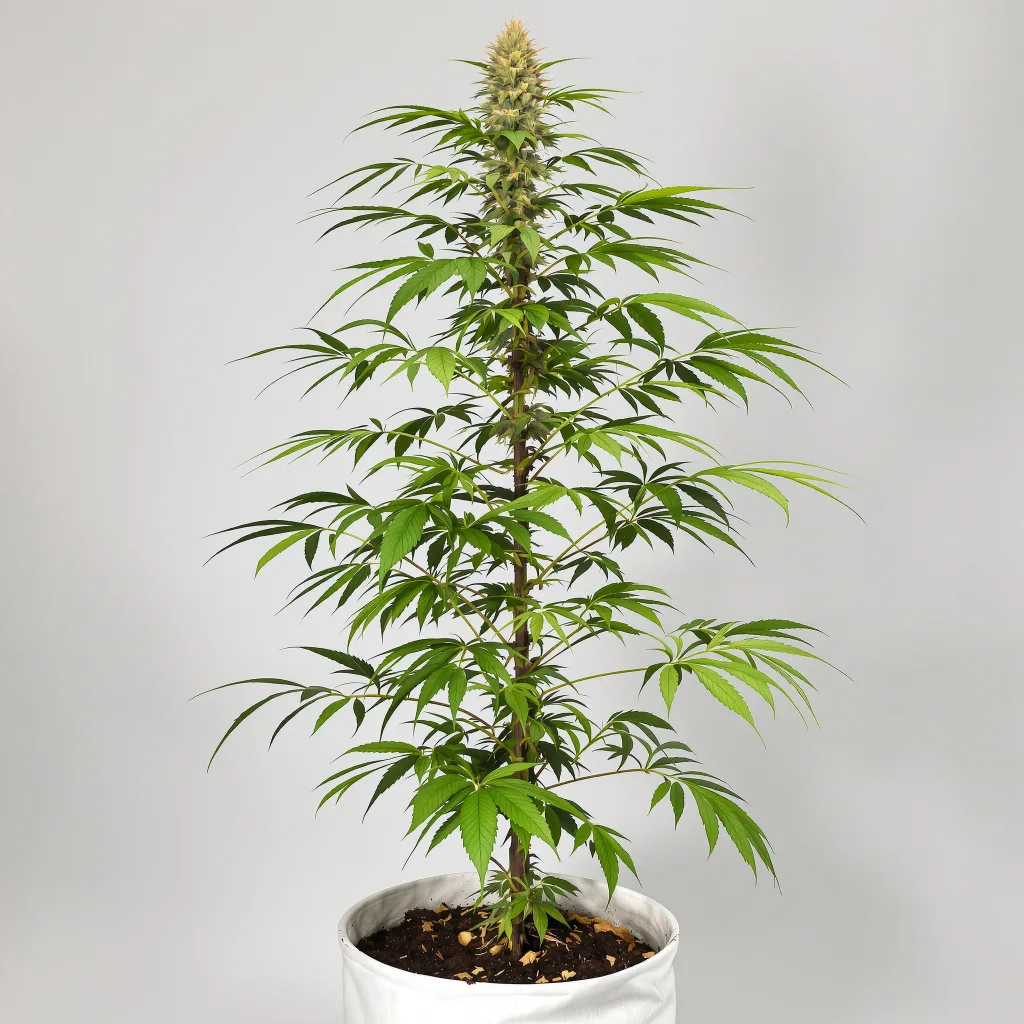
sativa
Turbo Mind Warp Auto
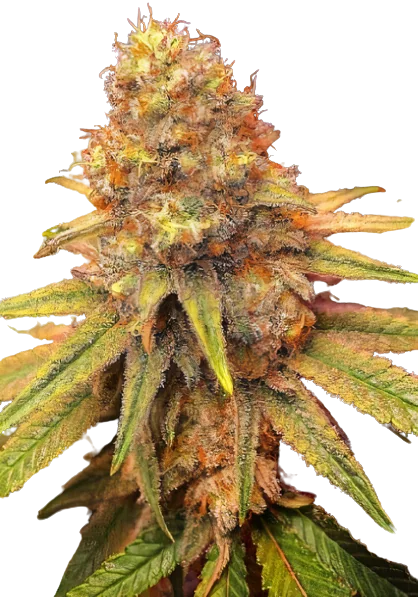
hybrid
California Orange Auto
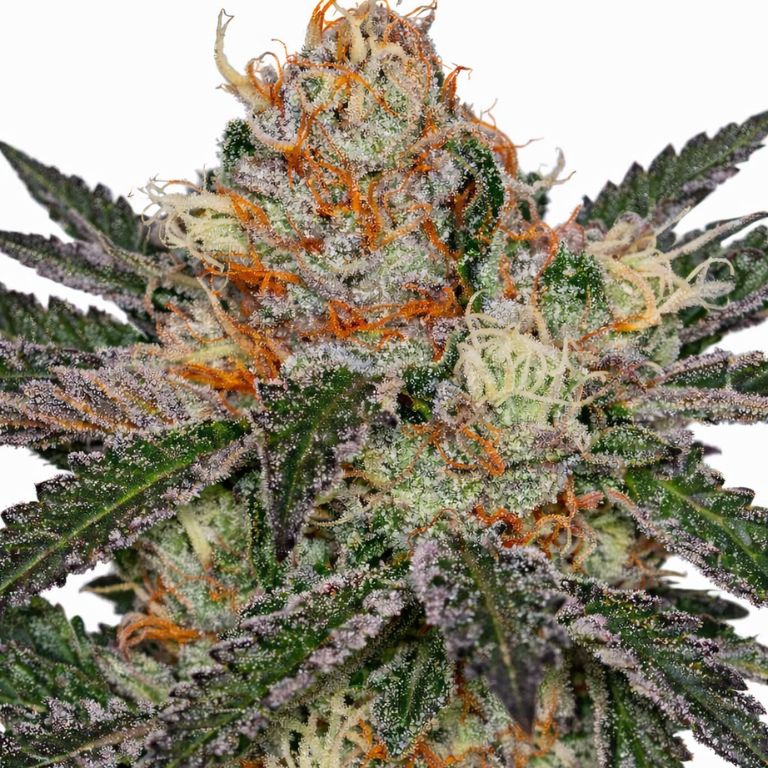
hybrid
Ripped Bubba Auto
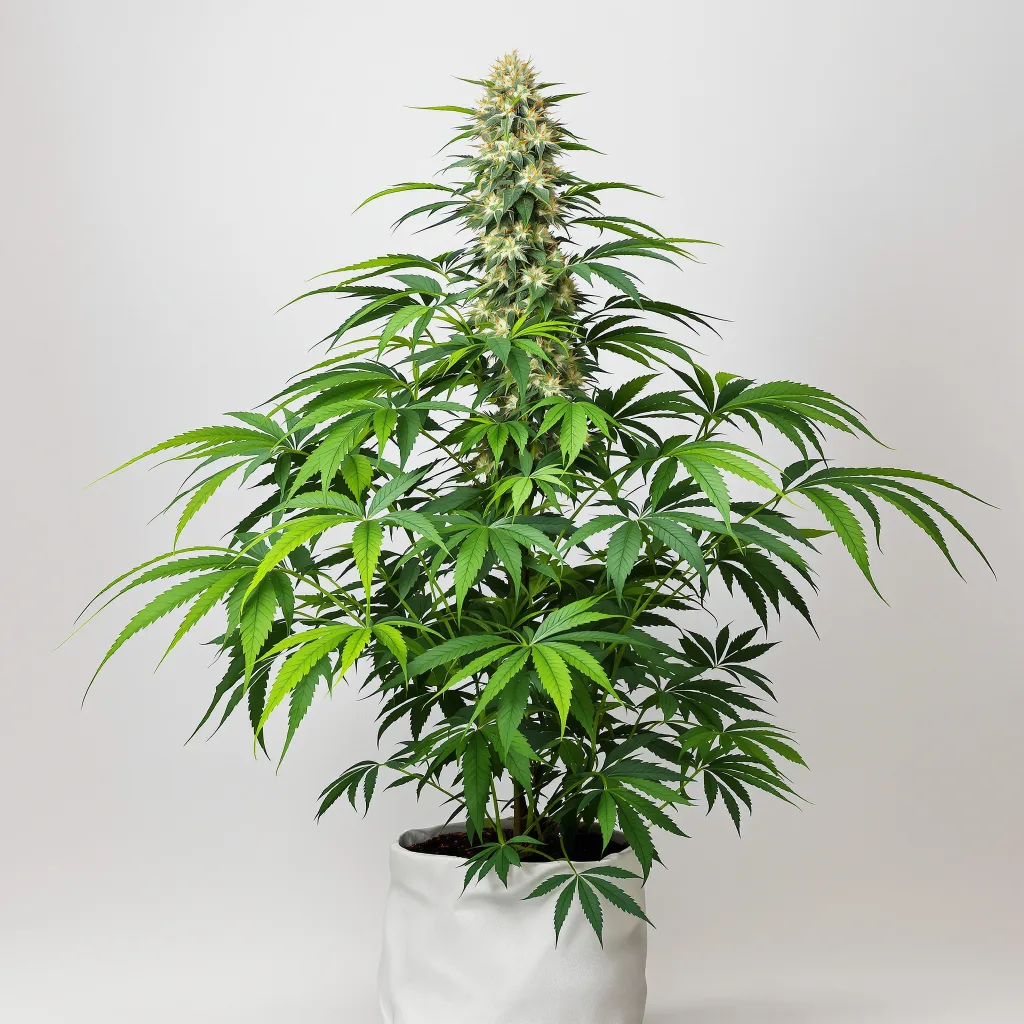
indica
Green Ribbon Auto
Related Buying Guides
Browse the full Autoflower Seeds collection
Premium genetics, US-wide discreet shipping, germination guaranteed.
Ready to Start Growing?
Shop 1,600+ feminized, autoflower, and CBD strains with 95% germination, discreet US-wide shipping, and free delivery on orders over $150.
Shop Cannabis Seeds