Table of Contents
Introduction of Black Tuna Strain Cannabis Seeds
Black Tuna Cannabis Seeds serve as a remarkable example of expert breeding, uniting two formidable strains to create a potent fusion. These seeds originate from the distinguished genetic lineage of Blackberry Kush and Tuna Kush, a heritage that underscores its robust effects and distinctive aroma. Esteemed for its well-balanced attributes, this strain delivers both therapeutic relaxation and heightened mental clarity. When cultivated with precision, its seeds yield plants that bear resinous buds, brimming with a pungent fragrance that weaves together the sweet nuances of Blackberry with the profound richness of Tuna Kush. Whether you are a cultivator or a cannabis connoisseur, Black Tuna seeds offer an unparalleled experience, reshaping the benchmarks of excellence in the realm of cannabis cultivation.
Origins
Indisputably, the historical antecedents and genesis of Black Tuna Cannabis Seeds constitute a profoundly captivating and pivotal narrative essential for comprehending its contemporary eminence.
The lineage of Black Tuna can be meticulously retraced to its progenitors: Blackberry Kush and Tuna Kush. Each parental strain boasts an individualistic and venerable genealogy, which, when seamlessly amalgamated, has culminated in the genesis of Black Tuna.
Blackberry Kush traces its origins to the fusion of Afghani, a venerable indica archetype, and Blackberry, a hybrid cultivar renowned for its delectably fruity bouquet. Over time, Blackberry Kush has garnered renown for its soothing effects and aromatic inflorescences, earning it favor among connoisseurs and individuals seeking respite from physical discomfort.
Conversely, Tuna Kush is shrouded in a veil of enigma. Allegedly hailing from the West Coast of Canada, this strain boasts a somewhat mysterious lineage. While the precise genetic provenance remains an enigma, it is unequivocally recognized for its formidable potency and distinctive piscine fragrance. Tuna Kush expeditiously ascended in demand for its formidable therapeutic attributes, particularly in the sphere of stress alleviation.
The fusion of these two iconic strains precipitated the birth of Black Tuna. Named in homage to the notorious 1970s syndicate renowned for clandestinely importing Colombian cannabis into the United States, the nomenclature of this strain alludes to its formidable might and potency. Originally introduced as a medicinal-grade cultivar, Black Tuna was primarily propagated to proffer relief to patients grappling with chronic pain, insomnia, and anxiety. Owing to its potent genetic constitution and efficacy, Black Tuna expeditiously transcended its medicinal origins, resonating not only within the medical community but also among recreational aficionados.
In essence, the emergence of Black Tuna stands as a testament to the refined artistry of cannabis breeding. By adroitly harnessing the virtuosity of two distinguished parental strains, Black Tuna Cannabis Seeds have etched an indelible mark within the annals of cannabis history, symbolizing a harmonious confluence of genetic prowess and botanical prowess.
Appearance
The physical attributes of Black Tuna Cannabis Seeds hold paramount significance in the comprehensive comprehension and distinctive identification of this particular cannabis strain.
Black Tuna Cannabis Seeds routinely manifest the following visual attributes:
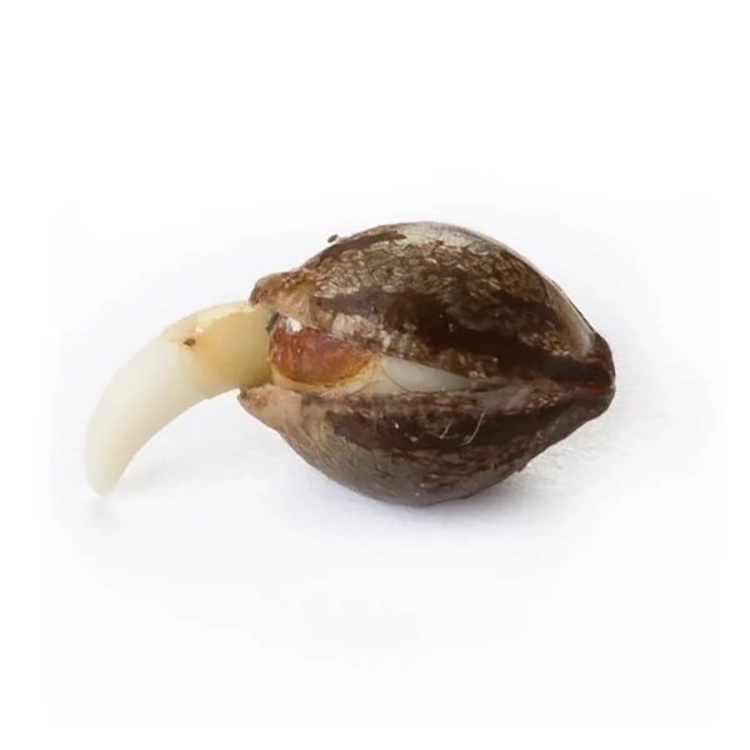
- Coloration: The seeds of Black Tuna frequently exhibit a deep, nearly ebony or charcoal-gray pigmentation. While minor variations in this dark shading may occur, it predominantly gravitates toward the darker end of the color spectrum.
- Dimensions: These seeds commonly fall within the conventional size range associated with cannabis seeds, typically measuring between 2 to 4 millimeters in length. They maintain a relatively diminutive and compact stature.
- Surface Texture: The seeds are characterized by a smooth and robust outer shell. This outer casing, endowed with resilience, serves as a protective shield for the fragile genetic material contained within.
- Surface Features: It is noteworthy that individual seeds may display subtle surface markings or striations. These intricacies can sometimes manifest as faint lines or intricate patterns, further contributing to the distinct visual identity of the seeds.
- Configuration: Black Tuna Cannabis Seeds typically adopt an oblong or teardrop silhouette, with one extremity featuring a slight taper while the opposing end exhibits a subtle curvature. This particular morphology aligns with the common characteristics of numerous cannabis seeds.
- Uniformity: It is imperative to underscore that superior Black Tuna seeds should consistently demonstrate a congruent appearance across the entire batch, encompassing uniformity in terms of color, size, and texture.
It is crucial to acknowledge that slight disparities in the appearance of cannabis seeds may arise due to variances in genetics, prevailing environmental conditions during cultivation, and the specific provenance of the seeds.
Nevertheless, these comprehensive visual attributes function as a valuable guide for the discerning identification of Black Tuna Cannabis Seeds.It is imperative to maintain a clear perspective that, for the vast majority of cultivators, the central focus squarely resides upon the genetic composition and viability of the seeds, as the visual attributes do not inherently serve as indicative markers of the ultimate quality of the ensuing plants.
CBD
Black Tuna is distinguished primarily by its notably high THC (tetrahydrocannabinol) concentration, as opposed to its CBD (cannabidiol) content. It is essential to recognize that THC functions as the psychoactive compound accountable for the distinctive “elevated” sensation linked to cannabis, whereas CBD is a non-psychoactive compound celebrated for its potential therapeutic properties.
The CBD composition within Black Tuna exhibits variability contingent upon the distinct phenotype or batch. Nevertheless, it consistently registers on the lower end of the spectrum when compared to strains meticulously bred to yield substantial CBD levels. Black Tuna strains are intentionally cultivated to maximize THC potency, frequently exhibiting CBD levels that are scarcely above 1% or, in certain instances, approaching 0%.
In the context of seeking a cannabis strain replete with high CBD content, particularly for medicinal purposes, it is advisable to redirect one’s focus. Black Tuna may not align with the requisites of such a pursuit. Instead, consideration should be given to strains explicitly engineered to possess elevated CBD concentrations, as they are better suited for therapeutic applications.
BLEND
Black Tuna stands as a hybrid cannabis strain celebrated for its judicious blend of Sativa and Indica genetic components. Though there may exist slight variations in the precise ratio among different phenotypes, it is conventionally acknowledged as a hybrid comprising 40% Sativa and 60% Indica genetics. This genetic constitution exerts a pivotal influence in defining the strain’s comprehensive attributes and effects.
A 40% Sativa, 60% Indica black tuna strain typically encompasses the following characteristics:
Sativa Influence (40%):
- Energetic and Uplifting: The infusion of Sativa genetics imparts an initial surge of mental vitality and euphoria.
- Creative Stimulation: Sativa-dominant strains such as Black Tuna commonly evoke creativity and enhance focus, rendering them suitable for endeavors demanding cognitive acumen.
- Mood Enhancement: Sativas possess the capacity to elevate mood and bestow a sense of well-being, an attribute often enticing to recreational enthusiasts.
Indica Dominance (60%):
- Deep Relaxation: The Indica genetic dominance progressively emerges throughout the high, inducing profound physical relaxation.
- Body Comfort: Users generally experience relief from muscular tension, stress, and physical discomfort owing to the strain’s tranquilizing properties.
- Sedative Effects: The prevailing Indica dominance can also instigate sedative effects, rendering Black Tuna a potential choice for evening or nocturnal consumption.
- Balanced Effects:The amalgamation of Sativa and Indica genetics within Black Tuna yields a well-rounded and versatile strain. Users stand to relish both the invigorating cognitive effects and the tranquilizing physical reprieve.
- This equilibrium positions Black Tuna as a fitting choice for diverse occasions, spanning from social gatherings and daytime creative endeavors to nocturnal relaxation and pain mitigation.
- Medical Potential:Black Tuna’s equitably balanced effects may pique the interest of medical cannabis users seeking relief from ailments such as chronic pain, anxiety, depression, and muscle spasms.The predominance of Indica genetics also underscores its potential utility in managing insomnia and facilitating restorative sleep.
- Aroma and Flavor:The terpene profile of Black Tuna, characterized by earthy, pungent, and occasionally citrusy notes, enriches the overall sensory encounter.
-
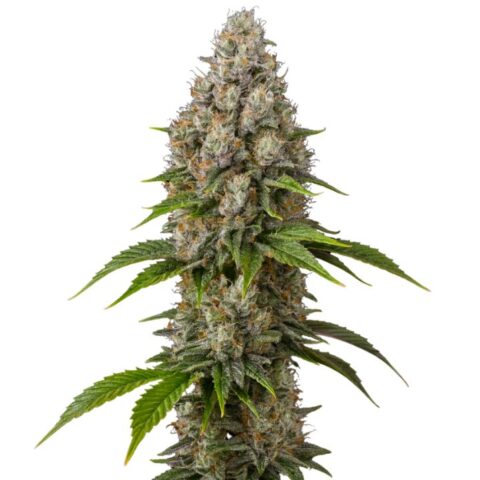
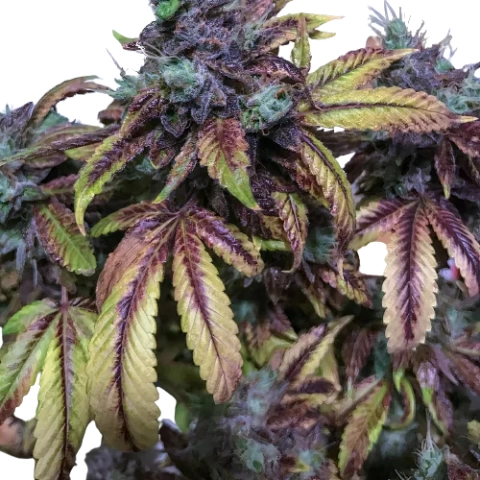
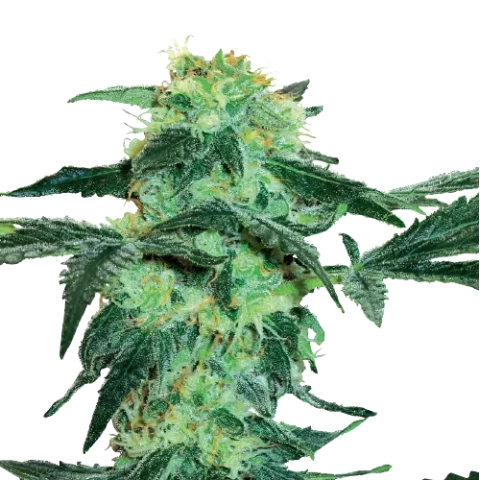 Black Tuna Cannabis SeedsFrom: $24.99
Tags: 12oz/ m2, 20% THC, 40% Sativa, 50-60 Days, 60% Indica, 7 ounces per plant, Black Tuna, Euphoric, Feminized, Herbal, Hybrid, Insomnia, Intermediate To Grow, late September or early October, Low CBD Levels, Medium Height, Pain, Photoperiod, Relaxing, Skunky, Sleepy, Spicy, Stress, Warm climate
Aroma
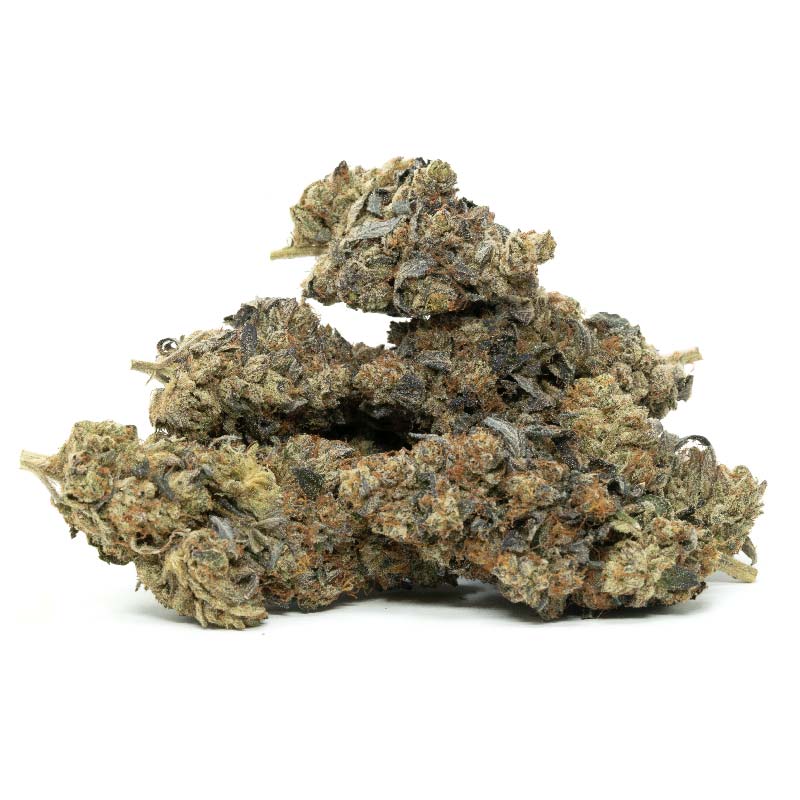
The fragrance emitted by Black Tuna, akin to its genetic ancestry, represents a captivating fusion originating from its parental strains, Blackberry Kush and Tuna Kush. Each of these contributors imparts distinct aromatic qualities, culminating in an aroma that is simultaneously intriguing and unforgettable.
The Tuna Kush lineage imparts an unmistakably pungent, piscine scent. While this may appear unconventional to the uninitiated, it constitutes a defining characteristic of this strain. The profound, oceanic undertones are often likened to the redolence of fresh tuna, which bestows a portion of its nomenclature upon this strain.
Conversely, Blackberry Kush introduces fruity and sweet nuances into the aromatic profile. As suggested by its name, discernible notes of ripe blackberries intermingle with the overall fragrance, imparting a certain sweetness that adeptly balances the weightier aroma derived from Tuna Kush.
In unison, these constituents yield a robust and multifaceted olfactory experience. Upon encountering Black Tuna, the initial impression is marked by a potent, pungent earthiness, emblematic of its Kush lineage. Nevertheless, as the buds are fragmented and ignited, the sweet, berry-like elements become progressively more prominent, engendering a harmonious interplay between the deep, musky fragrances and the lighter, fruity undertones.
This opulent aromatic profile not only endears Black Tuna to discerning aficionados due to its distinctive nature but also underscores the strain’s inherent potency and caliber. For many, the scent of Black Tuna serves as an immediate distinguishing characteristic, setting it apart from the multitude of strains within the expansive cannabis spectrum.
Flavor
The flavor spectrum encapsulated within Black Tuna serves as an extraordinary manifestation of its intricate genetic heritage, skillfully extracting distinct taste profiles from its parent strains, Blackberry Kush and Tuna Kush.
Commencing with the influence of Tuna Kush, this strain bequeaths Black Tuna with a profound, earthy foundation. It imparts a particular richness reminiscent of the skunk-like essence found in fresh kelp or the saline qualities of the ocean. While the “fishy” descriptor may be more pronounced in the aroma, the flavor profile manifests as a nuanced and opulent earthiness that forms the bedrock of Black Tuna’s taste.
In stark contrast, the imprint of Blackberry Kush leaves a discernible mark through the emergence of sweet and tangy bursts when Black Tuna is savored. These berry notes, akin to the luscious ripeness of blackberries, introduce a fruity counterpoint. This sweetness, far from being overpowering or saccharine, harmoniously melds with the deeper flavor undertones, culminating in a well-balanced taste profile.
Upon inhalation, users may initially detect mild spicy and skunky subtleties. However, as the smoke or vapor settles on the palate, the sweeter berry nuances progressively intensify, culminating in a gratifying aftertaste that lingers long after exhalation.
The interplay between the earthy, skunky elements and the brighter, fruity accents ensures that Black Tuna delivers a multi-dimensional and multifaceted gustatory encounter. This sophisticated amalgamation of flavors fundamentally distinguishes Black Tuna, rendering it an esteemed selection for those who prioritize taste as an indispensable facet of their cannabis indulgence.
Effects
Following initial consumption, a notable and expeditious euphoric elevation of cerebral faculties becomes evident to many users. This heightened mental state often serves as a catalyst for enhanced creativity, mood elevation, and heightened concentration. It is this initial surge that renders Black Tuna particularly appealing to those seeking respite from mood disorders or a means to elevate their emotional disposition.
- Gradual Deepening: As the intoxication progresses, the indica-dominant genetic constituents gradually come to the fore. A potent and pervasive bodily relaxation unfurls, cascading over users in progressive waves. This soothing effect effectively mitigates muscular tension, alleviates pain, and has the potential to induce a state of profound relaxation or even sedation when consumed in higher dosages.
- Equilibrium of Experience: The exceptional attribute of Black Tuna lies in its capacity to bestow a dualistic experiential paradigm. While cognitive faculties remain agile and elevated, the physical self descends into a tranquilized state. This equilibrium renders it a versatile choice, aptly catering to both recreational introspection and therapeutic relief.
- Medicinal Utility: Owing to its potent effects, Black Tuna has been harnessed for diverse medical applications. Its initial cerebral stimulation can transiently ameliorate conditions such as stress, anxiety, and depression, while its body-centric relaxation serves as an efficacious tool in assuaging chronic pain, muscle spasms, and insomnia.
- Prolonged Duration: Black Tuna is renowned for its enduring effects. The initial cognitive stimulation undergoes a gradual metamorphosis into profound relaxation, ensuring that users embark upon a protracted and comprehensive experiential voyage.
- Potency Considerations: In light of its robust genetic heritage, Black Tuna commands respect. It stands as a potent strain, capable of overwhelming novice users or those with heightened sensitivity to THC. Thus, a prudent approach is advocated, commencing with modest dosages to gauge individual tolerance levels.
In summation, Black Tuna furnishes an all-encompassing experience that caters to the cognitive and somatic domains. Its unique ability to invigorate mental faculties while concurrently pacifying the physical realm positions it as a cherished strain, appealing to both recreational enthusiasts and individuals in pursuit of holistic therapeutic relief. Notwithstanding its merits, due consideration must be accorded to its potency, warranting judicious and mindful utilization.
Medical Effects
Black Tuna, boasting its robust genetic lineage and a well-balanced profile, has unquestionably emerged as the preferred strain for a substantial contingent of medicinal cannabis users. The ensuing elucidation provides an exhaustive examination of its medical attributes:
- Pain Alleviation: Foremost among Black Tuna’s distinguished medical merits is its exceptional efficacy in mitigating a plethora of pain manifestations. The profound physical relaxation it instigates stands as a formidable adversary against ailments such as arthritis, migraines, muscular spasms, and chronic pain disorders, bestowing substantial relief or complete amelioration.
- Stress and Anxiety Mitigation: The initial euphoric elevation offered by Black Tuna confers profound advantages upon individuals grappling with stress, anxiety, and post-traumatic stress disorder (PTSD). The strain’s aptitude for elevating mood and instilling a profound sense of tranquility facilitates users in temporarily distancing themselves from the rigors of daily stressors and anxiety-inducing triggers.
- Sleep Enhancement: Black Tuna’s sedative properties, particularly when administered in more substantial doses, constitute a veritable blessing for those contending with sleep disorders. The strain’s gradual transition from cognitive uplift to profound bodily relaxation ushers users into a tranquil and restorative nocturnal reprieve.
- Appetite Augmentation: Black Tuna demonstrates a commendable capacity for stimulating the appetite, rendering it invaluable to patients beset by appetite depletion stemming from medical treatments such as chemotherapy or conditions like anorexia.
- Depression Alleviation: The cerebral effects elicited by Black Tuna offer respite from the somberness and lethargy synonymous with depression. By evoking a sense of euphoria and overall well-being, it aids in elevating one’s mood and perspective.
- Muscular Tension Abatement: Individuals contending with muscular spasms or tension have reported significant relief from Black Tuna’s profoundly relaxing attributes, effectively assuaging muscular constriction and discomfort.
- Anti-Nausea Properties: A subset of users has noted relief from nausea and emesis subsequent to the consumption of Black Tuna. This makes it a viable option for individuals undergoing medical treatments where nausea constitutes a prevalent side effect.
- Prudent Counsel: While Black Tuna undeniably furnishes an extensive array of medical benefits, it is imperative for prospective users to engage in consultation with healthcare professionals prior to its integration into their therapeutic regimen. The strain’s potency may overwhelm certain individuals, and, akin to all strains, it may potentially interact with other medications or underlying medical conditions. Thus, a judicious and informed approach is invariably recommended when contemplating the employment of medicinal cannabis.
Cultivation
Cultivating cannabis, or any plant for that matter, necessitates a meticulously orchestrated series of steps to ensure robust and thriving growth outcomes. Presented here is a systematic guide for the cultivation of seeds:
- Diligent Research: It is imperative to immerse oneself in a comprehensive study of the specific requirements inherent to the seeds under consideration. Each plant species presents distinct prerequisites for optimal growth.
- Legal Adherence: Prior to commencing the cultivation endeavor, it is imperative to ascertain the legality of cultivating the chosen plant species within the jurisdiction of residence.
- Space Assessment: A critical decision lies in determining the most suitable growth environment, whether it be outdoors, indoors, or within the controlled confines of a greenhouse.
- Procurement of Premium Seeds: The fundamental cornerstone is acquiring seeds of the highest quality, characterized by freshness and freedom from diseases.
- Soil Selection: Selecting the appropriate soil is paramount, as certain plants exhibit preferences for acidic, neutral, or alkaline soils.
- Soil Drainage Evaluation: Ensuring effective soil drainage is of utmost importance to prevent the occurrence of root rot, a common impediment to plant health.
- Acquisition of Plant Containers: In the event of indoor cultivation, securing the correct plant containers, such as pots or growing bags, is indispensable.
- Illumination Setup: Indoor cultivation necessitates the meticulous selection of suitable lighting systems, be it LED, CFL, or other alternatives.
- Temperature Control: Maintaining a temperature conducive to seed germination is imperative for successful cultivation.
- Humidity Maintenance: Employing humidity domes for seed trays assists in the establishment of an optimal germination environment.
- Seed Germination: Seeds may be germinated through methods such as employing a moist paper towel, seedling plugs, or the direct sowing method.
- Precise Water Management: Exercise careful discretion in watering, as both overhydration and underwatering can have adverse consequences.
- Seedling Vigilance: Continuous monitoring of seedlings is essential, with particular attention to the emergence of the first set of true leaves.
- Lighting Adjustment: To facilitate healthy growth in the initial stages, it is imperative to ensure that seedlings receive 16-18 hours of light daily.
- Transplantation Strategy: When seedlings outgrow their initial containers, judicious planning for their transplantation becomes necessary.
- Seedling Hardening: Gradually acclimating seedlings to outdoor conditions fortifies them for the transition.
- Transplantation Execution: The relocation of seedlings to larger pots or garden beds should be meticulously executed.
- Consistent Watering: Maintaining a consistent moisture level in the soil, avoiding waterlogging, is pivotal for plant health.
- Introduction of Fertilizers: Employing a balanced, diluted fertilizer regimen aids in nourishing the plants.
- Pest Surveillance: A vigilant eye for pests, including insects and caterpillars, and the detection of signs of infestations is paramount.
- Disease Monitoring: An ongoing vigil for fungal diseases, leaf yellowing, or wilting is essential to ensure early intervention.
- Natural Predators Deployment: The introduction of beneficial insects such as ladybugs and praying mantises can serve as a natural means of pest control.
- Pruning and Training: Engaging in pruning and training techniques is instrumental in promoting growth and augmenting yields.
- Nutrient Adjustment: As plants advance through their growth stages, it is imperative to recalibrate nutrient provision to match their evolving needs.
- pH Level Assessment: Regularly testing soil or water pH levels is pivotal to uphold optimal conditions.
- Adequate Airflow: Facilitating proper airflow mitigates the risk of fungal diseases and bolsters plant vitality.
- Plant Rotation: In the context of indoor cultivation, periodic plant rotation guarantees uniform light distribution.
- Growth Monitoring: Diligently observing the vegetative and flowering phases of plant development is fundamental.
- Light Manipulation: For plants subject to flowering cycles, adjusting light exposure is imperative to optimize flowering.
- Flowering Optimization: Plants that bear fruits and flowers demand meticulous attention to maintain ideal conditions.
- Flushing Pre-Harvest: Before harvesting, consider flushing the plants to remove excess nutrients.
- Maturity Assessment: A profound understanding of the specific plant’s maturity indicators is imperative for judicious harvesting.
- Harvesting: Depending on the particular plant species, harvesting may involve cutting, plucking, or uprooting.
- Post-Harvest Care: Certain plants necessitate post-harvest procedures such as drying, curing, or other specialized treatments.
- Storage Precautions: Proper storage conditions are paramount to preserve the quality of harvested produce.
- Clean-Up Endeavors: The removal of plant debris and the meticulous cleaning of the cultivation area are essential for hygiene and pest control.
- Soil Health Monitoring: Consistently replenishing and revitalizing the soil prepares it for the forthcoming planting cycle.
- Crop Rotation Strategy: In the case of garden beds, the implementation of crop rotation prevents soil exhaustion.
- Post-Cycle Evaluation: A comprehensive review of the cultivation cycle facilitates learning from successes and failures alike.
- Tool Organization: Ensuring the availability of all requisite tools for the ensuing cycle is a proactive measure.
- Equipment Sterilization: Thoroughly cleaning and disinfecting pots, tools, and the cultivation space is essential.
- Soil Analysis: Periodic soil testing for nutrient levels and pH is integral to informed cultivation.
- Composting Initiatives: The initiation of composting efforts contributes organic nutrients for subsequent growth cycles.
- Future Cycle Planning: The duration of growth cycles dictates the need for strategic planning for the next planting cycle.
- Documentation Maintenance: The meticulous upkeep of a growth journal serves as a valuable reference.
- Networking: Establishing connections with fellow cultivators fosters the exchange of insights and techniques.
- Periods of Rest: Allowing the soil and oneself a period of respite before the commencement of the next planting cycle is prudent.
- Replenishment of Supplies: Restocking on seeds, fertilizers, and essential supplies ensures preparedness for future cycles.
- Seed Storage Prudence: Storing unused seeds in cool, dark environments preserves their viability.
- Lifelong Learning: Staying abreast of the latest advancements in plant cultivation techniques is a continuous pursuit.
Bear in mind that the cultivation of plants demands unwavering patience, unwavering attention to detail, and a steadfast commitment to learning from both achievements and setbacks. Each growth cycle represents an invaluable opportunity to enhance one’s understanding of plant cultivation and to refine the artistry of cultivation techniques.
For Outdoor Cultivation:
In the realm of outdoor cultivation, it is the customary pattern for Black Tuna plants to commence their flowering stage in the latter part of August to early September.
The ensuing flowering period endures for a span of roughly 50 to 60 days, with the plants typically attaining harvest readiness in the late September to early October timeframe.
This temporal alignment coincides with the natural transition from summer to autumn when daylight hours diminish, prompting cannabis plants to initiate the flowering process.
For Indoor Cultivation:
In the domain of indoor cultivation, one can similarly anticipate Black Tuna plants to manifest a flowering period spanning 50 to 60 days.
Indoor cultivators wield enhanced control over the lighting regimen, allowing for meticulous adjustments to stimulate the onset of flowering.By transitioning to a lighting schedule comprising 12 hours of illumination followed by 12 hours of darkness, indoor growers can effectively induce the initiation of the flowering phase.
Subsequent to this transition, it is conventional for the plants to undergo an approximate 50 to 60-day maturation period, culminating in their readiness for the harvest.
It is of paramount importance to underscore that while the specified flowering time serves as a valuable benchmark, the precise duration may exhibit variance contingent upon factors such as prevailing environmental conditions, genetic attributes, and the utilization of specific cultivation methodologies.
Cultivating Resilience: Guarding Plants Against the Ravages of Pernicious Insects
Indubitably, a multitude of insect species pose a considerable threat to plants, particularly during their vulnerable seedling stages. Presented here are 20 insects renowned for their detrimental impact on plant seeds and nascent seedlings:
- Aphids: These sap-siphoning pests have the capacity to impede seedling growth and act as vectors for plant viruses.
- Cutworms: These nocturnal caterpillars are notorious for severing seedlings at ground level.
- Flea Beetles: Diminutive beetles known for gnawing small perforations in leaves, which can be especially deleterious to young plants.
- Whiteflies: Sap-feeding pests capable of inducing stunted growth and the transmission of diseases.
- Seedcorn Maggot: These voracious maggots feed on seeds and tender seedlings, impeding germination or inflicting fatal harm upon juvenile plants.
- Leafminers: These insects deposit their eggs within plant tissue, and their larvae subsequently create tunnels through leaves, engendering significant damage.
- Spider Mites: Minute mites that extract sap from plants, resulting in stippling and the enfeeblement of the plant.
- Root Aphids: In contrast to their foliage-consuming counterparts, these aphids target the roots, leading to growth retardation.
- Wireworms: The larvae of click beetles, wireworms voraciously feed on seeds and roots, frequently resulting in the demise of seedlings.
- Thrips: These diminutive insects siphon sap and can disseminate plant viruses, ultimately leading to stunted growth.
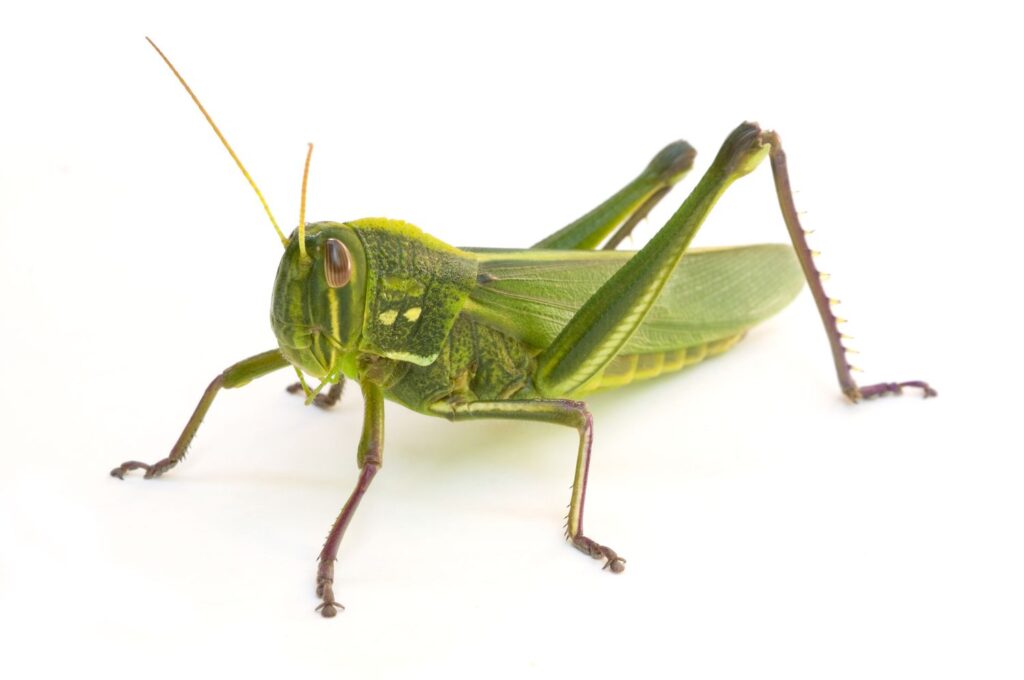
- Grasshoppers: Capable of voraciously consuming substantial portions of leaves, grasshoppers pose a pronounced threat to young plants.
- Slugs and Snails: While not classified as insects, these mollusks can rapidly devour sizeable sections of young plants during the nocturnal hours.
- Root Maggots: Larvae, primarily those of the cabbage fly, possess the capacity to decimate the root systems of fledgling plants.
- Leaf Beetles: Diverse species indulge in the consumption of leaves, thereby instigating the weakening of tender plants.
- Vine Weevil: The larvae of this species engross themselves in the consumption of plant roots, consequently resulting in the wilting and demise of seedlings.
- Cabbage Moth and Butterfly: Their larvae exhibit a proclivity for consuming young brassica plants to a considerable extent.
- Stem Borers: These pests burrow into stems, instigating debilitation or mortality of seedlings.
- Mealybugs: As sap-siphoning pests, mealybugs can enervate young plants and facilitate the development of mold.
- Scale Insects: Another category of sap-feeding pests, scale insects possess the capacity to enfeeble and impede the growth of seedlings.
- Fungus Gnats: While their adult counterparts are innocuous, their larvae engorge themselves on roots and can introduce detrimental fungi.
It is of paramount importance to conduct regular plant surveillance and institute immediate measures upon detecting the presence of any of these pernicious pests. Employing preventative strategies such as protective netting or the introduction of natural predators can prove highly efficacious in safeguarding plants from their depredations.
Cultivating Pest-Resistant Crops: A Comprehensive Guide to Safeguarding Seeds and Seedlings

Certainly. Safeguarding your seeds and seedlings from the detrimental impact of insect pests is of utmost importance to ensure the robust growth of your plants. Presented below is a comprehensive set of guidelines designed to fortify the defense of your seeds against these invasive pests:
- Soil Sterilization:
- Addressing the menace of soil-borne pests like root maggots and wireworms necessitates soil sterilization as a fundamental measure.
- This can be effectively executed by subjecting the soil to a rigorous treatment within an oven, maintaining a temperature of approximately 200°F (93°C) for a duration of 30 minutes.
- Seed Treatment:
- Administering protective treatments to seeds, employing either natural or synthetic insecticides and fungicides prior to planting, establishes a formidable deterrent against initial pest incursions.
- Physical Barriers:
- Employing row covers or specialized insect netting assumes the role of an impervious physical barricade, obstructing the ingress of a multitude of invasive insects.
- Crafting collars fashioned from materials such as cardboard or aluminum foil around tender seedlings serves as an effective deterrent against potential cutworm damage.
- Diatomaceous Earth:
- Harnessing the potency of diatomaceous earth, an all-natural substance derived from crushed diatoms, can effectively discourage the presence of soft-bodied pests, including slugs, snails, and select larvae, by its strategic application around plant bases.
- Yellow Sticky Traps:
- To ensnare airborne pests such as fungus gnats and whiteflies, deploying yellow sticky traps stands as a pragmatic measure.
- Proper Watering:
- Guard against the proliferation of pests such as fungus gnats by exercising meticulous care in regulating soil moisture levels, maintaining a condition of dampness without succumbing to waterlogging.
- Companion Planting:
- Leverage the natural repellent properties of certain plants, as exemplified by marigolds, known to deter nematodes and other intrusive pests.
- Natural Predators:
- Foster an environment conducive to beneficial insects, including ladybugs, praying mantises, and predatory mites, that actively prey upon deleterious pests.
- Regular Monitoring:
- Conduct diligent and recurrent inspections of your plants, paying particular attention to the underside of leaves, a favored locale for pest habitation. Timely detection and removal of pests can curtail burgeoning infestations.
- Neem Oil:
- Deploy regular applications of neem oil, renowned for its efficacy in repelling a wide spectrum of pests.
- Insecticidal Soaps:
- Combat soft-bodied pests, such as aphids and spider mites, with the judicious application of insecticidal soaps.
- Crop Rotation:
- Employ the strategic practice of crop rotation to disrupt the life cycles of pests and mitigate their proliferation.
- Healthy Soil:
- Cultivate a soil substrate replete with balanced nutrients, thereby fortifying the vitality of your plants and rendering them inherently resistant to pest pressures.
- Maintain Cleanliness:
- Uphold impeccable hygiene standards by expeditiously removing plant debris, fallen leaves, and cannabis, all of which serve as potential breeding grounds for pests and diseases.
- Diversify Plantings:
- Eschew monocultures by diversifying your plant selections, a measure that serves to thwart the unchecked propagation of specific pests.
- Soil Covers:
- Implement soil covers such as mulch or a layer of sand to act as impediments to pests like fungus gnats.
- Natural Repellents:
- Formulate repellent sprays from natural sources such as chili pepper and garlic to dissuade certain pests from encroaching.
- Avoid Chemical Pesticides:
- Reserving chemical pesticides as a last resort is advisable, as they have the potential to indiscriminately harm beneficial insects and the ecosystem.
- Barrier Trenches:
- For countering larger pests like beetles, the creation of trenches filled with water encircling the plantation area can serve as an effective deterrent.
- Prudent Seed Storage:
- Safeguard the integrity of your seeds by storing them in a cool, dry environment prior to planting. This precautionary measure precludes the risk of pest infestation or mold formation.
It is incumbent upon the diligent practitioner to maintain a proactive stance in this endeavor. Regular vigilance and the application of preventive measures are the vanguard against the encroachment of pests, thereby averting the escalation of potential issues. Swift and decisive action in addressing any observed pest-related concerns is paramount to mitigate any deleterious consequences.
In Conclusion
The Black Tuna strain has garnered substantial attention and recognition within the cannabis community, attributable to a confluence of compelling factors:
- Potent Lineage: Black Tuna draws its genetic heritage from Blackberry Kush and Tuna Kush, both esteemed for their robust potency and discernible effects. This synergistic blend yields a strain that harmoniously encapsulates the strengths of its parentage.
- Balanced Effects: Black Tuna presents a distinctive amalgamation of cerebral invigoration and profound relaxation. This duality renders it an exceptionally versatile choice, catering to the preferences and needs of both recreational and medicinal users.
- Distinct Aroma and Flavor: The interplay of fruity blackberry nuances and a pungent, aquatic bouquet creates a memorable and distinctive olfactory encounter. Amidst a saturated market, this aromatic profile distinguishes Black Tuna as a noteworthy contender.
- Medicinal Merit: Beyond its recreational allure, Black Tuna has been commended for its therapeutic attributes, notably in the management of pain, anxiety, and insomnia, thus aligning with the demands of medical cannabis users.
- Cultural Significance: Bearing the appellation of the 1970s smuggling syndicate involved in the illicit transportation of Colombian cannabis to the United States, Black Tuna’s nomenclature adds an intriguing historical dimension to its identity.
In concert with its consistent cultivation excellence, these compelling facets have firmly entrenched Black Tuna’s status as an eminent and distinctive presence within the realm of cannabis.”
- Induces Profound Relaxation: This strain undeniably induces a state of profound relaxation, attaining a peak score of 10.
- Promotes Elevated Happiness: It instills a sense of happiness with a notable score of 6.
- Elicits Euphoria: The euphoric state it elicits is pronounced, achieving a rating of 6.
- May Prompt Sleepiness: While not the predominant effect, it may induce sleepiness with a rating of 5.
- Uplifting Sensation: In addition to relaxation, users may experience an uplifting sensation, achieving a score of 5.
Adverse Reactions (Negative):
- Dry Mouth: The most common adverse reaction is dry mouth, which attains a score of 10.
- Dry Eyes: Dry eyes may also occur, although less frequently, with a score of 6.
- Dizziness: Dizziness is reported, though infrequently, with a score of 3.
- Occasional Paranoia: Paranoia may occur on rare occasions, with a minimal score of 1.
- Mild Anxiety: Instances of mild anxiety are sporadically reported, also with a score of 1.
Fragrance (Aroma Profile):
- The fragrance of this strain is characterized by skunky, pungent, and earthy notes.
Flavors (Taste Profile):
- Its taste profile is marked by spicy, skunky, herbal, and woody notes.
Medical Benefits:
- Effective for Pain Relief: It is highly effective in providing relief from pain, meriting a score of 10.
- Alleviates Stress: This strain exhibits notable stress-alleviating properties, achieving a score of 7.
- Mitigates Depression: It may also assist in mitigating symptoms of depression, with a score of 5.
- May Aid in Insomnia Treatment: In certain cases, it has demonstrated potential in aiding the treatment of insomnia, with a score of 5.
- Minor Appetite Enhancement: Although to a lesser degree, it may enhance appetite, garnering a score of 2.
Flowering Time Outdoors:
- Outdoors, this strain is typically ready for harvest from late September to early October.
| BEST USE | Insomnia, Pain, Stress |
|---|---|
| BLEND | 40% Sativa, 60% Indica |
| CBD LEVEL | Low (Less than 2%) |
| EFFECTS | Euphoria, Relaxed, Sleepy |
| FLAVOR | Herbal, Skunky, Spicy |
| FLOWERING PERIOD | 50-60 Days |
| GROWING DIFFICULTY | Intermediate |
| PLANT HEIGHT | Medium |
| THC CONTENT | 20% |
| TYPE | Hybrid |
Related Strains
-
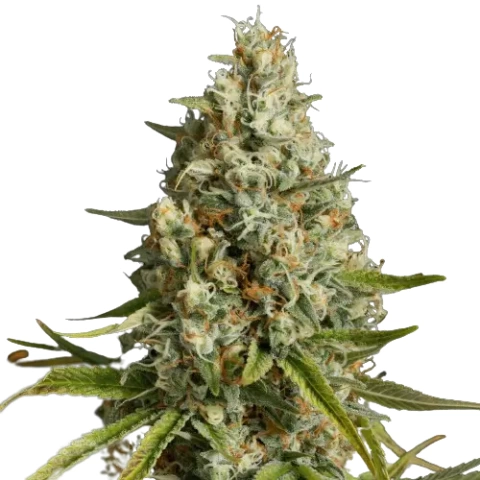
 Sour Grape Cannabis SeedsFrom: $24.99
 -
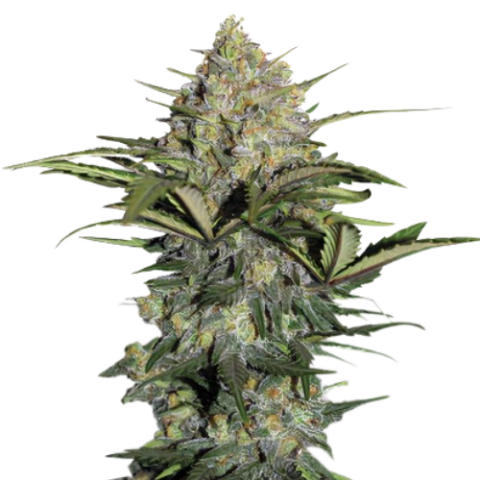
Tuna Kush Cannabis SeedsFrom: $24.99
-
Amnesia Lemon Cannabis SeedsFrom: $24.99
-
 Mexican Haze Cannabis SeedsFrom: $24.99
 -
Gorilla Glue Cannabis SeedsFrom: $24.99
-
Gelato Cannabis SeedsFrom: $24.99


For a complete directory of cultivars, visit our Cannabis Strain Reviews.
