Table of Contents
Introduction of Black Cherry Strain Cannabis Seeds
Black Cherry Cannabis Seeds represent a pinnacle of botanical mastery and agricultural innovation. Originating from a meticulous blend of genetics, these seeds give rise to a plant renowned for its potent therapeutic properties and unforgettable aroma. With a tantalizing fusion of sweet cherry undertones and earthy richness, the Black Cherry strain stands distinguished in a crowded marketplace. Esteemed for both recreational and medicinal applications, these seeds are a testament to the advancement and refinement of modern cannabis cultivation. Any connoisseur or cultivator seeking a unique, top-tier experience would be remiss to overlook the exceptional attributes of the Black Cherry Cannabis Seeds.
Origins
Black Cherry Cannabis Seeds, while gaining significant popularity in recent years, have a lineage that draws from both classic and novel cannabis strains. Rooted deeply in the annals of cannabis cultivation, its history is a tapestry woven with genetic experimentation and dedicated breeding.
The precise origins of Black Cherry Cannabis can be traced back to its parent strains, most commonly believed to be a harmonious blend of ‘Blackberry’ and ‘Afghan’ strains. Blackberry itself is a mix of ‘Black Domina’ and a variant of ‘Raspberry Cough’, combining the sedative effects of the former with the latter’s more uplifting traits. On the other hand, the Afghan strain is esteemed for its pure indica genetics, offering profound relaxation and robust growth characteristics.
Introduced initially by a handful of innovative breeders seeking a strain that melded the best of both worlds, Black Cherry Cannabis was the answer to a demand for a robust plant with a unique flavor profile and potent therapeutic effects. The meticulous process of selecting the best phenotypes ensured that the resulting hybrid would encapsulate a perfect blend of its parents’ best attributes.
The delightful scent and taste of ripe cherries complemented by a subtle earthy undertone quickly endeared Black Cherry to a wide spectrum of enthusiasts, from occasional consumers to seasoned connoisseurs. Its harmonious effects, providing both mental invigoration and bodily tranquility, played a pivotal role in enhancing its esteemed status.
As Black Cherry’s renown extended, so did the global cultivation of Black Cherry Cannabis Seeds, attracting growers from diverse regions who aimed to integrate it into their horticultural pursuits. These dedicated efforts led to the meticulous refinement of its genetics over time, resulting in the emergence of numerous phenotypes, each upholding the distinctive traits of the original strain while presenting nuanced variations to accommodate a wide array of preferences.
In summation, Black Cherry Cannabis Seeds owe their existence to a rich tapestry of cannabis genetics and the relentless pursuit of excellence by breeders. They boldly exemplify the dynamic evolution within the realm of cannabis cultivation, affirming the enduring magnetism of superior strains.
Appearance
The Black Cherry Cannabis Seeds exhibit a range of distinguishing features that make them stand apart in the vast world of cannabis seeds:
Appearance:
- Size: The seeds are typically medium-sized, fitting comfortably between the fingers.
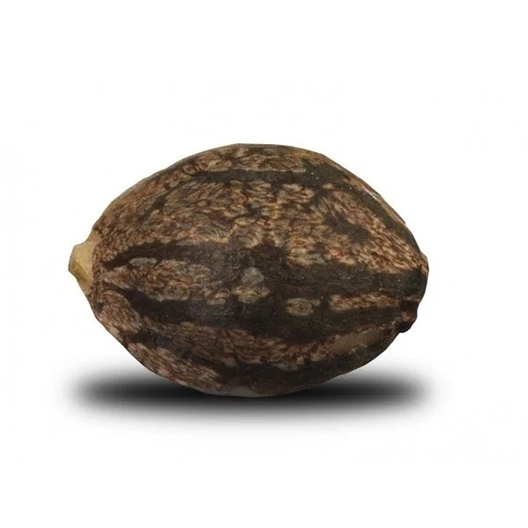
- Color: They boast a deep, rich brown hue, occasionally veined with lighter tan streaks. A slight sheen is evident under direct light, signifying a healthy, viable seed.
- Shape: These seeds tend to be teardrop-shaped, with one end tapering more pointedly, while the broader base is slightly rounded.
Texture:
- Surface: The outer shell, or the pericarp, is smooth to the touch but possesses a firm hardness that protects the vital embryo within.
- Integrity: A gentle squeeze between the fingers will reveal their solid resilience, indicating their readiness for germination.
Germination Rate:
- Black Cherry Cannabis Seeds are known for their high germination rates, a testament to their quality. When cultivated under optimal conditions, a majority of these seeds will successfully sprout, leading to robust plant growth.
Genetic Traits:
- Black Cherry Cannabis Seeds carry a dominant Indica genetic lineage, which is evident in the resulting plants’ growth pattern – compact, bushy, with broad leaves of a deep green hue.
- They also inherit a remarkable resistance to pests and common cannabis diseases, thanks to their resilient Afghan ancestry.
In essence, Black Cherry Cannabis Seeds are a perfect fusion of aesthetics, resilience, and potential. Their very presence in a cultivator’s collection signifies an appreciation for quality and a commitment to cultivating a strain that promises both therapeutic benefits and an unparalleled sensory experience.
-
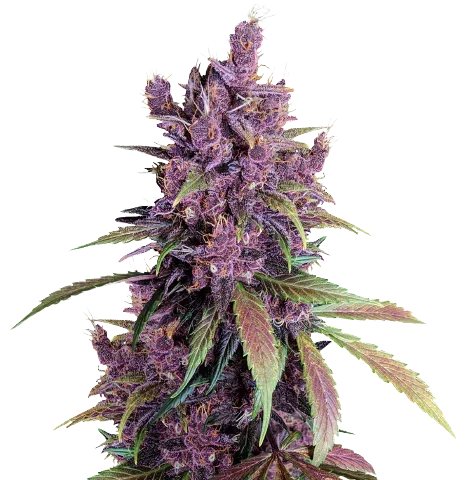 Black Cherry Cannabis SeedsFrom: $24.99
Aroma
The aroma of Black Cherry Cannabis is a heady, tantalizing blend that has captivated enthusiasts and connoisseurs alike. It’s a fragrance that conjures the very essence of its name, a dance of rich, fruity notes with an earthy base that grounds it.
Aroma Description: The primary aromatic profile of Black Cherry Cannabis is unmistakably reminiscent of ripe cherries – a sweet, slightly tart burst that is both refreshing and inviting. This fruity top note is perfectly complemented by deeper, earthy undertones that lend it a richness and complexity. For some, there might also be hints of woody or pine nuances, and in certain phenotypes, a subtle musky or skunky backdrop. Together, these elements form an aroma that is both vibrant and soothing, evocative of orchards drenched in the warmth of the sun.
History of the Aroma: The lineage of Black Cherry Cannabis plays a pivotal role in the evolution of its signature aroma. The Blackberry parent strain, with its lineage including the likes of ‘Black Domina’ and ‘Raspberry Cough’, contributes the fruity dimensions. ‘Black Domina’ itself has been celebrated for its spicy and earthy aroma, while ‘Raspberry Cough’ introduces a more fruity essence to the genetic mix.
On the other side, the Afghan strain, known for its deep, resinous, and earthy scents, imbues the Black Cherry with its grounding base notes.
This strain’s roots venture back to the rugged peaks of Afghanistan, where the indigenous cannabis plants, nurtured by the region’s distinctive climate and soil, have forged their aromatic legacy in an epic tale of terroir and resilience.
The blending of these two strains’ genetics is what birthed the Black Cherry Cannabis’ distinctive aroma. Over time, as the strain gained traction and popularity, breeders and cultivators have fine-tuned its characteristics. Through selective breeding and meticulous cultivation practices, the aroma has been refined and intensified, leading to the aromatic masterpiece that Black Cherry Cannabis is known for today.
Flavor
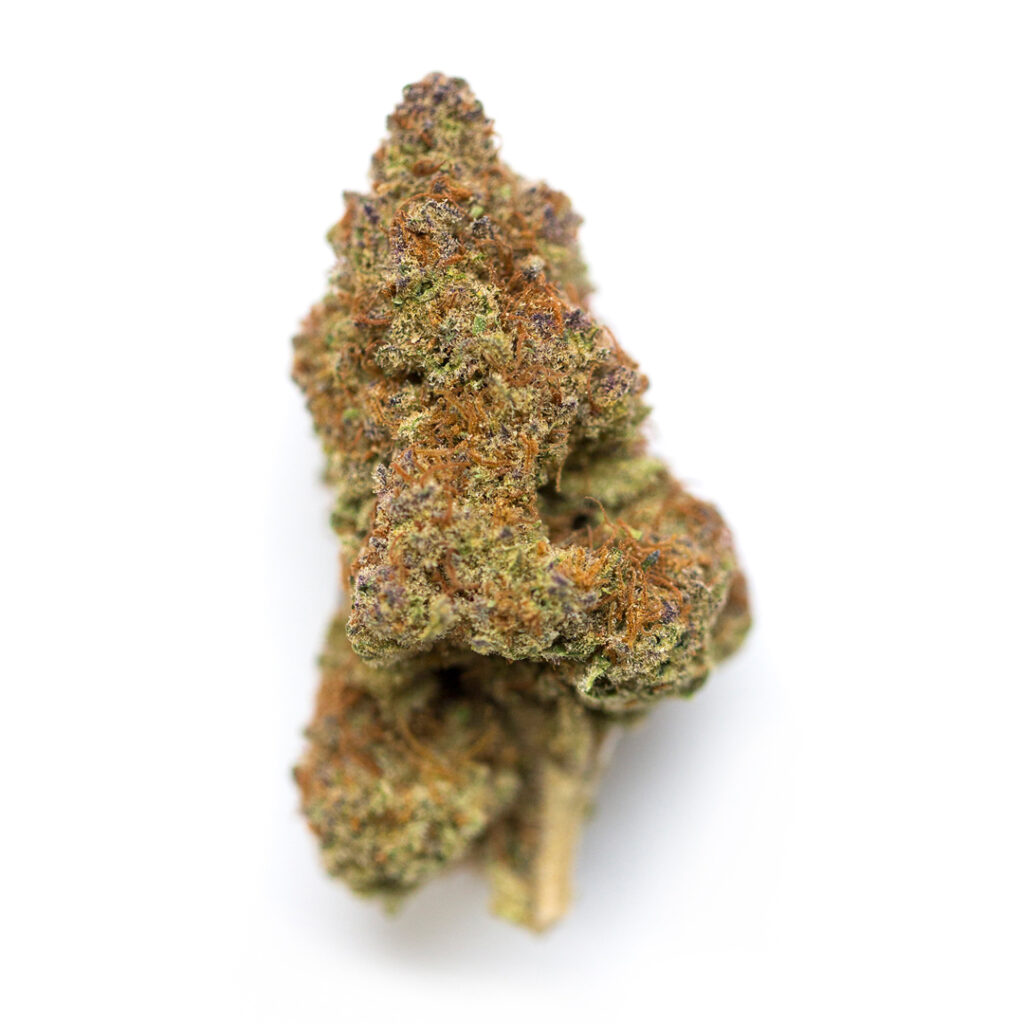
Flavor Description: The initial taste of Black Cherry Cannabis is a luscious burst of cherries – a harmonious blend of sweet and tart notes, mirroring the freshness of the fruit itself. This immediate cherry dominance then gives way to a deeper, earthier undertone, reminiscent of rich, fertile soil. For many, there’s also a hint of woody richness, a touch of pine, and sometimes a trace of warm, spicy undertones. When consumed, the intricate layers of its flavor unfold progressively, making every puff a journey from the freshness of fruit orchards to the depth of ancient forests.
History of the Flavor: The story of Black Cherry Cannabis’s flavor is a journey through time, shaped by genetics, environment, and human endeavor. Its parent strains play a crucial role in crafting its current palate profile. The Blackberry lineage, with strains such as ‘Black Domina’ and ‘Raspberry Cough’, has gifted the fruity, berry-like sweetness to Black Cherry Cannabis. These strains have been cherished for generations for their pleasant and refreshing flavors.
The Afghan lineage, on the other hand, brings the depth. Native to the mountainous terrains of Afghanistan, this strain has evolved over millennia, absorbing the terroirs of its homeland. The Afghan cannabis strains are known for their profound, earthy flavors, and this genetic heritage imparts the robust base that underpins the cherry sweetness of the Black Cherry Cannabis.
Over time, as Black Cherry Cannabis began to carve its niche in the world of cannabis strains, cultivators and breeders have played their part in refining its flavor. By selecting phenotypes that expressed desired flavor profiles more intensely, and through precise cultivation techniques, the modern Black Cherry Cannabis has been honed to deliver a consistently delightful taste experience.
Essentially, the flavor encapsulated in Black Cherry Cannabis Seeds emerges as the zenith of nature’s fortuity intertwined with human craftsmanship. It narrates a saga of antique strains, distant terrains, and the ceaseless quest for impeccability. Every inhalation beckons users to relish a tapestry of heritage and the pledge of an indelible journey.
Effects
Effects Description: Upon consumption, Black Cherry Cannabis often presents an initial cerebral uplift, a gentle wave of euphoria that stimulates the mind, sparks creativity, and elevates mood. This is typically followed by a profound sense of relaxation, with the body sinking into a serene calmness. Its Indica dominance is palpable in the way it offers deep physical relief, making it an excellent choice for alleviating pain, stress, and sleep-related issues. While the mind remains alert and clear, the body enjoys a tranquil embrace, making it a strain that balances both worlds – the cerebral and the corporeal.
History of the Effects: The origins of Black Cherry Cannabis’s effects are intricately tied to its parent strains. The Blackberry lineage, which includes strains like ‘Black Domina’ and ‘Raspberry Cough’, is known for providing a mix of uplifting mental clarity and gentle relaxation. These strains have been traditionally used by those seeking to alleviate stress or mood-related issues without the overpowering sedation that some strains might offer.
The Afghan strain, deeply rooted in the history of cannabis cultivation, is a pure Indica. Known for its potent body-relaxing effects, it has been cherished in its native land and beyond for its therapeutic benefits, particularly in pain management and promoting sleep. The Afghan genetics infuse Black Cherry Cannabis with its deeply calming and sedative properties.
As Black Cherry Cannabis gained prominence, the effects it offered became a focal point for breeders and cultivators. Recognizing its potential, they have, over the years, fine-tuned its genetics to achieve a balanced profile. This involved selecting phenotypes that expressed the desired balance of cerebral and physical effects, ensuring that users get the best of both worlds.
To conclude, the effects of Black Cherry Cannabis Seeds are a testament to the power of genetic legacy and human innovation. They encapsulate a history that spans continents, cultures, and centuries, offering users a harmonious blend of stimulation and relaxation. Each experience is a nod to its storied past and the relentless pursuit of cannabis perfection.
Medical Effects
- Pain Relief: Black Cherry Cannabis, with its dominant Indica lineage, exhibits powerful analgesic properties. It can offer relief from various forms of pain, be it chronic conditions like arthritis or acute ailments like migraines.
- Stress and Anxiety: The initial cerebral uplift that Black Cherry Cannabis provides is a boon for those battling stress and anxiety. It instills a sense of calm and tranquility, helping to alleviate the symptoms of anxiety disorders, PTSD, and general daily stressors.
- Insomnia: One of the pronounced effects of Black Cherry Cannabis is its ability to induce sleep. The profound relaxation it offers can assist those suffering from sleep disturbances or insomnia, allowing them to achieve deeper and more restful sleep.
- Appetite Regulation: For patients undergoing treatments like chemotherapy or those with conditions causing loss of appetite, Black Cherry Cannabis can be a catalyst in stimulating hunger, ensuring adequate nutritional intake.
- Muscle Spasms: The deep relaxation properties of this strain extend to the muscles, making it effective in reducing muscle spasms and tension.
- Mood Disorders: Beyond the relief from anxiety, Black Cherry Cannabis can be a potential aid for those dealing with mood disorders like depression. The cerebral euphoria it induces can uplift spirits and offer a respite from negative thought patterns.
- Nausea: Some users have found relief from nausea and vomiting, particularly those undergoing certain medical treatments that induce these symptoms.
The therapeutic potential of cannabis has been recognized for millennia across various cultures. Black Cherry Cannabis, in particular, owes its medical efficacy to its parent strains. The Afghan lineage, renowned for its therapeutic attributes, has traditionally been used in its native region for pain management, sleep disorders, and more. On the other hand, the Blackberry lineage, with strains like ‘Black Domina’, brings its own set of medical benefits, including mood regulation and stress relief.
As the medical cannabis community grew and the therapeutic potential of strains like Black Cherry became evident, there was a concerted effort to propagate and promote its use for medical purposes. Through anecdotal evidence, patient testimonials, and some early research initiatives, the medical benefits of Black Cherry Cannabis have gained recognition and validation.
Fundamentally, the therapeutic attributes of Black Cherry Cannabis Seeds represent a fusion of age-old sagacity and modern insight. They underscore the comprehensive remedial capacities of cannabis, offering solace and an elevated standard of living to myriad individuals.
Cultivation
- Research: Understand the specific needs of the Black Cherry Cannabis strain.
- Legality: Check local regulations to ensure it’s legal to grow cannabis in your jurisdiction.
- Choose a Space: Decide where you’ll grow – indoors, outdoors, or in a greenhouse.
- Prepare the Soil: Opt for high-quality organic soil with good drainage.
- Ensure Adequate Lighting: If indoors, invest in quality LED or HID lights.
- Temperature Control: Ensure a consistent temperature range of 68-77°F (20-25°C).
- Humidity Levels: Maintain a relative humidity of 40-50% during the vegetative stage.
- Choose Pots: If growing indoors, select pots with adequate drainage.
- Purchase Supplies: Acquire nutrients, pH meters, thermometers, and hygrometers.
- Seed Germination: Soak seeds in water for 12-24 hours to encourage sprouting.
- Planting: Plant the germinated seeds 1-inch deep in soil.
- Watering: Keep soil consistently moist but not waterlogged.
- Vegetative Stage: Allow plants 18-24 hours of light daily.
- Nutrient Feed: Use a balanced N-P-K (Nitrogen-Phosphorus-Potassium) ratio.
- Pruning: Remove unnecessary leaves to encourage growth and airflow.
- Support: Use stakes or trellises to support plants as they grow.
- Air Circulation: Ensure good ventilation if growing indoors.
- Monitor Growth: Regularly check plants for health and vitality.
- Pest Control: Implement organic pest management techniques.
- pH Levels: Ensure water pH is between 6.0 and 7.0.
- Check Sex: Separate male plants to prevent pollination if growing for buds.
- Flowering Stage: Reduce light to 12 hours on, 12 hours off to induce flowering.
- Nutrient Change: Shift to a bloom fertilizer with lower nitrogen content.
- Increase Potassium: This aids in bud formation.
- Watering: Reduce watering frequency slightly during the flowering stage.
- Monitor Buds: Check buds regularly for readiness.
- Flush Plants: 1-2 weeks before harvest, use pure water to flush out nutrients.
- Trichome Check: Monitor trichomes for harvest readiness using a magnifier.
- Harvesting: Cut branches when 70-90% of trichomes are cloudy for best potency.
- Trimming: Remove excess leaves from buds post-harvest.
- Drying: Hang buds upside down in a dark, well-ventilated area for 7-14 days.
- Monitor Humidity: Ensure the drying area maintains 50% humidity.
- Curing: Once dry, place buds in airtight jars.
- Burping: Open jars once a day for 10 minutes to release moisture.
- Cure Duration: Cure buds for at least 4 weeks for best flavor.
- Storage: Store cured buds in a cool, dark place.
- Regular Checks: Regularly inspect stored cannabis for mold or mildew.
- Cloning (Optional): Cut clones from mother plants for future growth.
- Soil Replenishment: Reuse or replenish soil for future cultivation.
- Review & Learn: Post-harvest, review the process and identify areas of improvement.
- Rotation Planting: If growing continuously, start new seeds as others are harvested.
- Clean Equipment: Regularly clean and sanitize all equipment.
- Upgrade: Invest in equipment upgrades as needed for better yields.
- Networking: Connect with other growers to exchange tips and best practices.
- Stay Updated: Keep abreast of the latest cultivation techniques and research.
- Regular Maintenance: Check equipment, lighting, and ventilation systems regularly.
- Safety First: Always ensure a safe growing environment, avoiding electrical hazards.
- Backup: Have backup equipment in case of failures.
- Document: Keep a grow diary detailing each step, observations, and results.
- Enjoy & Share: Relish the fruits of your labor and share the knowledge with others.
Following these steps will provide a strong foundation for growing Black Cherry Cannabis Seeds. However, like all gardening, cultivating cannabis is as much an art as it is a science. Embrace the journey, learn from each cycle, and continuously refine your technique
Threats to Seed Growth: Damaging Factors You Should Know”
Numerous insects can adversely affect the growth of seeds and young plants by feeding on them, transmitting diseases, or creating unfavorable growing conditions. Here are 20 such pests:
- Aphids: Tiny, soft-bodied insects that suck sap from plants and can transmit harmful viruses.
- Cutworms: Caterpillar larvae of certain moths that cut seedlings off at ground level during the night.
- Seedcorn Maggot: Larvae feed on seeds and roots, causing poor germination and weak seedling growth.
- Flea Beetles: Tiny beetles that chew small holes in leaves, affecting seedling health.
- Leafminers: Larvae tunnel between the upper and lower leaf surfaces, creating winding trails.
- Whiteflies: Tiny, white insects that suck plant sap, weakening plants and potentially transmitting viruses.
- Wireworms: The larvae of click beetles, they feed on seeds before they germinate or on young roots.
- Thrips: Minute insects that suck out cell contents, causing seedlings to have a silvery appearance.
- Root Aphids: Feed on the roots, causing stunted growth and wilting.
- Root Maggots: Larvae of certain flies that feed on roots, causing wilting and plant death.
- Nematodes: Microscopic worms that attack roots, leading to stunted growth and reduced vigor.
- Spider Mites: Tiny arachnids that feed on the undersides of leaves, causing stippling and discoloration.
- Slugs and Snails: Feed on young seedlings and leaves, leaving behind a slimy trail.
- Grasshoppers: Consume large amounts of plant material, including seedlings.
- Leafhoppers: Sap-sucking insects that can transmit plant pathogens.
- Mealybugs: Feed on plant sap, weakening plants and excreting a sticky substance called honeydew.
- Seed Beetles (Bruchids): Attack the seeds themselves, reducing germination.
- Ants: Certain species farm aphids for honeydew, protecting the aphids from predators and exacerbating the aphid problem.
- Stink Bugs: Pierce plants and suck out juices, leading to deformed seedlings.
- Mole Crickets: Burrowing insects that damage roots and disrupt the soil, hindering seed germination and plant growth.
It’s essential to regularly inspect plants and the surrounding environment to detect any of these pests early on. Early detection and intervention can significantly reduce the impact of these pests on seeds and young plants.
Guidline preventing the insects to touch the seed
Controlling and preventing the pests that can hinder seed growth requires a combination of cultural, biological, and chemical methods. Here’s a guideline to manage and prevent these 20 pests:
- Aphids:
- Introduce beneficial insects such as ladybugs and lacewings into the environment.
- Utilize a forceful water spray to displace aphids from the plants.
- Apply insecticidal soaps or neem oil sprays as a remedy.
- Cutworms:
- Position protective collars around the seedlings for their safeguarding.
- Till the soil before planting to destroy larvae.
- Handpick cutworms during the evening.
- Seedcorn Maggot:
- Delay planting until warmer weather.
- Avoid excessive organic matter which attracts egg-laying flies.
- Use beneficial nematodes to target larvae.
- Flea Beetles:
- Use floating row covers.
- Administer a layer of kaolin clay to create a shielding barrier.
- Introduce beneficial nematodes.
- Leafminers:
- Remove and destroy infested leaves.
- Introduce parasitic wasps which are natural predators.
- Apply neem oil to deter adults.
- Whiteflies:
- Introduce natural predators like ladybugs.
- Use sticky traps.
- Apply insecticidal soap.
- Wireworms:
- Rotate crops annually.
- Reduce soil moisture before planting.
- Use bait traps to detect and reduce populations.
- Thrips:
- Use sticky blue traps.
- Release beneficial predators like pirate bugs.
- Apply insecticidal soaps.
- Root Aphids:
- Increase soil health to promote beneficial microbes.
- Introduce beneficial nematodes.
- Drench soil with insecticidal soap.
- Root Maggots:
- Use floating row covers.
- Practice crop rotation.
- Apply beneficial nematodes.
- Nematodes:
- Grow marigolds as a cover crop, which act as a repellent.
- Solarize soil to kill nematodes.
- Add organic matter to improve soil health.
- Spider Mites:
- Maintain high humidity.
- Introduce predatory mites.
- Apply neem oil.
- Slugs and Snails:
- Handpick during the evening.
- Use beer traps.
- Spread diatomaceous earth around plants.
- Grasshoppers:
- Use row covers.
- Introduce natural predators like birds.
- Apply Nosema locustae, a microbial control.
- Leafhoppers:
- Use reflective mulches to deter them.
- Release beneficial insects like parasitic wasps.
- Spray insecticidal soaps.
- Mealybugs:
- Remove with a soft brush or cotton swabs dipped in alcohol.
- Release natural predators like ladybugs.
- Use neem oil sprays.
- Seed Beetles:
- Store seeds in airtight containers.
- Freeze seeds to kill any larvae.
- Avoid damaged seeds.
- Ants:
- Use diatomaceous earth around plants.
- Set out bait stations.
- Maintain clean growing areas to reduce attractants.
- Stink Bugs:
- Handpick and destroy.
- Use row covers.
- Set out pheromone traps.
- Mole Crickets:
- Introduce natural predators like nematodes.
- Use baited traps.
- Apply insecticidal soap.
Always remember to choose non-chemical solutions first, as chemical controls can harm beneficial insects. If chemical solutions are necessary, always follow the label instructions and use them responsibly.
In Conclusion
The Black Cherry Cannabis strain stands out as a holistic embodiment of both recreational and medicinal benefits, making it a valuable addition to the lives of many. At its core, this strain offers a unique sensory experience, with its enticing aroma of sweet cherries combined with earthy undertones, and a flavor profile that mirrors this aromatic promise. Beyond the sensory allure, its effects strike a harmonious balance between cerebral stimulation and physical relaxation. Medically, Black Cherry Cannabis serves as a potent remedy for a range of ailments, from stress and anxiety relief to pain management and insomnia alleviation. In essence, the most vital aspect of the Black Cherry Cannabis strain is its versatility – a singular strain that caters to both the pleasure-seeking recreational user and the individual in search of natural therapeutic relief. Its presence in one’s life signifies an appreciation for premium quality cannabis and a holistic approach to well-being.
| BEST USE | Depression, Lack of Appetite, Stress |
|---|---|
| BLEND | 40% Sativa, 60% Indica |
| CBD LEVEL | Low (Less than 2%) |
| EFFECTS | Happy, Relaxed, Sleepy |
| FLAVOR | Berry, Spicy, Sweet |
| FLOWERING PERIOD | 60-70 Days |
| GROWING DIFFICULTY | Easy |
| PLANT HEIGHT | Medium |
| THC CONTENT | 17% |
| TYPE | Indica |
For a complete directory of cultivars, visit our Cannabis Strain Reviews.
