Table of Contents
Introduction of Black Cherry Soda Strain Cannabis Seeds
Black Cherry Soda Cannabis Seeds represent a fusion of artistry and botany, yielding a strain that’s as captivating in its effects as it is in its name. Derived from a carefully curated blend of genetics, these seeds birth a plant celebrated for its vivid coloration, tantalizing aroma, and a balanced spectrum of effects. Distinguished by its unique cherry soda undertone, this strain has quickly carved its niche in the cannabis community. Ideal for both medicinal and recreational users, Black Cherry Soda embodies the evolution of cannabis cultivation, blending age-old traditions with modern innovation. For anyone with a discerning palate and a penchant for superior quality, Black Cherry Soda Cannabis Seeds offer a journey into a realm of flavor and therapeutic richness.
Origins
The history and origins of Black Cherry Soda Cannabis Seeds take us on a voyage through time and genetics, revealing the intricate tapestry that forms this sought-after strain.
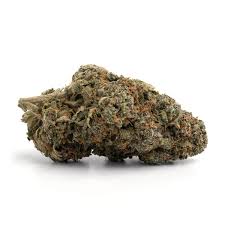
While the precise lineage of Black Cherry Soda remains shrouded in a bit of mystery, aficionados widely agree that it has roots in some of the most revered cannabis families. A predominantly sativa hybrid, Black Cherry Soda derives its name from its unmistakably vibrant cherry soda flavor and its striking deep purple to black foliage.
Several theories circulate about its genetic origins. Some believe it’s the offspring of Black Dahlia crossed with Ace of Spades, while others propose different parent strains. However, despite these uncertainties, a few characteristics are consistently noted.
Black Cherry Soda gained popularity in the Pacific Northwest of the United States, with many believing its development to be the result of meticulous breeding efforts from growers in this region. Its aesthetic appeal, characterized by the signature dark-hued buds frosted with trichomes, quickly made it a standout, but it was the strain’s unique taste and balanced effects that solidified its reputation.
Throughout its history, Black Cherry Soda has been praised not only for its sweet, soda-like taste but also for the uplifting yet relaxing effects it offers. As its fame grew, so did its availability, spreading from the Pacific Northwest to dispensaries and gardens across the country and, eventually, internationally.
In the world of cannabis, where lineage and legacy matter, Black Cherry Soda Cannabis Seeds are a testament to the endless possibilities that emerge when dedication to craft meets botanical expertise. Although its exact origins may remain a topic of debate, its impact on the cannabis community is undeniable, serving as a beacon of quality, flavor, and therapeutic potential
Appearance:
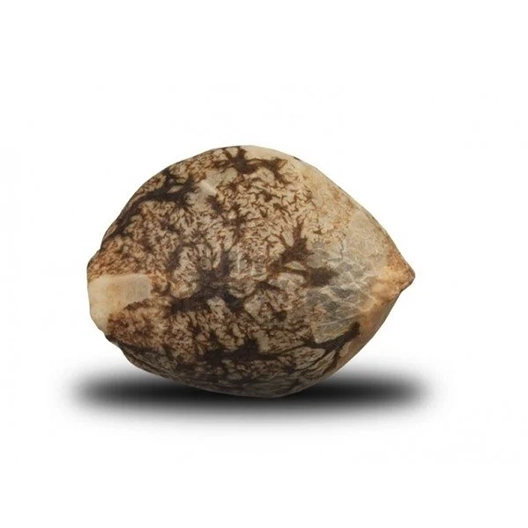
- Size: Medium in stature, these seeds are robust and clearly defined.
- Color: Exhibiting a deep, earthy brown hue, they occasionally sport mottled patterns of lighter tan or even darker patches, reflecting their rich genetic makeup.
- Shape: Generally oval or teardrop-shaped, these seeds taper to a more pointed tip, while their broader base is slightly rounded.
Texture:
- Surface: The external shell, or the pericarp, is moderately smooth but retains a certain firmness, indicative of a protective layer safeguarding the vital genetic material within.
- Integrity: When held and slightly pressed between fingers, they feel solid and resilient, hinting at their viability and potential for successful germination.
Genetic Profile:
- Black Cherry Cannabis Seeds are a reflection of their parent strains, encapsulating a predominantly sativa lineage. As such, the resulting plants often exhibit growth patterns and effects characteristic of sativa varieties.
- Known for their resilience, these seeds often translate into plants that are hardy, displaying resistance against certain pests and diseases, likely a trait inherited from their genetic predecessors.
Flavor and Aroma Potential:
- While the seeds themselves don’t possess a strong aroma, the plants they birth are known for their distinctive profile. This potential for a rich, cherry-like aroma with earthy undertones and a hint of sweetness is encoded within these seeds.
Germination Potential:
- Black Cherry Cannabis Seeds, when sourced from reputable breeders, typically boast a high germination rate. Given the right conditions, a significant majority of these seeds will sprout, leading to the development of healthy and vibrant plants.
In summation, Black Cherry Cannabis Seeds are a harmonious blend of form and function. Their aesthetic appeal is matched by their genetic potential, making them a prized possession for cultivators and enthusiasts alike. Whether viewed under the lens of a magnifying glass or planted in fertile soil, these seeds are a testament to the marvels of nature and the intricacies of cannabis cultivation.
Aroma
Aroma Description: Black Cherry Cannabis unfurls an olfactory experience that immediately captivates the senses. The forefront of its aroma is dominated by a sweet cherry scent, evoking images of ripe cherries freshly plucked from a sun-kissed orchard. Underlying this fruity allure is a rich, earthy base that grounds the fragrance, lending it depth and complexity. For some, there may also be subtle hints of woody undertones, perhaps even a trace of spicy nuances, adding layers to its aromatic profile.
History of the Aroma: The story of Black Cherry Cannabis’s distinctive aroma is intricately linked to its ancestral lineage. While the exact parentage remains a subject of debate among enthusiasts, the influence of its suspected forebears is evident in its scent.
The strains suspected to be in its lineage, such as Black Dahlia and others, have imparted the fruity sweetness that’s become the hallmark of Black Cherry Cannabis. These strains, cultivated across different regions and climates, have over time evolved aromatic profiles that were later passed down and intensified in Black Cherry.
As the strain gained traction, particularly in the Pacific Northwest, breeders recognized the unique aromatic potential of Black Cherry Cannabis. Through generations of selective breeding, ensuring only the plants with the most desired aroma were chosen for propagation, the fragrance was refined. This led to the modern Black Cherry strain, which perfectly balances its sweet cherry notes with deeper, earthy undertones.
In essence, the aroma of Black Cherry Cannabis Seeds is a journey through time, geography, and cultivation. It’s a fragrance that tells a story of ancient landraces, dedicated breeders, and the global cannabis community’s shared passion. Each whiff is a reminder of nature’s beauty and the age-old human endeavor to harness and enhance it.
Flavor
Flavor Description: Upon consumption, Black Cherry Cannabis treats the user to a pronounced cherry flavor that is both sweet and slightly tart, mirroring the natural taste of ripe cherries. This fruity overtone gradually gives way to an earthy richness, reminiscent of the forest floor after a fresh rain. Some phenotypes might also hint at subtle woody or spicy undertones, further enriching the flavor profile. Overall, the flavor journey is one of freshness transitioning into depth, much like savoring a gourmet dessert with layers of taste.
History of the Flavor: The origins of Black Cherry Cannabis’s flavor profile are as rich and varied as the flavor itself. While the exact parentage remains subject to speculation and debate, there is no denying the influence of historically revered strains in its lineage.
The strains believed to contribute to Black Cherry’s genealogy, including potential candidates like Black Dahlia, have passed down their flavorful traits. These parent strains, cultivated in diverse climates and environments, developed distinct flavors as adaptive responses to their surroundings. Over time, these flavors became ingrained in their genetic makeup.
As Black Cherry Cannabis began to gain popularity, especially in regions like the Pacific Northwest, its unique flavor became a focal point for many breeders. Recognizing the potential for a truly exceptional sensory experience, they embarked on refining this strain. Through selective breeding, ensuring that plants with the most desirable flavors were propagated, the flavor profile of Black Cherry Cannabis was honed to perfection.
It’s worth noting that, over the years, different cultivators might have introduced slight variations, leading to subtle differences in flavor across various Black Cherry phenotypes. Nevertheless, the core essence of sweet cherries combined with earthy undertones has remained consistent, making it a sought-after strain for those with discerning tastes.
In conclusion, the flavor of Black Cherry Cannabis Seeds encapsulates a rich heritage of botanical evolution and human innovation. Each draw brings forth centuries of cannabis history, from ancient cultivation practices to modern-day breeding techniques, offering a taste that’s truly timeless.
Effects
Effects Description: Upon consumption, Black Cherry Cannabis initially ushers in a gentle cerebral elevation. Users often describe this as an uplifting sensation that stimulates creativity and enhances mood without overwhelming the mind. As this mental clarity persists, a deeper physical relaxation emerges, melting away tension and enveloping the body in a warm, calming embrace. This harmonious interplay between the mind’s stimulation and the body’s relaxation makes Black Cherry Cannabis particularly versatile, suitable for both introspective moments and social interactions.
History of the Effects: Tracing the history of Black Cherry Cannabis’s effects requires delving into the roots of its suspected parent strains. Each contributor in its lineage has bequeathed certain characteristics, culminating in the balanced effects of Black Cherry Cannabis.
Strains like Black Dahlia, believed to be among its forebears, have historically been appreciated for their balanced effects, providing both mental invigoration and physical relaxation. As these parent strains were cultivated across different regions, they evolved to express certain effects more pronouncedly, influenced by environmental factors, cultivation techniques, and local preferences.
As Black Cherry Cannabis carved its niche, particularly in the Pacific Northwest, its balanced effects became its trademark. Recognizing the potential of this strain to cater to a wide array of users — from those seeking therapeutic relief to recreational enthusiasts — breeders undertook efforts to enhance its effects. Through selective breeding, they emphasized characteristics that offered the most desirable balance of cerebral and physical effects.
Over generations, this has led to the contemporary Black Cherry Cannabis strain, celebrated for its harmonious effects. While individual experiences might vary based on factors like personal tolerance and phenotype variations, the core essence of uplifting mental clarity coupled with profound relaxation remains consistent.
In essence, the effects of Black Cherry Cannabis Seeds are a manifestation of its rich history. They capture the legacy of ancient strains, the dedication of countless cultivators, and the shared aspirations of the global cannabis community. Each experience is not just a momentary sensation but a journey through time and tradition.’
Medical Effecst
Medical Effects Description:
- Stress Alleviation: Black Cherry Cannabis, with its cerebral uplift and mood-enhancing properties, serves as an effective remedy for stress, helping users find calm and mental clarity amidst life’s daily pressures.
- Pain Management: The strain’s profound physical relaxation can offer significant relief from various forms of pain, from chronic conditions like arthritis to temporary discomforts such as muscle spasms.
- Mood Disorders: For individuals grappling with depression and other mood disorders, the uplifting effects of Black Cherry Cannabis can provide a temporary respite, fostering a more positive and balanced emotional state.
- Anxiety Relief: The strain’s calming properties can help reduce symptoms of anxiety, promoting a sense of well-being and tranquility.
- Insomnia Treatment: For those struggling with sleep disturbances, Black Cherry Cannabis’s sedative-like qualities, especially when consumed in larger quantities, can aid in initiating and maintaining sleep.
- Appetite Stimulation: Individuals undergoing treatments that suppress appetite or those with medical conditions causing decreased hunger can benefit from the appetite-enhancing effects of this strain.
- Nausea Reduction: Black Cherry Cannabis has been reported to help mitigate nausea, especially for patients undergoing chemotherapy or other treatments known to induce this side effect.
- Muscle Relaxation: The strain’s relaxing effects extend to muscles, potentially aiding in the reduction of muscle tension and spasms.
- Neuroprotective Potential: Preliminary research on cannabinoids suggests potential neuroprotective properties, and strains like Black Cherry Cannabis might play a role in this aspect, though more research is needed.
- Inflammation Reduction: Some users have found relief from inflammation-related issues, likely due to the anti-inflammatory properties of certain cannabinoids.
Historical Context: The therapeutic potential of cannabis has been recognized across cultures for millennia. Black Cherry Cannabis, with its suspected parent strains, embodies this ancient understanding of cannabis as medicine. Its ancestors, cultivated in varied regions with diverse medicinal practices, likely served as remedies for various ailments.
As the medical benefits of cannabis began to gain renewed recognition in more recent times, strains like Black Cherry Cannabis stood out for their multi-faceted therapeutic effects. Its balanced profile, offering both mental and physical relief, made it an attractive option for medical cannabis patients.
Its cultivation, especially in regions like the Pacific Northwest, was not just for recreational users but also for those seeking natural remedies. Over time, as patient testimonials accumulated and anecdotal evidence grew, the medical benefits of Black Cherry Cannabis became more widely acknowledged.
In summary, the medical effects of Black Cherry Cannabis Seeds are a testament to the fusion of traditional wisdom and modern understanding. They highlight the plant’s versatility as a therapeutic agent, promising a range of benefits that cater to a myriad of medical needs.
Cultivation
Cultivating Black Cherry Cannabis Seeds requires a methodical approach, ensuring optimal growth and a successful harvest. Here’s a step-by-step guideline:
- Research: Familiarize yourself with Black Cherry Cannabis’s specific needs.
- Legalities: Confirm that growing cannabis is legal in your area.
- Select a Location: Choose between indoor, outdoor, or greenhouse cultivation.
- Quality Soil: Acquire organic, well-draining soil.
- Lighting: If indoors, invest in LED or HID lights.
- Temperature: Maintain a range of 68-77°F (20-25°C).
- Humidity: Ensure 40-50% humidity during the vegetative stage.
- Containers: Use pots with good drainage for indoor growth.
- Purchase Equipment: Obtain pH meters, thermometers, hygrometers, and nutrients.
- Seed Germination: Soak seeds in water for 12-24 hours.
- Planting: Sow germinated seeds 1-inch deep in pots.
- Water: Water to keep the soil moist but avoid over-watering.
- Vegetative Phase: Provide 18-24 hours of light daily.
- Nutrients: Introduce a balanced N-P-K nutrient mix.
- Prune: Trim non-essential growth to promote plant health.
- Staking: Use stakes for support as the plant grows.
- Ventilation: Assure good airflow, especially for indoor setups.
- Monitor Growth: Check regularly for optimal health.
- Natural Predators: Introduce ladybugs or lacewings to manage pests.
- pH Balance: Maintain soil pH between 6.0 and 7.0.
- Sex Determination: Remove male plants if not breeding.
- Initiate Flowering: Adjust light to 12 hours daily.
- Flowering Nutrients: Transition to a bloom nutrient formula.
- Increase Phosphorus and Potassium: Enhance bud growth.
- Reduce Watering: Limit water during the later flowering stages.
- Monitor Trichomes: Check for maturation using a magnifying glass.
- Flush: 1-2 weeks before harvest, water with pure water to remove nutrients.
- Harvest: When trichomes are cloudy, it’s time to harvest.
- Trimming: Remove excess leaves post-harvest.
- Drying: Hang in a dark, ventilated space for 7-14 days.
- Check Humidity: Keep drying room at 50% humidity.
- Curing: Place dried buds in jars to cure.
- Jar Ventilation: “Burp” jars daily to prevent mold.
- Long-Term Curing: Continue for at least a month.
- Storage: Store cured buds in a cool, dark place.
- Regular Inspection: Check for mold or mildew periodically.
- Clone Option: Cut clones if maintaining strain genetics.
- Rotate Crops: If continuously growing, prepare next batch.
- Clean Equipment: Maintain and sanitize tools and equipment.
- Upgrade Tools: Improve or replace old equipment.
- Connect: Network with other growers for shared insights.
- Stay Informed: Continually educate yourself on growing techniques.
- Safety: Ensure your grow area is safe, especially electrically.
- Backup Plan: Prepare for equipment failures.
- Document: Maintain a growing diary for future reference.
- Review: Post-harvest, evaluate and identify areas for improvement.
- Seed Storage: Properly store any unused seeds.
- Pest Management: Always be proactive against potential infestations.
- Optimize Environment: Continually adjust for plant needs.
- Enjoy: Relish the fruits of your labor and the enriching experience of cultivation.
Remember, while these steps provide a comprehensive guideline, the art of growing cannabis is continually evolving.
Seeds and young plants are vulnerable to a plethora of pests that can hinder their growth or even kill them. Here are 20 insects that can pose a threat to seeds and the early stages of plant development:
- Aphids: Small, sap-sucking insects that can stunt seedling growth and transmit plant diseases.
- Cutworms: These are larvae of certain moths that cut young plants off at the base, right at the soil line.
- Seedcorn Maggot: The larvae of a fly that feeds on seeds and seedlings, hindering germination and causing weak growth in sprouted plants.
- Flea Beetles: Tiny beetles that create small holes in leaves, potentially stunting the growth of seedlings.
- Leafminers: The larvae of certain flies, moths, and beetles that create visible paths within leaves, which can stunt the growth of young plants.
- Whiteflies: Tiny white insects that feed on plant sap, weakening seedlings and potentially spreading diseases.
- Wireworms: The larvae of click beetles, these pests feed on seeds before they can germinate.
- Thrips: Minute insects that cause damage by sucking plant juices and can transmit harmful plant viruses.
- Root Aphids: These feed on the roots, causing plants to become weak and stunted.
- Root Maggots: Larvae of specific flies, these pests eat roots, causing young plants to yellow and wilt.
- Nematodes: Microscopic roundworms that can attack roots or seeds directly, inhibiting plant growth.
- Spider Mites: Tiny arachnids that feed on the undersides of leaves, causing them to turn yellow or bronze.
- Slugs and Snails: Mollusks that feed on young seedlings and leaves, leaving behind a noticeable slimy trail.
- Grasshoppers: These insects can consume large amounts of plant material, targeting young and mature plants alike.
- Leafhoppers: Sap-sucking insects that can introduce toxins into plants, leading to “hopper burn” or disease transmission.
- Mealybugs: These pests cluster in protected areas of plants and feed on plant sap, weakening the plant and introducing mold-attracting honeydew.
- Seed Beetles (or Bruchids): These pests lay eggs on seeds, and their larvae feed from inside, making the seeds unviable.
- Ants: While not directly harmful, some ant species protect and farm aphids for the sweet honeydew they produce, exacerbating aphid problems.
- Stink Bugs: These bugs pierce plants and suck out their juices, causing deformed growth in seedlings.
- Mole Crickets: These insects burrow, damaging roots and disrupting the growth of young plants.
Understanding the threats posed by these insects is the first step in effective pest management. Regularly inspecting plants and their surroundings and adopting integrated pest management strategies can significantly reduce the impact of these pests on seeds and young plants.
Controlling and preventing seed and seedling pests involves an integrated approach that combines cultural, biological, and chemical strategies. Here’s a comprehensive guideline to manage and mitigate the threat from the 20 mentioned pests:
- Aphids:
- Natural Predators: Introduce ladybugs, lacewings, and parasitic wasps.
- Water Jet: Spray plants with a strong stream of water to dislodge aphids.
- Insecticidal Soap: Use to target and eliminate aphids.
- Cutworms:
- Collars: Place cardboard or metal collars around seedlings to prevent access.
- Hand Picking: Search and remove cutworms at dusk.
- Beneficial Nematodes: Introduce into the soil to target cutworm larvae.
- Seedcorn Maggot:
- Crop Rotation: Avoid planting susceptible crops in the same location year after year.
- Beneficial Nematodes: These can prey on the larvae.
- Flea Beetles:
- Row Covers: Use floating row covers to prevent beetles from reaching plants.
- Sticky Traps: Yellow sticky traps can capture adult beetles.
- Diatomaceous Earth: Sprinkle around plants to deter beetles.
- Leafminers:
- Remove Infested Leaves: Prevent the spread by removing and discarding affected foliage.
- Predatory Wasps: Introduce natural enemies like Diglyphus isaea.
- Whiteflies:
- Sticky Traps: Yellow sticky traps can help reduce their numbers.
- Beneficial Insects: Encourage or introduce predators like ladybugs and lacewings.
- Insecticidal Soap: Effective in killing them on contact.
- Wireworms:
- Crop Rotation: Switching crops can disrupt their life cycle.
- Bait Traps: Use potato chunks to lure and trap them.
- Thrips:
- Sticky Traps: Blue sticky traps attract and trap thrips.
- Insecticidal Soaps: Helps reduce their numbers on plants.
- Root Aphids:
- Beneficial Nematodes: These can prey on root aphids.
- Insecticidal Drench: Use solutions designed for soil application.
- Root Maggots:
- Crop Rotation: Helps disrupt the life cycle of these pests.
- Row Covers: Protect plants during their egg-laying period.
- Nematodes:
- Marigolds: Planting marigolds can deter harmful nematodes.
- Crop Rotation: Helps manage nematode populations.
- Spider Mites:
- Predatory Mites: Introduce species like Phytoseiulus persimilis.
- Regular Spraying: Misting plants can help deter these pests.
- Slugs and Snails:
- Diatomaceous Earth: A barrier that deters these pests.
- Beer Traps: Lure and drown them.
- Grasshoppers:
- Row Covers: Provide a physical barrier against them.
- Nosema locustae: A natural grasshopper control agent.
- Leafhoppers:
- Reflective Mulch: Can deter these pests.
- Insecticidal Soap: Helps control their numbers.
- Mealybugs:
- Neem Oil: A natural insecticide effective against mealybugs.
- Predators: Introduce ladybugs or lacewings.
- Seed Beetles:
- Proper Storage: Store seeds in cool, dry conditions.
- Physical Barriers: Cloth bags or metal containers can deter beetles.
- Ants:
- Diatomaceous Earth: Sprinkle around plants to deter ants.
- Bait Stations: Use to reduce ant colonies.
- Stink Bugs:
- Hand Picking: Remove and dispose of them regularly.
- Row Covers: Use as a barrier.
- Mole Crickets:
- Beneficial Nematodes: These can help control mole cricket populations.
- Bait: Specialized baits can reduce their numbers.
Always prioritize non-chemical solutions. If chemical control is essential, use it responsibly and according to label instructions. Regular monitoring and early intervention are crucial for effective pest management.
give me a more powerful title Guideline preventing insects
“Critical Protocols for Comprehensive Insect Deterrence”
Controlling and preventing seed and seedling pests involves an integrated approach that combines cultural, biological, and chemical strategies. Here’s a comprehensive guideline to manage and mitigate the threat from the 20 mentioned pests:
- Aphids:
- Natural Predators: Introduce ladybugs, lacewings, and parasitic wasps.
- Water Jet: Spray plants with a strong stream of water to dislodge aphids.
- Insecticidal Soap: Use to target and eliminate aphids.
- Cutworms:
- Collars: Place cardboard or metal collars around seedlings to prevent access.
- Hand Picking: Search and remove cutworms at dusk.
- Beneficial Nematodes: Introduce into the soil to target cutworm larvae.
- Seedcorn Maggot:
- Crop Rotation: Avoid planting susceptible crops in the same location year after year.
- Beneficial Nematodes: These can prey on the larvae.
- Flea Beetles:
- Row Covers: Use floating row covers to prevent beetles from reaching plants.
- Sticky Traps: Yellow sticky traps can capture adult beetles.
- Diatomaceous Earth: Sprinkle around plants to deter beetles.
- Leafminers:
- Remove Infested Leaves: Prevent the spread by removing and discarding affected foliage.
- Predatory Wasps: Introduce natural enemies like Diglyphus isaea.
- Whiteflies:
- Sticky Traps: Yellow sticky traps can help reduce their numbers.
- Beneficial Insects: Encourage or introduce predators like ladybugs and lacewings.
- Insecticidal Soap: Effective in killing them on contact.
- Wireworms:
- Crop Rotation: Switching crops can disrupt their life cycle.
- Bait Traps: Use potato chunks to lure and trap them.
- Thrips:
- Sticky Traps: Blue sticky traps attract and trap thrips.
- Insecticidal Soaps: Helps reduce their numbers on plants.
- Root Aphids:
- Beneficial Nematodes: These can prey on root aphids.
- Insecticidal Drench: Use solutions designed for soil application.
- Root Maggots:
- Crop Rotation: Helps disrupt the life cycle of these pests.
- Row Covers: Protect plants during their egg-laying period.
- Nematodes:
- Marigolds: Planting marigolds can deter harmful nematodes.
- Crop Rotation: Helps manage nematode populations.
- Spider Mites:
- Predatory Mites: Introduce species like Phytoseiulus persimilis.
- Regular Spraying: Misting plants can help deter these pests.
- Slugs and Snails:
- Diatomaceous Earth: A barrier that deters these pests.
- Beer Traps: Lure and drown them.
- Grasshoppers:
- Row Covers: Provide a physical barrier against them.
- Nosema locustae: A natural grasshopper control agent.
- Leafhoppers:
- Reflective Mulch: Can deter these pests.
- Insecticidal Soap: Helps control their numbers.
- Mealybugs:
- Neem Oil: A natural insecticide effective against mealybugs.
- Predators: Introduce ladybugs or lacewings.
- Seed Beetles:
- Proper Storage: Store seeds in cool, dry conditions.
- Physical Barriers: Cloth bags or metal containers can deter beetles.
- Ants:
- Diatomaceous Earth: Sprinkle around plants to deter ants.
- Bait Stations: Use to reduce ant colonies.
- Stink Bugs:
- Hand Picking: Remove and dispose of them regularly.
- Row Covers: Use as a barrier.
- Mole Crickets:
- Beneficial Nematodes: These can help control mole cricket populations.
- Bait: Specialized baits can reduce their numbers.
Always prioritize non-chemical solutions. If chemical control is essential, use it responsibly and according to label instructions. Regular monitoring and early intervention are crucial for effective pest management.
In Conclusion
The compelling reasons to consider buying and cultivating the Black Cherry Cannabis strain lie in its unique blend of sensory delight, versatile effects, and therapeutic potential. Here’s a persuasive summary:
Unique Sensory Experience: Black Cherry Cannabis offers a sensory journey like no other. With its tantalizing aroma of sweet cherries and earthy undertones, and a flavor profile that mirrors this aromatic promise, it stands as a testament to the artistry of nature and human cultivation. For those with a discerning palate, it’s a delightful addition to any collection.
Balanced Effects: This strain strikes a harmonious balance between uplifting cerebral stimulation and profound physical relaxation. Whether you seek creative inspiration, relief from stress and anxiety, or respite from physical discomfort, Black Cherry Cannabis caters to a wide spectrum of needs. It’s a versatile companion for both recreational and therapeutic pursuits.
Therapeutic Potential: Black Cherry Cannabis carries the legacy of centuries of cannabis cultivation, offering relief from a range of ailments. It’s an effective remedy for stress, anxiety, pain management, insomnia, and mood disorders, making it a valuable addition to any wellness regimen.
Cultivation Adventure: Cultivating Black Cherry Cannabis is not just gardening; it’s an enriching journey into the art and science of horticulture. It provides a hands-on opportunity to understand the intricacies of plant growth and the reward of nurturing a unique strain from seed to harvest. The experience is not just about the end product; it’s about the journey itself.
Holistic Well-Being: The Black Cherry Cannabis strain embodies a holistic approach to well-being. It encourages mindfulness, appreciation for natural beauty, and the satisfaction of self-sufficiency. It’s more than just a plant; it’s a companion on the path to a balanced and fulfilling life.
In essence, Black Cherry Cannabis represents a rare convergence of pleasure and purpose. It’s an invitation to indulge in a sensory symphony while harnessing the therapeutic benefits of a centuries-old botanical legacy. Whether you’re a connoisseur, a cultivator, or someone seeking natural remedies, this strain holds a unique place in the world of cannabis. It’s not just a purchase; it’s an investment in a sensory journey and a commitment to well-rounded well-being.
| BEST USE | Depression, Headache, Stress |
|---|---|
| BLEND | 20% Indica, 80% Sativa |
| CBD LEVEL | Low (Less than 2%) |
| EFFECTS | Creative, Relaxed, Uplifted |
| FLAVOR | Fruity, Pine, Spicy |
| FLOWERING PERIOD | 60-70 Days |
| GROWING DIFFICULTY | Easy |
| PLANT HEIGHT | Medium |
| THC CONTENT | 23% |
| TYPE | Sativa |
For a complete directory of cultivars, visit our Cannabis Strain Reviews.
