Table of Contents
Introduction of Black Bubba Strain Cannabis Seeds
Step into the captivating realm of cannabis cultivation, where every strain unfolds its unique and enchanting persona. In this opening, we embark on an adventurous journey through the mystique of Black Bubba Strain Cannabis Seeds, celebrated for their exceptional qualities and irresistible charm.
Prepare for an exhilarating voyage into the heart of the Black Bubba Strain, a cannabis variety that reigns supreme, distinct from its peers for a myriad of thrilling reasons. With a genetic lineage that artfully merges the finest elements of its ancestry, it emerges as a strain that ensnares the senses of enthusiasts and cultivators alike. Our quest is to offer you a tantalizing glimpse into the enthralling universe of Black Bubba, unveiling its healing potential, aesthetic magnetism, and the sheer ecstasy of nurturing this extraordinary botanical marvel.
Origins
Black Russian: This strain emerges from the fusion of two renowned varieties, Black Domina and White Russian. Black Russian has gained acclaim for its obsidian-hued buds and formidable effects. It is celebrated for delivering a harmonious high, seamlessly blending the elevating influence of sativas with the soothing embrace of indicas.
Bubba Kush: Its inception traces back to the 1990s, with origins purportedly linked to Northern Lights and OG Kush. Bubba Kush has earned fame for its profoundly tranquilizing qualities and a sweet, earthy fragrance.
When the forces of Black Russian and Bubba Kush intertwine, Black Bubba materializes. This strain manifests attributes inherited from both parent strains, presenting a robust and distinctive character. It typically exhibits leaves that bear a dusky, purple-black hue reminiscent of its Black Russian lineage, all while imparting the sedative tendencies often associated with Bubba Kush.
The cultivation of Black Bubba from its seeds typically yields plants characterized by a compact stature, a trait commonly found among indica-dominant varieties. Its buds are densely packed, resinous, and emit an alluring aroma. Growers hold Black Bubba in high regard for its potential yield and the exceptional quality of its buds.
To summarize, Black Bubba’s lineage is traced to some of the most esteemed strains in the realm of cannabis, harmoniously uniting the finest aspects of both to produce a strain that captivates not only visually but also with its potent effects.
Appearance
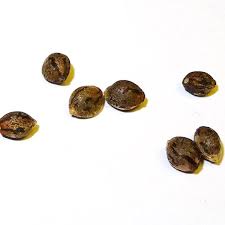
Size: Black Bubba cannabis seeds are generally of moderate dimensions, standing in the middle ground among cannabis seed sizes. They neither tend towards excessive largeness nor diminutive smallness.
Color: These seeds typically display a blend of dark brown and tan tones, a reflection of their robust genetic heritage.
Texture: The surface of these seeds often exhibits a faintly mottled or patterned appearance, occasionally possessing a subtle gloss. The outer shell, or seed coat, is characterized by its innate hardness and durability, safeguarding the vital genetic material within.
Shape: They are typically oval or teardrop-shaped, a common trait shared with numerous cannabis seeds.
Plants:
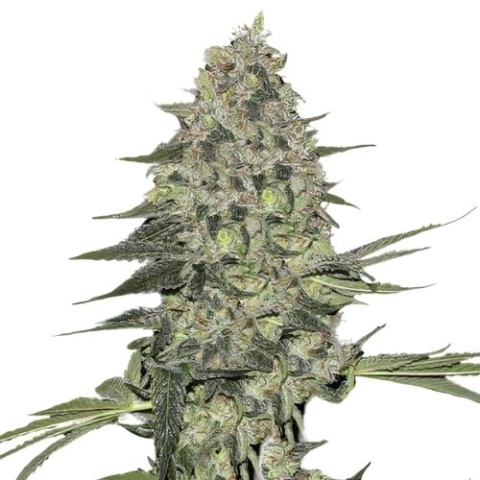
Stature: Plants cultivated from Black Bubba seeds frequently adopt a stout and bushy demeanor, a hallmark feature of indica-dominant varieties.
Leaves: The leaves of these plants tend to be broad and don a deep shade of green. Nevertheless, under certain growth conditions or as they progress into the flowering phase, they might unveil a regal display of purple or even near-black hues, a gift inherited from the Black Russian lineage.
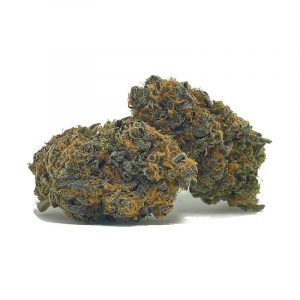
Buds: The buds of Black Bubba boast density and compactness. They are lavishly coated with trichomes, which imparts a crystalline allure. This profuse resin coverage not only enhances the visual appeal but also serves as a testament to their potency.
Coloration: The buds themselves can exhibit a spectrum ranging from deep green to near-black, contingent on environmental factors. Occasionally, flashes of orange or amber pistils may emerge, intermingling amongst the leaves.
Texture: Thanks to the generous trichome cover, Black Bubba’s buds offer a tacky, adhesive sensation upon touch. This tackiness serves as an indicator of a rich complement of cannabinoids and terpenes.
Aroma: While not exclusively a visual facet, it is worth noting that these plants emit a profound earthy fragrance, tinged with subtle notes of sweetness. Some connoisseurs even detect hints of woodiness or a faint berry essence, a nod to its Black Russian lineage.
In essence, from its seeds to its maturation, the Black Bubba strain unveils a vibrant tapestry of attributes, rendering it a source of delight for cultivators and a sensory pleasure for consumers.
-
Product on sale
 Black Bubba Cannabis SeedsFrom:
$24.99$18.99
Aroma
The aromatic tapestry of Black Bubba is a symphony of layered fragrances, inviting and intriguing in equal measure. As one draws near to a bud or freshly harvested plant, the initial note that graces the senses is a pronounced earthiness, reminiscent of a forest floor after a gentle rain. This primary scent is profound and grounding, setting the stage for the subtler nuances yet to be unveiled. Delving deeper, a subtle sweetness weaves through the earthy foundation, akin to the freshness of berries or a delicate hint of molasses. Astute observers may even detect a faint woody aroma, evocative of cedar or pine, providing a refreshing contrast to the dominant earthy-sweet symphony. This intricate blend of scents pays homage to Black Bubba’s illustrious genetic lineage, showcasing the finest aromatic attributes of its parental strains.
Flavor
Partaking in Black Bubba is akin to embarking on a gastronomic voyage through the annals of cannabis heritage. With the initial inhalation, one encounters an immediate and unmistakable impression of classic indica richness. This flavor is bold and robust, reminiscent of the depth found in coffee. However, as the smoke or vapor lingers on the palate, more nuanced flavors begin to emerge. The earthiness detected in its aroma translates into a taste akin to fresh herbs or the damp embrace of soil. Yet, what truly distinguishes Black Bubba is the subtle sweetness that follows, a gentle hint of berries or perhaps even a touch of chocolate. This infusion of sweetness, harmonizing with the profound earthiness, forms a balanced and full-bodied flavor profile. It’s a dance of boldness and subtlety, rendering each puff of Black Bubba a delightful sensory journey.
Effects
Black Bubba, stemming from dominant indica lineage, unfolds a profound and enveloping experience that engages both mind and body. Upon initial consumption, users frequently report a gentle cerebral elevation, akin to a mild lift in spirits and a softening of mental edges. This onset of euphoria is not overwhelming but rather a serene and pleasing uplift. As the effects evolve, the authentic depth of its indica heritage becomes evident. A potent bodily relaxation commences, beginning at the spine and radiating outward to the extremities. This physical sensation, both sedative and soothing, often evokes the sensation of being swathed in a warm, comforting embrace. With time, the combined influence of cerebral serenity and bodily tranquility may anchor some users to their surroundings, resulting in the classic ‘couch-lock’ effect. In essence, Black Bubba offers a harmonious blend of mental peace and profound bodily relaxation, making it a sought-after choice for evening or nighttime use.
Medical Effects:
The therapeutic potential of Black Bubba is substantial, serving as a beacon of relief for many in the medical cannabis community. One of its most prominent advantages is its effectiveness in addressing insomnia. The deeply sedative properties it offers can usher in a night of restful sleep, even for individuals grappling with persistent sleep disturbances. Furthermore, the strain’s robust body-calming effects have rendered it a favored selection among patients contending with chronic pain, whether stemming from conditions like arthritis, migraines, or muscular discomfort. The profound relaxation it delivers can alleviate tension and reduce the perception of pain. Additionally, Black Bubba’s capacity to uplift mood can serve as a potent ally for those navigating mental health challenges. Individuals confronting stress, anxiety, or episodes of depression may find solace in its soothing embrace. The strain’s appetite
Cultivation
- Cultivation Preamble: Commence by delving into comprehensive research, endeavoring to grasp the intricate nuances of nurturing this unique seed.
- Seed Acquisition: Embark on your horticultural journey by securing premium-grade seeds from a reputable and trusted source, ensuring their authenticity and quality.
- Strategic Planning: Chart a meticulous cultivation strategy, thoughtfully considering whether the growth process will unfold indoors, outdoors, or within the confines of a greenhouse.
- Selective Site Decision: Execute a judicious selection of the cultivation site, thoughtfully aligned with the decision made in the previous step, with due consideration to environmental factors.
- Soil Preparation Par Excellence: Invest in top-tier potting soil, ideally tailored to the specific needs of this particular seed, thus optimizing the growth medium.
- pH Calibration: Attend to the essential task of calibrating the pH level of the soil to fall within the precise range conducive to the seed’s growth, typically between 6.0 and 7.0.
- Container Contemplation: In the context of indoor growth or personal preference, opt for containers of adequate dimensions, meticulously equipped with impeccable drainage systems.
- Illustrious Lighting Infrastructure: If pursuing indoor cultivation, allocate resources towards procuring cutting-edge LED or HID grow lights, ensuring an optimal light environment.
- Lighting Regimen Rigor: During the vegetative phase, stringently adhere to an exacting light schedule of 18 hours of illumination followed by 6 hours of darkness.
- Germination Mastery: Initiate the germination process by immersing the seeds in a vessel of water for a precisely timed duration of 24 hours.
- Paper Towel Method: Transition the seeds to moistened paper towels, vigilantly monitoring their progress until the emergence of a robust taproot.
- Sowing with Precision: Upon the discernible emergence of taproots, embark on the delicate process of embedding the seeds into the prepared soil with utmost care.
- Initial Hydration Handling: During the infancy of growth, maintain a consistently moist soil environment, judiciously avoiding the pitfalls of overwatering and waterlogging.
- Vigilant Growth Surveillance: Employ vigilant monitoring practices, with a particular focus on the auspicious appearance of the seedlings’ inaugural set of leaves.
- Nutrient Introduction Ritual: Once the seedlings establish themselves, commence the introduction of nutrients at a concentration precisely at one-quarter of the recommended strength.
- Adequate Ventilation Management: To thwart the perils of mold and pest infestations, ensure the cultivation space is amply endowed with a continuous and robust airflow.
- Training Techniques: Immerse yourself in the art of Low-Stress Training (LST) to optimize light accessibility and promote lush, robust growth.
- Topping Consideration: Ponder the strategic option of topping the plants to induce a bushier growth pattern, thus enhancing overall vitality.
- Temperature Mastery: Exercise meticulous control over the ambient temperature, maintaining it within the range of 70-85°F (20-30°C) during the daylight hours.
- Nocturnal Temperature Vigil: Safeguard against nocturnal temperature fluctuations, ensuring that night temperatures do not deviate more than 10°F from daytime conditions.
- Humidity Regulation Endeavor: Dedicate yourself to the maintenance of a precise relative humidity level, ideally spanning between 60-70% during the vegetative stage.
- Perpetual Surveillance: Establish a routine of regular inspections to detect any subtle signs of plant stress or potential threats related to diseases.
- Pest Abatement Protocols: Execute preventative measures such as the judicious application of neem oil to deter the infiltration of pests.
- Transitioning Process: As the plants mature, orchestrate the transition to a meticulously timed 12-hour light and 12-hour darkness schedule to initiate the flowering phase.
- Blossoming Nutritional Transition: Navigate the transition towards bloom nutrients distinguished by their elevated phosphorus content to meet the unique demands of the flowering phase.
- Humidity Reduction Strategy: Gradually reduce humidity levels to an ideal 40-50% range during the flowering phase to optimize the growth conditions.
- Bud Development Surveillance: Intently observe the development of the buds as they commence their formation and subsequent expansion.
- Screen of Green Methodology: Delve into the intricacies of the Screen of Green (Scrog) technique to provide vital support for the burgeoning buds.
- Aroma Management Endeavor: In the context of indoor cultivation, consider the installation of specialized carbon filters to neutralize the potent aromatic emissions associated with this seed.
- Prudent Flushing Ritual: Approximately two weeks before the anticipated harvest, initiate the process of flushing the plants with plain water to enhance flavor and purity.
- Trichome Maturity Monitoring: Employ the aid of a magnifying glass to conduct precise scrutiny of the trichomes, ensuring their optimal maturation.
- Harvest Timing Precision: Execute the harvest with exacting precision, waiting until the trichomes display a milky hue, with a selective transition to an amber tint.
- Harvesting Expertise: Employ a deft hand to execute precise cutting at the base of the plants when the optimal harvest time is ascertained.
- Trimming Artistry: Employ the finesse of trimming techniques to artfully remove extraneous foliage from the burgeoning buds.
- Drying Ritual: Execute the delicate process of drying by suspending the harvested buds in a dimly lit, well-ventilated environment for a period spanning between 7 to 14 days.
- Curing Ceremony: Carefully encapsulate the meticulously dried buds within specially designated jars, conscientiously unsealing them daily to facilitate the exchange of fresh air.
- Curing Duration Dedication: Dedicate a minimum period of 2-4 weeks to the curing process, thus imbuing the buds with exceptional flavor and potency.
- Storage Provisions: Safeguard the meticulously curated buds by storing them in a cool and shadowed repository, free from the ravages of light and heat.
- Cloning Contemplation: Ponder the strategic option of initiating the cloning process by taking cuttings during the growth cycle to preserve the genetic legacy of this particular seed.
- Regeneration Reflection: Some dedicated cultivators may contemplate stimulating vegetative regrowth post-harvest, thereby paving the way for a subsequent cultivation cycle.
- Hygiene Preservation: Sustain a pristine cultivation environment by adhering to strict cleanliness protocols, thereby preempting the potential onset of diseases and pest infestations.
- Meticulous Record-Keeping: Cultivate the practice of maintaining a meticulously detailed journal to chronicle growth milestones, challenges surmounted, and innovative solutions implemented.
- Soil Rejuvenation Protocol: Should you opt for soil reuse, scrupulously replenish the nutrient-depleted growth medium to foster a conducive environment.
- Seasonal Acumen: In the case of outdoor cultivation, acquire astute comprehension of seasonal fluctuations and their potential impact on the growth cycle.
- Systematic Pest Surveillance: Establish a systematic regimen of monitoring the plants for any nascent presence of pests, diligently conducting inspections for potential threats such as spider mites or aphids.
- Water Quality Assurance: Ensure the utilization of filtered water, conducting rigorous assessments to confirm its purity, devoid of detrimental contaminants.
- pH Monitoring Vigilance: Perpetually assess the pH levels of both the water and nutrient solutions, adhering to a stringent maintenance routine.
- Nutrient Concentration Scrutiny: Exercise unwavering vigilance in monitoring nutrient strength, thus preempting the possibility of over- or under-feeding.
- Illumination Optimization: For indoor cultivation endeavors, maximize light utilization by incorporating reflective surfaces and elements.
- Continual Learning Quest: Cultivate an unwavering commitment to perpetual growth and improvement by staying abreast of the latest advancements in the realm of horticulture, thus ensuring ongoing success in nurturing this distinctive seed to its full potential.
Insects that have the potential to impede the germination and growth of the seed
- 1. Aphids: These small, pear-shaped insects suck plant sap, weakening the plant and potentially transmitting diseases.
- 2. Spider Mites: These tiny mites suck the cellular contents from leaves, causing stippling. They can reproduce rapidly in hot, dry conditions.
- 3. Whiteflies: Similar to aphids in behavior, these tiny white insects suck sap and can transmit plant viruses.
- 4. Fungus Gnats: Their larvae feed on organic material and roots, potentially harming young plants and seedlings.
- 5. Leaf Miners: The larvae of these insects tunnel through leaves, creating winding trails.
- 6. Thrips: These small, slender insects feed on plants and can cause stippling similar to spider mites. They can also transmit viruses.
- 7. Cutworms: These caterpillars can cut off young seedlings at the base during the night.
- 8. Caterpillars (like Corn Earworm): These insects feed on buds and leaves, causing significant damage.
- 9. Grasshoppers: They can cause significant damage by consuming large parts of the cannabis plant.
- 10. Leafhoppers: These insects suck sap and can cause a condition called “hopper burn”.
- 11. Root Aphids: These aphids live in the soil and feed on the plant’s roots, affecting its nutrient uptake.
- 12. Mealybugs: These soft-bodied insects suck sap, weaken the plant, and excrete a sticky substance that encourages mold growth.
- 13. Scale Insects: They attach to the plant and feed on its sap, leading to weakened plants and potential mold growth due to their sticky excretion.
- 14. Broad Mites: These microscopic mites cause leaves to become twisted, shiny, or even die off.
- 15. Russet Mites: These tiny pests feed on sap, causing leaves to yellow and die.
- 16. Cabbage Loopers: These caterpillars feed on the leaves of cannabis plants.
- 17. Flea Beetles: They create small holes or pits in leaves by feeding on them.
- 18. Root Maggots: The larvae of certain flies, they feed on roots and can hinder the plant’s growth.
- 19. Ants: While not directly damaging, ants can farm aphids for their sweet excretions, protecting them from predators.
- 20. Bagworms: These pests consume cannabis leaves and can cause significant damage if left unchecked.
It’s essential to monitor cannabis plants regularly for these pests. Early detection and intervention can mitigate damage and prevent significant yield loss. Using integrated pest management practices, natural predators, and organic insecticides can help manage and control these threats.
Guidelines for Preventing Insects from Harming the Seed
Here’s a comprehensive guideline on how to prevent the insects that might threaten cannabis cultivation:
- Environmental Control:
- Ensure proper ventilation in indoor setups.
- Maintain optimal humidity levels. Most pests thrive in overly humid conditions.
- Regular Inspection:
- Routinely check both the upper and underside of leaves for any signs of pests or eggs.
- Use a magnifying glass to detect tiny pests like mites.
- Natural Predators:
- Introduce beneficial insects such as ladybugs, predatory mites, and lacewings, which feed on harmful pests.
- Consider releasing nematodes in the soil to deal with soil-borne pests.
- Companion Planting:
- Plant companions like marigolds, chrysanthemums, and basil which can deter certain pests.
- Garlic and peppermint can ward off aphids.
- Neem Oil:Spray neem oil on plants, making sure to cover all surfaces. It’s a natural repellent for many pests.
- Essential Oils:A mixture of peppermint, rosemary, and thyme oil can deter a variety of pests.
- Sticky Traps:Place yellow sticky traps around your grow area to catch flying insects like fungus gnats and whiteflies.
- Insecticidal Soaps:These are effective against many soft-bodied pests when sprayed directly onto them.
- Proper Watering:Avoid overwatering. Damp environments are attractive to pests like fungus gnats.
- Soil Barriers:Add a layer of sand or diatomaceous earth on the top layer of soil to prevent soil-borne pests.
- Quarantine New Plants:Always quarantine new plants for a few weeks to ensure they aren’t introducing pests.
- Beneficial Bacteria and Fungi
- Introduce mycorrhizal fungi and beneficial bacteria to the soil.
- They not only boost plant health but can also help deter certain pests.
- Row Covers and Nets:For outdoor grows, consider using lightweight row covers or nets to physically prevent pests from reaching the plants.
- Avoid Chemical Pesticides:They can kill beneficial insects too and may leave harmful residues on cannabis.
- Cleanliness:
- Ensure your growing area, tools, and equipment are clean.
- Remove dead plant material, as it can attract pests.
- Proper Soil:Use sterilized soil or coco coir to prevent introducing pests.
- Biological Pesticides:Products like Bacillus thuringiensis (BT) can be used against caterpillars.
- Fencing and Barriers:Small fences can help deter larger pests from accessing outdoor grows.
- Reflective Mulches:Using reflective mulches can deter aphids and whiteflies.
Remember that prevention is always better than cure. Establishing a routine for monitoring and applying preventive measures can save a lot of trouble and ensure a healthy cannabis crop. If an infestation does occur, addressing it early and thoroughly is crucial.
In Conclusion
The Need for the Black Bubba Strain in Our Lives:
1. Therapeutic Benefits: Black Bubba, with its indica dominance, offers profound relaxation and calmness. It can potentially aid in alleviating chronic pain, stress, anxiety, and sleep-related issues. Its medicinal properties could be invaluable to those seeking alternative and natural remedies.
2. Unique Aesthetic and Sensory Experience: Its dark purple-black leaves and dense buds make Black Bubba a visual treat. Coupled with its rich earthy aroma and nuanced flavors, it provides a multi-layered sensory experience, setting it apart from many other strains.
3. Cultivation Joy: Growing Black Bubba can be a rewarding endeavor for both novice and seasoned cultivators. The strain’s resilient genetics, combined with its beautiful growth patterns and bountiful yields, offers a fulfilling cultivation journey.
4. Economic Incentives: Given its potency, aroma, and visual appeal, Black Bubba can be a lucrative strain for growers aiming to sell in legal markets. Its uniqueness can command a premium price.
5. Enriched Cannabis Biodiversity: Diverse cannabis strains ensure the genetic richness of the plant species. By cultivating Black Bubba, one contributes to maintaining this genetic diversity, essential for the plant’s adaptability and resilience.
In conclusion, Black Bubba is more than just another cannabis strain. It’s a blend of therapeutic potency, sensory delight, and cultivation satisfaction. Its introduction into one’s life, whether as a consumer or a cultivator, promises a unique and enriching experience. Its purchase and cultivation not only offer individual benefits but also contribute to the broader canvas of cannabis culture and biodiversity.
| BEST USE | Insomnia, Stress, Cramps |
|---|---|
| BLEND | 25% Sativa, 75% Indica |
| CBD LEVEL | Low (Less than 2%) |
| EFFECTS | Happy, Hungry, Relaxed |
| FLAVOR | Cheese, Earthy, Woody |
| FLOWERING PERIOD | 50-60 Days |
| GROWING DIFFICULTY | Intermediate |
| PLANT HEIGHT | Easy |
| THC CONTENT | 19% |
| TYPE | Indica |
For a complete directory of cultivars, visit our Cannabis Strain Reviews.
