Table of Contents
Introduction of Biochem Strain Cannabis seeds
Biochem, an intriguing fusion of cannabis genetics, beautifully marries the dynamic properties of its iconic parents: Chemdawg 4 and Sensi Star. This harmonious blend boasts the robust cerebral invigoration of Chemdawg 4, paired seamlessly with the profound physical relaxation typical of Sensi Star. Emerging as a balanced hybrid, Biochem presents a symphony of flavors, from the unmistakable diesel punch to the subtle earthy sweetness, making it a sensory delight for both newcomers and seasoned enthusiasts alike. Rooted in a rich lineage, this strain not only stands as a testament to the art of cannabis breeding but also offers a versatile experience, promising both therapeutic potential and a unique recreational journey. Embarking on the Biochem experience is an exploration of two cannabis legends, intertwined into one compelling narrative.
Origins
The Undeniable Origins of Cannabis Seeds:
1. Evolutionary Mastery: Cannabis Sativa indisputably traces its origins to Central Asia, particularly the regions encompassing today’s Mongolia and southern Siberia. Over countless millennia, thanks to the unerring forces of natural selection and human cultivation, this plant has masterfully evolved into a vast array of strains, each with its distinct properties.
2. Purposeful Human Influence: Without a shadow of doubt, ancient civilizations comprehended the unmatched value of cannabis. They utilized it not just for its powerful psychoactive properties but also as a cornerstone in textiles and medicine. These pioneering cultivators meticulously chose plants with optimal traits and skillfully propagated them, paving the way for the birth of distinct strains.
3. The Art of Modern Breeding: In today’s world, we command sophisticated breeding techniques that empower growers to yield seeds with pinpoint precision in traits. It’s now an established practice for breeders to fuse strains, creating hybrids meticulously designed for specific effects, growth dynamics, and resistance to nuisances.
The Unquestionable Impact of Genetics in Cannabis:
1. Potency: It’s an established fact that cannabis plants exhibit a spectrum of cannabinoid levels. Among these, THC stands out as the primary agent for psychoactive effects, but we must not overlook other pivotal cannabinoids like CBD. Genetics remain at the helm, steering these levels.
2. Terpene Dominance: Terpenes, the fragrant powerhouses present in numerous plants including cannabis, contribute decisively to the plant’s aroma, taste, and even its influential effects. It’s genetics that governs the terpene blueprint of a plant.
3. Commanding Growth Patterns: It’s all in the genes when it comes to determining the stature, density, disease resilience, and flowering timeline of a plant.
4. Adaptive Prowess: Certain strains are expertly bred to flourish in precise environments. Be it the crisp climates of Northern Europe or the sun-soaked expanses of the American Southwest, genetics is in command.
For those zeroing in on “Biochem Cannabis seeds,” it’s imperative to engage directly with the leading minds – breeders, seed banks, or seasoned experts in the cannabis realm. They are equipped with the most current and specialized knowledge you seek.
Appearance
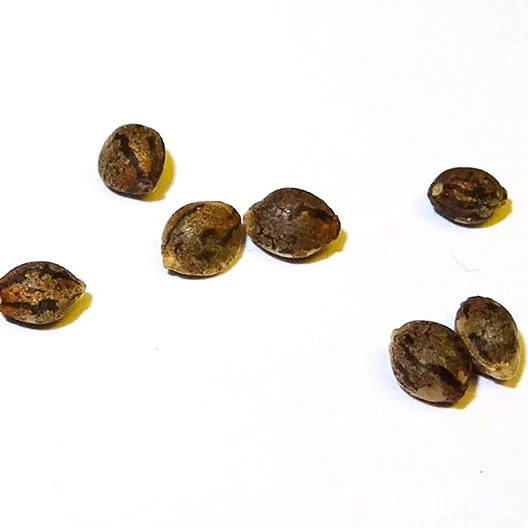
Size: The seeds of the Biochem strain, like most cannabis seeds, are small, often ranging between 3mm to 6mm in length.
Shape: These seeds typically boast a tear-drop shape. The narrower end of the seed often tapers to a point, while the broader end is rounded.
Color: Biochem strain seeds exhibit a dark brown hue, reminiscent of roasted coffee beans. Some seeds might also showcase variations of lighter brown or greyish patterns, which is a hallmark of their maturity and vitality.
Texture: The outer shell, or the seed coat, is smooth to touch but may display a discernible pattern. On closer examination, you’ll notice an intricate, net-like or marbled pattern etched onto the surface. This texture not only provides aesthetic value but also plays a crucial role in the seed’s protection.
Hilum: This is the scar on the seed where it was attached to the fruit or flower from the mother plant. It usually appears as a slightly indented, round or oval spot and may be of a different shade compared to the rest of the seed.
Consistency: Mature and viable seeds of the Biochem strain are usually hard and tough to the touch. If you apply slight pressure between your fingers, a healthy seed will resist being easily crushed. An immature or non-viable seed might feel hollow or brittle.
CBD
“The Biochem strain of cannabis is renowned for its exquisite balance of CBD (cannabidiol) and THC (tetrahydrocannabinol) content. However, it’s important to acknowledge that the CBD levels within this strain are subject to delightful variations influenced by an array of factors, including the nurturing nuances of cultivation and the meticulous art of harvesting.
In the enchanting realm of Biochem strain cannabis, CBD levels typically dance within a captivating range of 8% to 16%. This lush CBD abundance places it in a distinguished echelon among the cannabis family, where many strains pale in comparison. This luxurious bouquet of CBD is akin to a treasure sought by discerning individuals in pursuit of the therapeutic wonders attributed to CBD, all while gracefully sidestepping the intoxicating reverie that often accompanies THC-rich counterparts.
For those embarking on a quest for Biochem strain cannabis seeds boasting a more modest CBD disposition, akin to a symphony’s subtle undertones, it’s worth noting that such seeds, like rare gems, may be less frequently encountered. The Biochem strain, you see, is primarily cherished for its CBD opulence. To unearth these rarer seeds, one might need to seek counsel from specialized seed banks and horticultural artisans, masters of their craft, who devote their skills to curating strains that whisper rather than shout when it comes to CBD content. Alternatively, one might consider venturing into the enchanting world of alternative cannabis strains, where nature’s palette offers a diverse array of CBD expressions, each with its unique charm.”
Aroma
Biochem, a compelling blend of Chemdawg 4 and Sensi Star, boasts a genetic tapestry rich in aromatic potential. Drawing from this lineage, Biochem inherits a multifaceted aromatic palette that reflects the deep olfactory characteristics of its parent strains. However, it’s crucial to distinguish between the aroma of the seeds themselves and the mature plant’s scent, as they can be significantly different.
Chemdawg 4 is renowned for its signature scent, an aromatic blend that primarily strikes the senses with its pronounced diesel note. This pungency is complemented by earthy undertones, sometimes revealing a subtle citrus or pine finish that lingers in the background. It’s a scent that is unmistakably strong and has become emblematic of the more pungent strains within the cannabis family.
On the other side of Biochem’s ancestry is Sensi Star. This strain presents an olfactory journey that’s slightly more intricate. Dominated by earthy notes, Sensi Star also surprises with a touch of sweetness reminiscent of ripe fruits. This sweet profile is intertwined with a skunky undertone, lending it a certain depth and complexity. The aromatic medley is completed with a refreshing herbal nuance, occasionally hinting at metallic coolness, akin to morning dew on freshly tilled earth.
Given this rich aromatic lineage, Biochem is a symphony of scents. One can expect an intertwining of the dominant diesel and earthy base, harmoniously layered with subtle notes of sweetness, fruitiness, and possibly a touch of pine or skunk. It’s a scent that tells a story, a narrative of its genetic journey and the expert cultivation practices that brought it to life.
However, when specifically discussing the seeds of the Biochem strain, it’s essential to temper expectations. While the mature plant exudes the full range of its aromatic profile, the seeds are often more muted. Like most cannabis seeds, Biochem seeds would predominantly carry a subtle, nutty aroma, which is characteristic of hemp seeds. Any hint of the strain’s richer aroma would be faint at this stage. It’s only when the plant reaches maturity, with flowering buds, that Biochem’s true aromatic essence would be fully revealed.
For a precise olfactory description of Biochem Cannabis seeds, one would ideally consult cultivators or aficionados who have had direct experiences with this particular strain. Their firsthand accounts would provide the most accurate and nuanced insights into the sensory nuances associated with Biochem.
The aroma of plants, including cannabis, is primarily due to terpenes and flavonoids. Here are 20 common aromas or terpenes often detected in various strains of cannabis:
- Myrcene: Earthy, musky, and herbal, akin to cloves. Often found in mango, thyme, and lemongrass.
- Limonene: Fresh, sweet, and citrusy. Common in fruits like lemon and orange.
- Caryophyllene: Spicy and peppery. Found in black pepper, cloves, and cinnamon.
- Linalool: Floral and lavender-like, with a hint of spice. Present in lavender, mint, and some citrus fruits.
- Pinene: Reminiscent of pine trees and rosemary. It’s the most common terpene in nature, found in pine needles, basil, and dill.
- Humulene: Earthy and woody, with a hoppy essence. Found in hops, coriander, and cloves.
- Ocimene: Sweet and herbaceous, sometimes with a hint of woodiness. Present in mint, parsley, and orchids.
- Terpinolene: Smoky or woodsy, but can also be citrusy or floral. Detected in lilacs, nutmeg, and cumin.
- Camphene: Earthy and damp, with a scent reminiscent of camphor. Found in spruce, cypress, and rosemary.
- Phellandrene: Minty and peppery, with a slightly citrus tone. Present in eucalyptus, water fennel, and ginger.
- Carene: Sweet and pungent, with a hint of pine. Found in rosemary, cedar, and bell peppers.
- Geraniol: Sweet, floral, and rosy. Detected in roses, tobacco, and lemons.
- Borneol: Cool and minty. Present in rosemary, camphor, and mint.
- Eucalyptol: Spicy, cooling, and minty. As the name suggests, it’s found in eucalyptus, as well as bay leaves.
- Nerolidol: Fresh bark with a hint of citrus. Detected in ginger, jasmine, and lemongrass.
- Fenchol: Woody and piney. Found in basil, rosewood, and some pine trees.
- Bisabolol: Delicately sweet and floral. Present in chamomile.
- Valencene: Sweet, with undertones of citrus. Detected in Valencia oranges.
- Sabinene: Spicy, with a hint of citrus. Found in spruce, black pepper, and basil.
- Cedrene: Woody, reminiscent of cedar. As the name suggests, it’s present in cedarwood.
These terpenes not only define the aroma of the cannabis but can also influence its effects on the body and mind. Different strains of cannabis have unique terpene profiles, which contribute to their distinct aromas and therapeutic effects.
Flavor
Biochem, with its genetic roots in Chemdawg 4 and Sensi Star, offers a complex palette for the palate, drawing from the robust flavors of both parent strains.
Chemdawg 4 is celebrated for its intense flavors that complement its aroma. Predominantly, you’re introduced to a pungent diesel flavor that lingers on the taste buds. This powerful flavor, however, is mellowed down by undertones of earthiness, and in some instances, there might be a subtle citrusy zing, adding a refreshing contrast to the otherwise deep and overpowering diesel.
In juxtaposition, Sensi Star brings forth a flavor profile that’s as multifaceted as its aroma. The first draw introduces a palpable earthiness, immediately followed by a slightly sweet tang. This sweetness is not overpowering but enough to be noticeable. Further nuances include a skunky depth, which many enthusiasts relate to a classic cannabis flavor. Some users have even reported hints of pine or woody undertones, making the experience rich and layered.
Given this intricate tapestry of flavors, Biochem is nothing short of a gastronomic journey. Combining the formidable diesel punch of Chemdawg 4 with the earthy sweetness of Sensi Star, this strain likely offers a harmonious blend that is both intense and balanced. One can imagine a dominant diesel flavor, accentuated by sweet and earthy undertones, with occasional whispers of skunk or pine to complete the profile. The fusion of these flavors suggests a sophisticated strain that pays homage to its rich lineage.
However, it’s paramount to understand that the seeds of the Biochem strain would not express these flavors in the same depth as the mature buds. Typically, cannabis seeds, regardless of strain, exhibit a more subdued, nutty flavor. Any distinctive flavors associated with the strain are usually prominent only when the plant flowers and the buds are consumed.
For an exact flavor profile of Biochem Cannabis seeds or its mature buds, I would recommend contacting cultivators or experts familiar with this strain. They would be equipped with firsthand experience and could provide detailed insights into its flavor nuances.
Cannabis strains can exhibit a myriad of flavors, largely influenced by their terpene profiles. Here are 20 common flavors often encountered in various cannabis strains:
- Diesel: A pungent, fuel-like taste commonly associated with strains like Sour Diesel.
- Citrus: Bright and tangy, reminiscent of lemons or oranges.
- Berry: Sweet and fruity, evoking tastes of blueberries, strawberries, or raspberries.
- Pine: A fresh, sappy taste reminiscent of pine needles or forest air.
- Earthy: Grounded and robust, akin to the scent of wet soil or freshly tilled land.
- Woody: A deep, rich flavor that might remind one of cedar or sandalwood.
- Spicy: A zesty kick, similar to black pepper or cloves.
- Herbal: Reminding of fresh herbs, like basil or oregano.
- Sweet: A sugary undertone, sometimes evoking caramel or honey.
- Cheese: Pungent and savory, similar to aged cheeses.
- Tropical: Fruity flavors reminiscent of mango, pineapple, or passion fruit.
- Grape: A fruity and slightly tart taste similar to fresh grapes or wine.
- Chocolate: Deep, rich, and slightly bitter, like dark chocolate.
- Coffee: Robust and slightly bitter, reminiscent of freshly brewed coffee.
- Skunky: A pungent, musky flavor characteristic of many cannabis strains.
- Mint: Fresh and cool, evoking peppermint or spearmint.
- Butter: Creamy and rich, akin to the taste of butter or baked goods.
- Nutty: Subtle flavors reminiscent of almonds, walnuts, or hemp seeds.
- Vanilla: Sweet and creamy, evoking vanilla beans or vanilla extract.
- Lavender: A floral and slightly sweet flavor, reminiscent of lavender flowers.
Each cannabis strain might possess a unique combination of these flavors, and often, the overall flavor profile is a blend of several of these. The richness and diversity of cannabis flavors are part of what makes tasting different strains such an intriguing experience for enthusiasts.
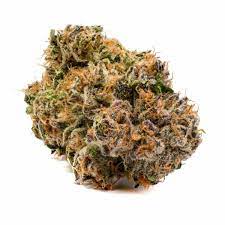
Effects
Biochem is a product of two iconic strains: Chemdawg 4 and Sensi Star. To properly understand the potential effects of the Biochem strain, it’s essential to take a look at its lineage and how the properties of its parent strains might influence its overall impact. However, it’s important to note that we’re discussing the effects of consuming the matured plant, not the seeds. Cannabis seeds, in and of themselves, do not contain cannabinoids like THC or CBD in amounts significant enough to produce psychoactive effects.
Chemdawg 4 is known for its strong cerebral effects. A proud member of the Chemdawg lineage, its effects are typically described as uplifting and energetic, often accompanied by a noticeable euphoria. For many users, this translates into increased creativity, focus, and sometimes a burst of energy. It’s a strain known to stimulate the mind, often leading to deep conversations, introspective thoughts, or a heightened appreciation for music and art. However, like many potent strains, Chemdawg 4 can also have a strong body relaxation effect, making some users feel anchored to their couch.
On the flip side, Sensi Star is a heavy indica, celebrated for its potent body-centric effects. Users often report an initial rush of euphoria that gradually transforms into profound relaxation. It’s a strain that can make muscles feel like they’re melting, and stresses of the day fade into the background. For some, this relaxation can verge on sedation, making it a popular choice for evening use or before bed. Apart from its physical effects, Sensi Star can also provide a serene mental calmness, acting as a balm for anxiety or stressful thoughts.
Given its illustrious parentage, Biochem likely offers a harmonious blend of the effects from both strains. One can anticipate an initial cerebral stimulation, a rush of creativity and focus reminiscent of Chemdawg 4. This could make tasks more engaging, or simply amplify the sensory appreciation of one’s surroundings. However, as time progresses, the indica heritage from Sensi Star might begin to manifest. This would translate to deepening relaxation, a gentle easing of tension, and potentially a sedative pull as the effects peak. The balanced nature of Biochem means that it might be suitable for various activities, from introspective solo sessions to relaxed social gatherings.
However, it’s crucial to remember that individual reactions to cannabis strains can vary based on numerous factors, including one’s personal chemistry, tolerance levels, and consumption methods. The best way to truly understand Biochem’s effects is through personal experience, always starting with a small amount and noting how one’s body and mind respond.
Medical Effects
Biochem, stemming from its lineage of Chemdawg 4 and Sensi Star, likely carries a blend of the therapeutic properties associated with these two renowned strains. However, it’s essential to clarify that the seeds themselves are not typically used for medical or therapeutic benefits. The medical effects come from the cannabinoids and terpenes present in the mature plant’s flowers. With that said, let’s dive into the potential medical effects of the Biochem strain based on its parent strains.
Chemdawg 4, given its potent cerebral effects, is often sought after for its potential in alleviating mental health disorders. Patients with anxiety, depression, or PTSD have reported benefits from strains like Chemdawg 4 due to its uplifting and mood-enhancing properties. The strain’s ability to stimulate the mind can also make it an appealing option for those battling fatigue or looking for a burst of creativity.
Sensi Star, being a powerful indica, offers pronounced physical relaxation. This makes it a popular choice among medical cannabis users looking for pain relief. Conditions such as chronic pain, arthritis, and muscle spasms may benefit from the analgesic properties associated with strains like Sensi Star. Furthermore, its sedative qualities could be beneficial for those dealing with insomnia or other sleep disorders. The calming mental effects might also offer solace to those with anxiety, providing a quieting effect on racing or stressful thoughts.
Considering the above, Biochem would likely be a versatile medical strain, marrying the best of both its parent strains. Its potential dual nature means that it could address both mental and physical ailments. The strain might offer a balanced approach, first uplifting the mood and sharpening focus, followed by a deep-seated relaxation that permeates both body and mind. Such a profile could be beneficial for patients dealing with conditions like chronic pain, where both physical relief and mood enhancement are desirable.
Additionally, the presence of cannabinoids like THC and CBD, along with various terpenes, means that the entourage effect might play a role in its therapeutic properties. This refers to the synergistic interactions between cannabinoids and terpenes to produce more effective medical benefits.
It’s important to note, however, that individual responses can vary. While cannabis has shown promise in addressing various ailments, it’s vital for patients to consult with a medical professional when considering cannabis as a therapeutic option. Personal experimentation under guidance, starting with lower doses, can help pinpoint the best strain and consumption method for one’s needs.
Cultivation
Growing cannabis, like Biochem or any other strain, involves a methodical approach, ensuring the plant has the best possible environment for development. Here’s a step-by-step guide on how to grow Biochem cannabis seeds:
- Research Legalities: Check local regulations to ensure you’re allowed to cultivate cannabis.
- Seed Selection: Obtain high-quality Biochem cannabis seeds from a reputable seed bank.
- Determine Indoor vs. Outdoor: Decide on your growing environment based on space, climate, and security considerations.
- Select Growing Medium: Decide between soil, hydroponics, or aeroponics.
- Get High-Quality Soil: If using soil, purchase well-draining, nutrient-rich soil.
- Set Up Grow Space: Prepare your grow room or outdoor plot.
- Lighting: For indoor grows, invest in good quality LED, HID, or CFL lights.
- Ventilation: Ensure proper ventilation for indoor grows using oscillating fans and exhaust systems.
- Seed Germination: Place seeds between moistened paper towels inside a plastic bag or container.
- Monitor Germination: Wait for seeds to sprout; usually takes 24-72 hours.
- Prepare Pots: Fill pots with soil or prepare your hydroponic system.
- Plant Sprouted Seeds: Gently plant germinated seeds in the medium, taproot down.
- Water Sparingly: Keep the medium moist, not waterlogged.
- Maintain Warmth: Ensure temperatures remain between 68°F to 77°F.
- Seedling Stage: Provide 18-24 hours of light to stimulate growth.
- Monitor pH Levels: Aim for a pH of 6-7 for soil, 5.5-6.5 for hydroponics.
- Water Quality: Use purified or dechlorinated water.
- Check Growth: In a week, seedlings should have a couple of sets of leaves.
- Transplant if Needed: If seedlings outgrow their initial pots, transfer them to bigger ones.
- Introduce Nutrients: Start with a mild solution, gradually increasing concentration.
- Vegetative Stage: Maintain an 18/6 light cycle (18 hours on, 6 hours off).
- Prune: Remove unnecessary leaves or branches to allow for better air circulation and light penetration.
- Training: Techniques like “Low Stress Training” can increase yields by exposing more of the plant to light.
- Pest Control: Monitor for pests; use natural repellents or insecticides if necessary.
- Monitor Plant Health: Ensure leaves are a vibrant green and free from spots or discoloration.
- Flowering Trigger: Change light cycle to 12/12 to induce flowering for indoor grows.
- Adjust Nutrients: Switch to a bloom formula for the flowering stage.
- Monitor Buds: Buds will begin forming at the nodes.
- Maintain Humidity: Aim for 40-50% relative humidity during flowering.
- Check Trichomes: These are the tiny resin glands on the buds; their color indicates harvest-readiness.
- Flush Plants: 1-2 weeks before harvest, water without nutrients to purge chemicals from the plant.
- Harvest Timing: When 70-90% of the trichomes are cloudy and a few are amber, it’s typically time to harvest.
- Harvest: Cut down plants, leaving long stems to hold onto.
- Trimming: Remove large fan leaves and trim sugar leaves from the buds.
- Drying: Hang buds upside down in a dark room with good ventilation for 7-14 days.
- Check Dryness: Buds should be slightly crispy on the outside, and stems should snap, not bend.
- Curing: Place trimmed buds in glass jars, filling them ¾ full.
- Burp Jars: Open jars daily for 15 minutes to exchange air and release moisture.
- Store Properly: Once cured (typically after 3-4 weeks), store in a cool, dark place.
- Continue Monitoring: Ensure buds do not develop mold.
- Decide on Use: Buds can be smoked, vaporized, or used to make edibles and extracts.
- Clean Equipment: After harvest, clean and sanitize all equipment.
- Analyze Results: Note what went well and what could be improved for the next grow.
- Soil Reuse: If reusing soil, ensure it’s refreshed with compost and nutrients.
- Water Quality Check: If possible, test water quality before the next planting cycle.
- Strain Feedback: Take notes on how Biochem affected you therapeutically or recreationally.
- Network: Connect with other growers to share tips and insights.
- Stay Updated: Cannabis cultivation is a rapidly evolving field; always stay updated with the latest techniques.
- Plan Next Grow: Perhaps experiment with new strains or growing methods.
- Stay Legal: Always adhere to local regulations regarding cannabis cultivation and consumption.
Growing cannabis, like Biochem, is both a science and an art, requiring patience, observation, and a willingness to learn from each cycle.
There are various pests and insects that can hamper the growth of cannabis plants right from their seedling stage. Here are 20 insects and pests that can adversely affect cannabis seeds and seedlings:
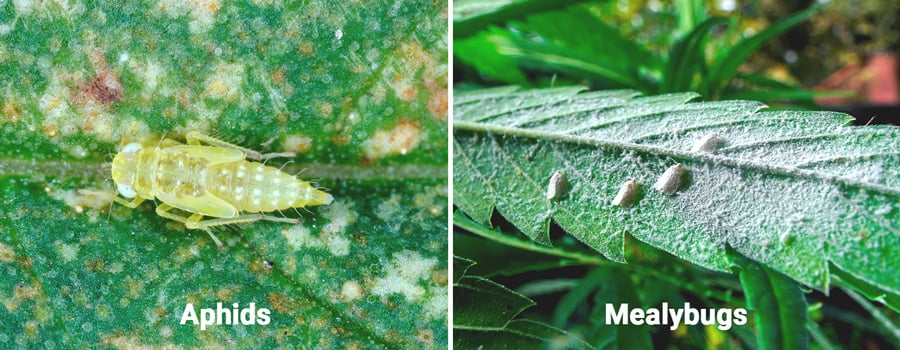
- Aphids: Tiny bugs that suck the sap from cannabis plants, weakening them and potentially transmitting diseases.
- Spider Mites: These tiny mites suck the chlorophyll from plants, leaving tiny white spots on leaves.
- Whiteflies: Small, white-winged insects that suck plant juices and excrete honeydew, leading to mold.
- Root Aphids: These live in the soil and feed on the roots, stunting plant growth.
- Fungus Gnats: Their larvae feed on organic matter, roots, and root hairs, causing reduced plant vigor.
- Broad Mites: Almost microscopic, they cause leaves to curl, twist, or even die.
- Thrips: Tiny, slender insects that feed on the plant’s juices, causing silver-white streaks or spots on the leaves.
- Leaf Miners: Larvae of a type of fly that tunnels inside leaves, causing visible trails.
- Caterpillars & Budworms: They eat the leaves and can burrow into cannabis buds, causing significant damage.
- Cutworms: They feed on stems and roots, often cutting through seedlings at the base.
- Mole Crickets: These burrow in the soil, damaging the root system of young plants.
- Grasshoppers & Locusts: They can devour large portions of the cannabis plant, including young seedlings.
- Leafhoppers: These sap-suckers can cause leaf discoloration and reduce the plant’s vigor.
- Mealybugs: Sap-sucking bugs that excrete honeydew, promoting mold growth.
- Scale Insects: Another sap-sucking pest that attaches to cannabis plants, weakening them.
- Slugs & Snails: Especially harmful to young cannabis plants, they eat large chunks out of leaves and stems.
- Nematodes: Microscopic worms that attack roots, causing knots and hampering nutrient uptake.
- Crickets: These can feed on young plants, causing damage to leaves and stems.
- Ants: While not directly harmful, they can farm and protect aphids for their sweet excretions, indirectly causing harm.
- Birds: Some species might dig up and eat cannabis seeds before they have a chance to sprout.
If encountering these pests, it’s crucial to act swiftly. There are various natural and chemical control methods available, depending on the pest in question and the grower’s preference. Regular monitoring and early detection are key to ensuring a healthy cannabis crop.
Guidelines for Preventing Insects Infestation
Protecting your cannabis plants from pests is crucial for a healthy crop. Here are 20 preventive measures and advice to shield your plants from the aforementioned insects:
- Regular Inspection: Regularly inspect your plants, especially the underside of leaves, for any signs of pests or eggs.
- Neem Oil: A natural pesticide, neem oil can deter a variety of pests. Apply as a preventive measure or at the first sign of infestation.
- Beneficial Insects: Introduce predators like ladybugs, predatory mites, and lacewings. They naturally control pests such as aphids, whiteflies, and spider mites.
- Companion Planting: Plants like marigold, chrysanthemum, and basil can act as natural repellents for certain pests.
- Proper Watering: Overwatering creates a conducive environment for pests like fungus gnats. Ensure the topsoil dries out between watering.
- Diatomaceous Earth: Sprinkle this natural insect killer around the base of your plants. It’s effective against crawling pests like snails, slugs, and cutworms.
- Sticky Traps: These can catch and monitor flying pests like whiteflies, fungus gnats, and thrips.
- Row Covers or Netting: Use these to protect outdoor plants from birds and larger pests.
- Maintain Cleanliness: Keep your grow area clean. Remove dead plant material, which can be a breeding ground for pests.
- Avoid Chemical Pesticides: They can kill beneficial insects and might leave harmful residues on the cannabis.
- Biological Fungicides: Products containing beneficial microbes can prevent root diseases and deter pests like fungus gnats.
- Barriers: Use copper tape or crushed eggshells around the base of plants to deter slugs and snails.
- Isolate New Plants: Before introducing new plants into your main grow area, keep them isolated for a week or two to ensure they aren’t carrying pests.
- Beneficial Nematodes: These are useful against soil-borne pests. They attack and kill the larvae, reducing future populations.
- Humidity Control: Keeping humidity levels below 50% can deter pests like spider mites, which prefer dry conditions.
- Essential Oils: A spray made from oils like eucalyptus, peppermint, and rosemary can deter a variety of pests.
- Bacillus Thuringiensis (BT): A natural soil-dwelling bacterium that’s effective against caterpillars and budworms.
- Quarantine Affected Plants: If a plant is heavily infested, remove and quarantine it to prevent the spread of pests.
- Beneficial Fungi: Mycorrhizal fungi, when added to the soil, help plants resist certain root-based pests.
- Regular Soil Replacement: Especially for indoor grows, replace or sterilize your soil between plantings to eliminate any lingering pests.
Remember, prevention is the best strategy. A combination of these methods, tailored to the specific challenges and needs of your growing environment, can help ensure a healthy and bountiful harvest. Always prioritize natural and non-toxic methods, especially given the consumable nature of cannabis.
In Conclusion
The Biochem strain stands out as a unique blend of two iconic cannabis strains: Chemdawg 4 and Sensi Star. Both its lineage and its potential benefits make it a compelling choice for both recreational users and medical patients. Here’s why Biochem is a must-have:
- Balanced Effects: Biochem, given its hybrid nature, offers a harmonious blend of both cerebral and physical effects. This balance can provide an uplifting mood boost while also delivering profound relaxation, making it versatile for various activities and times of the day.
- Medical Benefits: Drawing from its parent strains, Biochem may offer therapeutic relief for a range of conditions. Its potential analgesic properties can be a boon for those with chronic pain, while its mood-enhancing qualities might benefit those with anxiety or depression.
- Rich Flavor Profile: For those who appreciate the finer nuances of cannabis, Biochem promises a symphony of flavors. The diesel punch of Chemdawg 4 intertwined with the sweet earthiness of Sensi Star can provide a memorable and enjoyable tasting experience.
- Aromatic Delight: Beyond its taste, the aromatic profile of Biochem can be a sensory treat. The combination of pungent, sweet, and earthy aromas makes it a standout among other strains.
- Robust Growth: For cultivators, Biochem’s genetics might offer robust growth patterns, making it a rewarding strain to grow and harvest.
- Legacy and Lineage: For enthusiasts who appreciate cannabis lineage, owning a strain that marries the properties of two legendary strains is a matter of pride.
In essence, Biochem is more than just another cannabis strain; it’s a harmonious fusion of two cannabis legends. Whether you’re seeking therapeutic relief, a unique sensory experience, or simply wanting to explore a rich lineage, Biochem is a strain worthy of consideration and a valuable addition to any collection.
| BEST USE | Depression, Insomnia, Stress |
|---|---|
| BLEND | 25% Sativa, 75% Indica |
| CBD LEVEL | Low (Less than 2%) |
| EFFECTS | Euphoric, Relaxed, Sleepy |
| FLAVOR | Earthy, Floral, Spicy |
| FLOWERING PERIOD | 55-65 Days |
| GROWING DIFFICULTY | Intermediate |
| PLANT HEIGHT | Medium |
| THC CONTENT | 21% |
| TYPE | Indica |
For a complete directory of cultivars, visit our Cannabis Strain Reviews.
