Table of Contents
Introduction of Big Buddha Cheese Strain Cannabis Seeds
The Big Buddha Cheese Cannabis, a venerable strain in the world of cannabis cultivation, beckons with a rich history and an alluring mystique. This particular cultivar has etched its name in the annals of cannabis lore, not just for its distinctive aroma and flavor, but also for the potent effects it imparts. We delve into a world where genetics, terpenes, and meticulous cultivation come together to produce a truly exceptional experience for both enthusiasts and connoisseurs as we embark on a quest to understand the many facets of the Big Buddha Cheese Cannabis. We’ll explore the history, traits, and effects of this well-known strain in this introduction, shedding light on why cannabis connoisseurs still regard it as a prized and sought-after gem.
Origins
Historical Context: Originating in the UK during the late 1980s to early 1990s, the lineage of Big Buddha Cheese can be traced back to the underground cannabis scene of Southeast England.
Origination from Cheese:The inception of Big Buddha Cheese has its roots in a strain known as “Cheese”. This strain emerged as a singular phenotype of Skunk #1, one of the foundational strains in modern cannabis cultivation. Skunk #1 was known for its potent effects and pungent aroma, but the Cheese phenotype stood out because of its distinctive, robust cheese-like smell.
Big Buddha’s Involvement:Big Buddha Seeds, headed by its proactive founder, played a seminal role in shaping the legacy of the Cheese strain. In the early 2000s, the founder procured a clone of the original Cheese. Recognizing its standout attributes but also realizing the need to stabilize and enhance its genetics, a selective breeding project was embarked upon.
Introducing Afghani Indica:To bolster the genetic profile of Cheese and ensure its longevity, it was decided to cross it with another renowned strain: Afghani Indica. The Afghani strains are known for their hardiness, resilience, and profound relaxing effects. Introducing these genetics was aimed at not just enhancing the Cheese’s growing attributes but also deepening its effect profile.
Birthing Big Buddha Cheese:The marriage of Cheese and Afghani Indica culminated in what we now know as Big Buddha Cheese. This hybrid strain preserved the signature cheese aroma that made its parent famous while inheriting the robust growth characteristics and profound relaxing effects of the Afghani lineage.
CBD
The Big Buddha Cheese cannabis variety commonly displays a CBD (cannabidiol) concentration that falls within the lower spectrum, frequently registering at less than 2% of its overall cannabinoid composition. This particular strain garners its renown predominantly for its heightened THC (tetrahydrocannabinol) content, the psychoactive compound responsible for the characteristic euphoria typically linked with cannabis.
With its CBD content typically hovering below the 2% mark, the Big Buddha Cheese strain is not typically regarded as a substantial source of CBD. It is prudent to acknowledge that the precise CBD percentage can exhibit slight fluctuations contingent upon variables such as cultivation techniques, environmental factors, and genetic characteristics, albeit it consistently tends to remain within the lower echelons.
Should your quest involve locating a cannabis strain boasting a more robust CBD presence, it would be advisable to consider exploring alternative strains purposefully bred to encompass higher CBD concentrations. Such strains are better tailored to individuals who seek to leverage the potential therapeutic advantages associated with CBD while mitigating the pronounced psychoactive effects typically attributed to THC.
Appearance
Overall Growth Pattern:The Big Buddha Cheese primarily exhibits a robust Indica-dominated stature. Medium to large in size, it flourishes with a compact and bushy growth rather than the elongated and airy configuration characteristic of Sativa variants.
Foliage Characteristics: The Big Buddha Cheese’s broad, dark green leaves glow with life. Because of its dense growth pattern and closely packed leaves, pruning is frequently necessary. This makes sure that every area of the plant receives the ideal amount of light and air, which is crucial for both its health and yield.
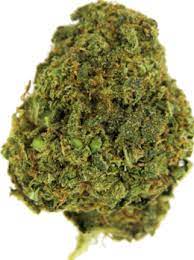
Bud Description:Perhaps the most visually striking element of this plant is its buds. Compact and with a robust structure, they shimmer with a generous coating of trichomes. This frosty appearance isn’t just aesthetic; it is a testament to the strain’s potent cannabinoid content.
Kaleidoscope of Colors:Predominantly deep green, the buds occasionally flaunt hints of purple or blue – a visual treat often revealed when the plant experiences cooler nocturnal temperatures in its flowering stage. The vibrant orange to amber-colored pistils intersperse beautifully, adding to its aesthetic appeal.
Scent Profile:Even if not immediately visible, the plant’s aroma is undeniably a part of its allure. As the flowering stage progresses, a powerful, unmistakably cheese-like scent envelopes the vicinity, a sensory indicator of its nearing maturity.
Seed Characteristics:Seeds from the Big Buddha Cheese strain are a sight in themselves. Mostly teardrop-shaped, their colors oscillate between deep browns and lighter tans, often displaying intricate mottled or striped designs. Their hard, smooth shell is an indication of their vitality and health.
Sturdy Stems:Supporting the weight of the lush buds are the plant’s robust stems, a testament to its genetic strength, particularly from its Afghani Indica ancestors. These thick stems are resilient, ensuring the plant stands tall and undeterred.
Resinous Delight:A standout feature of Big Buddha Cheese is its prolific trichome production, leading to a resin-rich plant. This sticky resin is a goldmine for those looking to produce high-quality cannabis concentrates and derivatives.
In Essence: The Big Buddha Cheese Cannabis plant, with its captivating visual elements and superior genetic traits, undeniably stands out as a top-tier Indica-leaning strain. Esteemed by growers and consumers alike, it epitomizes the fusion of beauty, resilience, and potency in the world of cannabis.
-
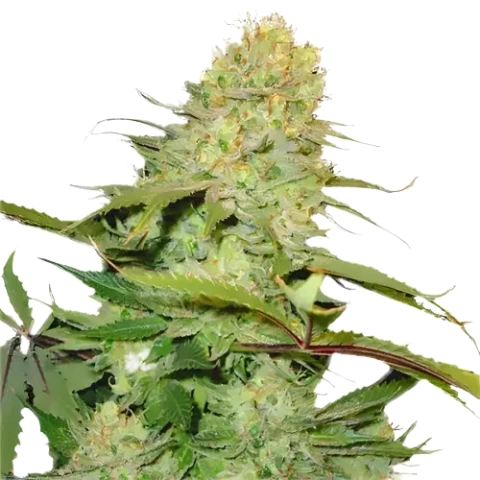 Big Buddha Cheese Cannabis SeedsFrom: $24.99
Aroma
Introduction:The scent of a cannabis strain is woven from its inherent terpenes, the environment during its growth, and its genetic roots. Big Buddha Cheese Cannabis distinctly stands out as a prime exemplar in the aromatic realm, enchanting one’s senses with its multifaceted bouquet.
Signature Aroma – Cheese:The most prevailing scent from Big Buddha Cheese, true to its moniker, echoes the deep aroma of aged cheese. This fragrant dairy note is potent, seizing the primary olfactory stage when the buds are present.
Subterranean Whiffs:Beneath its cheesy exterior, the aroma dives into an earthy realm, reminiscent of dew-kissed forests and fertile terrains. This scent provides a counterbalance to the cheese’s boldness, deepening the overall aromatic experience.
Hints of Antiquity:A certain old-world muskiness, reminiscent of vintage leather or timeworn tomes, is interwoven in its profile, offering a rich and complex scent narrative.
Echoes of Skunk:Thanks to its Skunk #1 ancestry, Big Buddha Cheese carries with it a sharp, skunky tang. This aroma is piercing, adding a bold dimension to the fragrance tapestry.
Whispers of Sweetness:A gentle, sweet undercurrent emerges upon a more focused inhalation. It’s akin to the aroma of sun-ripened berries or a drizzle of golden caramel, juxtaposing the strain’s more dominant potent notes.
Herbaceous Touches:Certain aficionados and cultivators discern faint herbal notes in the mix, subtle hints of herbs like basil or maybe oregano, infusing a culinary flair to the aromatic spectrum.
Spice Trails:In the aroma’s backdrop, there’s a subtle spiciness, evocative of crushed peppercorns or a hint of cloves. This spicy nuance enriches the strain’s multifaceted aroma, adding an element of mystery.
Environmental Impact:It is critical to recognize that the plant’s nurturing environment is crucial in determining its aroma. The subtleties of the aromas can be adjusted or changed by factors such as soil composition, atmospheric humidity, room temperature, and cultivation methods.
Epilogue:Big Buddha Cheese Cannabis isn’t merely a strain; it’s an aromatic voyage, harmoniously blending notes from pungent cheese to earthy whispers and sweet serenades. Its diversified olfactory profile, along with its formidable effects and visual allure, render it a cherished strain for the connoisseurs. To experience its scent is to embark on a sensory journey, tracing the footprints of its rich genetic lineage and the craftsmanship of its cultivation.
Flavor
Introduction:The essence of flavor, akin to scent, emerges from a harmonious dance of genetic lineage, terpenes, and diverse cultivation elements. Big Buddha Cheese Cannabis stands out, not merely for its signature fragrance, but also for its intricate gustatory spectrum, endearing it to aficionados.
Predominant Taste – Cheese:Aligning with its olfactory notes, the primary flavor that captivates the senses upon sampling Big Buddha Cheese resonates with aged cheese. This velvety, mildly tangy sensation distinctly anchors the strain’s gustatory identity, laying the cornerstone of its flavor profile.
Terrestrial Undertones:Echoing its aroma, a foundational earthiness complements the cheesy overture. This taste paints images of lush terrains or the essence of tuberous plants, establishing a solid, organic bedrock to the flavor journey.
Old-World Whiffs:The flavor palette also reveals a subtle musk, evocative of classic wines or time-weathered timber. This nuance adds a dimension of sophistication, ensuring each inhalation is a tiered experience.
Skunky Hints:Drawing from its Skunk #1 roots, a discernible skunky nuance emerges. While not dominant, it introduces a zesty edge, contrasting the opulent, creamy nuances.
Gentle Saccharine Notes:Peering beyond the forefront flavors, a subdued sweetness graces the palate. One might recognize hints of forest berries, perhaps hints of blueberry or bramble, accompanied by whispers of toffee or perhaps a drizzle of amber nectar. This sugary touch elegantly offsets the strain’s intense flavors.
Botanical Inflections:Towards the end, there’s a fleeting sensation of herbs. This might remind one of the crispness of basil or the comforting warmth of oregano, bestowing a culinary flair to the gustatory narrative.
Peppery Finish:On the tail end, a hint of spiciness emerges, calling to mind freshly-milled black pepper or a sprinkle of cloves. This spicy accent marks the conclusion of the flavor adventure, introducing a comforting warmth.
Environmental Interplay:It’s pivotal to understand that while hereditary traits shape the core essence, nuances in flavor profiles can be modulated by the cultivation milieu. Aspects like soil matrix, nutrient blends, and even the nuances of the curing process post-harvest can fine-tune these gustatory notes.
Epilogue:The Big Buddha Cheese Cannabis orchestrates a gustatory odyssey as multifaceted and profound as its scent landscape. Each inhalation unfolds a melange of flavors, from luscious cheese to terrestrial undertones and saccharine accents. This gourmet array of flavors, married to its remarkable potency, underscores its stature as a distinguished strain, revered by both neophytes and seasoned cannabis connoisseurs.
Effects
Big Buddha Cheese is celebrated for its impeccably balanced yet profoundly potent effects. Its remarkable Indica predominance, constituting approximately 80% of its genetic composition, is the driving force behind its ability to deliver an unparalleled state of relaxation and stress alleviation. When indulging in this strain, users frequently encounter a profound physical serenity that harmonizes with a deep-seated mental tranquility.
Simultaneously, the subtle influence of its Sativa lineage, making up around 20%, introduces a nuanced symphony of effects. A gentle euphoria graces the user’s consciousness, delicately enhancing their mood and granting them a soothing lift in spirits. This unique combination makes Big Buddha Cheese a preferred choice for individuals in search of a harmonious equilibrium between relaxation and a subtle, yet delightful, mental elevation.
Further, this variety has an intriguing appetite-stimulating property. People who struggle with eating disorders or are undergoing medical treatments that affect their appetite may find this quality to be a godsend. Big Buddha Cheese’s effects gradually progress into a more sedative state, making it a valuable ally for people who are struggling with insomnia or persistent pain. Additionally, it shows a preference for igniting creativity and encouraging sociability, especially in the early stages of consumption.
Genetic Composition:
- Sativa Dominance (40%): The Big Buddha Cheese possesses Sativa genetics, which contributes to a number of important traits. Sativa strains are frequently linked to uplifting, cerebral effects. A mood booster, more energy, and a feeling of mental clarity could all be the benefits of this hybrid’s Sativa influence. Even though 40% Sativa is a sizable portion, it isn’t dominant enough to overpower the calming Indica characteristics.
- Indica Dominance (60%): The majority of the genetics in Big Buddha Cheese are Indica, which strongly influences its overall profile. Indica strains are renowned for their calming and physically relaxing effects. With 60% Indica, this strain offers deep relaxation, relief from physical tension, and a sedative quality that makes it suitable for relaxation and sleep.
- Relaxation and Physical Calm: Big Buddha Cheese, which is primarily indica in nature, has a strong sedative effect. Users frequently experience a downward-moving wave of calmness enveloping their body. It’s a great option for unwinding at the end of a long day because of the calming physical sensation it produces.
- 2. Mood Upliftment:While its physical effects are distinctly Indica, Big Buddha Cheese also brings about a mild cerebral euphoria. This gentle mood elevation dispels negative emotions and ushers in a positive mindset, making one feel more optimistic and lighter.
- 3. Enhanced Sensory Perception:Some users report heightened sensory experiences. This can translate to music sounding richer, colors appearing more vivid, and an overall enhanced appreciation for the world around them.
- 4. Creativity Boost:Although not as pronounced as in some Sativa strains, Big Buddha Cheese can facilitate a surge in creative thought. Artists, writers, and musicians might find this strain helpful in breaking through creative barriers.
Medical Effects
The therapeutic potential of Big Buddha Cheese extends its benevolent reach to a broad spectrum of medical conditions. Its potent relaxation properties are a formidable ally in the battle against stress, anxiety, and tension, offering a valuable means to manage mood disorders. Additionally, the strain’s analgesic attributes come to the forefront, effectively alleviating minor aches and pains, thus providing solace to individuals grappling with chronic pain or muscle discomfort.
For patients struggling with the rigors of chemotherapy or conditions that covertly reduce appetite, it offers a glimmer of hope due to its ability to increase appetite. Big Buddha Cheese’s sedative qualities also make it a sensible choice for those who experience insomnia because it subtly promotes restful sleep.
The strain’s unique ability to enhance mood and sociability can serve as a balm for individuals wrestling with social anxiety or depression, offering a temporary respite from emotional turmoil. However, prudence dictates seeking counsel from a healthcare professional before embarking on a medicinal cannabis journey, as they can provide tailored guidance to ensure that Big Buddha Cheese is a suitable treatment option, while also determining the optimal dosage to achieve the desired therapeutic effects.
- Appetite Stimulation: Big Buddha Cheese has a reputation for stimulating appetite, which is also known as the “munchies,” like many other Indica strains. For people who have trouble eating or are receiving treatments that have an impact on their appetite, this effect can be especially beneficial.many Indica strains, Big Buddha Cheese has been associated with an increase in appetite, often referred to as the “munchies.” This effect can be particularly helpful for individuals with appetite issues or those undergoing medical treatments that affect their appetite.
- Sedation and Sleep Aid: As the effects of Big Buddha Cheese progress, they tend to become more sedative. Many users find it conducive to relaxation and sleep, making it a good option for nighttime use or for individuals dealing with insomnia.
- Social and Creative Boost: While the dominant effects are calming, some users also report a subtle boost in creativity and sociability, especially during the initial stages of consumption. This can make it suitable for social gatherings or creative pursuits.
- Duration of Effects: The effects of Big Buddha Cheese typically last for a moderate duration, making it suitable for various occasions, depending on the desired outcome.
Cultivation

Step 1: Genetics Selection
- Begin by carefully selecting high-quality Big Buddha Cheese Cannabis Seeds from a reputable source. Ensure they are fresh and viable.
Step 2: Choose a Growing Space
- Decide whether you’ll cultivate indoors, outdoors, or in a greenhouse, considering the advantages and considerations of each environment.
Step 3: Indoor Setup
- If growing indoors, create a controlled environment with proper ventilation, lighting, and temperature control.
Step 4: Outdoor Location
- For outdoor cultivation, choose a sunny location with well-draining soil and access to at least 6 hours of direct sunlight daily.
Step 5: Soil Preparation
- Test the soil’s pH levels and adjust them to a range between 6 and 7, which is ideal for cannabis.
Step 6: Germination
- Germinate your Big Buddha Cheese seeds using your preferred method, such as the paper towel, water, or germination cube method.
Step 7: Seedling Care
- Transplant the germinated seeds into small pots with a well-balanced potting mix. Provide adequate light and maintain proper humidity.
Step 8: Vegetative Growth
- During the vegetative stage, provide 18-24 hours of daily light. Ensure proper ventilation and maintain a temperature between 70-85°F (21-29°C).
Step 9: Training Techniques
- To promote lateral growth and enhance light penetration, think about training methods like topping or low-stress training (LST).
Step 10: Transition to Flowering
- After 4-6 weeks, switch to a 12-hour light cycle to induce flowering. Adjust lighting and nutrient levels accordingly.
Step 11: Nutrient Management
- Use a balanced cannabis-specific ferDuring the vegetative stage, use a balanced fertilizer designed especially for cannabis, and switch to a bloom formula during the flowering stage.tilizer during the vegetative stage and transition to a bloom formula during flowering.
Step 12: Monitor Humidity
- Maintain humidity levels between 40-50% during flowering to prevent mold and bud rot.
Step 13: Pruning and Defoliation
- Prune excess fan leaves and foliage to improve airflow and light penetration to lower bud sites.
Step 14: Pest and Disease Prevention
- Implement regular pestChecks for diseases and pests should be conducted frequently. whenever possible, use organic pest control techniques. and disease inspections. Use organic pest control methods whenever possible.
Step 15: Support for Heavy Buds
- Provide support with stakes or trellises as the buds develop to prevent branches from breaking.
Step 16: Flushing
- Begin flushing the plants with pure water or a flushing solution 1-2 weeks before harvest to remove excess nutrients.
Step 17: Harvest Timing
- Harvest when the trichomes are milky white with some amber, typically 8-10 weeks into flowering.
Step 18: Drying and Curing
- Dry the harvested buds in a cool, dark, and well-ventilated space for 1-2 weeks. Then, cure the buds in airtight jars for at least 2-4 weeks.
Step 19: Monitor Temperature and Humidity
- Maintain proper temperature (60-70°F or 15-21°C) and humidity (60-65%) during drying and curing.
Step 20: Trimming
- Trim excess leaves and stems from the dried buds during the curing process.
Step 21: Storage
- Your cured buds should be kept in a cool, dark location away from light and air exposure.
Step 22: Testing
- Consider testing your finished product for potency and quality to ensure it meets your expectations.
Step 23: Research Local Laws
- Learn about the rules and laws that apply to cannabis cultivation in your area.
Step 24: Security
- Implement security measures to protect your plants from theft or unauthorized access.
Step 25: Documentation
- Keep thorough records of your cultivation process, including strain information, nutrient schedules, and harvest details.
Step 26: Pest and Disease Management
- Learn to identify and manage common cannabis pests and diseases effectively.
Step 27: Nutrient Schedule
- Create a nutrient schedule tailored to your plant’s growth stages.
Step 28: Light Management
- Understand light cycles and how they affect cannabis growth.
Step 29: Soil vs. Hydroponics
- Choose between soil and hydroponic systems based on your preference and expertise.
Step 30: Watering
- Learn how to properly water your plants, avoiding overwatering or underwatering.
Step 31: Ventilation
- Install adequate ventilation to ensure fresh air circulation and temperature control.
Step 32: Training Methods
- Explore various training methods to optimize yield and plant structure.
Step 33: pH Monitoring
- Regularly check and adjust the pH of your water and nutrient solution.
Step 34: Pruning Techniques
- Master pruning techniques to improve bud production and airflow.
Step 35: Strain Characteristics
- Study the specific characteristics of Big Buddha Cheese to cater to its unique needs.
Step 36: Troubleshooting
- Familiarize yourself with common cultivation issues and how to address them.
Step 37: Harvesting Equipment
- Gather the necessary harvesting tools, such as trimming scissors and gloves.
Step 38: Drying Space
- Prepare a designated drying area with appropriate temperature and humidity controls.
Step 39: Curing Containers
- Acquire airtight jars or containers for the curing process.
Step 40: Harvesting Techniques
- Develop efficient harvesting techniques to maximize yield and minimize damage to the buds.
Step 41: Pruning During Flowering
- Prune selectively during the flowering stage to encourage bud development and airflow.
Step 42: Monitor Environmental Variables
- Keep a close eye on temperature, humidity, and light levels throughout the entire growth cycle.
Step 43: pH Adjustment
- Use preventative measures to keep pests and diseases at bay, such as companion planting and beneficial insects.
Step 44: Fertilizer Schedule
- Follow a well-defined fertilizer schedule that corresponds to each growth stage.
Step 45: Water Quality
- Use clean, filtered water to avoid contaminants that may affect plant health.
Step 46: Light Distance
- Maintain the appropriate distance between your grow lights and plants to prevent light burn.
Step 47: Pest and Disease Prevention
- Implement preventive measures, such as companion planting and beneficial insects, to keep pests and diseases at bay.
Step 48: Environmental Controls
- Invest in environmental control systems, such as fans, dehumidifiers, and heaters, to maintain optimal conditions.
Step 49: Harvest Preservation
- To keep the quality of the harvested buds, store them in a cool, dark, and airtight container.
Step 50: Enjoy and Share
- Finally, savor the fruits of your labor responsibly and share the experience with fellow enthusiasts, always in compliance with local laws and regulations.
When tending to your Big Buddha Cheese Cannabis Seeds, it becomes imperative to maintain a vigilant stance against an array of insects that harbor the potential to inflict harm upon your cherished plants. Below, you’ll find a roster of 20 such insects, each accompanied by a rationale elucidating the menace they pose to your Big Buddha Cheese Cannabis:
- Aphids (Aphidoidea): Diminutive, soft-bodied creatures, aphids quench their thirst for plant sap, a habit that can debilitate your plants by leaching vital nutrients and transmitting diseases.
- Whiteflies (Aleyrodidae): Lilliputian aviators in the insect realm, whiteflies have the capacity to inflict harm by siphoning plant sap and acting as vectors for troublesome viruses.
- Spider Mites (Tetranychidae): These minuscule arachnids take residence within your plants, plundering cellular contents and leaving behind a silken tapestry that impedes the photosynthetic process.
- Thrips (Thripidae): Svelte in form, thrips puncture plant cells with their dainty mouthparts, extracting precious contents and leaving stippling effects and stunted growth in their wake.
- Leafhoppers (Cicadellidae): Leafhoppers, carriers of maladies like aster yellows, can wreak havoc by facilitating the spread of diseases that can prove calamitous to cannabis plants.
- Caterpillars (Lepidoptera): These voracious larvae have a penchant for devouring substantial portions of leaves and buds, rendering them a considerable threat if left unchecked.
- Cutworms (Noctuidae): Stealthy nocturnal larvae, cutworms slice through seedlings at their base, resulting in a significant loss of plants.
- Leaf Miners (Lepidoptera): Larval leaf miners fashion tunnels within leaves, leaving unsightly tracks and impairing the leaves’ ability to perform photosynthesis optimally.
- Mealybugs (Pseudococcidae): These diminutive cottony insects engage in sap-sucking endeavors, subsequently excreting honeydew, which serves as a catalyst for the growth of unsightly sooty mold.
- Scale Insects (Coccidae): Immobile in nature, scales attach themselves to plant stems and leaves, subjecting the plant to sap extraction and consequent stress.
- Fungus Gnats (Sciaridae): Laying their eggs in soil, fungus gnats give rise to larvae capable of harming roots by feasting on organic matter and plant root systems.
- Earwigs (Dermaptera): With a proclivity for leaf and bud nibbling, earwigs are known culprits when it comes to causing physical damage.
- Grasshoppers (Orthoptera): Possessing insatiable herbivorous appetites, grasshoppers are known to consume copious amounts of foliage in rapid succession.
- Japanese Beetles (Popillia japonica): These beetles engage in leaf skeletonization, gnawing on leaf tissue and causing diminished plant vigor.
- Stink Bugs (Pentatomidae): Stink bugs employ their proboscises to pierce plant tissues, indulging in the consumption of plant juices, which leads to deformities and fruit damage.
- Wireworms (Elateridae): Dwelling within the soil, wireworm larvae partake in feeding on plant roots, resulting in stunted growth.
- Snails and Slugs (Gastropoda): These mollusks, while sluggish in movement, can prove swift in consuming plant leaves and buds, leaving behind their characteristic slimy trails.
- Root Aphids (Pemphigidae): Infesting the root system, root aphids undermine the plant’s capacity to absorb essential nutrients and water, thereby inducing weakness.
- Cicadas (Cicadidae): These insects inflict damage by puncturing plant stems and branches, all in the quest to lay their eggs, leading to injuries and dieback.
- Sawflies (Tenthredinidae): Sawfly larvae gather in clusters, embarking on a campaign to consume leaves, thus initiating defoliation and subjecting plants to substantial stress.
To safeguard your Big Buddha Cheese Cannabis plants from these potential adversaries, it becomes imperative to instate an integrated pest management (IPM) regimen. Such an approach entails periodic plant inspections, the maintenance of an immaculate cultivation environment, the utilization of beneficial insects and natural predators, and the contemplation of organic pest control techniques to minimize the employment of chemicals, thereby ensuring a thriving and robust harvest.
In Conclusion
The Big Buddha Cheese Cannabis strain stands as a captivating entrant in the realm of cannabis, driven by an array of compelling factors. Its genetic tapestry, aromatic profile, and effects converge to elevate its status as a highly coveted choice among cannabis enthusiasts and discerning consumers. With a lineage steeped in history and a flavor profile evoking the essence of aged cheese, it promises an unparalleled and indelible cannabis journey. The delicate equilibrium of Sativa and Indica genetics it embodies delivers a dualistic experience, seamlessly weaving cerebral invigoration with profound physical relaxation, thereby rendering it adaptable to diverse situations and individual inclinations. Whether sought for leisurely recreation or therapeutic respite, the Big Buddha Cheese Cannabis strain unveils a multifaceted array of effects, spanning from creative euphoria to soothing relief from pain and tension. Its chameleonic nature and inherent distinctiveness firmly establish it as a prized asset within the expansive realm of cannabis, tailor-made to satisfy the cravings of those in pursuit of an extraordinary and potent cannabis encounter.
| BEST USE | Depression, Pain, Stress |
|---|---|
| BLEND | 40% Sativa, 60% Indica |
| CBD LEVEL | Low (Less than 2%) |
| EFFECTS | Happy, Relaxing, Uplifted |
| FLAVOR | Cheese, Skunky, Sweet |
| FLOWERING PERIOD | 50-60 Days |
| GROWING DIFFICULTY | Easy |
| PLANT HEIGHT | Medium |
| THC CONTENT | 17% |
| TYPE | Hybrid |
For a complete directory of cultivars, visit our Cannabis Strain Reviews.
