Table of Contents
Introduction of Big Bud Strain Cannabis Seeds
Introducing Big Bud cannabis seeds—a cornerstone in the world of high-yield cannabis cultivation that marries both quantity and quality in a seamless union. Originating from a meticulous genetic lineage, this strain is engineered for robustness and resilience, thereby democratizing the cultivation experience from neophytes to connoisseurs. Big Bud boasts of lavish, voluminous buds laden with a rich tapestry of cannabinoids and terpenes. Medically, its unique profile serves as a potent adjunct for pain relief and anxiolysis. In recreational circles, the strain has garnered acclaim for its sumptuous aroma and rich flavor profile. Ergo, Big Bud is not merely a strain; it is an industry stalwart, setting benchmarks in yield, quality, and therapeutic utility.
Origins
Genesis and Heritage:Big Bud’s origins are enshrouded in a blend of cannabis folklore and horticultural legend, originating from the United States before making a landmark migration to the Netherlands due to the War on Drugs in the 1980s. Here, under the meticulous care of Dutch breeders, Big Bud was refined and stabilized, catapulting it into cannabis stardom.
Parental Pedigree:The strain boasts an impressive lineage, being primarily an Indica hybrid. It is commonly believed to be the progeny of illustrious strains like Afghani and Skunk #1, although some versions also cite Northern Lights as a contributing parent.
- Afghani: This is a pure Indica landrace strain, revered for its robust growth traits and potent medicinal properties. It brings to Big Bud its deep relaxation effects and hardy resilience.
- Skunk #1: An iconic strain in its own right, Skunk #1 is known for its balanced effects, contributing to Big Bud’s complex personality. It also offers a spicy undertone to Big Bud’s flavor palette.
What Makes It Stand Out:What sets Big Bud apart is its astonishing yield potential. The name ‘Big Bud’ isn’t hyperbolic; it is a straightforward description of what you can expect—colossal, resin-packed buds that might need physical support to keep from snapping the plant’s branches. This makes it an exceptionally rewarding strain for commercial cultivators and home growers alike who are looking for high returns without sacrificing quality.
Big Bud Cannabis Seeds are not just seeds; they are a rich tapestry of cannabis history, a living testimony to skilled breeding, and a pinnacle of horticultural achievement. When you invest in these seeds, you’re not just growing a plant; you’re becoming a part of cannabis legend.
Appearance
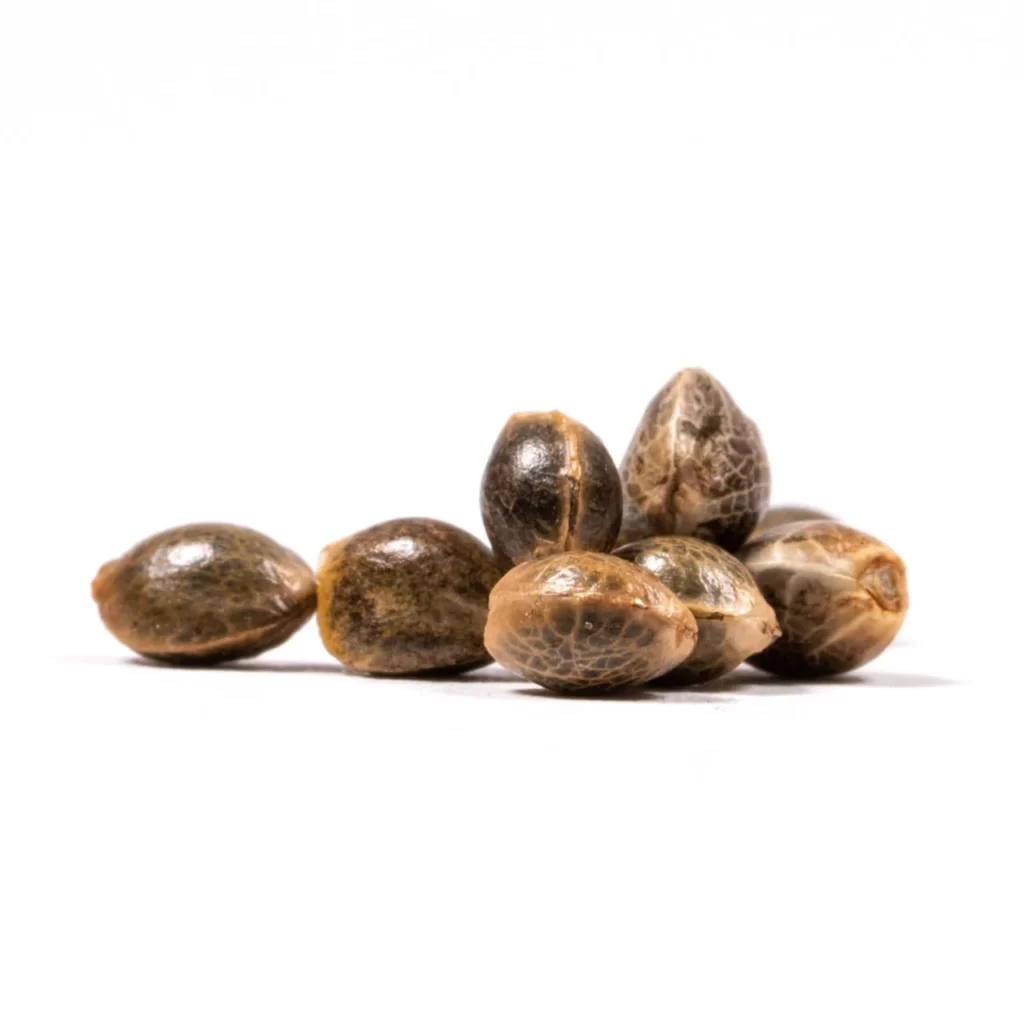
Seed Anatomy: The seeds of Big Bud are generally robust and teardrop-shaped, featuring a dark brown hue with lighter, mottled spots. They’re a physical testament to the vigor and resilience that this strain is famed for.
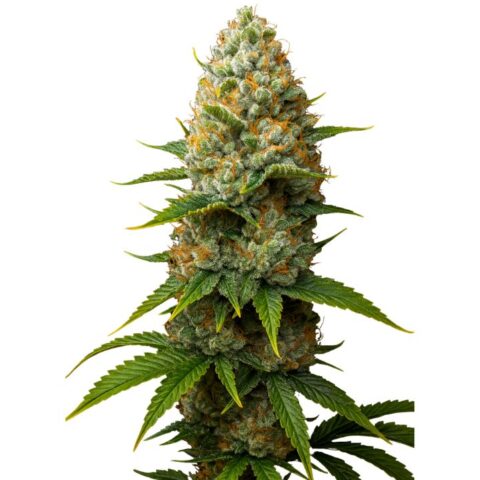
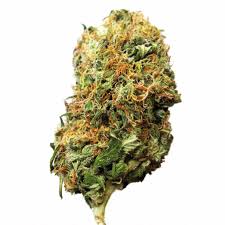
Plant Morphology: Big Bud lives up to its name by producing impressively large, dense buds that are often too weighty for the branches to support, requiring external support structures. The flowers are a symphony of colors, featuring shades of deep green, sometimes almost blue, accented by orange to rust-colored pistils. A thick, luxurious coat of trichomes gives the buds a frosty appearance, signaling their high cannabinoid content.
Foliage:The leaves are typically Indica in structure—broad, dark green, and luxuriant. They offer a splendid contrast to the multi-colored buds, creating a visually appealing plant that commands attention.
The Parents’ Aesthetic Contributions:
- Afghani: Known for its robust structure, Afghani contributes to Big Bud’s broad leaves and sturdy stems. Afghani plants usually exhibit deep green foliage and compact buds covered in resin, traits visibly passed down to Big Bud.
- Skunk #1: This strain imparts a more balanced bud structure and adds a bit of height to the otherwise compact Big Bud plant. The pistils from Skunk #1 are often more vibrant, contributing to Big Bud’s stunning appearance.
By synthesizing the aesthetic virtues of both parent strains, Big Bud achieves a majestic visual presence that is both commanding and alluring. From seed to fully mature plant, each stage of its growth cycle is a spectacle of horticultural beauty and potency.
In sum, when you cultivate Big Bud, you’re not just growing a plant; you’re curating a masterpiece. Its grandiose buds and vibrant foliage make it a striking addition to any garden, a living work of art that offers both aesthetic delight and a bountiful harvest.
-
 Big Bud Cannabis SeedsFrom: $24.99
Aroma
The Olfactory Symphony of Big Bud Cannabis:
Big Bud offers a complex aroma that is a veritable banquet for the senses. It unfurls layers of earthy undertones, reminiscent of a forest floor after a summer rain. This is intermingled with sweet, fruity accents that sometimes skew toward a tropical or berry-like scent. A subtle spice note often lingers in the background, adding a pinch of intrigue to its aromatic profile.
Trichome Contribution:The resinous trichomes that generously coat Big Bud’s buds serve as tiny factories for its potent aroma. These microscopic structures produce the terpenes responsible for the strain’s complex scent, acting as both a defense mechanism for the plant and a sensory delight for humans.
The Parents’ Olfactory Heritage:
- Afghani: The Afghani parent strain is renowned for its deep, earthy aroma, tinged with a musky sweetness. It’s akin to damp soil and freshly fallen leaves, encapsulating the essence of untamed landscapes. This earthy backbone is a key aromatic note in Big Bud.
- Skunk #1: Skunk #1 introduces a spicier, more pungent layer to the mix. While the name ‘Skunk’ suggests an acrid smell, the aroma is more complex and is often described as a blend of earthy, sour, and sweet scents. This complexity elevates Big Bud’s aroma, making it multidimensional.
The olfactory profile of Big Bud is a harmonious blend of its parent strains, creating a bouquet that is greater than the sum of its parts. Afghani provides the grounding, earthy base, while Skunk #1 adds a touch of pungent complexity. The result is an aroma that is intricate, compelling, and unmistakably unique.
In essence, cultivating Big Bud is not merely an agricultural endeavor; it’s akin to composing a symphony of scents. The aroma is so integral to the Big Bud experience that it could almost be considered another form of yield—a bountiful harvest for the senses.
Flavor
The Flavor Landscape of Big Bud Cannabis:
Gustatory Composition:The flavor profile of Big Bud is a culinary odyssey, a tapestry woven with multiple threads of sensory delight. On the first inhale, your taste buds are greeted with a rich earthiness, reminiscent of freshly tilled soil. This robust base is uplifted by fruity overtones—think fresh berries or even a hint of tropical fruit. On the exhale, you may detect subtle spicy or woody notes, offering a complex finish that lingers in a most pleasant manner.
Resin Contribution:The bounteous trichomes that encase Big Bud’s prodigious buds are not just visually enticing; they are also the cradle of its rich flavors. These minuscule resin factories synthesize the terpenes and flavonoids that contribute to Big Bud’s multifaceted taste.
Parental Flavor Contributions:
- Afghani: The Afghani parent strain brings forth a profound earthy flavor profile. This lineage imparts a depth and richness, establishing the strong base note upon which Big Bud’s other flavors build. It’s the gastronomic equivalent of a deep, bass undertone in a piece of classical music.
- Skunk #1: Skunk #1 introduces a contrasting complexity to Big Bud’s flavor palette. Its influence is palpable in the slightly sour and spicy undertones that intermingle with Big Bud’s inherent sweetness. It’s akin to adding a dash of spice to a rich, comforting stew, elevating it from the familiar to the extraordinary.
Big Bud’s flavor profile is a culinary masterpiece, a fusion of its parent strains, each contributing its own distinct notes to create a harmonious, yet intricate, taste experience. The Afghani strain offers the rich, earthy foundation, while Skunk #1 contributes an overlay of nuanced complexity. The resulting melange is a multi-layered flavor journey, one that delights the palate and satisfies the most discerning cannabis connoisseurs.
In summary, cultivating Big Bud is not just an agricultural pursuit; it’s an invitation to a flavorful feast. Its robust, variegated taste profile is an integral part of its appeal, a sensory experience that complements its other formidable attributes. Therefore, when you cultivate Big Bud, you’re not merely harvesting buds; you’re reaping a cornucopia of flavors that make each puff a gustatory event.
Effects
Cerebral and Bodily Effects:Embarking on the Big Bud experience is akin to being wrapped in a luxuriant tapestry of relaxation and euphoria. As you imbibe, you’ll initially notice a gentle cerebral uplift, elevating your mood and melting away the tensions of the day. This is not an overpowering head rush, but rather a tranquil ascent into mental clarity and serenity.
As the experience progresses, the Indica lineage flexes its muscles. A profound physical relaxation cascades through the body, relieving muscular tension and dissolving stress. However, unlike some other heavy Indicas, Big Bud is generally not debilitating and rarely couch-locks its users. This balanced blend of mind and body effects makes Big Bud remarkably versatile, suitable for both unwinding after a taxing day and for more social, convivial settings.
Cannabinoid and Terpene Contributions:The nuanced effects of Big Bud can be attributed to its well-balanced blend of cannabinoids and terpenes. The high levels of THC confer its potent psychoactive effects, while the terpenes such as Myrcene and Limonene contribute to its mood-elevating and calming properties.
Parental Influences on Effects:
- Afghani: This classic Indica imparts the deeply soothing, muscle-relaxing effects that Big Bud is famed for. It’s the Afghani genetics that make you feel as if you’ve sunk into a plush, velvet armchair, utterly at ease and free from physical discomfort.
- Skunk #1: Skunk #1 brings a balanced blend of Indica and Sativa effects to the table. It contributes to the initial euphoria and mental uplift, adding a layer of cerebral stimulation that prevents Big Bud from becoming overwhelmingly sedating.
The effects of Big Bud are a harmonious confluence of its parent strains, each lending its unique traits to create a balanced yet multifaceted experience. The Afghani heritage provides the soul-soothing, body-relaxing base, while Skunk #1 introduces a dash of cerebral uplift and sociability. The result is an effects profile that is both nuanced and robust, satisfying a wide array of psychoactive preferences.
In essence, partaking of Big Bud is not merely a momentary indulgence; it’s an orchestrated journey through a landscape of relaxation, clarity, and profound bodily relief. Whether you’re a medicinal user seeking respite from ailments or a recreational consumer in pursuit of versatile effects, Big Bud promises a fulfilling, all-encompassing experience.
Medical Effects
Of course, let’s embark on an exhaustive exploration of the therapeutic virtues of Big Bud Cannabis, elucidating how its esteemed parent strains have imbued it with a medley of medicinal efficacies.
Big Bud is often revered as a medicinal juggernaut, offering a compendium of potential health benefits. It excels as a potent analgesic, mitigating various forms of pain from muscular discomfort to headaches. It also exhibits anti-inflammatory properties, making it effective for conditions like arthritis and fibromyalgia.
Furthermore, Big Bud shines as an anxiolytic, reducing anxiety and stress, offering a mental escape from the tortuous cycles of worry and apprehension. For those beleaguered by insomnia or irregular sleep patterns, this strain acts as a somniferous agent, guiding users into a peaceful, undisturbed slumber.
Phytochemical Contributions:The bouquet of medicinal effects is primarily orchestrated by its rich cannabinoid profile. The abundant THC levels contribute to its analgesic and anti-inflammatory effects, while the presence of other cannabinoids like CBD and terpenes such as Myrcene enhance its calming and relaxation properties.
Parental Heritage in Medical Efficacy:
- Afghani: Known for its pronounced Indica effects, Afghani is often employed medicinally for pain relief and relaxation. Its sedative properties can be a balm for chronic pain sufferers and those dealing with insomnia. This strain’s therapeutic essence forms the backbone of Big Bud’s medicinal efficacy.
- Skunk #1: With a balanced Indica-Sativa profile, Skunk #1 is celebrated for its ability to relieve both physical and mental ailments. It provides an uplifting mental effect that can help with anxiety and depression, adding another layer to Big Bud’s medicinal prowess.
In the realm of medicinal benefits, Big Bud serves as a veritable apothecary, addressing both corporeal and psychological ailments. It borrows the best therapeutic attributes from its parent strains—Afghani and Skunk #1—to offer a multifaceted medical profile. From the physical relaxation and pain relief gifted by its Afghani lineage to the mental uplift and stress relief imparted by Skunk #1, Big Bud is a composite of well-rounded therapeutic virtues.
In conclusion, administering Big Bud is not merely a palliative act; it’s a strategic maneuver in holistic health management. Whether you’re combatting physical discomfort or wrestling with emotional or psychological unrest, Big Bud presents a potent, multi-target approach to symptom relief. Hence, cultivating Big Bud is not just a pursuit of recreational indulgence; it’s an investment in well-being.
Cultivation
Germination Phase:
- Acquire Quality Seeds: Source high-quality Big Bud seeds from a reputable vendor.
- Prepare the Space: Clean and sterilize your cultivation space to minimize contamination.
- Gather Supplies: Assemble pots, soil, fertilizers, pH meter, and other essential tools.
- Check Seed Viability: Ensure the seeds are dark, hard, and show no signs of damage.
- Soak Seeds: Submerge seeds in distilled water for 12-24 hours to facilitate germination.
- Plant Seeds: Place the soaked seeds in a damp paper towel inside a zip-lock bag.
- Monitor: Keep the bag in a warm, dark space and monitor until sprouts appear.
- Transplant Sprouts: Once sprouts form, gently transplant them into small pots.
Seedling Phase:
- Moisture Check: Keep soil slightly damp but not waterlogged.
- Light Schedule: Expose seedlings to 18 hours of light and 6 hours of darkness.
- Temperature Control: Maintain a temperature range of 70-77°F.
- Humidity Levels: Aim for a relative humidity (RH) of 60-70%.
- Fertilizer: Introduce half-strength liquid fertilizer.
- Monitor Growth: Watch for the development of true leaves.
Vegetative Phase:
- Repot: Transplant into bigger pots as roots outgrow current space.
- Nutrient Shift: Gradually introduce a Nitrogen-rich fertilizer.
- Light Intensity: Increase light intensity and maintain an 18/6 light cycle.
- Water Quality: Use pH-balanced water (6.0-7.0 pH range).
- Pest Check: Regularly inspect leaves for pests and apply natural insecticides if necessary.
- Branch Support: Use stakes to support heavier branches.
- Training Techniques: Implement Low-Stress Training (LST) to maximize light exposure.
- Pruning: Remove any dead or yellow leaves and non-productive lower branches.
- Monitor RH: Lower humidity levels to around 50-60%.
Pre-Flowering:
- Switch Light Cycle: Transition to a 12/12 light cycle to induce flowering.
- Check Sex: Identify and remove male plants to prevent pollination.
- Flush: Run clean water through the soil to remove excess nutrients.
- Nutrient Switch: Start using Phosphorus-rich fertilizers.
Flowering Phase:
- Light Management: Ensure strict light and dark periods.
- Humidity Adjustment: Lower humidity to 40-50%.
- Temperature Control: Maintain temperatures between 68-75°F.
- Bud Inspection: Regularly inspect buds for mold and pests.
- Nutrient Feeding: Continue with a flowering nutrient mix, decreasing Nitrogen levels.
- Boosting Terpenes: Use organic supplements like bat guano to enhance flavor and aroma.
- Calibration: Regularly calibrate pH meters and other monitoring devices.
- Resin Check: Monitor trichomes for cloudiness to estimate harvest time.
- Flush Again: Flush the soil with pH-balanced water 1-2 weeks before harvest.
Harvesting:
- Trichome Examination: Use a magnifier to check the trichome color for maturity signs.
- Chop: Cut the mature plants at the base.
- Trimming: Remove excess leaves around the buds.
- Dry: Hang buds upside down in a dark, cool room with 50% humidity.
Curing:
- Initial Dry Check: Ensure buds are dry to the touch but not brittle.
- Jar Curing: Place buds in glass jars, filling them ¾ full.
- Humidity Packs: Insert humidity control packs to stabilize RH around 62%.
- Air Exchange: Open jars daily to refresh air and check for mold.
- Duration: Cure for at least two weeks, but ideally up to six weeks for maximum potency.
Final Steps:
- Quality Check: Test a sample for flavor, potency, and smoothness.
- Long-term Storage: For longer storage, keep cured buds in a cool, dark place.
- Documentation: Make notes of the grow for future reference.
- Celebrate: You’ve successfully cultivated Big Bud Cannabis.
- Plan Next Crop: Utilize lessons learned to improve your next cultivation venture.
With these steps, you’re fully equipped to maximize the potential of your Cannabis cultivation journey, transforming seeds into a bouquet of potent, aromatic buds. It’s not just a grow; it’s a rite of passage into the echelons of master cultivators.
- Aphids: These small insects feed on plant sap and can cause wilting, yellowing, and stunted growth by spreading plant viruses.
- Spider Mites: These minuscule arachnids damage plants by piercing cell walls and sucking out the contents, leading to leaves with stippling, discoloration, and webbing.
- Thrips: Thrips scrape leaf surfaces with their rasping mouthparts, causing silvering or bronzing of leaves and transmitting plant diseases.
- Whiteflies: Whiteflies feed on plant sap and excrete a sticky substance called honeydew, which can lead to the growth of harmful mold on plants.
- Fungus Gnats: These pests lay their larvae in the soil, which can damage cannabis roots and reduce plant vigor.
- Caterpillars: Some caterpillar species, like the cannabis hornworm, can voraciously consume cannabis leaves and buds.
- Leafhoppers: These insects can transmit diseases to cannabis plants, leading to reduced yields and quality.
- Mealybugs: Mealybugs pierce plant tissue and suck out sap, causing yellowing, wilting, and a decline in plant health.
- Scale Insects: They attach themselves to plant stems and leaves, draining sap and weakening the plant.
- Leaf Miners: The larvae of these insects create tunnels within cannabis leaves, affecting photosynthesis and plant vigor.
- Japanese Beetles: These beetles skeletonize leaves by eating the leaf tissue between the veins.
- Cutworms: Cutworms can cut through cannabis stems near the soil line, causing plants to topple over.
- Grasshoppers: These insects can devour cannabis leaves and flowers, causing significant damage.
- Earwigs: They can chew on cannabis leaves, causing irregular holes and damage to the plant’s structure.
- Wireworms: Wireworms are soil-dwelling pests that feed on cannabis roots, leading to reduced plant growth.
- Ants: Ants can farm aphids and protect them from predators, allowing aphid populations to increase.
- Nematodes: Soil-dwelling nematodes can damage cannabis roots, leading to poor nutrient uptake.
- Sawflies: Sawfly larvae can defoliate cannabis plants by feeding on leaves.
- Snails and Slugs: These mollusks can consume cannabis leaves, leaving irregular holes.
- Stink Bugs: Stink bugs can pierce plant tissues, causing localized damage and spreading diseases.
To protect Big Bud Cannabis Seeds from these potential threats, it is crucial to implement a comprehensive pest management strategy, which may include the use of natural predators, organic pesticides, proper sanitation, and vigilant monitoring. By doing so, you can ensure a healthier and more productive cannabis cultivation process.
In Conclusion
The inclusion of the Big Bud cannabis strain in one’s cultivation repertoire is a compelling imperative, especially for those seeking maximal yield without compromising quality. This strain stands as a paragon of agricultural efficiency, delivering abundant, high-quality buds. In medicinal applications, Big Bud offers a robust cannabinoid profile, ideal for pain mitigation and relaxation. On the recreational spectrum, its distinct aromatic bouquet and flavor notes contribute to an enriched user experience. Its hardy nature, resistance to disease, and simplified cultivation requirements also make it accessible for novice growers. Therefore, Big Bud serves as an invaluable asset for cultivators, medical patients, and recreational users alike.
| BEST USE | Depression, Insomnia |
|---|---|
| BLEND | 85% Indica, 15% Sativa |
| CBD LEVEL | Low (Less than 2%) |
| EFFECTS | Relaxed, Sleepy, Uplifted |
| FLAVOR | Earthy, Spicy, Woody |
| FLOWERING PERIOD | 55-65 Days |
| GROWING DIFFICULTY | 55-65 Days |
| PLANT HEIGHT | Medium |
| THC CONTENT | 21% |
| TYPE | Indica |
For a complete directory of cultivars, visit our Cannabis Strain Reviews.
