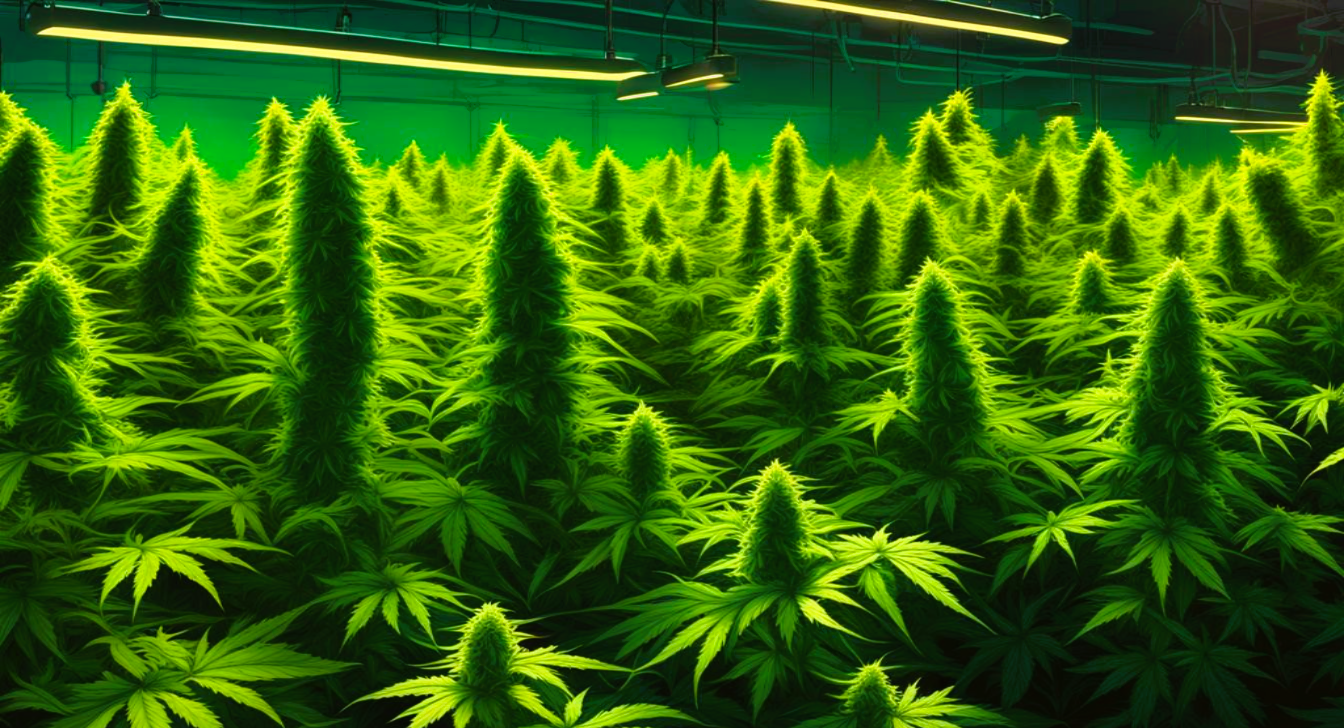
Best Ways to Produce Dense Medical Cannabis Buds
Introduction
Producing dense medical cannabis buds is an essential goal for cultivators who aim to maximize the medicinal properties of their crop. Dense buds, or “nugs,” are not only more visually appealing but often contain higher concentrations of cannabinoids and terpenes, which are critical for the therapeutic efficacy of the plant. This detailed guide will explore the best methods to achieve dense medical cannabis buds, focusing on factors such as genetics, environment, nutrients, and cultivation techniques. The emphasis will be on medical use, excluding recreational purposes and consumption methods.
Understanding the Importance of Dense Buds in Medical Cannabis
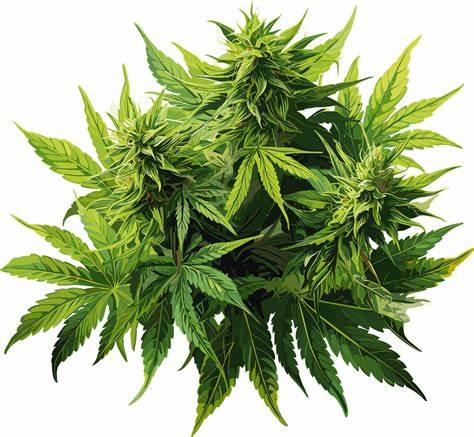
Dense buds in medical cannabis are highly desirable for several reasons:
- Higher Potency: Dense buds tend to have higher concentrations of cannabinoids, such as THC, CBD, CBG, and others, which are crucial for medical applications. This higher potency translates to more effective symptom relief for patients.
- Enhanced Terpene Profile: The density of buds is often associated with a richer terpene profile. Terpenes are important because they contribute to the entourage effect, which amplifies the medicinal benefits of cannabis.
- Increased Yield: Dense buds result in a higher yield per plant, making cultivation more efficient and cost-effective, which is vital for medical cannabis producers who need to meet patient demands.
- Better Storage and Handling: Dense buds are more resistant to damage during handling and storage, which helps maintain their quality and effectiveness over time.
Choosing the Right Genetics
The foundation of producing dense medical cannabis buds starts with selecting the right genetics. Certain strains are naturally predisposed to producing dense buds, while others may produce fluffier, less compact flowers. Here are some key considerations when choosing genetics for dense bud production:
1. Indica-Dominant Strains
Indica-dominant strains are generally known for producing denser buds compared to sativa-dominant strains. Indicas tend to grow shorter and bushier, with thick, heavy buds that are rich in cannabinoids and terpenes. Some popular medical indica strains known for dense bud production include:
- Bubba Kush: Renowned for its dense, resinous buds, Bubba Kush is a popular choice for patients seeking relief from pain, insomnia, and anxiety.
- Afghan Kush: This strain produces dense, chunky buds with high levels of THC and CBD, making it ideal for treating chronic pain and stress.
- Northern Lights: Northern Lights is a classic indica strain that produces dense, frosty buds with a strong sedative effect, suitable for managing insomnia and pain.
2. Hybrid Strains
Hybrid strains that lean towards indica dominance can also produce dense buds while offering a balanced effect. These strains combine the best of both worlds, providing the physical relaxation of indicas with the cerebral effects of sativas. Examples include:
- Gorilla Glue #4: This hybrid strain produces dense, sticky buds with high THC content, making it effective for pain relief and relaxation.
- Blue Dream: While slightly sativa-dominant, Blue Dream produces dense buds with a balanced cannabinoid profile, suitable for treating a wide range of conditions, including chronic pain, depression, and anxiety.
3. Breeder Selection
Choosing reputable breeders who specialize in medical cannabis strains is crucial. These breeders often focus on producing strains with desirable traits such as dense bud structure, high cannabinoid content, and specific terpene profiles that target medical conditions.
Optimizing the Growing Environment
Bud density is mostly determined by the growing environment of cannabis. Both indoor and outdoor growers must carefully control various environmental factors to maximize bud density.
1. Lighting
One of the most important elements in growing rich medicinal cannabis buds is lighting. Cannabis plants rely on light for photosynthesis, and the quality, intensity, and duration of light can significantly impact bud development.
- Intensity: Dense buds require high-intensity light, especially during the flowering stage. Popular options for supplying the required light intensity include Ceramic Metal Halide (CMH), High-Pressure Sodium (HPS), and Light Emitting Diode (LED) lights. In particular, LED lights are preferred because of their broad spectrum output and energy economy.
- Spectrum: During the flowering stage, cannabis plants benefit from light with more red wavelengths (around 600-700nm). This spectrum encourages bud development and increases density. Growers can customize the light spectrum of certain LED lights to accommodate varying phases of growth.
- Light Schedule: A consistent light schedule is crucial. During the flowering stage, photoperiod strains typically experience a 12/12 light cycle, meaning 12 hours of light and 12 hours of darkness. Even though autoflowering strains blossom according to age rather than light cycles, they nevertheless need at least 18–20 hours of light per day in order to maximize the density of their buds.
2. Temperature and Humidity
Maintaining optimal temperature and humidity levels is essential for producing dense buds. Cannabis plants are sensitive to fluctuations in these parameters, especially during the flowering stage.
- Temperature: During the blossoming period, the optimal temperature range is 68–78°F (20–25°C) during the day and a little colder at night. Low temperatures can impede growth, while high temperatures can make buds less thick and more airy.
- Humidity: During the flowering stage, lower humidity levels (40-50%) are recommended to prevent mold and mildew, which can affect bud density. High humidity during this stage can lead to the development of fluffy buds due to increased moisture content.
3. Air Circulation and Ventilation
Good air circulation and ventilation are vital for maintaining an optimal growing environment. Stagnant air can lead to issues such as mold, mildew, and pest infestations, all of which can negatively impact bud density.
- Fans: To make sure that the grow area has uniform air circulation, use oscillating fans. Proper airflow helps strengthen plant stems, supports bud development, and reduces the risk of mold.
- Exhaust Systems: An efficient exhaust system with carbon filters helps remove excess heat and humidity while maintaining fresh air exchange. This setup is particularly important in indoor grow rooms or tents.
Nutrient Management
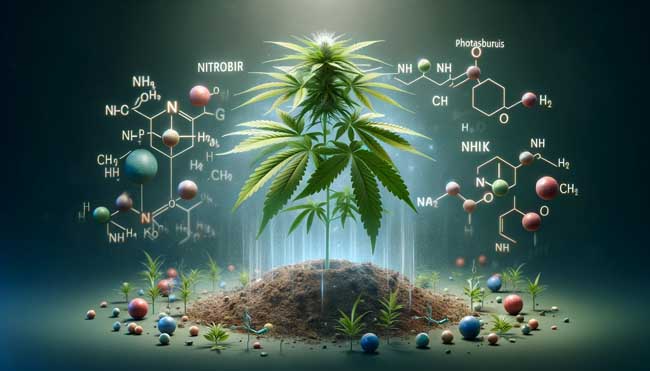
Proper nutrient management is crucial for producing dense medical cannabis buds. Bud development can be greatly impacted by feeding schedules that are appropriate and the proper ratio of macro- and micronutrients.
1. Macronutrients
Macronutrients—nitrogen (N), phosphorus (P), and potassium (K)—are the primary nutrients cannabis plants need throughout their growth cycle. Each nutrient plays a specific role in bud development:
- Nitrogen (N): Nitrogen is essential during the vegetative stage for leaf and stem growth. However, excessive nitrogen during the flowering stage can result in fluffy buds. Therefore, it’s crucial to reduce nitrogen levels once flowering begins.
- Phosphorus (P): Phosphorus is critical for bud formation and density. It supports the development of flowers and is particularly important during the early flowering stage. A phosphorus-rich bloom booster can help enhance bud density.
- Potassium (K): Potassium is vital for overall plant health, including water uptake, enzyme activation, and photosynthesis. During the flowering stage, potassium supports the development of dense, resinous buds.
2. Micronutrients
Dense buds can also be produced by micronutrients including sulfur, calcium, and magnesium. While needed in smaller quantities, these nutrients are essential for various physiological processes in the plant.
- Calcium: Calcium strengthens cell walls, which is crucial for bud density. Additionally, it aids in avoiding problems like tip burn and blossom end rot.
- Magnesium: Magnesium is essential for photosynthesis and is a major component of chlorophyll. Reduced bud density and yellowing of the leaves are signs of a magnesium deficiency.
- Sulfur: Sulfur plays a role in protein synthesis and terpene production, which contributes to the overall quality and density of the buds.
3. Organic vs. Synthetic Nutrients
Both organic and synthetic nutrients can be used to produce dense buds, but each has its advantages:
- Organic Nutrients: Organic nutrients support microbial activity and soil health since they come from natural sources. They release nutrients slowly, which can lead to more balanced plant growth and denser buds. Examples include compost teas, worm castings, and fish emulsion.
- Synthetic Nutrients: Synthetic nutrients are concentrated and can be precisely controlled to meet the plant’s needs. Commercial growers frequently choose them because of their dependability and simplicity of use. However, they require careful monitoring to avoid nutrient burn, which can negatively affect bud density.
Watering Practices
Proper watering practices are essential for producing dense medical cannabis buds. Plant stress and a decrease in bud density can be caused by both overwatering and underwatering.
1. Watering Frequency
- Consistency: Consistent watering is key. Cannabis plants thrive on a regular watering schedule that allows the soil to dry out slightly between watering sessions. Overwatering can lead to root rot and reduced oxygen uptake, while underwatering can cause nutrient deficiencies and stunted growth.
- Drying Out: Allowing the soil to dry out slightly between watering sessions encourages root growth, which in turn supports healthy bud development. It’s important to keep in mind that allowing the soil to totally dry up can cause stress to the plants.
2. Water Quality
- pH Levels: The pH of the water used for irrigation should be between 6.0 and 7.0. This pH range ensures optimal nutrient uptake, which is crucial for producing dense buds. Too high or too low a pH might cause nutritional lockout, which prevents the plant from receiving vital nutrients.
- Water Purity: Using clean, filtered water can prevent the buildup of harmful salts and chemicals in the soil. If using tap water, it’s important to let it sit for 24 hours to allow chlorine to evaporate before use.
Pruning and Training Techniques
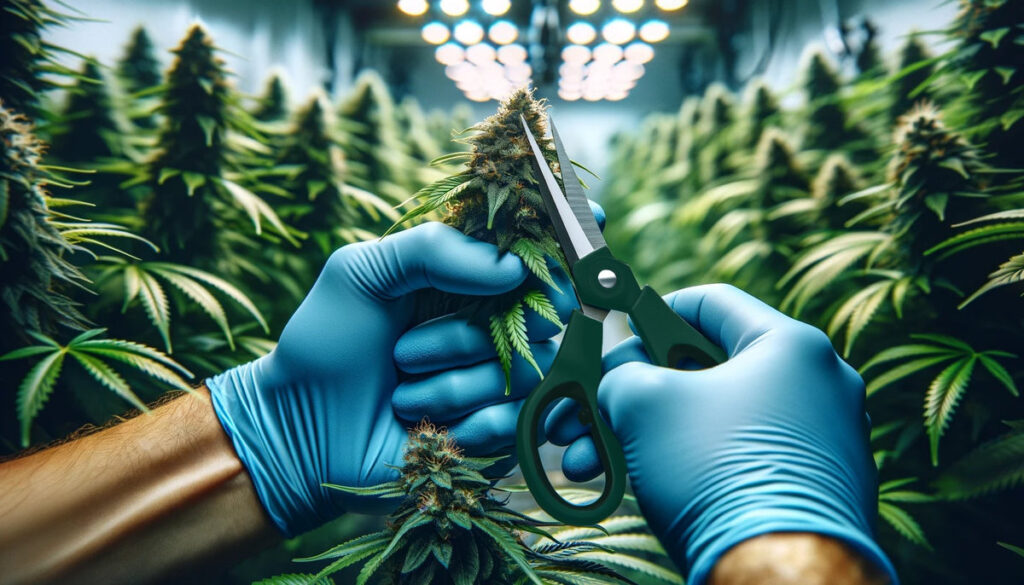
Pruning and training techniques are essential for encouraging dense bud production. These methods help direct the plant’s energy towards bud development rather than unnecessary foliage.
1. Topping and FIMing
- Topping: Topping involves cutting off the main stem’s top growth, which encourages the plant to develop multiple colas (main bud sites) instead of one dominant cola. This technique promotes the growth of dense buds by distributing the plant’s energy more evenly.
- FIMing (Fuck I Missed): FIMing is a variation of topping where only a portion of the new growth is removed. This technique also encourages multiple colas but is less stressful to the plant than topping. Both methods can increase bud density by promoting more bud sites.
2. Low-Stress Training (LST)
To develop an equal canopy, Low-Stress Training (LST) entails carefully bending and tying down branches. This technique increases light penetration to the lower bud sites, which helps produce denser buds across the entire plant. LST is particularly effective when combined with topping or FIMing.
3. Defoliation
Defoliation is the selective removal of fan leaves to increase light exposure to the bud sites. By removing excess foliage, more light and air can reach the lower parts of the plant, leading to denser buds. However, defoliation should be done carefully to avoid stressing the plant.
4. Lollipopping
Lollipopping involves removing the lower branches and bud sites that are unlikely to receive adequate light. Denser buds are the outcome of this approach, which focuses the plant’s energy on the top, more productive bud sites. Usually, lollipops are made in the early stages of flowering.
Harvest Timing
Harvest timing plays a critical role in achieving dense medical cannabis buds. Harvesting too early or too late can affect the final density and potency of the buds.
1. Trichome Development
Trichomes are the tiny, resinous glands on cannabis buds that contain cannabinoids and terpenes. The greatest method for figuring out the ideal harvest time is to keep an eye on trichome development.
- Clear Trichomes: When trichomes are clear, the plant is not yet ready for harvest. Harvesting at this stage can result in less potent and less dense buds.
- Cloudy Trichomes: When the majority of trichomes turn cloudy or milky, the plant is at peak potency. Harvesting at this stage will produce dense buds with the highest concentration of cannabinoids.
- Amber Trichomes: As trichomes turn amber, the cannabinoids begin to degrade, leading to a more sedative effect. Some growers prefer to harvest when a small percentage of trichomes are amber to achieve a more relaxing effect.
2. Flushing
Flushing involves giving the plants plain water (without nutrients) for the last 1-2 weeks before harvest. This process helps remove excess nutrients from the soil, which can improve the taste and quality of the buds. Proper flushing can also enhance bud density by encouraging the plant to use up its stored nutrients.
Post-Harvest Curing
Proper post-harvest curing is essential for maximizing bud density and potency. Curing allows the buds to dry slowly and evenly, which preserves their cannabinoid and terpene content.
1. Drying
- Temperature and Humidity: The drying environment should be kept at around 60-70°F (15-21°C) with 50-60% humidity. This slow drying process prevents the buds from becoming too dry and brittle, which can reduce their density.
- Air Circulation: Good air circulation is important during drying to prevent mold and mildew. However, direct airflow on the buds should be avoided, as it can cause uneven drying.
2. Curing in Jars
- Glass Jars: Once the buds are dry, they should be placed in airtight glass jars for curing. The jars should be stored in a cool, dark place to protect the buds from light and heat, which can degrade cannabinoids and terpenes.
- Burping: During the first week of curing, the jars should be opened (“burped”) daily to release excess moisture and allow fresh air in. This process helps prevent mold and promotes even curing.
- Duration: Curing should last at least 2-4 weeks, although longer curing times (up to 8 weeks) can further enhance bud density, flavor, and potency.
Common Mistakes to Avoid
To achieve dense medical cannabis buds, it’s important to avoid common mistakes that can negatively impact bud development:
1. Overfeeding
Overfeeding with nutrients, especially nitrogen during the flowering stage, can lead to nutrient burn and fluffy buds. It’s important to follow a balanced feeding schedule and adjust nutrient levels based on the plant’s needs.
2. Poor Lighting
Inadequate lighting or improper light spectrum during the flowering stage can result in airy, less dense buds. It’s crucial to invest in high-quality lighting and ensure that all parts of the plant receive sufficient light.
3. Inconsistent Environment
Fluctuations in temperature, humidity, and CO2 levels can stress the plants and reduce bud density. Consistent monitoring and control of the growing environment are essential for optimal bud development.
4. Improper Pruning and Training
Over-pruning or incorrect training techniques can stress the plant and lead to reduced bud density. It’s important to use gentle techniques and avoid removing too much foliage at once.
Restrictions on Growing and Using Cannabis in the Medical Field as a Last Resort
In many regions, the use of cannabis in the medical field is subject to stringent regulations, particularly when it is considered a treatment of last resort. Key restrictions include:
- Legal Compliance: Medical cannabis cultivation and use must adhere to federal, state, or national laws. In some places, cannabis is only permitted for medical use under specific conditions, often requiring a physician’s prescription or certification that other treatments have been ineffective.
- Prescription Criteria: Cannabis is often prescribed only when other standard treatments have failed. This is to ensure that it is used strictly as a last resort, particularly for conditions like chronic pain, epilepsy, or severe nausea related to chemotherapy.
- Regulated Cultivation: Medical cannabis growers must operate under strict licensing agreements. These licenses often limit the types of cannabis that can be grown, the amount produced, and the conditions under which it is cultivated to ensure product consistency and safety.
- Quality Control: Medical cannabis must meet specific quality standards, including tests for potency, contaminants, and the cannabinoid profile. This is to ensure that patients receive a safe and effective product.
Monitoring THC Levels in Medications
To prevent the psychoactive effects of THC on patients, especially those sensitive to it, monitoring and controlling THC levels during the cultivation and production process is crucial. This involves:
- Strain Selection: Choosing cannabis strains with naturally low THC and high CBD content can help in minimizing psychoactive effects. Breeders often develop specific strains designed to meet these requirements.
- Growing Conditions: Light, temperature, and nutrition are examples of environmental variables that can affect THC levels. Growers must carefully manage these conditions to produce plants with the desired cannabinoid profile.
- Testing: Regular testing of the cannabis plants during growth, and especially before harvest, is essential. This ensures that THC levels remain within the prescribed limits for medical use.
- Extraction and Formulation: During the processing of cannabis into medical products, techniques like selective breeding, extraction, and formulation are used to standardize THC levels. This reduces the possibility of hallucinogenic effects and permits accurate dosage.
- Regulatory Compliance: Medical cannabis producers are often required to submit products for independent lab testing to verify THC levels before they can be distributed to patients. This regulatory oversight helps maintain patient safety.
Conclusion
The cultivation and use of medical cannabis, particularly when considered as a treatment of last resort, require meticulous adherence to legal, ethical, and scientific standards. From selecting the right genetics for dense bud production to carefully monitoring THC levels, every step in the growing and processing of medical cannabis is designed to ensure patient safety and therapeutic efficacy.
Producing dense medical cannabis buds is not merely a matter of enhancing yield; it is crucial for maximizing the potency and consistency of the medicinal compounds that patients rely on. Techniques such as controlled lighting, nutrient management, and precise pruning all contribute to achieving this goal, while post-harvest practices like proper curing further ensure the quality and effectiveness of the final product.
Additionally, the legal framework surrounding medical cannabis use imposes strict limitations on its cultivation and application, ensuring it is used only when other treatments have failed. This cautious approach helps to mitigate potential risks, including the psychoactive effects of THC, by implementing rigorous testing and monitoring protocols throughout the cultivation and processing stages.
Ultimately, the successful production of medical cannabis that meets these high standards not only supports the medical community’s efforts to provide effective treatments but also upholds the trust placed in cannabis as a legitimate and safe medical option. By maintaining a focus on medical use and carefully managing all aspects of cultivation, producers can continue to offer patients the therapeutic benefits of cannabis in a controlled and responsible manner.
