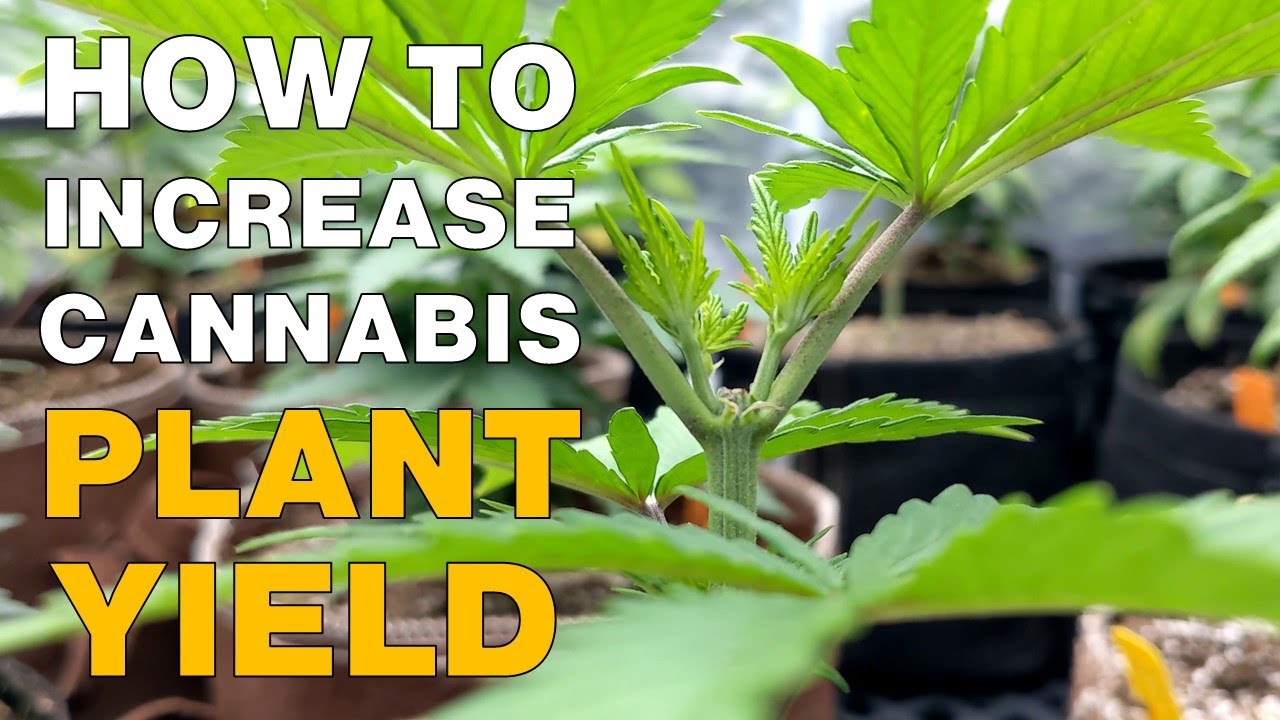
Best Ways to Increase Cannabis Yield: A Comprehensive Guide
Increasing cannabis yield is a primary concern for both commercial growers and hobbyists. Yield directly impacts the return on investment, making it a crucial factor for successful cultivation. This comprehensive guide will explore various techniques and strategies to maximize cannabis yield, from selecting the right strain to optimizing growing conditions and employing advanced cultivation methods.
1. Selecting the Right Strain
The foundation of a high-yield cannabis crop begins with choosing the right strain. Different cannabis strains have varying growth characteristics, including yield potential. Here are some key considerations:
Indica vs. Sativa vs. Hybrids
- Indica Strains: Generally shorter and bushier, indica strains tend to produce higher yields per square meter when grown indoors due to their dense bud structure.
- Sativa Strains: Taller and more slender, sativa strains usually have a longer flowering period and may yield less per square meter but can produce larger individual plants.
- Hybrid Strains: Combining characteristics of both indica and sativa, hybrids can offer the best of both worlds, providing substantial yields with varied growth patterns.
High-Yielding Strains
Some strains are specifically bred for high yield. Examples include:
- Big Bud: Known for its massive buds and high yield.
- Critical Mass: A heavy yielder with dense, resinous buds.
- Super Skunk: Offers a robust yield and is relatively easy to grow.
2. Optimizing Growing Conditions
Optimal growing conditions are essential for maximizing cannabis yield. This includes controlling light, temperature, humidity, and airflow.
Light
- Light Intensity: Cannabis plants require intense light for photosynthesis. High-Intensity Discharge (HID) lights, Light Emitting Diodes (LEDs), and Ceramic Metal Halide (CMH) lights are popular choices. Aim for 600-1000 PAR (Photosynthetically Active Radiation) for optimal growth.
- Light Spectrum: During the vegetative stage, blue light (400-500 nm) promotes healthy leaf growth, while red light (620-780 nm) is beneficial during the flowering stage for bud development.
- Light Cycle: During the vegetative stage, an 18/6 light cycle (18 hours of light, 6 hours of darkness) is ideal. For flowering, switch to a 12/12 light cycle to encourage bud formation.
Temperature and Humidity
- Temperature: Maintain a temperature range of 70-85°F (21-29°C) during the day and slightly cooler at night. Consistent temperature helps avoid stress and promotes steady growth.
- Humidity: During the vegetative stage, keep humidity levels between 40-70%. Lower humidity (30-50%) is recommended during the flowering stage to prevent mold and mildew.
Airflow and CO2
- Airflow: Good airflow prevents hot spots, mold, and pests. Use oscillating fans to ensure even air distribution and keep the environment fresh.
- CO2 Supplementation: Increasing CO2 levels to 1000-1500 ppm can significantly boost plant growth and yield, particularly in a controlled indoor environment.
3. Nutrient Management
Proper nutrition is vital for healthy cannabis growth and maximizing yield. Depending on the stage of growth, cannabis plants need different nutrients.
Macronutrients
- Nitrogen (N): Essential for vegetative growth. Nitrogen supports leaf and stem development.
- Phosphorus (P): Crucial during the flowering stage for bud development and overall plant health.
- Potassium (K): Important for overall plant metabolism and growth.
Micronutrients
- Calcium, Magnesium, and Sulfur: These secondary nutrients support various plant functions, including cell wall structure and photosynthesis.
- Trace Elements: Elements like iron, manganese, zinc, copper, and boron are needed in small amounts but are vital for plant health.
Feeding Schedule
- Vegetative Stage: Use a nutrient solution high in nitrogen with moderate phosphorus and potassium.
- Flowering Stage: Shift to a formula higher in phosphorus and potassium while reducing nitrogen levels.
4. Soil vs. Hydroponics
The growing medium can significantly impact yield. Each method has its advantages and considerations.
Soil
- Organic Soil: Rich in natural nutrients and beneficial microorganisms, organic soil can produce high-quality cannabis. Amend with compost, worm castings, and other organic materials.
- Commercial Soil Mixes: These are often pre-fertilized and pH-balanced, providing a convenient option for growers.
Hydroponics
- Nutrient Film Technique (NFT): In a shallow stream of nutrient-rich water, plants thrive. This technique frequently produces faster development and larger yields and gives exact control over the administration of nutrients.
- Deep Water Culture (DWC): Roots are suspended in oxygenated nutrient solution. DWC systems can support rapid growth and large yields.
- Aeroponics: Roots are misted with nutrient solution in an air environment. This method can produce very high yields but requires careful management.
5. Training and Pruning Techniques
Training and pruning techniques can dramatically increase yield by optimizing light exposure and promoting even canopy growth.
Low-Stress Training (LST)
- Bending and Tying: Gently bend and tie down branches to create a flat canopy. This technique improves light penetration and promotes uniform bud development.
High-Stress Training (HST)
- Topping: Cutting the main stem encourages the plant to grow multiple colas, leading to a bushier plant with more bud sites.
- Fimming: Similar to topping but involves cutting most of the new growth at the top of the plant, resulting in multiple new growth points.
- Super Cropping: Carefully bending and damaging stems without breaking them can strengthen the plant and increase yield.
Pruning
- Defoliation: Removing some fan leaves can improve light penetration and airflow to lower bud sites.
- Lollipopping: Removing the lower branches and leaves that receive little light allows the plant to focus energy on the top colas.
6. Pest and Disease Management
Pests and diseases can significantly reduce yield. Implementing preventive measures and prompt intervention is crucial.
Common Pests
- Spider Mites: Small, sap-sucking pests that can cause extensive damage. Employ predatory insects such as ladybugs, neem oil, or insecticidal soap.
- Aphids: These can weaken plants by sucking sap. Control with insecticidal soap or natural predators.
- Whiteflies: Use sticky traps and insecticidal soap to manage infestations.
Common Diseases
- Powdery Mildew: A fungal disease that appears as white powder on leaves. Maintain low humidity and good airflow to prevent it. Use fungicides if necessary.
- Root Rot: Caused by overwatering and poor drainage. Ensure proper watering practices and use beneficial microbes to protect roots.
7. Harvesting Techniques
Harvesting is a critical phase in cannabis cultivation that can significantly impact the final yield and quality of your crop. Proper harvesting techniques ensure that you maximize the potential of your plants, both in terms of quantity and potency. Here’s a detailed guide on how to harvest cannabis effectively to increase yield.
Timing the Harvest
The timing of your harvest is crucial. Harvesting too early or too late can affect the potency, flavor, and overall yield of your cannabis.
- Trichome Color: Trichomes are tiny resin glands on the flowers that contain cannabinoids. The color of the trichomes is an excellent indicator of the plant’s maturity. Use a magnifying glass or a jeweler’s loupe to inspect them.
- Clear Trichomes: Indicate that the plant is not ready for harvest.
- Milky/Cloudy Trichomes: Signal that the plant is at its peak THC content. This is generally the best time to harvest for maximum potency.
- Amber Trichomes: Indicate that some THC has started to degrade into CBN, which can give a more sedative effect. A mix of milky and amber trichomes is often preferred for a balanced effect.
- Pistil Color: The pistils are hair-like structures found on the buds. As the plant matures, the pistils turn from white to brown to crimson.
- When about 70-90% of the pistils have changed color and curled inwards, the plant is typically ready for harvest.
Harvesting Methods
Choosing the right harvesting method can influence the overall yield and quality of your cannabis. Here are the common techniques:
- Partial Harvest: This method involves harvesting the top buds first when they are ripe, and then allowing the lower buds more time to mature. This can increase overall yield as it gives lower buds access to more light and time to develop.
- Whole Plant Harvest: This involves cutting the entire plant at the base and then trimming it. This method is simpler and less labor-intensive, but it may not maximize yield as effectively as a partial harvest.
Drying and Curing
Proper drying and curing are essential steps that can significantly impact the final yield by reducing moisture content without compromising the quality.
- Drying:
- Environment: Dry your cannabis in a dark, well-ventilated room with a temperature of 60-70°F (15-21°C) and a humidity level of 50-60%.
- Method: Plants can be hung upside down or dried on racks. Make sure there is enough room for air to circulate between the plants. It typically takes 7–14 days for drying. Tiny stems should shatter instead of bend, and the blooms should feel dry to the touch.
- Trimming:
- Wet Trimming: Trimming the buds immediately after harvest while they are still wet. This method can make it easier to remove leaves, but it requires a faster processing time.
- Dry Trimming: Allowing the plants to dry first and then trimming. This can be more time-consuming, but it often results in a smoother final product.
- Curing:
- Process: Once dried, place the trimmed buds in airtight glass jars. Store these jars in a dark place at a temperature of around 70°F (21°C).
- Burping: Open the jars daily for 10-15 minutes during the first two weeks to release moisture and prevent mold. After two weeks, burp the jars less frequently (once a week). The curing process can take 2-8 weeks, with longer curing times generally improving the quality and flavor.
Techniques to Improve Yield and Potency
- Bud Washing: Washing buds after harvest can remove contaminants like dust, dirt, and pests. This can improve the quality and safety of the final product. Use a solution of water, baking soda, and lemon juice for washing, followed by rinsing in clean water.
- Staggered Harvesting: In some cases, staggering the harvest over several days can allow lower buds more time to mature and increase overall yield.
- Monitoring and Adjusting: Continuously monitor the drying and curing environment to ensure optimal conditions. Measure the humidity within curing jars with hygrometers and make any necessary adjustments.
8. Advanced Techniques
Advanced techniques can further enhance yield, particularly for experienced growers.
Sea of Green (SOG)
- Method: Grow many small plants with minimal vegetative time, focusing on a single main cola per plant.
- Advantages: Maximizes space and light efficiency, leading to faster harvest cycles.
Screen of Green (ScrOG)
- Method: Use a screen to train plants horizontally, creating an even canopy.
- Advantages: Enhances light distribution and maximizes bud sites, leading to higher yields.
Supplemental Lighting
- Side Lighting: Add lights on the sides of the grow area to ensure lower branches receive adequate light.
- UV and Far-Red Light: Supplementing with specific light spectra can enhance resin production and flowering.
Automation
- Environmental Controls: Automated systems for temperature, humidity, and CO2 can maintain optimal growing conditions consistently.
- Irrigation Systems: Drip systems and automated watering reduce labor and ensure precise nutrient delivery.
Conclusion
Maximizing cannabis yield is a multifaceted endeavor that requires careful planning, precise execution, and continuous adaptation. This comprehensive guide has covered the critical aspects of increasing cannabis yield, from selecting the right strain to advanced cultivation techniques. Let’s delve deeper into the key takeaways and the holistic approach needed for successful cannabis cultivation.
Selecting the Right Strain
The journey to a high-yield cannabis crop begins with the choice of strain. Indica strains, known for their dense bud structure, tend to produce higher yields per square meter, making them ideal for indoor cultivation. Sativa strains, while potentially less productive per square meter, can produce larger plants with substantial individual yields, particularly in outdoor settings. Hybrids, combining traits from both indica and sativa, offer versatility and robust yield potential. By choosing high-yielding strains like Big Bud, Critical Mass, and Super Skunk, growers set a strong foundation for a bountiful harvest.
Optimizing Growing Conditions
Creating an optimal environment for cannabis plants is crucial. Light intensity and spectrum play a vital role in plant development. During the vegetative stage, blue light promotes healthy growth, while red light is essential during flowering for bud development. Maintaining the right light cycle ensures plants receive adequate energy for growth and flowering.
Temperature and humidity control are equally important. Consistent temperatures within the range of 70-85°F (21-29°C) and appropriate humidity levels prevent plant stress and promote vigorous growth. Good airflow, facilitated by oscillating fans, ensures even distribution of air and reduces the risk of mold and pests. Supplementing with CO2 can further enhance growth and yield, especially in indoor setups.
Nutrient Management
A balanced diet of macro- and micronutrients is necessary for cannabis plants. For various phases of growth, the three main macronutrients that are necessary are nitrogen, phosphorus, and potassium. Nitrogen aids in the growth of leaves and stems during the vegetative stage, whereas potassium and phosphorus become more important for bud formation and general plant health during flowering.
Micronutrients like calcium, magnesium, sulfur, and trace elements play supportive roles in various plant functions. A well-planned feeding schedule tailored to the plant’s growth stage ensures optimal nutrient uptake, leading to healthy and productive plants.
Soil vs. Hydroponics
The choice of growing medium can significantly impact yield. Soil, particularly organic soil, is rich in natural nutrients and beneficial microorganisms, providing a robust foundation for plant growth. Commercial soil mixes offer convenience with pre-fertilized and pH-balanced properties.
Deep Water Culture (DWC), Aeroponics, and Nutrient Film Technique (NFT) are a few examples of hydroponic systems that offer exact control over nutrient supply, which frequently leads to faster development and higher yields. Every technique has benefits, and the selection is based on the grower’s experience level and the particular needs of the strain of cannabis.
Training and Pruning Techniques
Training and pruning techniques optimize light exposure and promote even canopy growth, directly impacting yield. Low-Stress Training (LST), such as bending and tying, creates a flat canopy, improving light penetration and bud development. High-Stress Training (HST) methods like topping, fimming, and super cropping encourage bushier plants with more bud sites.
Pruning techniques like defoliation and lollipopping improve light penetration and airflow to lower bud sites, allowing the plant to focus energy on developing top colas. These techniques require careful implementation to avoid stress and ensure plant health.
Pest and Disease Management
Effective pest and disease management is critical to maintaining plant health and maximizing yield. Common pests like spider mites, aphids, and whiteflies can cause significant damage if left unchecked. Implementing preventive measures, such as maintaining good airflow and cleanliness, and using natural predators or insecticidal soaps, helps keep pest populations under control.
Diseases like powdery mildew and root rot can severely impact yield. Maintaining appropriate humidity levels, good airflow, and proper watering practices prevents these issues. Using beneficial microbes and fungicides as needed can further protect plants from diseases.
Harvesting Techniques
Proper harvesting techniques ensure maximum yield and potency. Timing is crucial; monitoring trichome and pistil color helps determine the optimal harvest window. Trichomes should be mostly milky with some amber, while pistils should have changed color and curled inwards.
Drying and curing the harvested buds slowly in a controlled environment enhances flavor, potency, and overall quality. Properly dried and cured buds are less prone to mold and have a longer shelf life.
Advanced Techniques
Advanced techniques like Sea of Green (SOG) and Screen of Green (ScrOG) further enhance yield by optimizing space and light efficiency. SOG focuses on growing many small plants with minimal vegetative time, maximizing light utilization. ScrOG uses a screen to train plants horizontally, creating an even canopy and maximizing bud sites.
Supplemental lighting, including side lighting and specific light spectra like UV and far-red light, can enhance resin production and flowering. Automation of environmental controls and irrigation systems ensures consistent optimal growing conditions, reducing labor and increasing precision.
The Holistic Approach
Achieving maximum cannabis yield is not about a single technique or practice but a holistic approach that integrates various aspects of cultivation. Successful growers continuously monitor and adjust their growing conditions, nutrient management, and training techniques to suit the specific needs of their plants.
Adapting to new technologies and methods, such as automation and advanced lighting systems, can further enhance yield. Staying informed about the latest developments in cannabis cultivation and being willing to experiment and learn from each grow cycle ensures continual improvement and success.
In conclusion, increasing cannabis yield requires a comprehensive understanding of the plant’s needs and the ability to create and maintain optimal growing conditions. By selecting the right strain, optimizing environmental factors, managing nutrients effectively, employing training and pruning techniques, and staying vigilant against pests and diseases, growers can achieve impressive yields. Advanced techniques and automation provide additional tools for maximizing production. Through continuous learning and adaptation, growers can master the art of cannabis cultivation and enjoy bountiful, high-quality harvests.
