Best Wattage Lamps for Indoor Growing: A Detailed Guide for Medical Cannabis Cultivation
Introduction
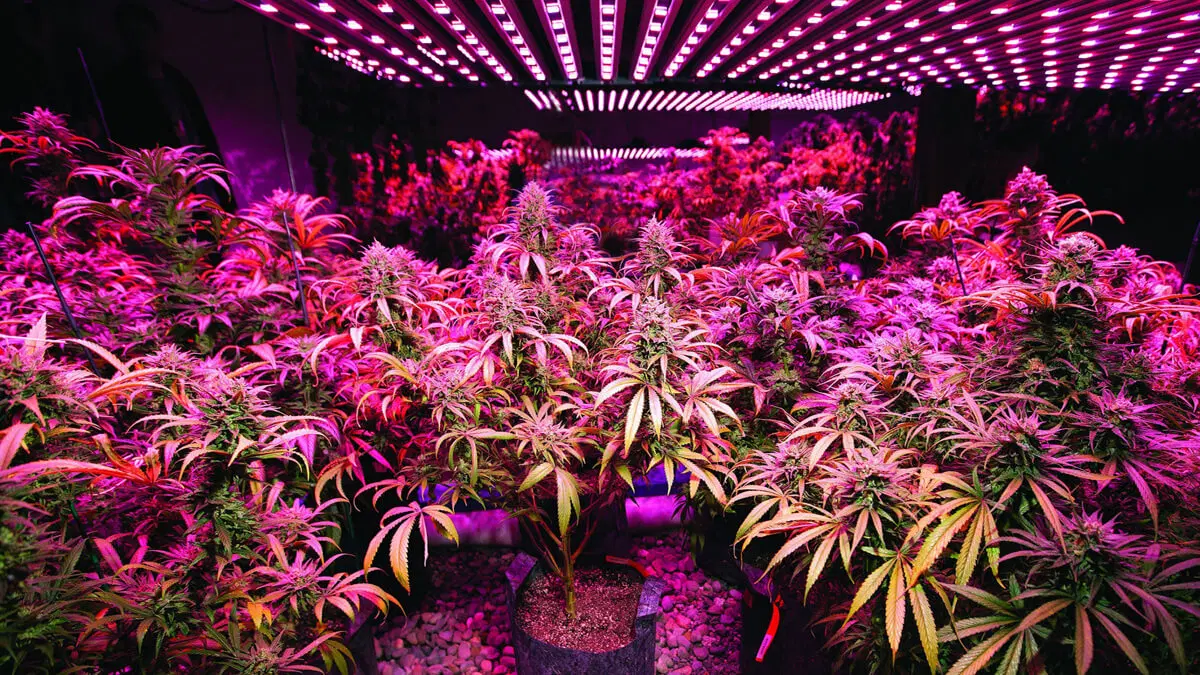
Indoor cannabis cultivation, especially for medical purposes, requires a well-controlled environment where every factor, including lighting, can significantly affect plant growth, yield, and cannabinoid content. Lighting is perhaps one of the most critical elements in indoor growing, as it mimics the natural sunlight that cannabis plants need to photosynthesize and produce the cannabinoids essential for medical use. This guide will delve into the importance of selecting the right wattage lamps for indoor medical cannabis cultivation, focusing on the types of lights, their wattage, and how they impact plant growth, yield, and cannabinoid production. It will also discuss the benefits of different wattages in various stages of plant growth and how to optimize lighting for medical-grade cannabis.
Understanding Cannabis Lighting Needs
Cannabis, like all plants, relies on light to photosynthesize. Light energy is transformed into chemical energy during photosynthesis, which the plant uses to develop, make flowers, and synthesize cannabinoids like THC and CBD, among others. The health, potency, and productivity of cannabis plants are significantly influenced by the kind, quantity, and quality of light.
For medical cannabis, where the consistency and quality of cannabinoids are paramount, lighting becomes even more critical. Medical cannabis growers need to ensure that their plants receive the optimal light conditions to produce high-quality, consistent, and potent medical cannabis. This includes selecting the right type of lamp, the appropriate wattage, and understanding how to adjust these factors based on the specific needs of the plants during different growth stages.
Types of Grow Lights for Medical Cannabis Cultivation
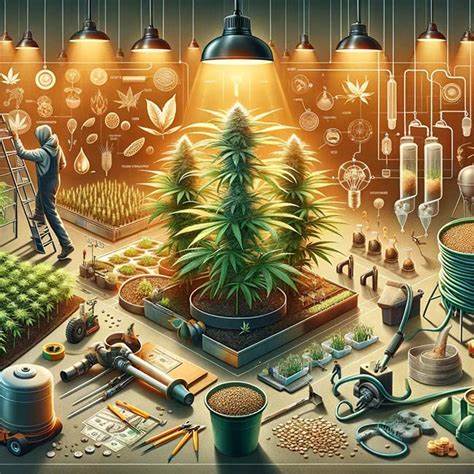
Before delving into the specifics of wattage, it’s essential to understand the types of grow lights available for indoor cannabis cultivation. Each type of light has different wattage requirements and produces different results.
- High-Intensity Discharge (HID) Lights:
- Metal Halide (MH) Lamps:
- Ideal for the vegetative stage due to their blue light spectrum.
- High-Pressure Sodium (HPS) Lamps:
- Best suited for the flowering stage due to their red/orange light spectrum.
- Wattage Range: Typically between 250W to 1000W.
- Usage: HID lights are known for their intense light output, making them suitable for larger grow spaces where high light intensity is needed.
- Metal Halide (MH) Lamps:
- Light Emitting Diodes (LED) Lights:
- Advantages: long-lasting, low heat generation, and energy-efficient.
- Full-Spectrum LEDs: Provide a balanced light spectrum that can be used throughout the entire growth cycle.
- Wattage Range: 100W to 600W, though higher wattages are available for larger setups.
- Usage: LEDs are highly customizable, making them ideal for medical cannabis growers who need to fine-tune their light spectrum for specific cannabinoid profiles.
- Compact Fluorescent Lights (CFL):
- Advantages: Low cost, low heat output, suitable for small grow spaces.
- Wattage Range: Typically between 40W to 250W.
- Usage: Often used for seedlings, clones, and small-scale grows. Not ideal for flowering large plants due to lower light intensity.
- Induction Lamps:
- Advantages: Long lifespan, energy-efficient, and low heat output.
- Wattage Range: 250W to 400W.
- Usage: Used less commonly than LEDs or HIDs but can be effective for small to medium grow operations.
- Plasma Lights:
- Advantages: Full-spectrum light, efficient, and long-lasting.
- Wattage Range: 300W to 500W.
- Usage: Still relatively new and expensive but offer promising results for high-quality medical cannabis.
Choosing the Right Wattage for Medical Cannabis
The wattage of a grow light is a critical factor that determines the light intensity and, consequently, the growth and yield of cannabis plants. However, the “right” wattage isn’t a one-size-fits-all solution; it depends on several factors, including the size of the grow space, the number of plants, the stage of growth, and the specific medical cannabis strain being cultivated.
1. Vegetative Stage:
- Lighting Needs: During the vegetative stage, cannabis plants require a lot of light to promote strong and healthy growth. The development of a strong framework that can sustain heavy buds during the flowering stage depends on this stage.
- Recommended Wattage:
- Small Grow Spaces (2×2 ft): 100W to 250W.
- Medium Grow Spaces (4×4 ft): 400W to 600W.
- Large Grow Spaces (5×5 ft or more): 600W to 1000W.
- Light Types: LEDs and MH lamps are commonly used during this stage. LEDs with a full spectrum or MH lamps that emit blue light are ideal for promoting vegetative growth.
2. Flowering Stage:
- Lighting Needs: The flowering stage requires a different light spectrum (more red and orange) to promote the development of buds, which are rich in cannabinoids. The light intensity should be higher during this stage to maximize bud production.
- Recommended Wattage:
- Small Grow Spaces (2×2 ft): 150W to 250W.
- Medium Grow Spaces (4×4 ft): 600W to 800W.
- Large Grow Spaces (5×5 ft or more): 1000W to 1200W.
- Light Types: HPS lamps are the go-to choice for the flowering stage due to their red/orange spectrum, which encourages bud formation. Full-spectrum LEDs can also be used effectively during this stage.
3. Cloning and Seedling Stage:
- Lighting Needs: Young cannabis plants and clones do not require intense light. They need gentle, consistent light to establish roots and begin vegetative growth.
- Recommended Wattage:
- Cloning: 40W to 60W.
- Seedlings: 50W to 100W.
- Light Types: CFLs or low-wattage LEDs are ideal for this stage. They provide sufficient light without overwhelming the young plants.
4. Overall Considerations:
- Energy Consumption: Higher wattage lamps consume more energy, which can lead to increased operational costs. LED lights are generally more energy-efficient, providing comparable light intensity to HIDs at lower wattages.
- Heat Output: Higher wattage lamps, especially HIDs, produce more heat, which can affect the grow environment. Excessive heat can stress plants and reduce cannabinoid production, making it crucial to manage heat with proper ventilation and cooling systems.
- Yield Expectations: Generally, higher wattage leads to higher yields, assuming other growth conditions are optimal. However, the goal for medical cannabis is not just yield but also cannabinoid potency and consistency, which can be achieved with well-calibrated lighting at the right wattage.
Optimizing Wattage for Specific Medical Cannabis Strains
Different cannabis strains have varying light requirements based on their genetics and the specific cannabinoids they produce. For medical cannabis growers, it’s essential to match the light wattage to the needs of the strain to optimize both yield and cannabinoid content.
- Indica Strains:
- General Characteristics: Indica strains are typically shorter and bushier, with dense buds. They are often used for their sedative effects, making them suitable for conditions like insomnia and chronic pain.
- Wattage Recommendations:
- Vegetative Stage: 400W to 600W (for medium grow spaces).
- Flowering Stage: 600W to 1000W.
- Considerations: Indicas can thrive under moderate to high light intensity but may require lower light during the late flowering stage to enhance cannabinoid content.
- Sativa Strains:
- General Characteristics: Sativa strains tend to grow taller with lighter, airier buds. They are often used for their uplifting effects, suitable for conditions like depression and fatigue.
- Wattage Recommendations:
- Vegetative Stage: 600W to 1000W.
- Flowering Stage: 800W to 1200W.
- Considerations: Sativas require higher light intensity throughout their growth cycle to maximize cannabinoid production, especially THC.
- Hybrid Strains:
- General Characteristics: Hybrids are a mix of Indica and Sativa genetics, offering a balance of effects. They can be tailored for various medical conditions depending on their cannabinoid profile.
- Wattage Recommendations:
- Vegetative Stage: 400W to 800W.
- Flowering Stage: 600W to 1000W.
- Considerations: The light requirements for hybrids will vary based on their dominant genetics. Growers should adjust wattage based on the specific needs of the hybrid strain.
Advanced Lighting Techniques for Medical Cannabis
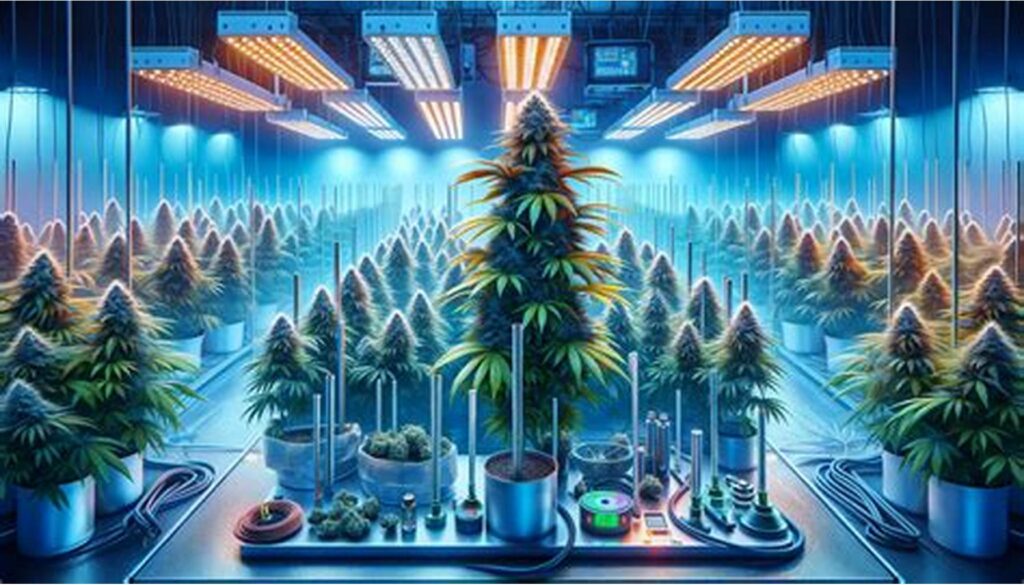
Beyond simply choosing the right wattage, medical cannabis growers can employ advanced lighting techniques to further optimize plant growth and cannabinoid production.
- Light Spectrum Manipulation:
- Full-Spectrum LEDs: These lights can be adjusted to provide specific spectrums of light that enhance cannabinoid production. For example, increasing blue light during the vegetative stage can lead to more vigorous growth, while enhancing red light during the flowering stage can boost bud development.
- UV-B Lighting: Some growers introduce UV-B light to increase the production of certain cannabinoids, particularly THC. However, this should be done cautiously as excessive UV-B can stress plants.
- Light Cycles:
- Vegetative Stage: Most growers use an 18/6 light cycle (18 hours on, 6 hours off) during the vegetative stage to encourage growth.
- Flowering Stage: A 12/12 light cycle is standard during the flowering stage to induce bud formation. Adjusting light cycles can also influence the cannabinoid profile and yield of the plants.
- Supplemental Lighting:
- Side Lighting: Adding lower-wattage lights on the sides of plants can ensure that lower branches receive sufficient light, leading to more even growth and higher overall yields.
- CO2 Supplementation: When using high-wattage lights, some growers introduce CO2 into the grow room to enhance photosynthesis and boost plant growth. This is particularly useful in sealed grow rooms where air circulation is limited.
- Light Intensity Management:
- Dimming: Many modern LED lights come with dimming options, allowing growers to adjust light intensity as needed. This can be useful for fine-tuning the light environment without changing the overall wattage.
- Distance from Canopy: The distance between the light source and the plant canopy affects light intensity. Closer lights increase intensity but also heat, so finding the right balance is crucial, especially when using high-wattage lamps.
Practical Considerations for Indoor Medical Cannabis Cultivation
When setting up an indoor grow space for medical cannabis, several practical considerations must be taken into account to ensure that the lighting setup is optimal for both plant growth and operational efficiency.
- Room Size and Layout:
- Small Spaces: For small grow rooms or tents, lower wattage lights (100W to 400W) are often sufficient. These spaces benefit from LED lights due to their low heat output and energy efficiency.
- Medium to Large Spaces: Larger grow rooms require higher wattage lights (600W to 1200W) to ensure adequate light coverage. HID lights are commonly used in these setups, though LEDs are increasingly popular due to their lower operating costs.
- Ventilation and Cooling:
- Heat Management: Temperatures in the grow room might rise because to the tremendous heat generated by high-wattage lights, particularly HIDs. To preserve the ideal growing environment, adequate ventilation and cooling systems are necessary. This includes using exhaust fans, air conditioning, and possibly even CO2 enrichment systems to manage heat and humidity.
- Energy Efficiency:
- Cost Considerations: While higher wattage lights generally produce better yields, they also consume more electricity. LEDs offer a more energy-efficient option, providing similar light output to HIDs at lower wattages. Over time, the energy savings from using LEDs can offset their higher initial cost.
- Safety Measures:
- Electrical Safety: High-wattage lights require robust electrical setups. Growers should ensure that their grow room is equipped with the necessary wiring, circuit breakers, and surge protectors to handle the power load. It’s also important to regularly inspect all electrical components to prevent fires or other hazards.
- Environmental Monitoring: Using a digital environmental controller to monitor temperature, humidity, and CO2 levels can help ensure that the grow room remains within the optimal range for plant health, especially when using high-wattage lights that can significantly alter the environment.
- Regulatory Compliance:
- Medical Standards: Medical cannabis cultivation often requires adherence to strict regulatory standards, including those related to lighting. Growers should be familiar with local regulations regarding energy consumption, safety standards, and the environmental impact of their grow operations.
- Quality Control: Consistent light intensity and spectrum are crucial for producing medical-grade cannabis. Growers should regularly calibrate their lighting systems to ensure they meet the required standards for medical use.
Case Studies: Successful Wattage Implementation in Medical Cannabis Growing
To further illustrate the impact of choosing the right wattage for medical cannabis cultivation, let’s explore a few case studies of successful indoor grows.
- Case Study 1: High-Yield Medical Cannabis with LED Lighting
- Setup: A medium-sized grow room (4×4 ft) using 600W full-spectrum LED lights.
- Strain: A hybrid strain bred for high CBD content, used for treating anxiety and chronic pain.
- Results: The grower achieved a high yield of cannabinoid-rich buds with consistent CBD levels, thanks to the customizable light spectrum of the LED lights. The lower heat output also reduced the need for extensive cooling, resulting in lower operational costs.
- Case Study 2: Indica Strain Cultivation with HID Lighting
- Setup: A large grow room (5×5 ft) using 1000W MH lights during the vegetative stage and 1000W HPS lights during the flowering stage.
- Strain: A pure Indica strain used for its sedative effects in treating insomnia and chronic pain.
- Results: The high-wattage HID lights provided intense light, leading to vigorous vegetative growth and dense, resinous buds. However, the grower had to invest in a robust cooling system to manage the heat output, highlighting the trade-off between light intensity and environmental control.
- Case Study 3: Small-Scale Medical Grow with CFL Lighting
- Setup: A small grow tent (2×2 ft) using 150W CFL lights for seedlings and clones, transitioning to 250W LED lights for flowering.
- Strain: A Sativa-dominant hybrid used for treating depression and fatigue.
- Results: The grower successfully cultivated a small batch of high-quality cannabis, with the CFL lights providing gentle light for the seedlings and the LEDs ensuring potent bud development during flowering. The low-wattage setup was ideal for the small space and minimized energy costs.
Restrictions on Growing and Using Cannabis in the Medical Field as a Last Resort
Legal and Regulatory Framework
Cannabis is heavily regulated in the medical field, and its use is often restricted to cases where other treatments have failed, commonly referred to as “last resort” usage. Regulations vary by country and state, but generally, medical cannabis can only be prescribed by a licensed healthcare professional. In some regions, it may require approval from a specialist or a specific medical board.
Conditions for Last Resort Use
Medical cannabis is typically considered when conventional treatments are ineffective or cause intolerable side effects. Conditions commonly treated as a last resort include chronic pain, epilepsy, multiple sclerosis, and certain types of cancer. Healthcare providers must document the failure of other therapies before recommending cannabis.
Monitoring THC Levels in Medications
To prevent psychoactive effects, it’s crucial to monitor the THC levels in medical cannabis products. Regulations often set maximum allowable THC concentrations in medical formulations. Medical professionals must ensure that patients receive products with appropriate THC levels to minimize any psychoactive effects, especially for vulnerable populations like children, the elderly, or those with a history of mental health issues.
Preventing Psychoactive Effects
In addition to monitoring THC levels, medical cannabis products can be formulated to have higher CBD (cannabidiol) content, which can counteract the psychoactive effects of THC. Careful dosing, patient education, and regular monitoring are essential to ensure that the therapeutic benefits are achieved without unwanted psychoactive effects.
Conclusion
The cultivation and use of cannabis in the medical field come with significant responsibilities and restrictions, particularly when it is used as a treatment of last resort. As the regulatory landscape continues to evolve, it remains critical for medical cannabis growers and healthcare providers to adhere to strict guidelines that ensure the safety and efficacy of the treatment.
Choosing the right lighting, specifically the wattage, plays a crucial role in indoor medical cannabis cultivation. By optimizing light conditions, growers can ensure that plants produce high-quality, consistent, and potent cannabis suitable for medical use. This involves a careful balance between maximizing plant growth and managing operational factors such as energy consumption and heat output.
On the patient care side, the use of cannabis as a last resort demands meticulous attention to the formulation of medical cannabis products. Monitoring THC levels is essential to prevent any psychoactive effects that could compromise patient safety, particularly for vulnerable populations. Through careful regulation and diligent monitoring, medical professionals can ensure that patients receive the therapeutic benefits of cannabis while minimizing potential risks.
Overall, the cultivation and use of medical cannabis are intertwined with a framework of regulations designed to protect patients and ensure that cannabis remains a safe and effective option for those who need it most. As medical cannabis continues to be explored and refined, adherence to these guidelines will be key to its successful integration into modern healthcare.
