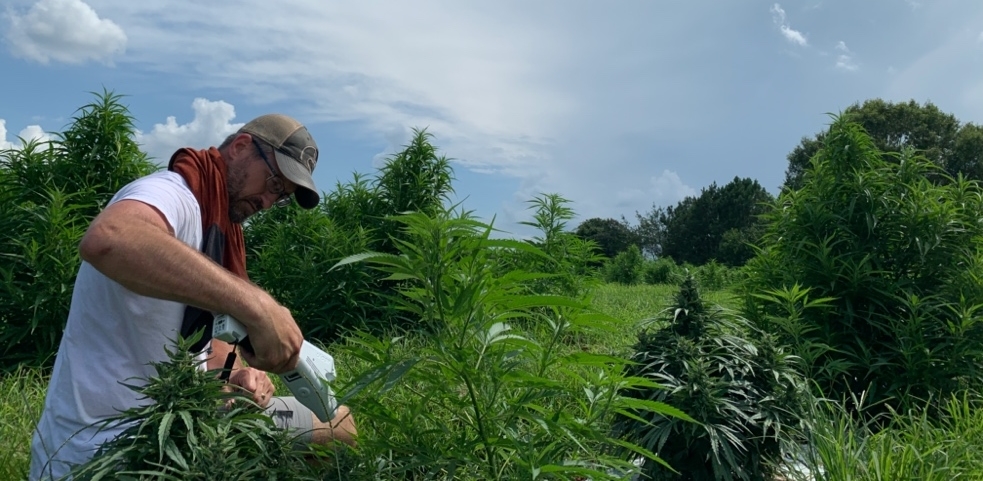
The best time to plant and harvest outdoor cannabis plants depends on your geographical location and climate. Here are general guidelines for different climates:
Planting and Harvesting Guidelines for Temperate Climates
Planting
- Timing:
- Late April to Early June: Ensure that the last frost has passed. This typically falls between late April and early June, depending on your specific location.
- Soil Preparation:
- Well-Drained Soil: Ensure the soil is well-drained and rich in organic matter.
- pH Level: Cannabis prefers slightly acidic soil with a pH between 6.0 and 7.0.
- Sunlight:
- 6-8 Hours Daily: Choose a planting site that receives at least 6-8 hours of direct sunlight each day.
- Spacing:
- Adequate Space: Ensure enough space between plants to allow air circulation and sunlight penetration, which helps prevent mold and mildew.
Harvesting
- Timing:
- Late September to Early November: Typically, harvest time falls between late September and early November, depending on the strain and weather conditions.
- Signs of Readiness:
- Trichome Color: Check the trichomes (the tiny resin glands on the buds). When they turn from clear to milky white, with some turning amber, it’s a sign the plant is ready to harvest.
- Pistil Color: The pistils (hair-like structures on the buds) should turn from white to brown/orange.
- Bud Density: The buds should be dense and sticky to the touch.
- Weather Considerations:
- Avoid Frost: Plan to harvest before the first frost to prevent damage to the plants.
- Dry Weather: Aim to harvest during a period of dry weather to avoid mold and mildew issues.
Planting and Harvesting Guidelines for Mediterranean Climates
Planting
- Timing:
- March to May: Begin planting in early spring, from March to May, ensuring the plants have a full growing season with long days and mild temperatures.
- Soil Preparation:
- Well-Drained Soil: Use well-drained soil rich in organic matter. Amend with compost or other organic fertilizers to ensure nutrient availability.
- pH Level: Maintain a soil pH between 6.0 and 7.0.
- Sunlight:
- 8-10 Hours Daily: Select a location that receives at least 8-10 hours of direct sunlight daily for optimal growth.
- Spacing:
- Adequate Space: Provide sufficient space between plants to allow air circulation and prevent mold and mildew.
Harvesting
- Timing:
- September to November: Harvest typically occurs between September and November, depending on the strain and specific weather conditions.
- Signs of Readiness:
- Trichome Color: Observe the buds’ trichomes. Harvest when they become milky white, sometimes turning amber, from clear.
- Pistil Color: The pistils should change from white to brown/orange.
- Bud Density: Buds should be dense and sticky, indicating maturity.
- Weather Considerations:
- Dry Conditions: Harvest during a dry period to prevent mold and mildew. Mediterranean climates often provide ideal dry conditions for harvesting.
Planting and Harvesting Guidelines for Tropical Climates
Planting
- Timing:
- Year-Round Planting: In tropical climates, you can plant cannabis year-round due to consistent temperatures and sunlight. However, the best times are usually at the beginning of the dry season to avoid excess rain.
- Soil Preparation:
- Well-Drained Soil: Make sure the soil drains properly to avoid waterlogging, which can happen frequently in tropical regions. Add organic materials to the soil, such as compost.
- pH Level: Maintain a soil pH between 6.0 and 7.0.
- Sunlight:
- 8-12 Hours Daily: Select a planting site that receives 8-12 hours of direct sunlight daily for optimal growth.
- Spacing:
- Adequate Space: Provide enough space between plants to ensure good air circulation and light penetration, which helps prevent mold and mildew.
Harvesting
- Timing:
- 10-12 Weeks After Flowering Begins: Depending on when you plant, harvest typically occurs 10-12 weeks after the flowering stage begins. Monitor the plants closely as tropical climates can affect the timing.
- Signs of Readiness:
- Trichome Color: Check the trichomes on the buds. Harvest when they turn from clear to milky white, with some turning amber.
- Pistil Color: The pistils should change from white to brown/orange.
- Bud Density: Buds should be dense and sticky to the touch, indicating maturity.
- Weather Considerations:
- Avoid Rainy Periods: Plan to harvest during dry periods to prevent mold and mildew. Tropical climates often have distinct wet and dry seasons, so timing your harvest around the dry season is crucial.
Planting and Harvesting Guidelines for Continental Climates
Planting
- Timing:
- Late April to Early June: Begin planting after the last frost, typically between late April and early June. This ensures the plants have a full growing season without the risk of frost damage.
- Soil Preparation:
- Well-Drained Soil: Use soil that is well-drained and rich in organic matter. Compost and organic fertilizers can be added to the soil to assist assure nutrient availability.
- pH Level: Maintain a soil pH between 6.0 and 7.0.
- Sunlight:
- 6-8 Hours Daily: Choose a location that receives at least 6-8 hours of direct sunlight daily for optimal growth.
- Spacing:
- Adequate Space: Provide enough space between plants to allow for good air circulation and light penetration, which helps prevent mold and mildew.
Harvesting
- Timing:
- Late September to Early October: Harvest typically occurs between late September and early October, depending on the strain and specific weather conditions.
- Signs of Readiness:
- Trichome Color: Check the trichomes on the buds. Harvest when they turn from clear to milky white, with some turning amber.
- Pistil Color: The pistils should change from white to brown/orange.
- Bud Density: Buds should be dense and sticky, indicating maturity.
- Weather Considerations:
- Avoid Frost: Plan to harvest before the first frost to prevent damage to the plants. Monitor local weather forecasts to time your harvest appropriately.
- Dry Conditions: Aim to harvest during a period of dry weather to avoid mold and mildew issues.
Key Tips for Planting and Harvesting Cannabis in Detail
Planting Tips
- Seed Selection:
- Climate-Suitable Strains: Choose strains that are known to thrive in your specific climate. For instance, autoflowering strains are great for regions with shorter growing seasons.
- Germination: Start by germinating seeds indoors to ensure a higher success rate. This can be done using damp paper towels, rock wool, or directly in soil.
- Soil Preparation:
- Well-Drained Soil: Cannabis plants prefer well-drained soil to prevent root rot. To increase drainage, mix perlite or vermiculite into the soil.
- Nutrient-Rich: Amend the soil with compost, worm castings, or organic fertilizers to provide essential nutrients. Ensure the soil is rich in nitrogen during the vegetative stage and higher in phosphorus and potassium during the flowering stage.
- pH Level: Maintain soil pH between 6.0 and 7.0. Use pH testing kits or meters to regularly check soil pH and adjust with lime (to raise pH) or sulfur (to lower pH) as needed.
- Sunlight:
- Optimal Light Exposure: Select a planting site that gets at least 6-8 hours of direct sunlight daily. The more sunlight, the better the growth and yield.
- South-Facing: In the northern hemisphere, a south-facing location is ideal for maximizing sunlight exposure throughout the day.
- Spacing:
- Proper Spacing: Space plants according to their expected size at maturity. Indica strains can be planted closer together, while Sativa strains need more space due to their larger size.
- Air Circulation: Proper spacing enhances air circulation and lowers the possibility of mildew and mold growth. Additionally, it guarantees that the plant receives enough light in every section.
- Watering:
- Regular Watering: Make sure the soil is constantly damp but not soggy. While underwatering might stress the plant, overwatering can cause root rot.
- Water Quality: Use clean, pH-balanced water. Avoid water with high chlorine levels, and consider using filtered or rainwater.
- Nutrients:
- Fertilization: Use fertilizers appropriate for the vegetative and flowering stages. Organic options like compost tea, fish emulsion, and bone meal are beneficial.
- Feeding Schedule: Establish a regular feeding schedule based on the plant’s growth stage. Monitor the plants for nutrient deficiencies or excesses and adjust feeding accordingly.
- Training and Pruning:
- Low Stress Training (LST): Techniques like bending and tying down branches can help maximize light exposure and improve yields.
- Pruning: Regularly prune lower branches and leaves that do not receive much light. This focuses the plant’s energy on the upper, more productive parts.
Harvesting Tips
- Monitoring Maturity:
- Trichome Inspection: Use a magnifying glass or microscope to check the trichomes on the buds. When they become milky white instead of clear, and some turn amber to indicate maximum potency, harvest them.
- Pistil Color: The pistils on the buds should change from white to brown/orange. This is another indicator of maturity.
- Weather Considerations:
- Avoid Frost and Rain: Plan to harvest before the first frost in colder climates. In wetter regions, aim to harvest during a dry spell to prevent mold and mildew.
- Harvesting Technique:
- Cutting Plants: Use sharp, sterilized scissors or pruning shears to cut the main stem at the base of the plant. Handle the plant carefully to avoid damaging the buds.
- Branch Harvesting: Alternatively, you can harvest in stages, cutting off mature branches first and allowing less mature parts to continue growing.
- Drying:
- Environment: Hang the harvested plants or branches upside down in a dark, well-ventilated room with temperatures between 60-70°F (15-21°C) and humidity around 50%.
- Airflow: Use fans to circulate air gently, ensuring even drying. Avoid direct airflow on the buds to prevent drying out too quickly.
- Curing:
- Jars: Once the buds are dry (stems snap rather than bend), place them in airtight glass jars. Fill the jars about 75% full to allow for air circulation.
- Burping: During the first two weeks, open the jars every day for ten to fifteen minutes to replenish oxygen and remove moisture. We call this process “burping.”
- Duration: Cure for at least 2-4 weeks for improved flavor and potency, though longer curing times (up to 6 months) can further enhance quality.
- Storage:
- Cool, Dark Place: Store cured buds in a cool, dark place to maintain potency and prevent degradation. Use airtight containers to protect from air and moisture.
- Long-Term Storage: For long-term storage, consider vacuum-sealing and refrigeration. Avoid freezing as it can damage trichomes.
By following these detailed tips for planting and harvesting, you can optimize your cannabis cultivation process, resulting in healthier plants and higher-quality yields.
General Tips for Growing Cannabis
Climate-Specific Considerations
- Temperate Climates:
- Seasonal Planting: Plant in late spring after the last frost. Harvest in early to mid-fall before the first frost.
- Strain Selection: Choose strains with shorter flowering times to avoid early frosts.
- Mediterranean Climates:
- Long Growing Season: Plant in early spring and harvest in early to mid-fall.
- Strain Selection: Opt for strains that thrive in warmer conditions with longer flowering times.
- Tropical Climates:
- Year-Round Planting: Can plant year-round, but best to plant at the start of the dry season.
- Strain Selection: Choose strains that are resistant to mold and mildew due to high humidity.
- Continental Climates:
- Shorter Growing Season: Plant in late spring and harvest in early fall.
- Strain Selection: Autoflowering strains are beneficial due to their shorter lifecycle.
Site Selection
- Sunlight:
- Exposure: Choose a site that receives 6-8 hours of direct sunlight daily.
- Orientation: In the northern hemisphere, a south-facing slope is ideal.
- Protection:
- Wind: Use natural or artificial windbreaks to protect plants from strong winds.
- Pests and Animals: Fencing or netting can protect against animals and large pests.
Soil and Nutrients
- Soil Quality:
- Texture: Ensure the soil is loamy, well-draining, and rich in organic matter.
- Amendments: Use compost, worm castings, and organic fertilizers to improve soil quality.
- Nutrient Management:
- Vegetative Stage: High nitrogen (N) content to support leafy growth.
- Flowering Stage: Higher phosphorus (P) and potassium (K) levels to support bud development.
Watering
- Regular Watering:
- Consistency: Keep the soil consistently moist, but avoid waterlogging.
- Method: Use drip irrigation or soaker hoses for even water distribution.
- Water Quality:
- pH Balance: Ensure water is pH-balanced between 6.0 and 7.0.
- Purity: Avoid water with high chlorine levels. Use filtered or rainwater if possible.
Pest and Disease Management
- Regular Inspection:
- Monitoring: Check plants regularly for signs of pests and diseases.
- Early Detection: Early intervention can prevent widespread issues.
- Organic Control:
- Natural Predators: Encourage beneficial insects like ladybugs and predatory mites.
- Neem Oil: Use neem oil sprays to control common pests.
- Chemical Control:
- Safe Products: Use pesticides and fungicides approved for cannabis cultivation.
- Application: Follow manufacturer instructions to avoid plant damage.
Training and Pruning
- Training Techniques:
- Low Stress Training (LST): Bend and tie down branches to create an even canopy.
- Topping and FIMing: To encourage bushier growth and more blossom sites, trim off the top of the plant.
- Pruning:
- Lower Leaves: Remove lower leaves and branches that receive little light.
- Dead/Diseased Parts: Regularly remove dead or diseased parts to promote healthy growth.
Harvesting and Post-Harvest
- Timing:
- Trichome Color: Harvest when trichomes are milky white with some turning amber.
- Pistil Color: Pistils should change from white to brown/orange.
- Drying:
- Environment: Dry plants in a dark, well-ventilated room with temperatures between 60-70°F (15-21°C) and humidity around 50%.
- Duration: Dry until stems snap rather than bend.
- Curing:
- Jars: Place dried buds in airtight glass jars, filling them about 75% full.
- Burping: Open jars daily for 10-15 minutes during the first two weeks to release moisture and replenish oxygen.
- Duration: Cure for at least 2-4 weeks, with longer curing (up to 6 months) enhancing quality.
- Storage:
- Environment: Store cured buds in a cool, dark place in airtight containers.
- Long-Term: For long-term storage, consider vacuum-sealing and refrigeration. Avoid freezing.
Conclusion
In conclusion, successfully growing and harvesting outdoor cannabis plants hinges on understanding and adapting to your specific climate. Here’s a detailed breakdown:
Temperate Climates (e.g., Northern United States, Parts of Europe)
- Planting:
- Timing: Late April to early June.
- Reason: This period avoids the risk of frost and takes advantage of increasing daylight hours.
- Soil Prep: Ensure the soil is well-drained and nutrient-rich.
- Sunlight: Plants need 6-8 hours of direct sunlight daily.
- Harvesting:
- Timing: Late September to early November.
- Reason: Cooler fall temperatures help mature the buds and prepare them for harvest before the first frost.
Mediterranean Climates (e.g., California, Southern Europe)
- Planting:
- Timing: March to May.
- Reason: Mild weather and longer days provide optimal conditions for growth.
- Soil Prep: Ensure the soil is well-drained and nutrient-rich.
- Sunlight: Plants need 6-8 hours of direct sunlight daily.
- Harvesting:
- Timing: September to November.
- Reason: Warm and dry fall weather is ideal for maturing and harvesting the buds.
Tropical Climates (e.g., Central America, Southeast Asia)
- Planting:
- Timing: Year-round, preferably at the beginning of the dry season.
- Reason: Consistent warm temperatures and adequate sunlight throughout the year.
- Soil Prep: Ensure the soil is well-drained and nutrient-rich.
- Sunlight: Plants need 6-8 hours of direct sunlight daily.
- Harvesting:
- Timing: Varies based on planting time, typically 10-12 weeks after the flowering stage begins.
- Reason: Flowering and maturation depend on the specific planting cycle.
Continental Climates (e.g., Central Europe, Parts of Canada)
- Planting:
- Timing: Late April to early June.
- Reason: Avoiding late frosts and taking advantage of longer daylight hours.
- Soil Prep: Ensure the soil is well-drained and nutrient-rich.
- Sunlight: Plants need 6-8 hours of direct sunlight daily.
- Harvesting:
- Timing: Late September to early October.
- Reason: Allowing the plants to mature before the first frost of the season.
Key Tips for Success:
- Strain Selection: Choose strains suitable for your specific climate. Autoflowering strains are excellent for regions with shorter growing seasons.
- Weather Monitoring: Keep a close watch on weather forecasts, especially as harvest time approaches. Plan to harvest before heavy rains or frost to prevent plant damage.
- Pest and Disease Management: Regularly inspect plants for signs of pests and diseases and take appropriate action to mitigate these issues.
By following these detailed guidelines and tailoring your approach to the specific climate of your region, you can maximize your outdoor cannabis cultivation success and achieve a healthy, abundant harvest.
