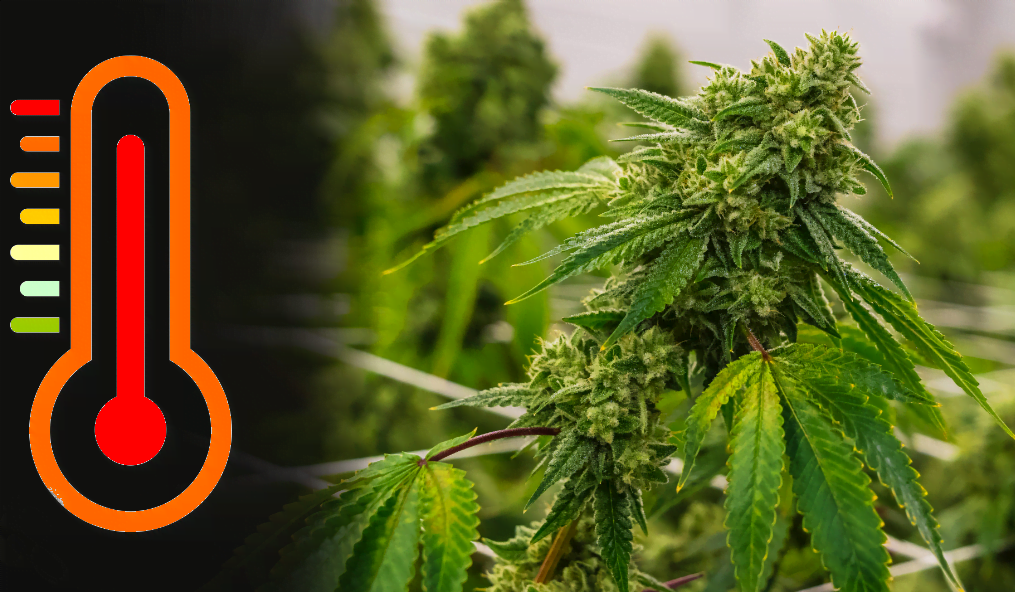
Best Temperature for Your Indoor Cannabis Grow
Growing cannabis indoors allows for precise control over the environmental conditions, which can significantly impact the health and yield of your plants. One of the most important variables in this process is temperature, which affects everything from germination to harvest. This tutorial will give a thorough analysis of the ideal temperatures for cannabis growth at each stage and show how to efficiently control and maintain these temperatures.
Introduction
Cannabis is a versatile plant that can adapt to various environmental conditions. However, for optimal growth and maximum yield, maintaining the right temperature is essential. Indoor growing provides the advantage of controlling temperature more precisely than outdoor growing. This guide will explore the best temperature ranges for different growth stages, the effects of temperature on cannabis plants, and practical tips for managing indoor temperatures.
Understanding Temperature and Cannabis Growth
Temperature affects several physiological processes in cannabis plants, including photosynthesis, respiration, and transpiration. The optimal temperature ensures these processes function efficiently, promoting healthy growth and high yields. Temperature also impacts the plant’s ability to absorb nutrients and water, influencing overall health and productivity.
Optimal Temperatures for Different Growth Stages
- Seedling Stage
- Temperature Range: 70-80°F (21-27°C)
- Humidity: 65-70%
- Details: Seedlings are delicate and require a stable environment to develop strong roots and leaves. Maintaining a temperature between 70-80°F ensures they are warm enough to encourage growth without the risk of overheating. High humidity is also crucial during this stage to prevent the young plants from drying out.
- Vegetative Stage
- Temperature Range: 70-85°F (21-29°C)
- Humidity: 40-70%
- Lights On: 75-85°F (24-29°C)
- Lights Off: 65-75°F (18-24°C)
- Details: During the vegetative stage, cannabis plants focus on growing leaves and stems. Higher temperatures (up to 85°F) are beneficial as they promote faster growth and vigorous development. However, temperatures should be reduced slightly during the night (lights off) to mimic natural conditions and reduce plant stress.
- Flowering Stage
- Temperature Range: 65-80°F (18-27°C)
- Humidity: 40-50%
- Lights On: 70-80°F (21-27°C)
- Lights Off: 65-75°F (18-24°C)
- Details: In the flowering stage, cannabis plants develop buds, which are sensitive to temperature changes. Keeping the temperature within 65-80°F helps optimize bud development and resin production. Lowering the humidity reduces the risk of mold and mildew on the flowers.
- Late Flowering (Final Weeks)
- Temperature Range: 65-75°F (18-24°C)
- Humidity: 30-40%
- Details: During the final weeks of flowering, slightly cooler temperatures can enhance the color and potency of the buds. Maintaining lower humidity levels prevents mold and ensures the buds stay dense and healthy.
Effects of Temperature on Cannabis Plants
Temperature variations can have significant effects on cannabis plants. Here’s how different temperature conditions impact cannabis growth:
- High Temperatures (>85°F / 29°C)
- Effects: Excessive heat can stress cannabis plants, causing heat stress symptoms like leaf curling, wilting, and yellowing. It can also reduce photosynthesis rates, leading to slower growth and lower yields.
- Management: Use air conditioning, exhaust fans, and proper ventilation to keep temperatures within the optimal range. Adding CO2 to the grow room can also help plants tolerate higher temperatures.
- Low Temperatures (<60°F / 15°C)
- Effects: Cold temperatures can slow down metabolic processes, resulting in stunted growth and reduced nutrient uptake. Prolonged exposure to cold can also cause root damage and increase the risk of pests and diseases.
- Management: Use heaters or heat mats to maintain temperatures, especially during the night. Insulating the grow space can also help retain heat.
- Temperature Fluctuations
- Effects: Sudden temperature changes can stress plants, leading to issues like hermaphroditism (developing both male and female flowers) and reduced bud quality. Consistency is key to preventing plant stress.
- Management: Use environmental controllers to maintain stable temperatures. Avoid placing grow lights too close to plants, as this can cause localized heat spikes.
Practical Tips for Managing Indoor Temperatures
The health and yield of your indoor cannabis grow room depend heavily on how well you control the temperature. The following useful advice may assist you in maintaining ideal temperature conditions:
1. Ventilation
Proper ventilation is essential for maintaining consistent temperatures and providing fresh air for your plants. Here’s how to manage ventilation effectively:
- Oscillating Fans:
- Use oscillating fans to circulate air within the grow room. This helps prevent hot spots and ensures even temperature distribution.
- Exhaust Fans:
- Install exhaust fans to remove hot air from the grow room. Position the exhaust fans near the top of the room where hot air accumulates.
- Intake Fans:
- Use intake fans to bring in fresh, cooler air from outside the grow room. Ensure the intake and exhaust fans are appropriately balanced to maintain airflow.
- Ducting:
- Use ducting to direct the airflow from intake and exhaust fans. This can help control where the air enters and exits, improving temperature management.
2. Lighting
The type and arrangement of lighting in your grow room can significantly impact temperatures:
- High-Intensity Discharge (HID) Lights:
- HID lights produce a lot of heat. Ensure adequate cooling systems are in place, such as air-cooled reflectors and proper ventilation.
- Light Emitting Diodes (LEDs):
- Compared to HID lights, LEDs use less energy and generate less heat. They can be an excellent choice for maintaining lower temperatures.
- Distance from Plants:
- Keep lights at an appropriate distance from the canopy to prevent heat stress. Follow manufacturer guidelines for the specific type of light you are using.
3. Heating and Cooling Systems
Investing in reliable heating and cooling systems is vital for maintaining optimal temperatures:
- Air Conditioners:
- Use air conditioners to cool the grow room during hot periods. Ensure the unit is appropriately sized for your space.
- Heaters:
- Use heaters to maintain warmth during cooler periods, especially at night. Consider using oil-filled radiators or ceramic heaters, which provide consistent heat.
- Thermostats:
- Install digital thermostats to monitor and control temperatures accurately. Programmable thermostats allow for automatic adjustments based on time or specific temperature ranges.
- Humidifiers and Dehumidifiers:
- Humidity and temperature are closely linked. Use humidifiers or dehumidifiers to maintain proper humidity levels, which can indirectly help control temperature.
4. Insulation
Insulating your grow room helps maintain stable temperatures by reducing heat loss and gain:
- Insulating Materials:
- Use materials like foam board, fiberglass, or reflective insulation to insulate walls, ceilings, and floors.
- Reflective Materials:
- Line the walls and ceilings with reflective materials like Mylar or white paint to help distribute light and heat evenly.
- Sealing:
- Ensure the grow room is well-sealed to prevent drafts and heat loss. Use weather stripping and caulk to seal gaps around doors and windows.
5. Monitoring
Regular monitoring of temperatures is crucial for maintaining optimal conditions:
- Digital Thermometers:
- Use digital thermometers to get accurate temperature readings. Place sensors at different heights and locations within the grow room to monitor variations.
- Hygrometers:
- Use hygrometers to measure humidity levels. Some digital devices combine both temperature and humidity monitoring.
- Environmental Controllers:
- Invest in environmental controllers that can automate temperature adjustments based on real-time conditions. These systems can manage heating, cooling, ventilation, and humidity.
6. CO2 Enrichment
CO2 enrichment can help plants tolerate higher temperatures and enhance growth:
- CO2 Generators:
- Use CO2 generators or tanks to enrich the grow room with CO2. Ensure proper ventilation to prevent CO2 buildup to harmful levels.
- Monitoring:
- Use CO2 monitors to maintain CO2 levels between 1000-1500 ppm, which is ideal for cannabis growth.
7. Night and Day Temperature Differences
Mimicking natural day and night temperature differences can improve plant health and yield:
- Day Temperature:
- Maintain higher temperatures during the day when lights are on. Ideal day temperatures range from 70-85°F (21-29°C).
- Night Temperature:
- Allow temperatures to drop slightly at night when lights are off. Ideal night temperatures range from 65-75°F (18-24°C).
- Consistent Changes:
- Avoid drastic temperature changes between day and night to prevent plant stress. A difference of 5-10°F (3-6°C) is generally sufficient.
8. Data Logging
Using data loggers to record temperature and humidity levels over time can help identify patterns and make informed adjustments:
- Data Loggers:
- Use data loggers to continuously record environmental conditions. This data can help you understand how your grow room responds to different external conditions and interventions.
- Analysis:
- Analyze the recorded data to spot trends and make necessary adjustments to improve temperature management.
9. Vapor Pressure Deficit (VPD)
Maintaining an optimal Vapor Pressure Deficit (VPD) range can enhance plant growth and transpiration:
- VPD Calculation:
- VPD is calculated using temperature and humidity levels. There are VPD charts and calculators available to help maintain the ideal VPD range.
- Ideal VPD Range:
- Aim for a VPD range of 0.8 to 1.2 kPa during the vegetative stage and 1.0 to 1.5 kPa during the flowering stage. Adjust temperature and humidity to achieve these values.
Troubleshooting Temperature Issues
Effective temperature management is crucial for maintaining the health and productivity of your cannabis plants. However, temperature issues can still arise, causing stress and affecting plant growth. Here’s a detailed guide on how to identify and troubleshoot common temperature-related problems in your indoor cannabis grow.
1. Heat Stress
Symptoms:
- Leaf curling or cupping
- Wilting leaves
- Yellowing or browning edges on leaves
- Reduced growth rate
- Burned leaf tips
Causes:
- High ambient temperatures above 85°F (29°C)
- Lights placed too close to the plants
- Inadequate ventilation or airflow
- Lack of proper cooling systems
Solutions:
- Increase Ventilation:
- Use more powerful exhaust fans to remove hot air from the grow room. Add oscillating fans to improve air circulation.
- Adjust Lighting:
- Raise the height of grow lights to reduce heat intensity on the canopy. Consider switching to cooler light sources, such as LEDs.
- Use Air Conditioning:
- Install an air conditioning unit to maintain cooler temperatures. Ensure the unit is appropriately sized for your grow space.
- Hydrate Plants:
- Ensure plants are well-watered, as heat stress can cause dehydration. Mulch your soil to keep it moist.
- Cool Air Intake:
- Draw in cooler air from outside during the cooler parts of the day. Use intake fans to bring in fresh air.
- Reflective Materials:
- Use reflective materials on walls to distribute light more evenly and reduce localized heat spots.
2. Cold Stress
Symptoms:
- Slow or stunted growth
- Purple or reddish stems and leaf veins
- Leaf discoloration (often dark green, purple, or blue hues)
- Drooping leaves
- Increased susceptibility to pests and diseases
Causes:
- Ambient temperatures below 60°F (15°C)
- Poor insulation of the grow room
- Ineffective heating systems
Solutions:
- Use Heaters:
- Install space heaters or oil-filled radiators to maintain warmer temperatures, especially during the night.
- Improve Insulation:
- Insulate walls, ceilings, and floors to retain heat. Use reflective materials to distribute warmth evenly.
- Heat Mats:
- Use heat mats under pots to keep the root zone warm. This is especially useful during the seedling and vegetative stages.
- Maintain Humidity:
- Cold air holds less moisture, so use humidifiers to maintain adequate humidity levels. This prevents plants from drying out in cold conditions.
- Reduce Ventilation:
- Lower the fan speed or reduce the number of fans running at night to retain warmth.
3. Inconsistent Temperatures
Symptoms:
- Reduced bud quality and yield
- Increased risk of hermaphroditism (development of both male and female flowers)
- Plant stress leading to slow growth and poor health
- Leaf curling or drooping
Causes:
- Large temperature swings between day and night
- Inadequate environmental control systems
- Poorly sealed grow room allowing drafts
Solutions:
- Environmental Controllers:
- Use automated environmental controllers to maintain consistent temperatures. These systems can regulate heating, cooling, and ventilation based on real-time conditions.
- Insulate the Grow Room:
- Ensure the grow room is well-sealed to prevent drafts and temperature fluctuations. Use weather stripping and caulk around doors and windows.
- Nighttime Heat:
- Use heaters or heating mats during the night to prevent significant temperature drops. Make sure there is a 5–10°F (3-6°C) change in temperature between day and night.
- Monitor Regularly:
- To keep an ongoing eye on the temperature and humidity levels, use digital thermometers and hygrometers. Place sensors at different locations to detect variations.
- Gradual Adjustments:
- When changing temperature settings, do so gradually to avoid shocking the plants. This is particularly important when transitioning between growth stages.
4. Localized Hot Spots
Symptoms:
- Burned or bleached areas on leaves directly under lights
- Leaf curling or cupping in specific areas of the grow room
- Reduced growth in plants located under or near hot spots
Causes:
- Grow lights placed too close to the canopy
- Poor light distribution
- Inadequate air circulation around the lights
Solutions:
- Adjust Light Height:
- Raise the grow lights to ensure an even distribution of light and reduce the intensity directly under the lights.
- Reflectors and Diffusers:
- Use reflectors and light diffusers to spread light more evenly across the grow space. This helps prevent concentrated hot spots.
- Increase Air Circulation:
- Position oscillating fans to blow directly under and around the lights. This helps dissipate heat and prevents hot spots.
- Light Moving Systems:
- Consider using light movers to keep grow lights in motion, ensuring all areas of the canopy receive equal light exposure and reducing the risk of hot spots.
5. Poor Air Circulation
Symptoms:
- General plant stress
- Leaf drooping and yellowing
- Increased risk of mold and mildew
- Uneven temperature distribution
Causes:
- Insufficient number of fans or improperly placed fans
- Lack of exhaust or intake fans
- Blocked airflow due to plant overcrowding or equipment placement
Solutions:
- Increase Fan Use:
- Add more oscillating fans to ensure adequate air movement throughout the grow room. Place them at different heights to cover the entire canopy.
- Proper Fan Placement:
- Position fans to create a consistent airflow pattern. Ensure there are no dead zones where air is stagnant.
- Exhaust and Intake:
- Ensure the exhaust fan is removing hot air efficiently and the intake fan is bringing in fresh, cooler air. Balance the airflow for optimal ventilation.
- Avoid Overcrowding:
- Space plants appropriately to prevent blocking airflow. Regularly trim and prune plants to maintain good air circulation.
Advanced Temperature Management Techniques
- Vapor Pressure Deficit (VPD)
- The difference between the quantity of moisture in the air and the maximum amount that the air can contain at a specific temperature is known as the volume per density, or VPD. Maintaining an optimal VPD range can enhance plant growth and transpiration. Ideal VPD ranges from 0.8 to 1.2 kPa during the vegetative stage and 1.0 to 1.5 kPa during the flowering stage.
- Night and Day Temperature Differences
- Mimicking natural day and night temperature differences can improve plant health and yield. A drop of 5-10°F (3-6°C) between day and night temperatures is beneficial. Avoid excessive drops to prevent plant stress.
- Temperature Zoning
- Create temperature zones within your grow space to cater to different plant needs. For instance, seedlings might need a warmer, more humid environment, while mature plants in the flowering stage require cooler temperatures and lower humidity.
- Data Logging
- Use data loggers to record temperature and humidity levels over time. Analyzing this data can help identify patterns and make informed adjustments to your growing environment.
Conclusion
Maintaining the optimal temperature in an indoor cannabis grow room is essential for achieving healthy plant growth and maximizing yield. The temperature directly affects various physiological processes in cannabis plants, including photosynthesis, respiration, and transpiration. By controlling the temperature precisely, growers can enhance plant health, prevent stress, and optimize the production of buds.
Here are the key takeaways for managing temperatures in an indoor cannabis grow:
- Seedling Stage:
- Optimal temperature: 70-80°F (21-27°C)
- High humidity (65-70%) is essential to keep seedlings hydrated and promote root development.
- Vegetative Stage:
- Optimal temperature: 70-85°F (21-29°C) during the day and 65-75°F (18-24°C) at night.
- Humidity should be kept between 40-70% to ensure vigorous growth.
- Flowering Stage:
- Optimal temperature: 65-80°F (18-27°C) during the day and 65-75°F (18-24°C) at night.
- Lower humidity (40-50%) reduces the risk of mold and mildew on developing buds.
- Late Flowering Stage:
- Optimal temperature: 65-75°F (18-24°C)
- Further reduced humidity (30-40%) ensures dense and mold-free buds.
Effects of Temperature:
- High Temperatures (>85°F / 29°C):
- Can cause heat stress, leading to symptoms like leaf curling, wilting, and yellowing.
- Slows down photosynthesis and reduces growth and yield.
- Low Temperatures (<60°F / 15°C):
- Slows down metabolic processes, resulting in stunted growth and reduced nutrient uptake.
- Increases the risk of pests and diseases.
- Temperature Fluctuations:
- Sudden changes can stress plants, leading to issues like hermaphroditism and reduced bud quality.
Practical Tips for Temperature Management:
- Ventilation:
- Use oscillating fans to circulate air and prevent hot spots.
- Install exhaust fans to remove excess heat and bring in fresh, cooler air.
- Lighting:
- Choose appropriate lighting to manage heat production.
- HID lights produce more heat compared to LEDs, which are more energy-efficient and produce less heat.
- Heating and Cooling Systems:
- Invest in reliable air conditioners, heaters, and thermostats.
- Automated systems can help adjust temperatures based on real-time conditions.
- Insulation:
- To keep the grow room’s temperature constant, insulate it.
- Reflective materials can help distribute light and heat evenly.
- Monitoring:
- Regularly monitor temperatures using digital thermometers and hygrometers.
- Place sensors at different heights and locations for accurate readings.
- CO2 Enrichment:
- Supplementing with CO2 allows plants to tolerate higher temperatures and enhances growth.
Troubleshooting Temperature Issues:
- Heat Stress:
- Increase ventilation, raise lights, and use air conditioning.
- Ensure adequate watering to prevent dehydration.
- Cold Stress:
- Use heaters, insulate the grow space, and avoid placing plants directly on cold floors.
- Inconsistent Temperatures:
- Use environmental controllers and improve insulation.
- Regularly check and adjust temperature settings.
Advanced Techniques:
- Vapor Pressure Deficit (VPD):
- Maintaining an optimal VPD range can enhance plant growth and transpiration.
- Night and Day Temperature Differences:
- Mimicking natural temperature differences can improve plant health and yield.
- Temperature Zoning:
- Create zones to cater to different plant needs within the grow space.
- Data Logging:
- Use data loggers to record and analyze temperature and humidity levels over time.
Final Thoughts:
Temperature management is a critical aspect of indoor cannabis cultivation that directly influences plant health and productivity. By maintaining the right temperature ranges at different growth stages and implementing effective management techniques, growers can create an optimal growing environment for their plants. Consistent monitoring, proper ventilation, and the use of reliable heating and cooling systems are essential components of a well-managed grow room.
While temperature control is vital, it is one of many factors that contribute to successful cannabis cultivation. Light, humidity, nutrients, and overall plant care also play significant roles. By taking a holistic approach and paying attention to all aspects of the growing environment, growers can achieve the best possible results and enjoy a bountiful harvest.
Investing time and effort into understanding and managing the temperature will pay off in the form of healthier plants and higher yields. Whether you are a beginner or an experienced grower, mastering temperature control will help you unlock the full potential of your indoor cannabis grow.
