Best Cannabis Strains for Post-Traumatic Stress Disorder (PTSD)
A traumatic event can cause Post-Traumatic Stress Disorder (PTSD), a mental health disorder brought on by experiencing or witnessing one. Individuals with PTSD often face symptoms such as flashbacks, severe anxiety, nightmares, and uncontrollable thoughts about the trauma. Managing PTSD can be challenging, and while conventional treatments like therapy and medications are commonly used, many individuals are turning to medical cannabis for relief. Certain cannabis strains contain compounds that may help manage symptoms associated with PTSD, including anxiety, insomnia, and hypervigilance. This article will explore some of the best cannabis strains for PTSD, focusing on their origins, chemical profiles, medical benefits, and growing conditions, while excluding any mention of recreational use and consumption methods.
1. Cannatonic
-
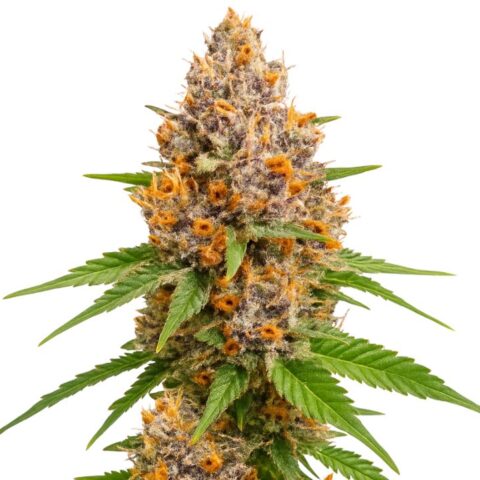 Cannatonic CBD Cannabis SeedsFrom: $24.99
Origin: Cannatonic is a hybrid strain bred by Resin Seeds, a Spanish seed bank, in the early 2000s. It was created by crossing a female MK Ultra with a male G13 Haze. Cannatonic is widely recognized for its high CBD (cannabidiol) content, which is particularly beneficial for medical purposes, including the treatment of PTSD.
Chemical Profile:
- THC (Tetrahydrocannabinol): 6-10%
- CBD (Cannabidiol): 12-16%
- Dominant Terpenes: Myrcene, Pinene, Limonene
The low THC content ensures minimal psychoactive effects, while the high CBD ratio is ideal for reducing anxiety and managing stress. Myrcene, known for its sedative effects, helps promote relaxation, which can be particularly beneficial for individuals with PTSD who struggle with insomnia or hyperarousal. Pinene aids in cognitive function, potentially mitigating memory problems associated with PTSD.
Medical Benefits: Cannatonic’s high CBD content makes it an effective option for PTSD patients, particularly those who seek relief from anxiety without the intoxicating effects of THC. Its calming properties can also help manage sleep disturbances, hypervigilance, and the emotional volatility commonly seen in PTSD sufferers.
Growing Conditions: Cannatonic thrives in both indoor and outdoor environments. When grown indoors, it typically flowers in 9-10 weeks and yields moderate amounts of resinous buds. Outdoors, it prefers a Mediterranean-like climate, requiring ample sunlight. Due to its hybrid nature, it grows to a medium height with strong, bushy branches. Cannatonic is somewhat susceptible to mold, so maintaining proper airflow is essential.
2. ACDC
-
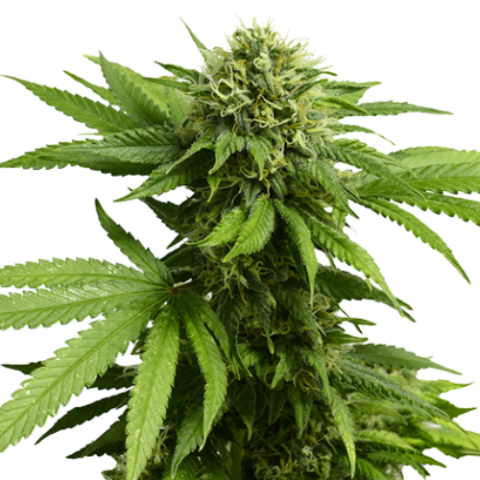 CBD ACDC Cannabis SeedsFrom: $24.99
Origin: ACDC is a Cannatonic genotype that is sativa-dominant and distinguished by its very high CBD concentration and low THC levels. It was developed by NorStar Genetics in the 2010s as a way to capitalize on Cannatonic’s medical benefits but with even less psychoactive influence.
Chemical Profile:
- THC: 1-2%
- CBD: 16-20%
- Dominant Terpenes: Caryophyllene, Pinene, Myrcene
ACDC is virtually non-psychoactive due to its ultra-low THC content, making it a great option for medical cannabis users seeking relief from PTSD symptoms. The terpene caryophyllene, which has anti-inflammatory and anti-anxiety benefits, is important to this strain’s medicinal effects. Pinene and myrcene further contribute to relaxation and mental clarity.
Medical Benefits: ACDC is widely used for reducing anxiety, which is a core component of PTSD. The high CBD content works to balance mood, stabilize emotional responses, and prevent the onset of panic attacks or flashbacks. Additionally, this strain helps relieve the physical symptoms of stress, like headaches and tense muscles.
Growing Conditions: ACDC is a moderately difficult strain to cultivate and is best suited for experienced growers. It can be grown indoors or outdoors, but it requires close monitoring due to its sensitivity to environmental factors. Indoors, it takes around 10 weeks to flower, while outdoor harvests are generally ready by late October. Regular trimming and pruning are needed to maximize light exposure and air circulation.
3. Harlequin
-
 Harlequin CBD Cannabis SeedsFrom: $24.99
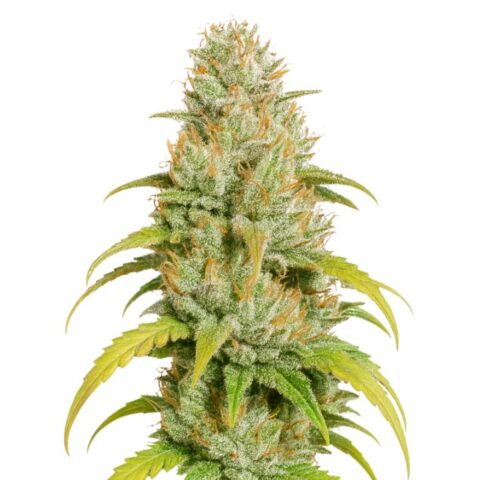
Origin: Harlequin is a sativa-dominant strain with a genetic lineage that includes Colombian Gold, Thai, and Swiss landrace strains. Bred by Mr. Green of House of David Collective, Harlequin was specifically developed for its high CBD content and low THC ratio, making it an excellent strain for medical use.
Chemical Profile:
- THC: 5-8%
- CBD: 8-15%
- Dominant Terpenes: Myrcene, Pinene, Humulene
The balanced ratio of CBD to THC allows Harlequin to offer relief from PTSD symptoms without overwhelming psychoactive effects. The terpene profile supports mental focus, stress relief, and anti-inflammatory benefits.
Medical Benefits: Harlequin is particularly useful for PTSD patients who experience anxiety, stress, and depressive symptoms. Its ability to elevate mood and promote mental clarity makes it ideal for managing the cognitive and emotional symptoms of PTSD. Additionally, Harlequin can help with physical pain and inflammation, which may be experienced by some PTSD sufferers.
Growing Conditions: Harlequin can be grown both indoors and outdoors, but it prefers a warm, humid environment similar to its Colombian and Thai landrace heritage. The strain generates moderate amounts and takes about 8 or 9 weeks to blossom. It is a reasonably simple strain to cultivate because it is resistant to mold and pests. When grown outdoors, Harlequin thrives in climates with long, warm summers.
4. Sour Tsunami
-
 Sour Tsunami CBD Cannabis SeedsFrom: $24.99
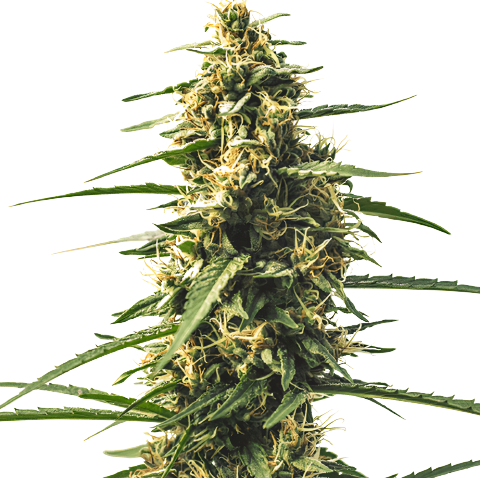
Origin: Sour Tsunami is a hybrid strain developed by Lawrence Ringo of the Southern Humboldt Seed Collective. It was bred by crossing Sour Diesel with NYC Diesel, and it was one of the first strains specifically cultivated for its high CBD content.
Chemical Profile:
- THC: 1-3%
- CBD: 10-12%
- Dominant Terpenes: Myrcene, Limonene, Pinene
Sour Tsunami’s chemical profile makes it a reliable choice for PTSD patients who require symptom relief without the psychoactive effects associated with higher THC strains. While pinene promotes mental clarity and memory, limonene helps elevate mood and reduce stress.
Medical Benefits: Sour Tsunami is highly effective at managing anxiety, one of the primary symptoms of PTSD. It can also alleviate pain, depression, and stress, helping patients maintain a more balanced mood throughout the day. Its uplifting effects are mild but potent enough to provide relief from flashbacks and emotional triggers.
Growing Conditions: Sour Tsunami is a moderately difficult strain to grow, with a flowering time of 9 weeks indoors. Outdoors, it requires a temperate climate, with harvests typically occurring in mid-October. The plant grows tall and is more susceptible to mold in humid environments, so regular pruning and maintaining airflow is important. Sour Tsunami is known for its high yield, making it a popular choice for those cultivating for medical use.
5. Charlotte’s Web
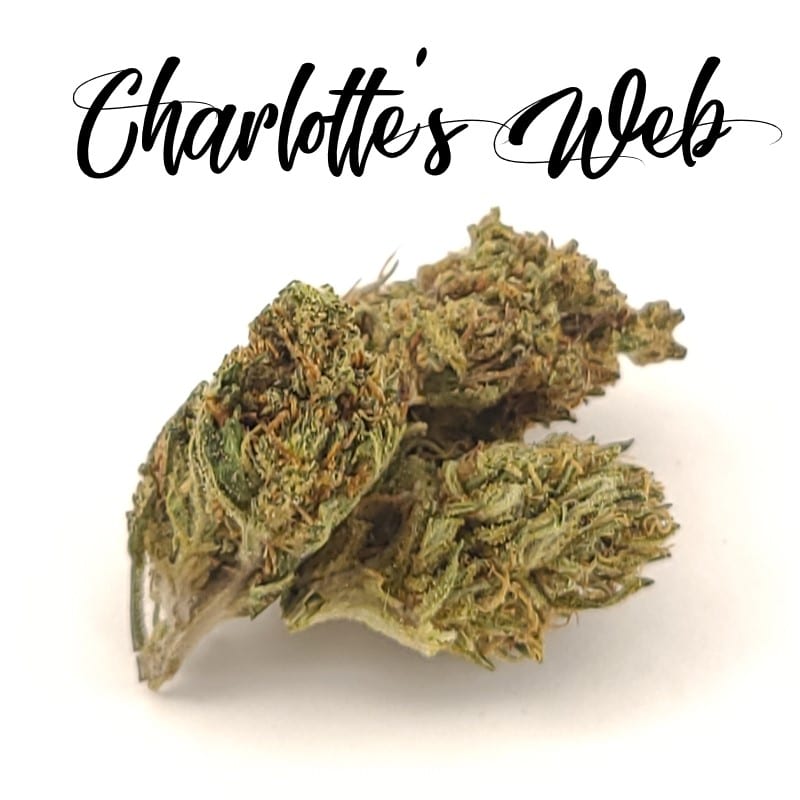
Origin: One of the most well-known high-CBD strains is Charlotte’s Web, which the Stanley Brothers created in Colorado. This strain was named after Charlotte Figi, a young girl with a severe form of epilepsy whose seizures were significantly reduced by using this cannabis strain. It is a proprietary hemp-based strain with low THC and high CBD content, specifically designed for medical applications.
Chemical Profile:
- THC: <0.3%
- CBD: 15-20%
- Dominant Terpenes: Myrcene, Pinene, Caryophyllene
Charlotte’s Web is classified as industrial hemp due to its very low THC content. Its primary medicinal benefits come from the high CBD content, which promotes relaxation and stress relief without any intoxicating effects.
Medical Benefits: Charlotte’s Web is an excellent choice for PTSD patients seeking relief from anxiety, insomnia, and emotional disturbances. Its calming effects can also help with panic attacks and nightmares, which are common among PTSD sufferers. The strain is particularly beneficial for those who are sensitive to THC but require the therapeutic effects of CBD.
Growing Conditions: Charlotte’s Web is a robust and resilient strain that can be grown indoors or outdoors. When grown outdoors, it thrives in a warm, sunny climate. It yields a reasonable amount and takes about 8 to 9 weeks to flower. The plant itself grows tall and bushy, requiring regular pruning to optimize air circulation.
6. Remedy
-
Remedy CBD Cannabis SeedsFrom: $24.99
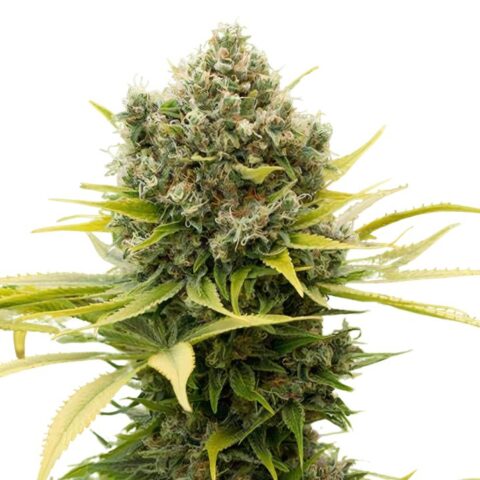
Origin: Remedy is an indica-dominant hybrid strain, a cross between Cannatonic and Afghan Skunk. Developed specifically for medical purposes, Remedy is valued for its high CBD and very low THC content, making it an ideal strain for managing PTSD symptoms without any psychoactive effects.
Chemical Profile:
- THC: <1%
- CBD: 12-16%
- Dominant Terpenes: Caryophyllene, Linalool, Myrcene
Remedy’s chemical profile is tailored to promote relaxation and reduce anxiety, with linalool providing a strong calming effect and caryophyllene offering anti-inflammatory benefits. Myrcene contributes to the sedative properties of the strain, making it particularly useful for PTSD patients struggling with insomnia.
Medical Benefits: Remedy is highly effective for managing anxiety, stress, and sleep disorders, making it a perfect fit for those with PTSD. Its sedative properties can calm hypervigilance and help patients achieve restful sleep. The strain also has anti-inflammatory effects, which can be beneficial for individuals with PTSD who also suffer from chronic pain.
Growing Conditions: Remedy is relatively easy to grow, with a flowering time of 7-8 weeks indoors. It can be cultivated outdoors as well, where it prefers a warm, sunny environment. The plant has a bushy form and reaches a medium height. It is suitable for both novice and seasoned growers due to its relative resistance to mold and pests.
7. Purple Urkle
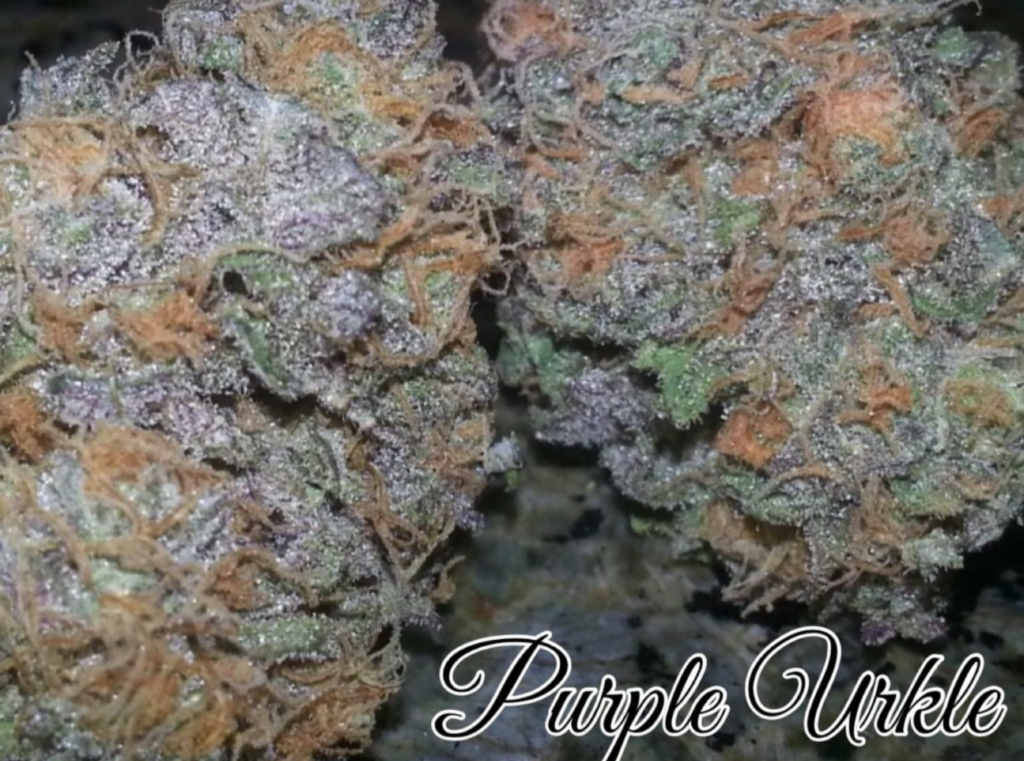
Origin: Purple Urkle is an indica-dominant strain with origins in California, believed to be a phenotype of Mendocino Purps. Its genetics are somewhat mysterious, but it has gained popularity for its potent sedative effects and vibrant purple buds.
Chemical Profile:
- THC: 15-20%
- CBD: 0.1-1%
- Dominant Terpenes: Myrcene, Pinene, Caryophyllene
While Purple Urkle contains moderate levels of THC, its high myrcene content enhances its sedative properties. Pinene and caryophyllene provide calming and anti-anxiety benefits, making Purple Urkle an effective option for PTSD patients who need strong, sleep-inducing effects.
Medical Benefits: Purple Urkle is particularly useful for individuals with PTSD who struggle with insomnia and nighttime anxiety. Its deeply relaxing effects can also help mitigate hypervigilance and agitation, allowing for a more restful night. While its THC content is higher than some other strains on this list, its effects can be carefully managed for medical purposes to promote relaxation without overwhelming intoxication.
Growing Conditions: Purple Urkle is best grown indoors where environmental factors can be controlled. It has a relatively long flowering time of 8-9 weeks and tends to grow into short, bushy plants. The strain requires careful monitoring of humidity levels to prevent mold and mildew, especially in the later stages of growth. Outdoor cultivation is possible but best suited for Mediterranean climates.
Restrictions on Using Cannabis Strains for PTSD in the Medical Field as a Last Resort
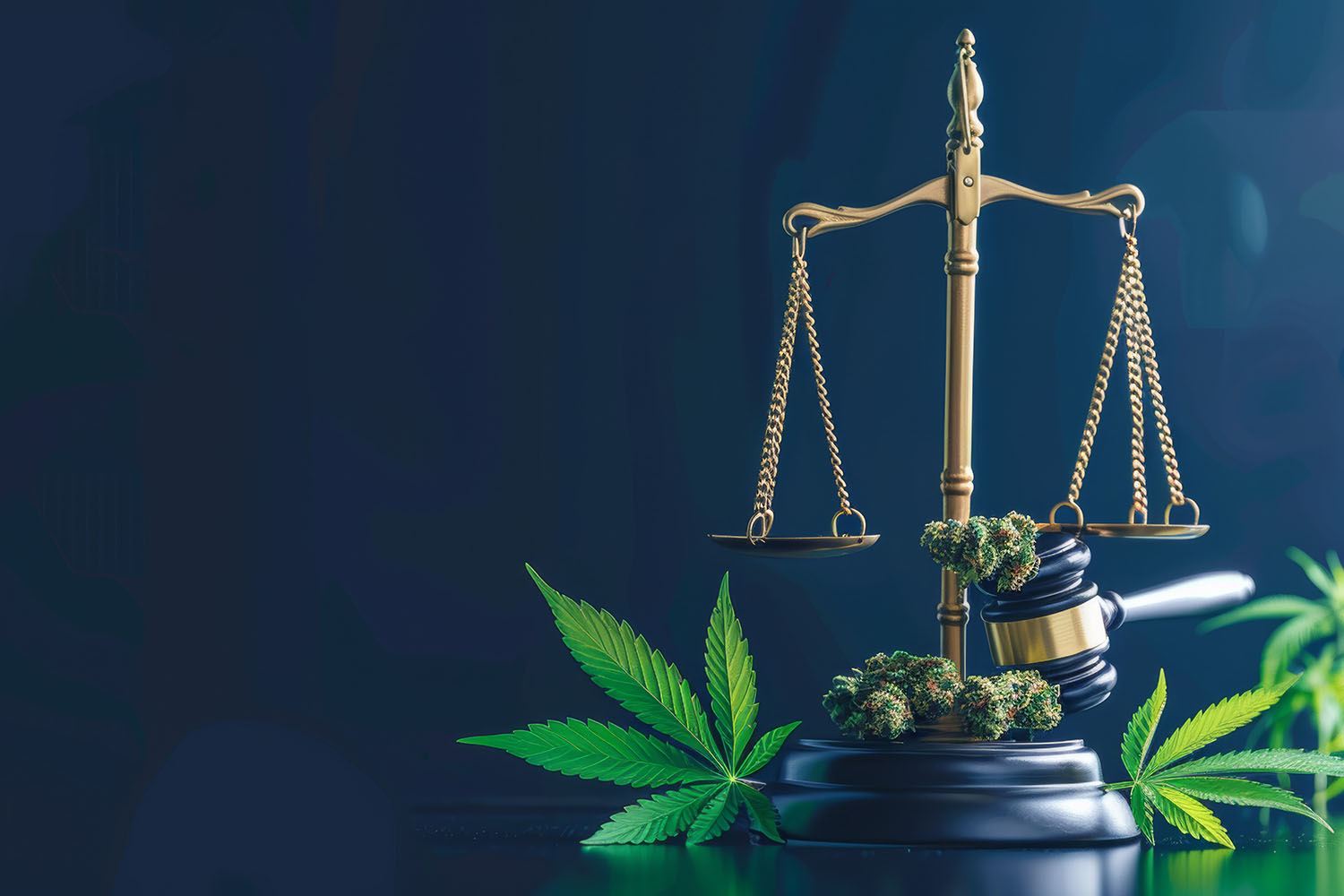
In the medical field, the use of cannabis strains such as Cannatonic, ACDC, Charlotte’s Web, and others for managing Post-Traumatic Stress Disorder (PTSD) is often considered a last resort. This is because cannabis, despite its growing body of research and recognition in treating various medical conditions, still faces legal, regulatory, and clinical challenges. These restrictions are particularly relevant when it comes to the use of cannabis-based medications in formal medical settings and are especially stringent concerning THC (tetrahydrocannabinol) content.
1. Legal and Regulatory Restrictions
There are big differences in cannabis use for medical purposes between nations, as well as between states or areas within a nation. In many jurisdictions, medical cannabis is only approved after all conventional treatments, such as pharmaceuticals and behavioral therapies, have been tried and have failed. This classification of medical cannabis as a last-resort treatment is typically due to several factors:
- Lack of standardization: Cannabis-based treatments are not as tightly regulated as other pharmaceutical drugs. It is challenging for medical professionals to suggest cannabis as a first line of treatment due to differences in cannabinoid profiles, dosage, and strain potency. The inconsistency in potency, especially with THC, can complicate therapeutic use.
- Legal restrictions on THC content: Many regions limit the allowable amount of THC in medical cannabis products to prevent psychoactive effects. In some countries, cannabis strains with THC content above a certain threshold are prohibited or tightly regulated, making it difficult for patients to access these strains. For instance, strains like Purple Urkle, which has moderate levels of THC, might not be accessible for PTSD treatment unless other non-THC options have been exhausted.
- Doctor-prescribed restrictions: In some jurisdictions, doctors are restricted from recommending cannabis unless the patient has not responded to other forms of treatment. This means that strains like Cannatonic, ACDC, and Charlotte’s Web may only be considered when conventional medications, such as antidepressants, anti-anxiety drugs, or sleep aids, have failed to provide adequate relief from PTSD symptoms.
2. Medical Restrictions and Last-Resort Considerations
In a clinical context, healthcare providers may be hesitant to prescribe cannabis-based medications as a first-line treatment due to concerns about dependency, psychoactive side effects, and the lack of long-term research on its effectiveness and safety in treating PTSD. Medical professionals generally prefer to prescribe cannabis as a last-resort treatment for several reasons:
- Psychiatric concerns: THC can exacerbate certain mental health conditions, and some individuals may experience increased anxiety, paranoia, or psychosis with high-THC strains. This is particularly relevant in PTSD, where patients are already vulnerable to mental health challenges. As a result, strains with higher THC levels are often avoided unless absolutely necessary.
- Uncertainty in dosage and effects: The effects of cannabis are dose-dependent, and slight variations in THC and CBD ratios can lead to different outcomes. Medical professionals need to closely monitor these effects to ensure the treatment is beneficial and not detrimental. This is why strains with high CBD and low THC, like ACDC and Cannatonic, are preferred for PTSD treatment.
3. Monitoring THC Levels in Medications
One of the most important considerations when using cannabis strains to treat PTSD in a medical context is the need to monitor and limit THC levels. The euphoric effects of cannabis, which can be unfavorable especially in medical contexts, are caused by the component THC. Psychoactive effects can lead to confusion, dizziness, or increased anxiety, which are counterproductive when treating PTSD.
Several strategies are employed in the medical field to prevent the psychoactive effects of THC in cannabis-based medications:
- CBD-to-THC ratio: By selecting strains that have a higher CBD (cannabidiol) content compared to THC, medical professionals can minimize the risk of psychoactive effects. CBD is non-psychoactive and is known for its calming and anti-anxiety properties, which can help counterbalance the effects of THC. Strains like ACDC, Cannatonic, and Charlotte’s Web are particularly suitable for this purpose, as they contain minimal THC.
- Microdosing: In cases where THC is required for its medical benefits, such as in managing pain or severe anxiety, microdosing is often employed. Microdosing involves administering very small amounts of THC to avoid significant psychoactive effects while still reaping its therapeutic benefits. This allows healthcare providers to maintain control over the patient’s mental state while treating PTSD symptoms.
- Laboratory testing and standardization: Medical cannabis products used in regulated settings are usually subject to strict laboratory testing. These tests verify the THC and CBD content of each batch, ensuring that the medication adheres to the required legal and medical standards. Standardization helps in preventing accidental overdosing of THC and ensures that patients receive consistent dosages each time.
- Patient monitoring and adjustment: Patients using medical cannabis, particularly for conditions like PTSD, are closely monitored by healthcare professionals. Regular evaluations are conducted to assess the patient’s response to treatment, and adjustments to the strain or dosage may be made to minimize psychoactive effects while maximizing therapeutic benefits.
Conclusion
In the context of treating Post-Traumatic Stress Disorder (PTSD) with medical cannabis, several strains have shown promising potential, offering therapeutic relief without the need for conventional medications. Strains like Cannatonic, ACDC, Charlotte’s Web, Harlequin, Sour Tsunami, and Remedy stand out for their high CBD content and low THC levels, making them ideal for PTSD patients who require relief from anxiety, hypervigilance, and insomnia. These strains are known to help balance mood, promote relaxation, and reduce physical tension without inducing strong psychoactive effects, making them suitable for clinical use.
While cannabis holds promise as a treatment for PTSD, it is often classified as a last-resort treatment in the medical field. This is due to a combination of legal restrictions, lack of standardization, and clinical concerns about the long-term effects of cannabis use. Regulations often limit the use of strains with higher THC content, as psychoactive effects can exacerbate mental health conditions. As a result, many healthcare providers opt for cannabis only after conventional therapies, such as pharmaceutical medications and behavioral interventions, have failed to provide sufficient relief.
One of the key challenges in using cannabis for PTSD treatment is monitoring THC levels to avoid psychoactive side effects. Medical professionals utilize strategies such as selecting strains with high CBD-to-THC ratios, microdosing THC, and employing laboratory testing to ensure patients receive consistent and safe dosages. This approach helps to harness the therapeutic benefits of THC and CBD without exposing patients to unwanted intoxication or cognitive impairment.
In summary, while cannabis can be an effective treatment option for PTSD, its use in the medical field is tightly regulated and monitored to ensure patient safety. High-CBD, low-THC strains are particularly beneficial for addressing PTSD symptoms, but legal and clinical restrictions often require cannabis to be used as a last-resort option. Through careful strain selection, dosage control, and ongoing patient monitoring, medical cannabis can provide relief to PTSD patients while minimizing risks associated with psychoactive effects.
