Table of Contents
Best strain for degenerative disc disease
Best Strain Categories for DDD
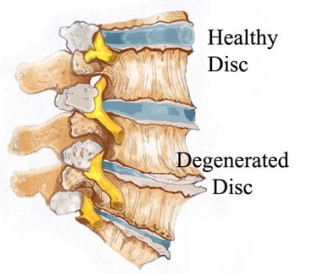
A. High-CBD, Balanced THC:CBD Strains
Best for daytime use with minimal psychoactivity but strong inflammation control.
B. THC-Dominant Indicas
Ideal for nighttime use to combat pain, spasticity, and insomnia.
C. CBG and Minor Cannabinoid-Rich Strains
Beneficial for chronic, nerve-based pain and disc regeneration support.
5. Top Cannabis Strains for Degenerative Disc Disease
1. Harlequin
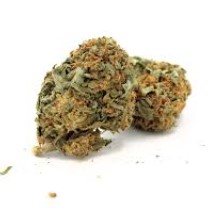
- Type: Sativa-dominant hybrid
- THC/CBD Ratio: ~5:2 CBD:THC
- Best For: Daytime pain control without intoxication
- Medical Use: Anti-inflammatory, muscle tension, anxiety
- Terpenes: Myrcene, pinene, caryophyllene
- Why It Works: High CBD content provides anti-inflammatory and neuroprotective effects, while a mild THC level helps with pain. Suitable for spinal stiffness and inflammation-driven pain.
2. ACDC
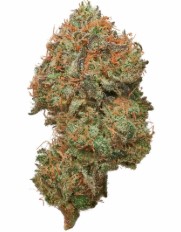
- Type: CBD-rich hybrid
- THC/CBD Ratio: ~1:20
- Best For: Anti-inflammatory support, nerve pain
- Medical Use: Neuropathy, arthritis, disc inflammation
- Terpenes: Myrcene, caryophyllene
- Why It Works: Very low THC with high CBD allows anti-inflammatory and antispasmodic action without psychoactive effects. Excellent for patients sensitive to THC.
3. Cannatonic
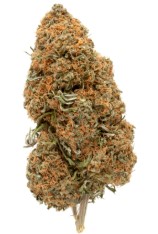
- Type: Balanced hybrid
- THC/CBD Ratio: ~1:1
- Best For: Broad pain relief with a clear head
- Medical Use: Spinal pain, muscle spasms, chronic nerve pain
- Terpenes: Limonene, linalool, myrcene
- Why It Works: Balanced cannabinoid ratio reduces inflammation while providing mild euphoria and muscle relaxation. Ideal for degenerative pain with neuropathic elements.
4. Northern Lights
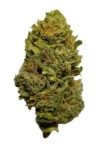
- Type: Indica
- THC: ~18-22%
- Best For: Nighttime relief, insomnia, muscle spasms
- Medical Use: Severe pain, sleep disorders, stress
- Terpenes: Myrcene, pinene, caryophyllene
- Why It Works: Heavy sedative and analgesic effects help patients with severe DDD pain get restorative sleep. Ideal for end-of-day use.
5. Bubba Kush
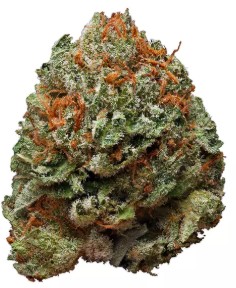
- Type: Indica
- THC: 18-21%
- Best For: Muscle tension, pain, relaxation
- Medical Use: Chronic back pain, muscle spasms, insomnia
- Terpenes: Linalool, myrcene
- Why It Works: Strong myorelaxant and pain-numbing effects. Suitable for both acute and chronic DDD episodes with stress involvement.
6. Critical Mass
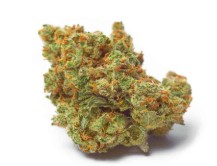
- Type: Indica
- THC/CBD: 18% THC / 5% CBD
- Best For: Balanced nighttime therapy
- Medical Use: Pain, anxiety, inflammation
- Terpenes: Myrcene, caryophyllene
- Why It Works: The high CBD presence buffers the THC to avoid anxiety, providing potent relief and gentle sedation. Great for long-term disc-related pain.
7. Blueberry
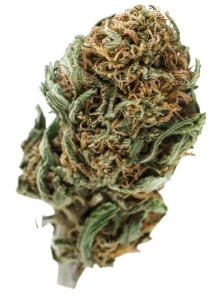
- Type: Indica
- THC: ~20%
- Best For: Pain, insomnia, mood balance
- Medical Use: Spinal stiffness, mood swings, inflammation
- Terpenes: Myrcene, pinene, linalool
- Why It Works: Deep body high and anti-inflammatory terpenes help patients ease both physical and emotional burdens of chronic DDD.
8. CBG White
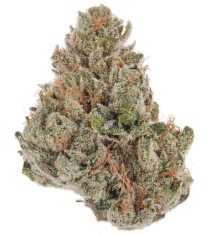
- Type: CBG-dominant strain
- CBG: ~15%
- Best For: Nerve protection, long-term use
- Medical Use: Neuropathy, spinal degeneration
- Terpenes: Pinene, bisabolol, guaiol
- Why It Works: CBG promotes neuroregeneration and reduces oxidative stress. Excellent for patients looking to slow disc deterioration.
9. Girl Scout Cookies (GSC)
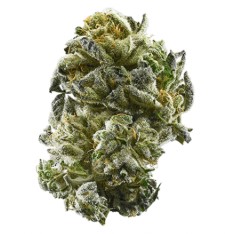
- Type: Hybrid
- THC: 20–28%
- Best For: Pain, euphoria, evening relaxation
- Medical Use: Severe chronic pain, anxiety, depression
- Terpenes: Caryophyllene, limonene
- Why It Works: Potent full-body relief with mental euphoria. Ideal for patients who struggle with the psychological toll of chronic spinal pain.
10. Charlotte’s Web
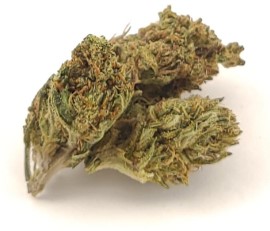
- Type: High-CBD
- CBD/THC: ~20:1
- Best For: Inflammation and daytime clarity
- Medical Use: Chronic inflammation, disc swelling
- Terpenes: Limonene, pinene
- Why It Works: Non-psychoactive yet highly therapeutic for spinal inflammation and nerve-related pain. Can be taken consistently without intoxication.
Best Practices for Using Cannabis for DDD
Delivery Methods
- Vaporization: Fast-acting, ideal for acute pain flare-ups.
- Tinctures: Easy to dose, long-lasting relief.
- Edibles: Sustained, full-body effect, good for nighttime.
- Topicals: Targeted relief for localized disc and muscle pain.
- Capsules: Discreet and long-lasting; ideal for chronic use.
Dosing Guidelines
- Start low, go slow: Especially with THC.
- Microdosing: 1–2.5 mg THC or 5–10 mg CBD can be effective for mild pain.
- Chronic pain: 10–30 mg THC/CBD combo per day is common, but individualized.
- Nighttime sedation: 20–40 mg THC from an indica strain may be needed for some.
Risks, Side Effects & Contraindications
Precautions
- Avoid high-THC strains during daytime if you require focus.
- Consult a physician if you are on blood thinners or sedatives.
- Long-term inhalation should be moderated to prevent lung stress; consider tinctures or capsules.
Final Thoughts: Best Strain Strategy for DDD
For those managing Degenerative Disc Disease, cannabis offers a multimodal approach that targets inflammation, pain, sleep issues, and anxiety simultaneously. An optimal routine might look like:
- Morning/Afternoon: Harlequin or Cannatonic (for clear-headed inflammation control)
- Midday: ACDC tincture or CBG strain (nerve support without sedation)
- Evening: Northern Lights or Bubba Kush (for pain and restful sleep)
